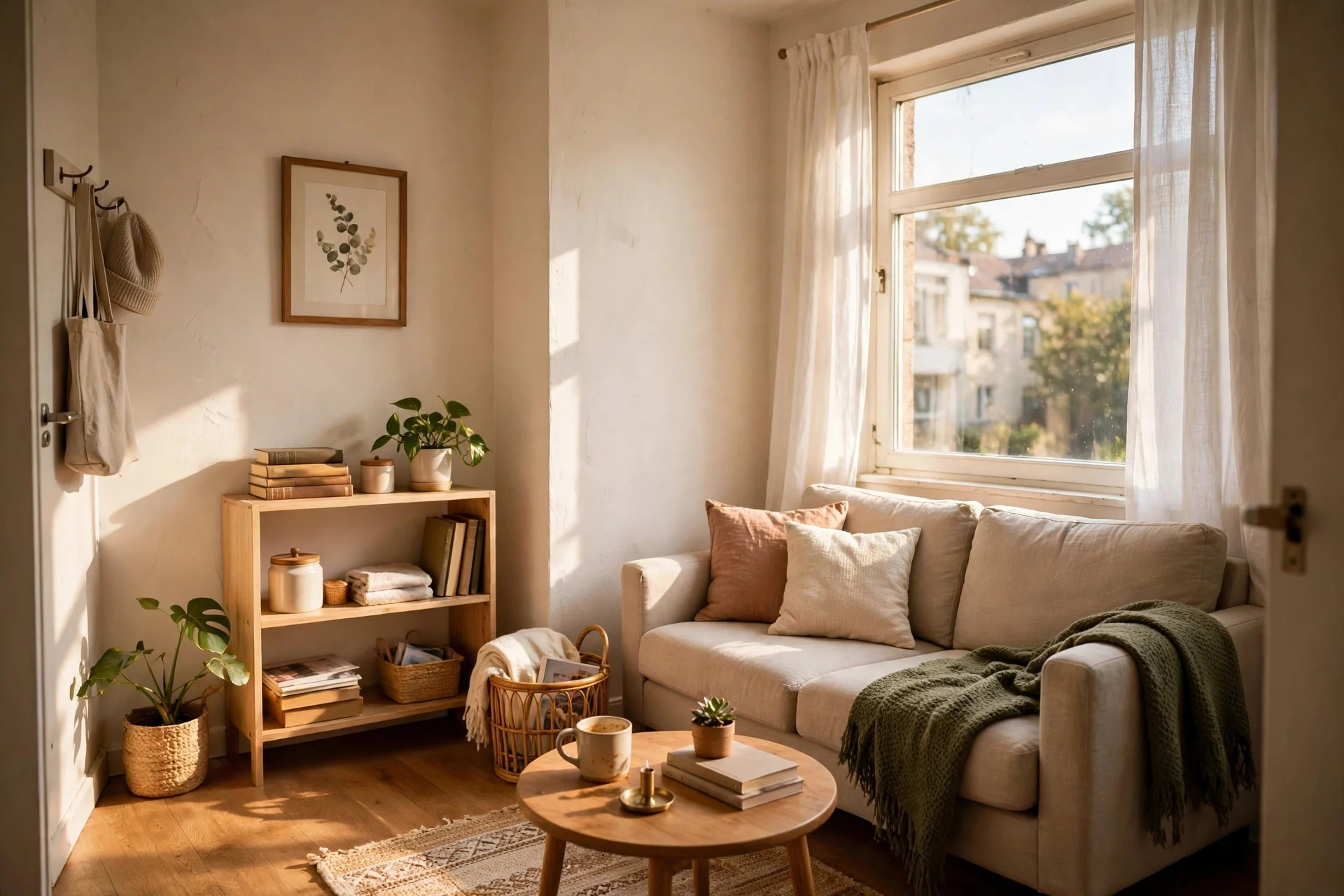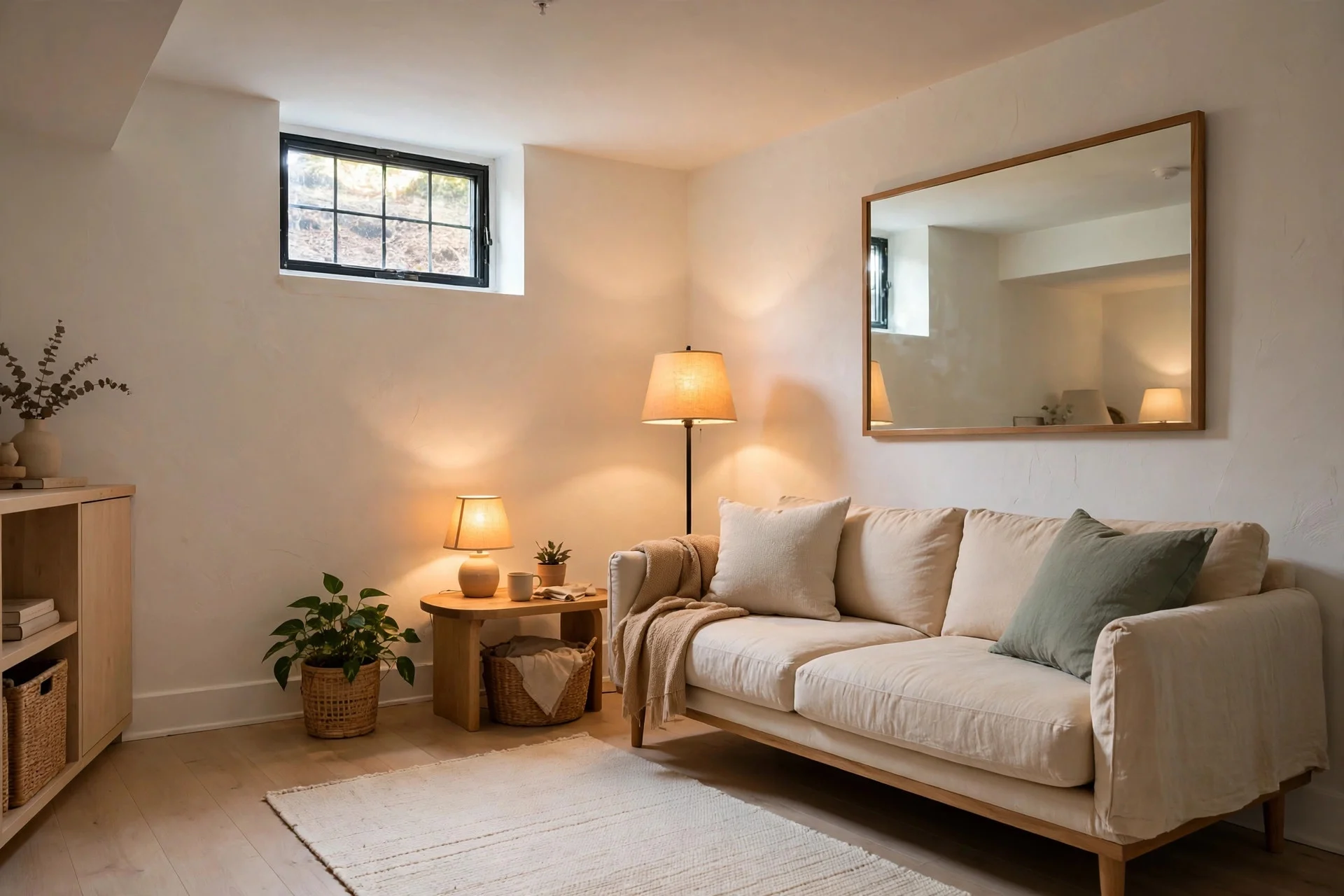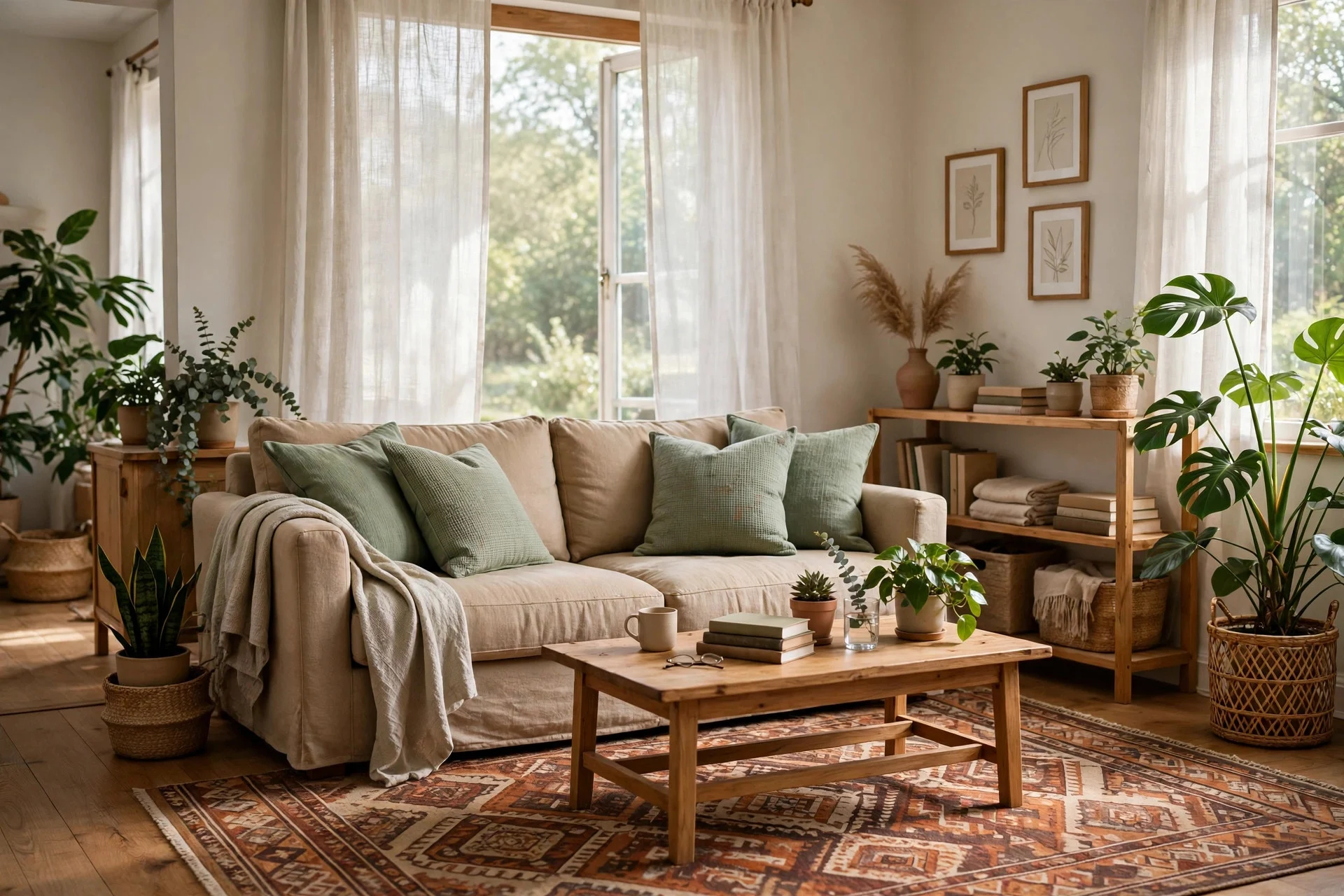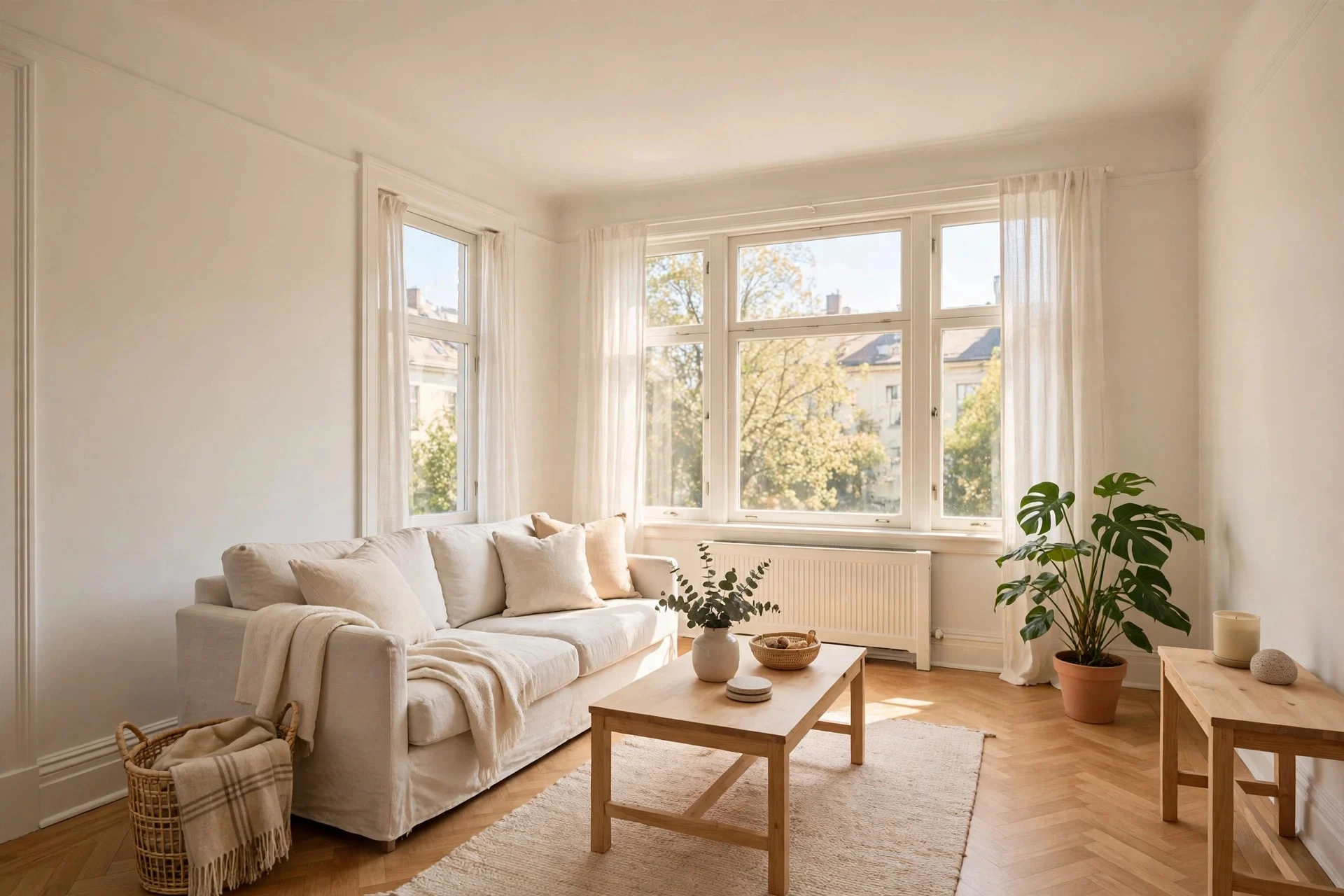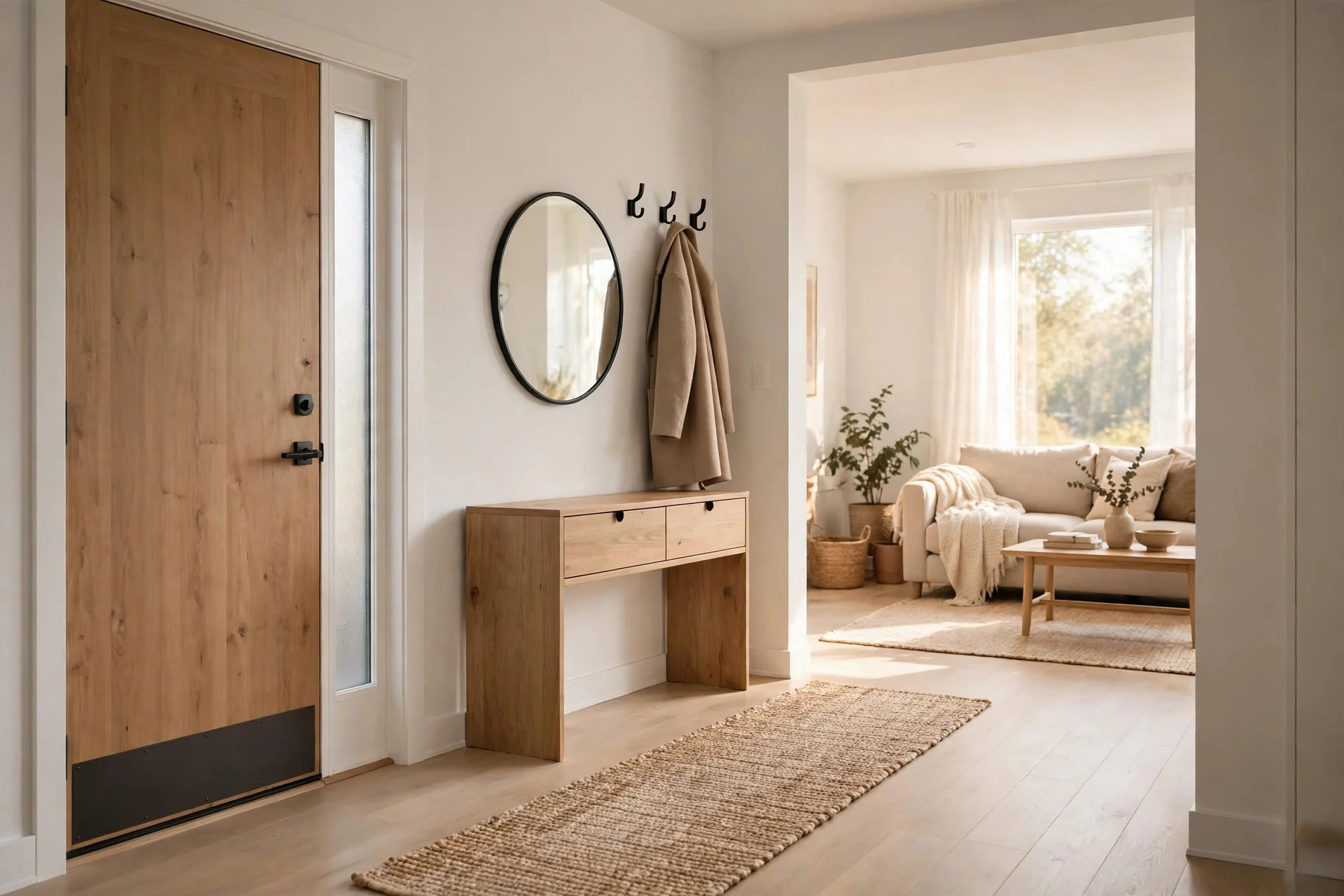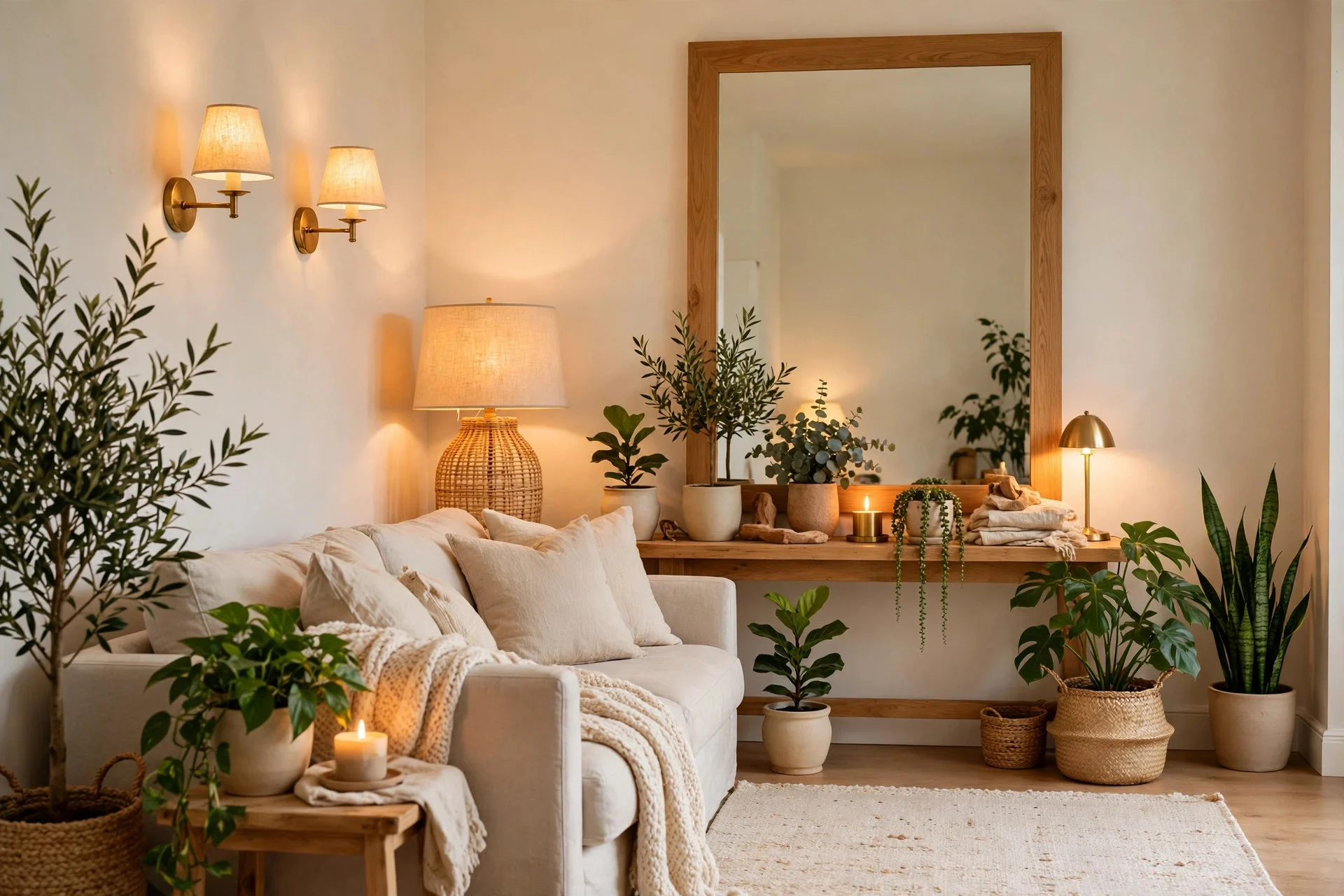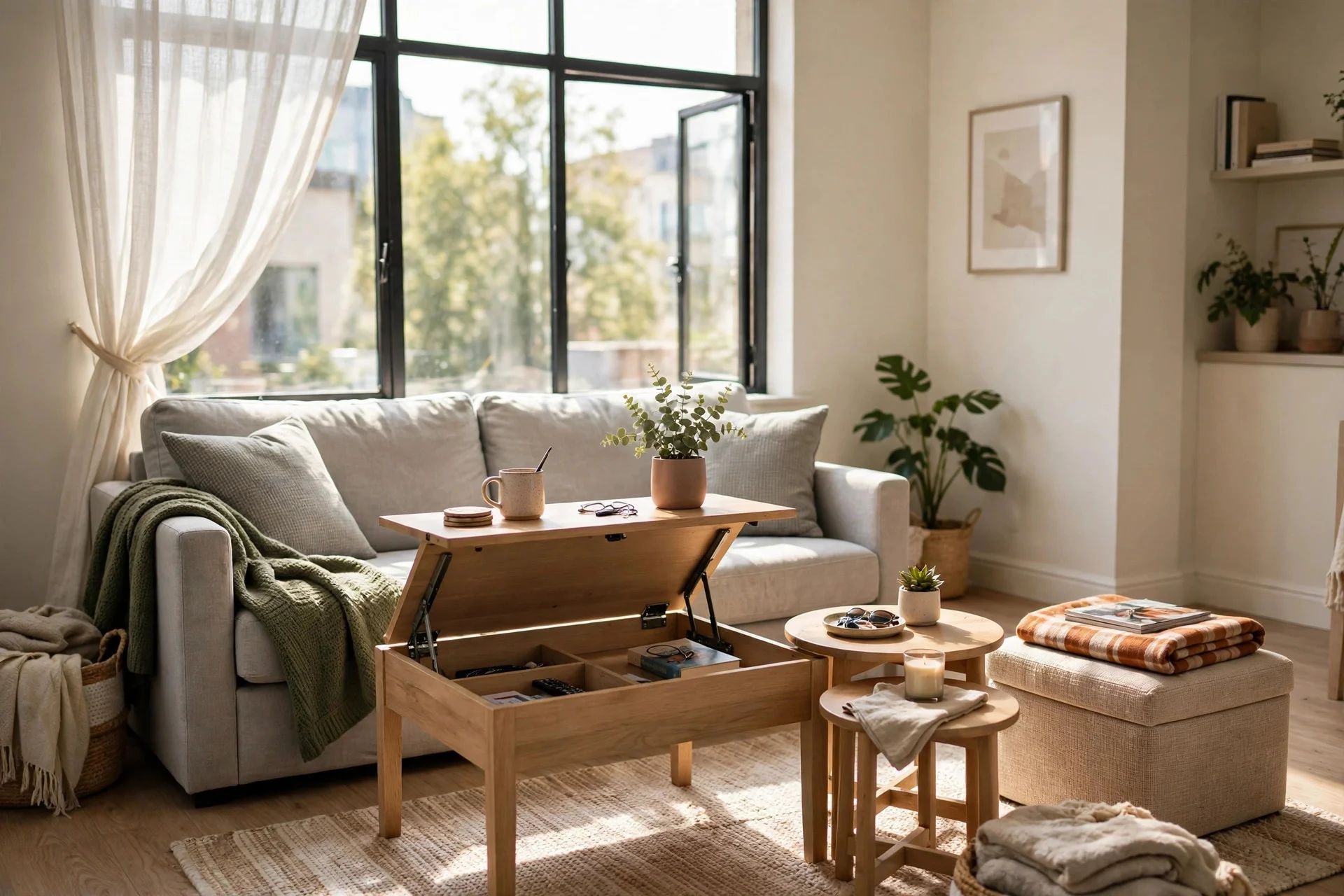
Picture this: two friends, or your parents and an aunt, arrive on the same weekend, and the only spare room has a single double bed nobody wants to share. A twin bed guest room fixes that problem outright. Two proper beds, each person’s own space, and nobody negotiating over the middle of the mattress. The catch is that two beds can make a room feel crowded or lopsided if you just shove them in and hope for the best. These twin beds guest room ideas walk through the room zone by zone — layout first, then bedding, storage, comfort, and finishing touches — so both guests feel like the room was set up for them, not just for one of them plus a spare.
Layout Zone: Getting Two Beds in Without the Crowd
Layout is where a twin room succeeds or fails. Get the beds placed well and everything else — bedding, storage, lighting — falls into place around them. Get it wrong and the room feels like a dormitory no matter how nice the bedding is.
1. Classic Parallel Pair With a Shared Nightstand
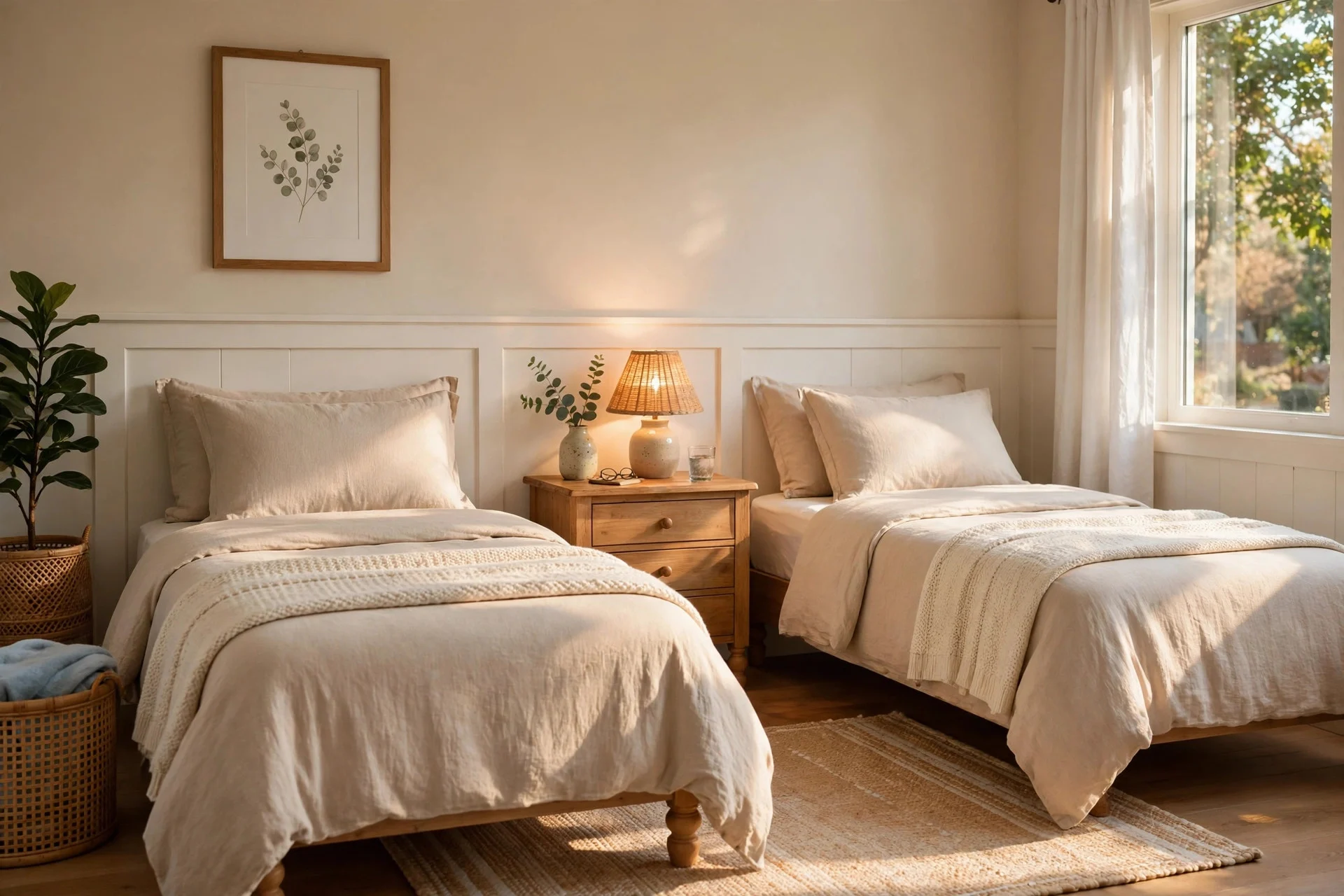
The simplest layout, and still the best in most rooms: two twins parallel against the same wall, a single nightstand between them. It feels balanced, it reads as intentional rather than improvised, and both guests get equal wall space, equal light, and equal access to the door. Leave at least 24 inches between the beds and the nightstand so nobody has to squeeze past.
A shared nightstand works best when it’s wide enough for two phones, two glasses of water, and a book each — roughly 24 inches across. One lamp on it can serve both beds if the shade is wide, though two small lamps look better.
2. Corner L-Shape Layout
In a square room, push one bed into each of two adjoining walls so the beds form an L. This frees up a big chunk of floor in the middle of the room, which makes the space feel larger and gives guests somewhere to actually stand while unpacking. It works especially well when the two guests are a couple who want closeness without sharing a mattress, or siblings who grew up sharing a room.
The corner where the beds nearly meet is dead space unless you use it — a small round side table or a floor lamp fits there neatly. Keep the bedding in the same family so the L reads as one room, not two rooms colliding.
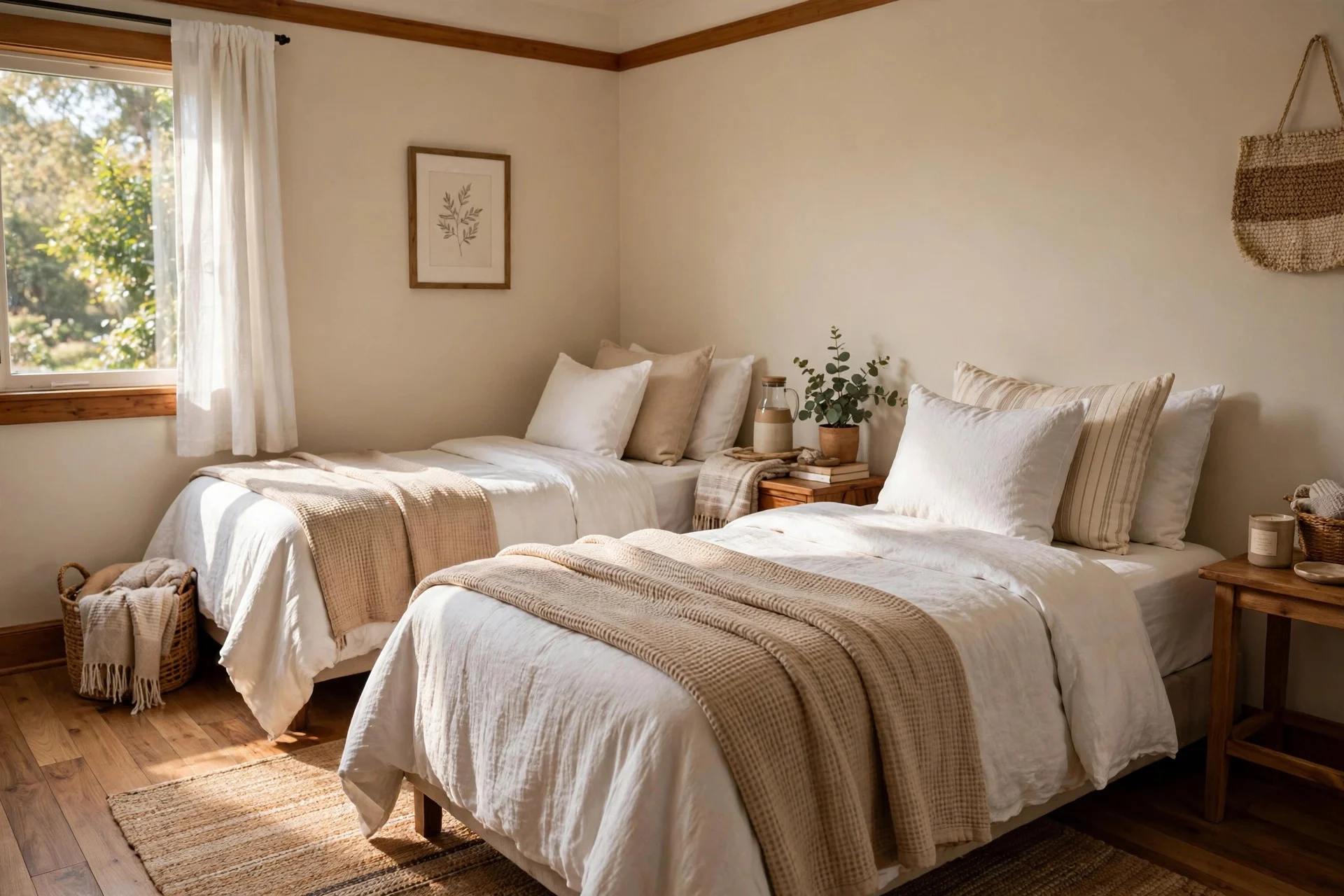
3. Twins With a Slim Console or Divider Between Them
Some guests want a bit of separation, and a slim console table or open bookshelf between the beds gives it without building a wall. A console about 10 to 12 inches deep holds books, chargers, and water glasses for both sides, and the visual break makes each bed feel like its own zone. Open shelving is better than a solid divider here — it keeps light moving across the room.
This layout suits adult guests who don’t know each other well, like two friends of the family visiting at once. The divider says “your side, my side” without saying it out loud.
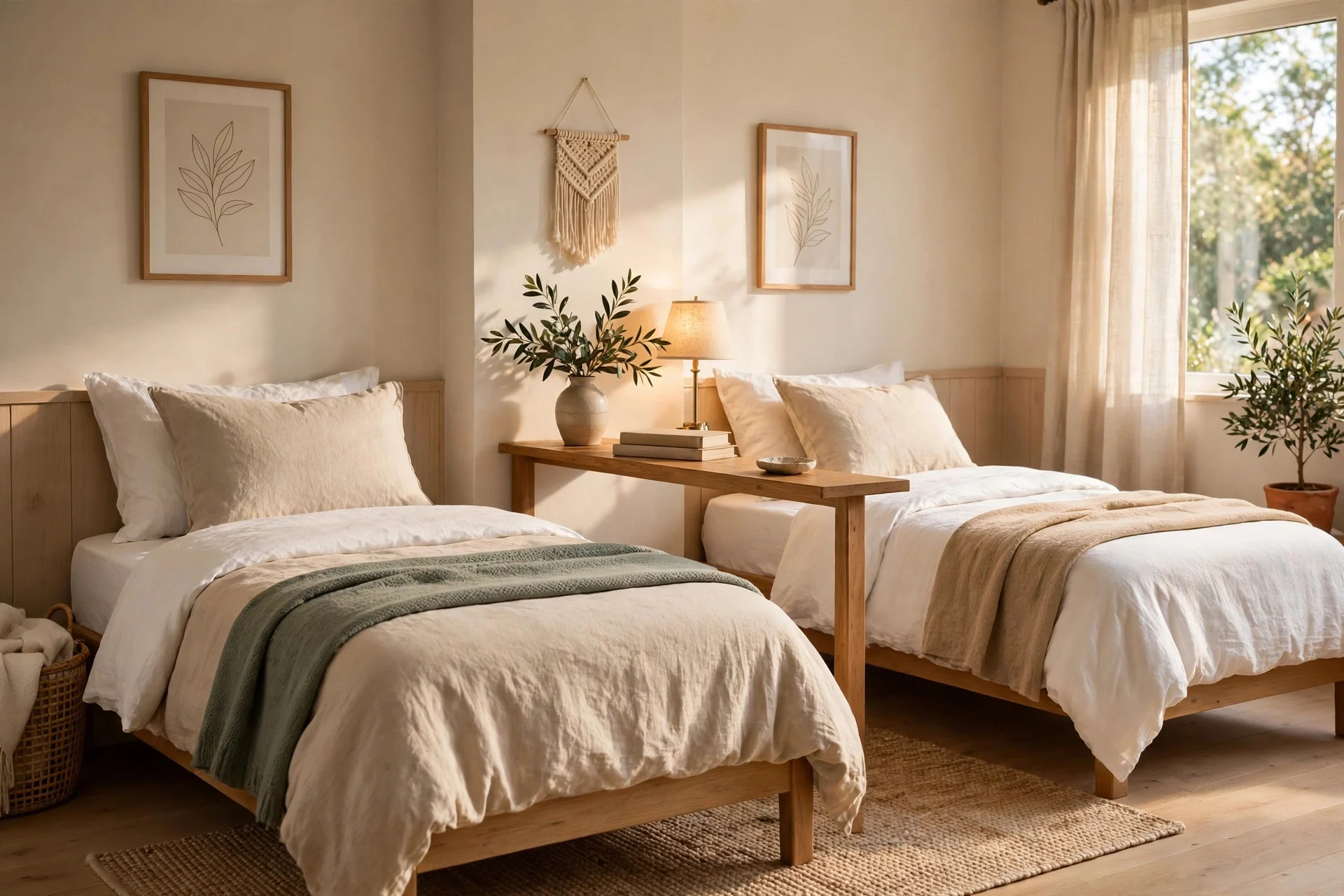
Bedding Zone: Matching Without Looking Like a Hotel Corridor
Bedding is where twin rooms usually go wrong — either everything matches so exactly that the room feels institutional, or nothing matches and it looks like you raided the linen cupboard in a panic. The middle ground is where the good rooms live.
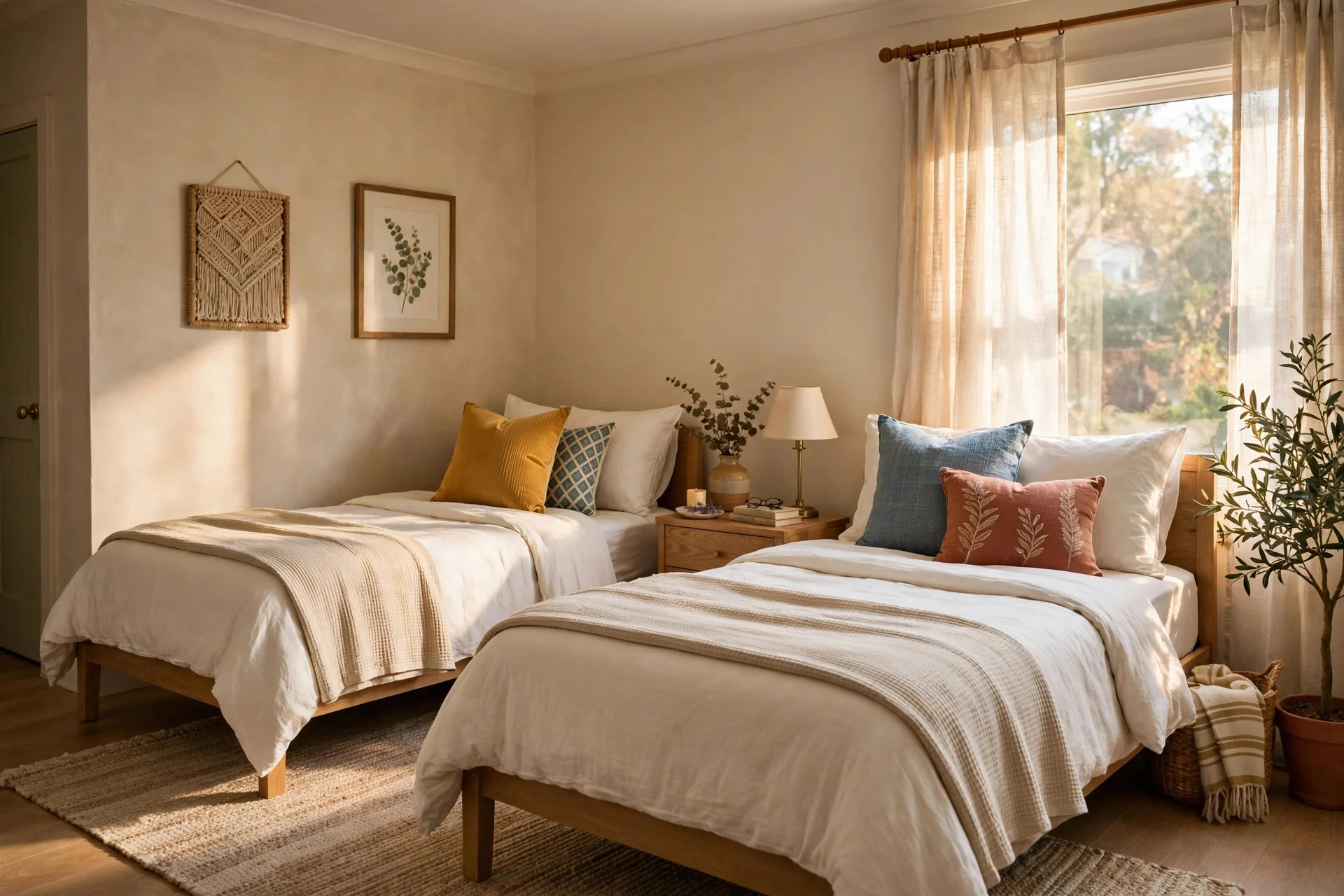
4. Matching Bedding With Different Accent Pillows
Same duvet cover and sheets on both beds, different accent pillows on each. The room looks pulled together at a glance, but each bed has its own personality. This is the easiest version to maintain, too — you buy two of everything and only the pillows differ, so laundry stays simple.
Pick accent pillows in colours that relate to each other, like sage and terracotta, rather than colours that clash. The goal is “coordinated,” not “competing.”
5. Coordinated but Not Identical Bedding
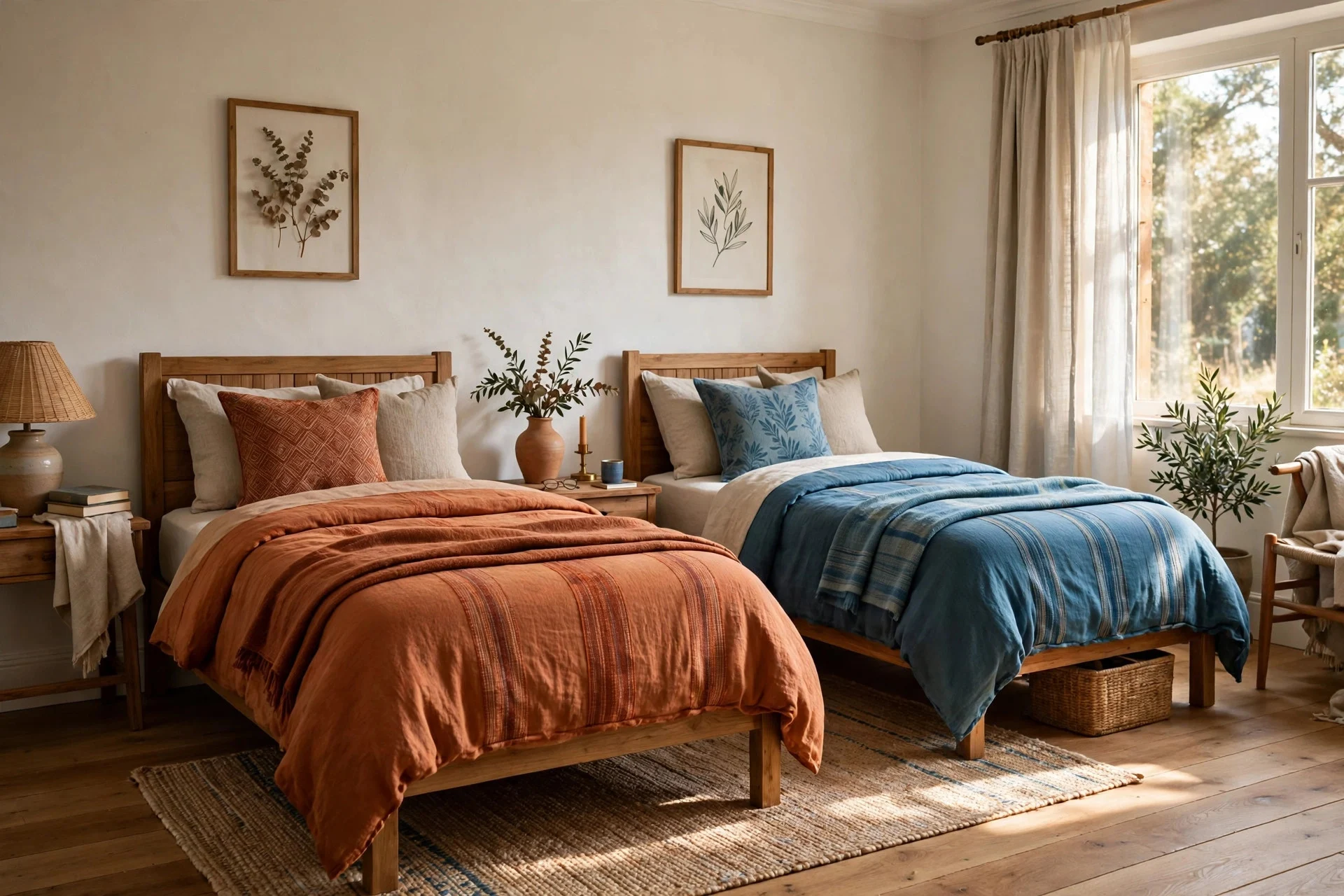
Take it one step further: same colour family, different patterns. One bed gets stripes, the other gets a small floral, both in the same blue-and-white palette, for example. The room feels collected over time rather than bought in one trip, which suits older houses and anyone who dislikes the matched-set look.
The rule that keeps this from falling apart is one shared element — same colour, same throw, or same pillow style — repeated on both beds. Without that anchor, the room drifts into mismatch.
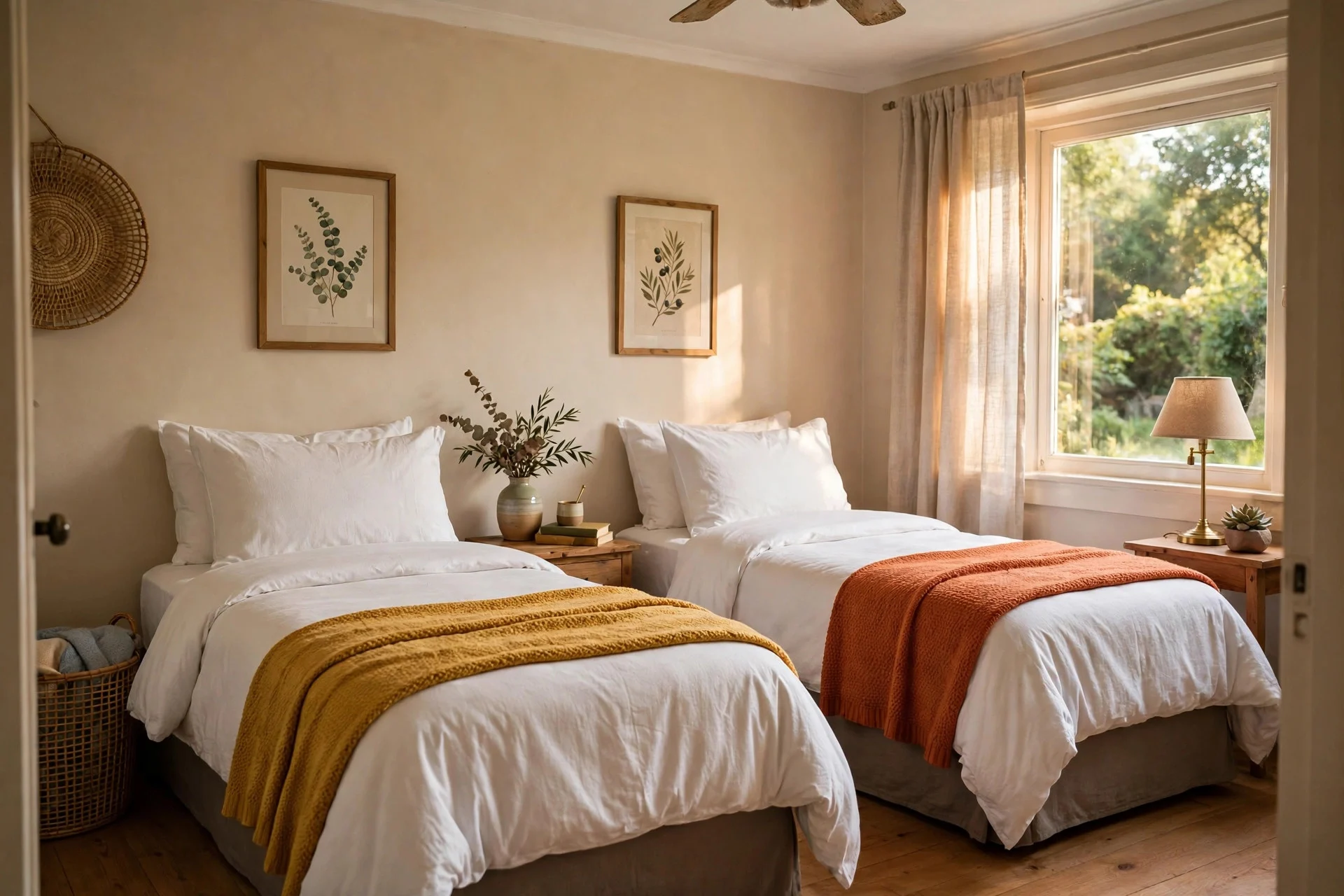
6. Hotel-White Bedding With Coloured Throws
Crisp white bedding on both beds, with a coloured throw folded across the foot of each. White reads clean and fresh, guests trust it instantly, and the throws add the colour and warmth that pure white lacks. It’s also the most forgiving setup for stains — white bedding can be bleached, coloured bedding can’t.
Choose throws in a colour that echoes something else in the room, like the curtains or the rug, so the beds tie into the space instead of floating in it. Wash the throws between guests, not just the sheets.
Storage Zone: Room for Two People’s Stuff
Two guests means double the luggage, double the clothes, and double the things that end up on the floor if there’s nowhere to put them. Storage is the zone guests notice most when it’s missing — and appreciate most when it’s there.
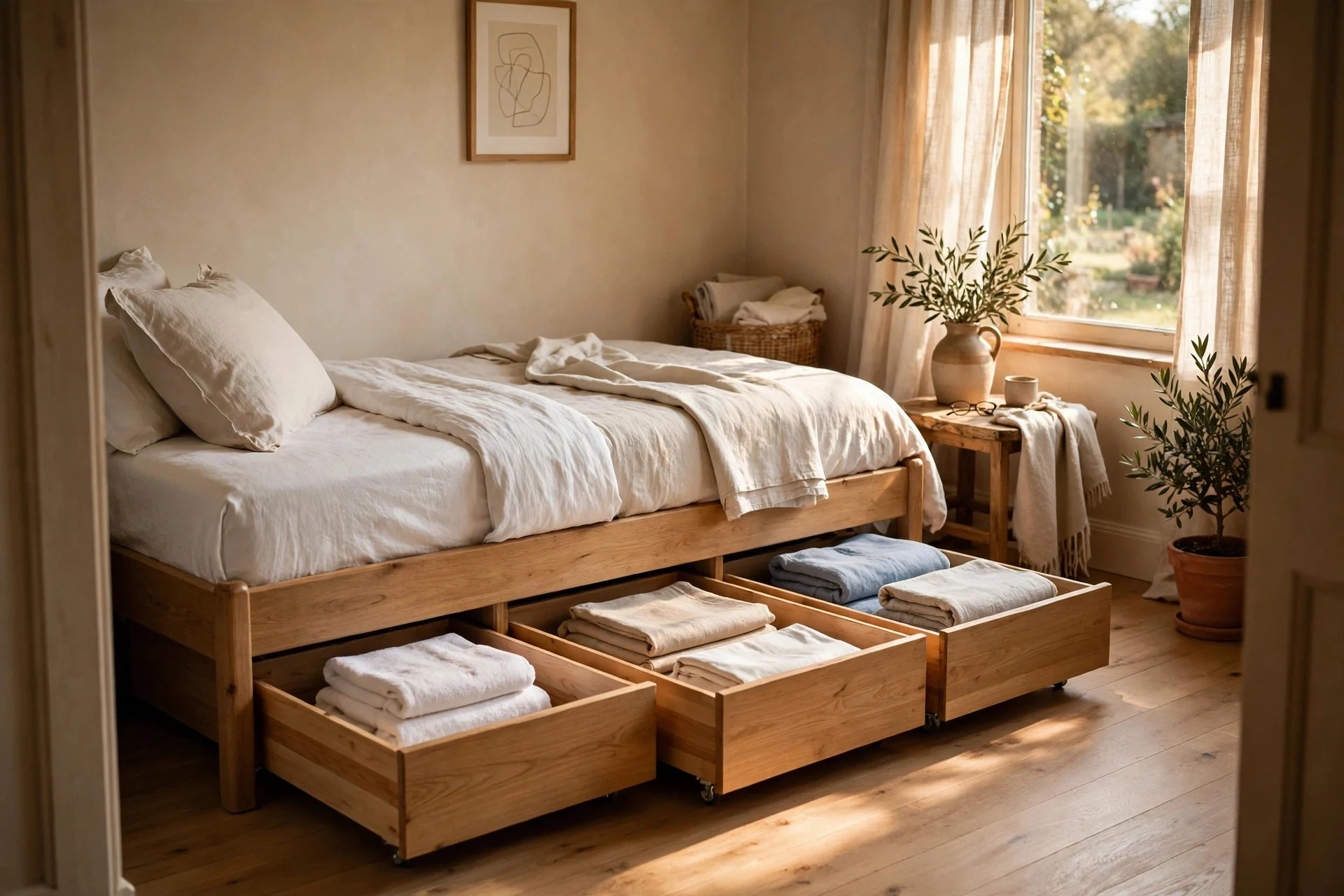
7. Under-Bed Drawers
Twin beds leave a lot of unused space underneath, and rolling drawers turn it into the room’s best storage. Guests can stash suitcases, shoes, or folded clothes out of sight, which keeps the floor clear and the room calm. Drawers beat open under-bed boxes here — guests shouldn’t have to drag a dusty box out from under a bed.
If your bed frames don’t have built-in drawers, rolling drawer units sized to fit under a twin cost little and slide in easily. Leave one drawer empty per bed when guests arrive, so there’s actually somewhere to put things.
8. Shared Dresser Plus Individual Baskets
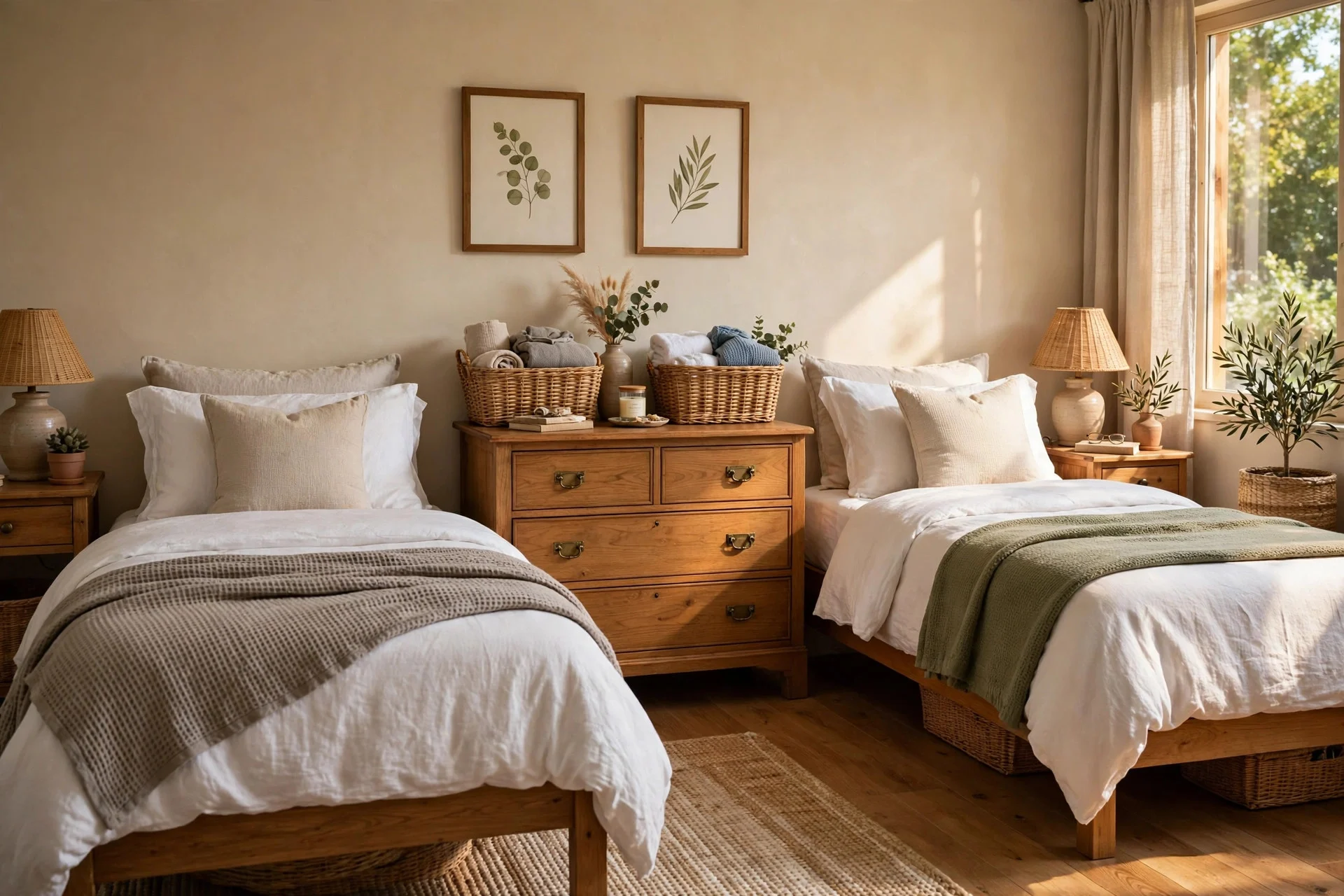
One dresser shared between two guests only works if each person has a defined spot. Give the dresser to both, but put a labelled or colour-coded basket on top for each guest — one for toiletries, one for the odds and ends that otherwise colonise every flat surface. The baskets cost almost nothing and prevent the quiet war over dresser-top territory.
Inside the dresser, split the drawers down the middle: top drawers for one guest, bottom for the other, or left and right if the dresser is wide. Tell guests the split when you show them the room; nobody wants to open a stranger’s drawer by accident.
9. Wall Shelves Above Each Bed
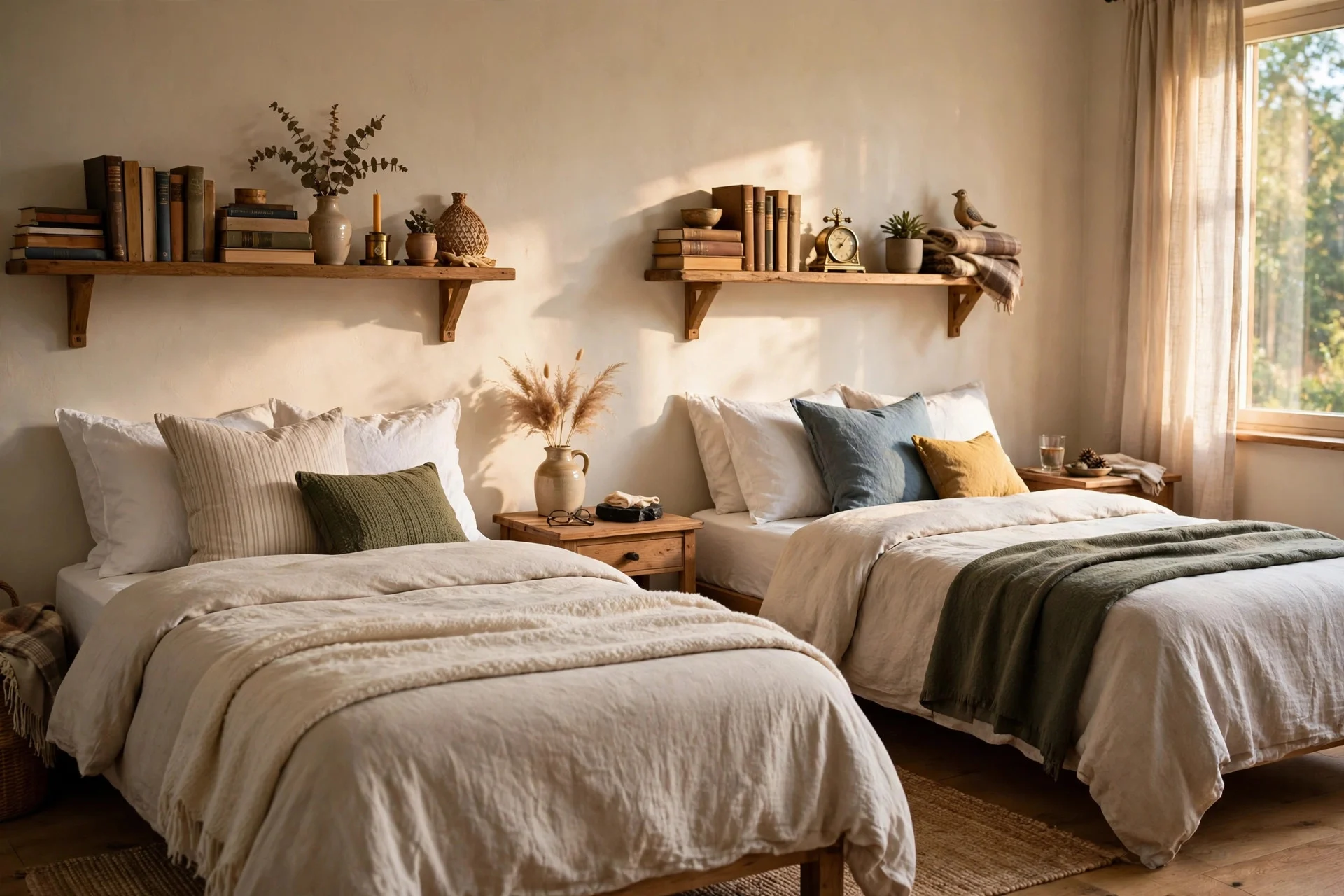
A shelf above each bed gives every guest a personal perch for a phone, a book, glasses, and a glass of water — the things people actually reach for in the night. Wall shelves also free up the nightstand, which matters in rooms where the shared nightstand from idea 1 is doing double duty.
Mount the shelves at a height that’s reachable from lying down but not so low that someone sits up into them — roughly 24 inches above the mattress works for most people. Keep the shelves shallow, about 8 inches deep, so nothing falls on a sleeper.
Comfort Zone: The Details Guests Remember
Nobody remembers a guest room for its paint colour. They remember whether they could read without disturbing the other person, charge their phone, and sit somewhere that wasn’t a bed. This zone is where a decent guest room becomes a good one.
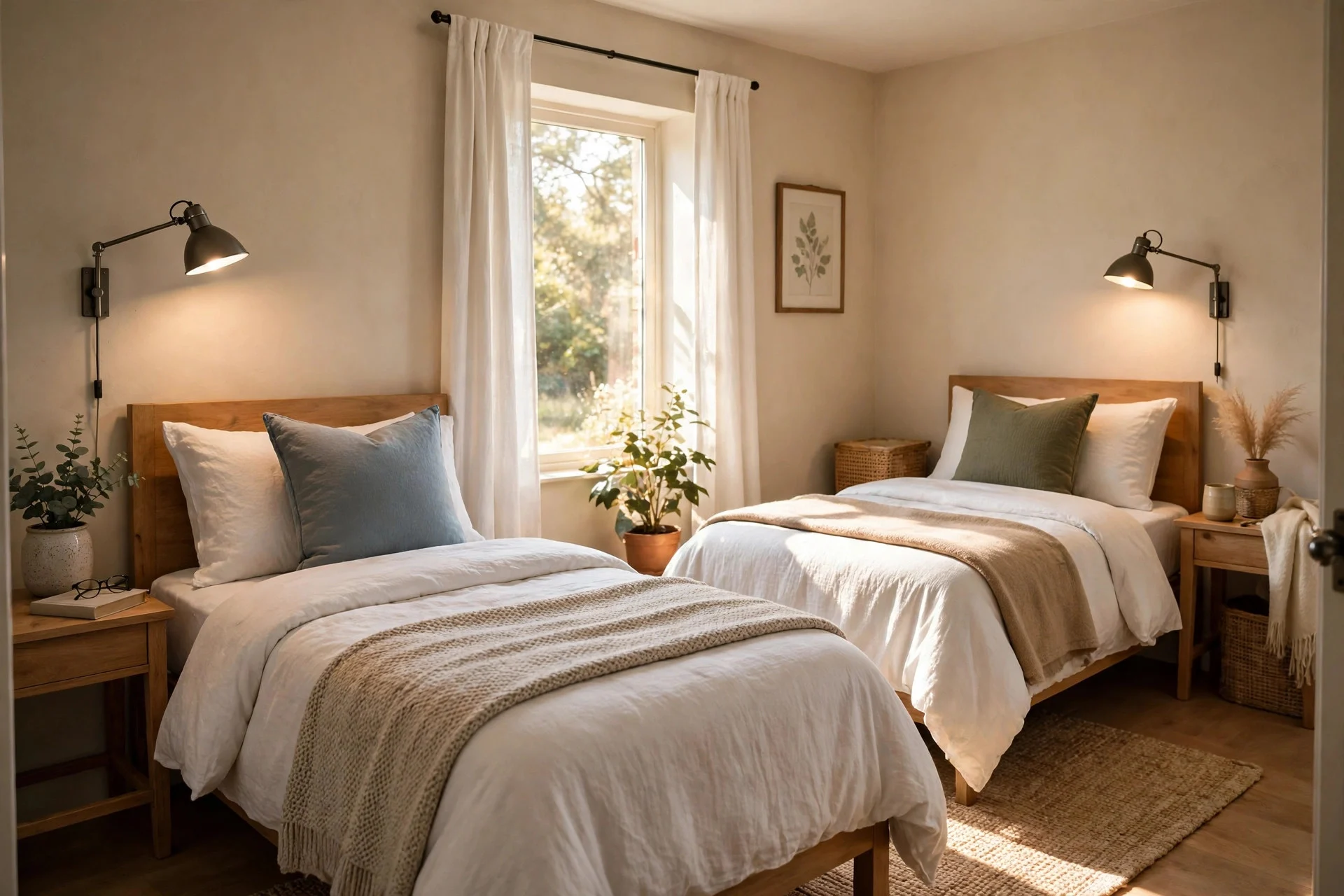
10. Individual Reading Lights
One shared lamp between two beds means one guest reads in the dark while the other sleeps in the light, or both compromise and nobody’s happy. A reading light per bed — wall-mounted, clip-on, or a small lamp on each side — lets one person read while the other sleeps undisturbed. Warm light matters here; cool white light feels harsh at midnight and wakes light sleepers faster.
Wall-mounted swing-arm lights are the tidiest option because they keep nightstands clear, but clip-on lights cost a fraction and move between rooms. Either way, give each light its own switch within arm’s reach of its bed.
11. A Shared Bench at the Foot of Both Beds
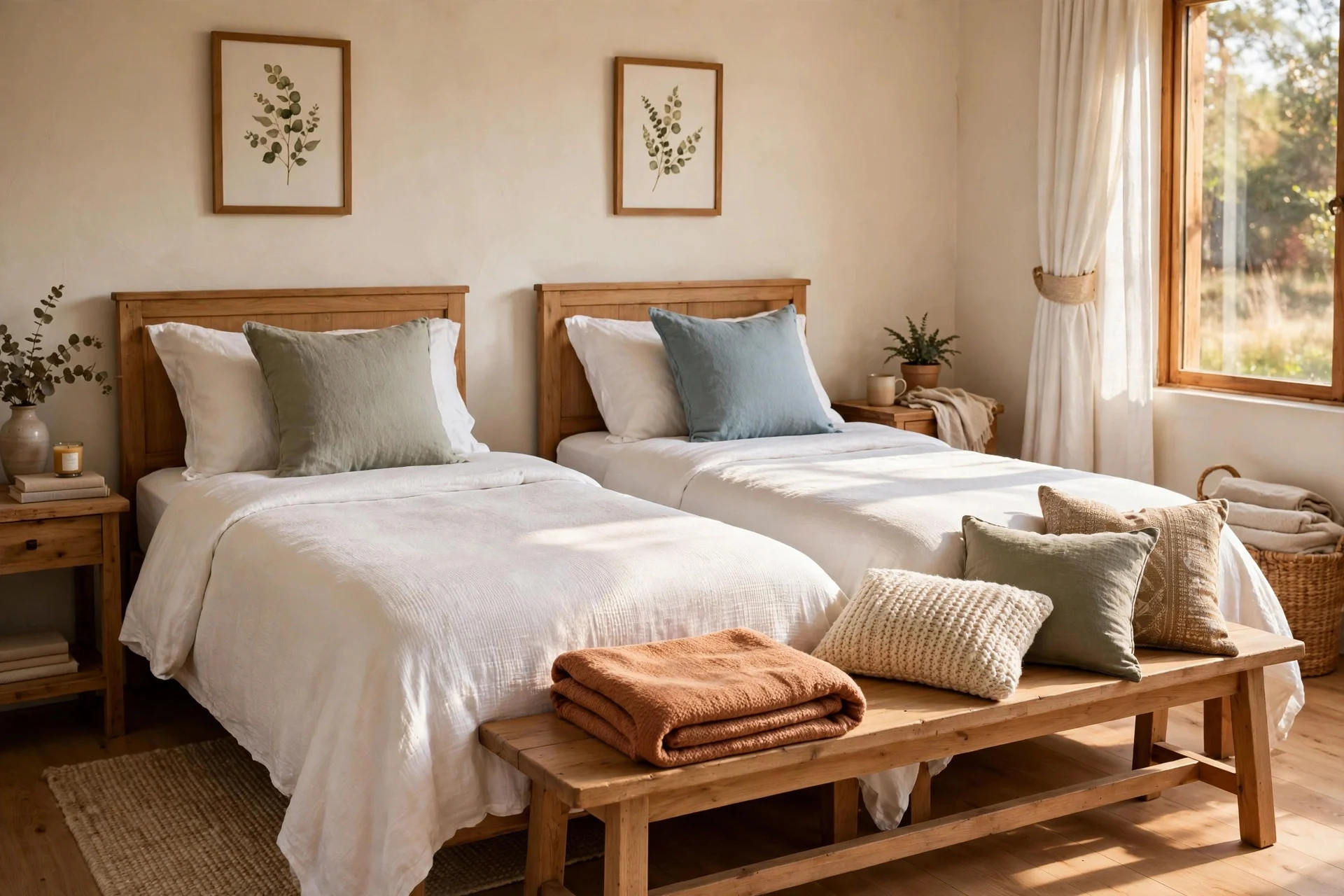
A bench running across the foot of both beds does three jobs at once: a place to sit while putting on shoes, a landing spot for bags, and a visual anchor that ties the two beds together into one composition. In a parallel layout, one long bench across both beds looks better than two small ones — it reads as furniture chosen for the room, not furniture borrowed from elsewhere.
Pick a bench with storage inside if you can. Guests will use it for shoes and bags without being asked, and the room stays tidy without anyone having to think about it.
12. Bedside Caddies and Charging Spots
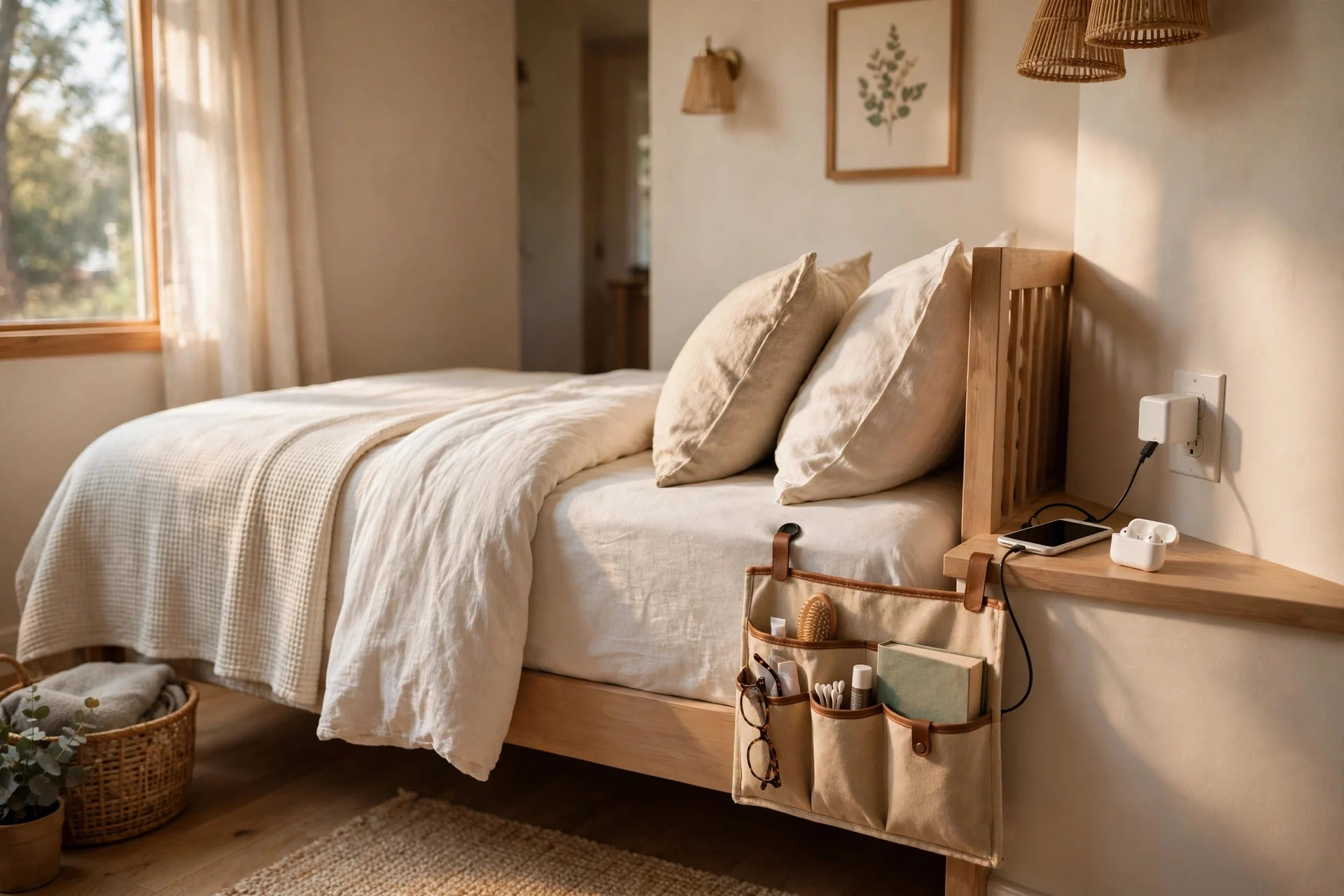
Every guest arrives with a phone, and most arrive with a charger they forgot to pack. A small bedside caddy hanging over each bed frame — or a basket on each side of the shared nightstand — plus a power strip with both USB and regular outlets per bed, solves the nightly scramble for a plug. This is a tiny detail with an outsized effect on how welcome guests feel.
If your room has limited outlets, a single power strip tucked behind the shared nightstand with a cable running to each side is cleaner than extension cords across the floor. Label nothing; guests figure out two identical setups instantly.
Finishing Zone: Making It Feel Like a Room, Not a Spare
The last zone is the difference between a room with two beds in it and a guest room. These touches cost little, take an afternoon, and make guests feel considered rather than accommodated.
13. Matching Art Above Each Bed
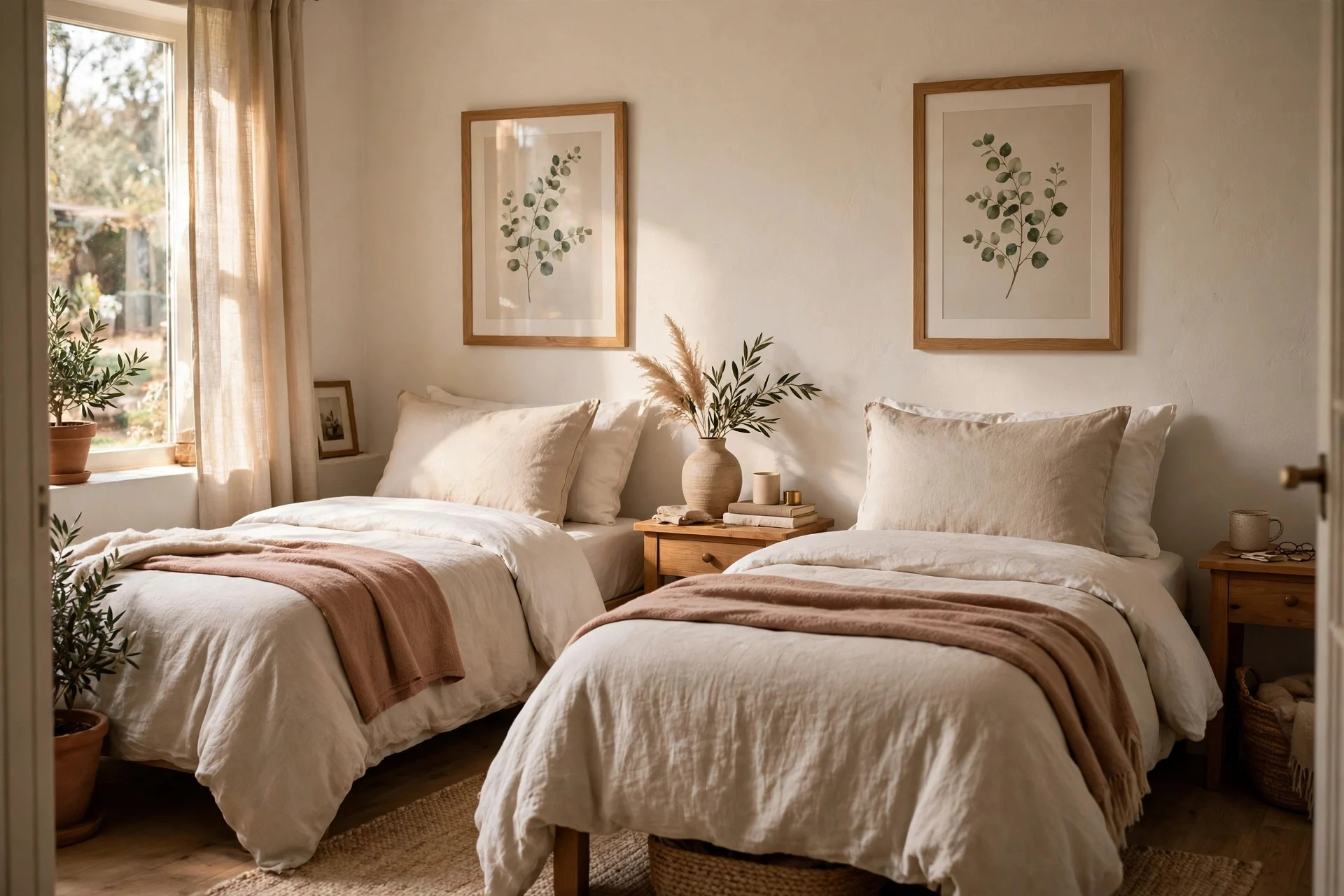
A pair of matching frames — same size, same frame, related but not identical prints — above each bed ties the room together and gives each bed its own focal point. Botanical prints, simple landscapes, or abstract pieces in the room’s palette all work. The symmetry is what matters, not the subject.
Hang the art so the centre sits at eye level from standing, not from lying down. Art hung too low over a bed looks like it’s about to fall on someone, and guests notice that immediately.
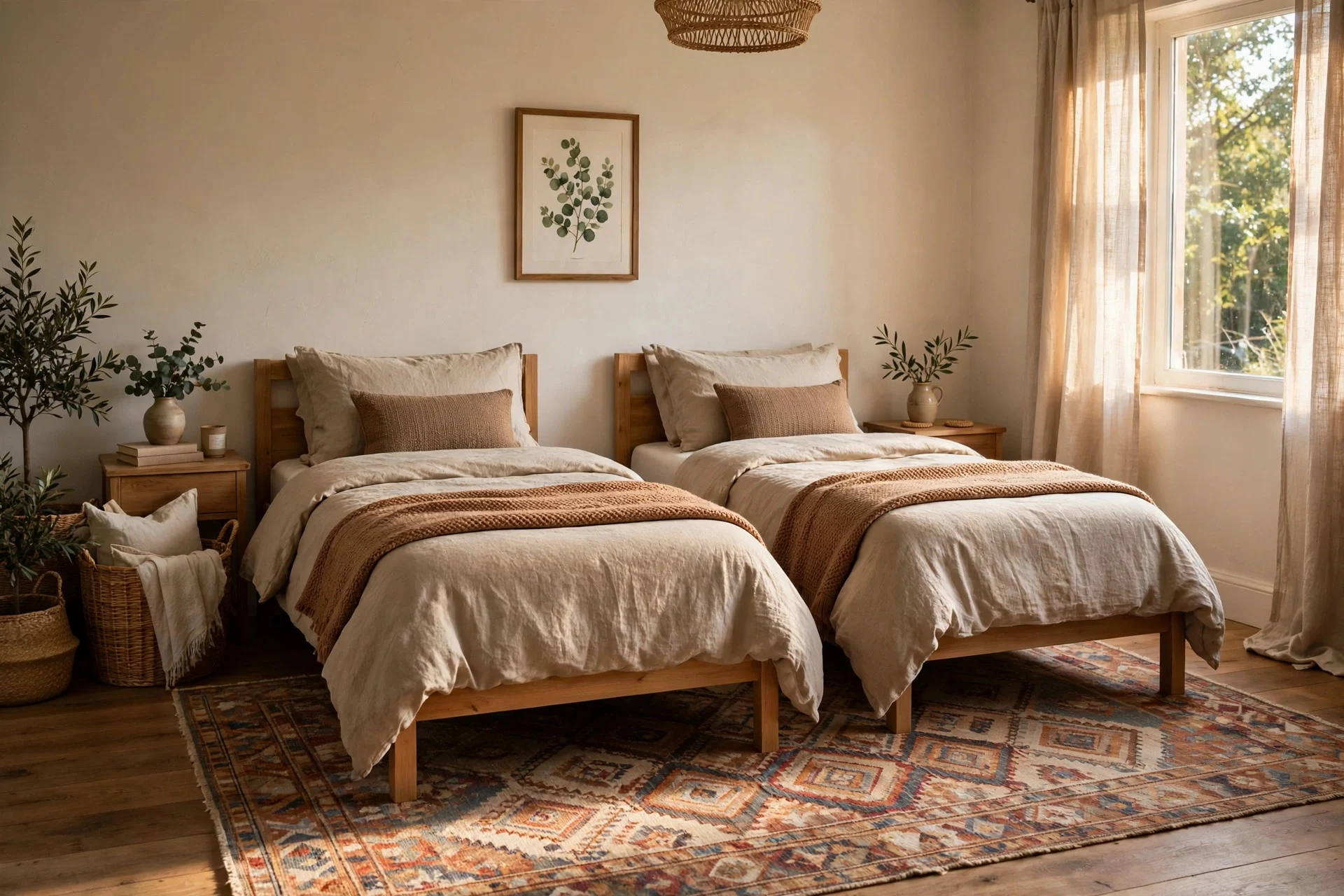
14. One Shared Rug Anchoring Both Beds
A single large rug under both beds — big enough to extend at least 18 inches beyond the outer edges of each bed — pulls the whole arrangement into one room. If you are unsure what size to buy, the rug-size calculator works it out from your bed dimensions. Two small rugs, one per bed, do the opposite: they split the room in half and make it feel like a hostel. One rug, one room.
Low-pile rugs work best here because two beds plus a bench already make vacuuming awkward. A flat-weave or short-pile rug cleans easily and doesn’t trip anyone walking between the beds in the dark. For ideas on choosing the right size, a guide to warm minimalist living room styling covers the same anchoring principle with rugs, and it applies directly to bedrooms too.
15. Welcome Tray and Luggage Rack
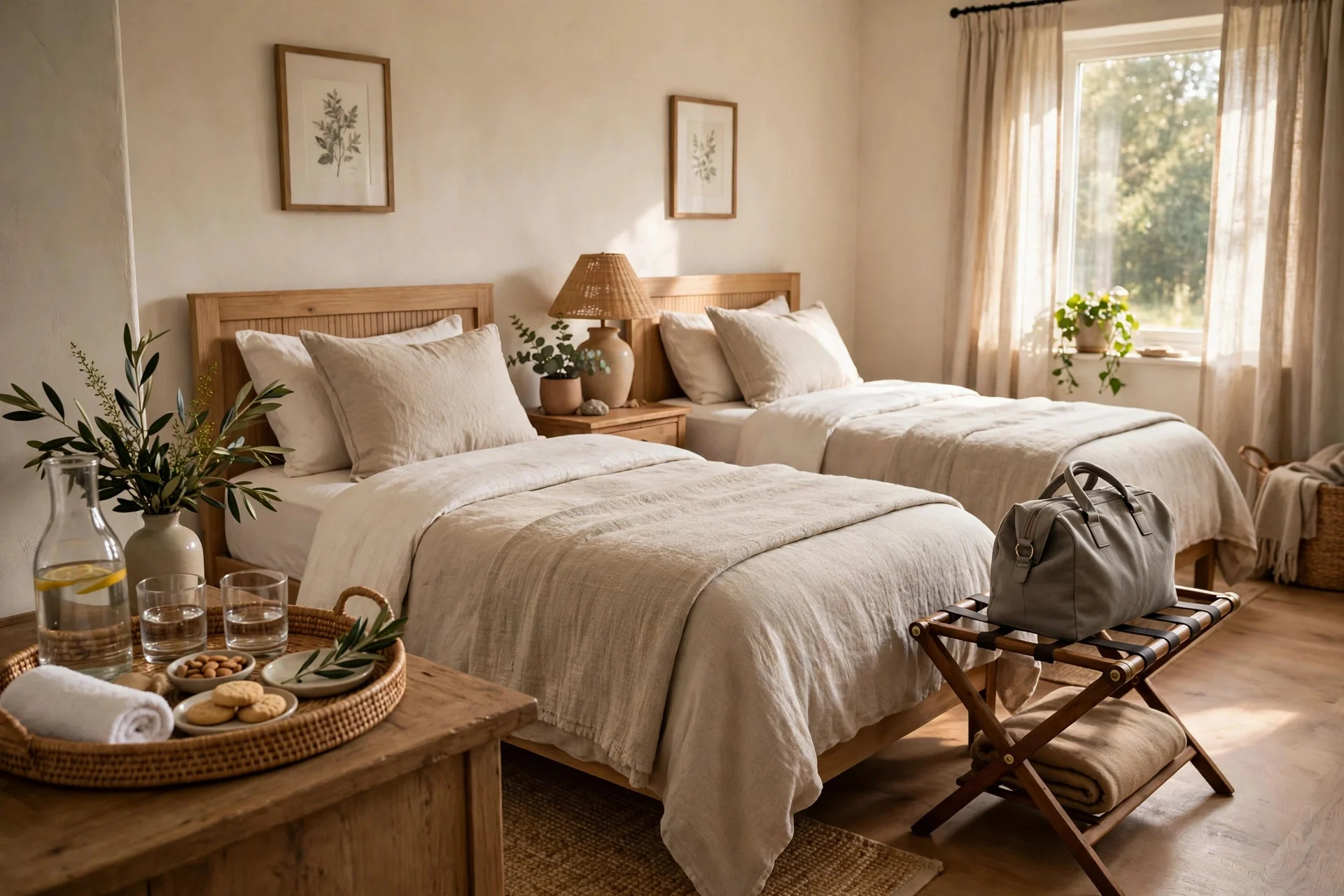
The final touch, and the one guests mention most: a small tray on the dresser with water, glasses, and a note with the Wi-Fi password, plus a folding luggage rack per bed — or one rack if space is tight. A luggage rack means suitcases stay off the bed and off the floor, and guests can live out of them without unpacking into drawers for a two-night stay.
Keep the tray simple. Water, two glasses, the Wi-Fi details, and maybe a small snack. Anything more starts to feel like a hotel minibar, and guests will feel awkward using it. If you’re styling the wall above the dresser, a gallery wall above a sofa shows the same grouping logic that works above a dresser — one anchor piece, smaller pieces around it.
Putting It All Together
You don’t need all fifteen ideas to make a twin guest room work. Start with the layout zone — that’s non-negotiable — then add one idea from each remaining zone. Parallel beds, coordinated bedding, under-bed drawers, individual lights, and a shared rug will get you most of the way there for very little money. The rest can wait until the next guests are actually coming, which is when you’ll notice what’s missing anyway.
One last practical note: before guests arrive, sleep in the room yourself for one night, one bed each night if you have a partner. You’ll find the dead outlet, the shelf that’s too high, and the lamp that shines in the wrong direction in a single evening — and fixing those three things will do more for your guests’ comfort than any amount of new bedding.
Frequently Asked Questions
How much space do you need between two twin beds?
Leave at least 24 inches between the beds for comfortable movement, and 30 inches if the room allows it. That gap fits a nightstand, lets guests get in and out without disturbing each other, and keeps the room from feeling cramped. In very small rooms, 18 inches is workable but tight.
Should twin beds in a guest room match exactly?
Matching frames look best, but bedding doesn’t have to be identical. Same frames with coordinated — not identical — bedding gives the room a collected, homely feel while still looking intentional. The one thing to avoid is two completely different bed frames, which makes the room look thrown together.
Can two twin beds be pushed together for couples?
Yes, and it’s a smart move if your guests vary. Two twins pushed together make a king-size sleeping surface, and a king-size mattress topper over both smooths out the middle gap. Keep a bed bridge or gap filler on hand if you offer this option, since the crack between mattresses bothers light sleepers.
What size rug works under two twin beds?
An 8-by-10-foot rug usually covers two parallel twins with room to spare on the outer edges and at the foot. Measure your actual layout first — the rug should extend at least 18 inches beyond the beds on the sides guests walk on, and sit far enough forward that feet land on rug, not cold floor, when getting up.
How do you stop a twin guest room from feeling like a dorm?
Use grown-up bedding, real art on the walls, and lamps instead of overhead lighting. Dorm rooms feel institutional because everything matches cheaply and nothing is personal. A shared rug, matching frames, and one or two thoughtful touches like a welcome tray change the whole feel without a big budget.
Guest-Ready Checklist
Before anyone arrives, run through this list: both beds made with fresh linen, a pillow each plus one spare, towels folded on each bed, phone chargers by both beds, water and glasses on the dresser, Wi-Fi password written down, luggage rack unfolded, and a clear path from the door to both beds. Fifteen minutes of checking beats an evening of guests quietly working around whatever you forgot.