18 Shared Living Room Ideas for Roommates Who Want Calm
Sharing a living room with roommates works best when the room feels fair, calm, and easy to use for everyone. The trick is not to buy more stuff. It is to agree on a few basics first, give each person a clear spot of their own, and keep the shared middle of the room simple and comfortable. These 18 ideas do exactly that, with realistic costs and small changes you can make in a weekend.
Start at the top: the first ideas settle the big decisions, the rest add comfort one step at a time. See also these rental apartment decorating ideas if your lease limits changes.
1. Agree on a Shared Colour Palette First
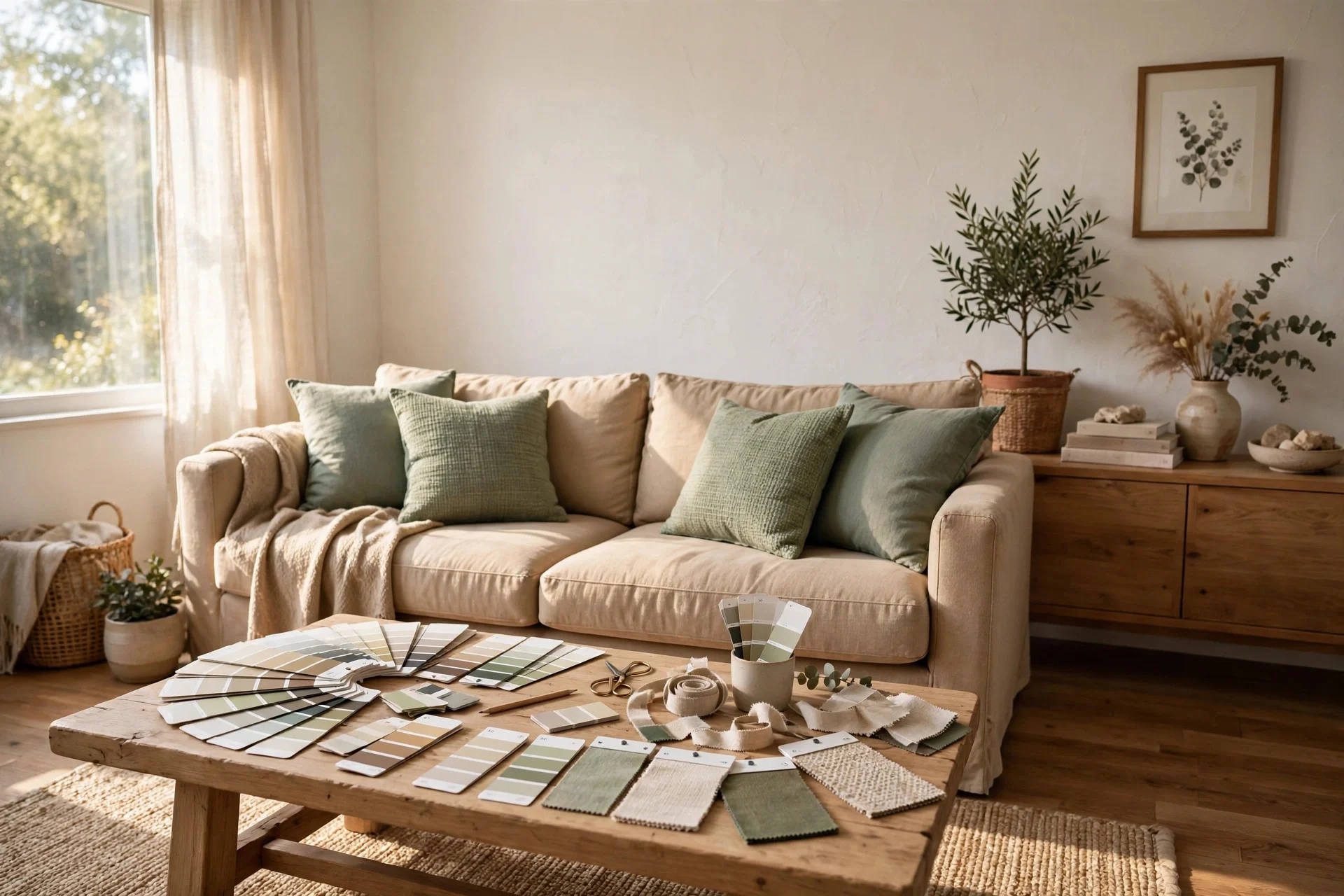
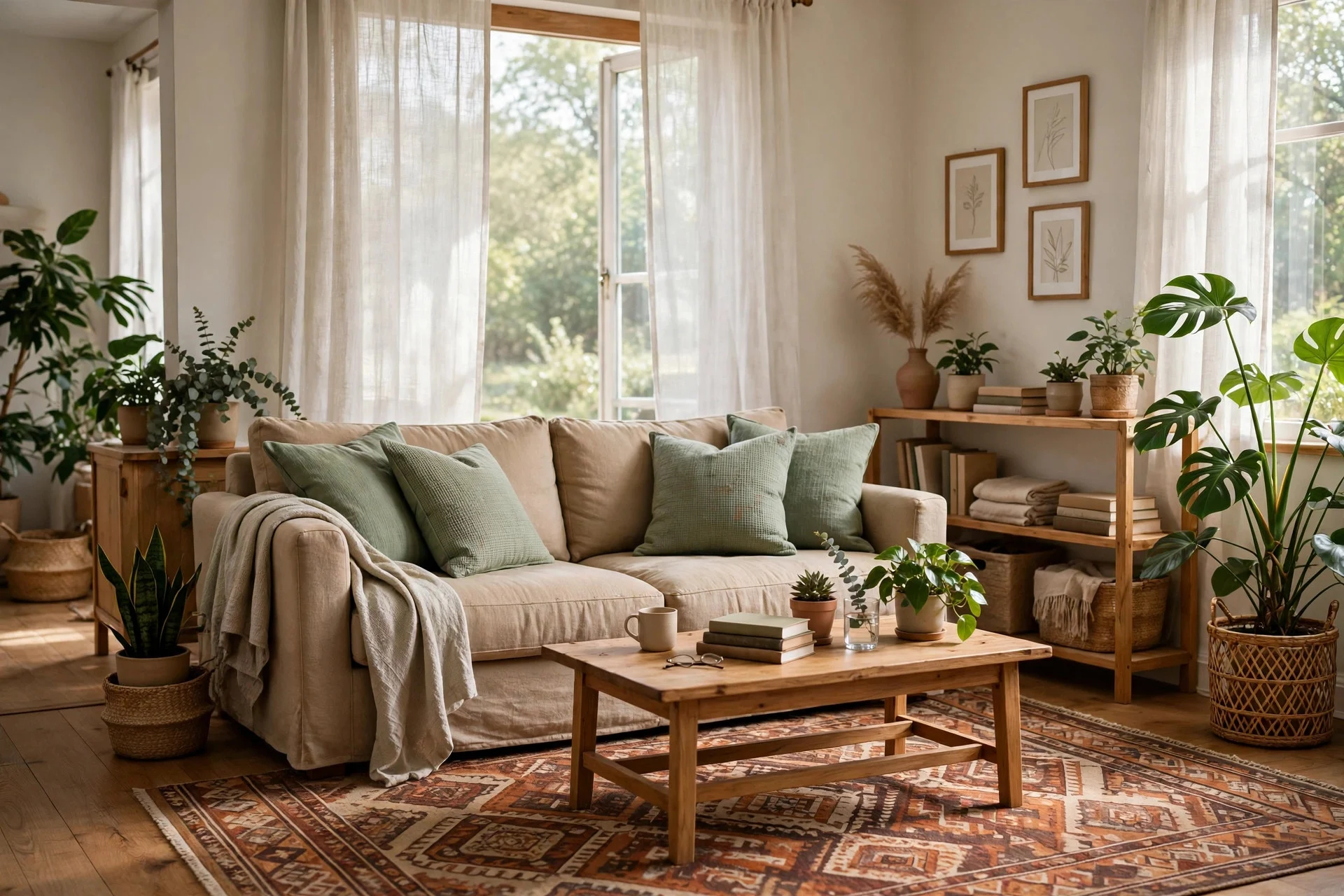
Pick three colours together before anyone buys a cushion, rug, or curtain: one warm neutral for large pieces, one muted accent, and one darker tone for small details. Warm white walls, a beige sofa, and sage green accents suit most rooms and most tastes, so nobody feels outvoted by a bold colour they have to live with every day. Keep swatches on your phone, so impulse buys still match.
Cost: $0–$30 for swatches and samples. Difficulty: Easy, about an hour of discussion. Tip: Let each roommate choose one accent item in the agreed palette, so personal taste still shows. Watch out: Skip pure white sofas and rugs in a shared home; they show every spill.
2. Split the Room Into Zones, Not Halves
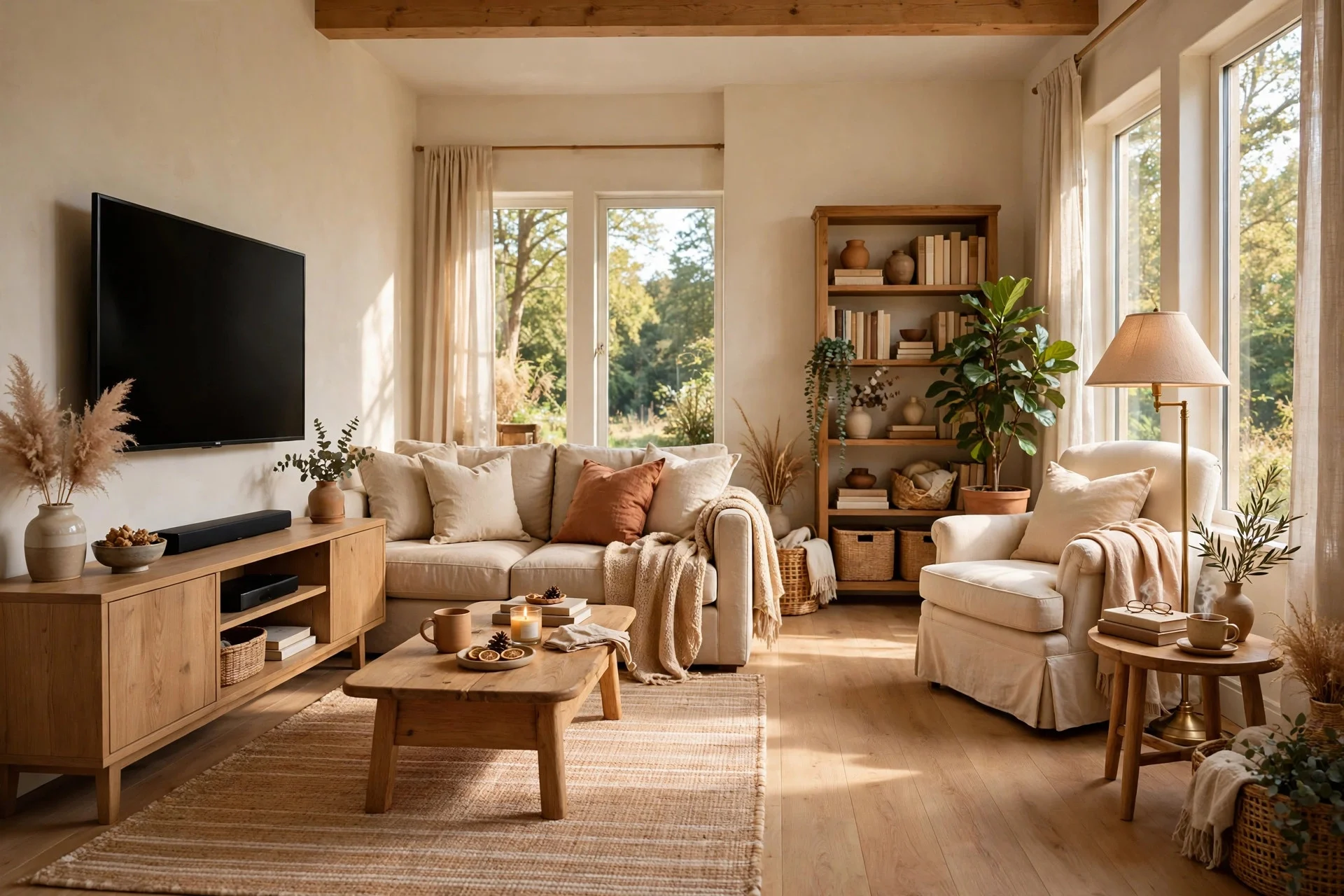
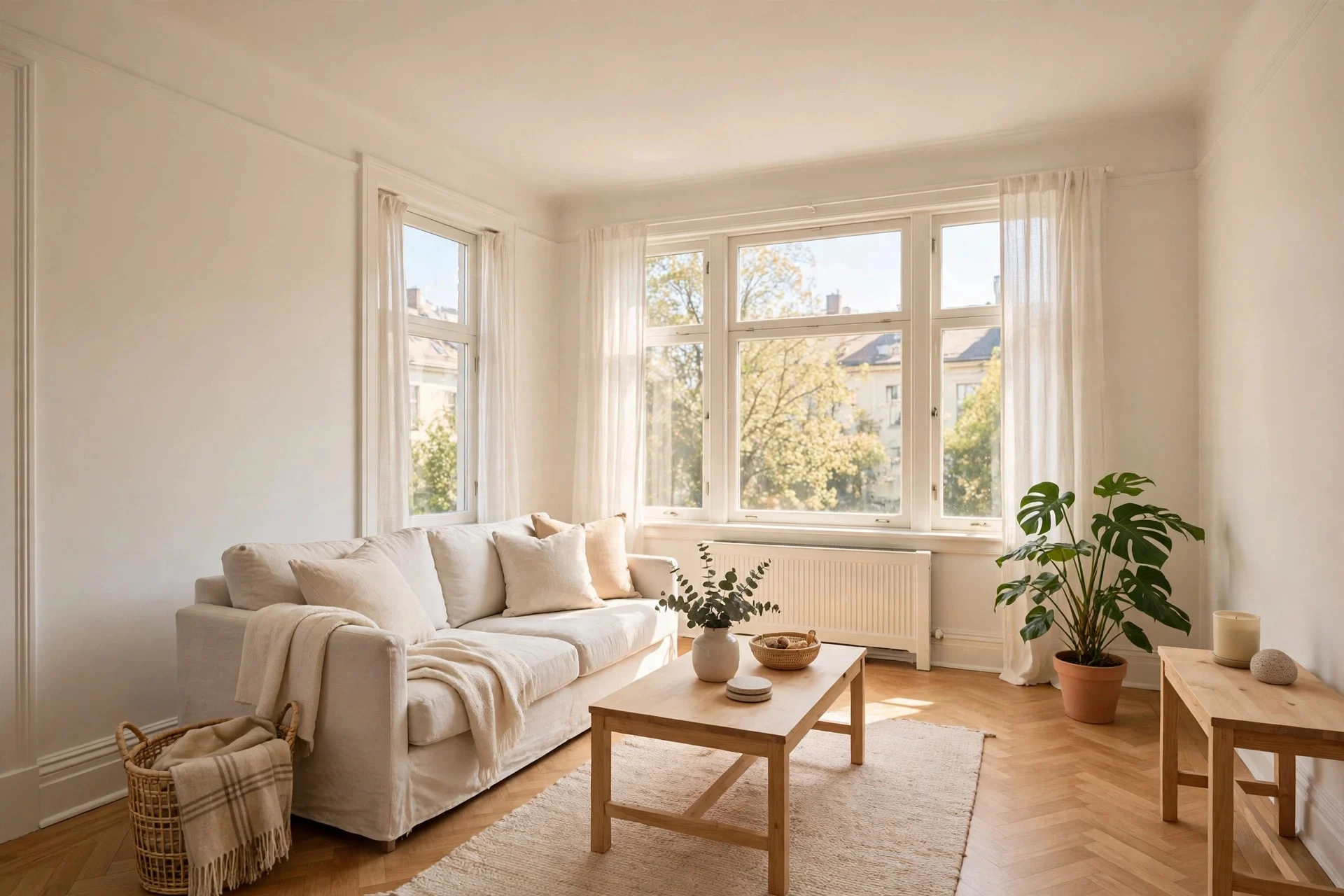
A line down the middle of a room feels like a border, and borders invite arguments. Zones feel different. One zone holds the sofa and television for hanging out together, another holds a chair and lamp for reading, and a third near the door handles bags, keys, and shoes. Everyone can use every zone, but each zone has one clear job,
Cost: $0–$80 if you only move furniture and add a small rug. Difficulty: Easy, one afternoon of rearranging. Tip: Stand in the doorway after each move and check the walking paths; you should cross the room without squeezing past furniture. Watch out: Do not block the natural path from the door to the kitchen or bedroom.
3. Anchor the Room With One Large Rug
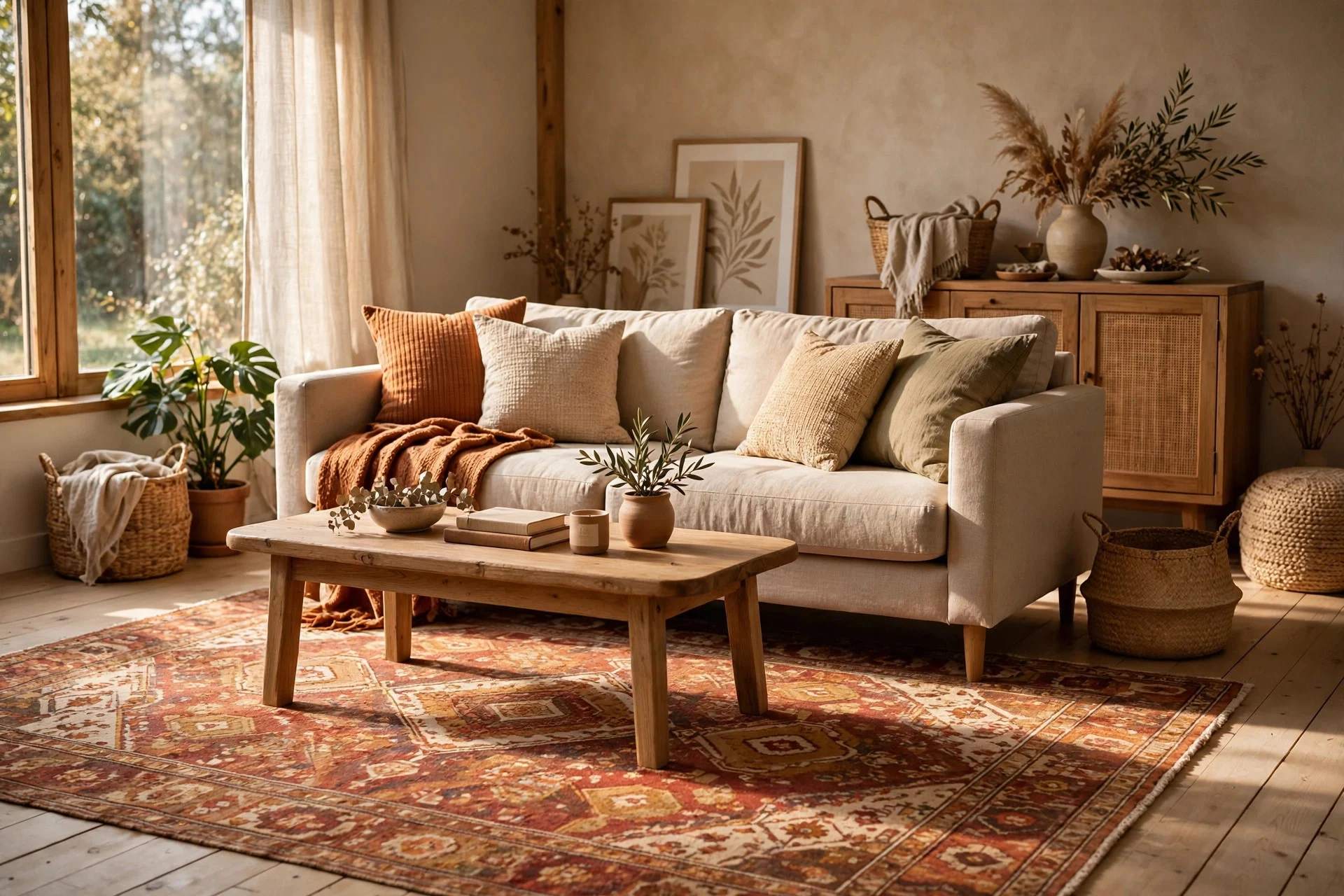
A rug that is too small makes a room look scattered, and it slides around underfoot. One large rug, big enough for the front legs of the sofa and chairs to sit on it, pulls the seating group together and instantly makes the room feel settled. Choose a low-pile, washable rug in a warm pattern that hides crumbs
Cost: $80–$250 for a large washable rug. Difficulty: Easy, under an hour. Tip: Measure the seating area first and buy one size up if you are between sizes. Watch out: A rug pad stops slipping and protects the floor, so do not skip it on hard floors.
4. Choose Two Matching Armchairs Over One Big Sofa Fight
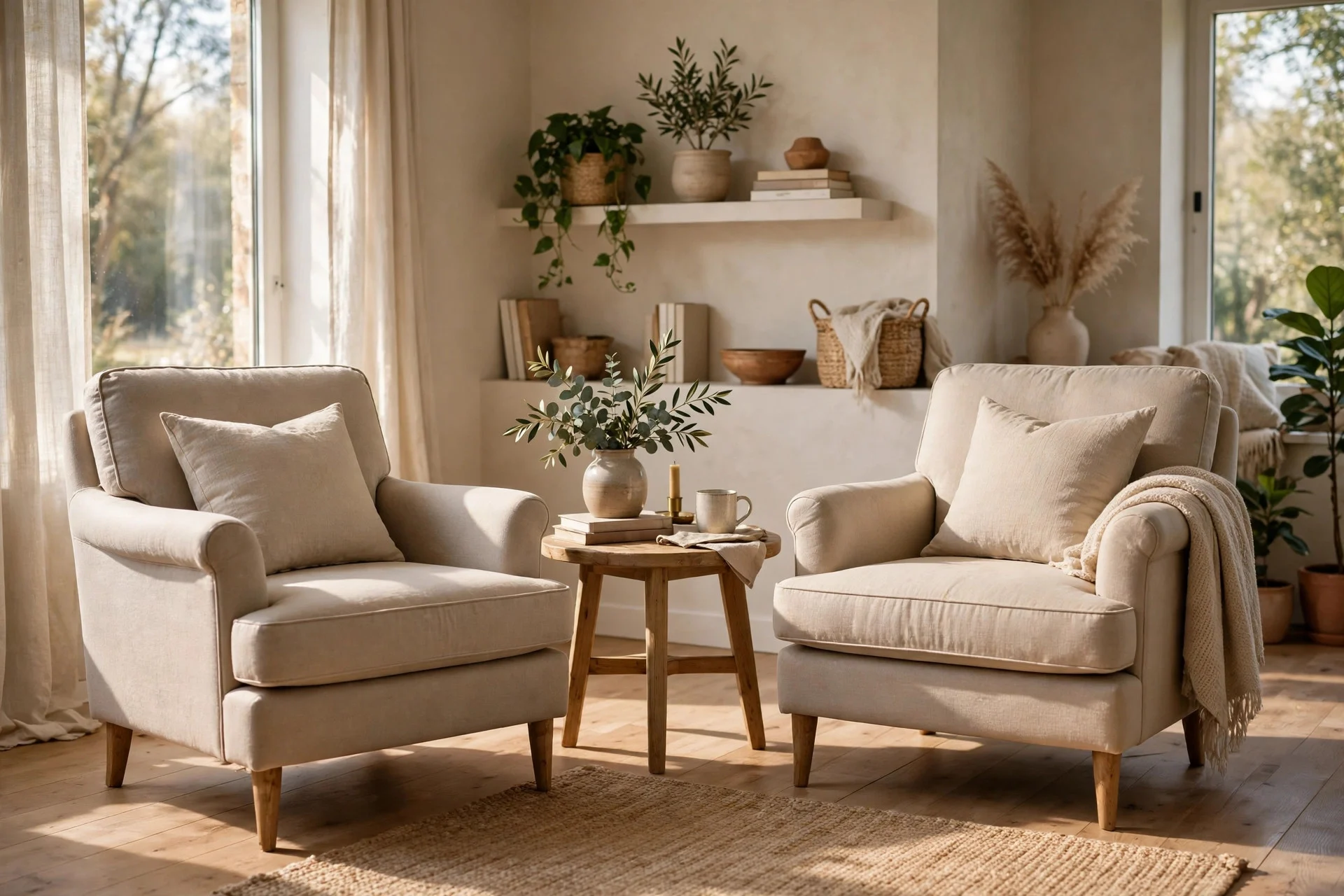
When two roommates both want the good seat, two matching armchairs solve the problem better than any rota. Each person gets an equal chair, the room looks balanced, and guests still have a place to sit. Place the chairs facing each other across a small table, or angled toward the television,
Cost: $200–$600 for a pair, less secondhand. Difficulty: Easy, delivery and placement only. Tip: Test the seat depth in person if you can; a chair that is too deep is hard to get out of. Watch out: Check doorways and stairwells before ordering, since armchairs are bulky to return.
5. Give Everyone a Personal Storage Basket
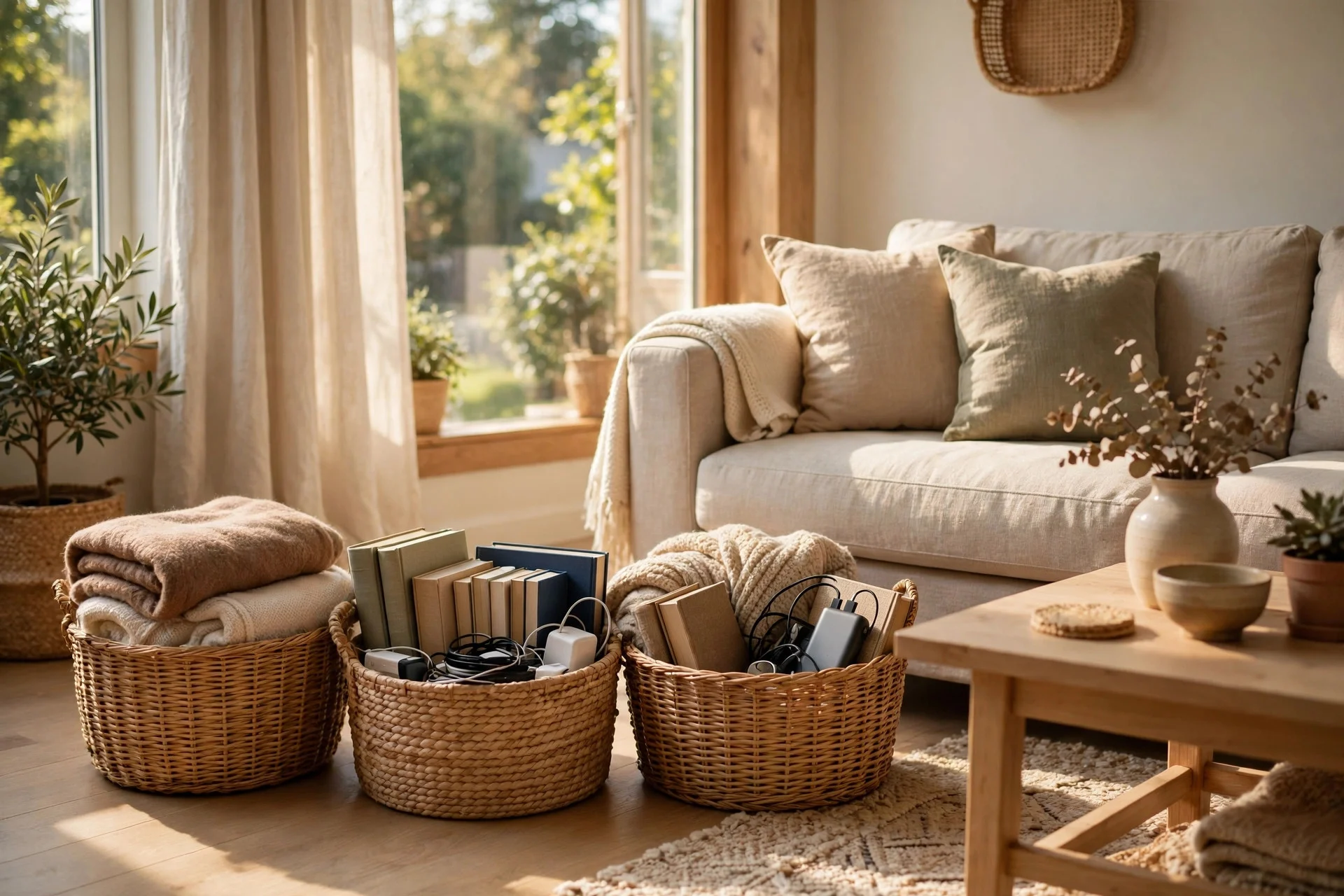
Most shared-room mess is not rubbish. It is chargers, books, blankets, and headphones with no home. A sturdy basket per person, beside the sofa or on a shelf, gives all of it a place to go in seconds. At the end of the evening, each person tidies only their own basket,
Cost: $15–$40 per basket. Difficulty: Easy, ten minutes. Tip: Pick baskets that match each other in colour and material, even if the sizes differ, so the room still looks tidy. Watch out: A basket without a lid fills up fast; lids keep clutter out of sight.
6. Keep the Sofa Neutral and Personalise the Cushions
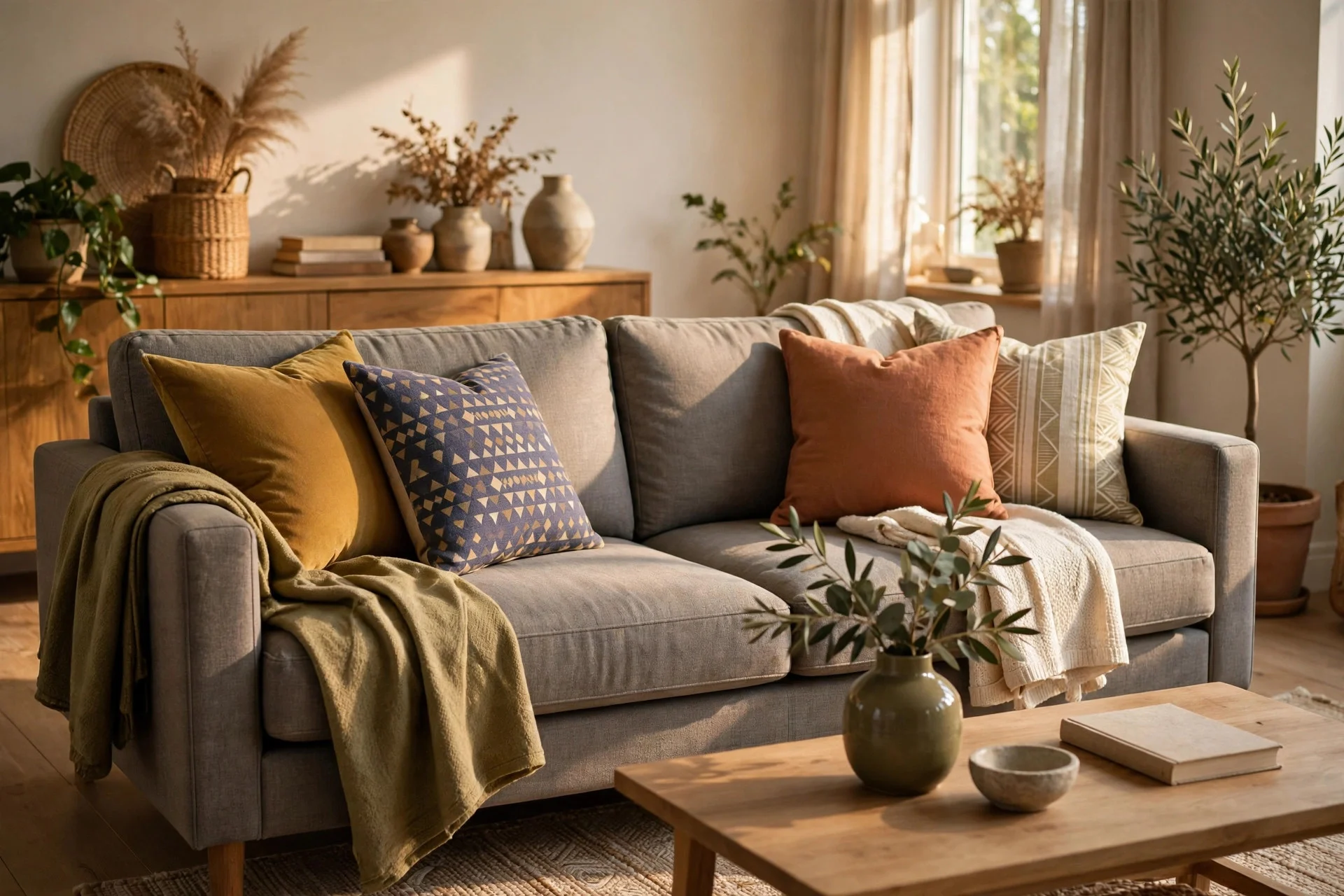
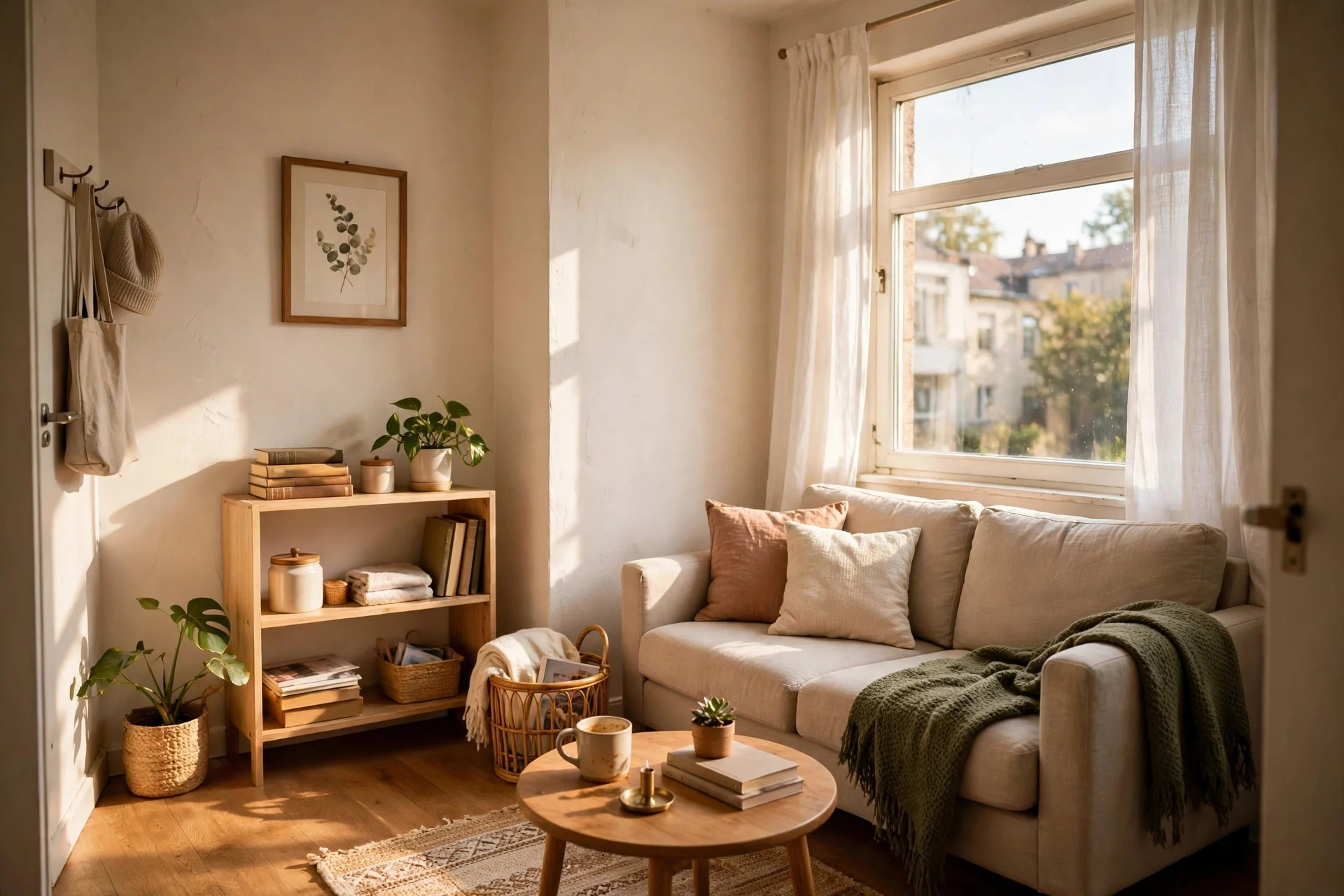
A neutral sofa is the peace treaty of a shared living room. Beige, warm grey, or soft taupe works with almost any accent, and it will still suit the next flat you share. Then let each roommate pick their own cushions and throw in the agreed palette. Taste shows up in small, cheap items, not in a sofa you live with for years.
Cost: $20–$60 per person for cushions and a throw. Difficulty: Easy. Tip: Mix one solid cushion with one patterned cushion per person, so the sofa does not look like a patchwork. Watch out: Washable covers matter in a shared home; check the label before you buy.
7. Set Simple, Written TV and Music Rules
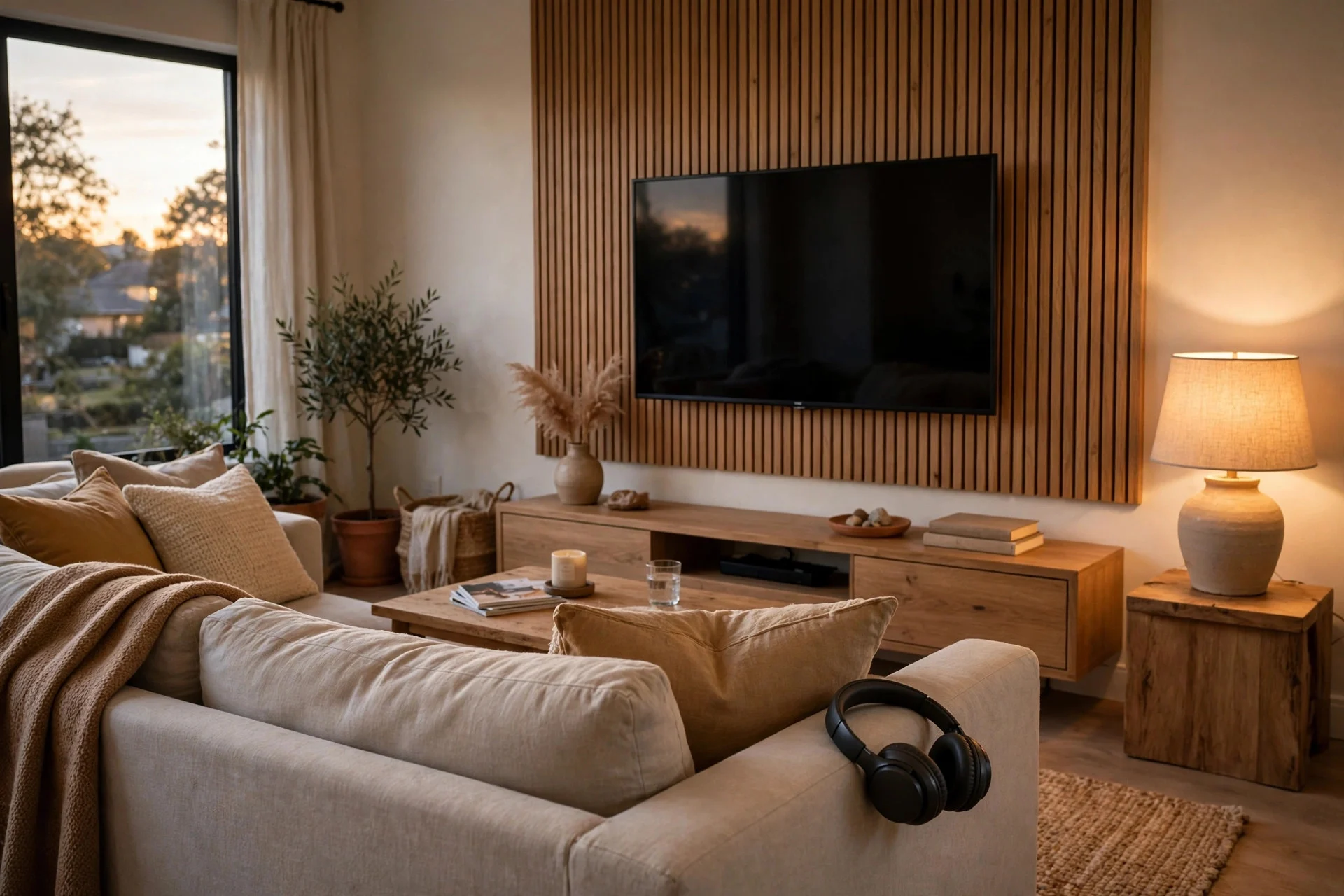
Arguments about the television are rarely about the show. They are about volume, late nights, and feeling ignored. Agree in writing on quiet hours, a fair way to choose what to watch, and headphones after a set time.
Cost: $0, or $20–$40 for a decent pair of shared headphones. Difficulty: Easy, one honest conversation. Tip: A simple rotation for choosing the evening show ends most debates before they start. Watch out: Revisit the agreement after a month; a rule that no longer fits will just get ignored.
8. Build a Small Entry Drop Zone
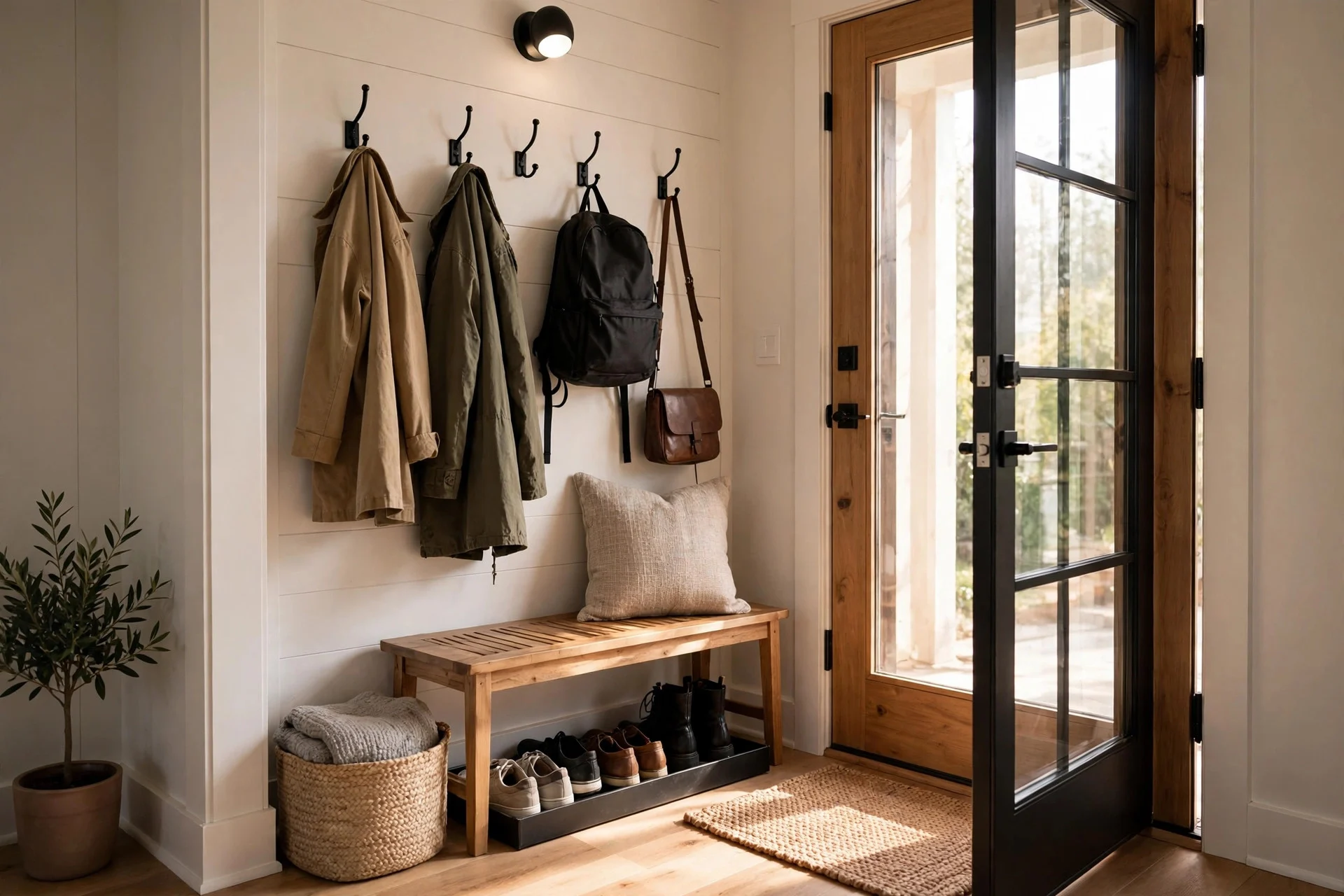
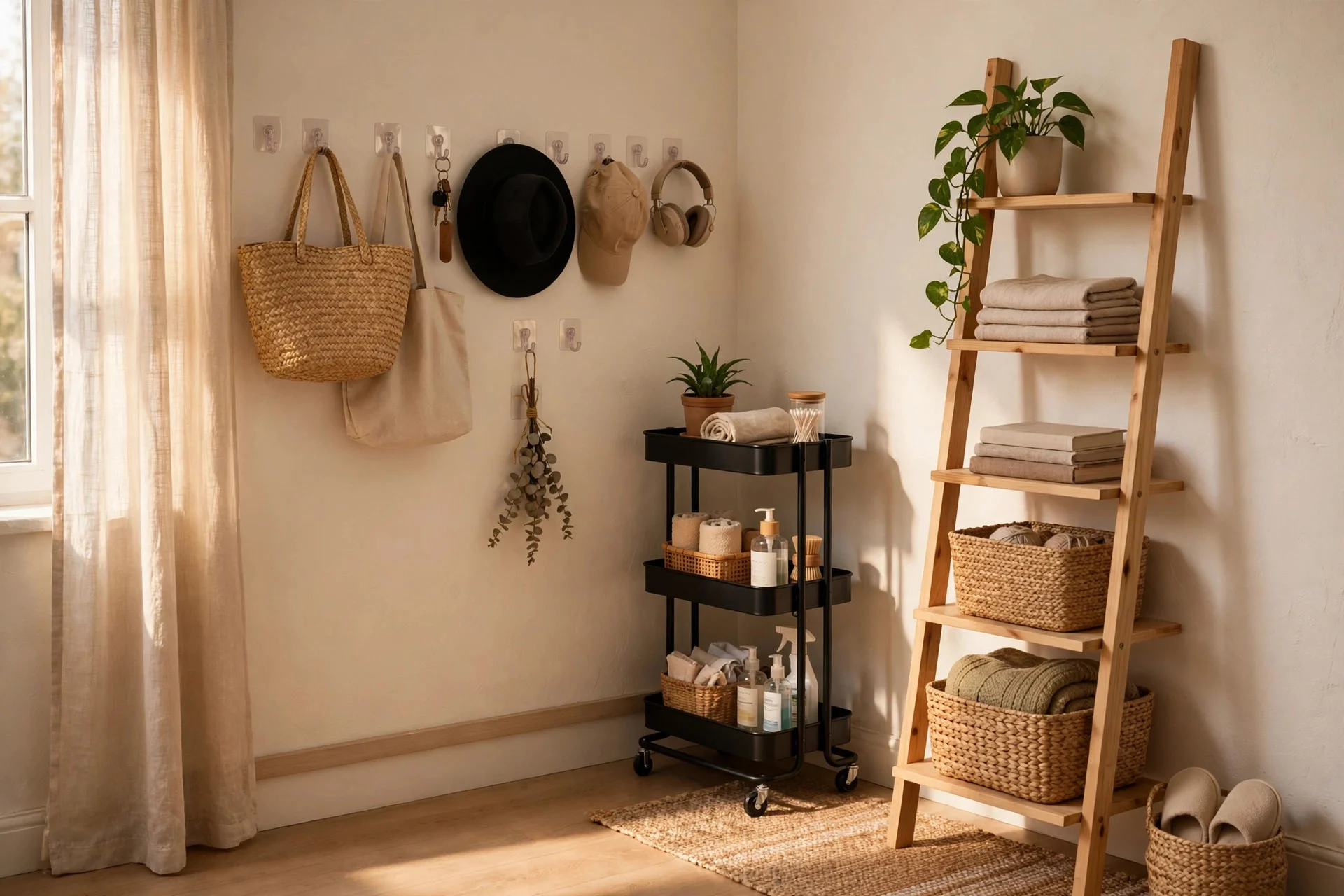
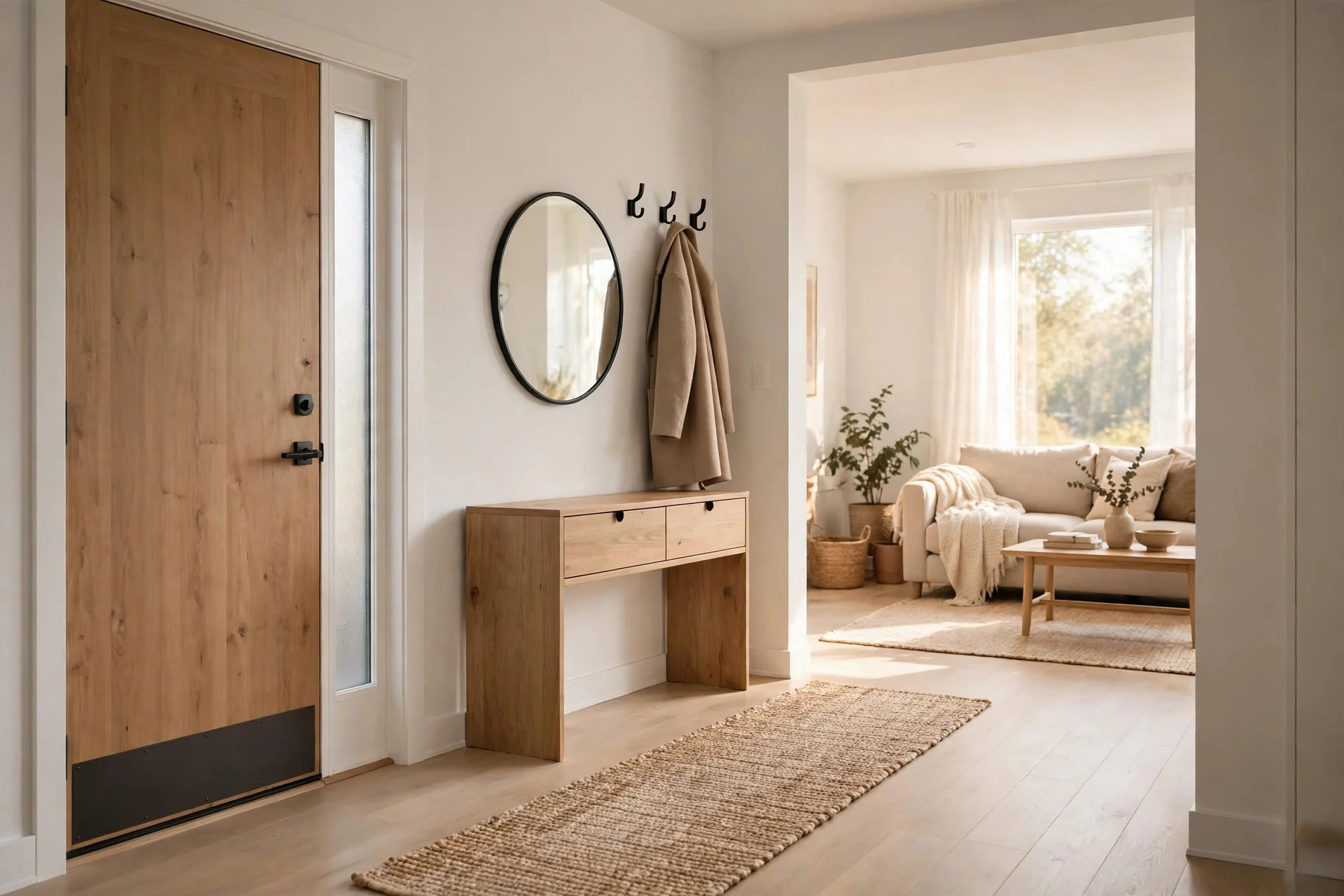
Shoes, coats, and bags pile up fastest right inside the door, A narrow bench, a row of hooks, and a shoe tray contain the mess in one area, with one hook and tray space each.
Cost: $40–$150 for hooks, a bench, and a tray. Difficulty: Easy to moderate, one to two hours. Tip: Keep a small dish for keys by the door; hunting for keys every morning wastes more time than you think. Watch out: If your landlord bans wall fixings, use a freestanding coat stand and an over-door hook rail instead.
9. Use a Curtain for a Private Corner
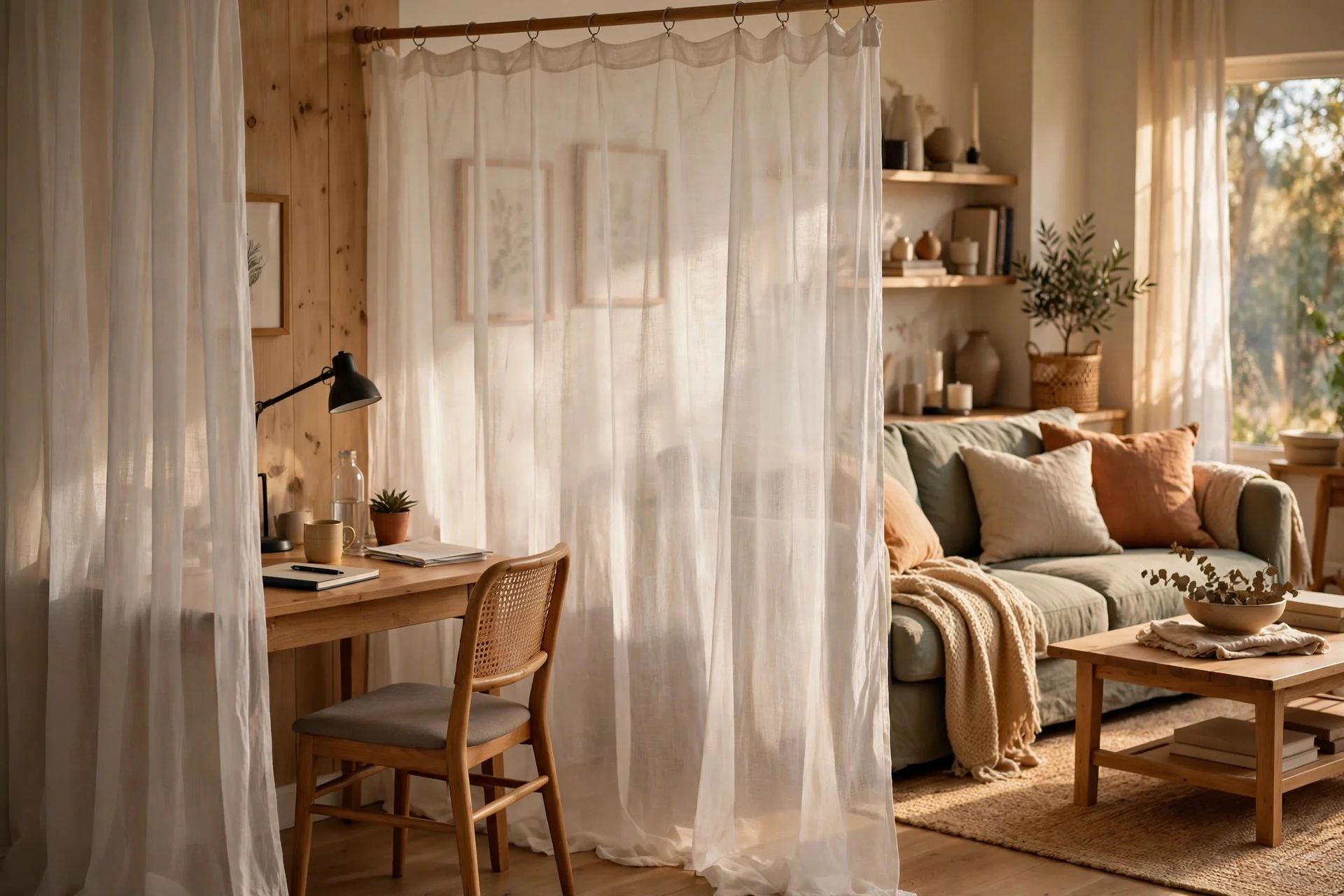
Sometimes one roommate needs to take a call, study, or just sit alone while the other watches television. A ceiling-mounted curtain track, or a freestanding curtain frame, creates a soft corner that can be opened or closed in seconds. It costs less than a divider screen and feels softer. These studio apartment curtain divider ideas show how to hang one without wall damage.
Cost: $50–$180 for a track, curtain, and fixings. Difficulty: Moderate, two to three hours. Tip: Choose a heavy fabric if you want sound softening, or a sheer fabric if you only want a visual break. Watch out: Measure the ceiling height twice; curtains that stop halfway look unfinished.
10. Make a Quiet Reading Nook Away From the TV
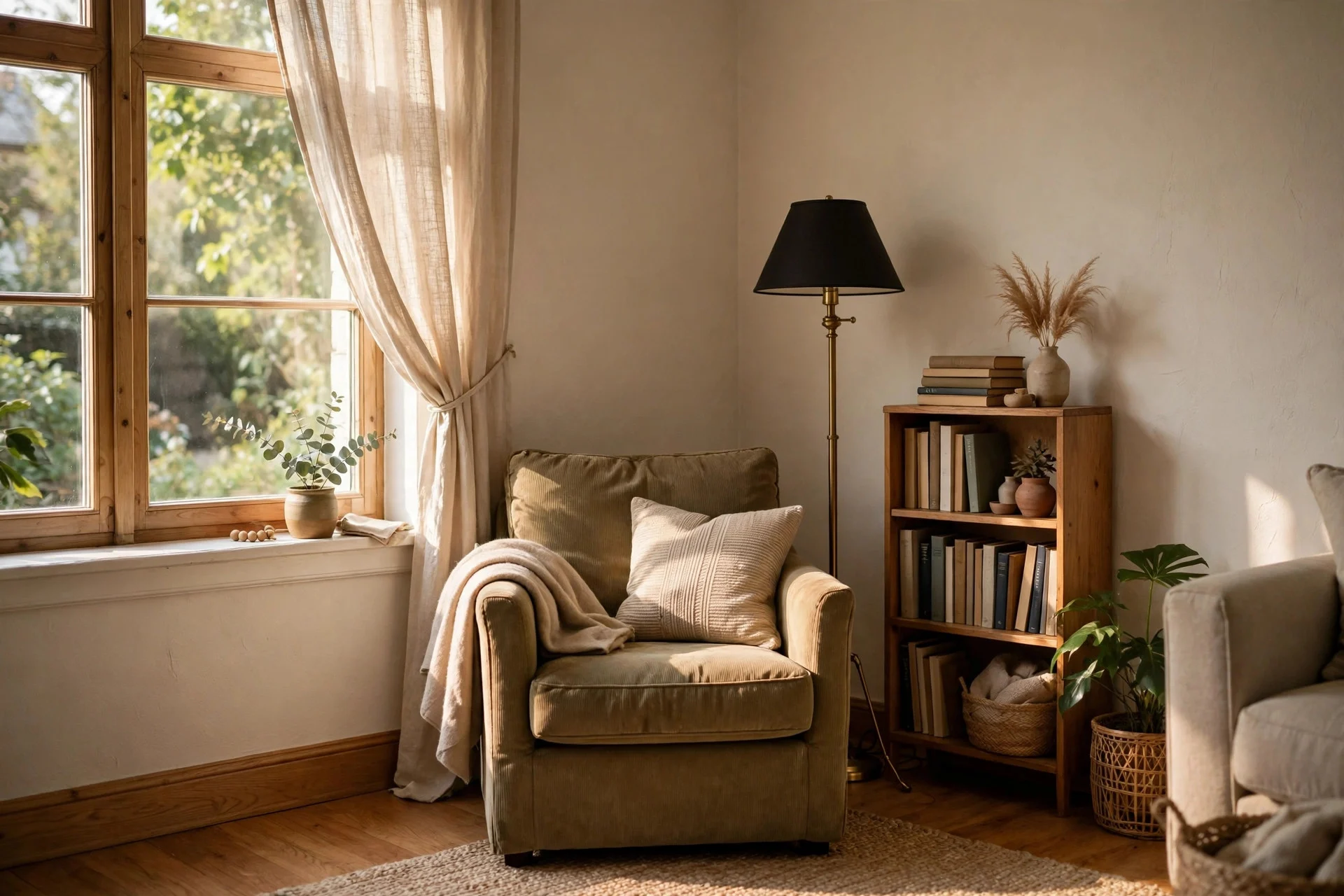
One comfortable chair, a floor lamp, and a small shelf or side table are enough to make a nook that one person can escape to. Place it in the corner farthest from the television, ideally near a window, and angle the chair away from the screen. so two roommates can share the space without doing the same thing.
Cost: $100–$350 for a chair, lamp, and table. Difficulty: Easy. Tip: A lamp with warm white light makes the corner inviting in the evening and easier on tired eyes. Watch out: Do not place the chair with its back to the room entrance; most people find that unsettling.
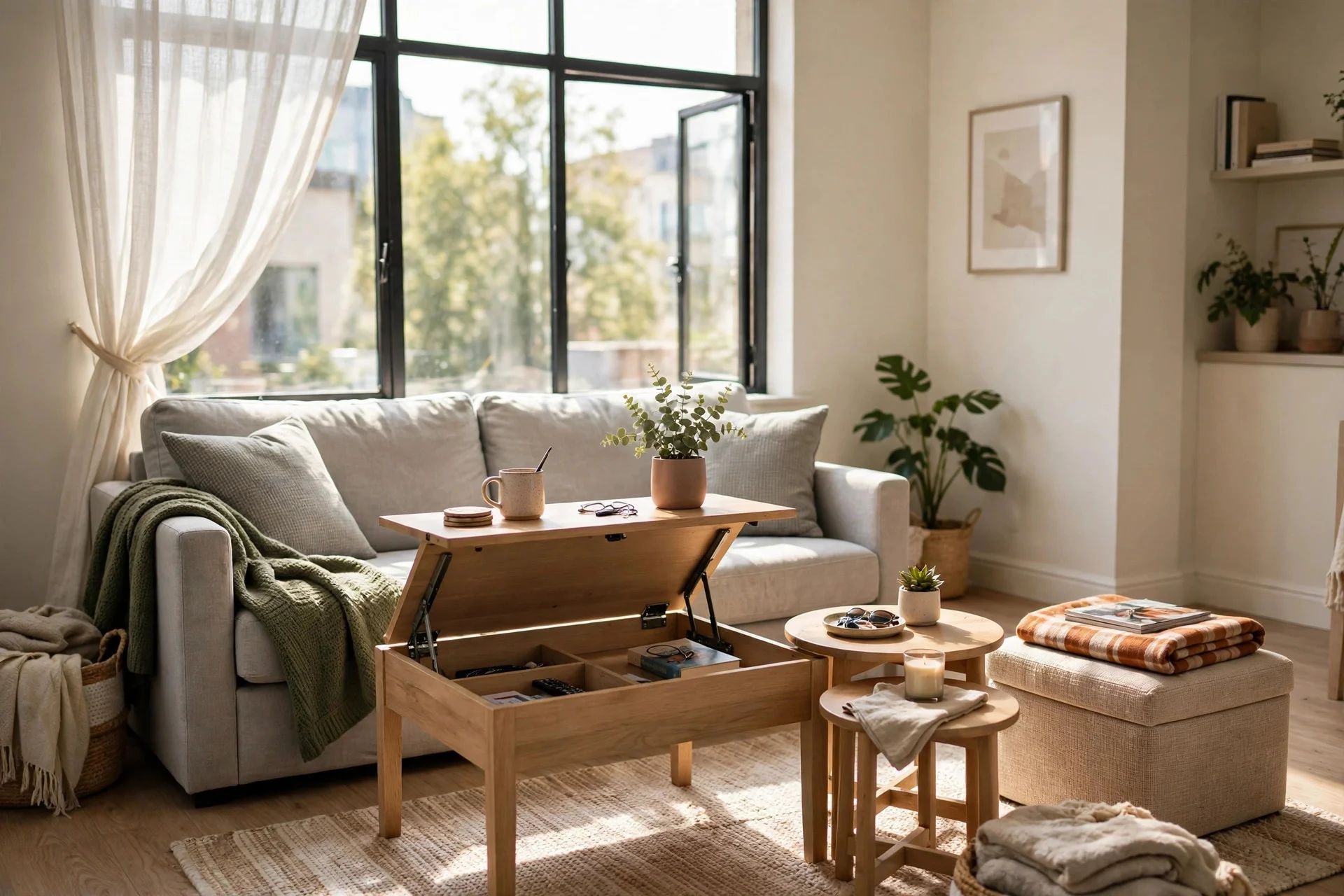
11. Share a Coffee Table With a Tray Each
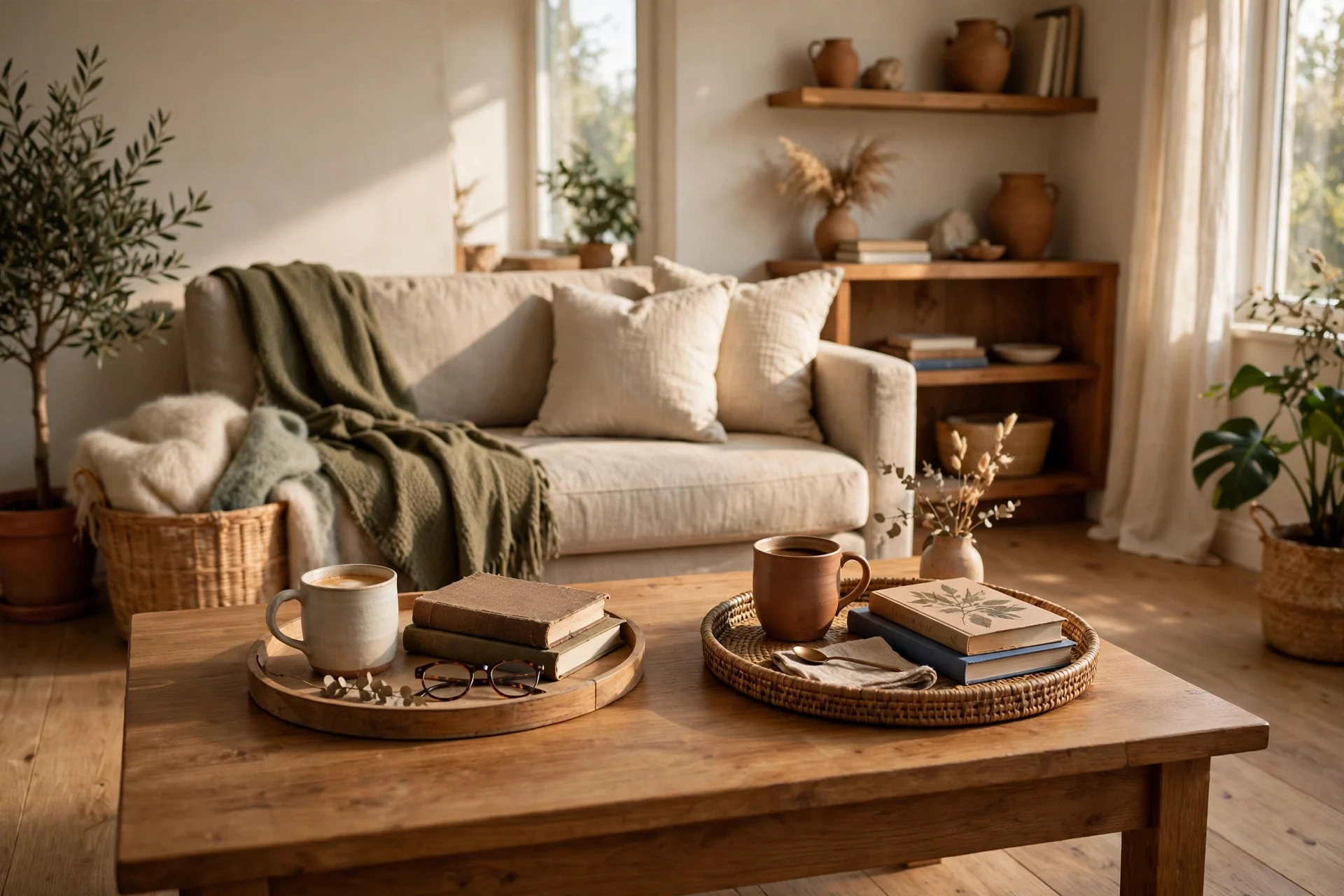
A shared coffee table collects mugs, remotes, snacks, and mail until nobody can find the surface. Two trays, one per person, fix that. Each tray holds that person’s mug, book, and charger,, leaving the middle clear. Clearing up means lifting one tray.
Cost: $15–$50 for two trays. Difficulty: Easy. Tip: Pick trays with raised edges, so pens and remotes do not slide off. Watch out: Keep hot drinks on coasters inside the tray, or the tray itself will end up stained.
12. Share the Walls Equally With a Gallery Row

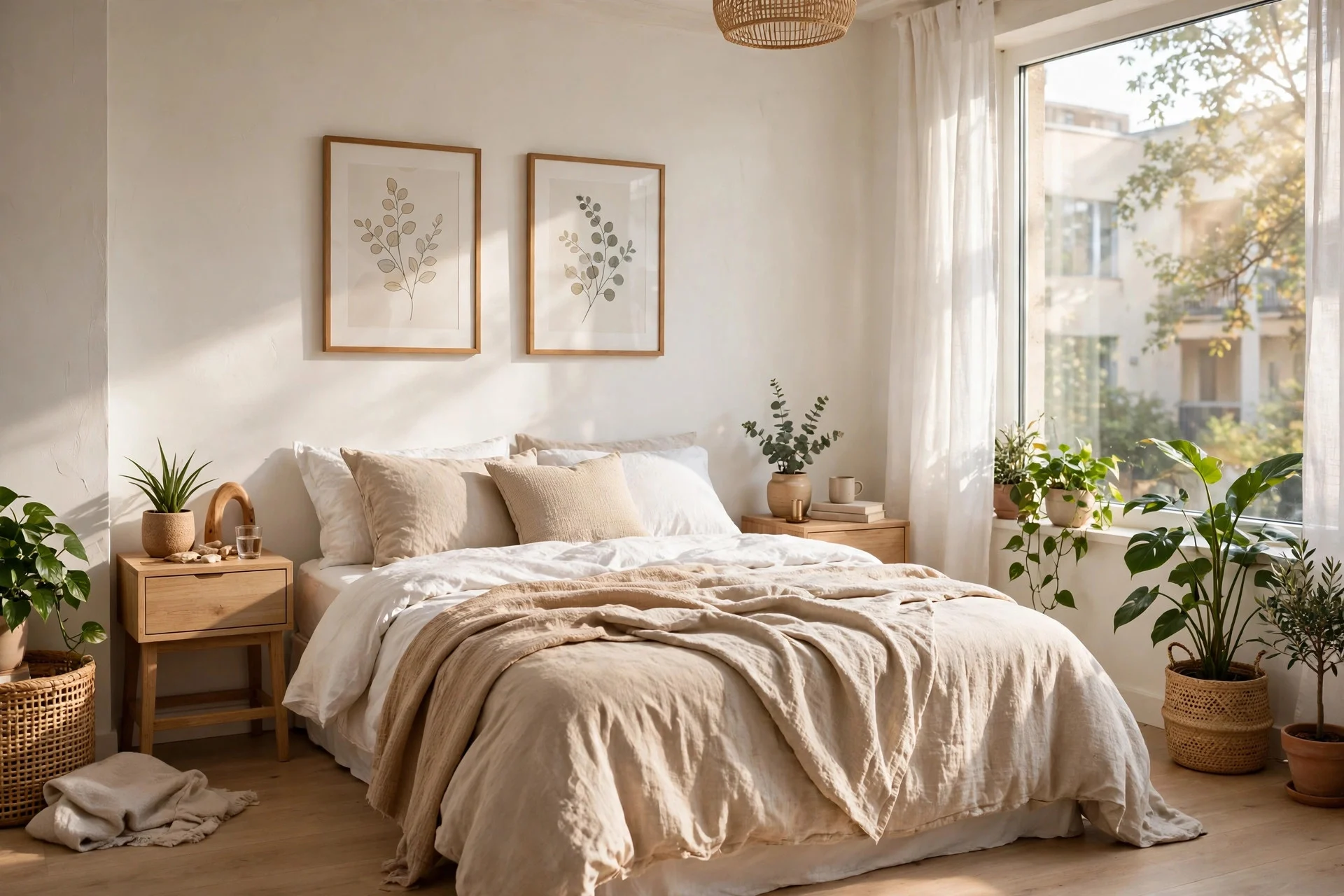
Blank walls feel impersonal, but one person’s posters can take over a room fast. Agree on a gallery row where each roommate gets the same number of frames in matching frames. Mix prints and photos, with space between frames.
Cost: $40–$120 for matching frames and prints. Difficulty: Easy to moderate, one afternoon. Tip: Lay the frames on the floor first and photograph the layout before you hang anything. Watch out: Use removable hanging strips if your lease bans nails, and check their weight limit.
13. Use Plants as Soft, Living Dividers
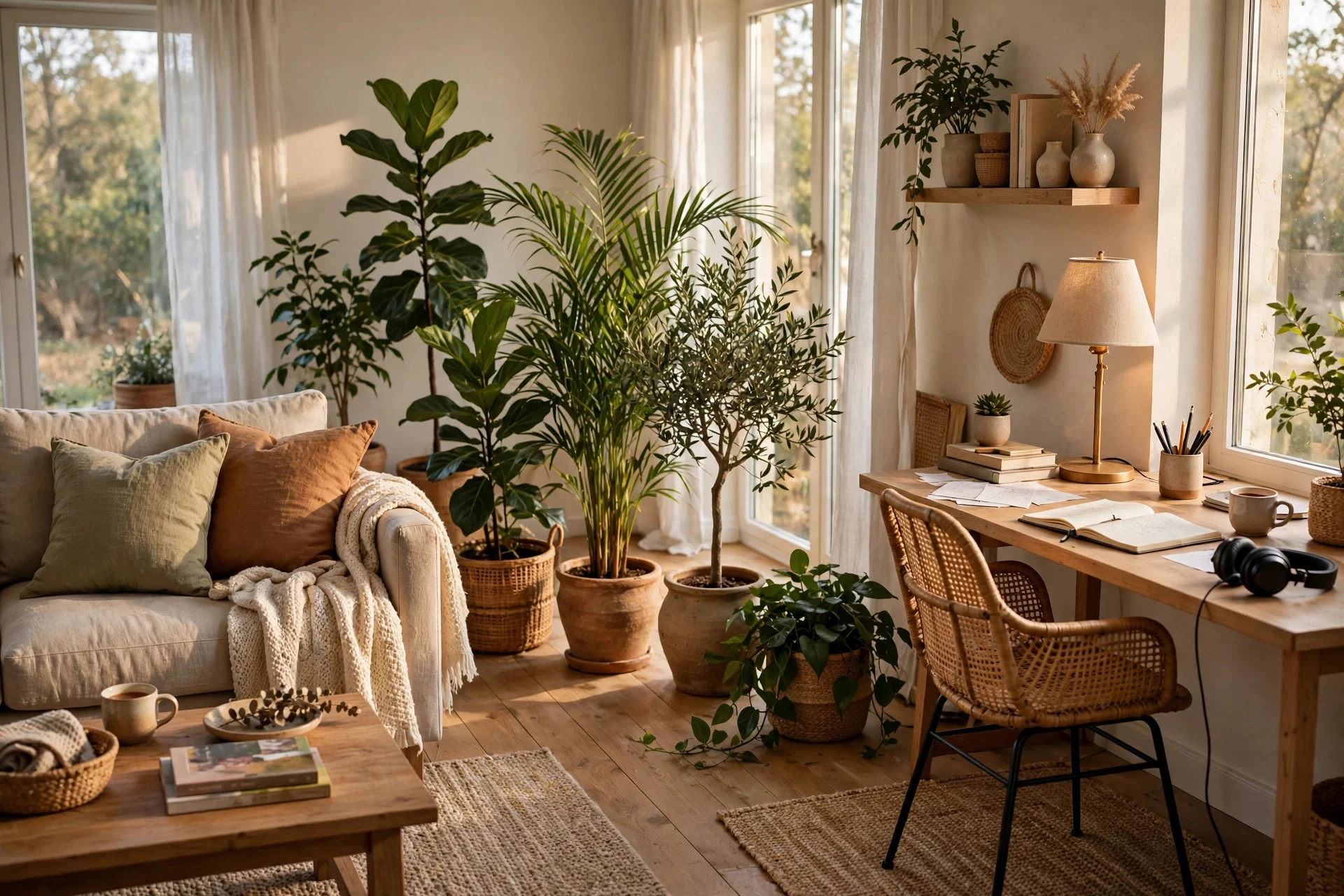
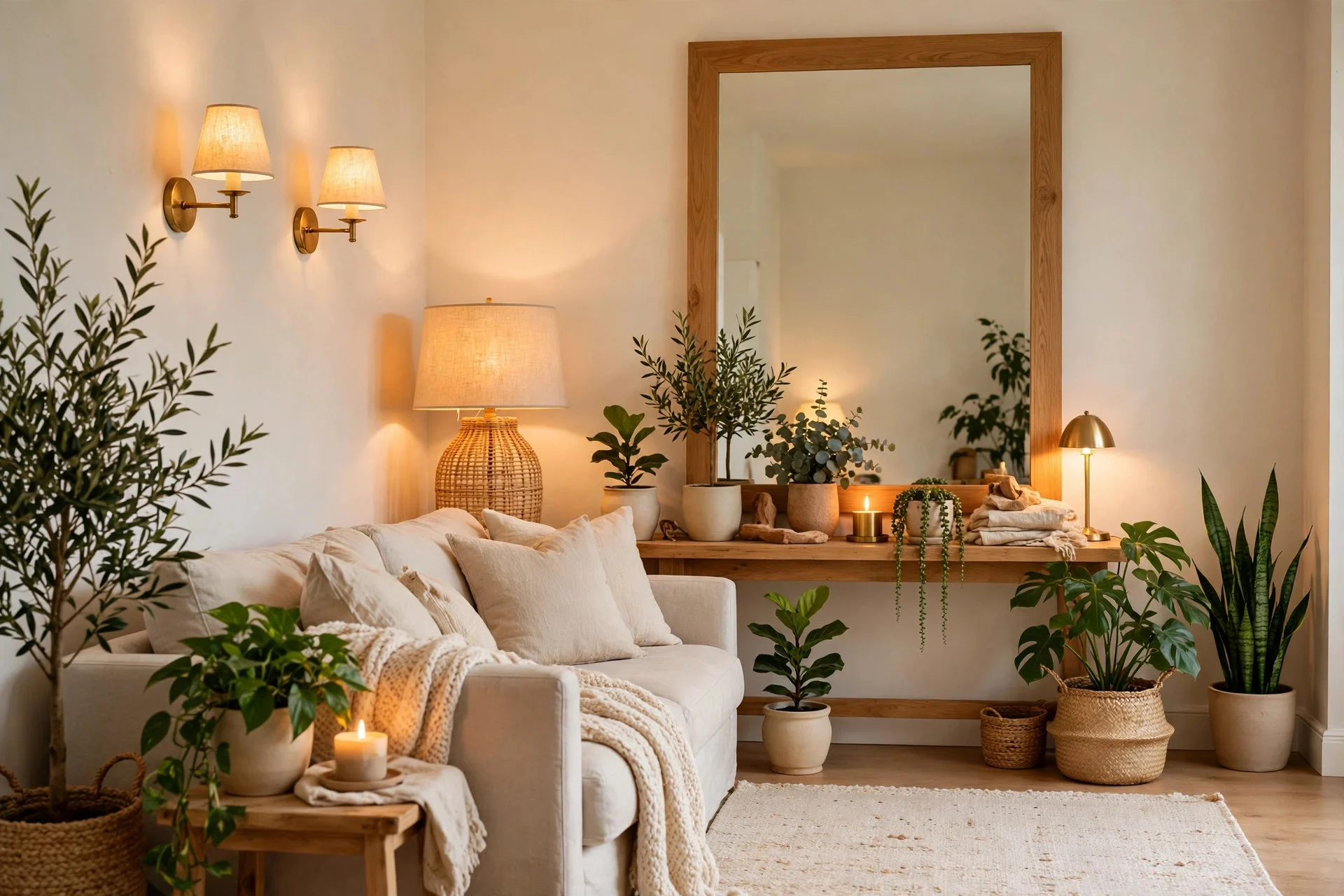
A tall plant or a row of plants on a bench marks a boundary without building one. They soften hard edges, and make a room feel cared for. Choose forgiving plants like snake plants, pothos, or ZZ plants, and agree who waters what.
Cost: $30–$120 for three to five plants and pots. Difficulty: Easy. Tip: Group plants in odd numbers and vary their heights for a natural look. Watch out: Check light levels first; a plant in a dark corner will struggle no matter how often you water it.
14. Layer the Lighting and Turn the Big Light Off
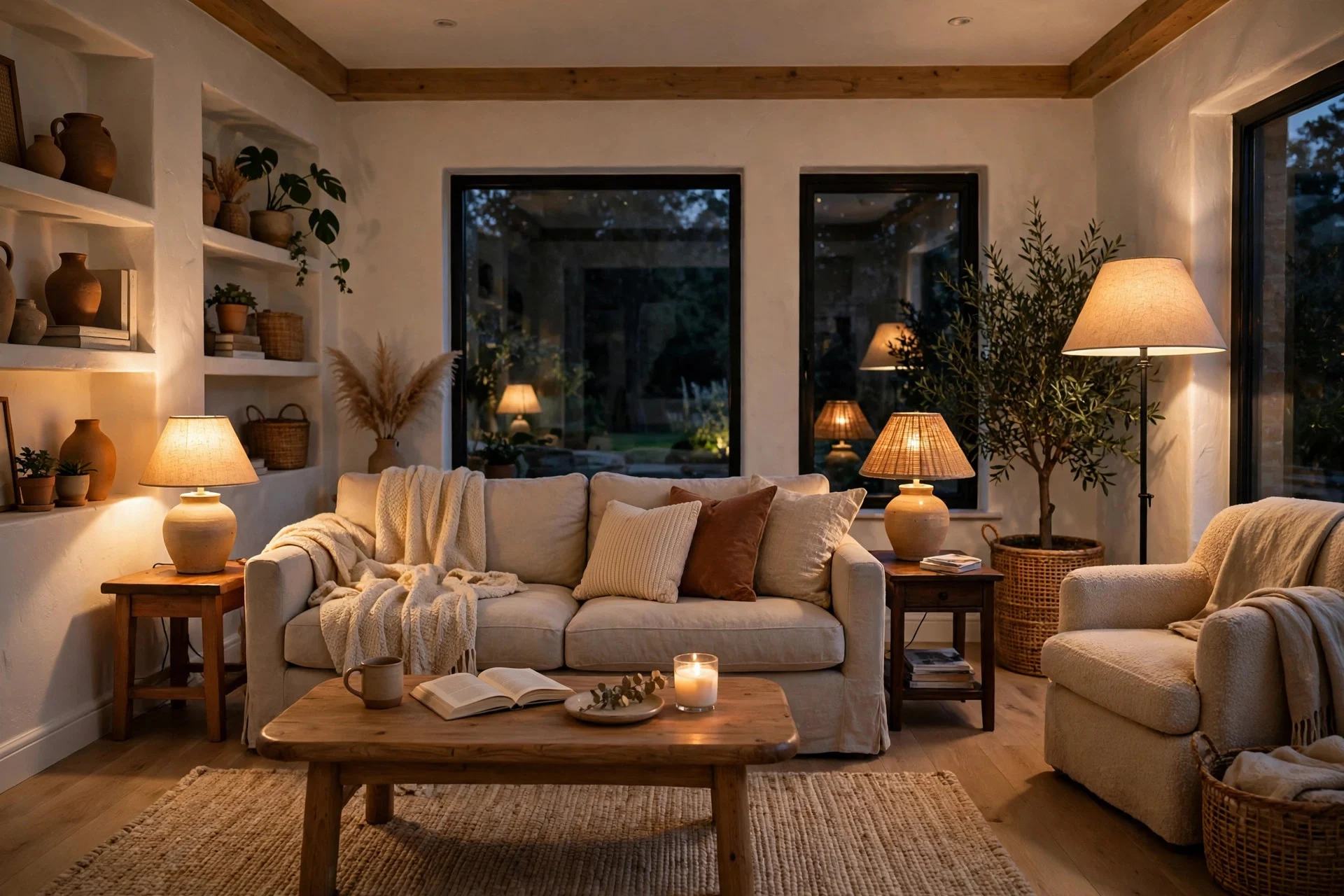
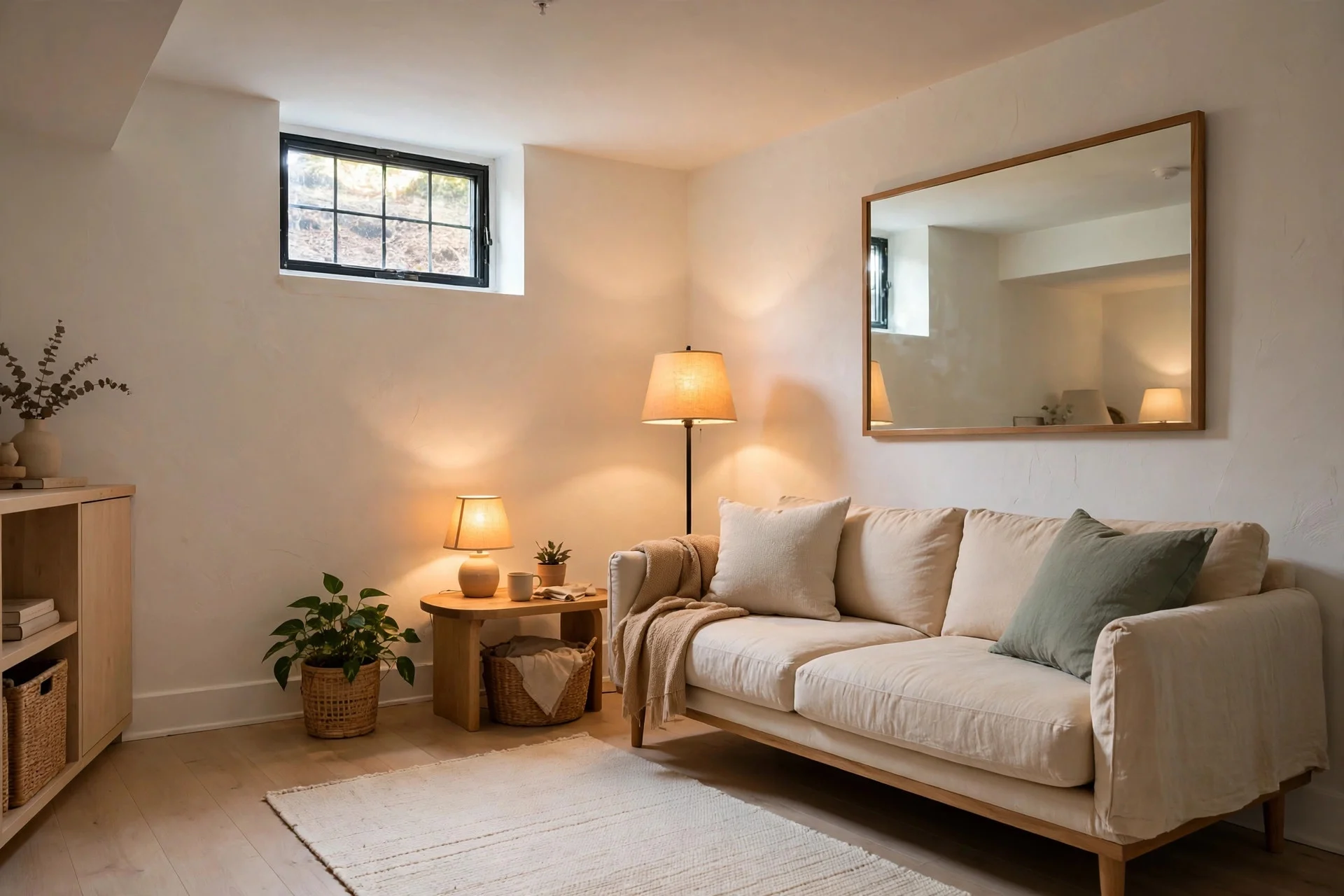
One bright ceiling light makes a living room feel like an office and flatters nobody. Two or three lamps at different heights, with warm bulbs, change the mood completely. A floor lamp by the reading chair, a table lamp on a side table, and a small lamp near the television give each zone its own glow,
Cost: $60–$200 for two to three lamps and warm bulbs. Difficulty: Easy. Tip: Put lamps on separate switches or smart plugs, so you are not walking around the room to adjust them. Watch out: Match the bulb colour temperature across lamps; mixed warm and cool bulbs look jarring.
15. Keep Foldable Extra Seating Ready for Guests
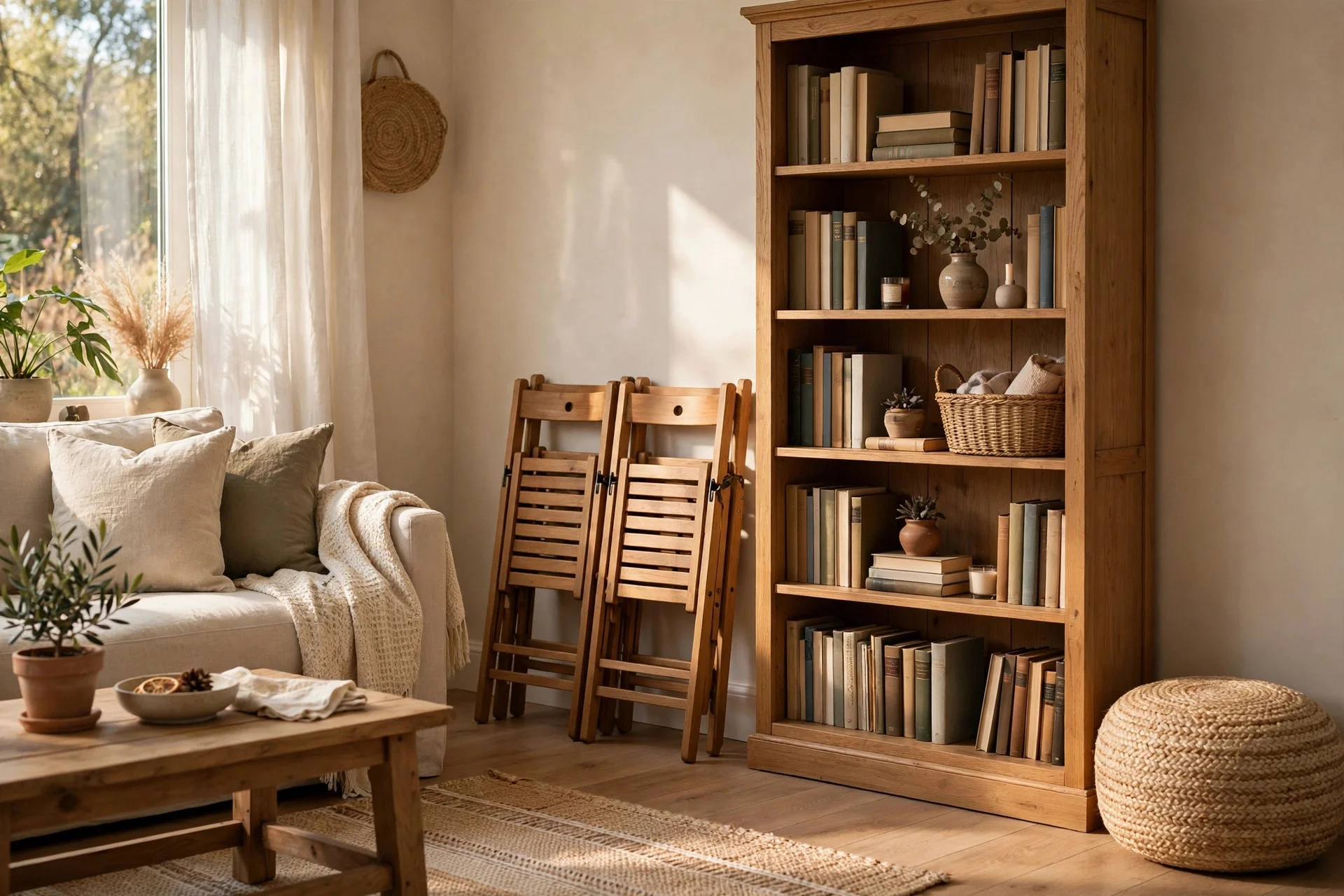
Guests are a regular part of shared living, but seating six daily feels crowded for two. Two folding chairs, stored behind a door or beside a bookcase, give extra seats only when needed. See also these multi-purpose furniture ideas for apartments.
Cost: $50–$180 for two folding chairs or stools. Difficulty: Easy. Tip: Add a small pouf as well; it works as a footrest daily and a seat when guests arrive. Watch out: Test the folding mechanism in the shop; a stiff chair will stay in storage.
16. Agree on a Ten-Minute Evening Reset
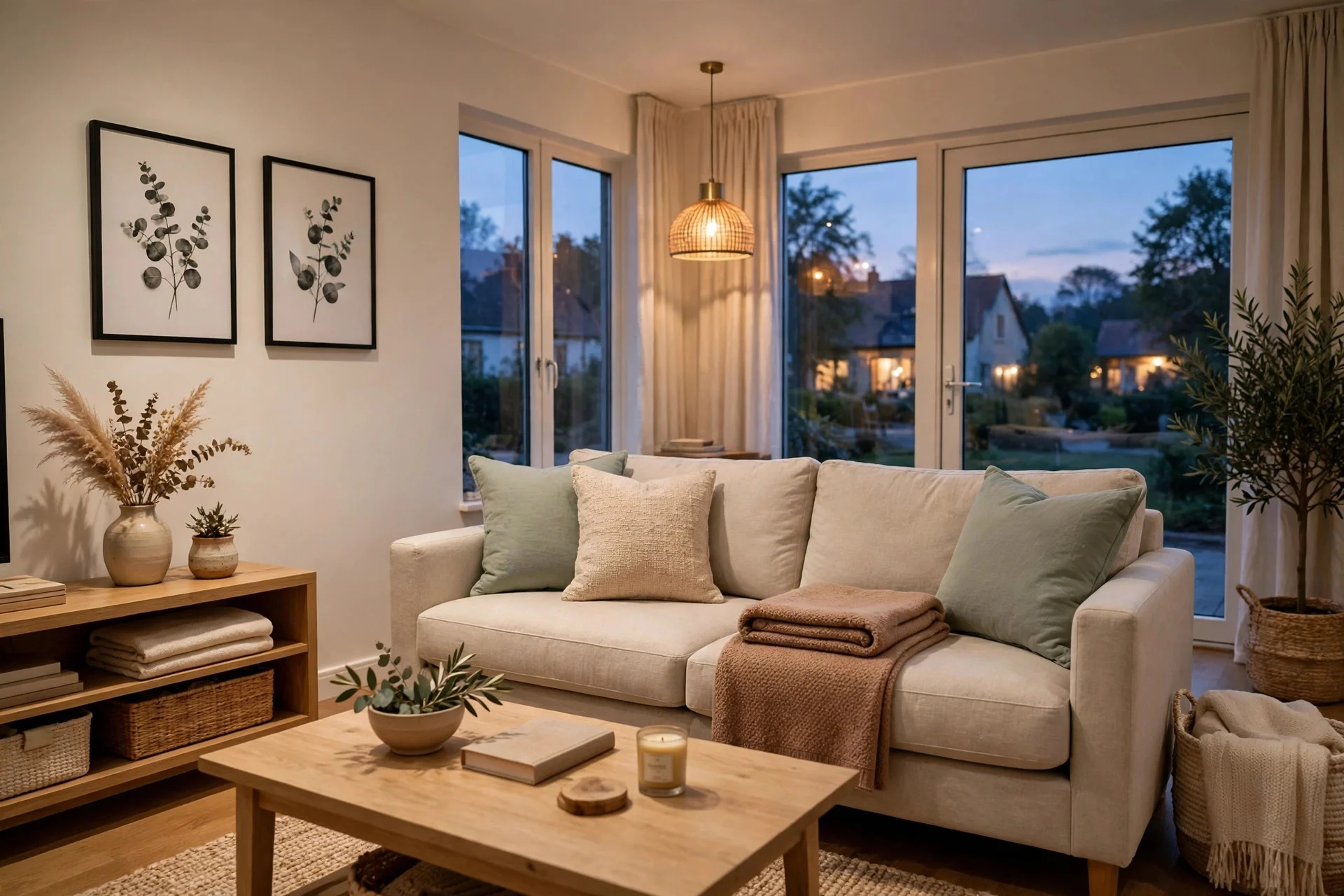
A calm room is mostly a habit, not a decorating style. Agree that each evening, both roommates spend ten minutes putting things back: cushions straight, throws folded, mugs in the kitchen. Ten minutes is short enough to keep, and waking to a tidy room changes the day.
Cost: $0–$20 for a small whiteboard or notepad. Difficulty: Easy, but it needs consistency. Tip: Pair the reset with something pleasant, like a cup of tea or a short playlist, so it becomes a routine rather than a chore. Watch out: Keep the reset to shared spaces only; tidying someone’s personal basket crosses a line.
17. Soften Sound With Curtains, Cushions, and Throws
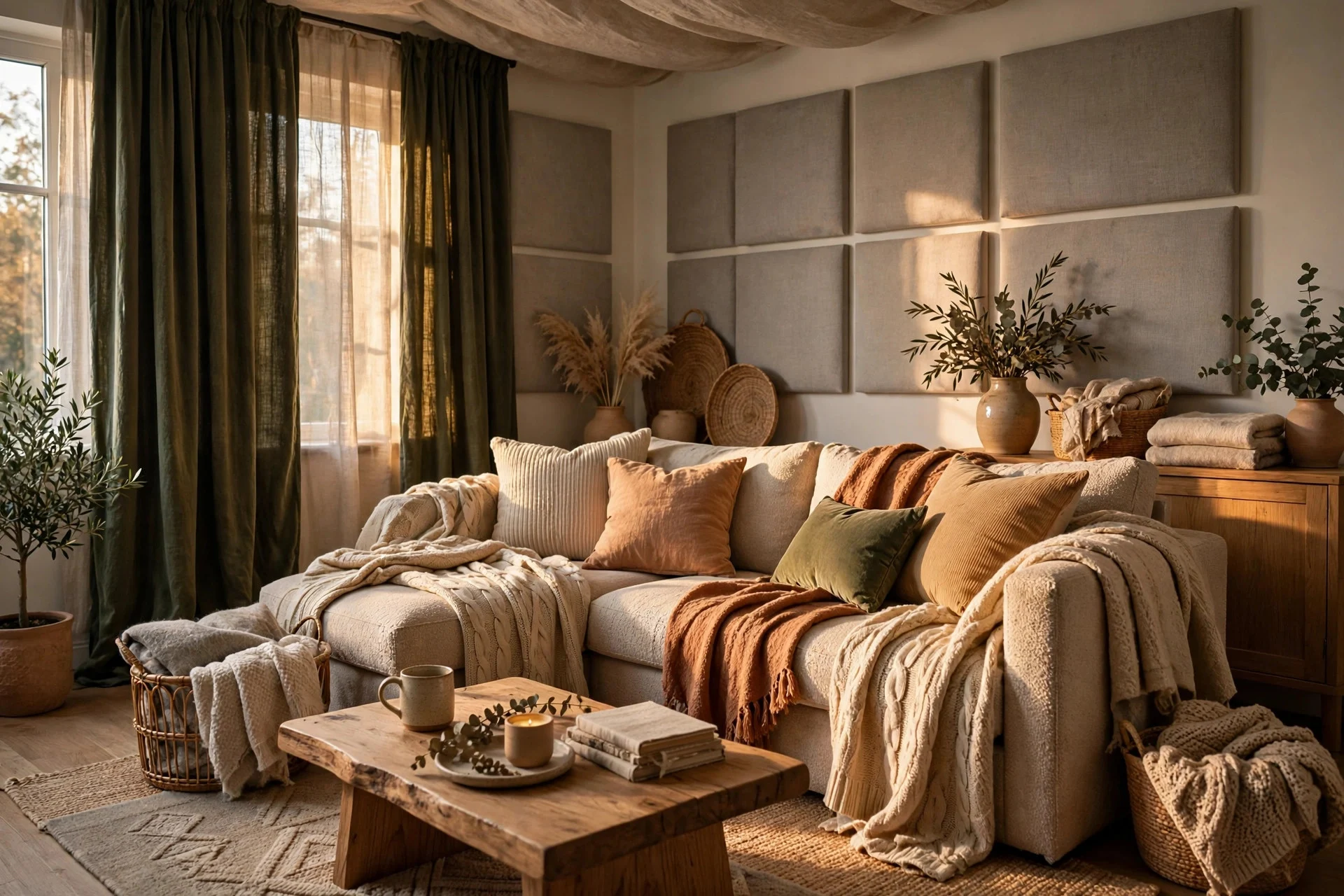
Hard floors, bare walls, bounce sound around, so normal conversation can feel loud. Thick curtains, a rug, cushions, and a throw absorb sound and warm the room. Ordinary soft furnishings, layered generously, do much of the work.
Cost: $80–$250 for curtains, extra cushions, and throws. Difficulty: Easy. Tip: Hang curtains wider than the window and let them pool slightly on the floor for the best sound-softening effect. Watch out: Heavy curtains need a sturdy rail; a cheap rail will sag under the weight.
18. Give Each Roommate a Personal Display Shelf
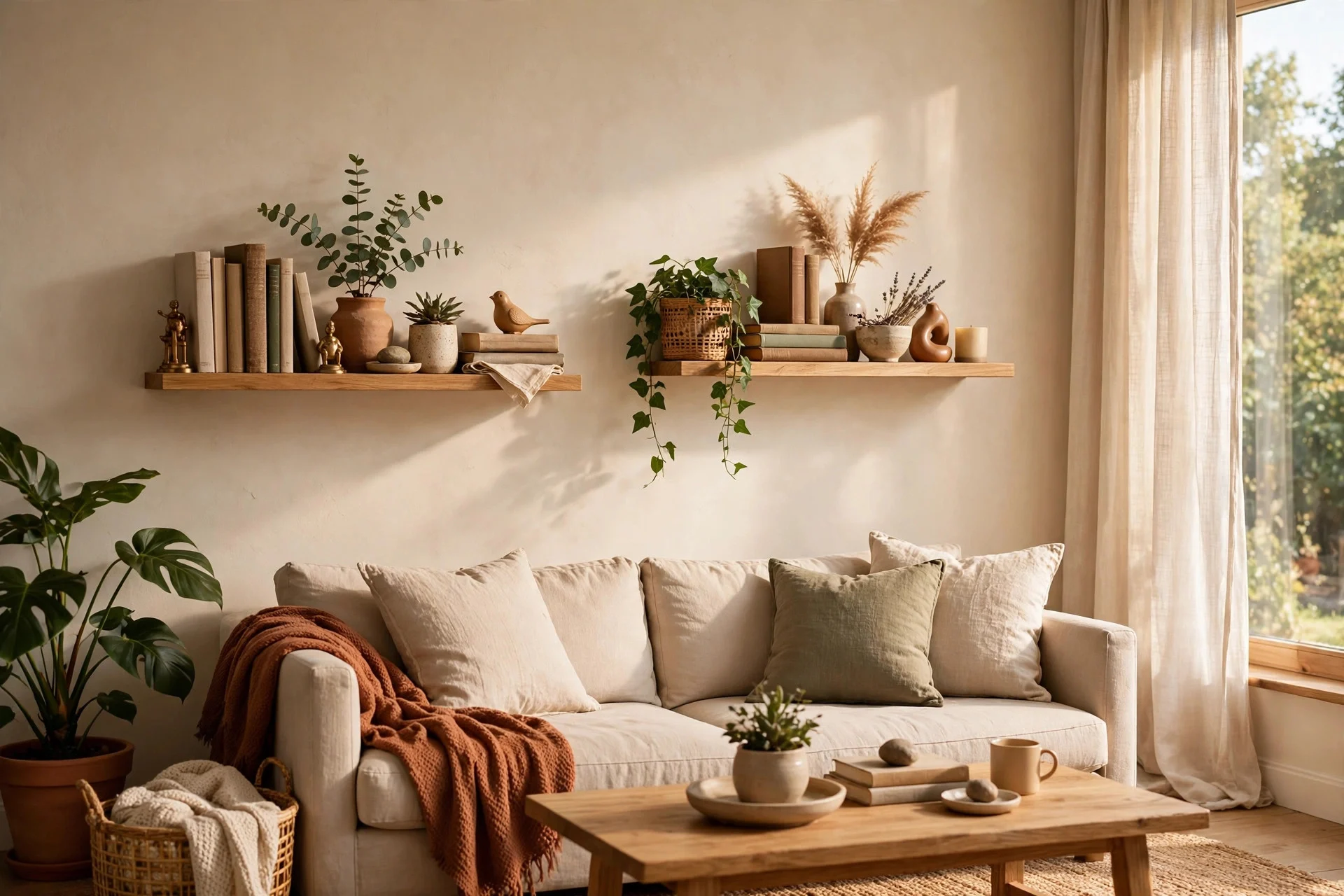
Everyone needs a small place that is fully theirs, even in a shared room. One shelf each, for books, a plant, photos, or a hobby item, gives each person a visible claim on the room. Keep shelves the same size and height, and agree the other person does not rearrange it.
Cost: $25–$90 per shelf, plus fixings. Difficulty: Easy to moderate, about an hour per shelf. Tip: Style each shelf with three items at different heights and leave some empty space, so it looks curated rather than crowded. Watch out: Check for pipes and wires before drilling, and use fixings rated for the shelf load.
Frequently Asked Questions
How do roommates split living room costs fairly?
Split shared items like the sofa, rug, and lamps equally, and let each person pay for their own cushions, basket, and shelf items. Write down who paid for what, and agree in advance what happens to shared pieces when someone moves out: one person buys the other out, or you sell it and split the money.
How can two roommates with different tastes share one room?
Agree on neutrals for the big, expensive pieces and let taste show in small, cheap items like cushions, art, and throws. A shared palette keeps the room looking coherent, while personal shelves and baskets give each person space to express their own style without dominating the room.
What is the cheapest way to make a shared living room feel calm?
Start with a ten-minute evening reset, a large rug, and warm lamps instead of the ceiling light. Those three changes cost little, yet they remove visual clutter, soften sound, and change the evening mood. Add plants and matching baskets next, when your budget allows.
How much private space can you get in a shared living room?
A curtain corner or a reading nook gives you a clear private spot for calls, study, or quiet time, even though the room stays shared. Agree on simple signals, like headphones on or the curtain closed, so the other person knows when not to interrupt.
A Calm Room Is a Shared Habit
You do not need a bigger flat or a bigger budget to make a shared living room work. Pick a palette together, map clear zones, keep big pieces neutral, and give each person storage, a shelf, and a seat. Keep it calm with soft lighting, a large rug, and a ten-minute evening reset. Checklist: agree the palette, map zones, set TV rules, place rug and lamps, give everyone a basket and a hook.