You love your living room, but right now it probably feels like a choice between two bad options: a tidy, adult room you have to guard all day, or a room that works for your toddler and looks like a playroom took over. You do not have to pick. With a few smart swaps, you can have a toddler friendly living room decor scheme that handles spills, climbing, and toy explosions, and still feels calm, warm, and put-together when guests walk in. The trick is not buying baby-proof gadgets for every surface. It is choosing grown-up pieces that quietly do double duty: fabrics that wipe clean, furniture with soft edges, and storage that hides the chaos in seconds. Below are 12 fixes that solve the real problems, one by one, with honest costs and realistic effort levels.
1. Swap in a Stain-Resistant Performance Sofa
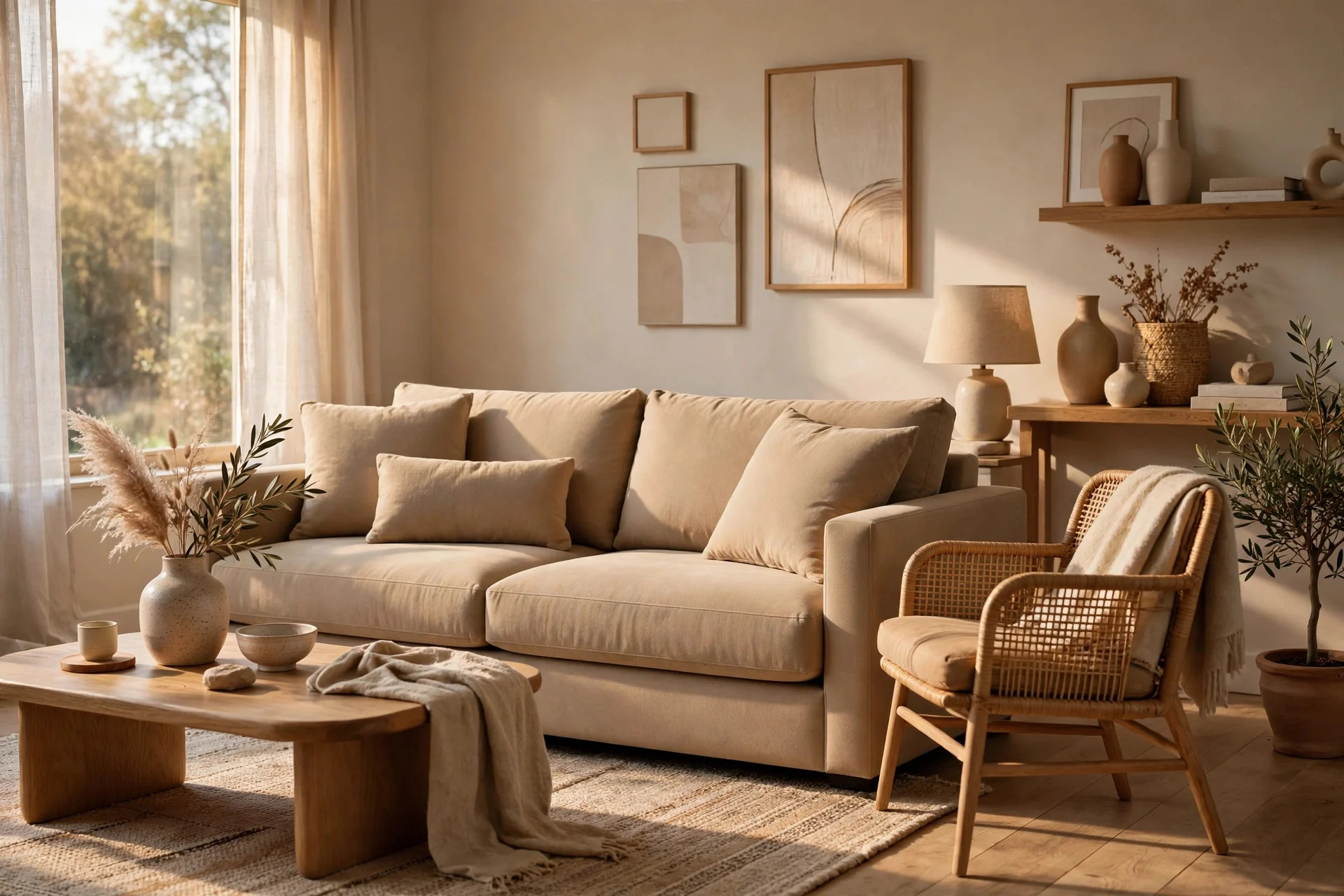
The problem: Juice, yogurt, and mystery sticky patches land on the sofa daily, and a light, pretty sofa starts looking tired fast. Tip: Order a fabric swatch first and test it at home — smear on a little jam, let it sit for an hour, then wipe it off. Watch out: Very light colors still show ground-in dirt over time, so a warm mid-tone hides daily life better than bright white.
2. Round Off the Sharp Corners
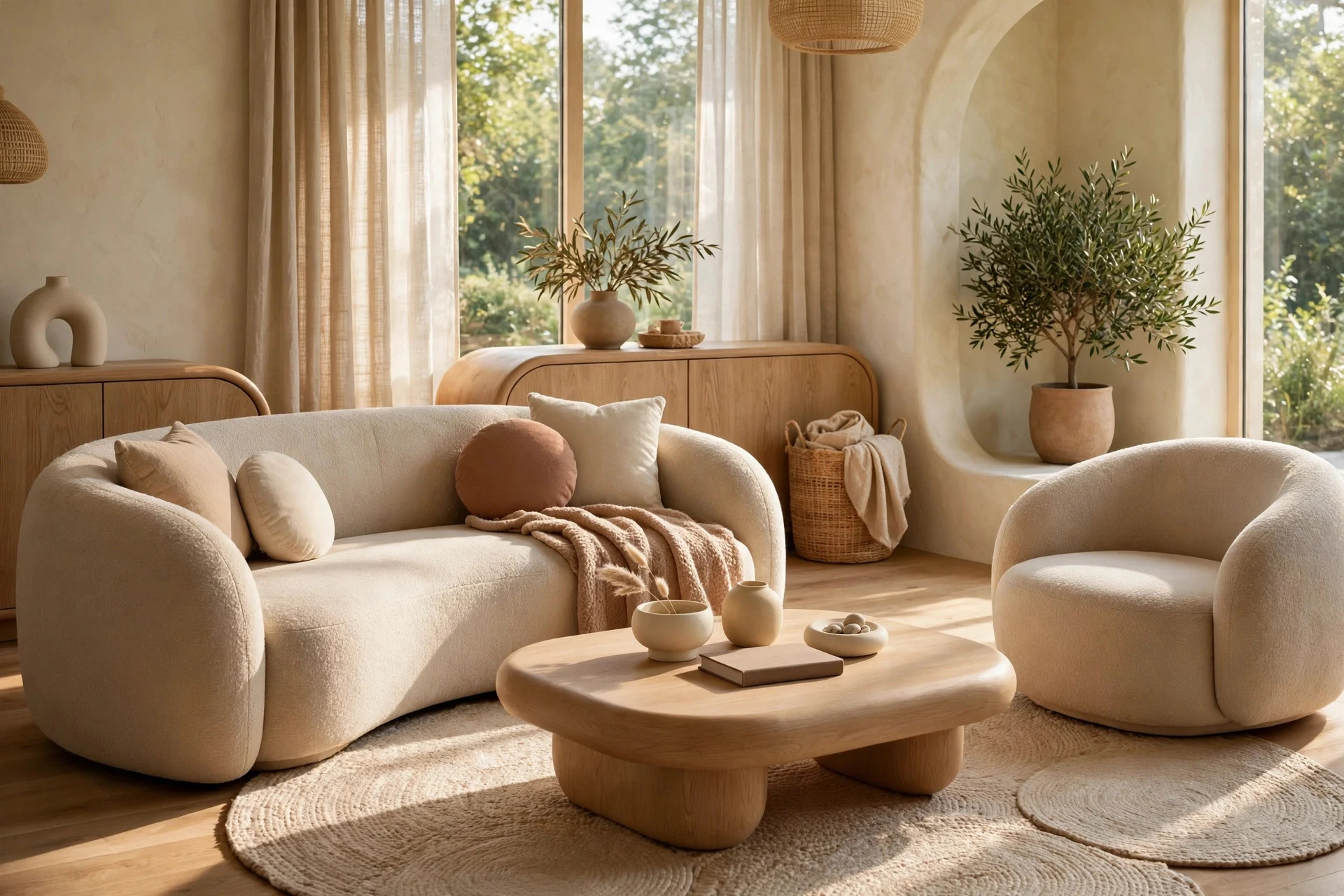
The problem: Coffee tables, TV stands, and side tables all sit at exactly head height for a wobbly toddler. If replacing everything is out of the question, fit clear or fabric corner guards on the worst offenders and keep the sharpest pieces out of the main traffic path. Cost: $120–$500 for a round coffee table; $10–$30 for a pack of corner guards. Difficulty: Easy — swapping a table takes an afternoon, guards take minutes. Tip: Push one long edge of a round table against a sofa arm so it cannot spin or slide easily. Watch out: Glass tops show every fingerprint, so wood or stone tops are far easier to live with.
3. Dress the Sofa in a Washable Slipcover
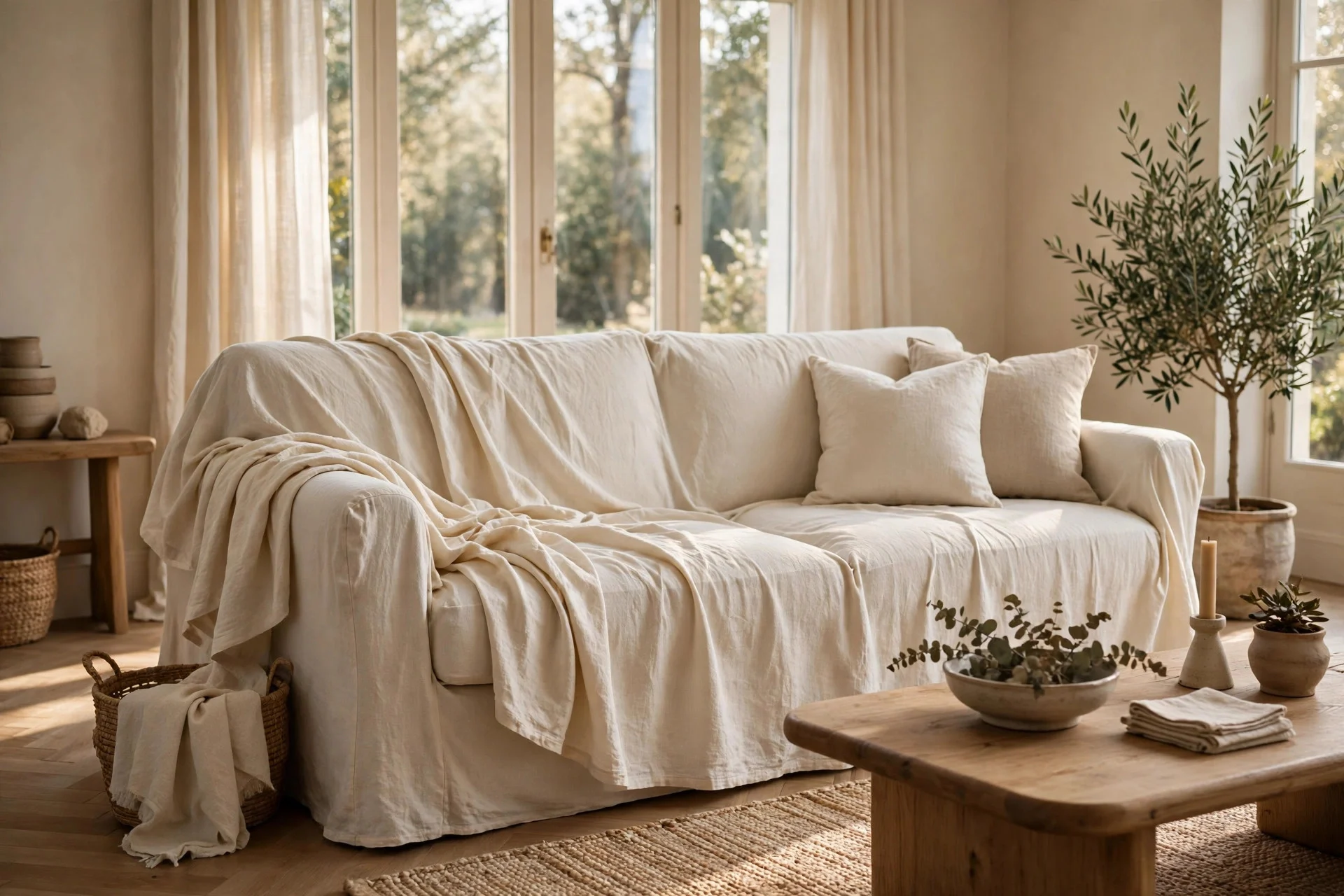
The problem: Your current sofa is fine, but it cannot survive another year of snacks and muddy hands. The fix: A well-fitted slipcover gives you a fresh look and a safety net. Pick washed linen or cotton twill in a relaxed fit — it reads as casual and intentional, not sloppy, especially in cream, oatmeal, or soft gray. When it gets dirty, you pull it off and wash it, and the sofa underneath stays protected. This is also one of the kindest fixes if you rent, since you change nothing permanent about the room. If you want more renter-safe ideas, these renter-friendly living room ideas pair well with everything in this guide. Cost: $80–$350 for a ready-made slipcover; $400–$900 for a custom one. Difficulty: Easy — about 30 minutes to fit, plus a wash cycle. Tip: Buy two covers if your budget allows, so one is always clean while the other is in the laundry. Watch out: Loose, baggy covers bunch up and look untidy, so check the size chart against your sofa’s exact measurements before you order.
4. Hide Toys Inside Furniture That Earns Its Place
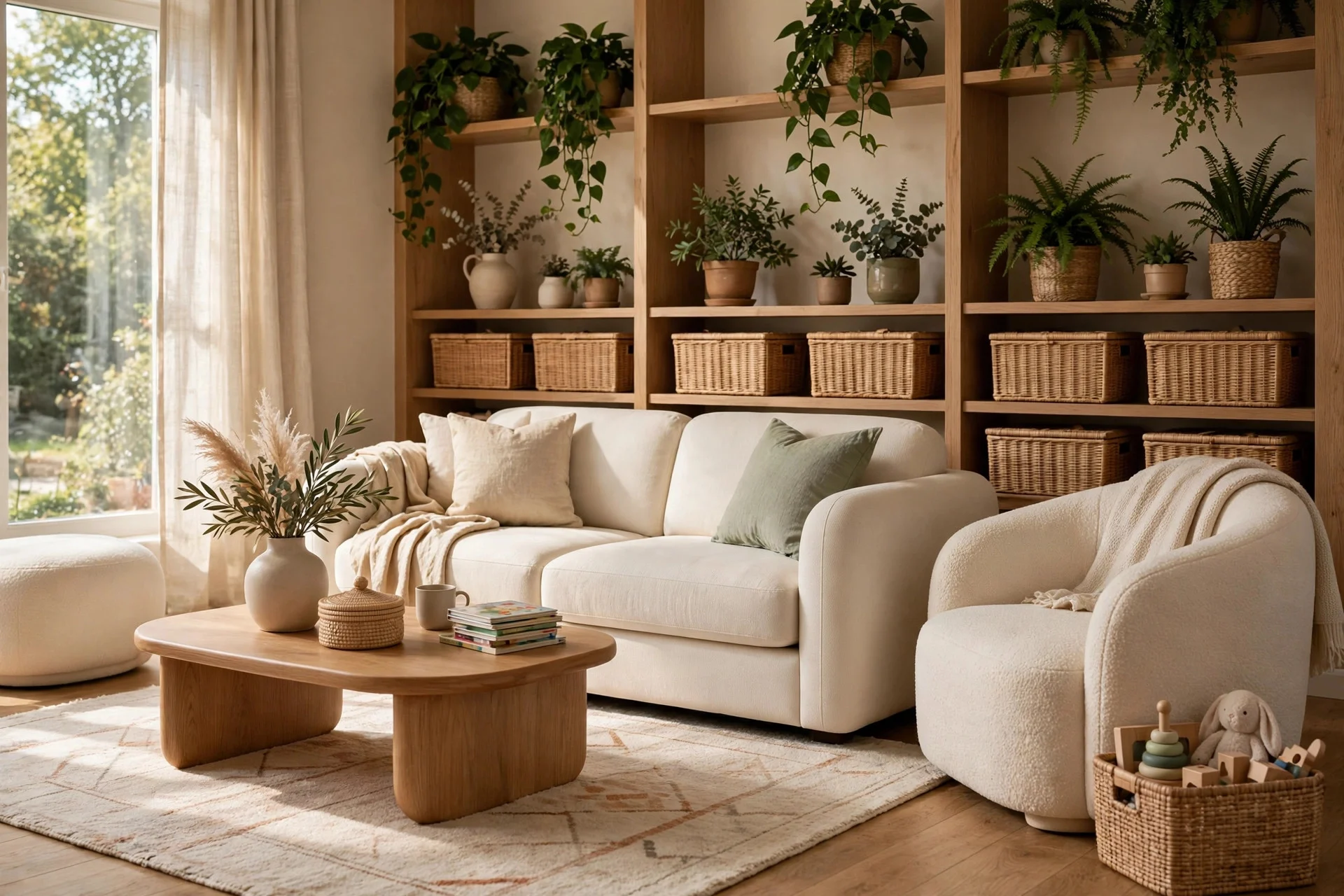
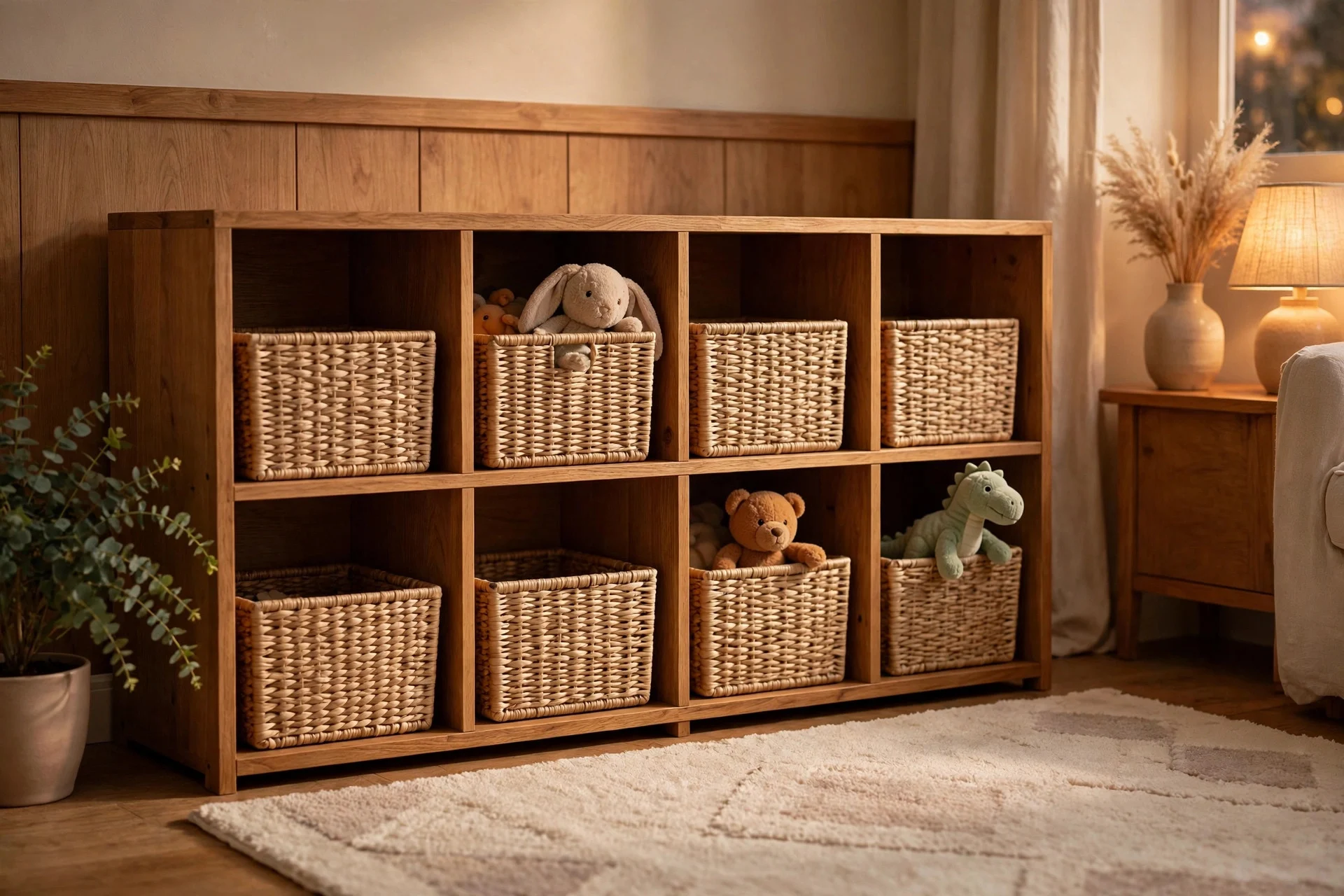
The problem: Toys spread across the floor by 10 a.m., and the room never looks finished. The fix: Use closed storage that looks like real furniture: a sideboard with doors, a storage ottoman, lidded baskets on a shelf, or a bench with a lift-up seat. Toys go in, doors close, and the room resets in about two minutes. Keep one open basket for the current favorite toys so tidying does not become a battle every evening. Cost: $60–$250 for baskets and an ottoman; $300–$900 for a sideboard. Difficulty: Easy — an afternoon of shopping and arranging. Tip: Label the inside of each door or basket with a small tag so anyone tidying up puts things back in the right spot. Watch out: Open shelving looks great in photos, but it turns into a display of clutter in real life, so keep at least half your toy storage behind doors.
5. Lay a Washable, Low-Pile Rug That Stays Put
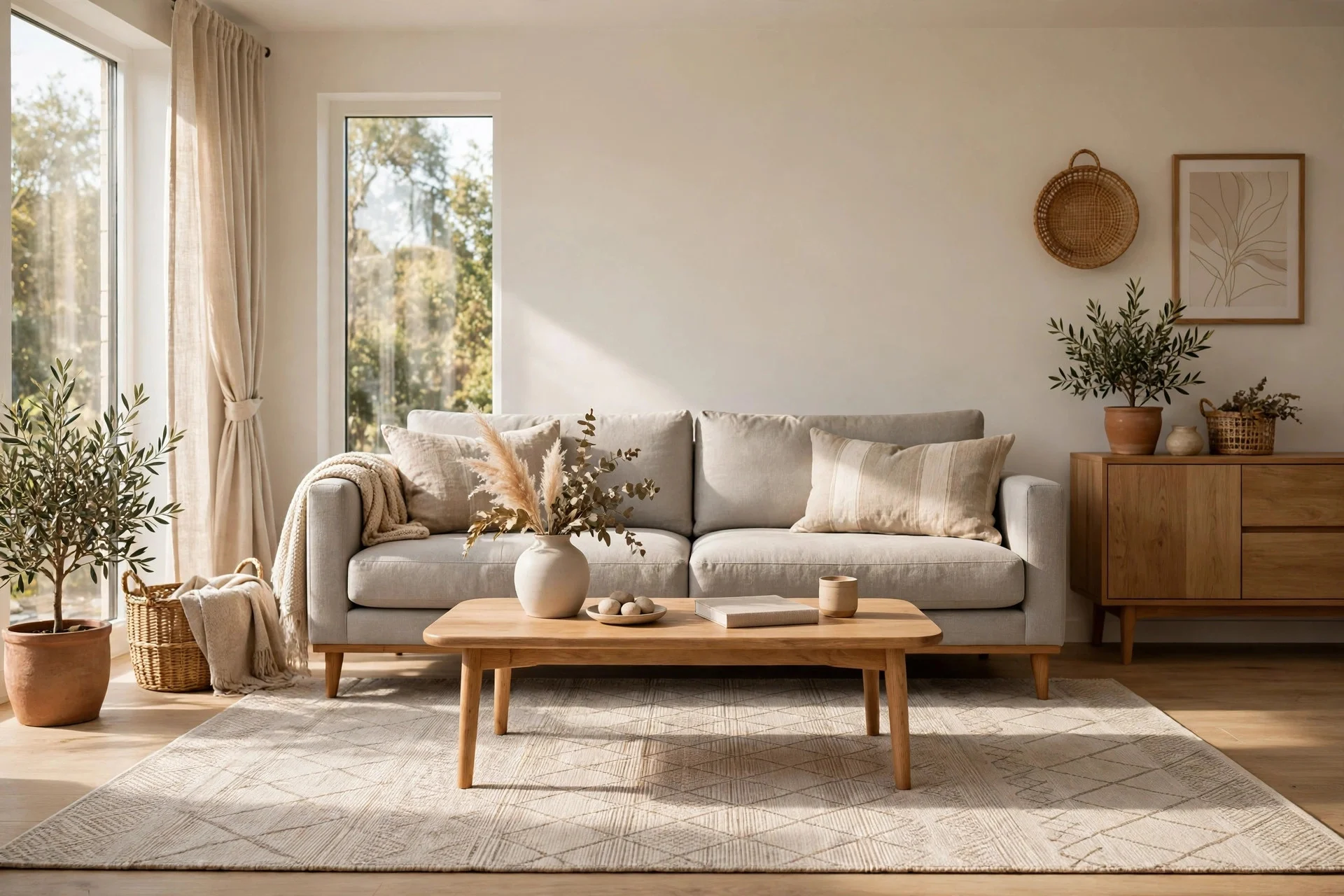
The problem: The rug is the first thing to catch spills, crumbs, and footprints, and thick pile traps all of it. The fix: Choose a low-pile, machine-washable rug in a pattern that forgives a little mess — subtle geometrics, tone-on-tone stripes, or a faded vintage-style print. Low pile is easier to vacuum, kinder to toy cars and blocks, and far less likely to trip a small runner. Always pair it with a good non-slip rug pad so it does not bunch up or slide. Cost: $90–$350 for a washable 8×10 rug; $30–$80 for a quality pad. Difficulty: Easy — unroll, place the pad, and smooth it out. Tip: Size up rather than down: front legs of the sofa and chairs should sit on the rug, which anchors the whole seating area. Watch out: Very pale, flat-weave rugs show every mark, so pick a mid-tone with some pattern if your toddler eats in the living room.
6. Anchor Heavy Furniture and Tame the Cords
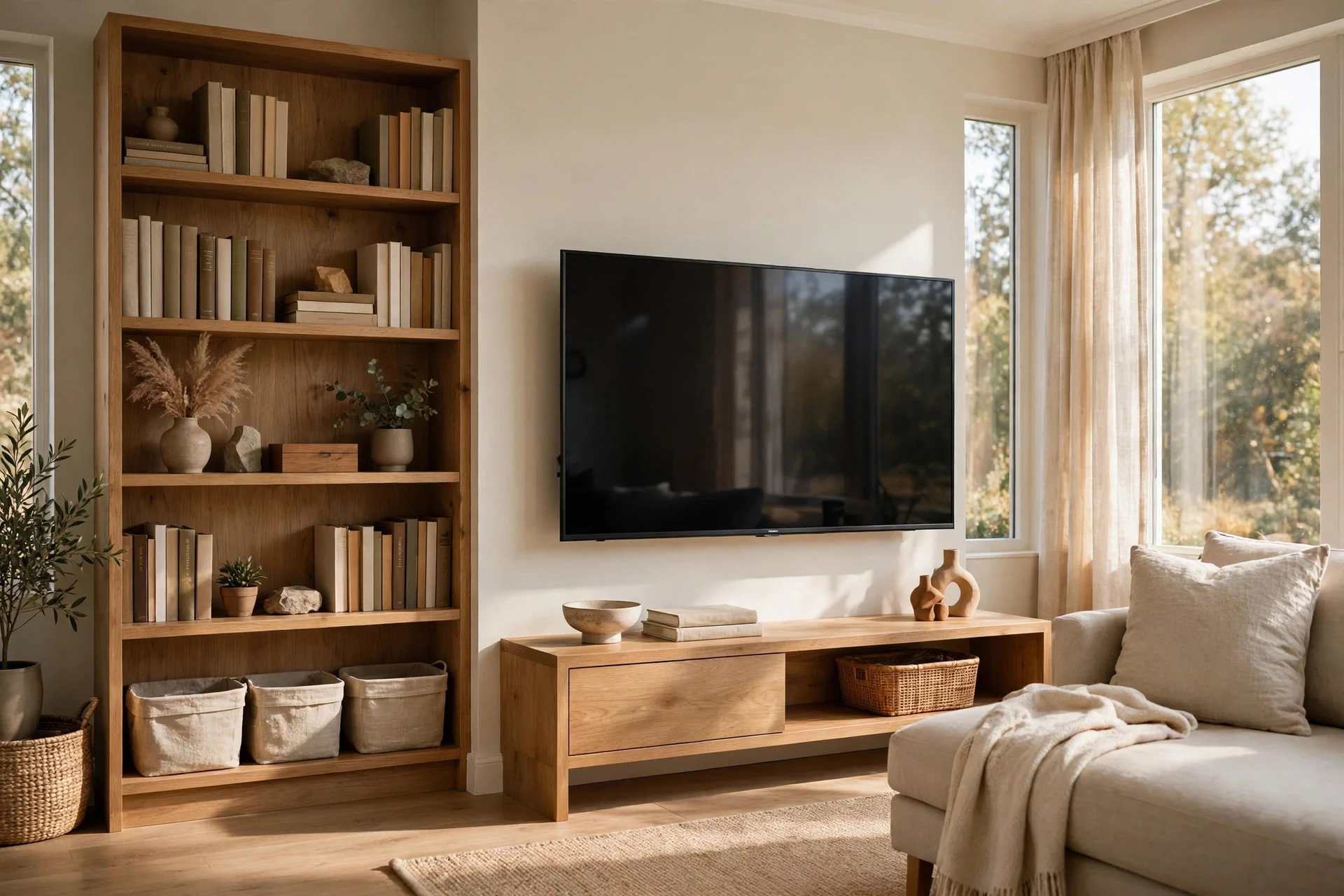
The problem: Bookcases, dressers, and TVs are climbing invitations, and loose cords are a tangled hazard. The fix: Fix tall furniture to the wall with anti-tip straps or brackets, mount the TV on the wall or strap it to its stand, and route cords through covers or behind furniture. This is the least decorative fix on this list and the one that matters most, so do it before you buy anything pretty. Most kits include the hardware and clear instructions, and you can finish a whole room in one focused afternoon. Cost: $10–$25 per anti-tip kit; $30–$120 for a TV wall mount; $15–$40 for cord covers. Difficulty: Moderate — you need a stud finder, a drill, and about an hour per large piece. Tip: Anchor furniture even if it feels heavy and stable; a toddler climbing an open drawer changes the balance completely. Watch out: Do not anchor into drywall alone — find a stud, or use the proper wall anchors rated for the weight.
Mistakes to Avoid
Three common mistakes undo a lot of good work. First, buying everything in white because it looks clean in photos — white shows every mark and adds laundry you do not need, so pick warm mid-tones instead. Second, removing every adult thing from the room, which leaves you with a space you do not enjoy sitting in; keep your art, your lamps, and your favorite chair, and just move the fragile pieces higher. Third, tidying only when guests come over — a two-minute nightly reset beats a frantic weekend clean.
7. Carve Out a Play Corner That Looks Intentional
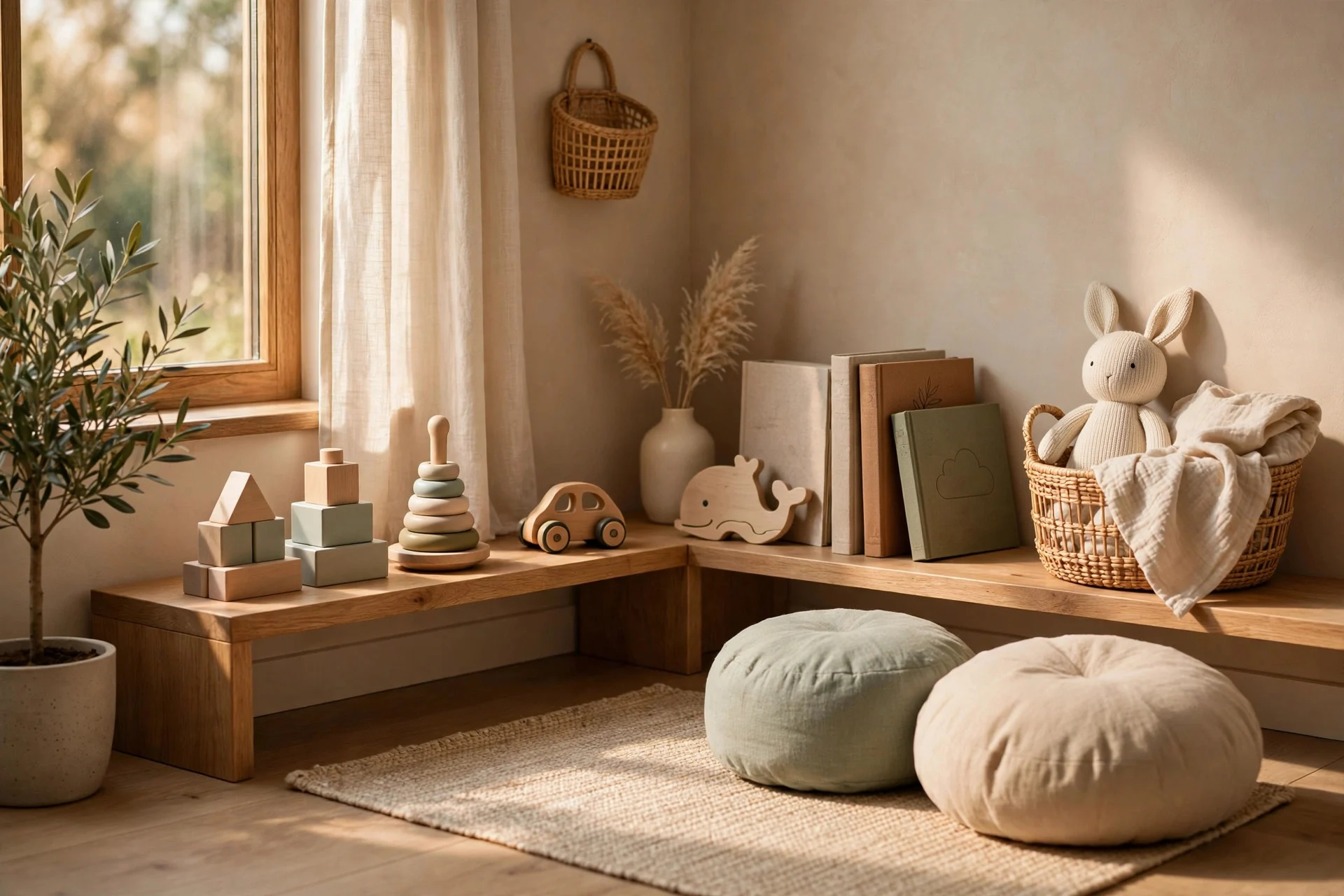
The problem: Toys creep into every corner, so the whole room feels like a playroom. The fix: Give play a defined home: one corner with a low shelf, a small rug, and a few floor cushions, styled in the same colors as the rest of the room. When the play zone has its own rug and its own boundary, toys naturally stay there more often, and the rest of the room keeps its grown-up calm. Keep the toy count in the corner small — a handful of favorites, rotated every week or two, beats a mountain of options. Cost: $80–$300 for a low shelf, small rug, and cushions. Difficulty: Easy — one afternoon to set up. Tip: Put the play corner near a window or beside the sofa, not in a dark back corner, so your toddler actually wants to use it while you sit nearby. Watch out: Avoid tall, tippy toy shelves in this corner; low and wide beats tall and narrow every time.
8. Trade the Hard Coffee Table for a Soft Ottoman
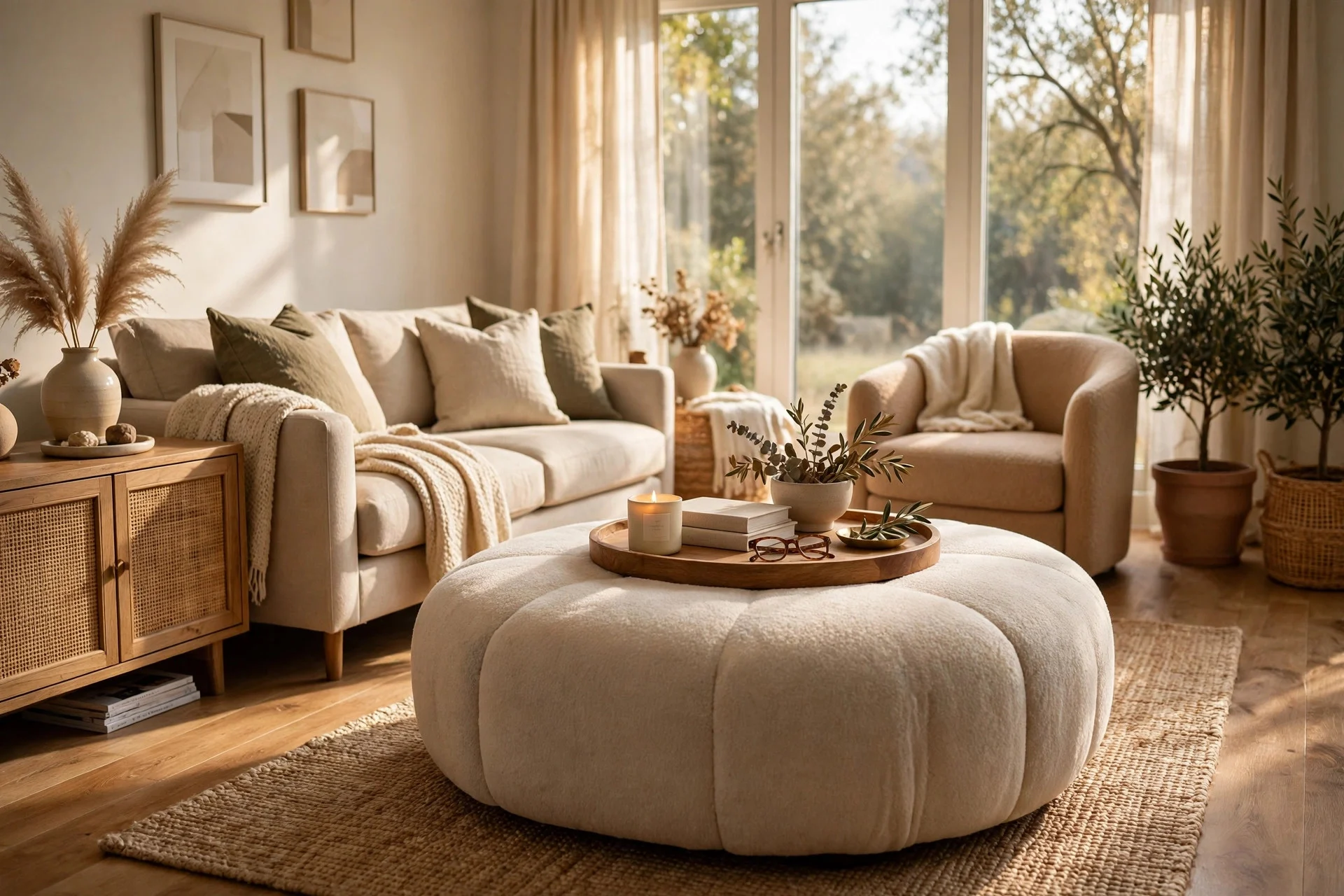
The problem: A hard coffee table is a bump, a climbing frame, and a sharp corner all at once. The fix: Replace it with a large, soft ottoman in a wipeable fabric or leather-look material. Add a sturdy tray on top, and you still have a place for coffee, books, and remotes — but the surface is soft if a toddler falls against it, and it doubles as extra seating when friends visit. A storage ottoman gives you bonus hiding space for blankets and toys, too. Cost: $150–$600 for a large ottoman; $20–$50 for a tray. Difficulty: Easy — a straight swap. Tip: Pick an ottoman with short, sturdy legs or a flat base so it cannot be tipped easily. Watch out: Very light, cube-style ottomans slide across smooth floors, so check the weight and add grip pads underneath if needed.
9. Paint With a Washable, Scuff-Friendly Finish
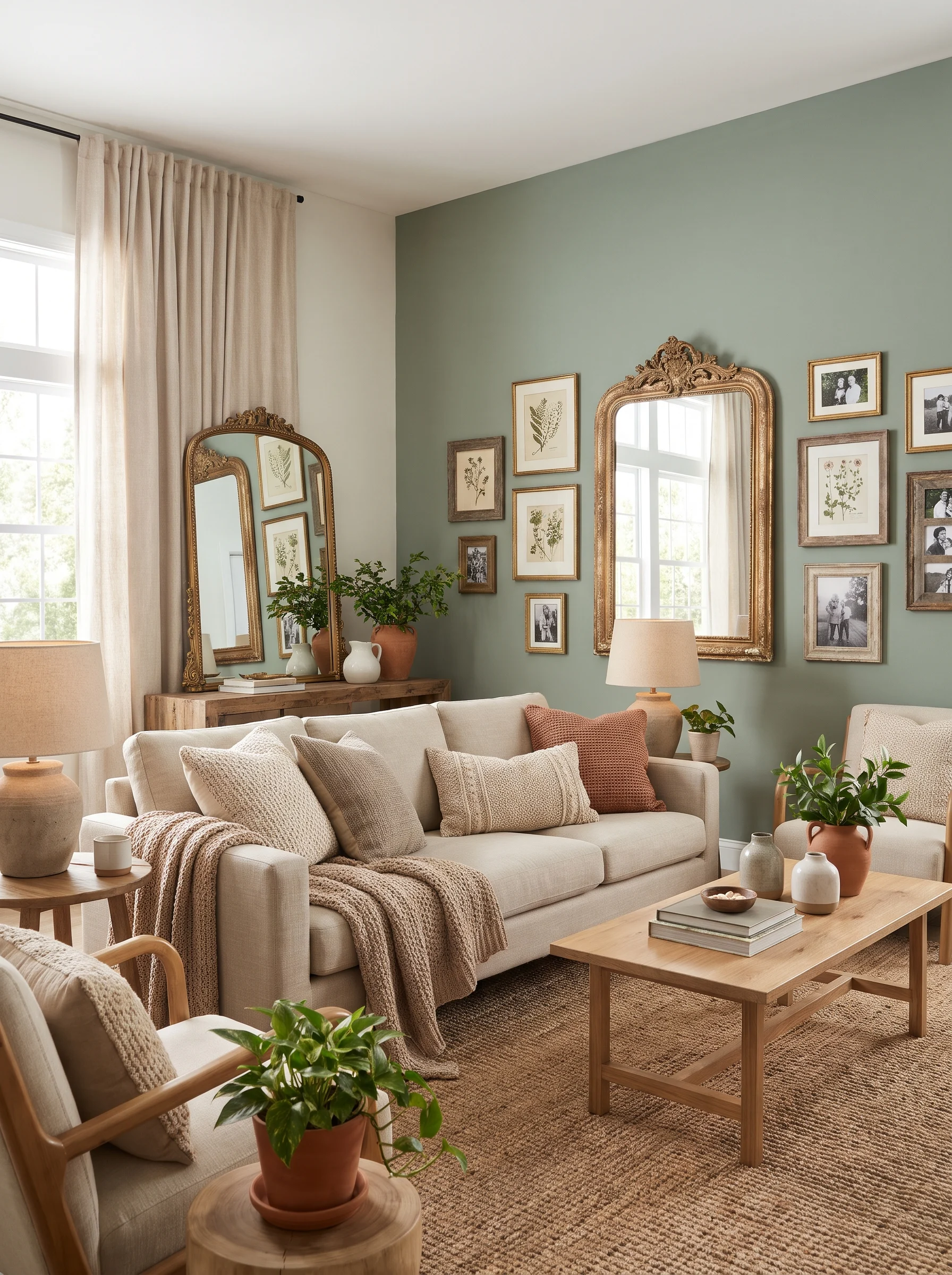
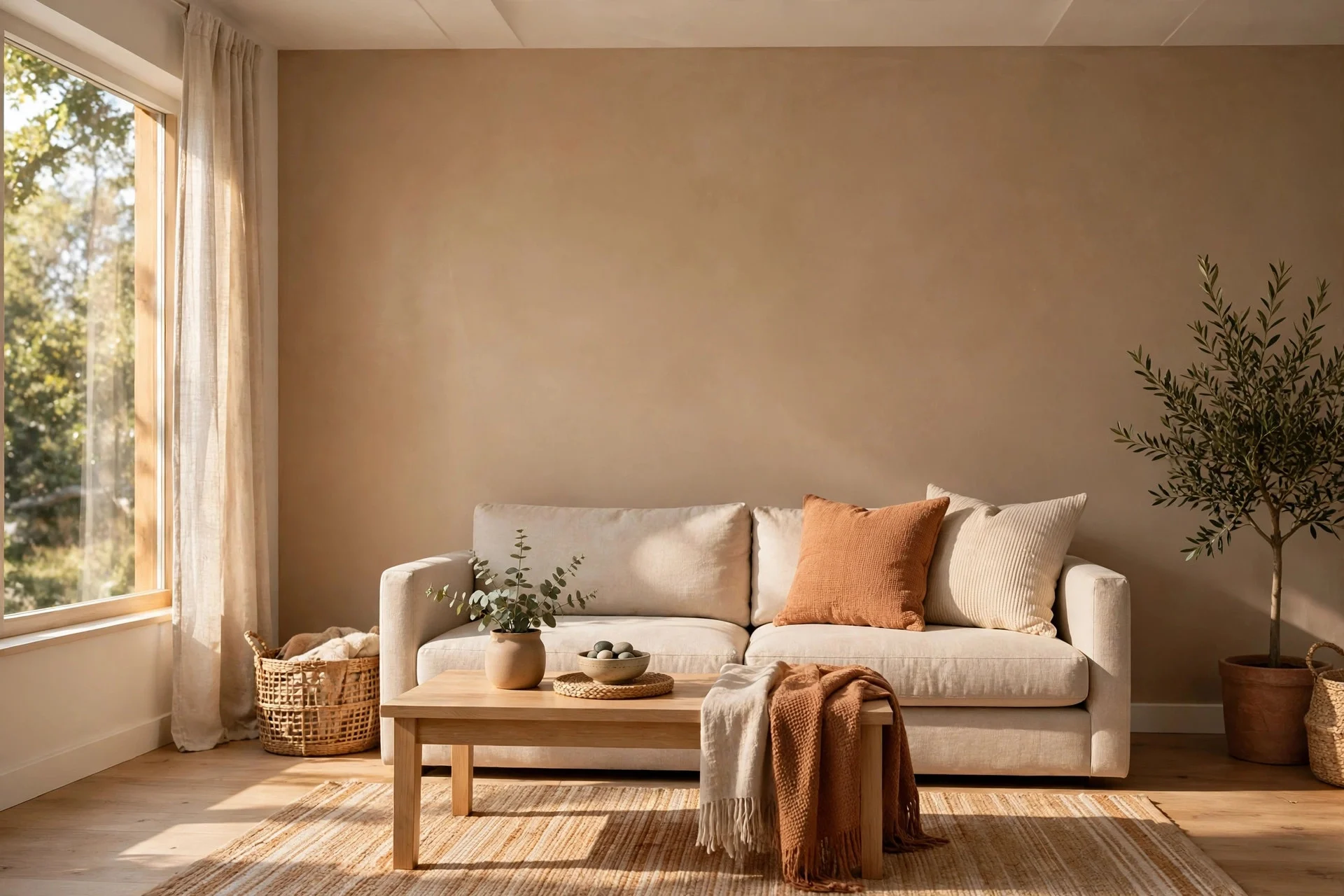
The problem: Little hands leave marks on walls at exactly the height where you see them most. The fix: Repaint high-traffic walls in a washable finish — eggshell or satin for living rooms — in a warm, forgiving color. These finishes wipe clean with a damp cloth, unlike flat paint, which marks if you look at it too hard. Soft sage, warm cream, and greige are kind to both mess and mood, and they let your furniture do the talking. For color inspiration, this sage green and cream living room shows how gentle tones can still feel polished. Cost: $40–$80 per gallon of paint; $200–$600 to repaint a room yourself, or $500–$1,200 with a painter. Difficulty: Moderate — a weekend for one room if you do it yourself. Tip: Keep a small labeled jar of leftover paint for quick touch-ups; a dab with a small brush fixes most scuffs in minutes. Watch out: Glossy finishes show every bump and dent in the wall, so stick with eggshell or satin for the best balance.
10. Keep Grown-Up Pieces Up High and Kid Things Down Low
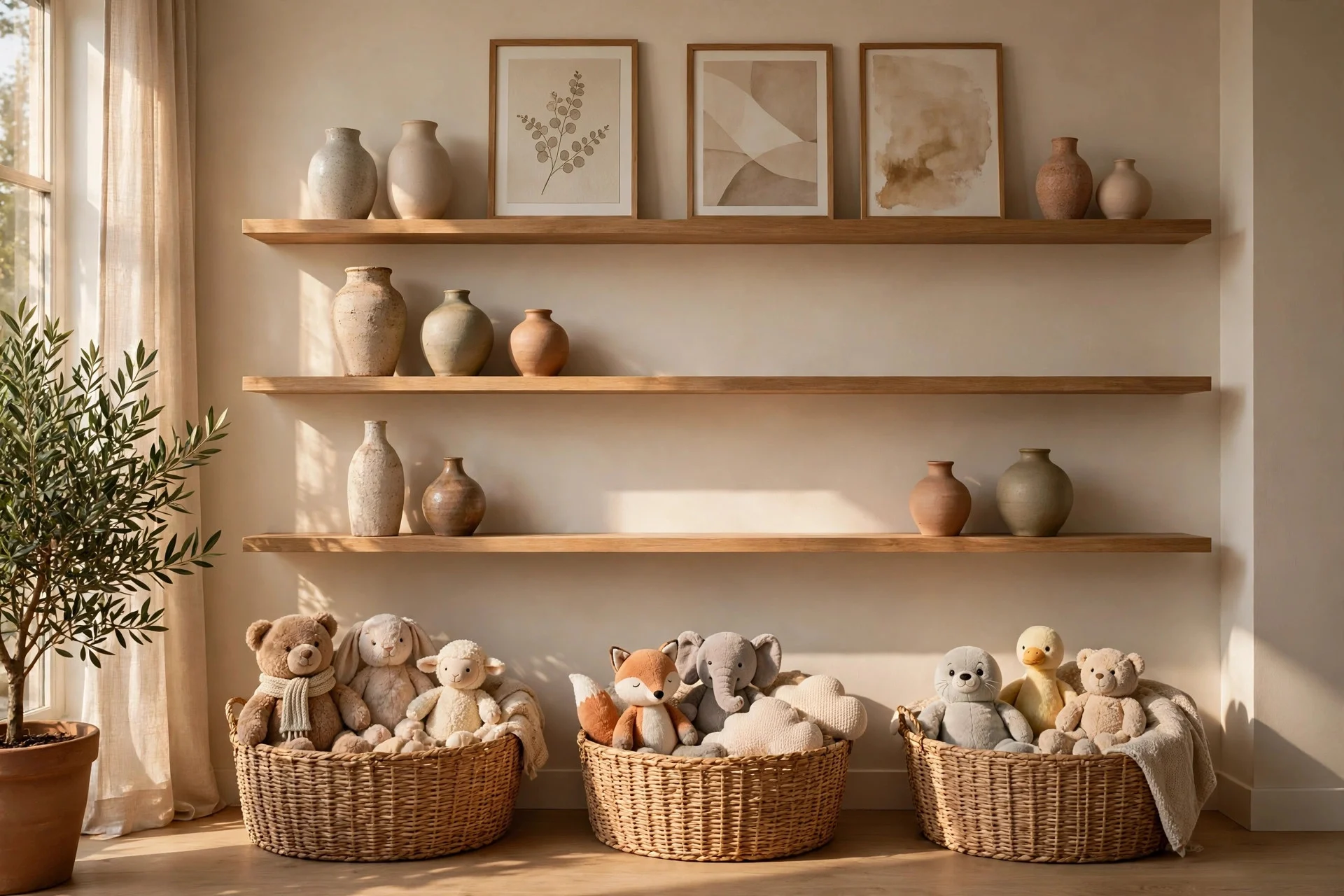
The problem: You want your vases, candles, and framed photos out, but everything within reach gets grabbed. The fix: Split the room by height. Put fragile and precious items on high shelves, mantels, and wall-mounted ledges, and keep the low zone for sturdy, toddler-safe things: soft toys, board books, and chunky baskets. This simple split lets you keep a decorated, adult room without turning the whole space into a no-touch zone. Cost: $40–$150 for a pair of floating shelves and brackets. Difficulty: Easy to moderate — measuring, leveling, and fixing shelves takes about an hour. Tip: Hang art and shelves a little higher than you normally would, and step back to check the balance of the wall before you drill. Watch out: Heavy items on high shelves still need proper fixings, and nothing fragile should sit directly above a spot where your toddler plays unsupervised.
11. Go Cordless at the Windows
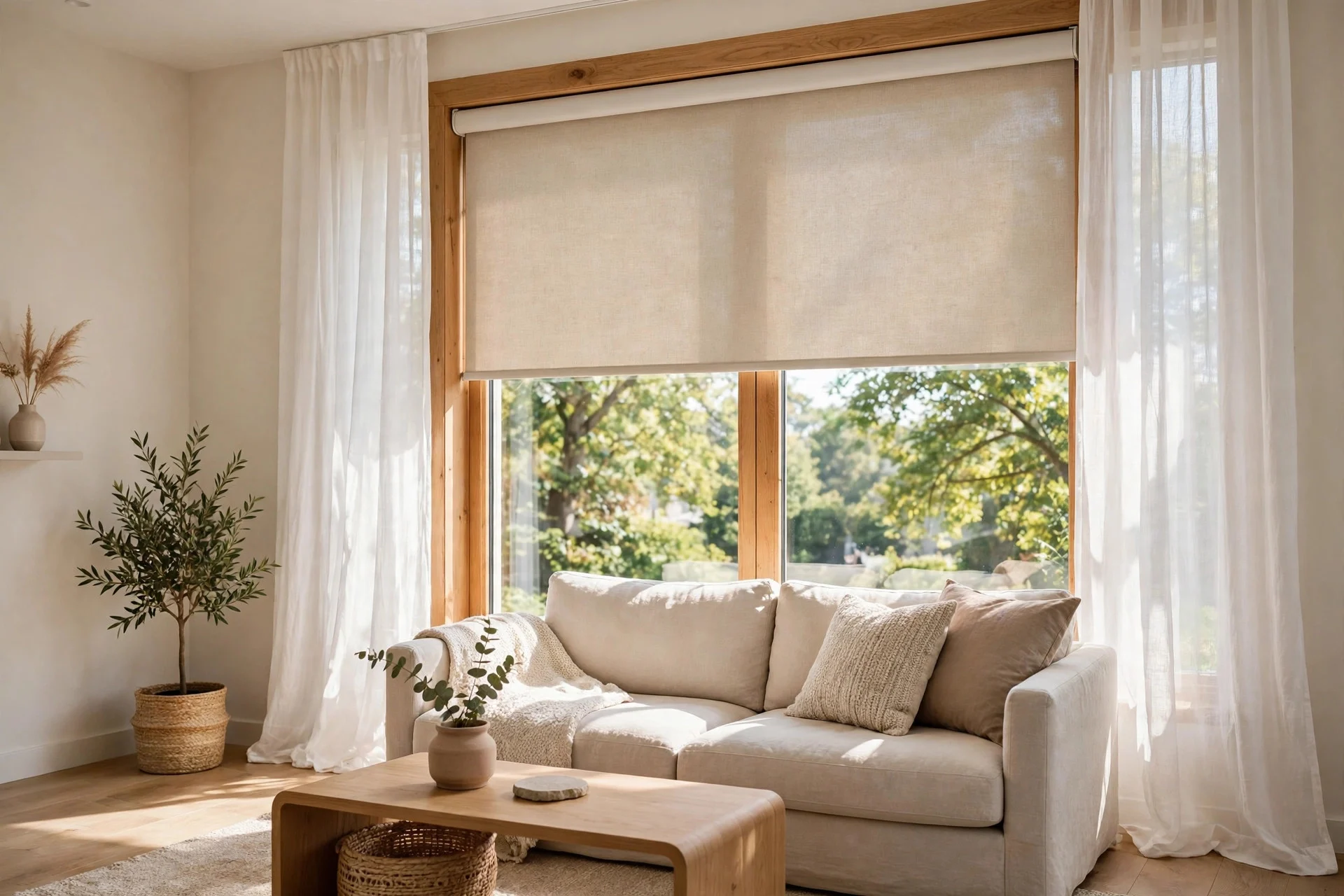
The problem: Dangling blind cords hang right where curious hands can reach them. The fix: Switch to cordless blinds, shades, or curtains on a simple rod — all widely available now and no harder to use than the corded versions. Cordless roller shades in a soft linen look keep the room bright and calm, and sheer curtains add privacy without blocking daylight. If replacing every window at once is too much, start with the windows in the main play area and work outward. Cost: $40–$150 per cordless blind; $30–$80 per curtain panel and rod. Difficulty: Easy to moderate — about 30 minutes per window. Tip: Measure the inside of the window frame carefully, since cordless shades need a snug fit to roll smoothly. Watch out: Keep cords from older lamps, chargers, and baby monitors out of reach too — a cordless window does not help if another cord dangles nearby.
12. Build a Tidy-Up System You Can Actually Keep Up
The problem: Even with good storage, tidying feels endless and nobody sticks with it. The fix: Make the system so simple that a tired adult can do it in two minutes: one basket per toy type, kept where the toys are actually used, plus a weekly rotation box stored out of sight. When toys rotate, old favorites feel new again, and fewer toys out at once means faster cleanups and longer play. End each day with a quick reset — basket by basket, no sorting marathons. If you like a calm, pared-back base for all of this, a warm minimalist living room approach keeps surfaces clear without feeling cold. Cost: $40–$120 for baskets and a rotation bin. Difficulty: Easy — one evening to sort and label. Tip: Let your toddler “help” by dropping toys into the right basket and cheering each one in; it turns cleanup into a game instead of a chore. Watch out: Too many baskets or fiddly labels will sink the system, so keep it to three or four big categories at most.
Frequently Asked Questions
Can a living room really look grown-up with a toddler in the house?
Yes, and the secret is choosing adult pieces that happen to be practical. Performance fabrics, rounded furniture, closed storage, and warm mid-tones look polished on their own, and they also handle daily toddler life. You are not decorating around your child; you are picking a room that works for the whole household.
What is the single best first change to make?
Start with storage and safety, not decor. Anchor heavy furniture, sort the cords, and add closed toy storage first. Once the room is safe and the clutter has a home, every later change — a new rug, a new sofa cover — will show up properly instead of disappearing under toys.
Should I avoid white furniture completely?
Not necessarily, but be honest about your laundry habits. A washable white slipcover can work beautifully if you are happy to wash it often. If you are not, a warm cream, oatmeal, or light gray gives you nearly the same airy feel with far less upkeep.
How do I keep toys from taking over again?
Limit what is out at any one time and rotate the rest. Keep one basket of current favorites in the living room and store the overflow in a rotation box elsewhere. A two-minute nightly reset keeps the system going, and fewer toys out usually means your toddler plays longer with each one.
Your Quick Wrap-Up Checklist
Start this weekend with the fixes that cost little and help most: anchor the heavy pieces, hide the cords, and set out your baskets. Then pick one bigger swap — the rug, the slipcover, or the coffee table — and live with it for a week before you buy the next thing. Keep the palette warm, keep the fragile pieces up high, and keep the play zone in one happy corner.