There’s a point in most homes, usually around year two, when the rooms stop feeling like yours and start feeling like a set of things you bought. The sofa is fine. The walls are fine. Nothing is broken, and yet you walk in after work and feel a faint flatness, the kind that makes you open a browser tab full of expensive sofas.
Most of the time, that flatness doesn’t need a big purchase. Rooms feel stale because nothing has changed in them: the lighting is the same, the surfaces are the same, the furniture sits where it was delivered. Small, cheap changes break that spell far more effectively than people expect, and they stack. A new lamp bulb, a rehung curtain, and a repainted side table can change a room more than one expensive rug.
The other thing worth knowing is that budget decor goes wrong in a predictable way. People buy lots of small decorative objects to fill space, and the room ends up busier but no better. The ideas below lean the other direction: fixing light, scale, color, and arrangement first, then adding things with purpose.
You’ll find 25 ideas here, each with sizing, materials, and the mistakes that waste money. After them comes a comparison table, a buying guide for stretching a small budget, and answers to common questions. Every idea can be done for modest money, and many cost almost nothing.
1. Paint One Wall Instead of the Whole Room
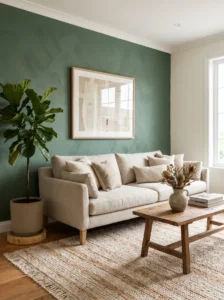
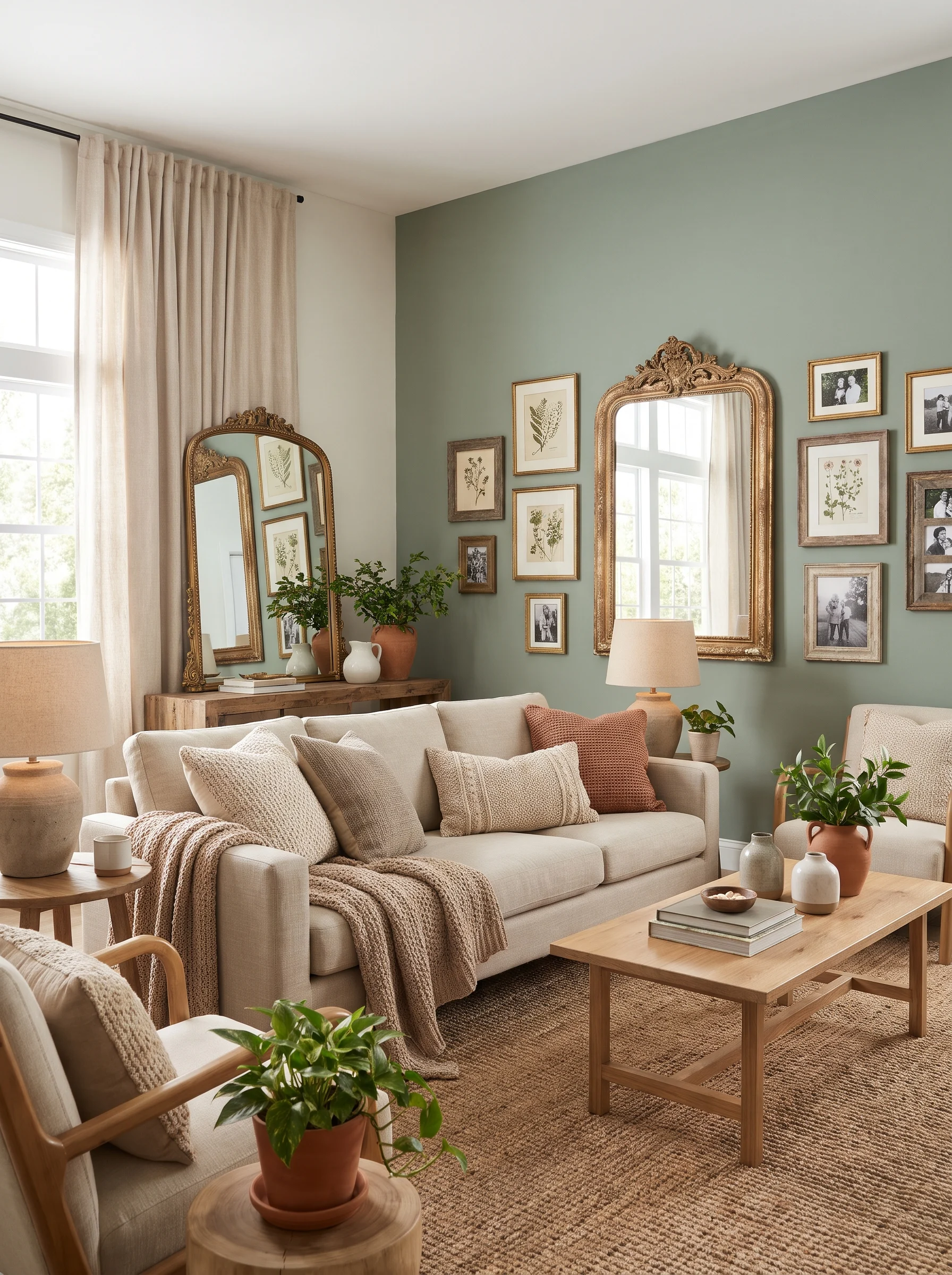
A single painted wall gives a room a focal point for the price of one can. It suits living rooms, bedrooms, and dining areas where one wall already draws the eye, such as behind a sofa or bed.
Pick the wall you see first on entering, or the one with the fireplace or headboard. Deep green, muted terracotta, and inky blue make a strong impact, while soft clay or warm gray works for a gentler shift. Use a matte or eggshell finish, which hides wall flaws better than gloss.
Test a large sample first. Colors change dramatically under different bulbs and at different times of day, and a color that looks lovely at noon can look heavy by evening.
The mistake is choosing a wall interrupted by lots of windows and doors, where the color gets chopped up and loses its effect. Choose an uninterrupted stretch.
A little tape along the ceiling and baseboards saves hours of touch-up. The room tends to feel more intentional afterward, as if the furniture finally has a backdrop.
2. Swap the Hardware on Cabinets and Dressers
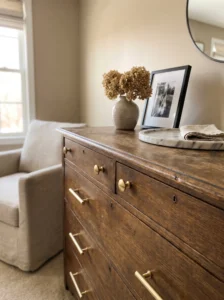
New pulls and knobs are the cheapest way to make old furniture and cabinets look newer. It takes a screwdriver and perhaps twenty minutes per piece.
Measure the distance between existing screw holes, center to center, before buying, since mismatched spacing means drilling new holes. Brass and matte black suit most rooms, and ceramic or wooden knobs give a softer, vintage mood. Keep the finish consistent within a room, or at least limit yourself to two.
Choose solid metal when you can. Lightweight hollow pulls feel flimsy and can lose their finish within months. A heavier piece costs a little more and holds up far better.
Kitchens and bathrooms benefit most, since they’re high-touch spaces, but a plain dresser or console in a bedroom or hall also changes character with fresh hardware.
The surprising thing is how noticeable it is. Hands touch these things daily, and a solid, well-finished pull feels better to use, which makes the whole piece feel higher quality.
3. Hang a Large Thrifted Mirror
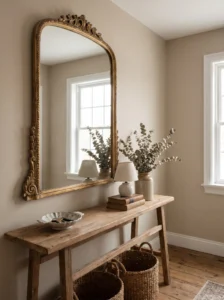
A big mirror brings light into a dull room and adds a sense of depth, and thrift shops are full of them. The frame is often the best part, and a dated finish can be repainted.
Hang it opposite a window, or on a wall that catches light from a doorway, so it bounces daylight around. In an entry, it reflects a lamp or the front door. Over a console or sofa, it should be about two-thirds the width of the furniture beneath it.
Look for solid frames with intact glass. Spots on the silvering at the edges are common in older mirrors and can add charm, but large cloudy patches won’t clear up.
Use proper wall anchors rated for the weight. Mirrors are heavier than they look, and a falling one is expensive and dangerous. Hang it with two hooks rather than one for stability.
A secondhand mirror in a nice frame often makes a small room feel half again as large, and the effect is immediate.
4. Swap Harsh Bulbs for Warm Ones
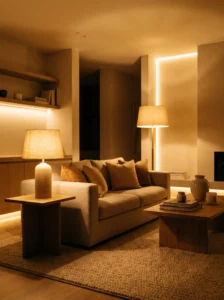
Most rooms look worse than they should because of the lighting, not the furniture. Cool, bluish bulbs flatten colors and make a living space feel like a waiting room.
Replace them with warm white bulbs around 2700K for living and dining rooms, and slightly brighter, cooler ones for kitchen task areas. Check that bulbs are rated for dimmers if you use one. Pairs of smaller lamps at different heights beat a single overhead fixture every time.
Shades matter, too. A drum or linen shade diffuses light softly, while a bare or glossy shade creates glare. A plain fabric shade costs very little and can replace a dated one.
Don’t flood the room with brightness. Layering lamps at eye level and below gives a cozier feel than a ceiling fixture alone.
It’s the least glamorous idea on this list and arguably the most effective. On a winter evening, a room lit with a few warm lamps feels like a different house, with no new furniture in sight.
5. Hang Curtains Higher and Wider
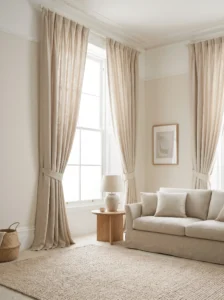
Curtains hung just above the window frame make a room look shorter. Raising the rod to near the ceiling and extending it past the frame on each side draws the eye up and makes windows look larger.
Place the rod 4 to 6 inches above the window or even closer to the ceiling, and let it extend 8 to 12 inches past the frame on each side so the panels clear the glass when open. Panels should graze the floor or hover a quarter inch above it.
Linen and cotton blends hang beautifully and cost little. Look for generous fullness, around twice the width of the window. Thin, skimpy panels look cheap no matter the fabric.
Iron or steam them before hanging. Creases from packaging make a good curtain look sloppy.
The mistake is hanging them to the exact edge of the window, which makes the room feel cramped. Where the budget is tight, a pair of ready-made panels and a basic rod achieve most of the effect.
6. Build a Gallery Wall From Thrifted Frames
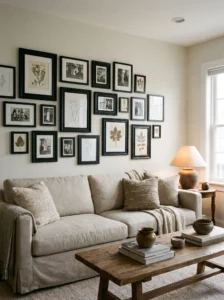
Mismatched frames from thrift stores become a cohesive gallery with a single coat of paint. The wall fills with personality for a fraction of the price of one large piece of art.
Choose a unifying color, such as black, white, or brass, and spray-paint the frames. Fill them with photographs, postcards, pressed leaves, fabric scraps, or pages from old books. A mix of sizes and orientations creates movement.
Lay everything on the floor first and arrange it into a loose rectangle. Photograph the layout and copy it on the wall. Keep gaps consistent, around two inches, and center the arrangement at eye level.
Paper templates taped to the wall let you test positions before making holes. It saves patching later.
Avoid hanging frames too high. People often set them well above eye level, which separates the art from the furniture below. A good gallery wall makes a plain wall feel like the room’s best feature.
7. Add Peel-and-Stick Wallpaper to One Small Area
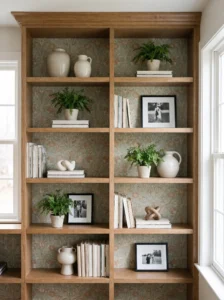
Removable wallpaper is among the most accessible ways to add pattern, particularly for renters. Used on a small area, it costs very little and delivers an outsized effect.
Try the back of a bookshelf, the inside of a closet, a powder room, a staircase riser, or a narrow hallway. Pick a pattern with a scale suited to the space. Small prints work in tight areas, while large ones need breathing room.
Clean and dry the wall thoroughly first. Texture and dust cause bubbles. Start at the top with a plumb line, and smooth downward with a squeegee as you go.
Buy a little extra to allow for pattern matching and mistakes. Cheaper rolls can be thin and curl at the edges, so check reviews and order a sample.
A tiny patch of bold pattern can make a plain nook feel like a deliberate design move, and it peels off cleanly when you move on.
8. Layer Rugs for Warmth and Definition
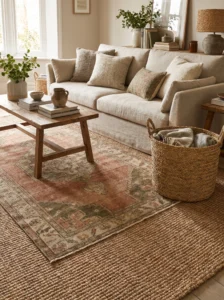
Layering a smaller, patterned rug over a larger neutral one adds depth and covers a multitude of flaws. A big jute or flatweave base is cheap and sturdy, and the top layer brings color.
This suits living rooms, bedrooms, and open-plan areas where a single rug looks plain. Choose a base rug that leaves 12 to 18 inches of floor showing around the edges, then center the smaller rug off the middle slightly for a relaxed look.
Mix textures rather than competing patterns. A plain woven base with a vintage-style rug on top works well, and a hide or sheepskin adds softness.
Use a non-slip pad under the base layer, since rugs stacked together tend to creep. Edges that curl are a tripping hazard, so press them flat or tape them down.
Many people discover that layered rugs also make a room feel warmer underfoot and quieter, a plus in apartments with hard floors.
9. Refresh Throw Pillows and Blankets
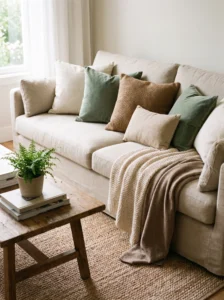
Textiles change a room’s mood faster than almost anything. Swapping pillow covers is cheap, quick, and reversible, which makes it ideal for trying new colors.
Buy covers instead of whole pillows, and keep good inserts. A mix of textures, such as linen, velvet, and chunky knit, looks richer than a set of matching pieces. Vary sizes, with a couple of large squares at the back and smaller ones in front.
Stick to a limited palette. Two main colors and one accent usually looks better than five competing ones. Use odd numbers when you can, and avoid lining them up like soldiers.
Choose covers with zippers instead of envelope closures if you plan to wash them often, since zippers hold their shape better.
Seasonal rotation is an easy habit. Lighter colors in spring, deeper tones in autumn. A sofa dressed this way feels freshly styled without any real change underneath.
10. Bring in Plants, and Grow Them From Cuttings
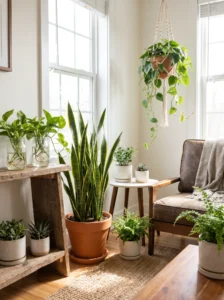
Greenery softens hard edges and makes a room feel lived in. It also happens to be one of the cheapest decor materials, especially if you root cuttings from friends’ plants.
Pothos, philodendron, and spider plants root in water on a windowsill and tolerate a range of light. Snake plants and ZZ plants cope with neglect, making them handy for busy households.
Use pots of different heights and group them in clusters. Odd numbers look natural. Place trailing plants on shelves or hanging planters, and put taller ones in corners to add height.
Check light before buying. A plant that needs bright sun will struggle in a dim corner, and a dying plant looks worse than no plant at all.
Place saucers under pots to protect furniture. A few healthy plants on a shelf make a room feel calmer, and caring for them becomes a small, grounding part of the day.
11. Edit Surfaces Before Adding Anything
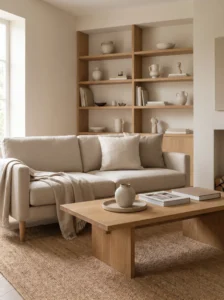
Clutter hides good decor. Clearing coffee tables, shelves, and counters often does more for a room than buying new pieces, and it’s free.
Take everything off one surface, then put back only items you use or love. Group what remains in clusters of three, varying height and shape. A tray beneath keeps small things together.
The idea is to give each object breathing space. A shelf with five well-chosen items looks more expensive than one with fifteen.
Store extras in baskets, boxes, or a closet. Rotate them seasonally if you hate to part with them. Mail, chargers, and remotes need a designated home, or they drift back.
The mistake is clearing everything and leaving a cold, empty room. Keep a few personal items, such as books, photos, or a favorite bowl, so the space feels like yours. It’s remarkable how much more spacious a room looks after twenty minutes of removing things.
12. Rearrange the Furniture
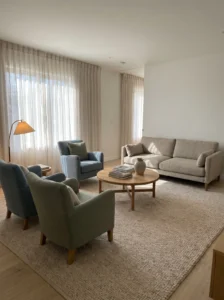
A new layout costs nothing and can change how a room feels as much as a purchase. Many rooms are arranged for the day the furniture arrived, not for how people live.
Try pulling the sofa a few inches off the wall, floating it in the middle of an open space, or angling a chair toward the window. Group seating around a conversation area rather than pushing everything to the edges.
Sketch the room on paper or use painter’s tape to mark furniture footprints on the floor. Leave about 30 to 36 inches for walkways, and keep a clear path from the door.
Check where light falls. Moving a reading chair beside a window can make a dark corner useful.
The usual mistake is placing every piece against the walls, which leaves a hollow center. Floating furniture, even slightly, makes the space feel designed. After a Saturday afternoon of pushing sofas around, many people find the room feels like a different place.
13. Spray-Paint Old Lamps and Fixtures
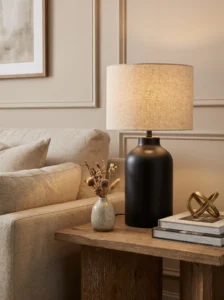
A can of spray paint rescues tired brass lamps, outdated metal fixtures, and mismatched picture frames. Matte black, soft white, and warm brass finishes remain easy to live with.
Clean and lightly sand the surface first, then apply thin, even coats from about ten inches away. Use a primer designed for metal if you’re covering glossy finishes. Allow each coat to dry properly before the next.
Take electrical components apart before painting, or mask them carefully. Never paint over wiring or sockets, and follow the manufacturer’s safety guidance.
Work outdoors or in a ventilated space, and wear a mask. Let the piece cure fully before handling.
A coat of paint won’t fix a poorly shaped lamp, so choose pieces with good bones. A thrifted base with a good silhouette and a new shade looks like something from a boutique, for a few dollars.
14. Style Open Shelves With Intention
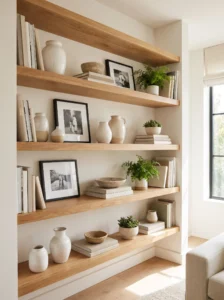
Shelves are decor opportunities, and a few careful choices turn them from storage into display. The trick is balance, not quantity.
Mix books, ceramics, and plants at varied heights. Stack some books horizontally and others upright, and use a small object on top of a stack for height. Leave empty space, since gaps give the eye a rest.
Stick to a limited palette, such as warm neutrals with one accent color. Spine colors can be a feature, but too many competing ones look chaotic. Turn paperbacks inside out or cover them in plain paper if their covers clash.
Add something personal: a photo, a souvenir, or a handmade bowl. It stops the arrangement feeling copied from a catalog.
Avoid lining everything up like a shop display. Slightly asymmetrical groupings look more natural. Dust regularly, because a neglected shelf quickly looks messy.
15. Paint a Tired Piece of Furniture
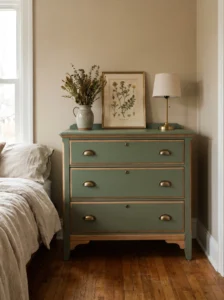
A dated dresser, side table, or bookshelf can feel new with paint. Thrift stores and curbside finds are rich sources of solid pieces that need only a new finish.
Clean thoroughly, sand lightly, and use a good primer if the surface is glossy. Chalk-style paint requires less prep, though a clear wax or sealant on top helps protect it. Satin or matte finishes hide small flaws better than gloss.
Color choices matter. Deep green, navy, and warm white are classic, while a bolder shade can turn a plain piece into a statement. New hardware, as in idea two, completes the look.
Solid wood furniture is worth painting. Particleboard pieces are harder to prep and may not hold paint well.
Be patient about drying. Rushing the coats leads to streaks and tacky surfaces. A rescued piece, repainted with care, often becomes the item guests ask about.
16. Make Your Own Large Art
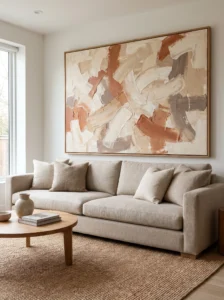
Large art is expensive, but you can create something striking for the price of a canvas and a few tubes of paint. Abstract washes, simple color fields, and texture all work without special skill.
Stretch canvas is inexpensive at craft stores. Choose a palette from the room, with two or three colors plus white, and layer thin coats with a wide brush or sponge. Dragging a dry brush creates visual interest.
For a no-paint option, frame fabric, wallpaper samples, or a large map. Oversized pieces make walls feel substantial, and a single large item usually looks better than several small ones.
Hang the piece at eye level, centered over furniture. Don’t be afraid of scale: art that’s too small looks lost.
Mistakes happen, but acrylic is forgiving. Paint over anything you dislike. Having created the piece yourself adds a personal touch that mass-produced prints lack.
17. Replace Switch Plates and Outlet Covers
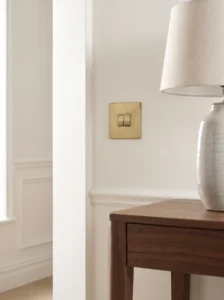
It sounds trivial, but yellowed, cracked plastic plates make a room look neglected. New ones cost little and take minutes to install.
Choose plain white for a clean look, or a brushed metal for a more finished appearance. Screwless covers look sleek in modern spaces.
Turn off the power at the breaker before removing any cover, and test the switch to make sure it’s dead. If wiring looks damaged or unfamiliar, call an electrician rather than guess.
Match the style of the room. Brass suits traditional spaces, while matte black suits modern ones. Keep the finish consistent across a room.
It’s an invisible improvement, in a way. No one notices a clean switch plate, but everyone notices a dirty one. Replacing them tidies the edges of the room, and the whole space looks a little more cared for.
18. Add Floor Lamps and Plug-In Sconces
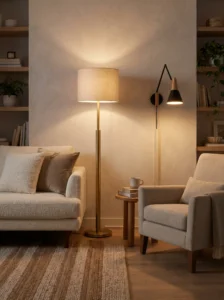
Corners and walls that lack lighting leave a room flat and dim. A floor lamp or a plug-in sconce fills the gap without electrical work.
Plug-in sconces mount on the wall with a cord that can be hidden in a cord cover painted the same color as the wall. They suit bedside areas, reading nooks, and hallways.
Floor lamps work in corners, beside sofas, and behind chairs. Arc lamps reach over seating, while slim, tall lamps suit narrow spaces. Choose a shade that diffuses light, and use a warm bulb.
Place light at different heights around the room. Low and mid-level sources create a cozy glow that overhead fixtures can’t.
Avoid cord clutter. Tape or clip cords along baseboards, and use a power strip with a switch for several lamps. The first evening you flip on a few lamps instead of the ceiling light, the difference is striking.
19. Use Baskets and Trays to Contain Clutter
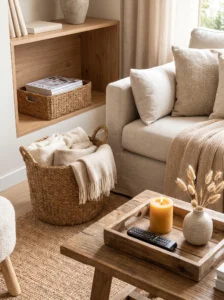
Baskets and trays organize clutter while adding texture. They’re cheap, versatile, and suit nearly every style.
Use a tray on a coffee table or ottoman to hold candles, remotes, and a small plant. Add baskets on shelves for blankets, toys, and magazines. Lined baskets protect delicate items from snagging.
Choose natural materials such as seagrass, rattan, or wood, and mix shapes for visual variety. Keep colors neutral, so they blend with the room.
Size matters. A basket that’s too small overflows, and one that’s too large invites hoarding. Measure the space first.
Label baskets if several people share them. A clear home for each category helps keep the surfaces tidy, and in a living room, the effect is noticeably calmer within a few days.
20. Refresh Bedding With Layers
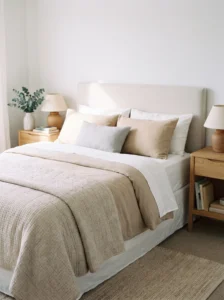
Bedding sets the tone of a bedroom, and a few layers change the look without a new bed. A duvet cover, a quilt, and a couple of pillows create texture and depth.
Choose a neutral base, like white or soft gray, then add a patterned or textured layer at the foot. Linen and cotton wash well and soften with age.
Mix pillow sizes: two standard sleeping pillows, two squares, and a small lumbar. Don’t overdo it, or the bed becomes a chore to make each morning.
Wash and iron or steam new bedding before use. Quality matters most for sheets, where thread quality affects comfort, while decorative layers can be inexpensive.
An easy upgrade is a simple headboard from a piece of plywood wrapped in fabric. A neatly made, layered bed makes the whole room feel calmer, and mornings start on a better note.
21. Bring in Natural Materials
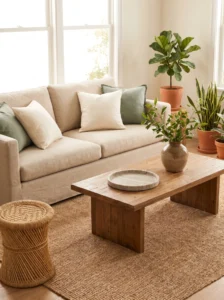
Wood, stone, linen, and wicker add warmth and texture without a high price. Natural materials also age gracefully, so they don’t date the way trendy colors can.
Add a wooden bowl, a stone tray, a rattan stool, or a jute rug. Mix a few materials rather than relying on one. A room with only wood can feel flat, while a mix with metal, fabric, and ceramic feels layered.
Thrift stores and flea markets are good sources for solid wood pieces. Check for wobbling legs and signs of damage, and clean carefully.
Avoid fake finishes that peel, which look cheap quickly. Real or well-made pieces last longer.
A simple wood cutting board leaning on a counter or a woven basket on a shelf lends a calm, tactile quality. The room feels less staged and more welcoming.
22. Create a Cozy Reading Corner
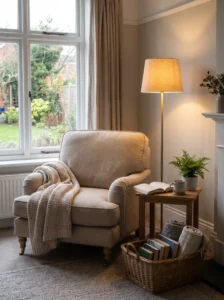
A comfortable chair, a lamp, and a small table transform an unused corner into a retreat. It costs less than most people expect and makes the room more useful.
Choose a chair with proper support. A secondhand armchair can be reupholstered or covered with a throw. Add a floor lamp, a side table, and a basket for books and blankets.
Face the chair toward a window or into the room, not at a blank wall. Natural light helps for daytime reading, and a warm bulb for evenings.
Keep it simple. A few meaningful items make the corner inviting, while clutter ruins the effect.
Often, this little nook becomes the spot people head to first. It gives the room a purpose beyond the television, and a few quiet minutes there feel like a small, regular luxury.
23. Refresh the Front Door and Entry
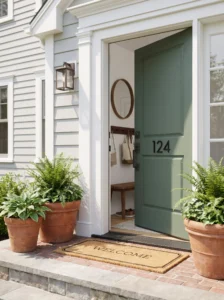
First impressions matter, and the entry is the cheapest place to make one. A coat of paint on the door, new house numbers, and a welcome mat go a long way.
Pick a door color that complements the exterior, such as deep green, navy, or warm red. Use exterior-grade paint and clean the door thoroughly first. Replace worn hardware with a matching set.
Inside, add a hook rail, a small bench, and a tray for keys. A mirror helps with last-minute checks and bounces light.
Add a plant or a pair of planters outside. Keep it simple and tidy.
Entry spaces are used daily, so improvements bring regular rewards. Coming home to a welcoming door and a tidy hallway is a small pleasure that adds up over time.
24. Use a Folding Screen to Divide a Space
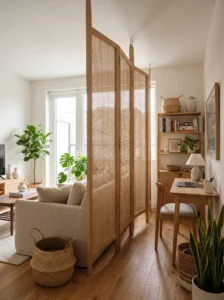
A screen creates privacy and defines zones without construction. It suits studios, open-plan rooms, and shared bedrooms.
Choose a sturdy, tall screen, around 5 to 6 feet, with panels that fold neatly. Wood, rattan, and fabric versions offer different moods. A lightweight screen can be moved easily as needs change.
Place it to hide a workspace, a laundry corner, or a messy area. It can also serve as a backdrop for plants or art.
Make sure it’s stable. Hinges should hold the panels firmly, and the base should be wide enough to prevent tipping.
A thrifted screen can be painted or covered with fabric or wallpaper. In small homes, creating a visual boundary makes areas feel purposeful, and it’s much cheaper than building a wall.
25. Spend on One Standout Piece
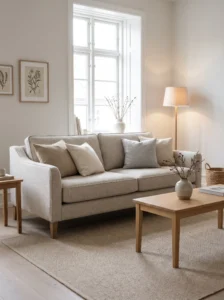
After all the small fixes, one good purchase can anchor a room. Rather than buying many mediocre items, save for one piece that you’ll enjoy for years.
Choose something you use daily and can see, such as a quality sofa, a solid dining table, or a statement light fixture. Look for sound construction and timeless style.
Check joinery, materials, and warranties. Solid frames and replaceable cushions extend lifespan. Secondhand markets often offer high-quality pieces at a fraction of the original price.
Build the rest of the room around it, with cheaper items in supporting roles.
A well-chosen anchor makes inexpensive pieces look better by association. It also reduces the urge to keep buying, because the room feels finished. Spending once, carefully, tends to beat spending ten times on things you’ll replace.
Quick Comparison: Which Budget Refresh Fits Your Room?
| Type | Best Use | Material | Style/Vibe | Difficulty Level |
|---|---|---|---|---|
| Single accent wall | Giving a room a focal point | Matte or eggshell paint | Bold, defined | Easy |
| Hardware swap | Cabinets, dressers, consoles | Brass, black metal, ceramic | Polished, updated | Easy |
| Layered rugs | Large or plain floors | Jute, flatweave, wool | Cozy, textured | Easy |
| Gallery wall | Blank walls and stair landings | Thrifted frames, paint | Collected, personal | Moderate |
| Peel-and-stick wallpaper | Small spaces, renters | Vinyl adhesive paper | Patterned, playful | Moderate |
| Furniture repaint | Tired wood pieces | Chalk or enamel paint | Custom, refreshed | Moderate |
How to Spend a Small Budget Wisely
Start by fixing what costs little and changes the most: lighting, layout, and clutter. These three alone make rooms feel different, and none requires much money. Walk through each room and note what bothers you, as opposed to what’s trending.
Next, set a budget by room and stick to it. Rough numbers help avoid impulse buys. Give priority to the area you use most, usually the living room or bedroom.
Measure before buying anything. Furniture, rugs, and art that don’t fit waste money. Sketch the room, note door swings and window positions, and carry a tape measure when shopping.
Materials matter for longevity. Solid wood, real cotton or linen, and metal fixtures tend to outlast cheap composites and thin synthetics. For items that take daily abuse, such as sofas, mattresses, and rugs in high-traffic zones, quality pays back. For decorative accents like vases and pillow covers, spend less and swap them out.
Shop secondhand first. Thrift stores, online marketplaces, and estate sales offer sturdy furniture at low prices. Check for wobbles, odors, and structural damage before buying.
Watch for common mistakes: buying a set instead of mixing pieces, choosing trendy colors that date quickly, ignoring scale, and filling every empty space. Leave breathing room.
Finally, make changes in stages. Live with one change for a week before adding another. It prevents overbuying and lets you see what the room really needs.
Making It Work in Your Own Home
A budget refresh is mostly about attention, not money. Lighting, layout, scale, and a handful of well-chosen textures do the heavy lifting, and they cost far less than a full redecorating spree. The 25 ideas above work as a menu, not a checklist. Pick three or four that address what bothers you most, and start there.
If the room feels dark, begin with bulbs and lamps. If it feels plain, try paint, a rug, or art. If it feels cluttered, edit surfaces and add baskets. If it feels bland, bring in plants and natural materials. And if nothing seems wrong but nothing feels right, rearrange the furniture. A simple shift often reveals what the room has been missing.
Avoid the trap of buying everything at once. Rooms look best when they build gradually, with pieces collected over time. A thrifted mirror this month and a repainted table next month will feel more personal than a catalog set arriving in boxes.
Take a photo of the room before you begin, and another when you’re done. The difference is usually larger than expected. And once the lamp is glowing and the curtains hang properly, you’ll probably find yourself spending more time in the room, which is the best measure of a refresh that worked.
FAQs
How can I refresh my home on a very small budget?
Start with free or low-cost changes: rearrange furniture, declutter surfaces, and swap bulbs for warm ones. Then add small upgrades such as new pillow covers, a coat of paint, or thrifted frames. Spread spending over time.
What is the cheapest way to make a room look more expensive?
Better lighting and tidier surfaces help most. Hang curtains higher, use warm bulbs, and clear clutter. Coordinated colors and one or two quality pieces also help a room look considered.
Is it better to buy new or secondhand furniture?
Secondhand is often better value, especially for solid wood pieces. Check structure, odors, and condition. New is sensible for items where hygiene or warranties matter, such as mattresses.
How much should I spend on decor?
It depends on your situation, so set a limit per room before shopping. Spend more on items used daily and less on easily swapped accents. Tracking purchases prevents overspending.
What color is best for a budget makeover?
Soft neutrals with one or two accents are safest. Warm whites, greige, and muted greens suit many homes and work with existing furniture. Test samples in your light before painting.
How do I avoid wasting money on decor?
Measure before buying, stick to a palette, and avoid trend-driven purchases. Wait a few days before buying non-essentials, and use what you own differently before shopping.
Can renters do these ideas?
Yes, many are renter-friendly. Peel-and-stick wallpaper, plug-in sconces, rugs, plants, and furniture rearranging don’t damage walls. Check your lease before painting or changing fixtures.