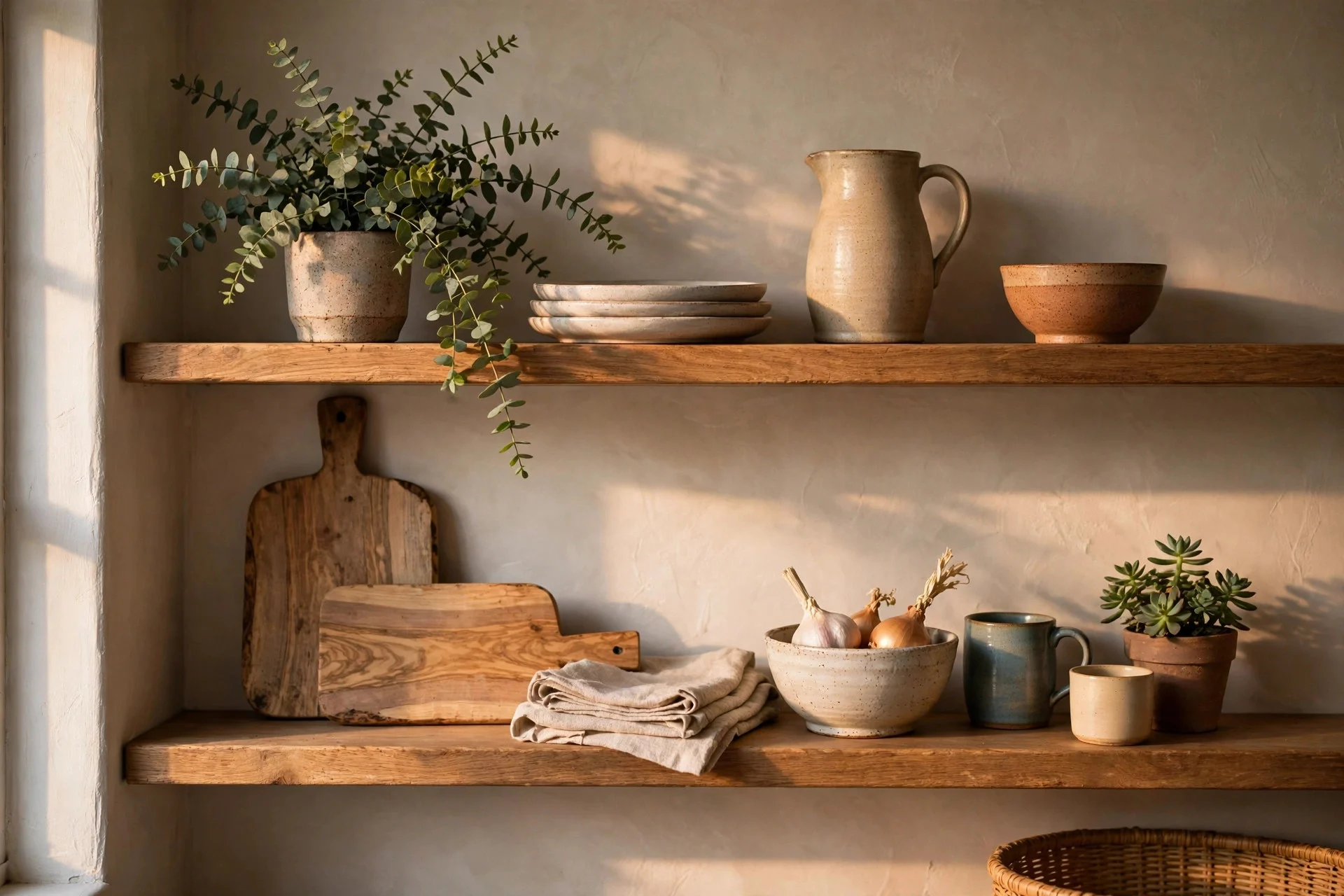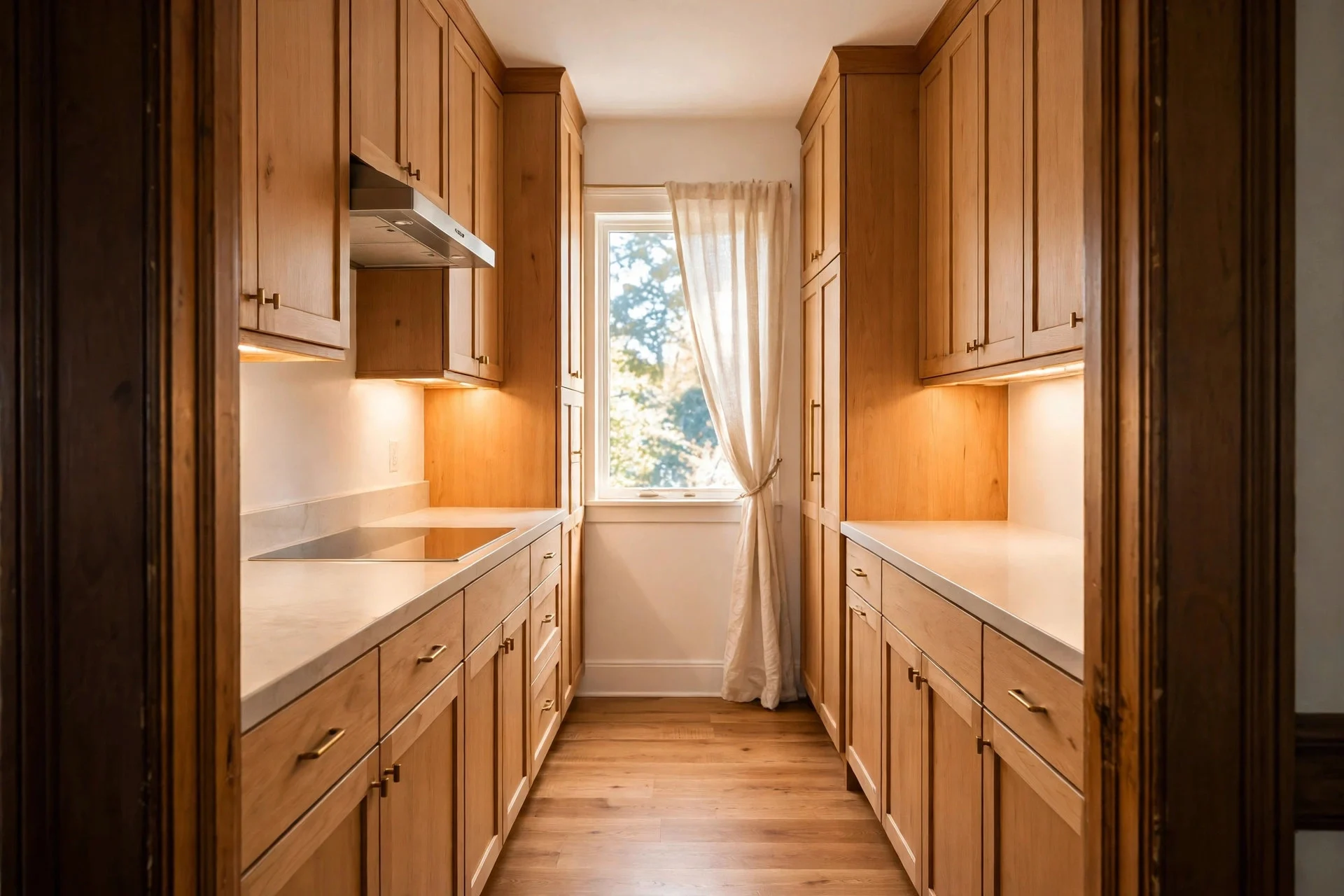
You’ve got a corner in your kitchen that collects mail, charging cables, and a chair nobody sits in. What if it became the spot where everyone actually wants to eat breakfast? A breakfast nook needs no remodel and no big budget — just a table that fits, seating that invites you to linger, and light you want to wake up to. These 17 ideas show you how to copy looks that work, piece by piece, at prices that won’t sting.
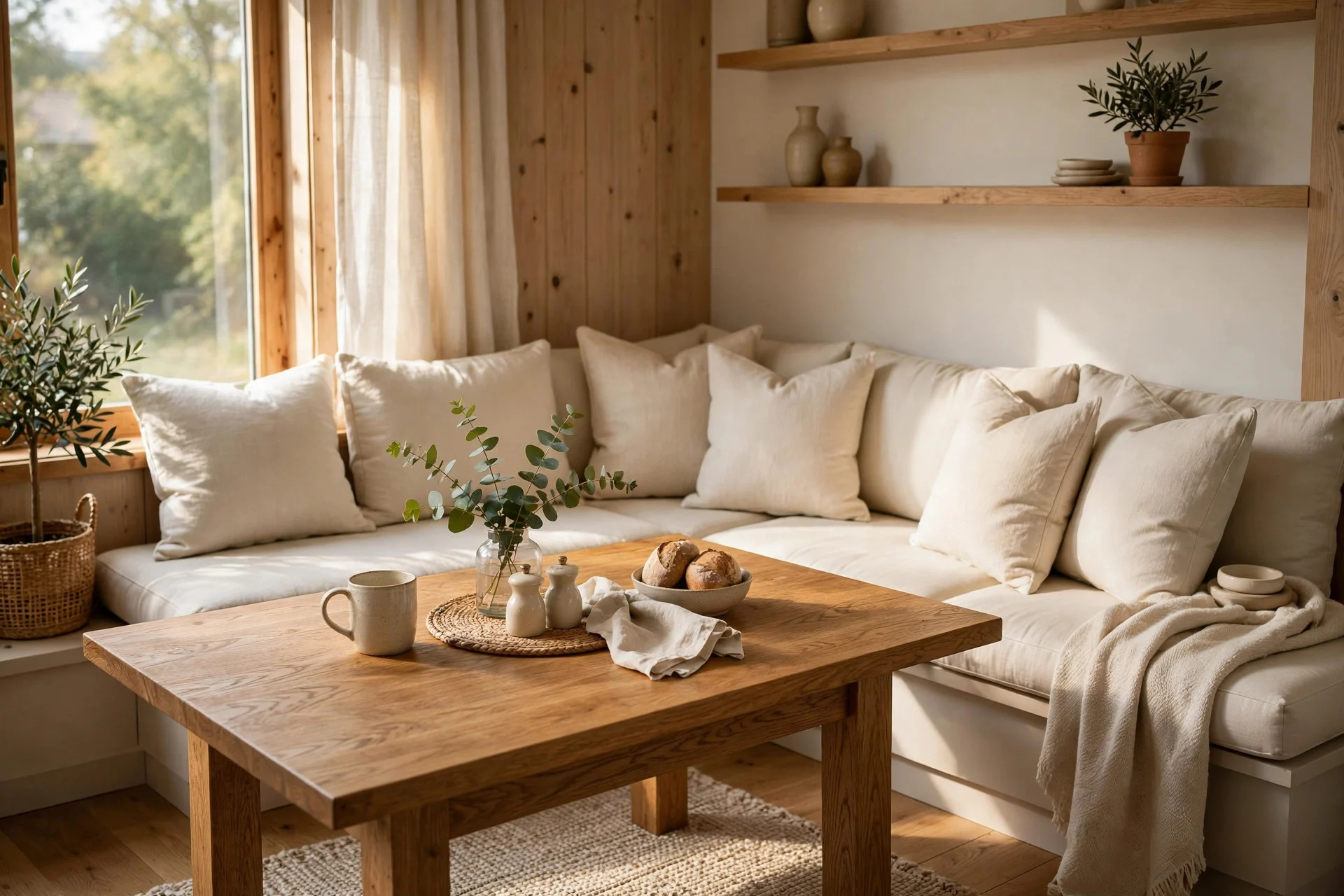
1. The Built-In Banquette With Hidden Storage
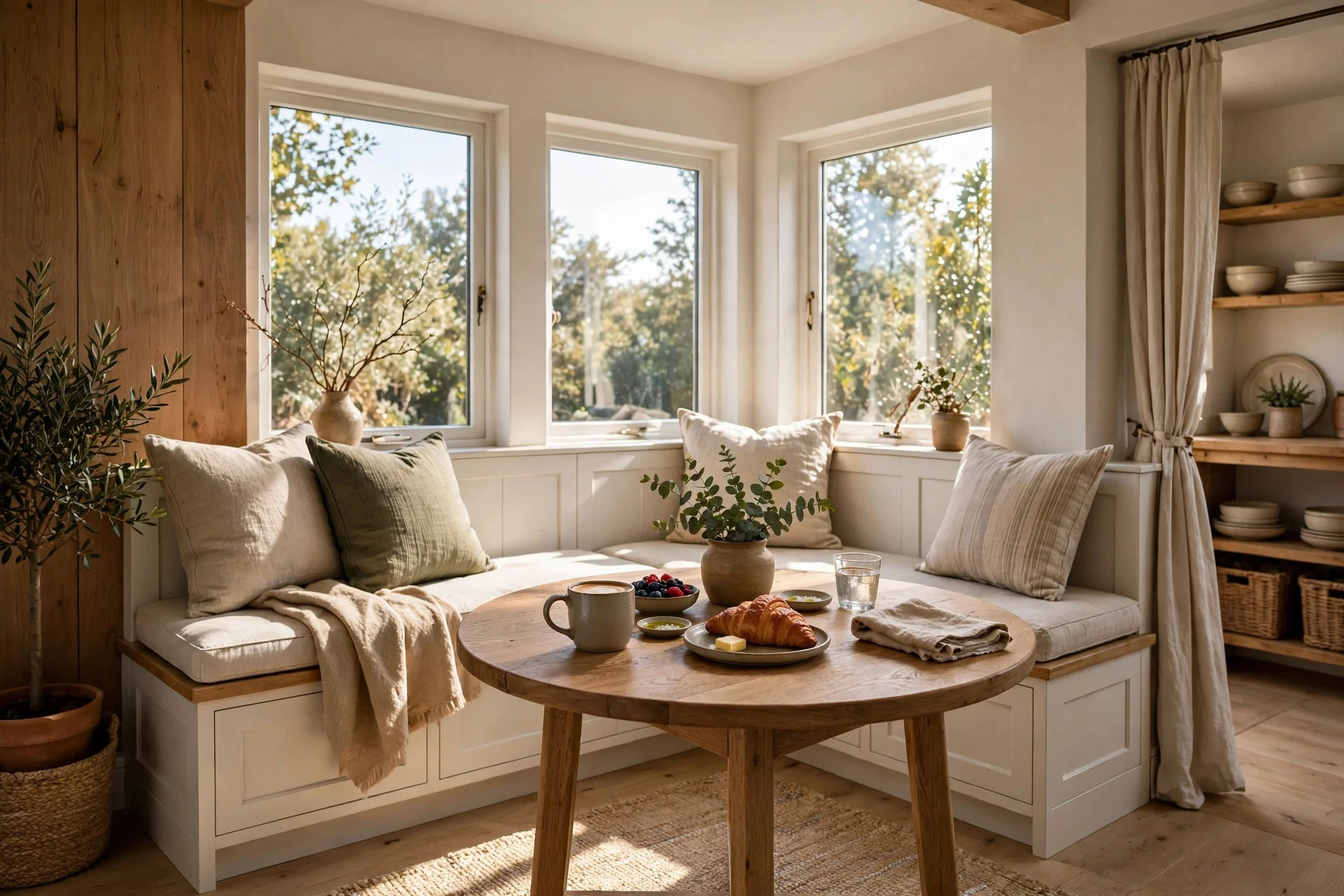
Picture an L-shaped bench in a corner, cream cushions along the wall, a round oak table in front. The elements that make it work: a bench built into the corner, a pedestal table so no legs block your feet, and washable cushions.
Copy it cheaply with plywood boxes with hinged lids for storage, plus a secondhand pedestal table. Cost: $400–$1,200 DIY; $1,500–$3,000 custom. Difficulty: moderate.
Tip: make the seat 18 inches deep and high, standard chair height. Watch out: leave room for a 4-inch cushion plus a lumbar pillow, or the bench feels hard on your back.
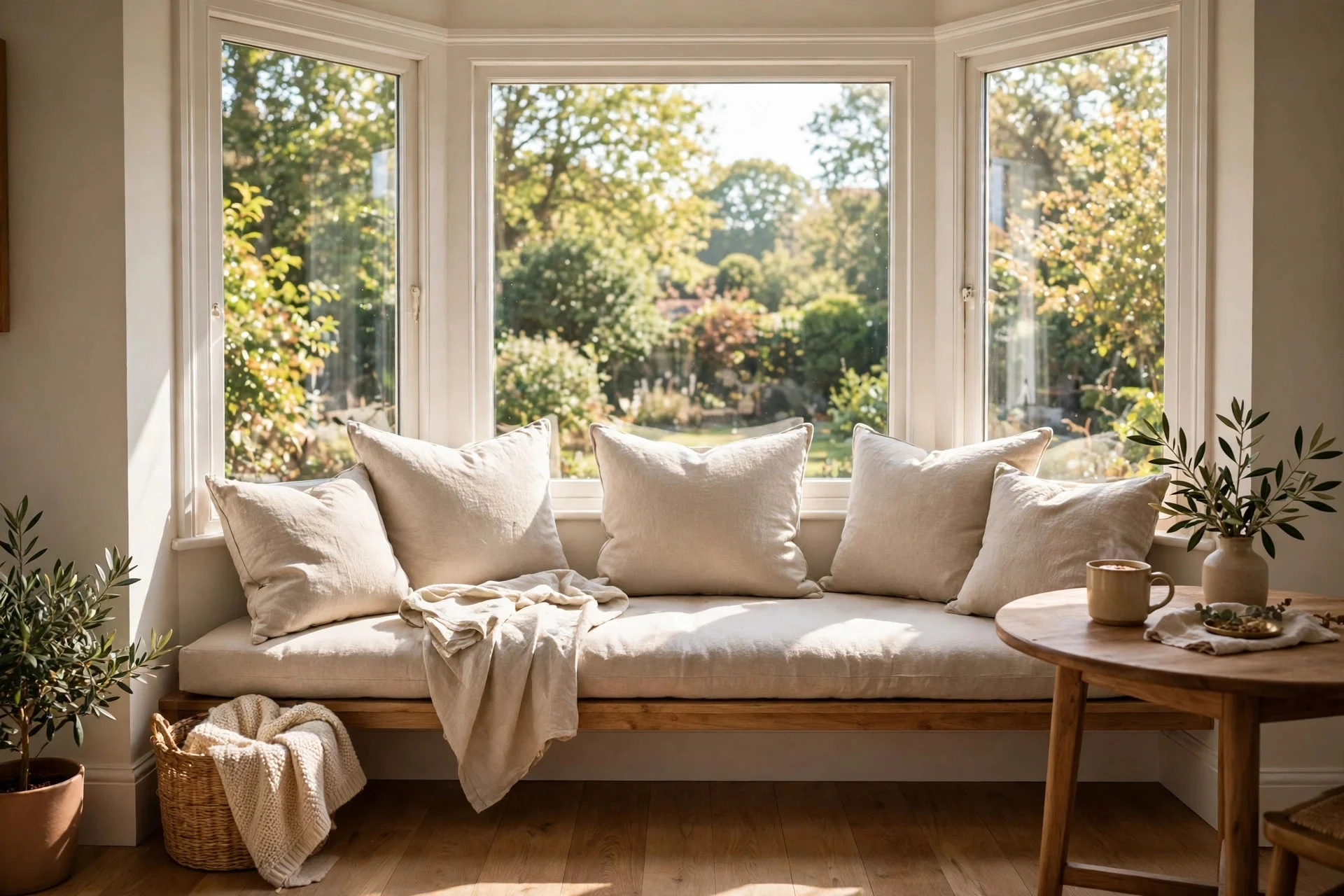
2. The Bay Window Breakfast Spot
Imagine a curved window seat filled with linen cushions, a small round table pulled up close, and two cane chairs on the open side.
The window does the decorating, the seat follows the bay’s curve, and the table stays small enough to walk around. Copy it with a plywood seat base, a custom-cut foam cushion in fade-resistant outdoor fabric, and a 36-inch pedestal table.
Cost: $300–$900 DIY; $1,000–$2,500 with a carpenter. Difficulty: moderate, one weekend. Tip: outdoor fabric costs more but survives sun and coffee spills for years. Watch out: measure the bay at three points — old windows are rarely square.
3. The Round Pedestal Table for a Tight Corner
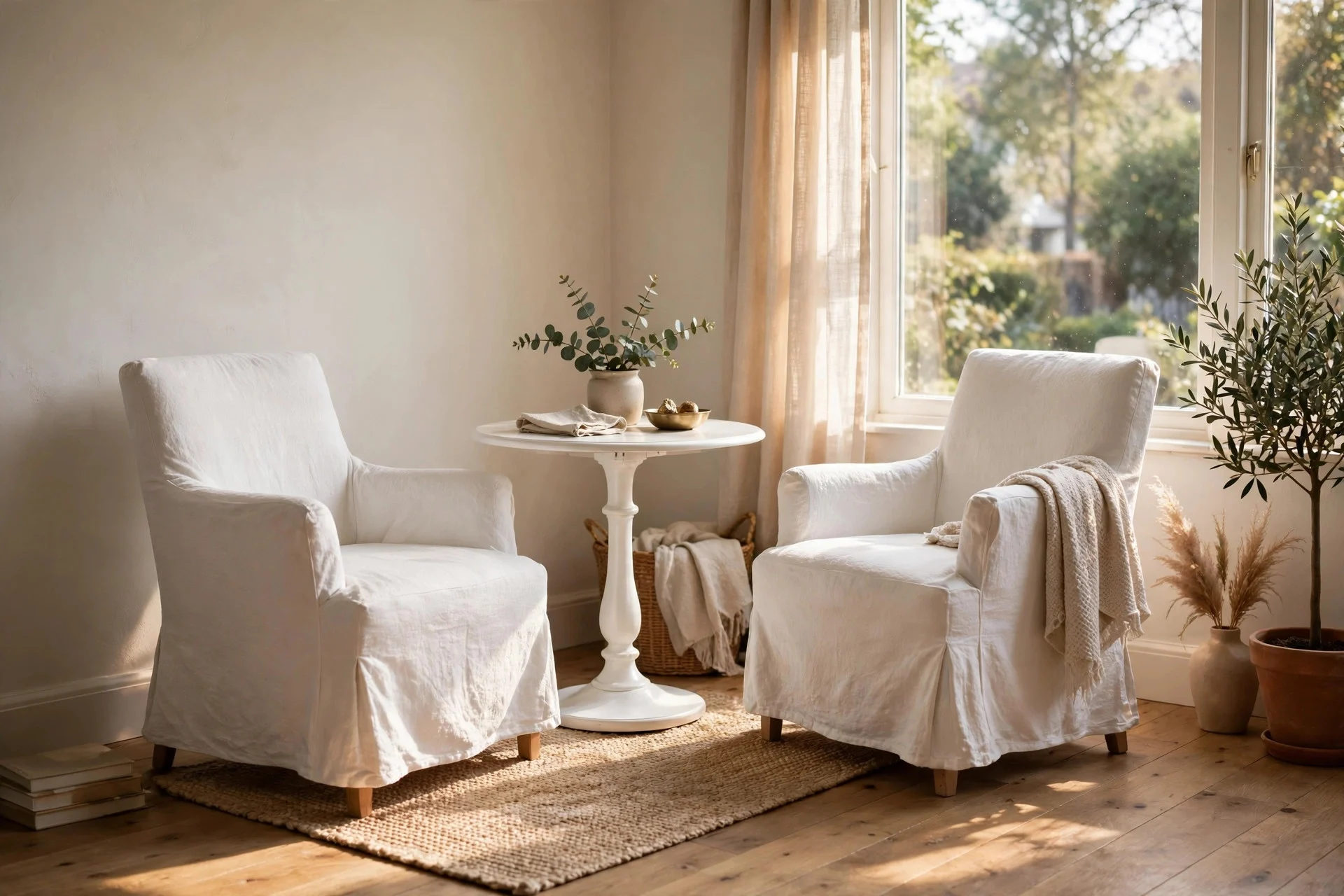
See a tiny square of floor — barely four feet by four — holding a white pedestal table and two slipcovered chairs, a small framed print on the wall, a vase of eucalyptus on the table.
The elements: a pedestal base (one leg, not four), chairs that tuck fully under the table, and a wall detail that marks the spot. Copy it with a 30- or 32-inch pedestal table and light slipcovers that wash easily.
Cost: $150–$500. Difficulty: easy, no building needed. Tip: a pedestal base lets you slide chairs in from any side. Watch out: glass tops show every fingerprint — pick wood or laminate if you hate wiping.
4. The Farmhouse Table and Bench Combo
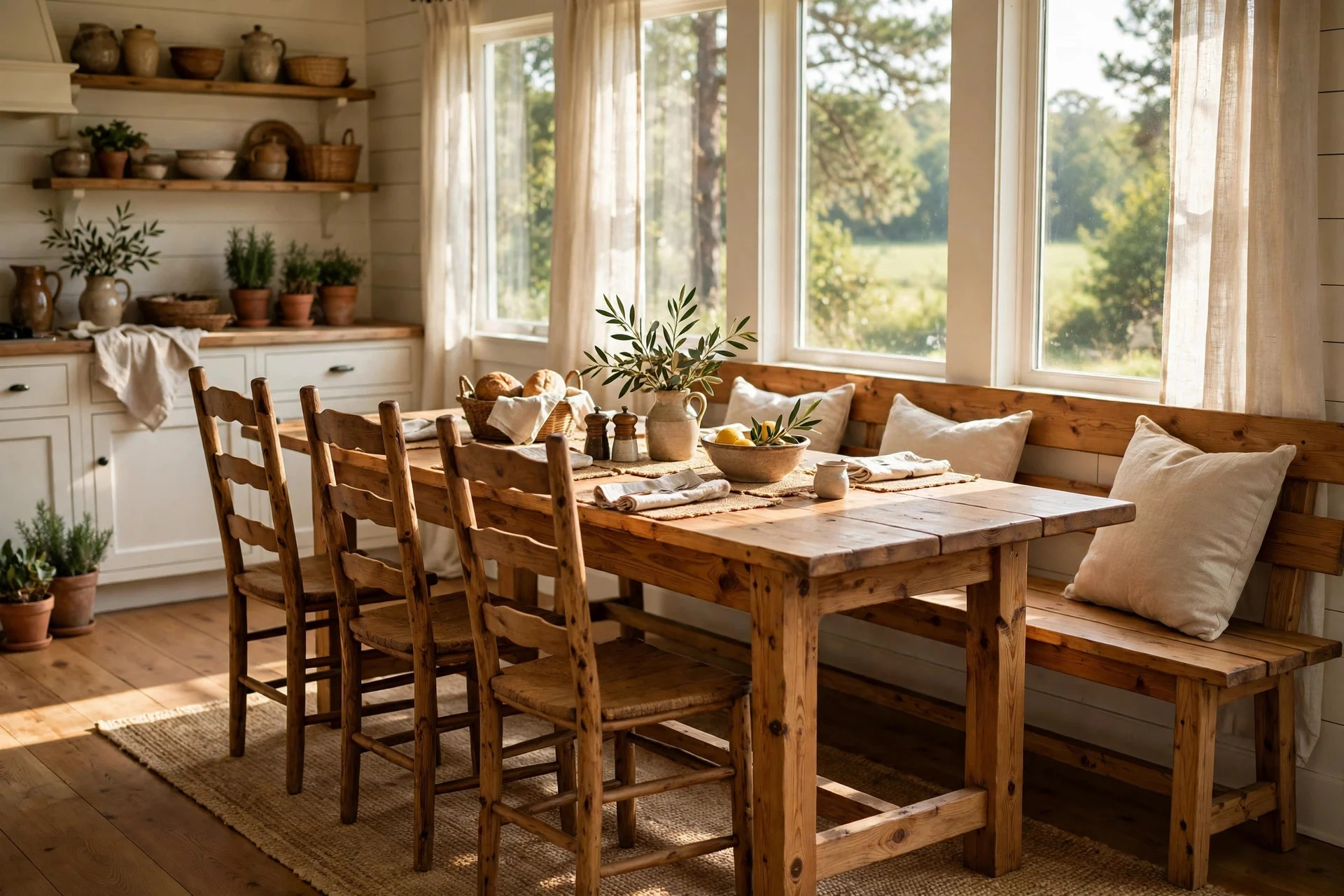
Think of a chunky pine table, a long bench on one side, two ladder-back chairs on the other, a simple linen runner down the middle. The bench seats three where two chairs would fit, and the wood adds warmth.
Copy it cheaply with a secondhand pine table sanded back, or a bench of two-by-twelve lumber and hairpin legs for under $100. Cost: $250–$800. Difficulty: easy to moderate. Time: a weekend.
Tip: allow about 24 inches of table length per person on a bench. Watch out: benches are hard for older guests — keep one chair on the end for anyone needing back support.
5. The Bistro Set by the Window
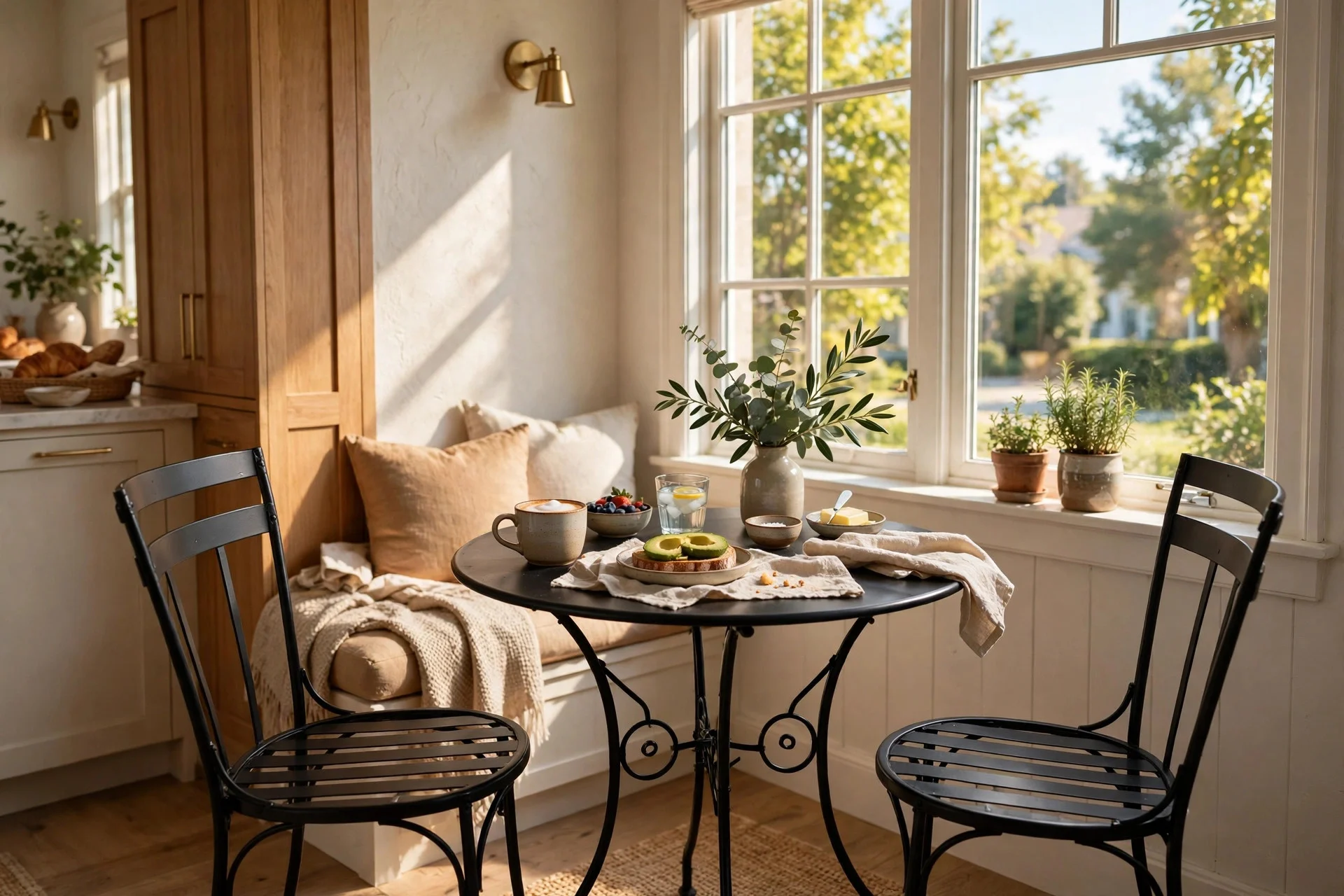
Picture a black metal bistro table and two folding chairs in front of a kitchen window, a tiny potted herb on the table. It takes up almost no space.
The elements: a small round table (24 inches is plenty), folding chairs you can stash, and one living plant. Copy it with a garden-center bistro set ($80–$200). A small herb pot doubles as decoration and cooking supply.
Cost: $80–$250. Difficulty: easy. Time: under an hour. Tip: folding chairs let you clear the corner in seconds. Watch out: lightweight metal sets tip on uneven floors — add felt pads if needed.
6. The L-Shaped Corner Bench With Cushions
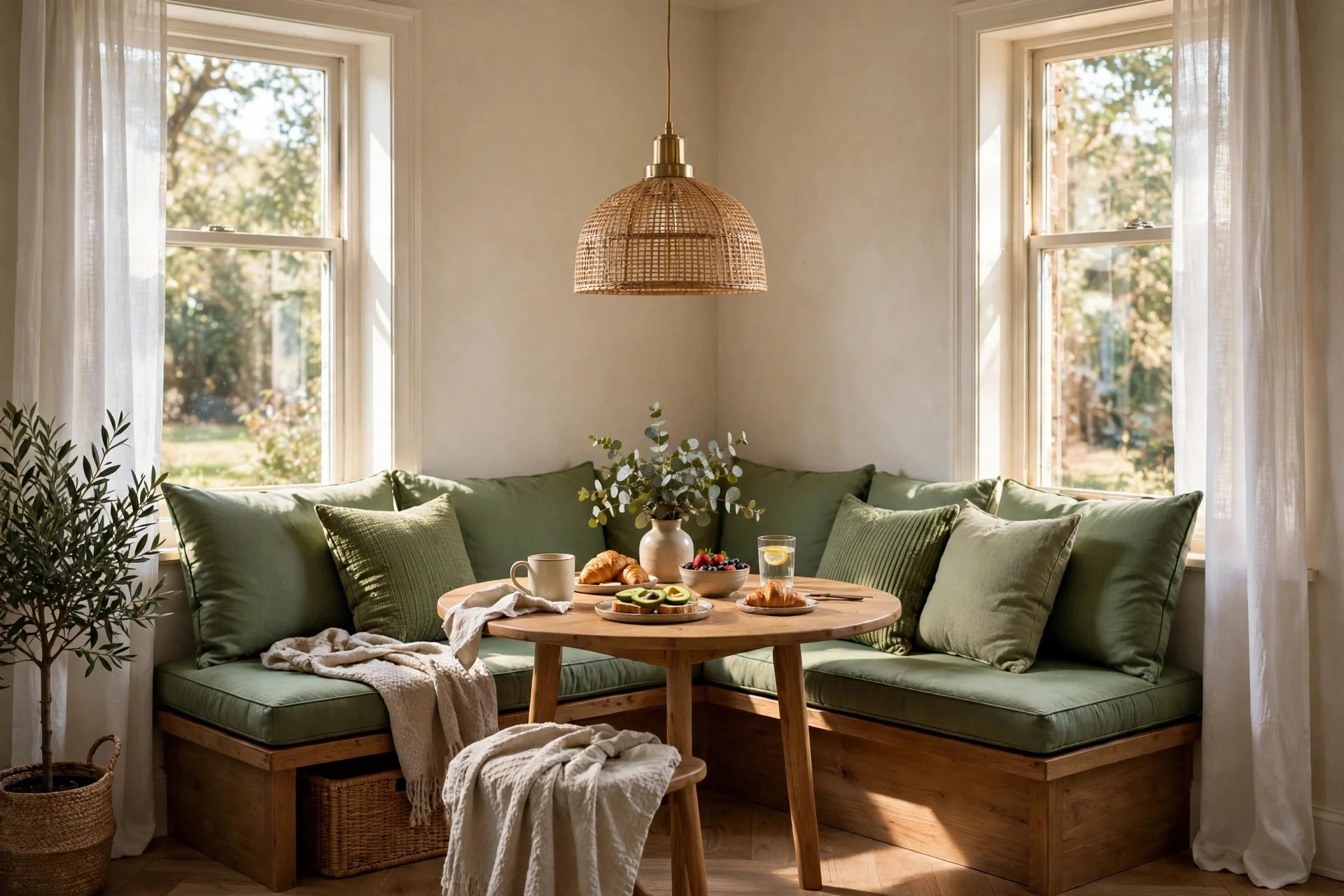
See a corner bench wrapping two walls, deep green cushions, a rectangular wood table, and a pendant light hanging low over the center.
The L-shape uses a dead corner, the cushions add color, and the pendant marks the table as a destination. Copy it with two straight benches joined at a right angle and a table sized to slide between them, plus one pendant hung 30 inches above the table.
Cost: $500–$1,500 DIY; $2,000–$4,000 custom. Difficulty: moderate. Time: one to two weekends. Tip: leave a 2-inch gap between bench back and wall for cushion thickness. Watch out: the inside of the L must slide past others to get out — keep it for kids.
7. The Floating Shelf and Café Table Pairing
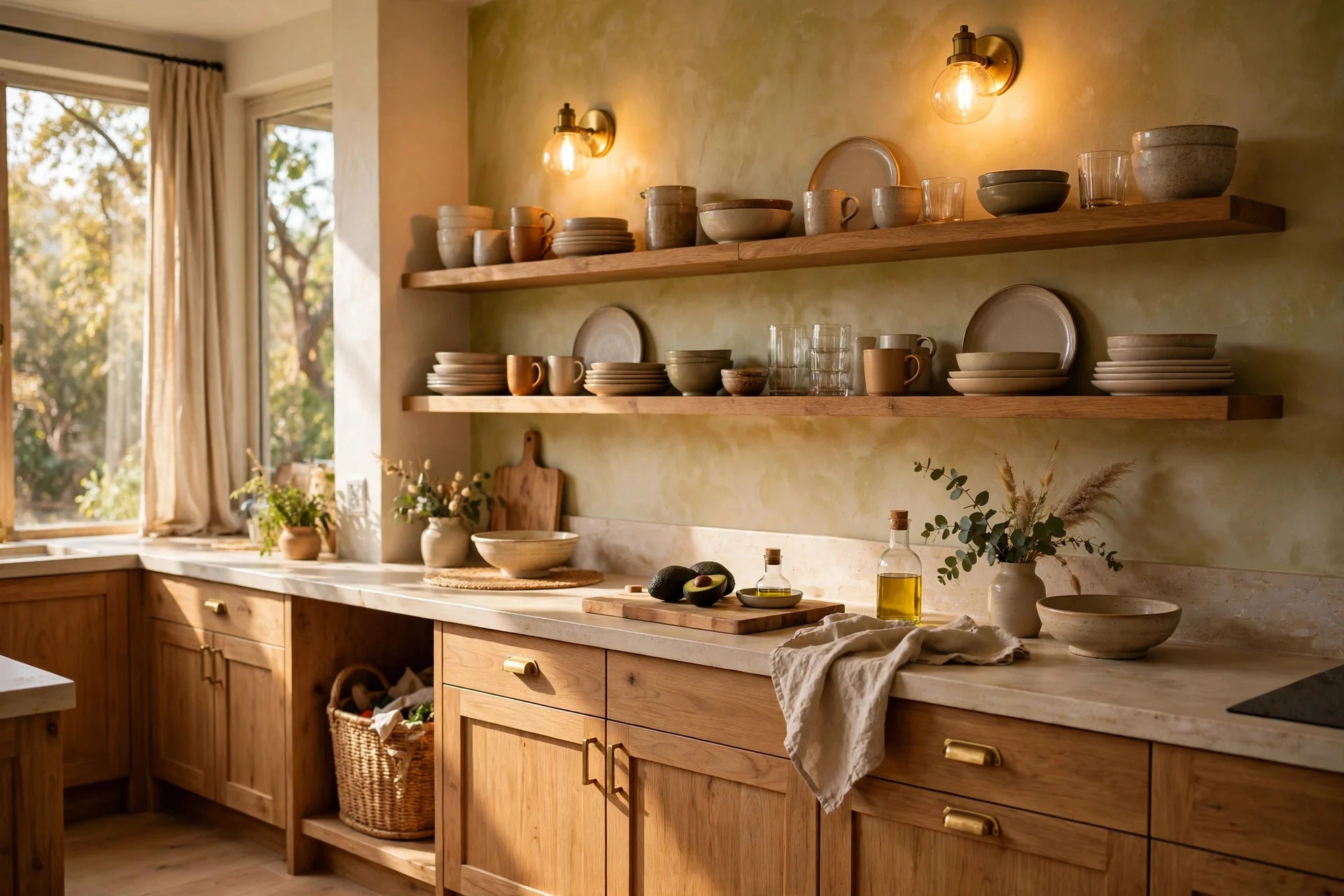
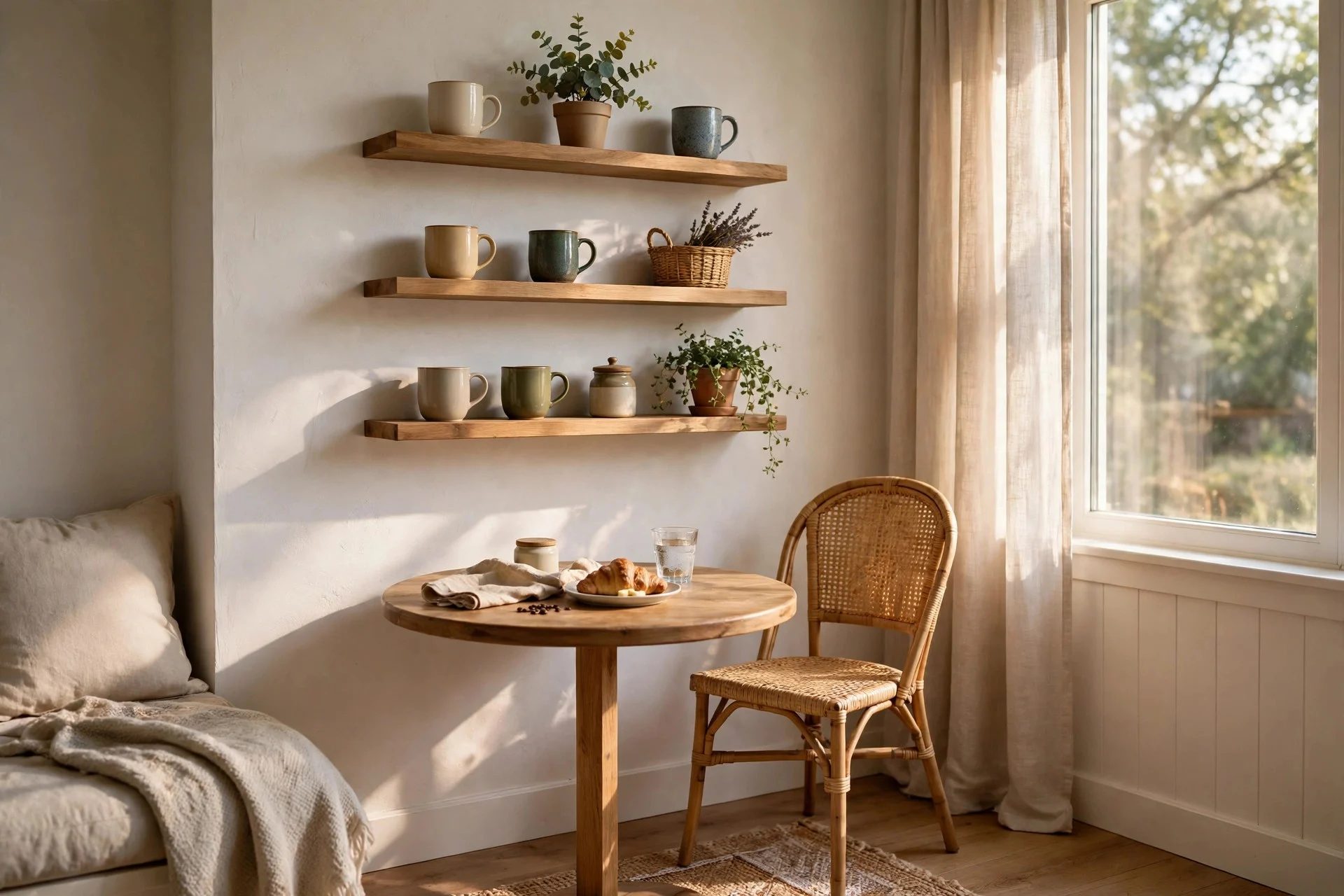
Imagine a narrow wall with two floating shelves holding mugs and bowls, a small round café table below, and a single chair tucked in.
The elements: shelves that double as storage and display, a table no bigger than 30 inches, and a slim-profile chair. Copy it with two 24-inch floating shelves ($30–$60 each) and a thrifted café table. Hang the shelves at mug height, about 60 inches from the floor.
Cost: $100–$350. Difficulty: easy. Time: 2–3 hours including mounting. Tip: use a stud finder — mugs are heavy, and drywall anchors alone won’t hold a full set. Watch out: open shelves collect grease near a stove, so keep this nook away from the range.
8. The Window Seat With Drawers
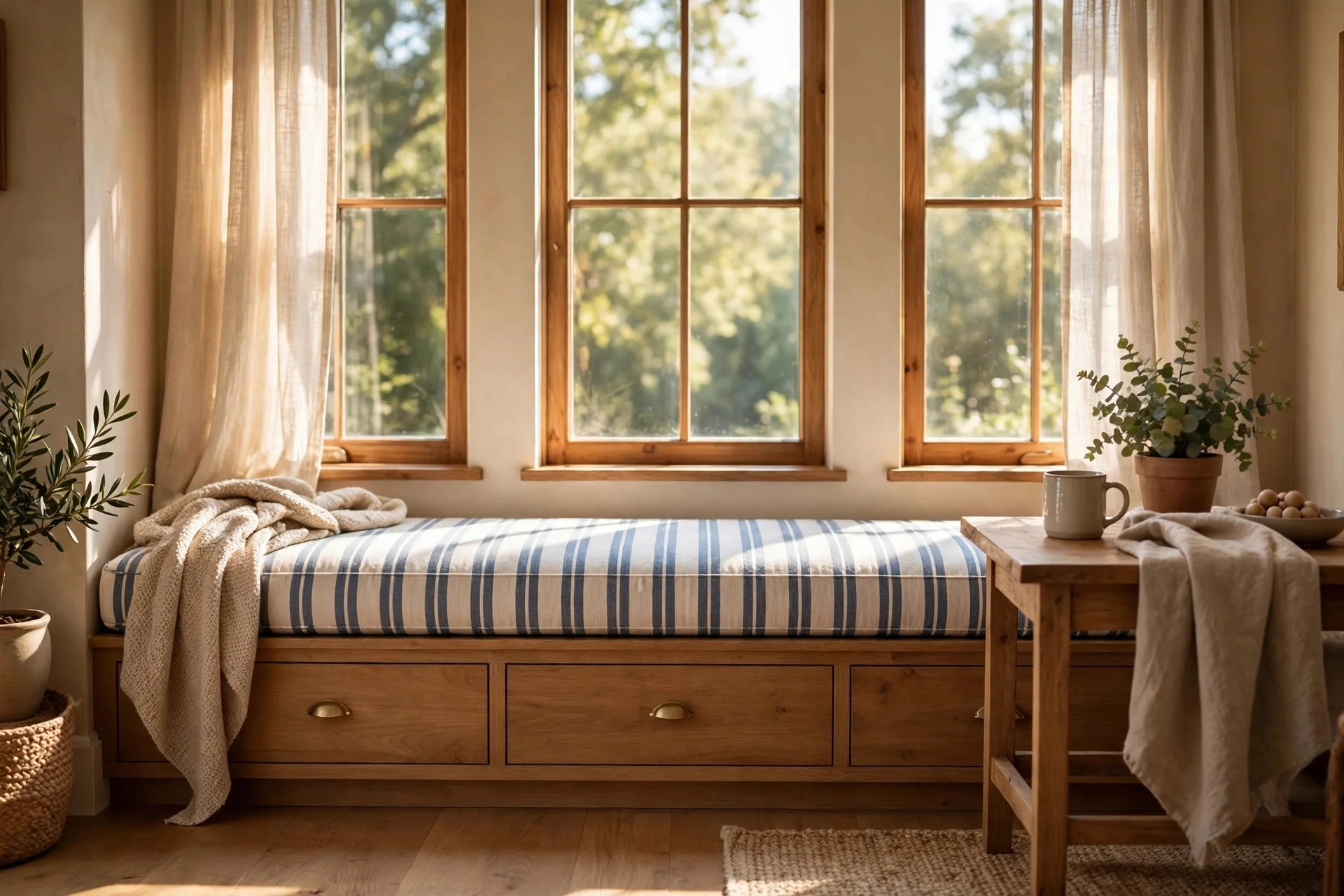
Picture a low window seat under a wide kitchen window, drawers underneath for placemats and chargers, a thick striped cushion on top, and a small table pulled up in front.
What works: the drawers swallow clutter, the cushion invites sitting, and the window gives you a view while you eat. Copy it with stock kitchen base cabinets topped with a plywood seat and foam cushion — far cheaper than custom carpentry.
Cost: $400–$1,000. Difficulty: moderate. Time: one weekend. Tip: full-extension slides let you reach the back of deep drawers without kneeling. Watch out: a standard 34.5-inch cabinet is too tall — use 24-inch vanity-height cabinets to keep the seat near 18 inches.
9. The Rustic Wood and Black Metal Mix
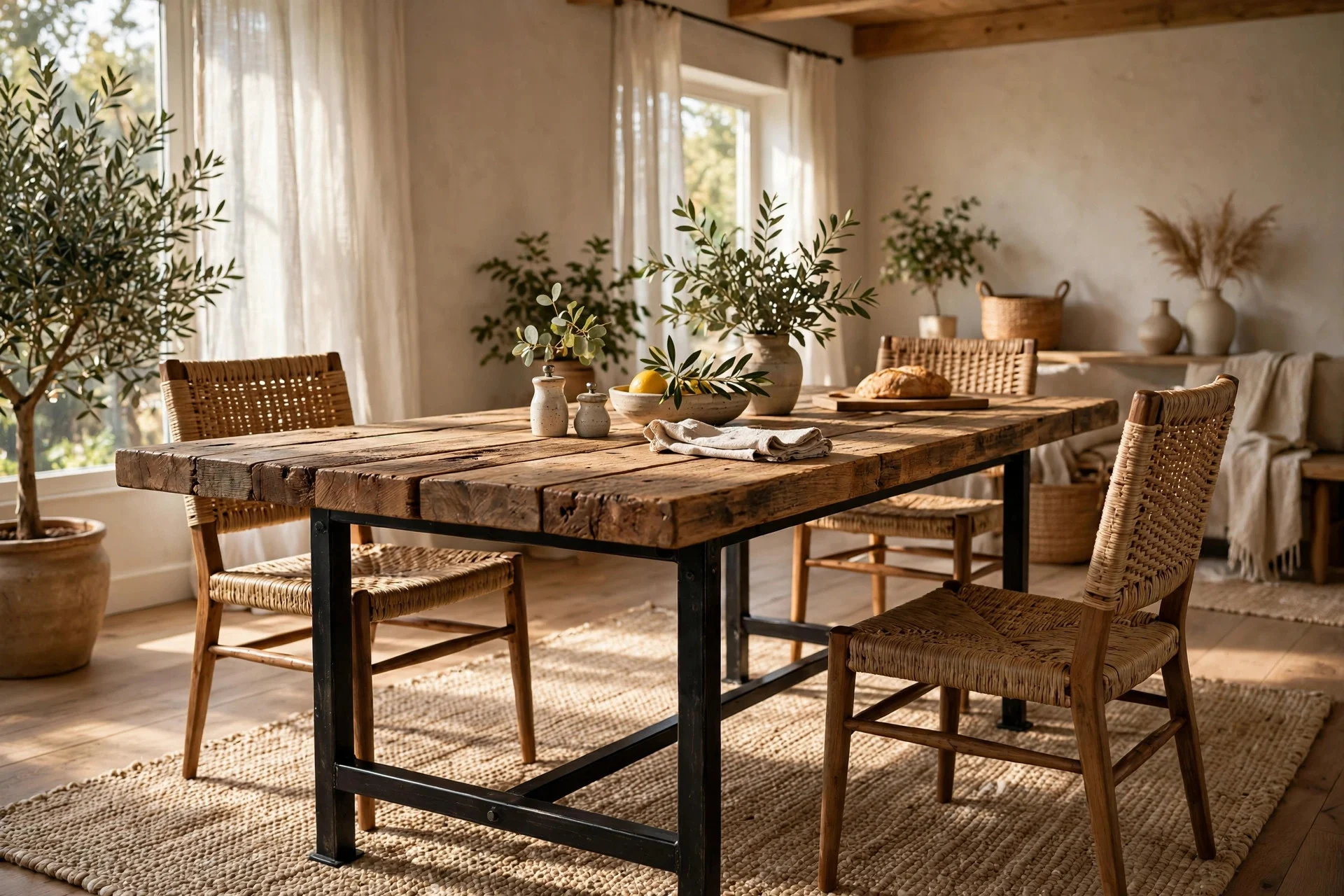
See a thick reclaimed-wood tabletop on black metal legs, two metal chairs with woven seats, and an iron pendant light above. Warm wood plus dark metal feels grounded and a little industrial.
The elements: one warm material, one dark material, nothing shiny. Copy it with a butcher-block top on metal legs ($40–$80 for four), secondhand metal chairs, and one black pendant overhead.
Cost: $250–$700. Difficulty: easy to moderate. Time: an afternoon. Tip: seal a butcher-block top before its first breakfast — coffee rings set fast on raw wood. Watch out: reclaimed wood can hide nails and splinters — sand thoroughly and check with a magnet.
10. The Bright White and Rattan Look
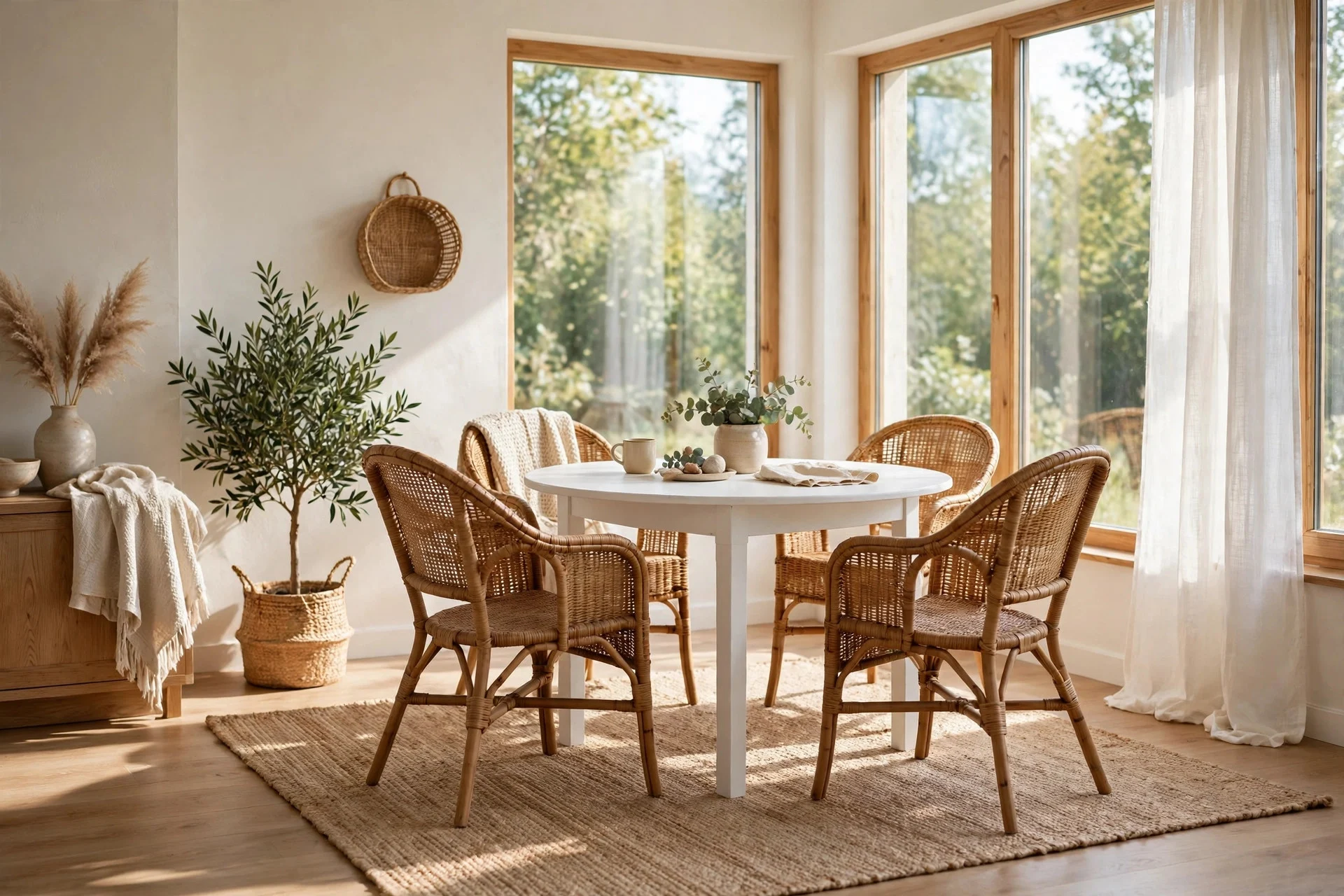
Imagine white walls, a white round table, two rattan chairs, a jute rug underneath, and a woven pendant light overhead. The corner feels airy, like a beach house.
What makes it work: the palette stays light, natural textures do the talking, and the rug defines the nook’s footprint. Copy it with a white pedestal table, two rattan chairs ($60–$150 each), a 5-foot round jute rug, and one woven pendant.
Cost: $300–$800. Difficulty: easy. Time: an afternoon. Tip: size the rug to the table plus pulled-out chairs, not just the table. Watch out: real rattan hates damp mopping — keep it away from the sink.
11. The Two-Tone Painted Bench
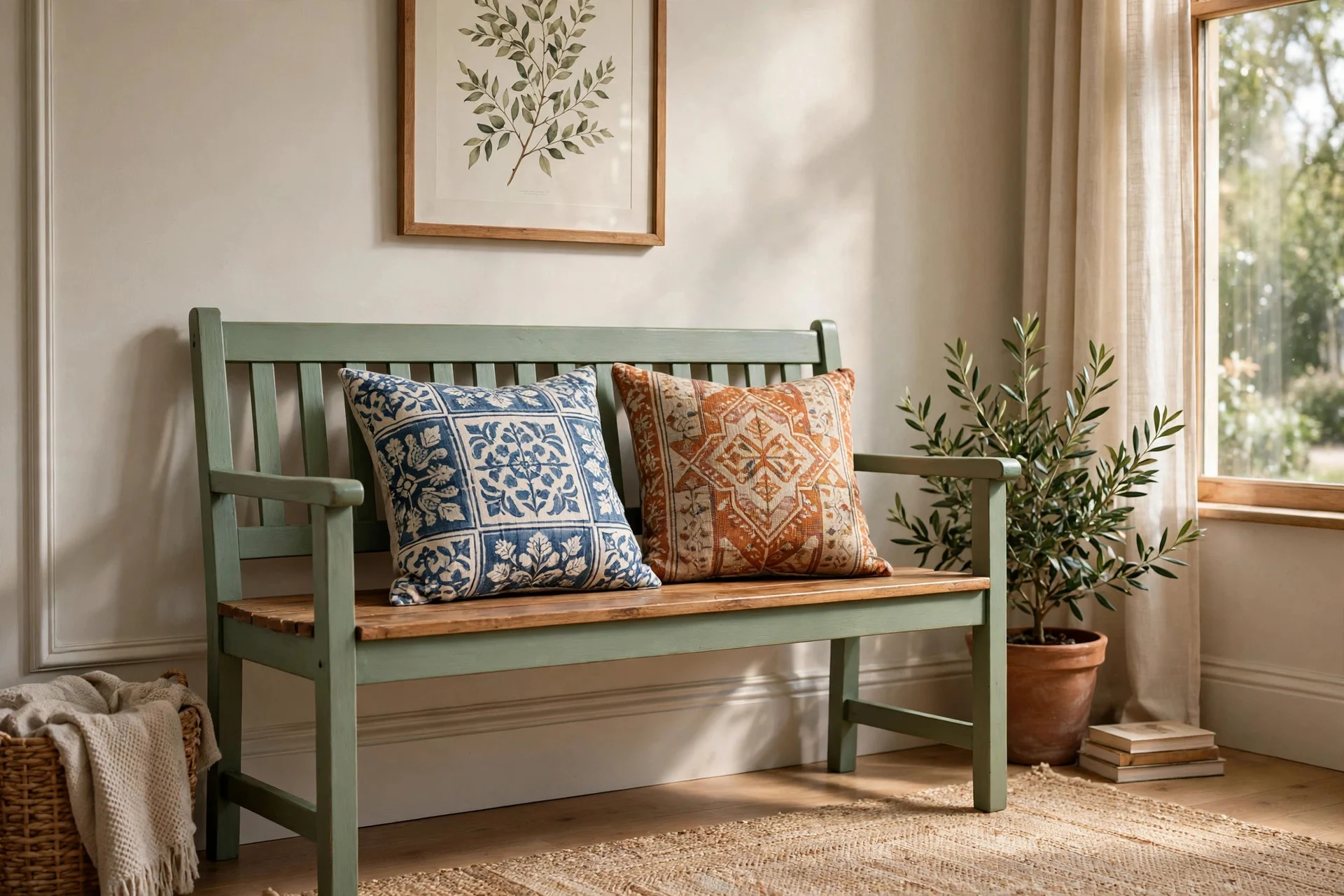
Picture a bench painted sage green on the base with a natural wood seat, white walls, a wood table, and green-and-white patterned cushions.
One painted piece, one natural wood piece, cushions repeating the paint color. Copy it by painting a pine bench in satin furniture paint — two coats plus a topcoat — leaving the seat bare wood or stained, with matching-print cushions for under $60.
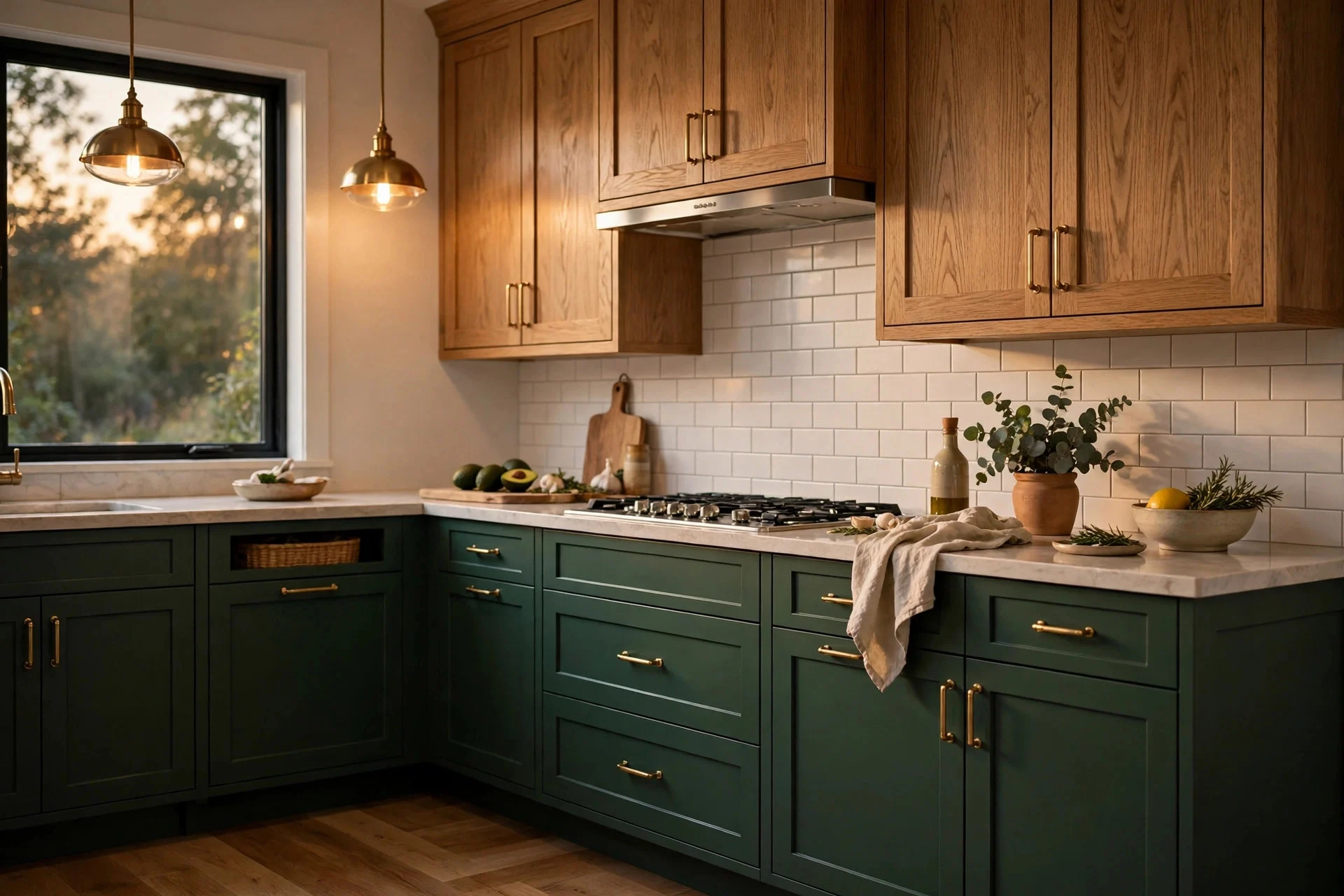
Cost: $150–$500 including paint and cushions. Difficulty: easy. Time: a weekend including drying. Tip: satin or semi-gloss paint wipes clean far better than flat paint. Watch out: paint the bench before placing it — painting in a tight corner means drips on the wall. See two-tone kitchen ideas for how this contrast works across a whole kitchen.
12. The Corner Nook With Pendant Lights
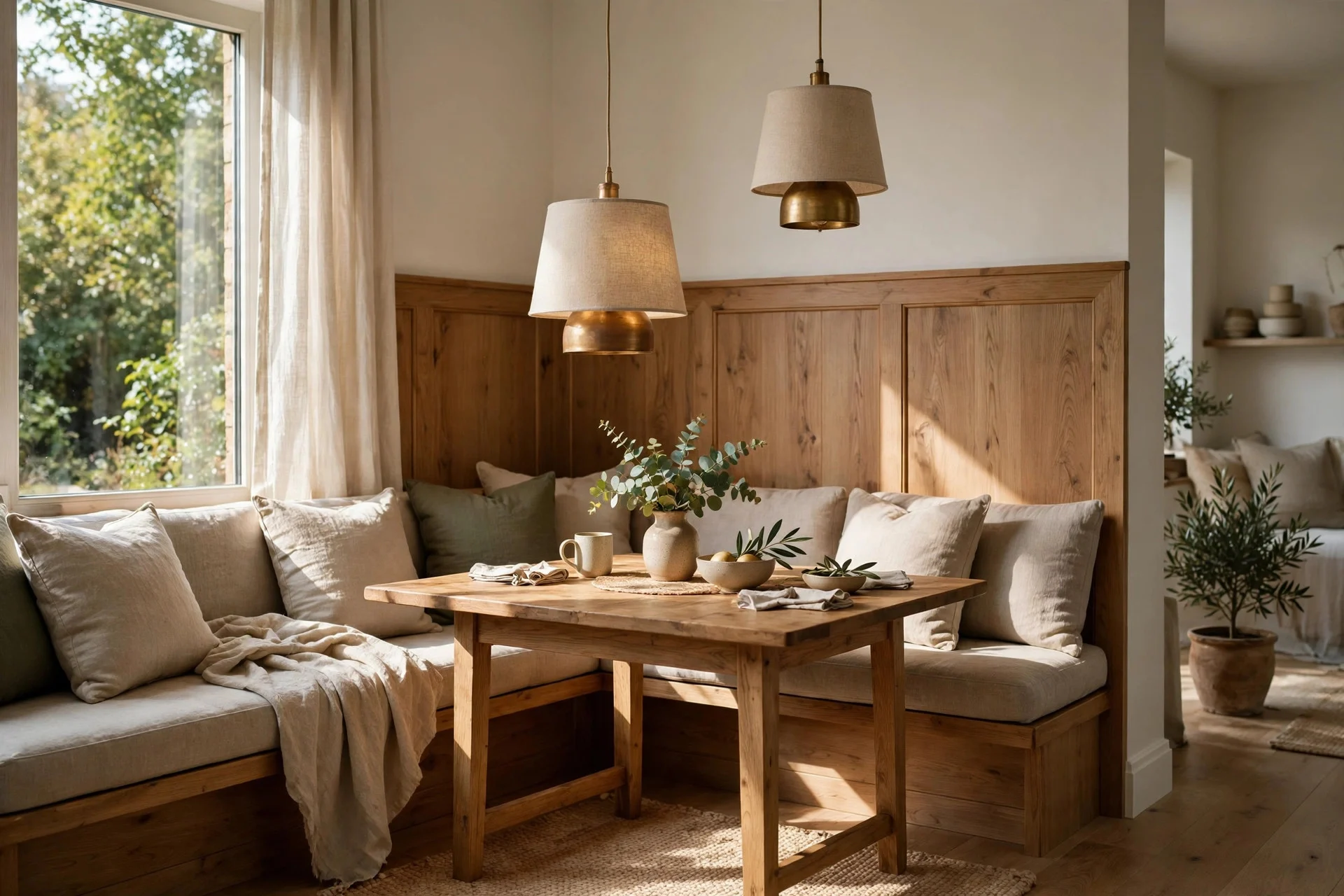
See a small square table in a corner, a bench on one side and two chairs on the other, and two small pendant lights hanging at different heights above the table.
What works: the pendants create a focal point, the mixed seating keeps it casual, and the table stays small enough for the corner. Copy it with two plug-in pendants ($40–$90 each) hung from ceiling hooks, 28–32 inches above the table, staggered a few inches.
Cost: $200–$600 including lights. Difficulty: easy (plug-in) to moderate (hardwired). Time: 2–4 hours. Tip: warm-white bulbs (2700K) make morning light feel cozy instead of clinical. Watch out: pendants hung too low block sightlines — sit down and check the height first.
13. The Apartment-Sized Nook for Two
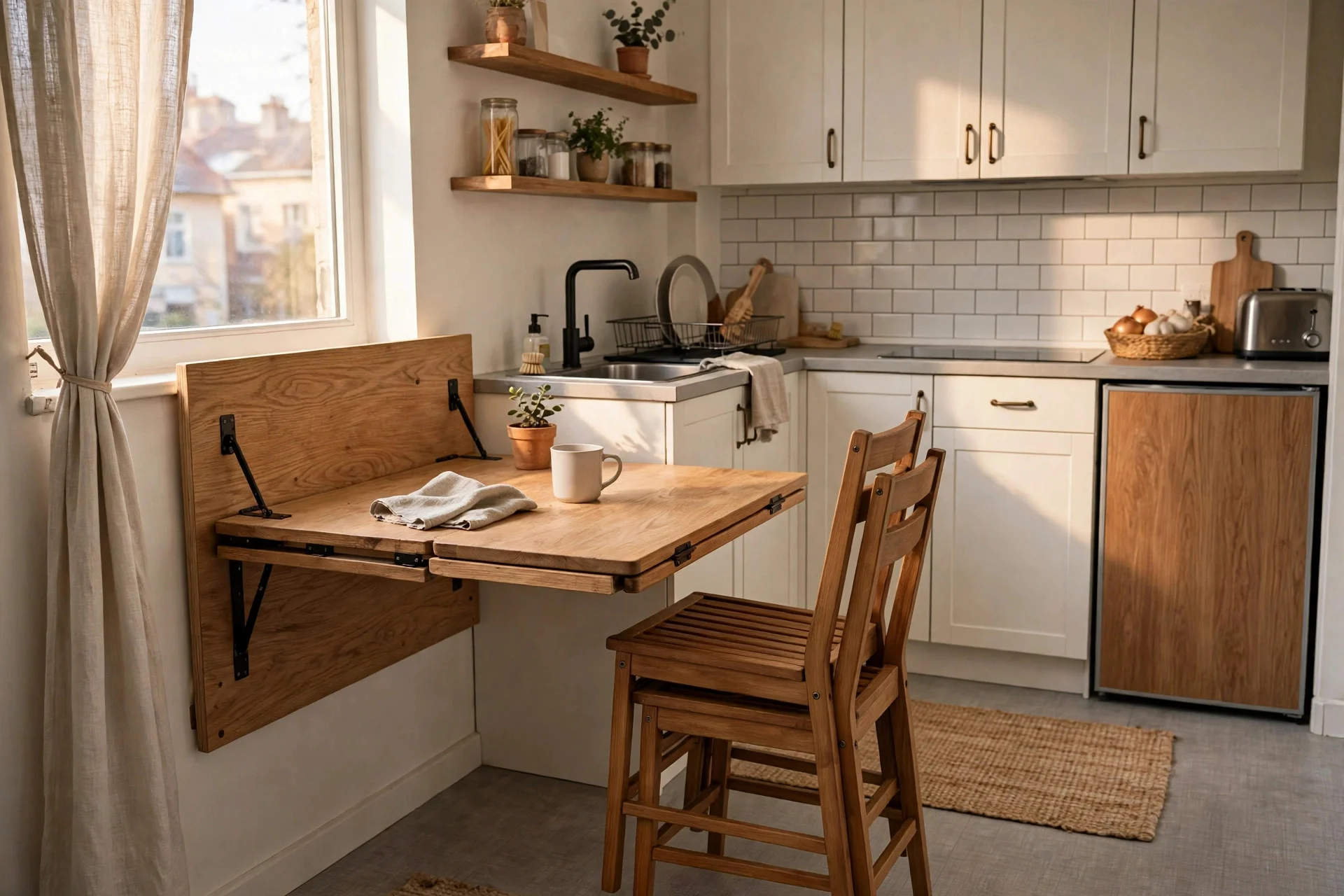
Imagine a wall-mounted drop-leaf table folded down, two stackable chairs, and a small shelf above holding coffee supplies.
The elements: a fold-down table, stackable or folding chairs, and vertical storage. Copy it with a wall-mounted drop-leaf table ($60–$150) mounted at standard table height (30 inches), two stackable chairs, and a shelf for mugs. It fits a hallway-wide gap between counter and wall.
Cost: $120–$400. Difficulty: easy. Time: 2–3 hours. Tip: mount the table into studs — it carries the full weight of plates and leaning elbows. Watch out: buy a bracket rated above the table’s weight, or it will wobble.
14. The Kitchen Island Extension Nook
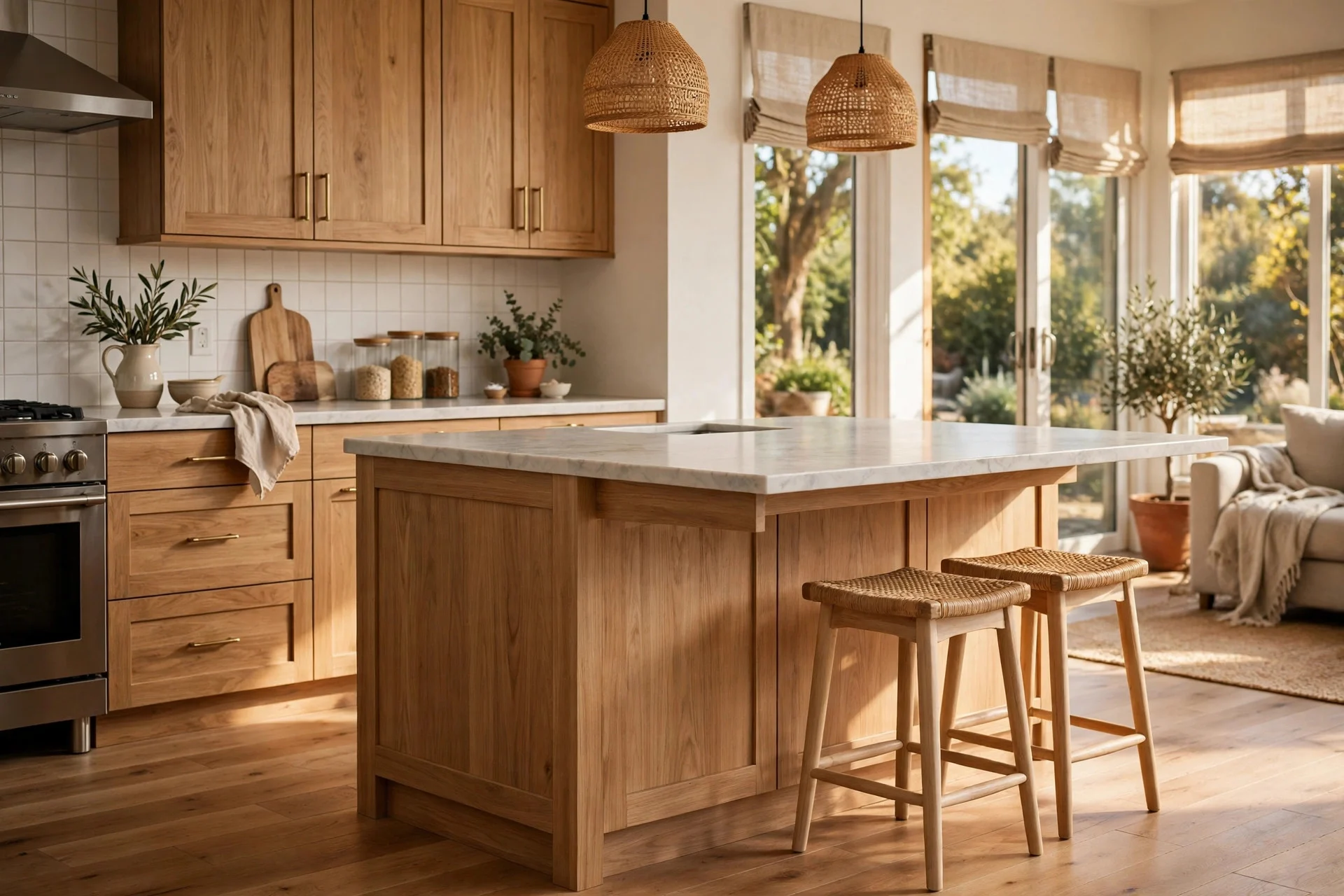
See a kitchen island with its countertop extended by 18 inches on one end, two counter stools tucked underneath, and a fruit bowl on the overhang.
The overhang creates a table zone without new furniture, stools tuck away, and the cook stays in the conversation. Copy it with a matching countertop overhang on an existing island (a carpenter can extend most tops for $200–$600) and two backless stools that slide fully underneath.
Cost: $300–$900 including stools. Difficulty: moderate (needs a carpenter for stone tops). Time: half a day. Tip: allow 15 inches of knee space and 24 inches of width per stool. Watch out: stone overhangs longer than 12 inches need brackets or corbels — an unsupported overhang can crack. If your layout is tight, galley kitchen layout ideas show how to steal seating without blocking the work triangle.
15. The Mixed Vintage Chairs Nook
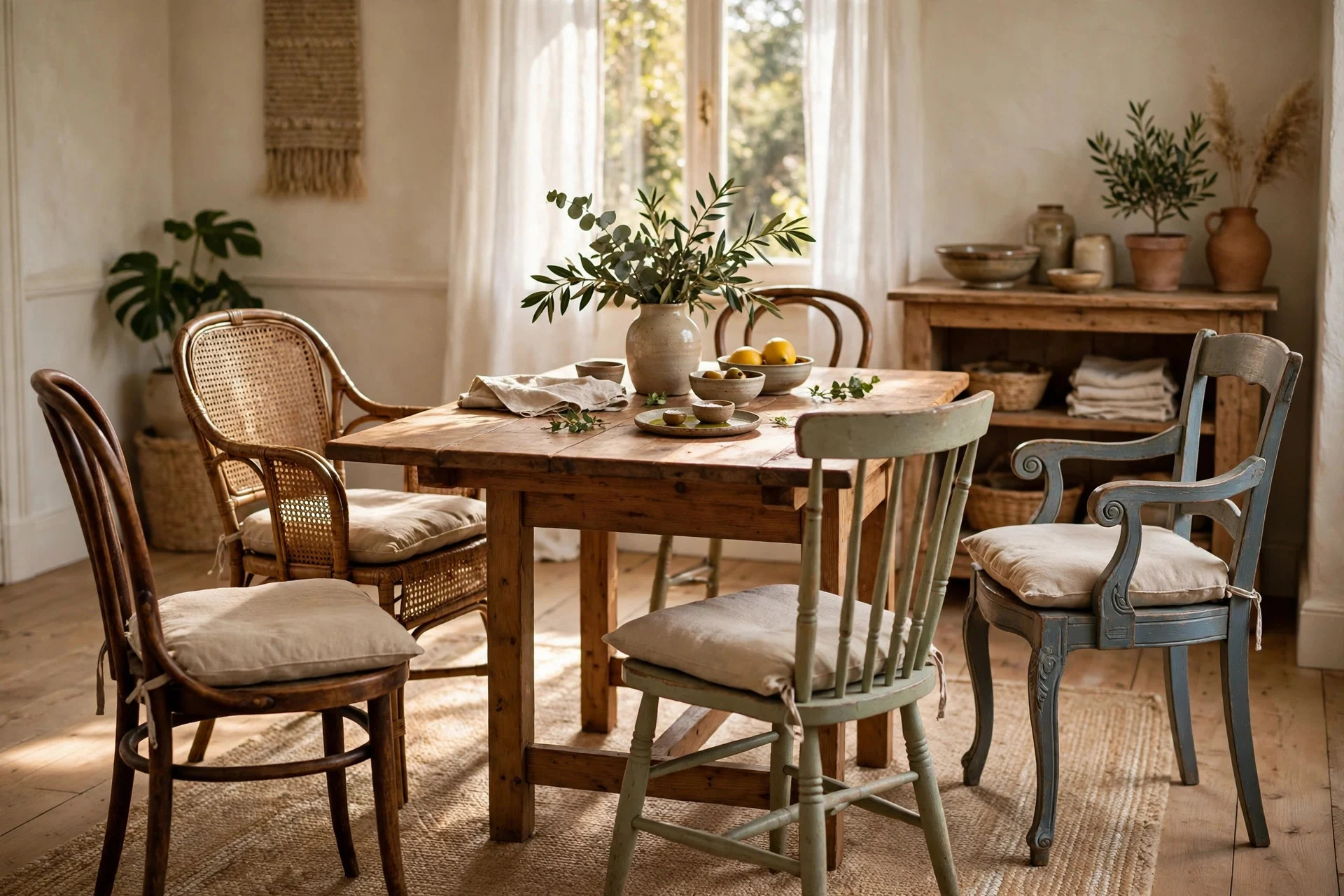
Picture a simple wood table surrounded by four completely different chairs — a cane chair, a painted ladder-back, a bentwood, a modern molded chair — tied together by a shared cushion color.
The elements: one simple table, chairs that differ in style but match in seat height, and one unifying detail. Copy it with thrift-store chairs ($15–$50 each) painted or cushioned in one color family — the shared color stops the mix from looking random.
Cost: $150–$450. Difficulty: easy. Time: a few weekends of thrifting, an afternoon to paint. Tip: check seat heights before you buy — vintage chairs range from 17 to 19 inches. Watch out: bentwood and cane chairs have fragile joints — test them in the shop first.
16. The Kid-Friendly Wipe-Clean Nook
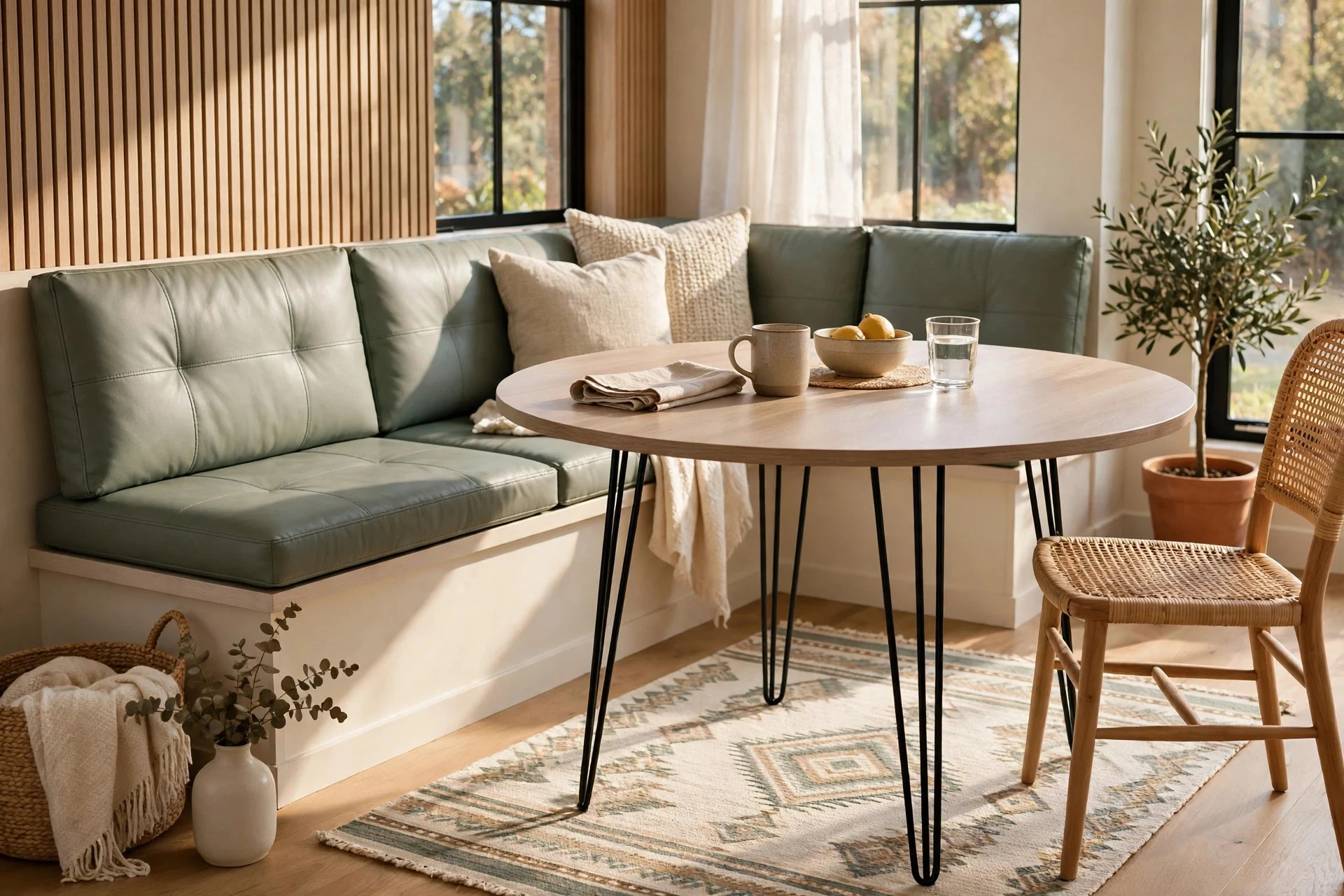
See a round laminate table, a wipeable bench with vinyl cushions, a low shelf holding placemats and cups, and a small rug that goes straight in the wash.
What works: every surface wipes or washes, seating is low and sturdy, and kids can reach their own supplies. Copy it with a laminate-top table ($80–$200), vinyl cushions on a simple bench, a machine-washable rug, and a low shelf for cups and placemats.
Cost: $200–$600. Difficulty: easy. Time: an afternoon. Tip: a round pedestal top has no sharp corners at head height. Watch out: vinyl gets sticky near a sunny window — add a thin cotton cover you can wash. See kitchen window ideas for more family-proof options.
17. The Garden-View Nook With Plants
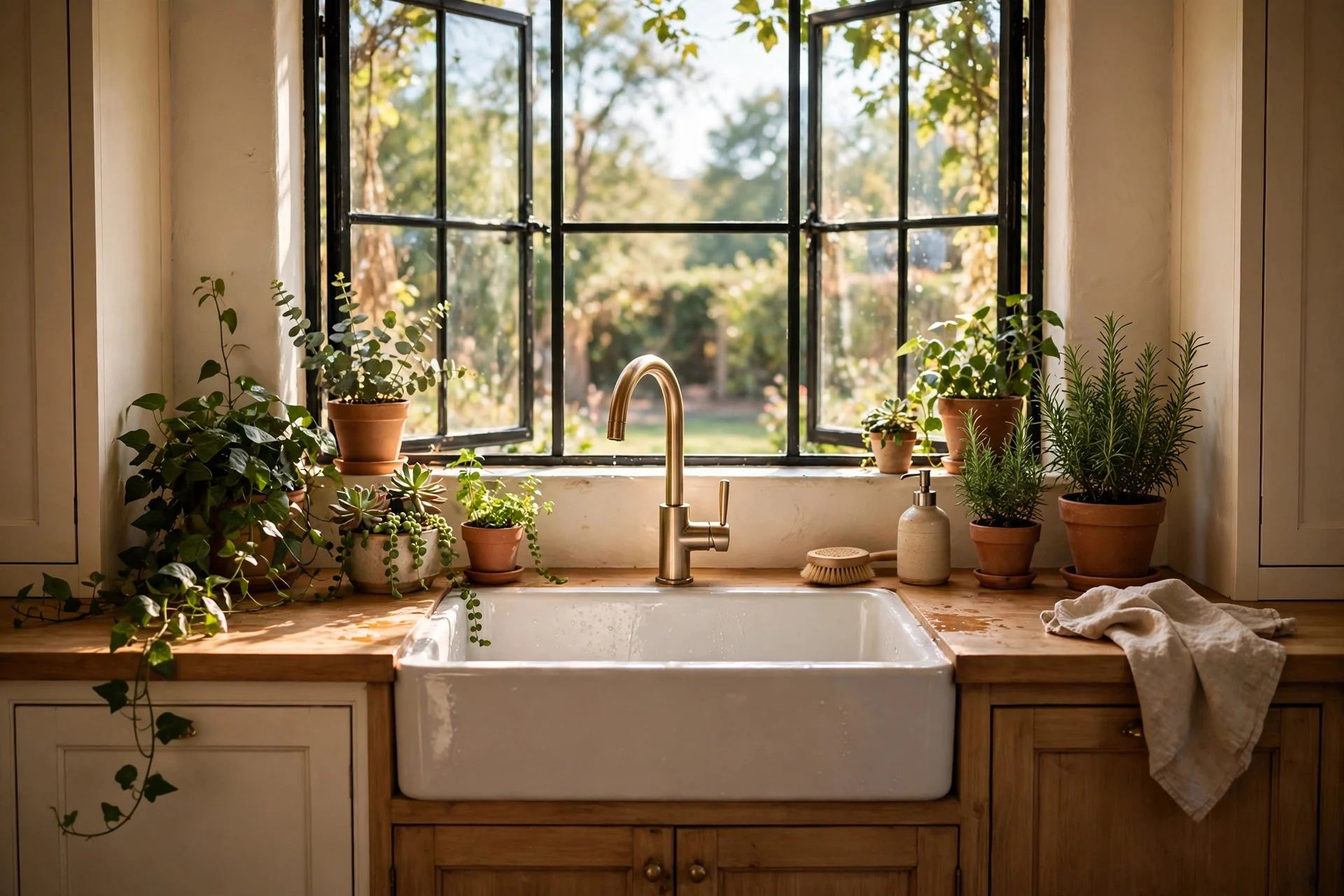
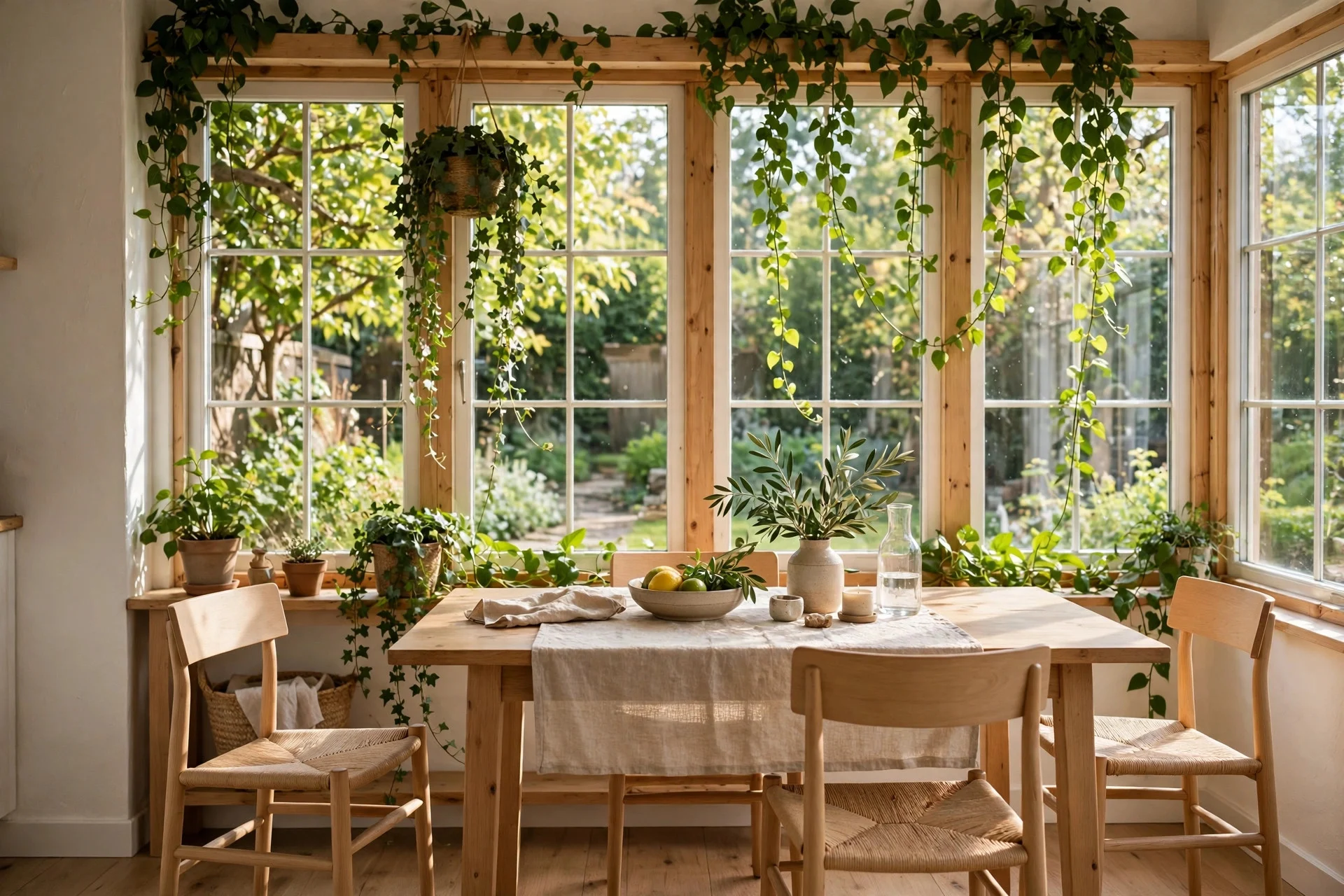
Imagine a table pushed against the window that faces the garden, trailing pothos on the sill, a couple of potted herbs on the table, and light wood chairs.
The elements: the garden view as the backdrop, plants at three heights (sill, table, floor), and light wood to keep it fresh. Copy it with a small round wood table, two light wood chairs, and plants you already own — trailing on the sill, one herb pot on the table, one on the floor.
Cost: $200–$550. Difficulty: easy. Time: an afternoon. Tip: keep plants off the table edge — the sill and a floor pot carry the look. Watch out: south-facing windows scorch delicate plants — use sheer curtains or sun-tolerant pothos and snake plants.
Frequently Asked Questions
How much space do you need for a breakfast nook?
A two-person nook fits in about 4 by 4 feet with a 30-inch table and two chairs; a banquette needs roughly 5 by 5 feet. Measure with chairs pulled out, not just the table footprint.
What is the best table shape for a breakfast nook?
Round pedestal tables suit corners and small spaces — no legs to bump, no sharp corners. Rectangular tables suit banquettes and larger nooks. Pick the shape that matches your seating.
How high should a breakfast nook bench be?
The seat should sit 18 inches off the floor, like a standard dining chair, pairing with a 30-inch table. Cushions add 3–4 inches, so build the base at 14–15 inches for thick cushions.
Can you add a breakfast nook to a small kitchen?
Yes — a wall-mounted drop-leaf table or a 24-inch bistro set fits spaces as narrow as 3 feet. Choose seating that folds, stacks, or tucks away when not in use.
Your Nook, in One Weekend: A Quick Checklist
Before you buy anything: measure the space with chairs pulled out; choose a pedestal or fold-down table if the space is under 5 feet wide; set the seat height at 18 inches including cushions; hang one light 30 inches above the table; pick one washable cushion fabric; and add a rug only if it fits the table plus pulled-out chairs.