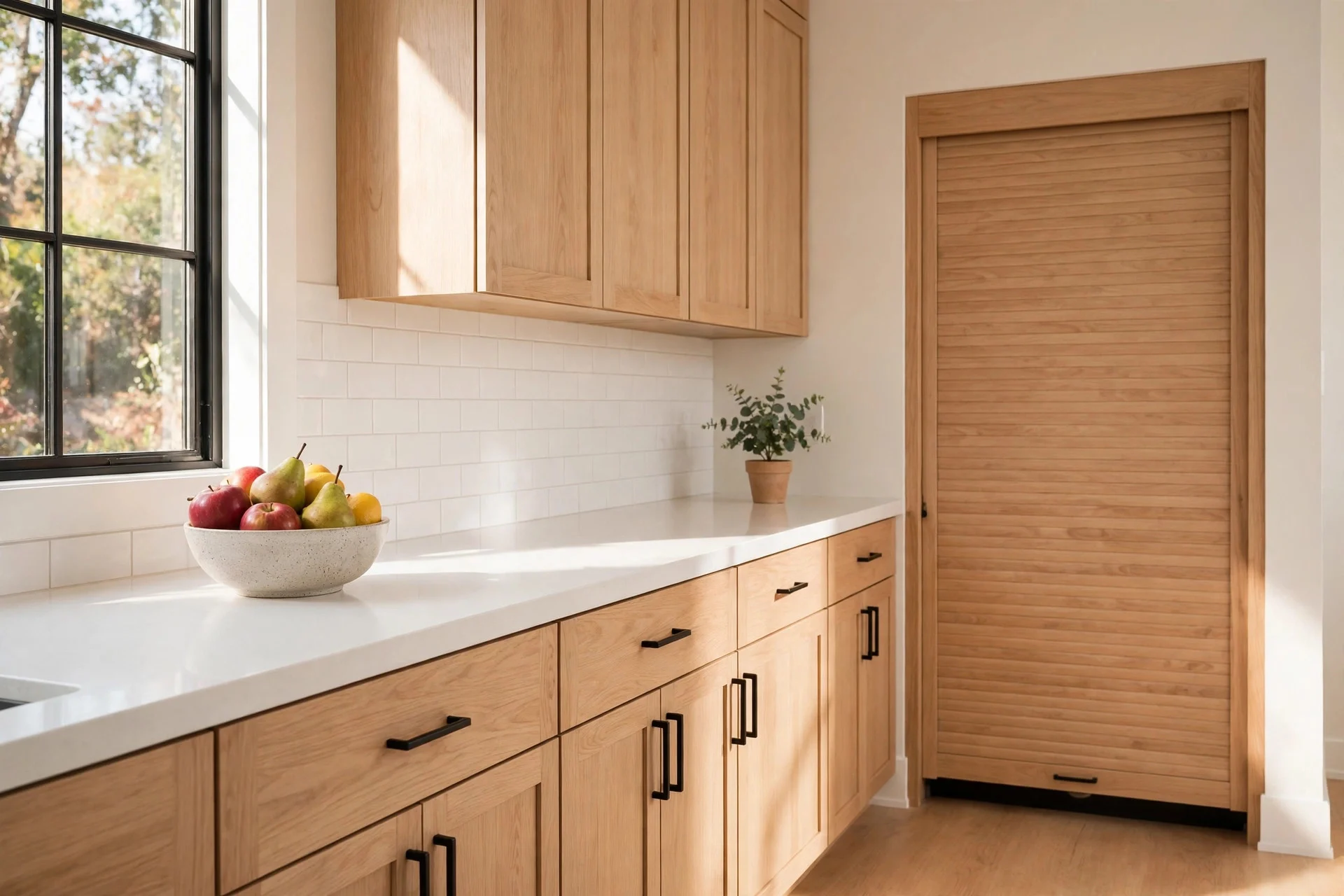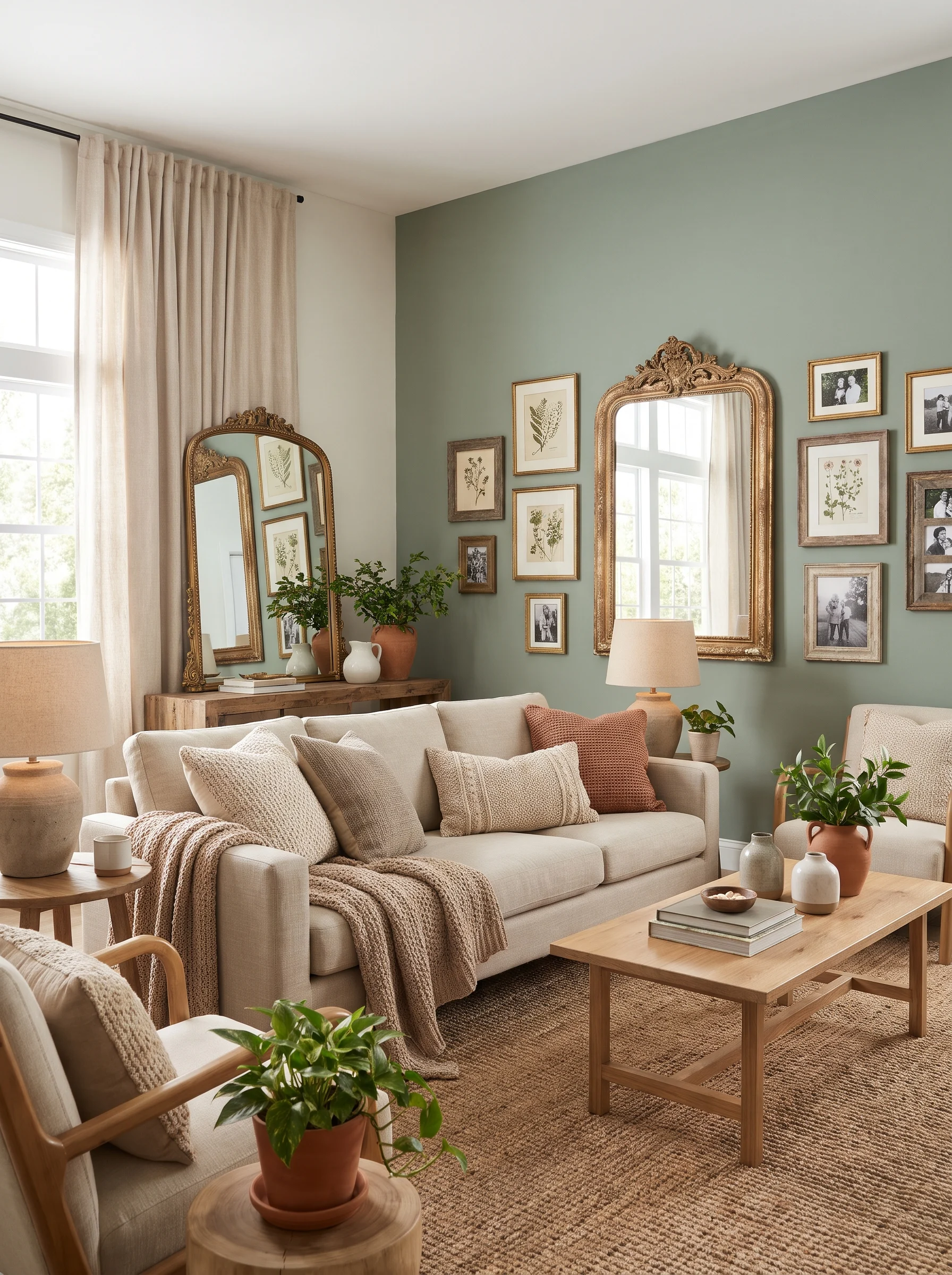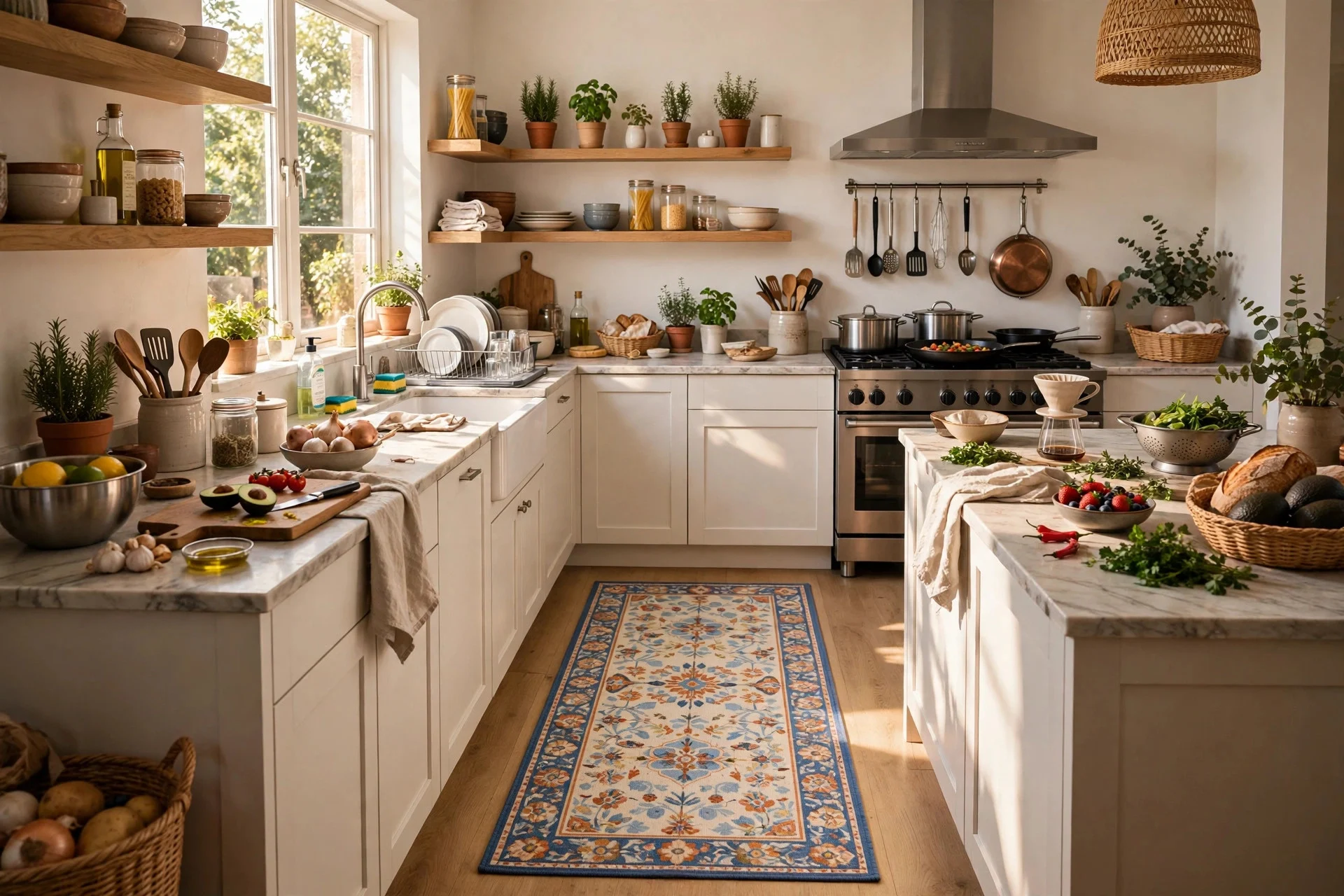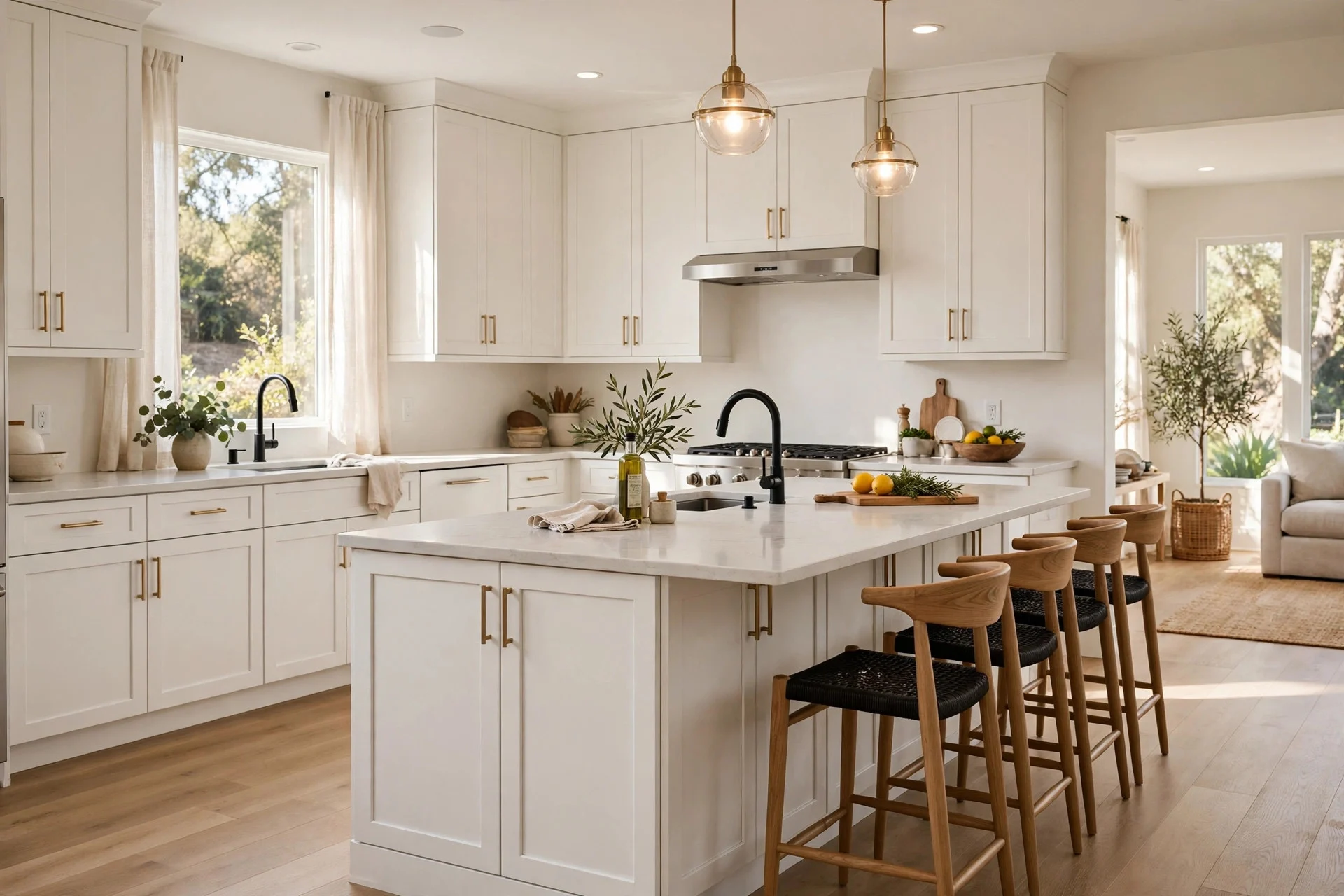
11 Kitchen Ideas With Unlacquered Brass Hardware
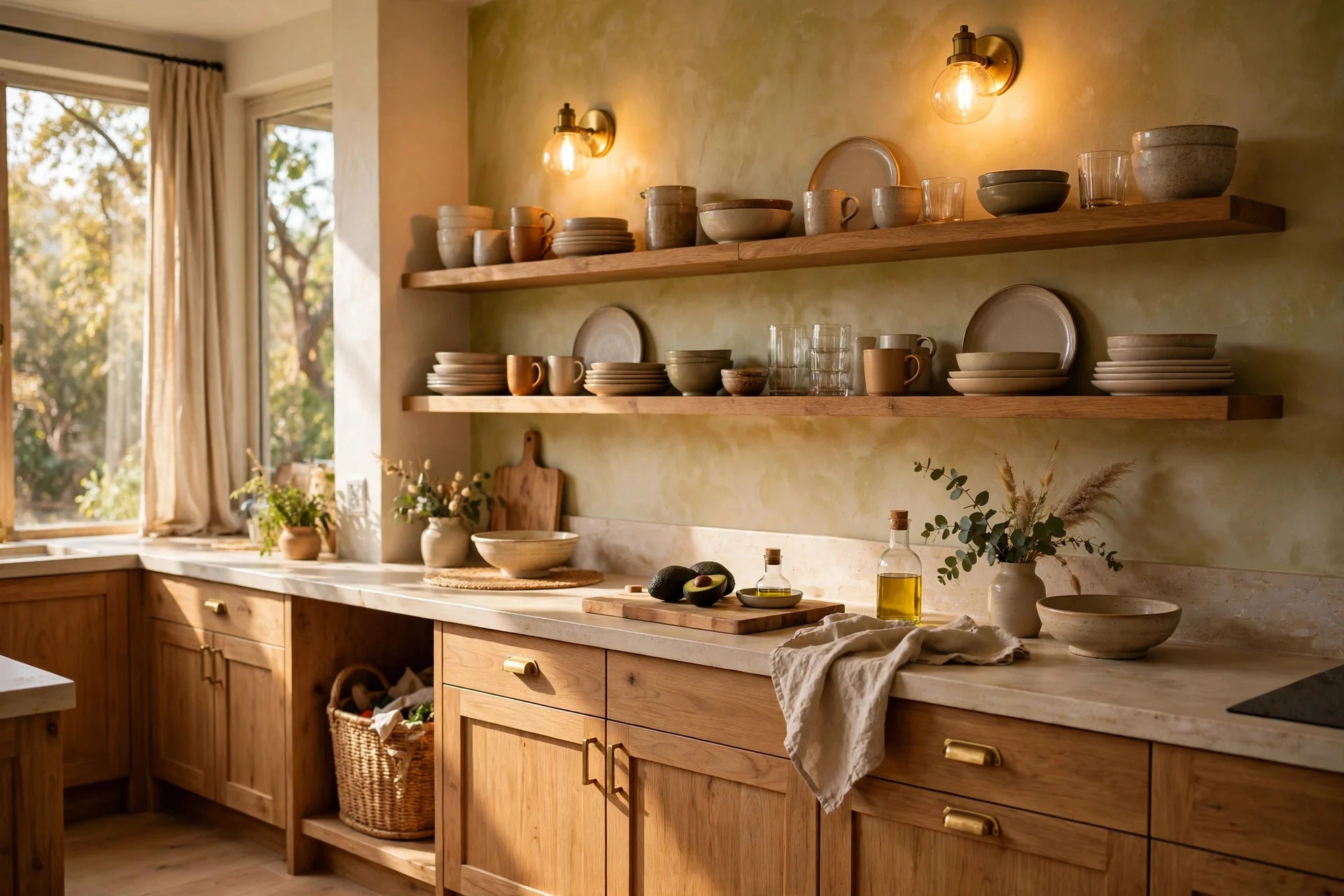
Yes — unlacquered brass hardware can work in almost any kitchen, and it looks best when you repeat the finish in at least three spots so it reads as a choice, not an accident. Unlacquered brass has no clear coating, so it darkens and picks up a soft patina with touch and time. That living finish is the whole point: it warms up white cabinets, softens cool stone, and ages in a way polished chrome never will. Plan where the brass goes before you buy a knob, because a scattered mix of finishes makes a kitchen look unfinished.
Each idea below gives a realistic cost range, how hard it is to fit, and a tip you can use. Prices cover the hardware, not a remodel, and assume mid-range solid brass.
This post contains affiliate links. As an Amazon Associate I earn from qualifying purchases — at no extra cost to you.
Shop this idea
Ravinte 10 Pack 5 Inch Brushed Brass Kitchen Cabinet Handles Solid Zinc Alloy Cabinet Pulls Cupboard Hardware Drawer Handles
Brushed-brass bar pulls in the post’s own finish — the quickest way to put brass on the cabinets.
As an Amazon Associate I earn from qualifying purchases. (paid link)
The Cabinets: Where Brass Does the Most Work
Start here: the cabinet hardware sets the tone for the whole kitchen.
1. Round Brass Knobs on Shaker Cabinets
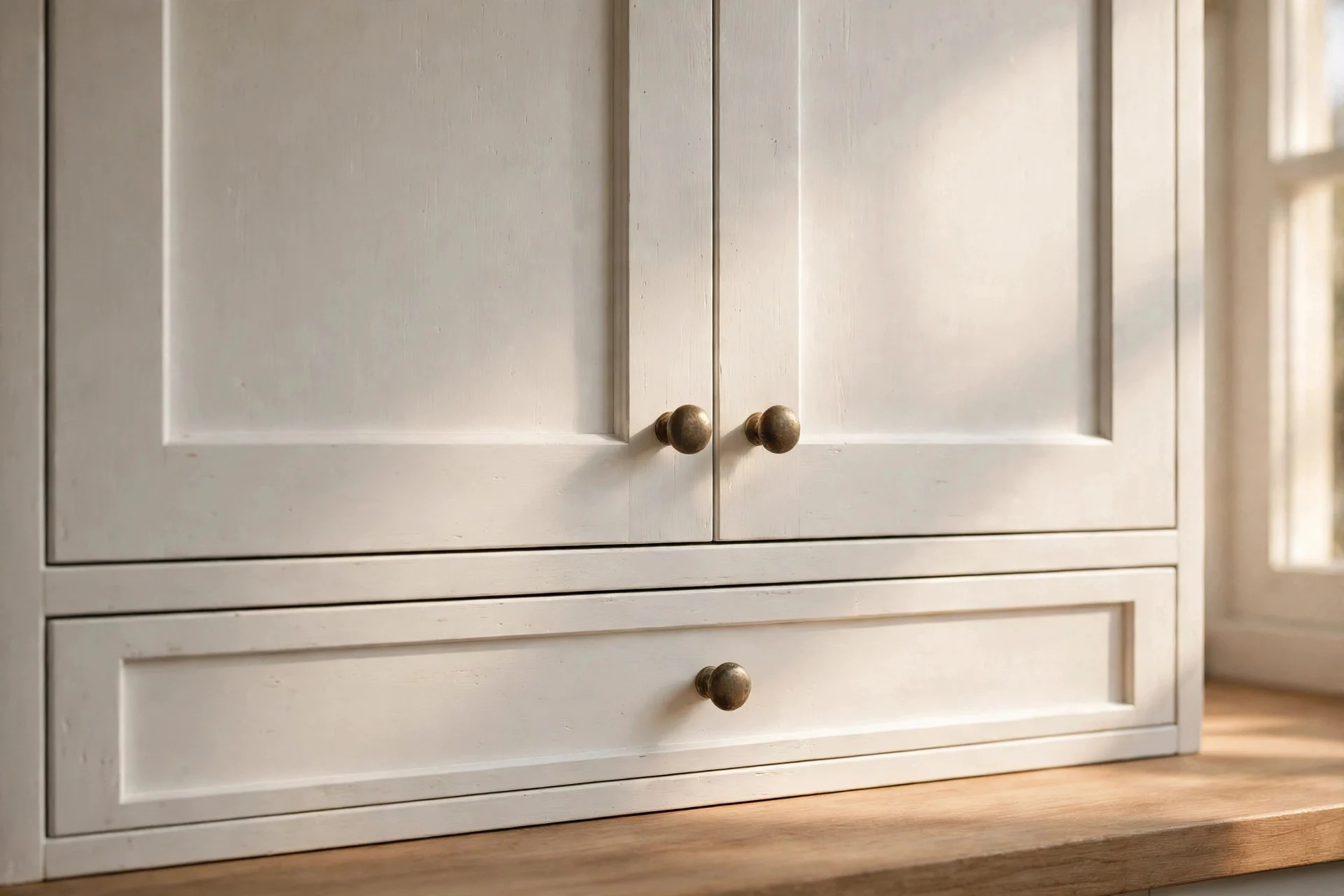
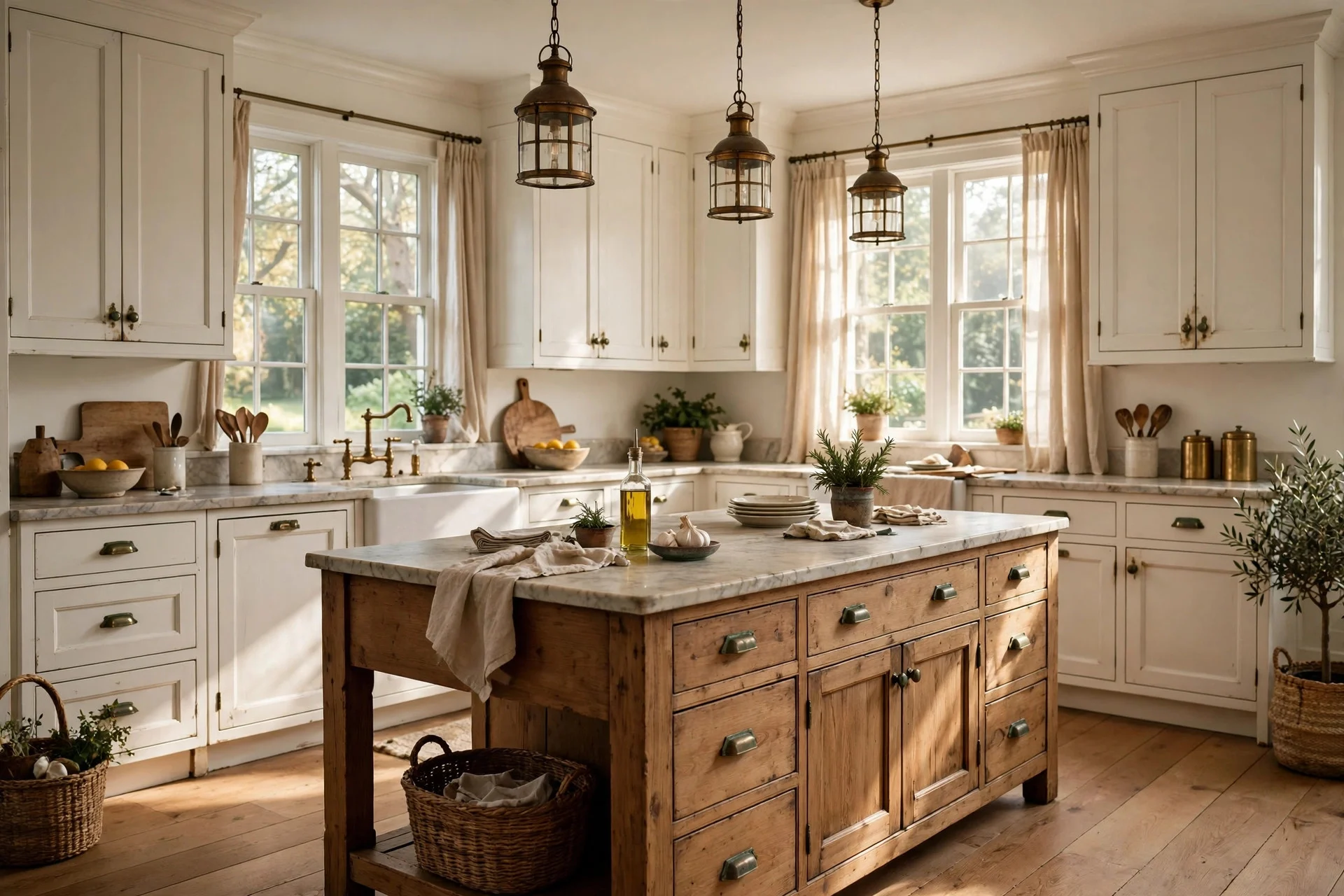
Small round knobs are the quietest way to bring unlacquered brass into a kitchen. On white or cream Shaker doors, a 1-1/4 inch knob adds a warm dot of color without competing with the panel lines. The patina builds slowly on a small knob, so you get warmth without a patchy look.
Expect $6–$14 per knob for solid unlacquered brass, so a kitchen with 30 doors runs about $180–$420. Fitting is easy — around 2–3 hours with a drill template if the old holes line up. Tip: buy one knob first and live with it for a week to see how fast it marks. Watch out: knobs on heavy pantry doors can feel small in the hand, so save this size for standard wall and base doors.
2. Long Bar Pulls on Wide Drawers
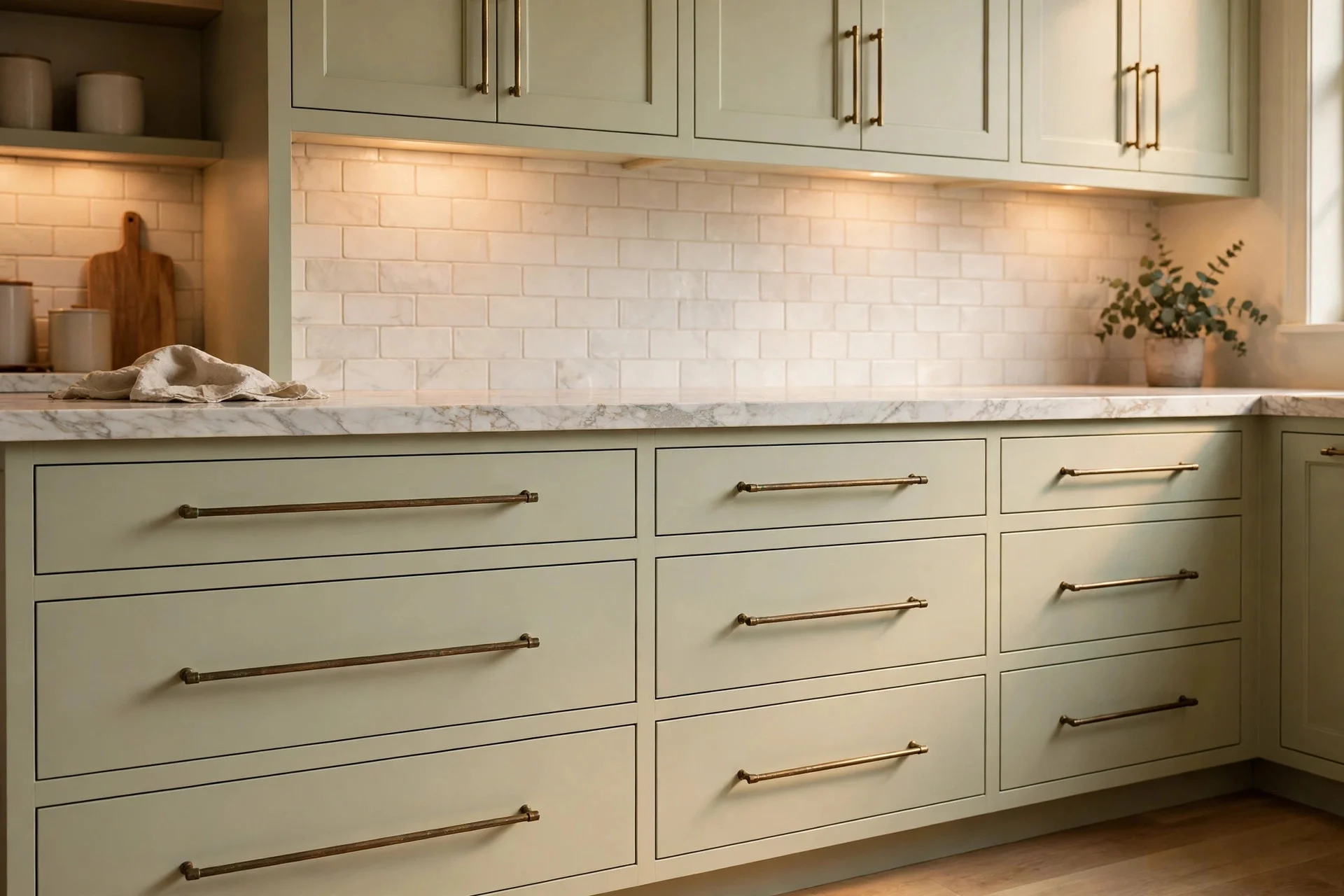
Wide drawers need a pull your whole hand can grip, and a slim bar pull in unlacquered brass adds a clean horizontal line across the cabinetry at the same time. On deep pot drawers, a 7- to 12-inch pull spreads the load so the drawer opens smoothly instead of racking to one side.
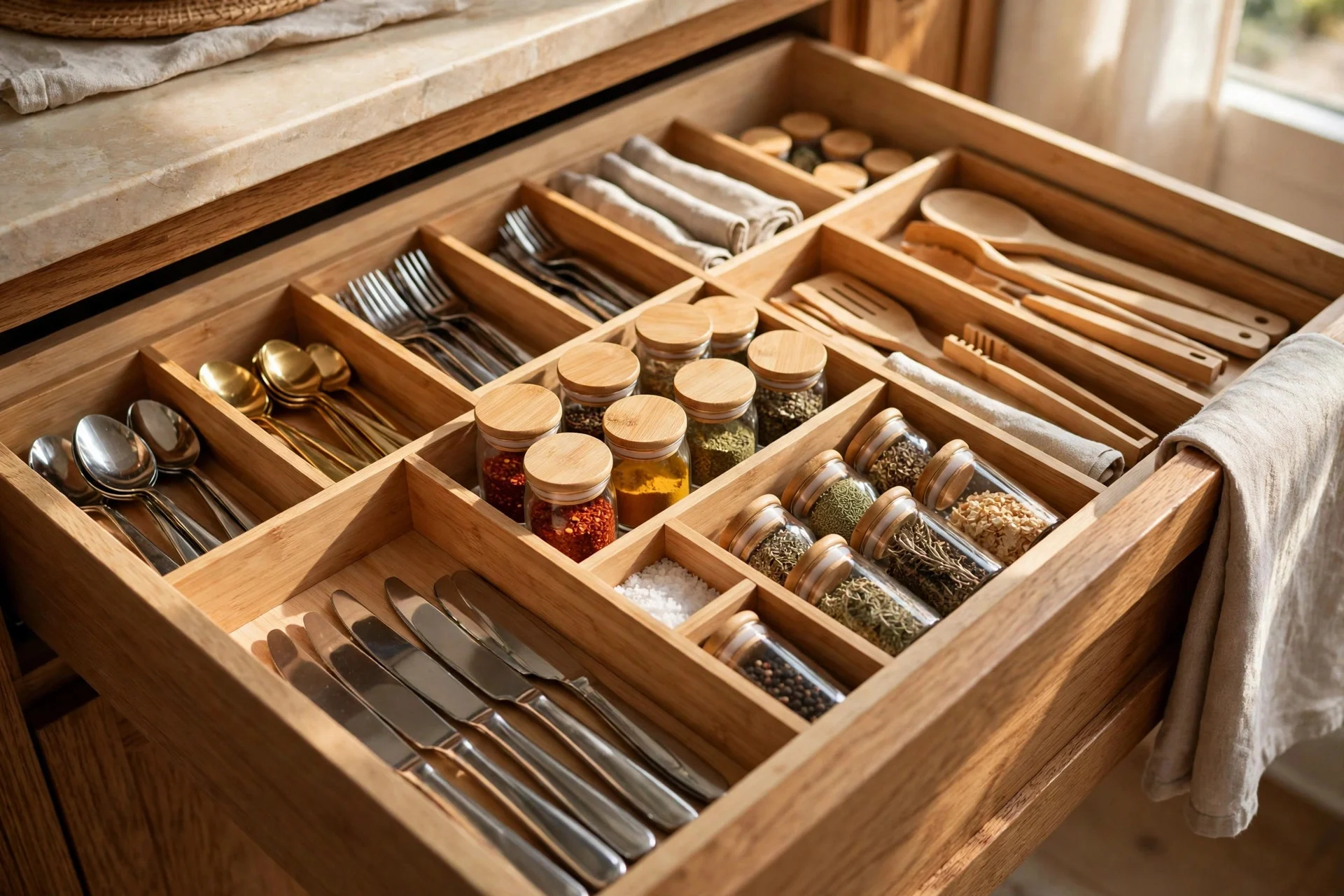
Budget $12–$30 per pull, or $240–$600 for 20 drawers. This is a moderate job — plan a full afternoon, because hole spacing varies by pull length and each drawer front needs careful measuring. Tip: aim for a pull about one-third of the drawer front. Watch out: very long pulls on narrow drawers look out of scale, so measure twice before ordering a full set. If your drawers hold heavy pots, good drawer organization matters just as much as the pull you pick.
The Island: One Bold Move
The island can carry a bolder choice than the perimeter cabinets.
3. Oversized Pulls on the Kitchen Island
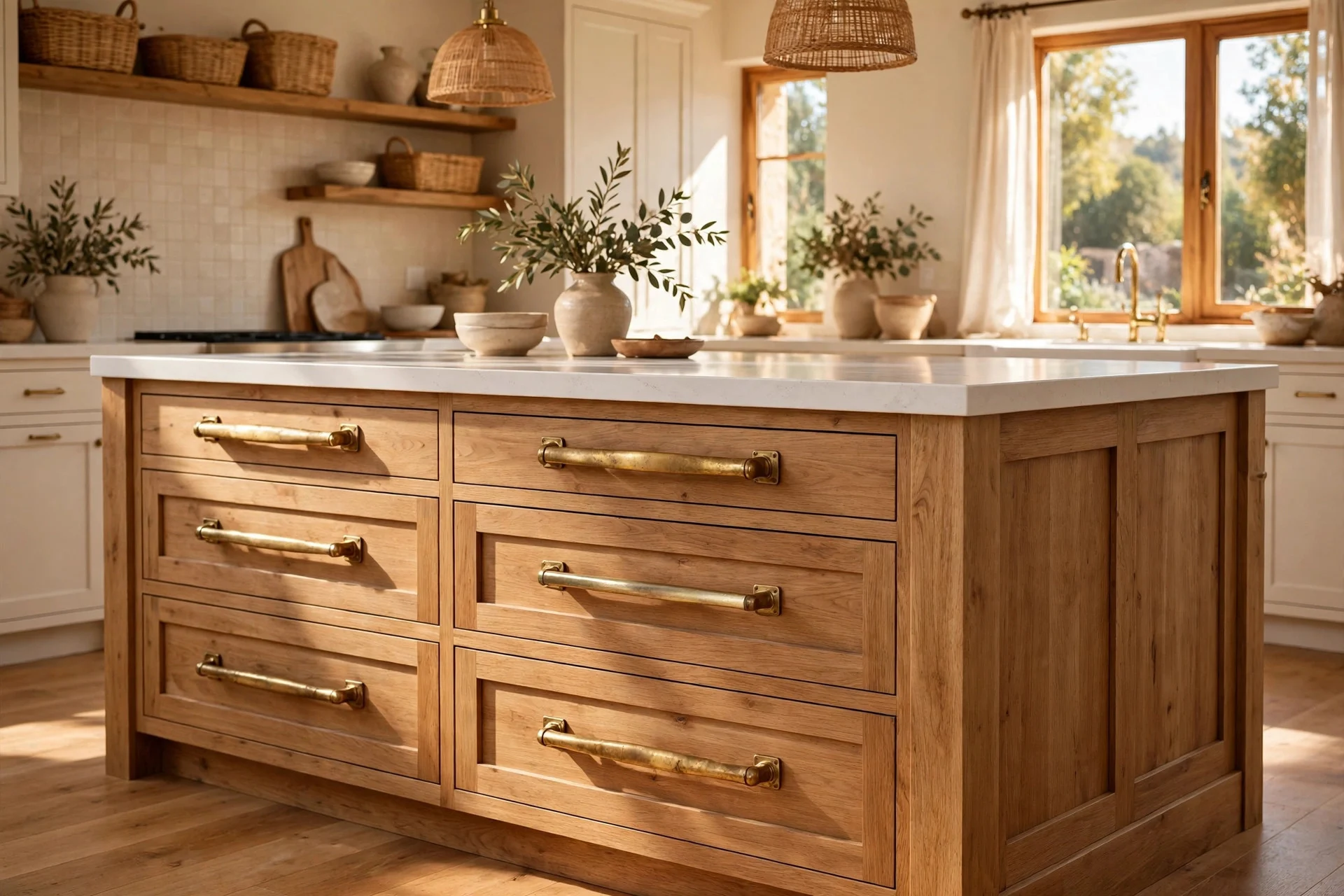
Oversized pulls — 12 to 18 inches long — turn the island into a focal point without adding color or pattern to the room. They suit islands with deep drawers for pans and baking trays, because the long grip makes heavy drawers easy to open with one hand. The size difference between island pulls and wall-cabinet knobs gives the kitchen a layered feel.
Plan on $25–$60 per pull, so four to six island pulls cost $100–$360. Fitting takes about an hour once the holes are marked, though you may need to drill new holes if the island drawers were built for knobs. Tip: order pulls with the same center-to-center measurement across the whole island, even if the drawers differ in width. Watch out: oversized pulls stick out further than knobs, so leave clear walkway space on the working side of the island.
Shop this idea
Lava Odoro Champagne Gold Kitchen Faucet with Pull Down Sprayer, Single Handle Kitchen Sink Faucet, Gold Faucet for Kitchen Sink 1 Hole and 3 Hole, Deck Plate Included, KF421-CB
A solid-brass champagne-gold pull-down faucet — the hardworking brass piece the sink section is about.
As an Amazon Associate I earn from qualifying purchases. (paid link)
The Sink Area: Brass That Gets Touched Every Day
Expect the fastest patina here — water, soap, and daily touch all speed it up.
4. Unlacquered Brass Bridge Faucet at the Sink
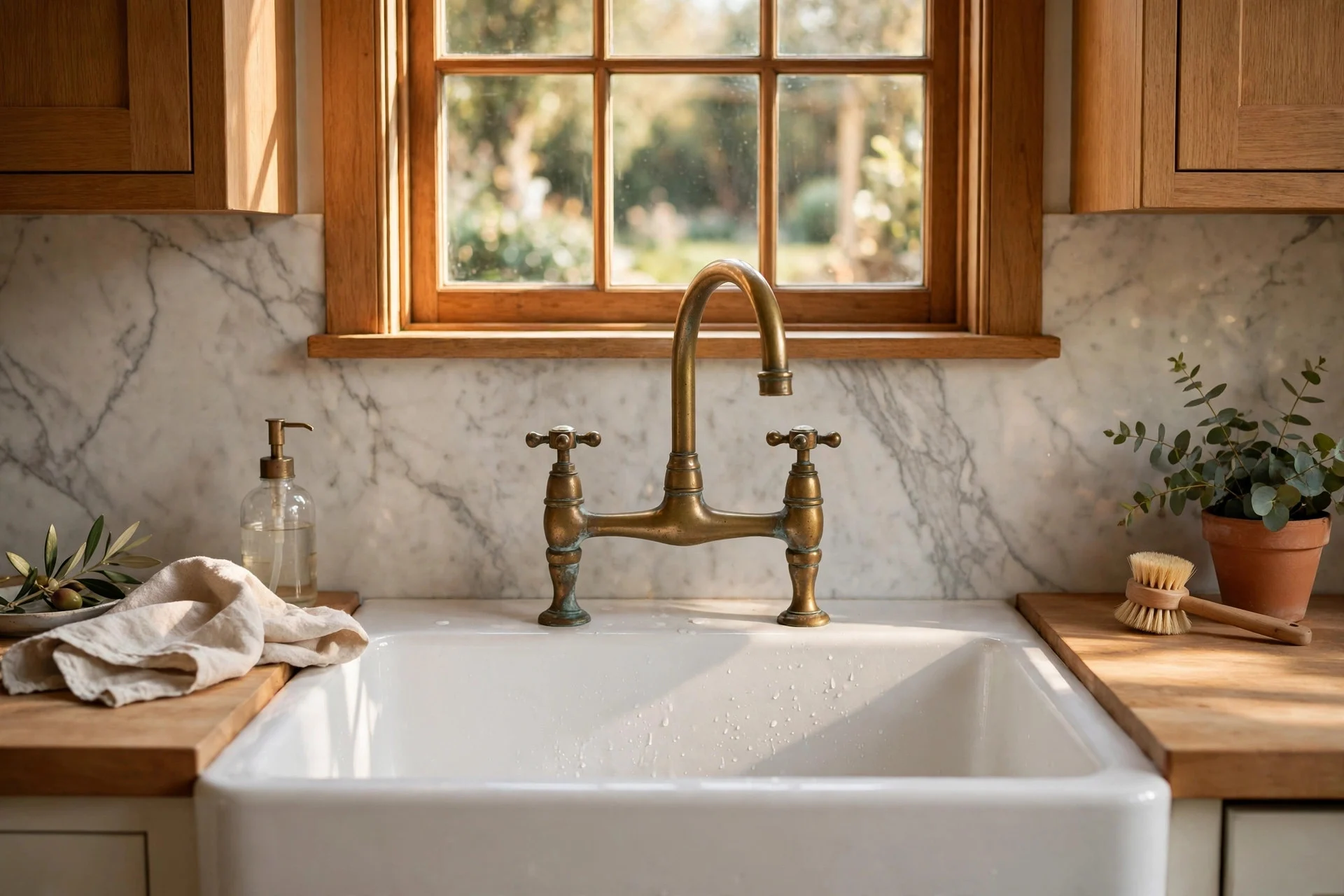
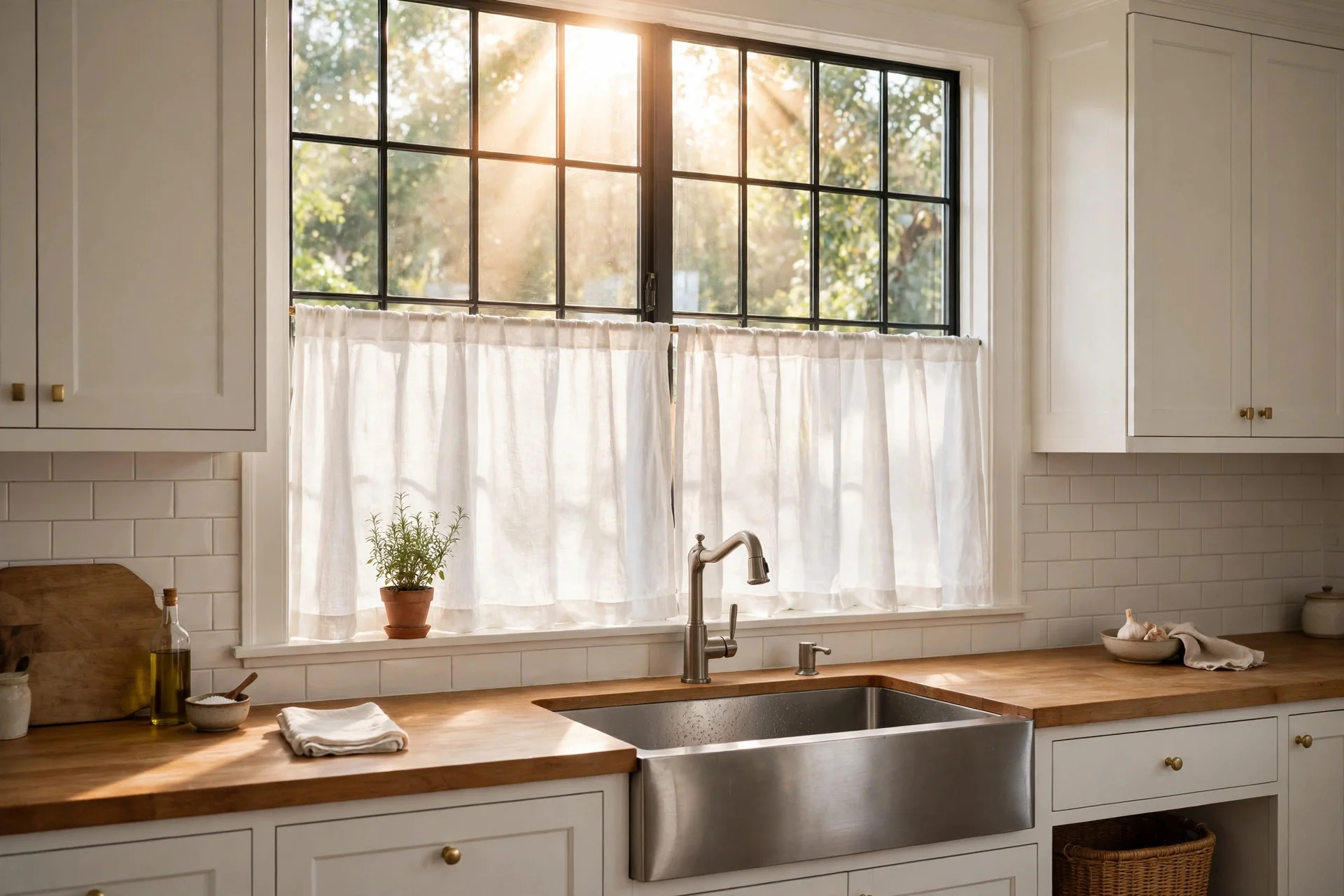
A bridge faucet, with its two handles joined by a raised bar, is one of the clearest ways to make brass the star of the sink wall. It suits farmhouse and classic kitchens, pairs well with a white apron-front sink, and the raised spout gives you room to fill tall pots. As the largest brass piece in most kitchens, its patina sets the tone for the rest.
A solid brass bridge faucet costs $350–$900, plus $200–$450 for a plumber to fit it if your sink holes need changing. Allow half a day, and check your hole spacing before you order. Tip: pick a faucet with the same unlacquered finish as your knobs, not a lacquered brass that will stay bright while everything else darkens. Watch out: hard water leaves pale spots on unlacquered brass, so wipe the spout dry after heavy use if you want an even patina rather than water marks.
5. Brass Cup Pulls and a Matching Soap Dispenser
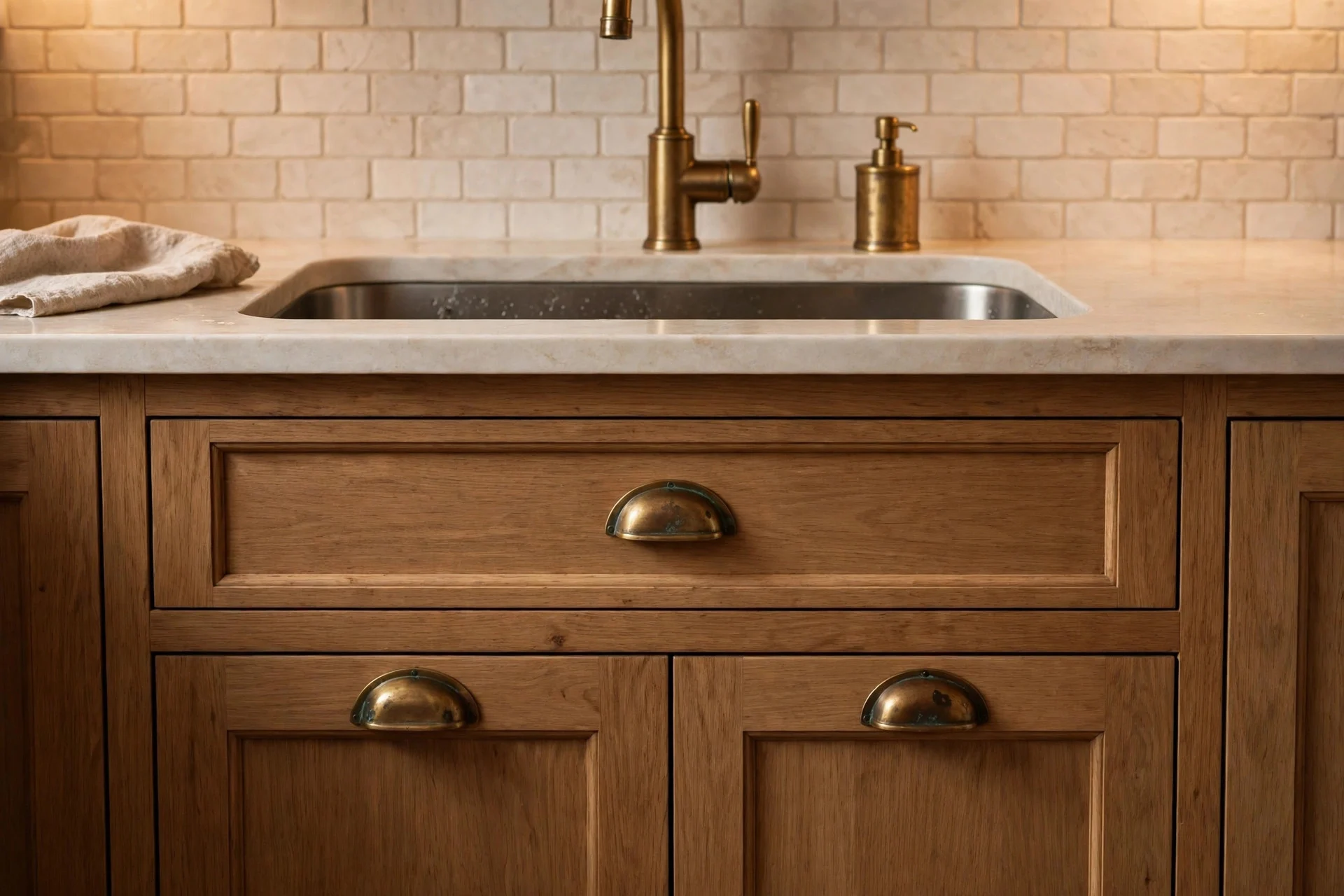
Cup pulls — the half-moon shape your fingers hook under — are made for the drawers around the sink, where wet hands need a forgiving grip. Pair them with a small brass soap dispenser in the same finish and the whole sink run looks pulled together for very little money. The cup shape also hides fingerprints better than a flat bar.
Cup pulls run $8–$18 each, and a matching soap dispenser costs $30–$80, so six pulls plus a dispenser lands around $80–$190. Fitting is easy, about an hour with a template. Tip: fit cup pulls on the false drawer front under the sink too, so the run reads as one piece instead of a gap. Watch out: soap and dishwater splash will darken cup pulls faster than wall-cabinet knobs — let it happen, since a set that ages at different speeds still looks fine once the whole kitchen catches up.
The Range and Hood: Heat, Steam, and a Little Drama
Heat and steam rule here, so one solid piece beats a cluster of small ones.
6. Brass Pot Filler Above the Range
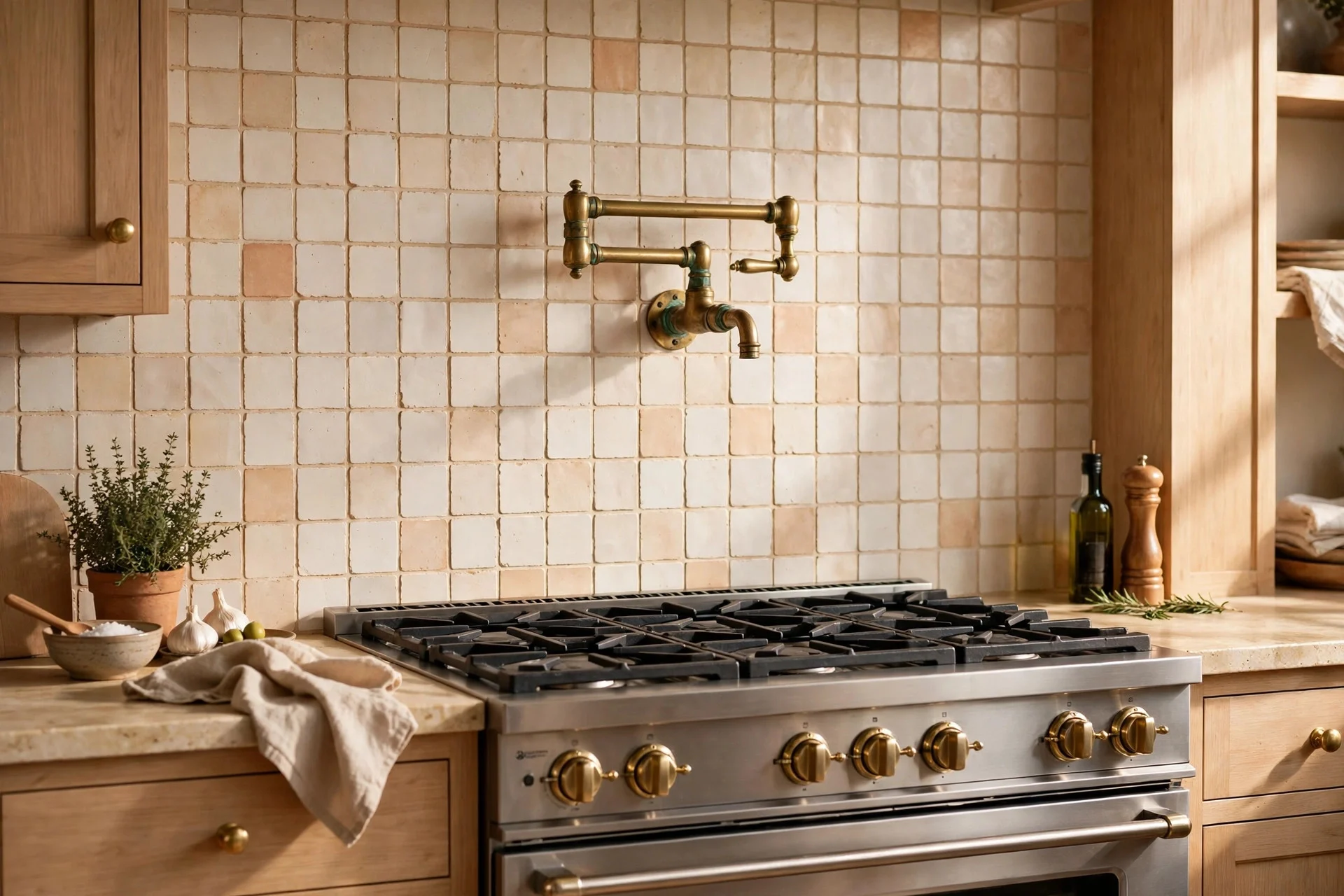
A pot filler is a cold-water tap mounted on the wall above the range, so you can fill a pot where it sits instead of carrying it from the sink. In unlacquered brass it doubles as jewelry on a tiled backsplash, and it is genuinely useful if you cook pasta, stock, or big pots of soup often. It only makes sense if the range wall has water access behind it, so check the plumbing first.
The filler itself costs $250–$700, and fitting runs $300–$600 because a water line has to be run inside the wall. This is a plumber’s job — allow a full day if the wall is open, longer if tile has to come off and go back. Tip: pick a filler that folds flat against the wall when not in use, so it never blocks a tall pot. Watch out: steam and heat will darken the brass fast, and a pot filler is hard to reach for polishing, so expect a rich, dark patina here rather than a bright finish.
Open Shelving: Brass as Structure
The brackets are part of the display, so make them count.
7. Brass Shelf Brackets and a Hanging Rail
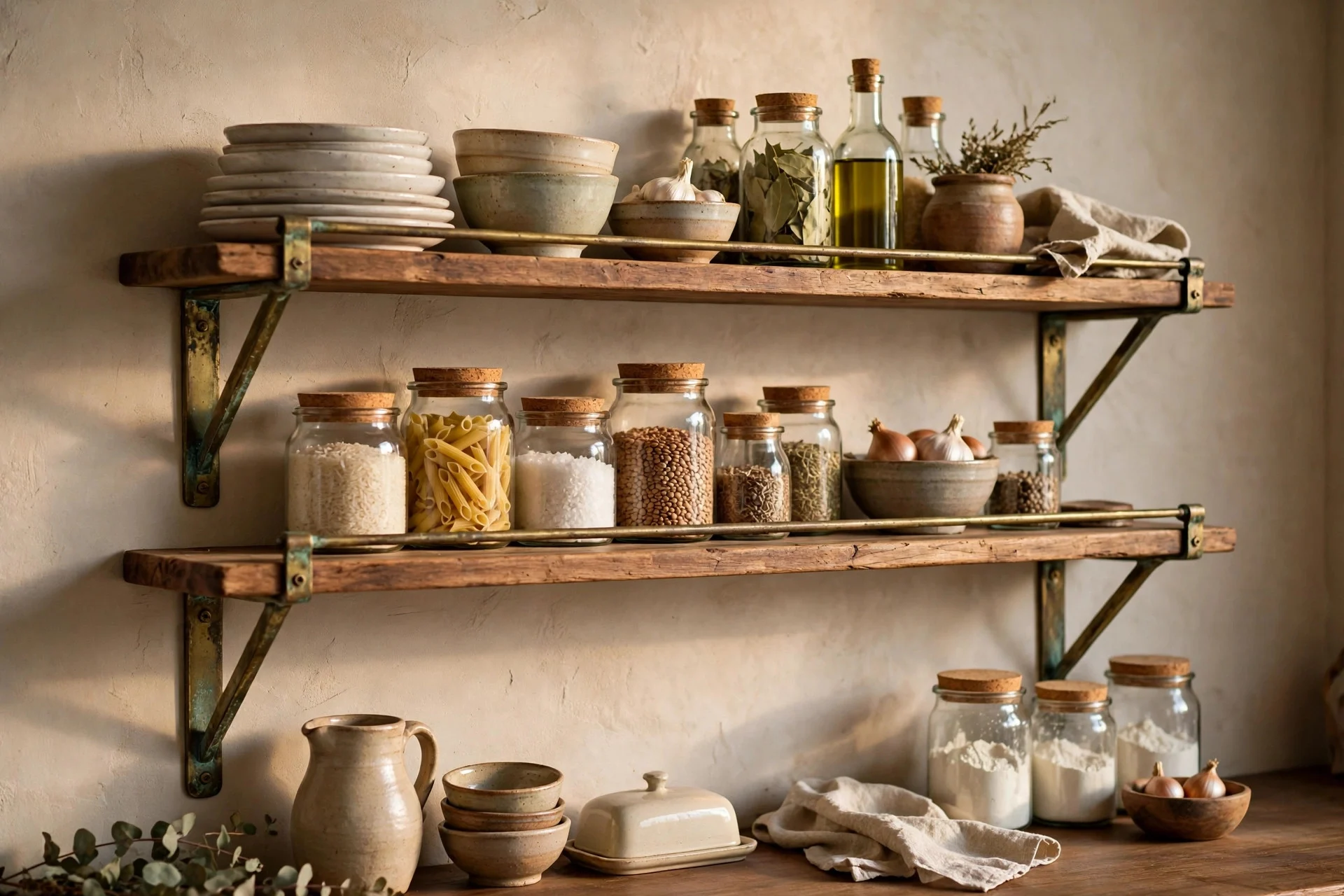
Wood shelves on unlacquered brass brackets look warm and unfussy, and a slim brass rail under the lowest shelf gives you a place to hang cups, small pans, or a tea towel. Keep it to two or three shelves of everyday dishes, not a crowded display. Because the brackets are structural, they need to be solid brass or brass over steel — thin plated brackets bend under a shelf of plates.
Budget $20–$45 per bracket and $40–$90 for a rail with hooks, so a three-shelf run with six brackets and one rail costs $160–$360. Fitting is moderate — about 2–3 hours with a level, a stud finder, and wall anchors rated for the load. Tip: screw brackets into studs wherever you can, because a shelf of dishes is heavier than it looks. Watch out: brass brackets patina at different rates depending on how often they are touched, so wipe them with the same cloth on the same day to keep the tone even.
Shop this idea
CASAMOTION Pendant Lights Kitchen Island 2 Pack, Modern Contemporary Clear Glass Organic Globe Brass Gold Hanging Light, Adjustable Cord, 8 Inch
Brass-and-glass globe pendants that put the post’s glowing brass exactly where the lighting section puts it.
As an Amazon Associate I earn from qualifying purchases. (paid link)
The Lighting: Brass That Glows
A sconce or pendant in the same finish ties the knobs and pulls together. Keep the light warm — cool bulbs make brass look flat.
8. Brass Sconces Flanking the Range Hood
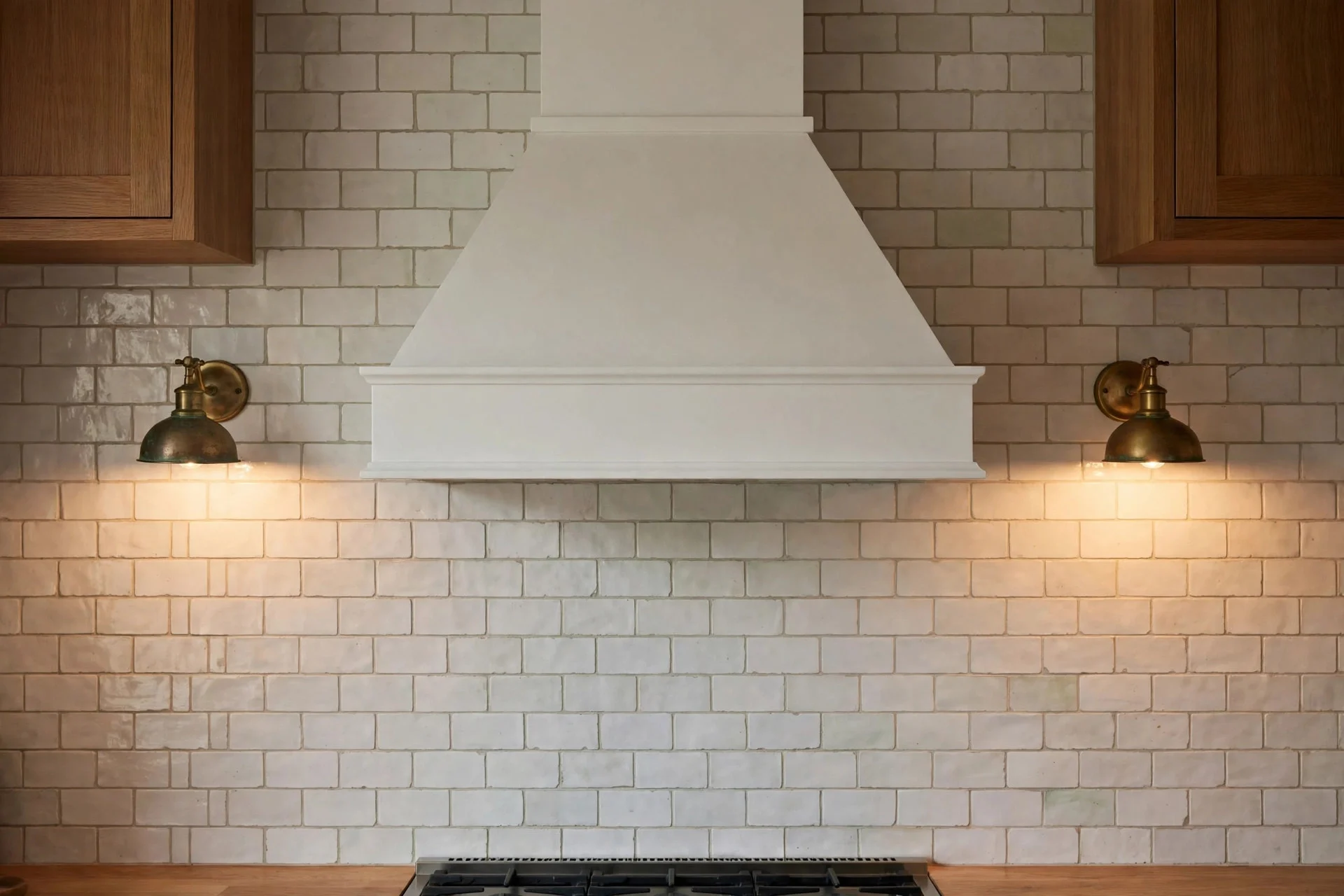
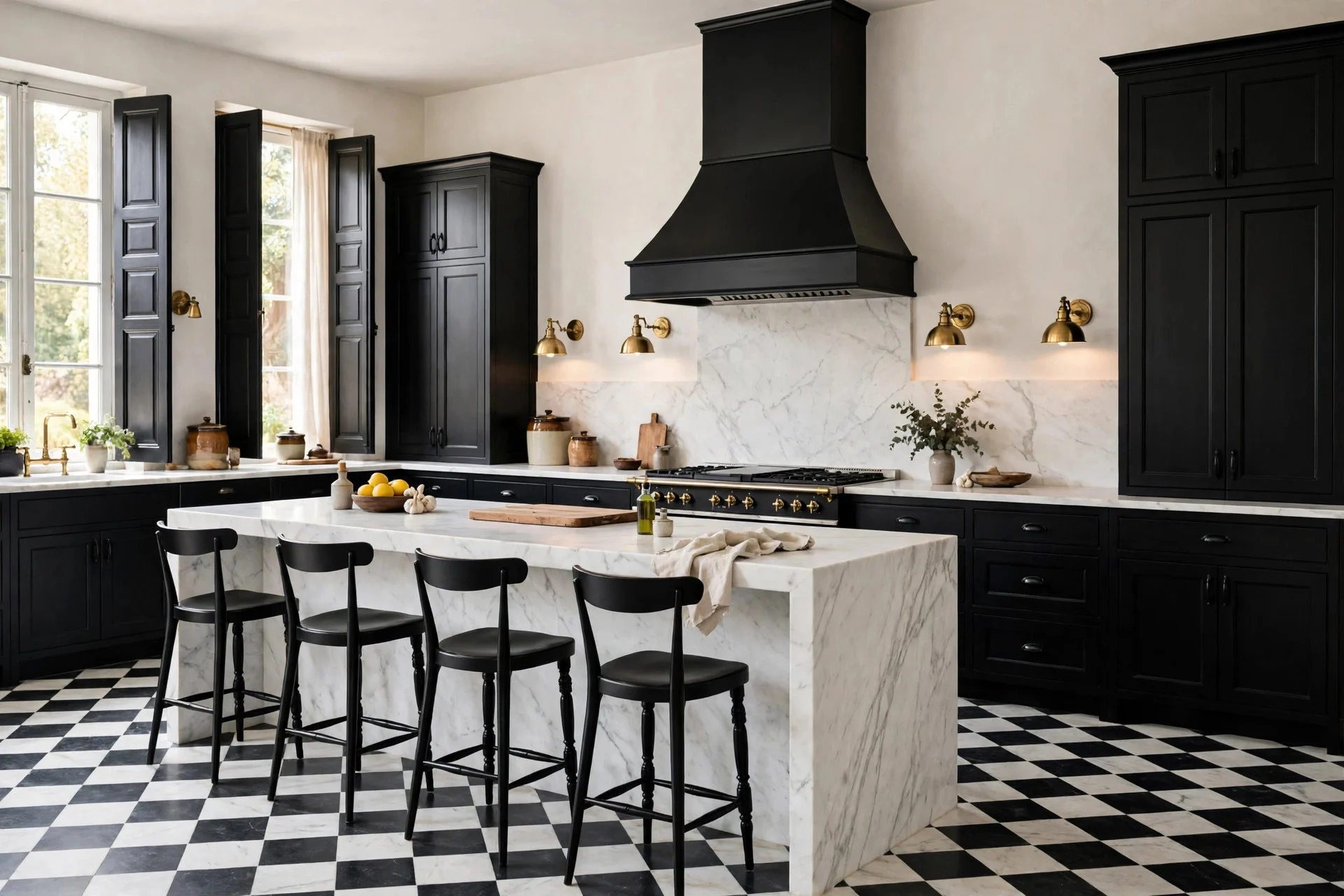
A pair of small brass sconces on either side of the hood frames the cooking wall and adds light exactly where you chop and stir. They cost far less than a pair of pendants while giving the same warm glow. The sconce arms in unlacquered brass will darken with heat over time, which suits the spot — expect them to go deeper in tone than the knobs across the room.
Each sconce costs $80–$220, so a pair runs $160–$440, plus $150–$300 for an electrician if new wiring is needed. Allow half a day for fitting with wiring, or under an hour if the boxes are already in place. Tip: use warm bulbs around 2700K so the brass reads honey-toned instead of yellow, and put the sconces on a dimmer. For more ways to use sconces, see these kitchen sconce lighting ideas. Watch out: sconces beside a hood collect cooking grease, so wipe them weekly with a soft dry cloth.
The Pantry and Larder: Hardware You Feel More Than See
Spend a little more per piece here — you feel it every time you open the door.
9. Brass Latches and Hinges on the Pantry Door
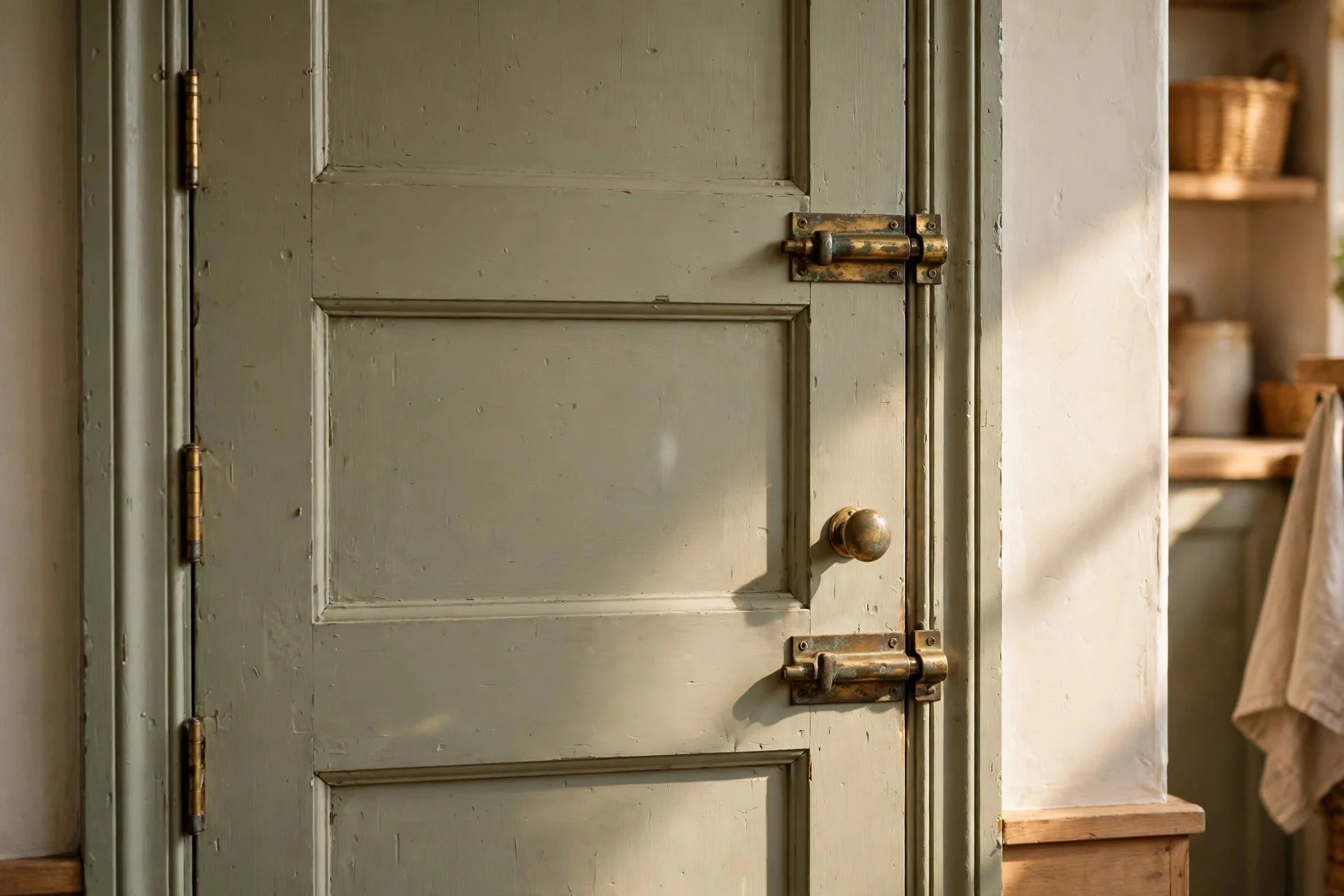
A pantry door with a brass latch, a pair of exposed hinges, and a small knob feels like a piece of furniture rather than a cupboard door. The latch gives a soft click when it closes, the hinges show their work, and the brass warms up a painted door in a way a hidden hinge never will. This suits a walk-in pantry or a tall larder cupboard.
A latch costs $25–$60, exposed hinges run $15–$35 a pair, and a knob adds $8–$15, so the set lands around $50–$110 per door. Fitting is moderate — about 1–2 hours, including marking the latch strike so the door closes cleanly. Tip: fit the hinges first, check the door swings true, and only then mark the latch, because a door that drops even slightly will make the latch miss. Watch out: a latch on a door that gets slammed will wear faster, so pull it shut rather than pushing it.
The Breakfast Nook: A Softer Use of Brass
Keep the brass light and decorative in this corner.
10. Brass Details on the Breakfast Nook Bench
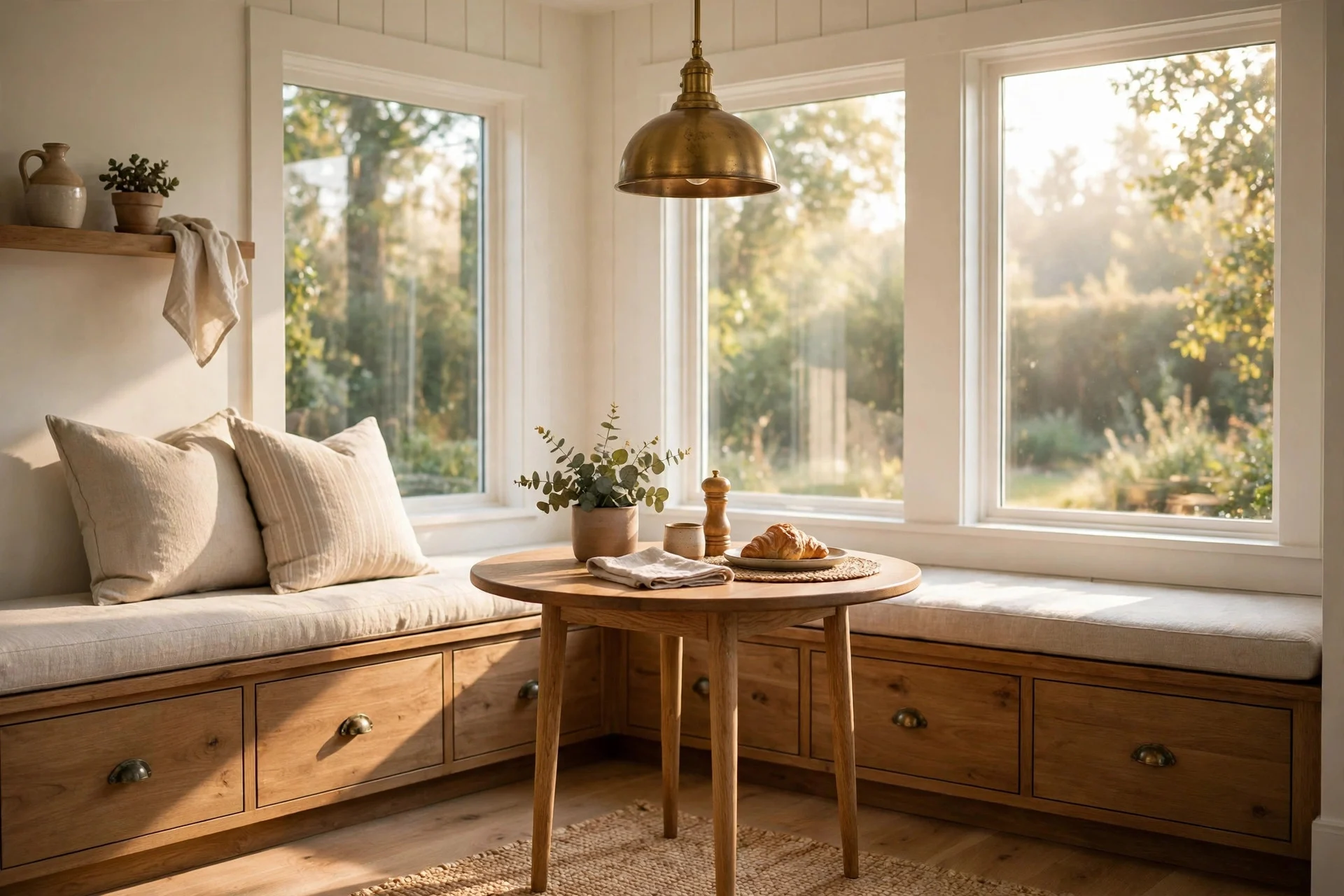
A built-in bench with storage drawers under the seat is the hardest-working piece in a breakfast nook, and small brass knobs make those drawers easy to open without breaking the calm of the corner. Add a single brass pendant over the table in the same finish and the nook feels tied to the kitchen without copying it. The pendant lights the table, while the knobs keep the bench looking like furniture.
Knobs for a bench with four drawers cost $25–$55, and a small brass pendant runs $120–$300, plus $100–$200 for fitting if wiring is needed. The knobs are a half-hour job; the pendant is an electrician’s hour. Tip: hang the pendant about 30–36 inches above the tabletop, and use a dimmer so breakfast feels bright and dinner feels soft. Watch out: bench drawers get kicked and scuffed by shoes, so pick knobs with a rounded profile that will not catch on clothing.
The Finishing Details: Small Pieces, Big Payoff
Small, cheap, and touched daily — these details finish the story.
11. Brass Towel Rings, Switch Plates, and Bin Pulls
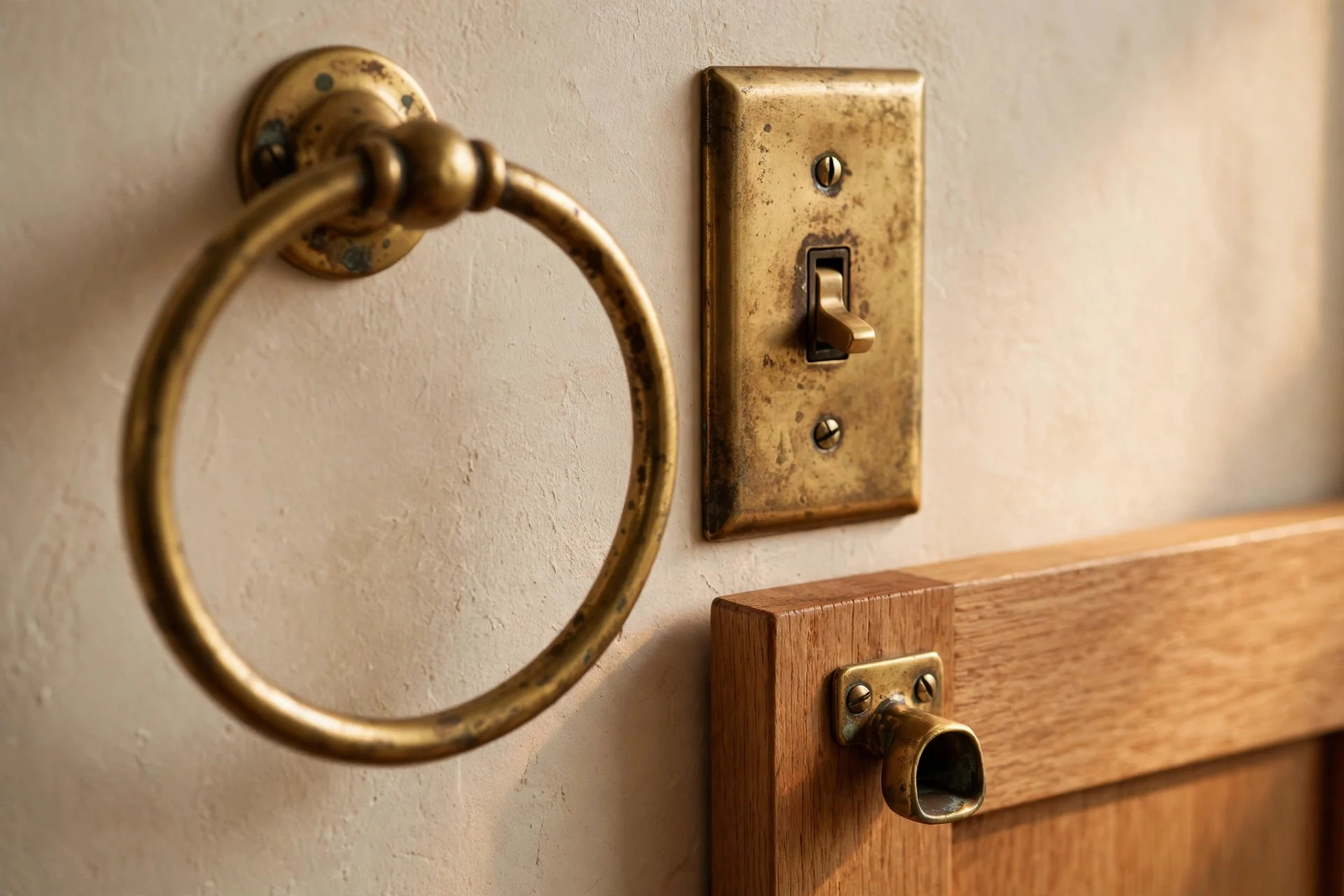
A brass towel ring beside the sink, brass switch plates on the backsplash wall, and bin pulls on the trash and recycling drawers are the details that make the brass story feel complete. Together they repeat the finish in spots the eye lands on all day. Bin pulls — wide, shallow pulls your fingers hook under — are especially good on the trash drawer, which gets opened with messy hands.
A towel ring costs $20–$45, switch plates run $8–$20 each, and bin pulls cost $10–$22 each, so one ring, three plates, and two bin pulls lands around $75–$175. Fitting is easy — about an hour with a screwdriver and a level for the ring. Tip: buy switch plates in solid brass rather than plated plastic, because the plastic ones chip at the screw holes and the color never matches real brass. Watch out: a towel ring beside the sink will patina fastest of all these pieces, so wipe the whole set on the same day and leave polish off unless you plan to polish everything. A two-tone cabinet scheme in green and oak pairs well with these small brass details, because the warm metal sits between the two cabinet colors and pulls them together.
How to Care for Unlacquered Brass
Unlacquered brass darkens because air, touch, and water react with the bare metal. That is not damage — it is the finish doing what it is meant to do. If you like the aged look, wipe pieces with a soft dry cloth and let the patina build. A paste of lemon juice and baking soda will lift it if you want a piece bright again, but it will come back. Never use a scouring pad — it scratches the soft metal. Pick unlacquered brass because you like how it ages, not because you plan to keep it looking new.
Frequently Asked Questions
Does unlacquered brass tarnish in a kitchen?
Yes, it darkens and develops a patina from air, touch, water, and cooking steam. That is normal, and many people choose it for exactly that aged look. If you want it bright, expect to polish it often.
Can you mix unlacquered brass with other metals?
Yes, if you keep one metal clearly in charge. Let brass be the main finish on hardware, taps, and lights, and use a second metal — such as matte black or stainless steel — in small amounts on appliances or a single fixture. Keep the second metal to one or two spots.
Is unlacquered brass hard to clean?
No, daily care is simple: a soft cloth, warm water, and a dry wipe is enough for most pieces. Avoid harsh cleaners and scouring pads, which scratch the metal. The choice is whether to polish it bright or let the patina build.
Does unlacquered brass suit a modern kitchen?
Yes, it works well in modern kitchens when the shapes stay simple — slim bar pulls, round knobs, and clean-lined faucets. The warm, aged tone softens flat-panel cabinets and pale stone, which keeps a modern kitchen from feeling cold. Pair it with plain fronts.
How much does it cost to switch a kitchen to unlacquered brass hardware?
For knobs and pulls alone, most kitchens land between $300 and $900, depending on how many doors and drawers you have. Adding a brass faucet or pot filler pushes the total to $800–$2,000 or more. Start with knobs and pulls, live with the patina for a few weeks, then add the faucet or lights.
Wrap-Up: Start Small, Then Commit
If you are new to unlacquered brass, start with the knobs and pulls and give them a month. Watch how they darken where your hands land. If you like what you see, add the faucet next, then the lighting. The kitchens that pull this off best are not the ones with the most brass, but the ones where every brass piece looks like it belongs. Pick three starting spots, order one piece first to test the tone, and build from there.