
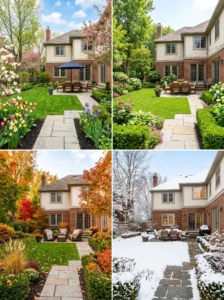
A clean backyard has a way of making an entire home feel more organized. The problem is that many homeowners spend hours cleaning their outdoor spaces in spring, only to watch leaves, weeds, clutter, and dirt slowly take over again a few weeks later. What starts as a beautiful outdoor retreat can quickly become a space that feels neglected and difficult to manage.
The biggest misconception about backyard maintenance is that it requires constant work. In reality, the cleanest-looking backyards aren’t necessarily the ones that receive the most attention—they’re the ones designed and maintained strategically. Small habits, smart landscaping choices, and a few preventive measures can dramatically reduce the amount of time you spend cleaning throughout the year.
Whether you have a large backyard, a small urban garden, or a modest outdoor space, keeping it tidy doesn’t have to become a weekend-long project every month. The key is focusing on systems that prevent mess before it happens.
In this guide, you’ll discover practical ideas that help maintain a neat, inviting backyard through every season. From landscaping choices and storage solutions to simple maintenance routines, these tips are designed to help you enjoy your outdoor space more while spending less time cleaning it.
1. Create a Simple Weekly Maintenance Routine
One of the biggest reasons backyards become messy is that small tasks get postponed until they become major projects. A simple weekly routine prevents that cycle from happening.
The idea works because outdoor mess tends to build gradually. Fallen leaves, scattered toys, overgrown grass, and garden debris are easier to manage when addressed regularly instead of seasonally.
This approach works for backyards of any size. Even a large yard becomes manageable when maintenance is broken into smaller tasks. Dedicate 15 to 30 minutes once or twice a week to basic upkeep.
Focus on quick wins: pick up debris, sweep hard surfaces, empty outdoor trash bins, and inspect garden beds. Keep a broom, rake, and gardening gloves in an accessible location so setup doesn’t become a barrier.
Many homeowners find that a short Saturday morning routine prevents hours of cleanup later. The backyard always feels “almost clean,” which makes outdoor gatherings far less stressful.
2. Use Mulch in Garden Beds
Few landscaping materials make a backyard look cleaner than fresh mulch.
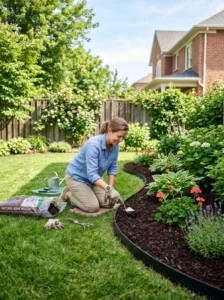
Mulch works because it covers exposed soil, suppresses weeds, and creates visual consistency throughout the landscape. Bare soil often looks unfinished and quickly becomes muddy after rain.
It works particularly well around flower beds, trees, shrubs, and pathways. Organic mulch options like bark chips or shredded wood blend naturally into most backyard designs.
Apply a layer approximately two to three inches thick. Avoid piling mulch directly against tree trunks or plant stems, which can encourage moisture problems.
Choose a mulch color that complements your home’s exterior. Dark brown and black mulches often create a polished appearance, while natural wood tones provide a softer look.
Beyond aesthetics, mulch reduces watering needs and limits weed growth, meaning less maintenance throughout the year. It’s one of the simplest ways to instantly make a backyard appear more organized and professionally maintained.
3. Install Proper Storage for Outdoor Items
A backyard can be perfectly clean yet still look cluttered if tools, toys, and furniture accessories are scattered everywhere.
Storage solutions work because they give every item a designated home. Without storage, objects naturally migrate across patios, lawns, and garden areas.
This is especially important for family backyards where children’s toys, sports equipment, gardening tools, and outdoor cushions are frequently used.
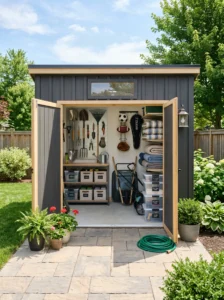
Weather-resistant storage boxes, garden sheds, and deck storage benches are excellent options. Choose storage that matches your outdoor style rather than treating it as an afterthought.
One common mistake is buying storage that’s too small. Leave room for future items and seasonal equipment.
The practical benefit becomes obvious during gatherings. Instead of spending an hour collecting items before guests arrive, you simply place everything back in its designated spot.
4. Keep Grass Properly Maintained
A healthy lawn instantly makes a backyard appear cleaner.
Grass acts as the visual foundation of most outdoor spaces. When it’s overgrown, patchy, or filled with weeds, the entire yard can look neglected regardless of how clean everything else is.
Regular mowing, watering, and seasonal fertilization help maintain a tidy appearance. The ideal mowing frequency depends on climate and grass type, but consistency matters more than perfection.
This tip is especially valuable for larger backyards where the lawn occupies a significant percentage of visible space.
Avoid cutting grass too short, as this weakens the lawn and encourages weed growth. Sharp mower blades also create cleaner cuts and healthier turf.
A neatly maintained lawn provides a sense of order and makes outdoor seating areas feel more inviting. Even simple landscaping appears more intentional when framed by healthy grass.
5. Add Defined Pathways
Backyards often look messy when people create informal walking routes through grass and garden beds.
Defined pathways solve this problem by guiding movement and visually organizing the landscape.
Stone pavers, gravel paths, stepping stones, and brick walkways all work well depending on your backyard style. Pathways are particularly useful in medium and large gardens where multiple zones exist.
Keep path materials consistent with the home’s architectural style. Modern homes often pair well with concrete pavers, while cottage gardens may suit natural stone.
Proper edging helps maintain clean lines and prevents materials from spreading into surrounding areas.
Besides improving appearance, pathways reduce muddy footprints and lawn damage, helping the entire backyard stay cleaner year-round.
6. Control Weeds Before They Spread
Weeds can make even a well-designed backyard look untidy.
The reason weed control works is simple: weeds create visual chaos. They interrupt clean lines, crowd desired plants, and signal neglect.
Early intervention is far easier than major weed removal projects. Check garden beds weekly and remove weeds before they mature and spread seeds.
This strategy is useful in every climate and backyard size. Focus especially on garden edges, fences, and hardscape cracks where weeds often appear first.
Mulch, landscape fabric, and proper plant spacing can all help reduce weed growth naturally.
Consistent weed control creates a cleaner appearance while protecting your landscape investment from unnecessary competition and overcrowding.
7. Trim Trees and Shrubs Regularly
Overgrown plants can quickly make a backyard feel crowded and unkempt.
Pruning works because it maintains structure and prevents landscaping from overwhelming the space.
Trees and shrubs should complement the yard, not dominate it. Regular trimming improves airflow, plant health, and overall appearance.
This is particularly important near patios, walkways, and property lines where growth can make areas feel cluttered.
Avoid aggressive pruning that removes too much growth at once. Instead, make smaller seasonal adjustments.
Well-maintained shrubs create a neat, intentional look that often resembles professionally landscaped properties without requiring extensive renovations.
8. Use Outdoor Trash and Recycling Stations
Many backyard messes come from temporary waste that never makes it indoors.
Dedicated outdoor waste stations solve this problem by providing a convenient place for garbage and recycling.
This idea works especially well for entertaining spaces, grilling areas, and family-friendly backyards.
Choose bins with secure lids to prevent pests and weather-related messes. Position them near seating or cooking zones for easy access.
A common mistake is hiding bins too far away, making them inconvenient to use.
When guests and family members can easily dispose of waste, litter is less likely to accumulate across the yard.
9. Pressure Wash Hard Surfaces Seasonally
Dirt builds up gradually on patios, decks, driveways, and walkways.
Pressure washing works because it restores surfaces to their original appearance with relatively little effort.
This method is ideal for concrete, brick, stone, and certain deck materials. Even surfaces that appear reasonably clean often look dramatically better after washing.
Schedule deep cleaning at least twice a year, with additional cleaning as needed in high-traffic areas.
Be careful not to use excessive pressure on delicate materials that could become damaged.
Clean hardscapes instantly brighten the entire backyard and create a well-maintained appearance that visitors notice immediately.
10. Keep Outdoor Furniture Covered
Outdoor furniture is often one of the first things people notice in a backyard.
Furniture covers help because they prevent dirt, pollen, moisture, and debris from accumulating on surfaces.
This is particularly useful in regions with seasonal weather changes, strong winds, or frequent rainfall.
Invest in fitted covers rather than generic oversized options that can blow away easily.
Store cushions in waterproof containers when not in use for extended periods.
Clean furniture creates an inviting atmosphere and reduces preparation time whenever you want to enjoy your outdoor space.
11. Maintain Clean Edges Around Landscaping
Sharp landscape edges create a surprisingly large visual impact.
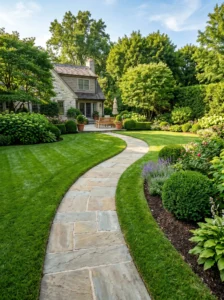
Clean edging works because it establishes clear boundaries between lawns, garden beds, and pathways.
Without edging, grass and plants can slowly spread into neighboring areas, creating a messy appearance.
This technique works especially well in formal gardens, modern landscapes, and smaller yards where organization matters.
Use edging tools, metal borders, stone edging, or brick separators depending on your style preferences.
Many homeowners are surprised by how much cleaner their backyard looks after simply redefining garden borders.
12. Remove Fallen Leaves Promptly
Leaves are beautiful on trees but often messy on the ground.
Prompt leaf removal prevents buildup, mold growth, and lawn damage. It also helps outdoor areas look cared for throughout the year.
This is especially important during autumn but remains relevant whenever trees shed debris.
Rakes, leaf blowers, and lawn vacuums can all be effective depending on yard size.
Compost healthy leaves whenever possible rather than sending them to waste.
Regular leaf removal keeps patios, lawns, and pathways looking neat while reducing seasonal cleanup demands.
13. Create Designated Activity Zones
A backyard often feels cluttered when multiple activities compete for the same space.
Creating zones works because it organizes the landscape according to purpose.
Consider separate areas for dining, lounging, gardening, children’s play, and storage. This approach works particularly well in medium and large yards.
Use furniture arrangement, pavers, planters, or landscaping features to define zones visually.
Avoid overcrowding individual areas with too many functions or accessories.
Organized zones create a cleaner appearance and make daily backyard use feel more comfortable and intentional.
14. Choose Low-Maintenance Plants
The easiest backyard to keep clean is one that naturally requires less maintenance.
Low-maintenance plants work because they need less pruning, watering, cleanup, and replacement.
Native plants, drought-tolerant species, ornamental grasses, and hardy shrubs are often excellent choices.
This strategy is especially beneficial for busy homeowners who want attractive landscaping without constant upkeep.
Research plant growth habits before purchasing. Some attractive plants create significant litter through flowers, fruit, or seed pods.
A thoughtfully selected plant palette keeps the backyard attractive while reducing long-term maintenance demands.
15. Perform Seasonal Backyard Inspections
Many backyard problems start small and become expensive or messy when ignored.
Seasonal inspections work because they identify issues before they affect the overall appearance of the yard.
Walk through the property every season and check fences, irrigation systems, furniture, pathways, lighting, and plant health.
This habit works for every backyard regardless of size or design style.
Create a simple checklist and document any repairs that need attention.
Homeowners who perform routine inspections often spend less on maintenance while enjoying a consistently cleaner and more attractive outdoor space.