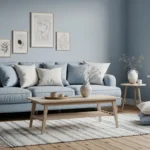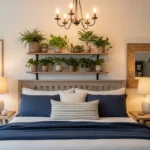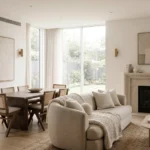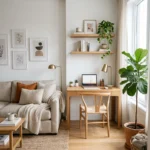
Moving into a new home is exciting right up until the moment you realize you have to decorate it. Suddenly, those empty rooms that seemed full of possibility start feeling overwhelming. You scroll through social media, save dozens of inspiration photos, and then wonder why none of them seem to fit your actual space.
The truth is that most people don’t struggle with decorating because they lack creativity. They struggle because they try to make too many decisions at once. Paint colors, furniture styles, rugs, lighting, artwork, storage solutions—the list feels endless. It’s easy to spend money on pieces that looked great in a showroom but feel completely wrong once they’re in your home.
A well-decorated home isn’t created by buying everything at once. It’s built gradually through thoughtful decisions that reflect how you live and what makes you comfortable. The best homes rarely look like furniture catalogs. Instead, they feel balanced, practical, and personal.
If you’re staring at blank walls and empty rooms wondering where to begin, you’re not alone. The good news is that decorating becomes much easier when you break it into manageable steps.
In this guide, you’ll learn practical decorating ideas that help create a comfortable, attractive home without feeling overwhelmed. Whether you’re furnishing your first house, moving into an apartment, or starting fresh after a relocation, these tips will help you build a home that feels intentional and inviting.
1. Start With One Room Instead of the Entire House
One of the biggest decorating mistakes people make is trying to furnish every room simultaneously. It sounds efficient, but it usually leads to rushed decisions and a drained budget.
Focusing on one room gives you a clear direction and allows you to establish a style before spreading it throughout the home. Most people begin with the living room because it’s typically the most used and visible space.
Think about how the room will function daily. Is it mainly for relaxing, entertaining guests, or spending time with family? Answering that question helps guide furniture and decor choices.
Avoid buying matching furniture sets immediately. Instead, select a few key pieces and build around them gradually.
A finished room also creates momentum. Seeing one space come together can make decorating the rest of the house feel far less intimidating.
2. Identify a Style You Actually Like
Many homeowners buy trendy items without understanding their personal style. A month later, they’re wondering why the room feels disconnected.
Before purchasing anything major, spend time collecting inspiration. Save images of rooms that consistently catch your attention. Patterns will start to emerge.
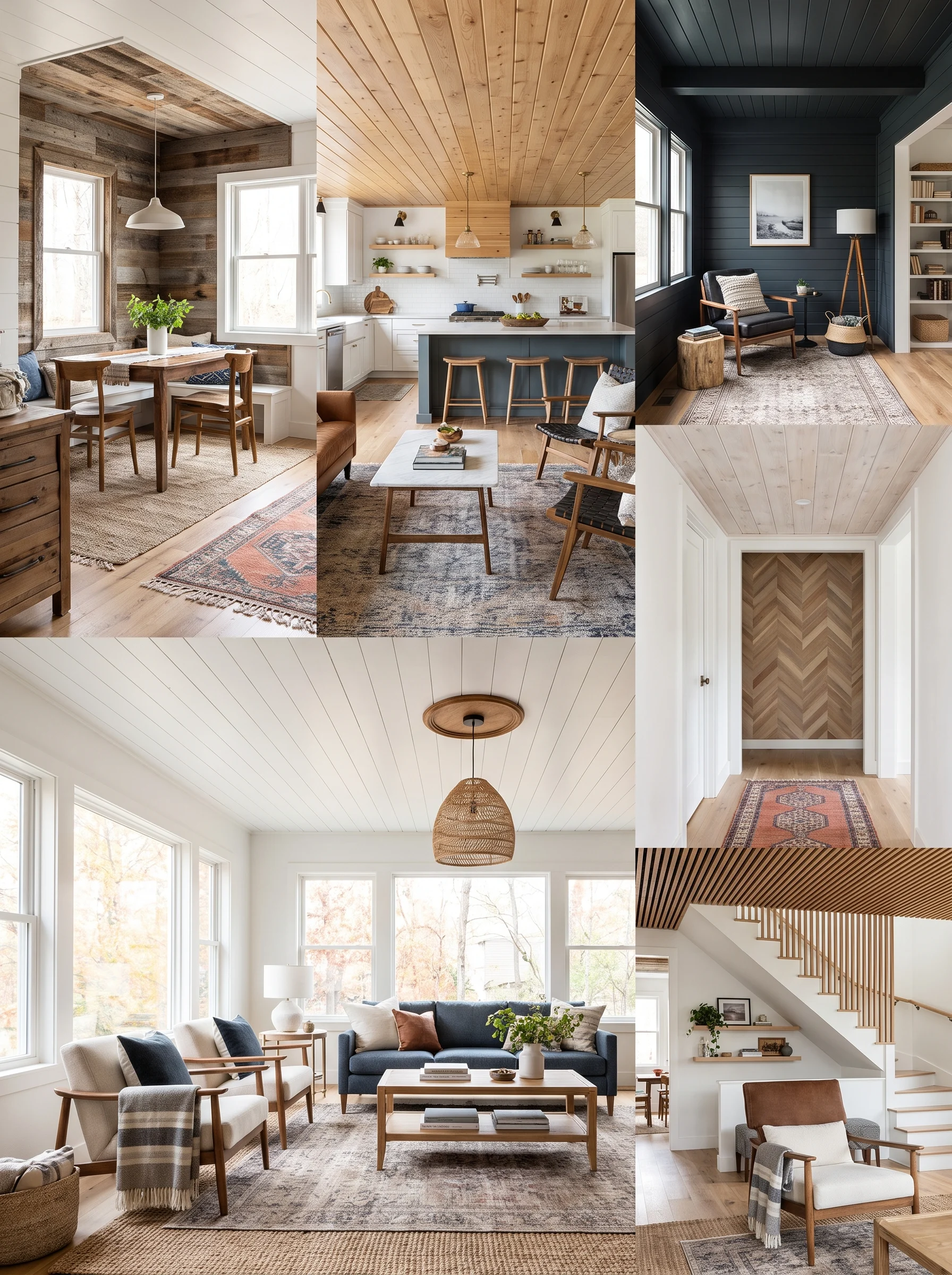
Maybe you’re drawn to modern spaces with clean lines. Perhaps you prefer cozy farmhouse interiors or warm contemporary designs.
The goal isn’t to copy a room exactly. It’s to understand what elements appeal to you.
Once you identify your preferences, decorating decisions become easier. You’ll know whether a furniture piece fits your vision or simply caught your eye in a store.
This approach also prevents expensive impulse purchases that don’t work together in the long run.
3. Choose a Color Palette Early
Color affects the mood of a home more than almost any other design element.
Choosing a simple palette before decorating helps create visual consistency throughout the space. You don’t need dozens of colors. In fact, fewer colors often create a more polished result.
A practical approach is selecting three categories:
- Main neutral color
- Secondary supporting color
- Accent color
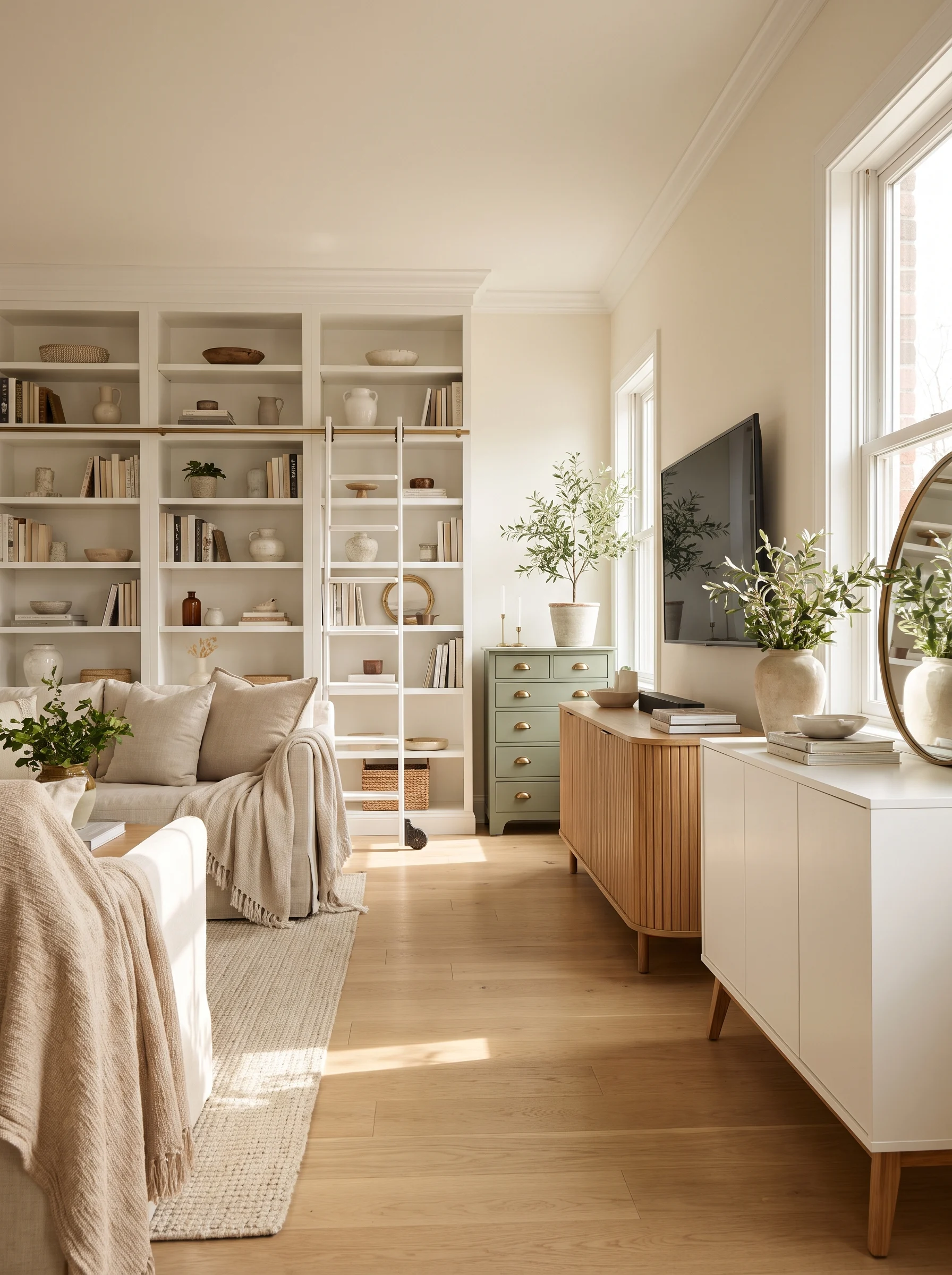
For example, warm white walls, soft gray furniture, and muted green accents create a balanced look.
Use your palette across pillows, artwork, rugs, and accessories. This creates flow from room to room.
Many people regret choosing paint first. Instead, choose major furnishings first and then find paint colors that complement them.
Living with a cohesive color scheme makes a home feel calmer and more intentional.
4. Invest in a Comfortable Sofa First
If your living room has a centerpiece, it’s usually the sofa.
People often focus on appearance while ignoring comfort. That’s a mistake because you’ll likely spend hundreds of hours sitting on it every year.
Choose a sofa that fits both your lifestyle and room size. Families with children or pets may benefit from performance fabrics that resist stains and wear.
Measure carefully before purchasing. A sofa that’s too large can overwhelm a room, while one that’s too small can make the space feel unfinished.
Neutral colors generally offer the most flexibility because accessories can easily update the look later.
A quality sofa often becomes the foundation around which the entire room develops.
5. Use Rugs to Define Spaces
Rugs do much more than protect floors. They help create structure and visual boundaries.
In open-concept homes, rugs can separate living areas, dining spaces, and reading corners without adding walls.
Size matters more than many people realize. A rug that’s too small often makes furniture appear disconnected.
In most living rooms, at least the front legs of furniture should sit on the rug. Larger rugs generally create a more cohesive appearance.
Choose durable materials for high-traffic areas and softer textures for bedrooms.
A properly sized rug instantly makes a room feel more complete and welcoming.
6. Focus on Lighting Before Accessories
Many homes look unfinished simply because they lack proper lighting.
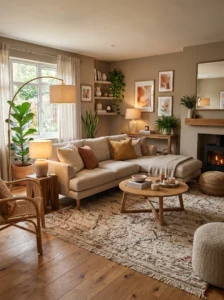
Relying solely on ceiling fixtures often creates harsh, flat illumination. Layered lighting adds warmth and depth.
A good room typically includes three types:
- Ambient lighting
- Task lighting
- Accent lighting
Table lamps, floor lamps, wall sconces, and pendant lights can work together to create a comfortable atmosphere.
Lighting also highlights architectural features and decorative elements.
One of the easiest ways to make a new home feel cozy is by adding warm lighting throughout the space.
The difference is noticeable immediately, especially during evenings.
7. Hang Curtains Higher Than You Think
Window treatments have a surprisingly large impact on how spacious a room feels.
A common mistake is hanging curtain rods directly above the window frame. This visually shortens walls and makes ceilings appear lower.
Instead, mount rods closer to the ceiling whenever possible.
Long curtains that reach the floor create an elegant, finished appearance and make rooms feel taller.
Choose fabrics that suit the room’s purpose. Light-filtering curtains work well in living areas, while blackout options are ideal for bedrooms.
Properly installed curtains can dramatically improve a room without requiring major renovations.
8. Add Art Slowly and Thoughtfully
Bare walls can make a new home feel temporary, but rushing to fill them often creates clutter.
Artwork should feel meaningful or visually engaging rather than simply filling empty space.
Large pieces often make a stronger impact than several small unrelated items.
Consider mixing framed prints, photographs, paintings, and personal pieces to create variety.
Gallery walls work best when planned carefully rather than assembled randomly.
Art brings personality into a home and often becomes a conversation starter when guests visit.
Over time, collected pieces tell a story about your interests and experiences.
9. Bring Nature Indoors
Plants are one of the easiest ways to make a house feel alive.
Even a beautifully furnished room can feel sterile without natural elements.
Plants introduce texture, color, and organic shapes that soften furniture and architecture.
Low-maintenance options such as snake plants, pothos, and ZZ plants work well for beginners.
Place larger plants in empty corners and smaller ones on shelves, tables, or windowsills.
Besides their visual appeal, plants often create a calming atmosphere.
Many homeowners notice that rooms feel more welcoming and relaxed after adding greenery.
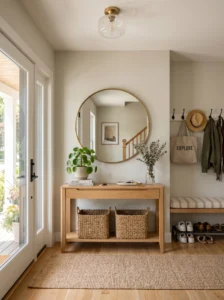
10. Create a Functional Entryway
The entryway sets the tone for the entire home.
Even a small entrance area benefits from intentional design.
Include practical elements such as a console table, storage basket, coat hooks, or a bench if space allows.
A mirror can make the area feel larger while providing a useful last-minute appearance check before leaving.
Keep clutter under control with designated storage solutions.
An organized entryway creates a smoother daily routine and helps the rest of the house stay tidy.
Guests also form their first impression here, making it a worthwhile area to prioritize.
11. Mix Textures for a Layered Look
Many new homes feel flat because every surface looks similar.
Texture adds visual depth without requiring bold colors or expensive decor.
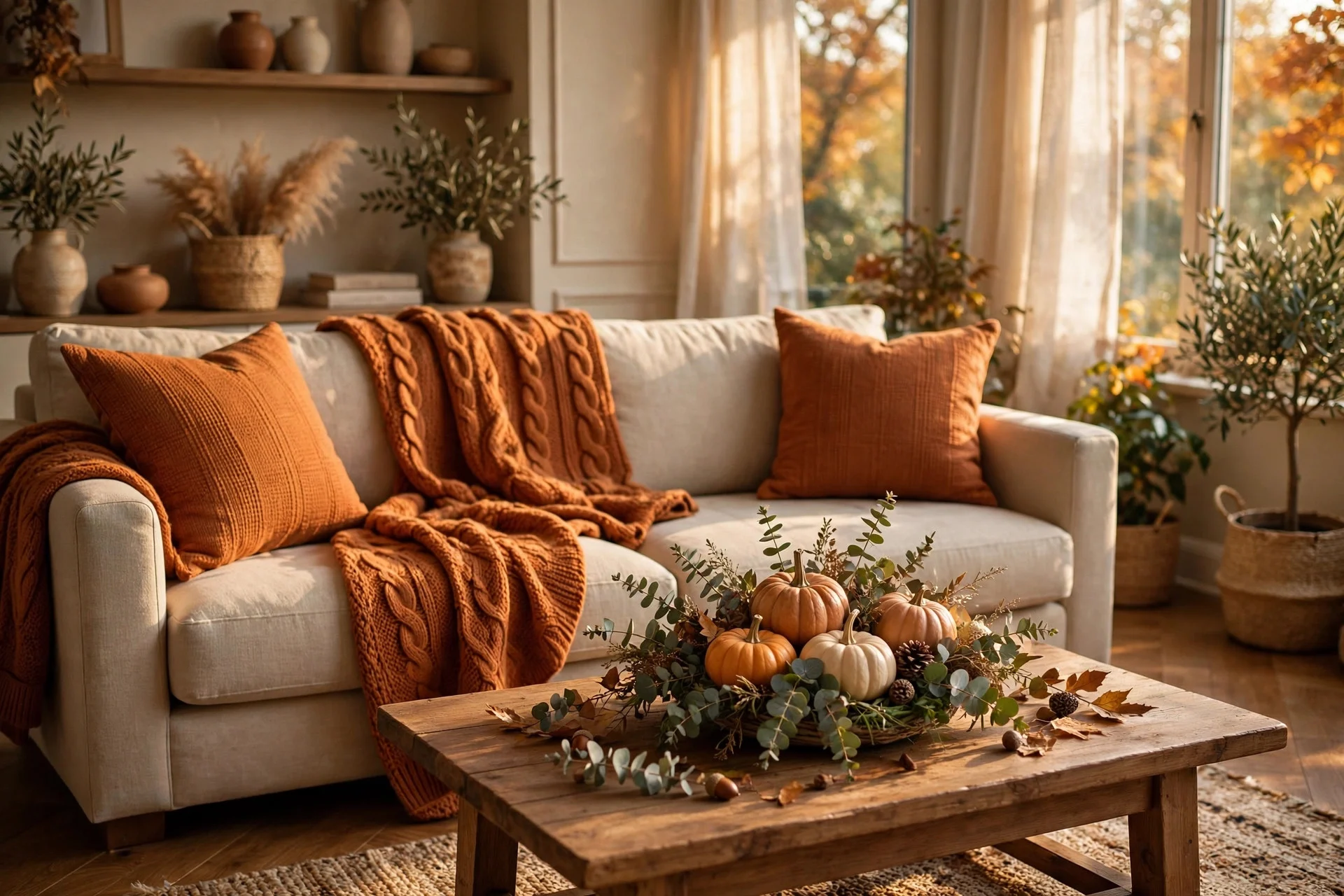
Combine soft fabrics, woven baskets, wood furniture, metal accents, and natural fibers.
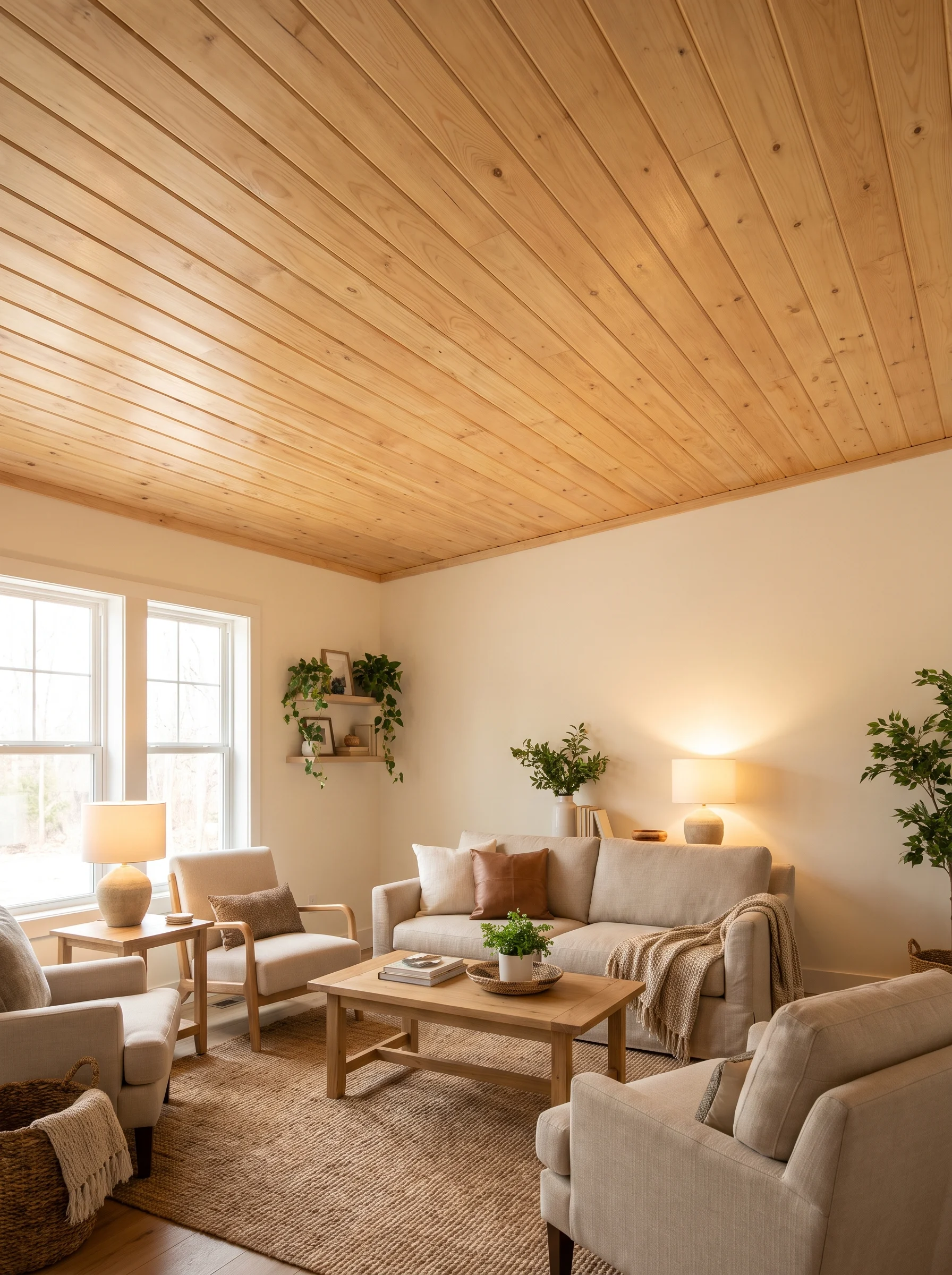
For example, a linen sofa paired with a wooden coffee table and woven rug creates balance and interest.
Layering textures is especially effective in neutral color schemes.
The room feels richer and more inviting without appearing busy.
This technique works in nearly every decorating style.
12. Prioritize Storage That Looks Good
Storage doesn’t have to be hidden.
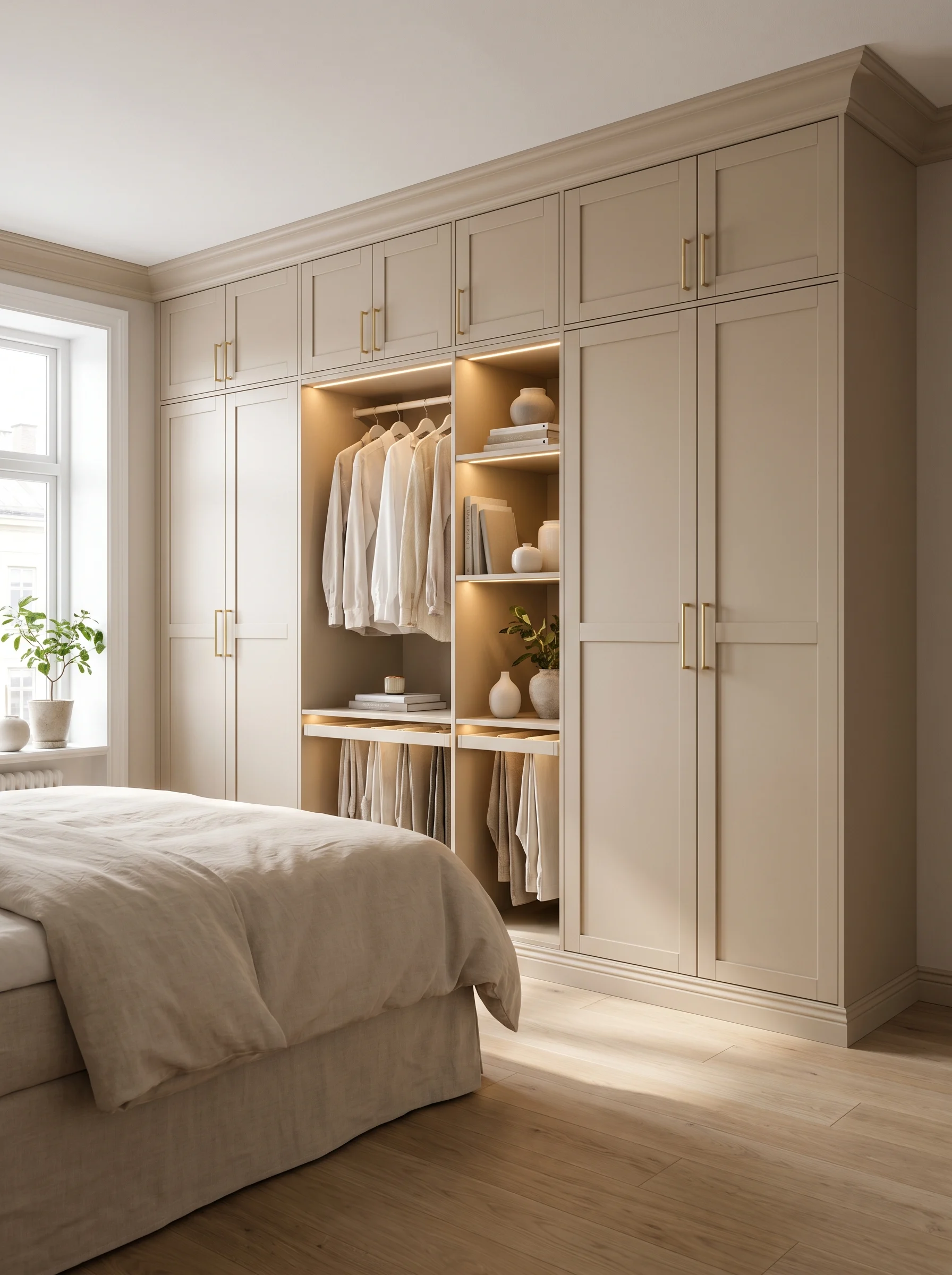
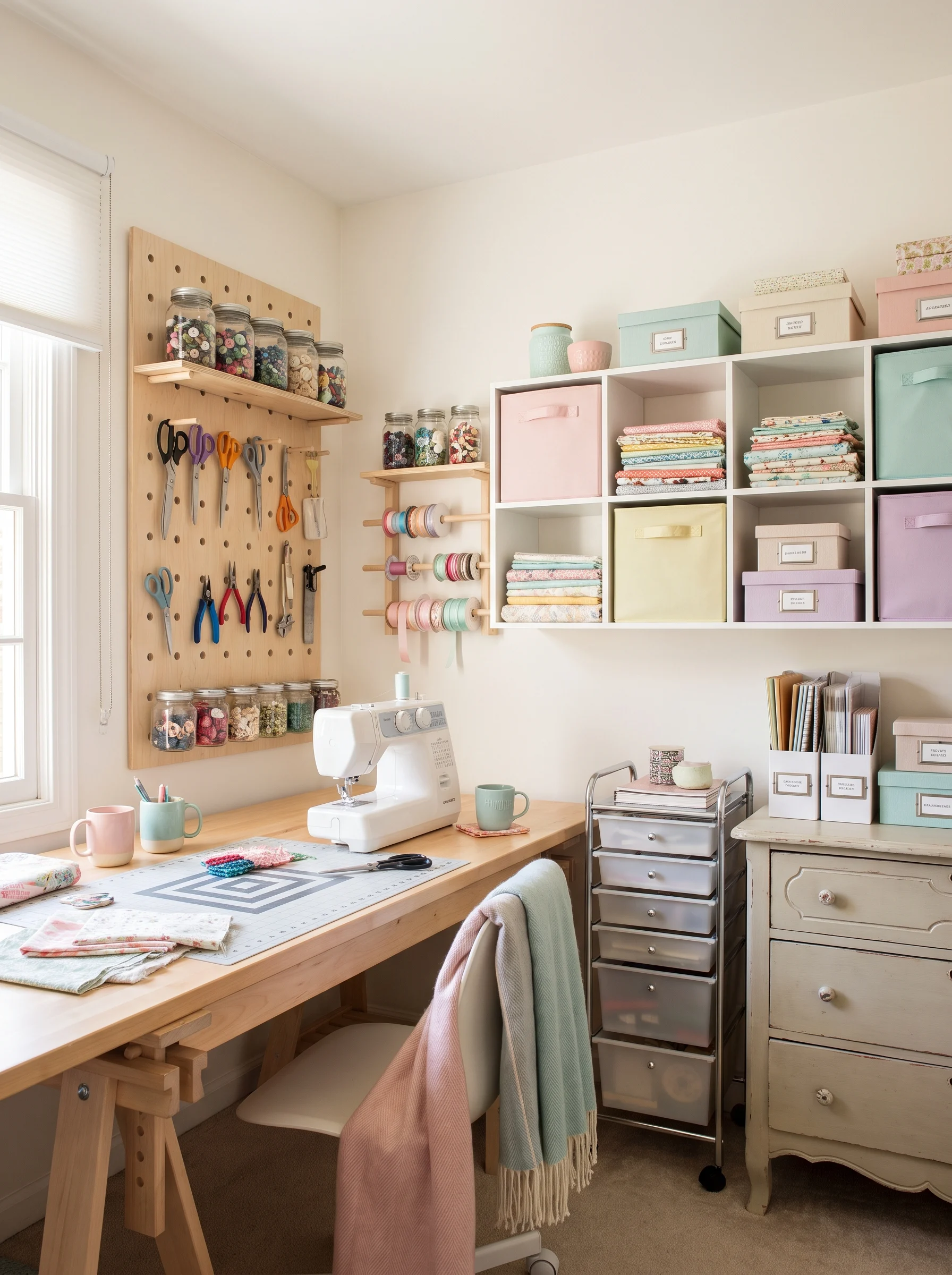
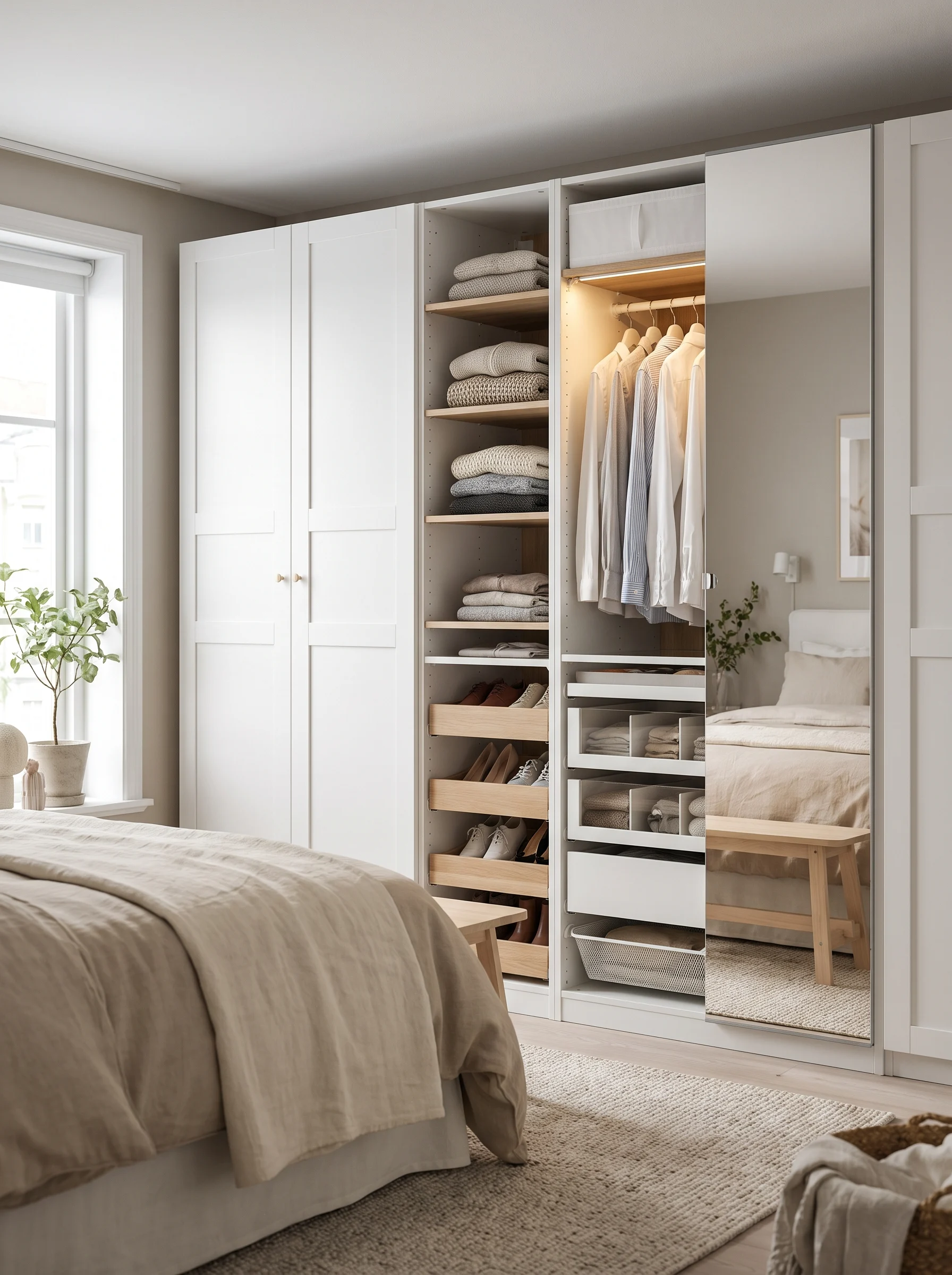
Decorative baskets, shelving units, cabinets, and storage benches can serve both practical and aesthetic purposes.
The goal is reducing visible clutter while maintaining accessibility.
Living rooms, bedrooms, and entryways particularly benefit from attractive storage solutions.
Choose pieces that match the overall style of the room rather than treating storage as an afterthought.
A tidy space naturally feels more relaxing and visually appealing.
Good storage often improves daily life more than expensive decorative items.
13. Use Mirrors Strategically
Mirrors are one of the oldest decorating tricks because they work.
They reflect light, increase brightness, and make rooms feel larger.
Place mirrors opposite windows whenever possible to maximize natural light.
Large mirrors work especially well in smaller living rooms, hallways, and apartments.
Avoid overcrowding walls with multiple small mirrors unless intentionally creating a gallery arrangement.
A thoughtfully placed mirror can transform a dark or narrow room without major expense.
It’s one of the highest-impact upgrades available on a modest budget.
14. Leave Some Empty Space
Not every corner needs furniture or decorations.
Many people assume a finished room should be filled, but overcrowding often makes spaces feel smaller and less relaxing.
Negative space allows furniture and decor to stand out.
It also improves traffic flow and functionality.
When decorating, periodically step back and assess whether the room truly needs another item.
Sometimes the best design decision is stopping before adding more.
Rooms that have breathing room tend to feel calmer and more sophisticated.
15. Let Your Home Evolve Over Time
The pressure to finish decorating immediately causes countless expensive mistakes.
The most comfortable homes often develop gradually.
Living in a space helps you understand how you actually use it.
You may discover that a reading nook is more valuable than a decorative chair or that extra storage matters more than another side table.
Allow yourself time to make thoughtful decisions.
Decorating isn’t a race. A home that evolves naturally often feels more personal and functional than one completed in a single shopping trip.
Patience usually results in better choices and a home you’ll enjoy for years.
Comparison Table
| Type | Best Use | Material | Style/Vibe | Difficulty Level |
|---|---|---|---|---|
| Area Rug | Define seating areas | Wool, synthetic fibers | Cozy and structured | Easy |
| Sofa | Main living room seating | Fabric, leather | Comfortable focal point | Medium |
| Curtains | Add softness and height | Linen, cotton, polyester | Elegant and polished | Easy |
| Indoor Plants | Add natural texture | Living greenery | Fresh and relaxed | Easy |
| Mirrors | Reflect light and expand space | Glass and metal | Bright and airy | Easy |
| Storage Bench | Seating plus organization | Wood and upholstery | Functional and neat | Medium |
Buying Guide: How to Choose Home Decor Pieces
Decorating a new home becomes much easier when you focus on practicality before aesthetics.
Start with sizing and scale. Measure rooms carefully before purchasing furniture. Many homeowners underestimate how large pieces will appear once inside the room. Leave enough walking space around furniture and avoid blocking natural pathways. A piece that looks perfect in a showroom can overwhelm a smaller room.
Material selection is equally important. Consider how the space will be used daily. Homes with children or pets often benefit from performance fabrics, stain-resistant materials, and durable finishes. Solid wood furniture generally lasts longer than particleboard alternatives, although it often comes at a higher price.
Maintenance should also influence your choices. High-gloss surfaces may look beautiful but can show fingerprints easily. Delicate fabrics require more care than durable woven textiles. Think realistically about the amount of upkeep you’re willing to handle.
Budget planning helps prevent overspending. Invest more in items used daily, such as sofas, mattresses, dining tables, and quality lighting. Decorative accessories can often be purchased gradually over time.
One common mistake is buying everything at once. This often leads to mismatched styles and unnecessary purchases. Another frequent error is choosing furniture solely based on appearance while ignoring comfort and functionality.
Finally, don’t chase every trend. Trends come and go quickly, but well-made furniture and timeless design choices remain attractive for years. Building a home around quality, comfort, and personal preference usually produces the best long-term results.
Conclusion
Decorating a new home can feel overwhelming, especially when you’re starting with empty rooms and endless possibilities. Fortunately, creating a comfortable and attractive space doesn’t require perfect design skills or a massive budget.
The key is taking a thoughtful approach. Start with one room, establish a clear style, choose a cohesive color palette, and focus on essential pieces before worrying about decorative details. Good lighting, properly sized rugs, functional storage, and meaningful artwork can transform a house into a home without unnecessary complexity.
Perhaps the most important lesson is that decorating is a process rather than a one-time project. The best homes evolve gradually as people learn how they use their spaces and discover what makes them feel comfortable.
Instead of trying to achieve a magazine-perfect look immediately, focus on creating rooms that support your daily life. Prioritize comfort, functionality, and personal taste over trends.
When approached patiently, decorating becomes far less stressful and much more enjoyable. Over time, those empty rooms will develop character, warmth, and personality—creating a home that truly feels like yours.
FAQs
1. What room should I decorate first in a new home?
Most people start with the living room because it’s often the most used and visible space. Completing one room first helps establish a style and creates momentum for decorating the rest of the house.
2. How much should I budget for decorating a new home?
The budget varies depending on home size and furniture needs. Prioritize essential items first and spread purchases over time rather than trying to furnish everything immediately.
3. Should I buy matching furniture sets?
Not necessarily. Mixing complementary pieces usually creates a more personalized and interesting look. Matching sets can sometimes make rooms feel overly staged.
4. How do I choose the right rug size?
In living rooms, at least the front legs of major furniture pieces should sit on the rug. Choosing a rug that’s too small is one of the most common decorating mistakes.
5. What colors are safest for a new home?
Neutral colors such as white, beige, gray, and soft earth tones are versatile and easy to build around. Accent colors can then be added through accessories and artwork.
6. How can I make a new house feel cozy quickly?
Layered lighting, area rugs, curtains, plants, and soft textiles can instantly make a home feel warmer and more inviting without major renovations.
7. Is it okay to decorate slowly?
Absolutely. In fact, decorating gradually often leads to better decisions. Living in a space first helps you understand what furniture and features you actually need.
8. What is the biggest decorating mistake beginners make?
Trying to decorate every room at once is one of the most common mistakes. It often results in rushed purchases, inconsistent styles, and unnecessary spending.