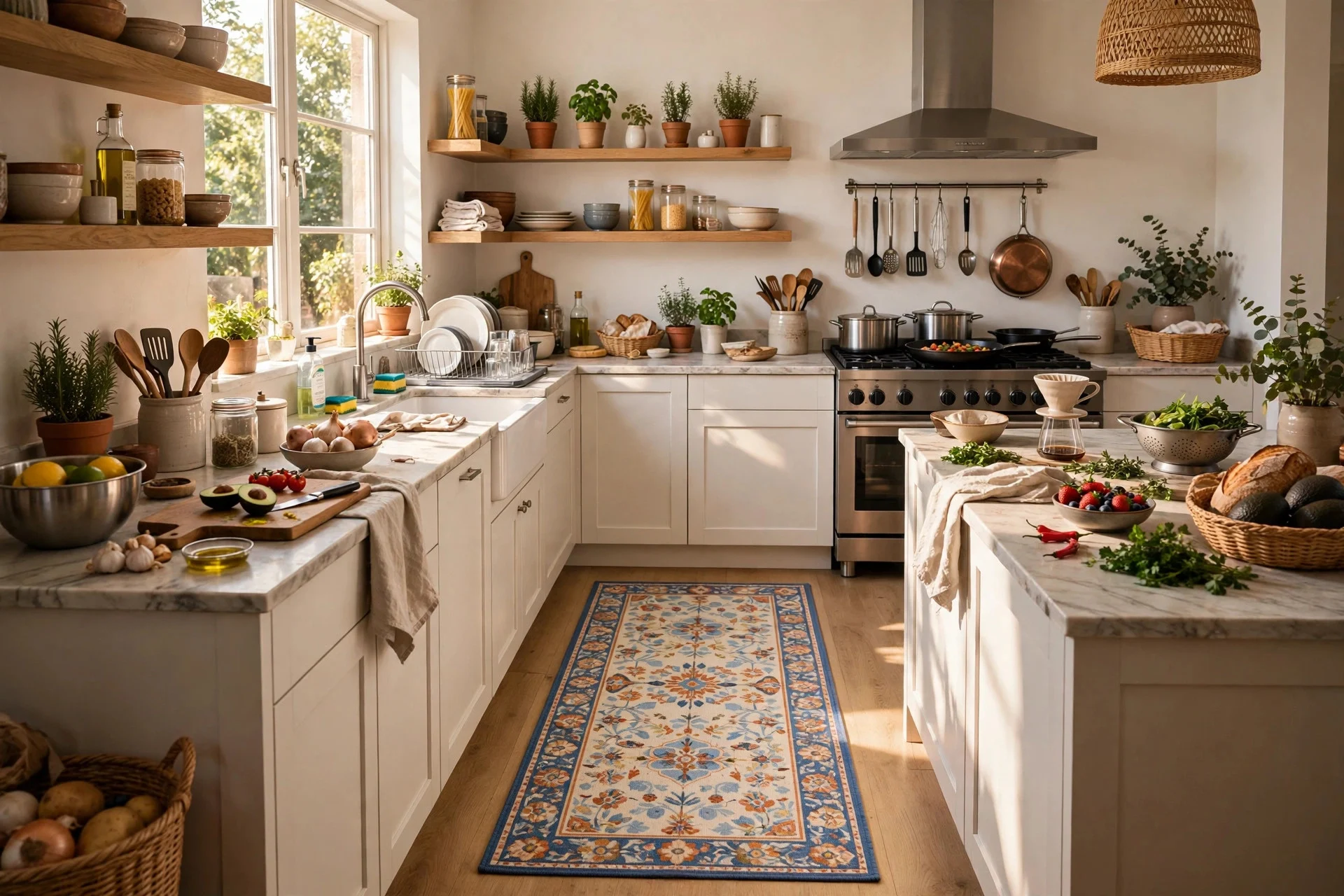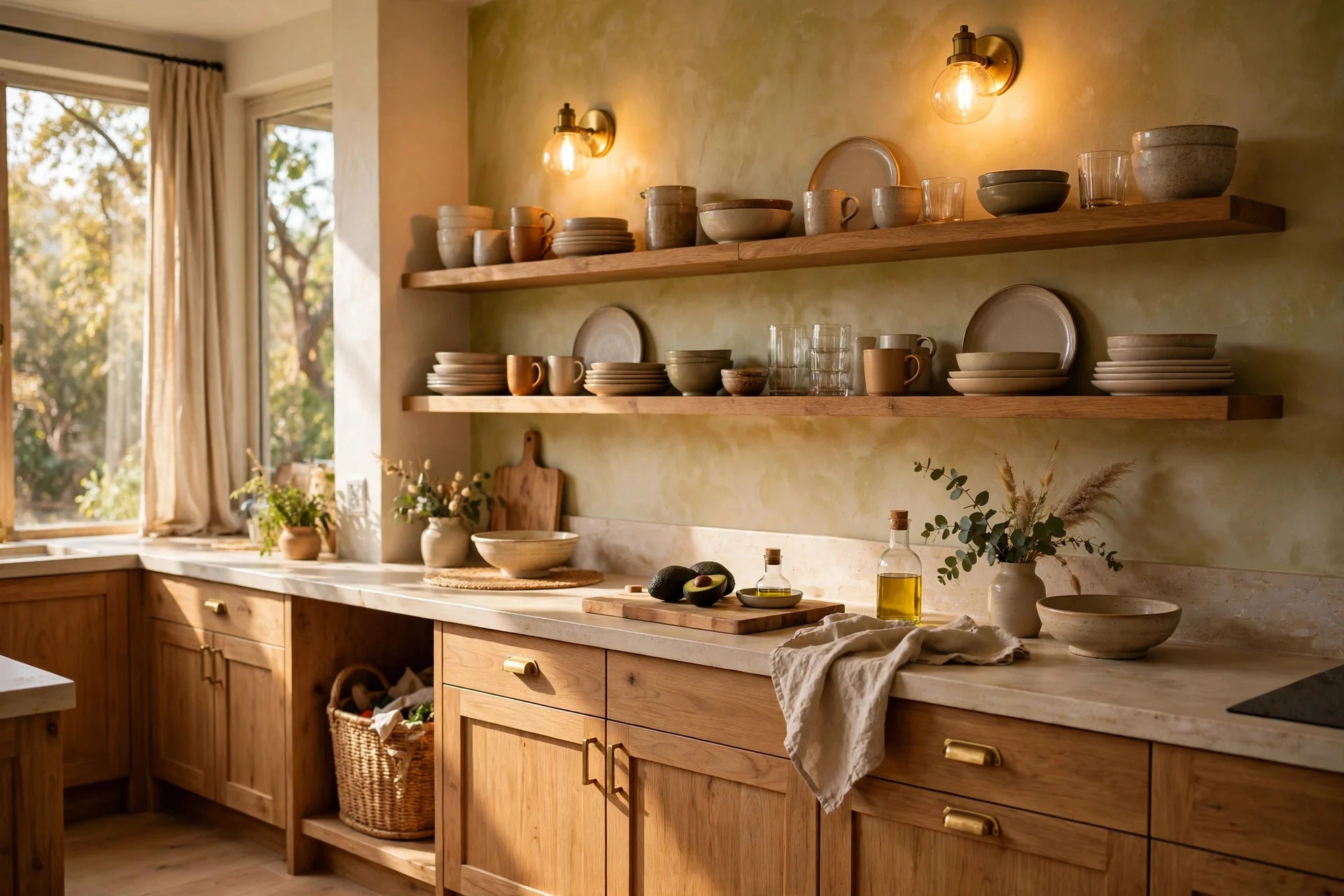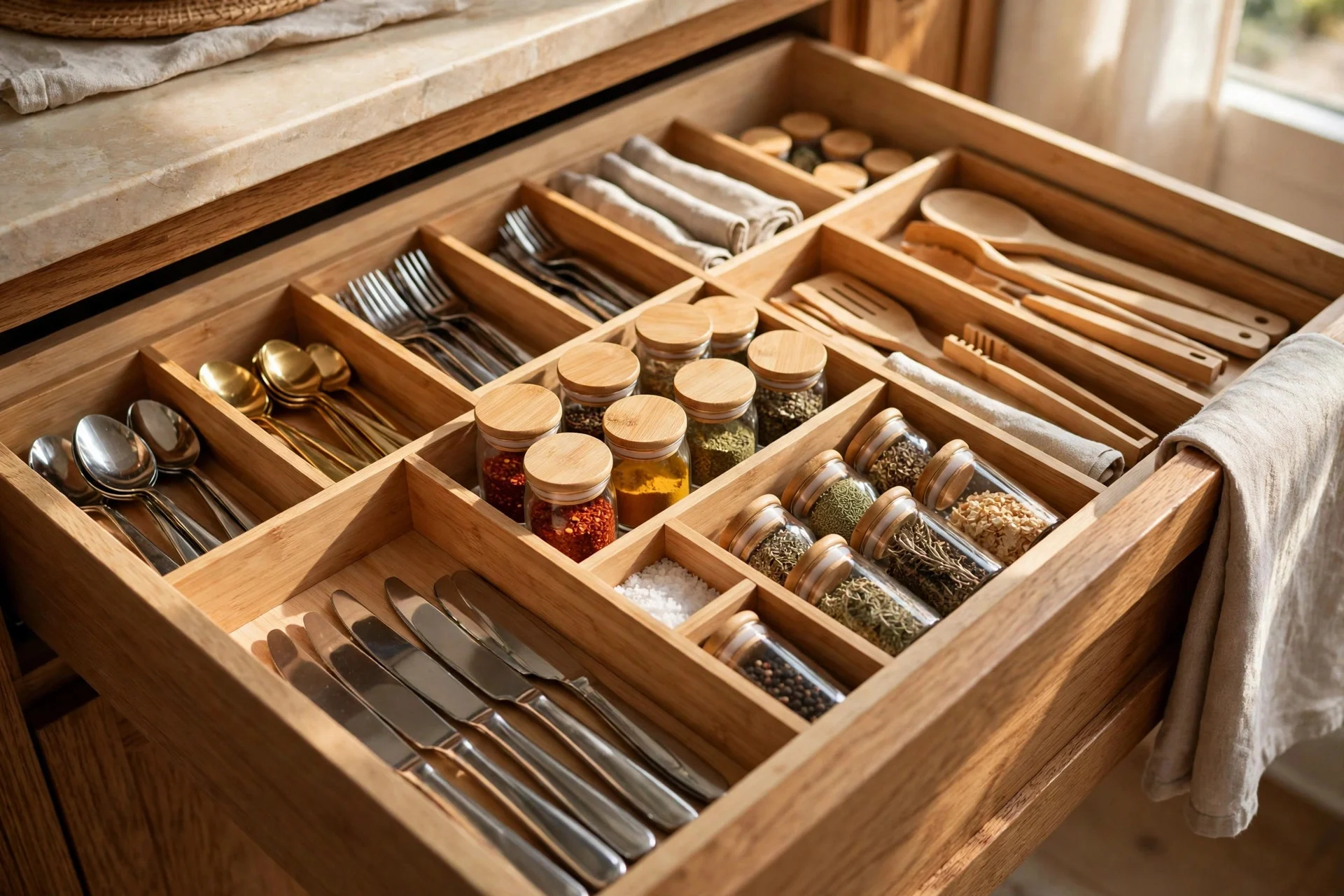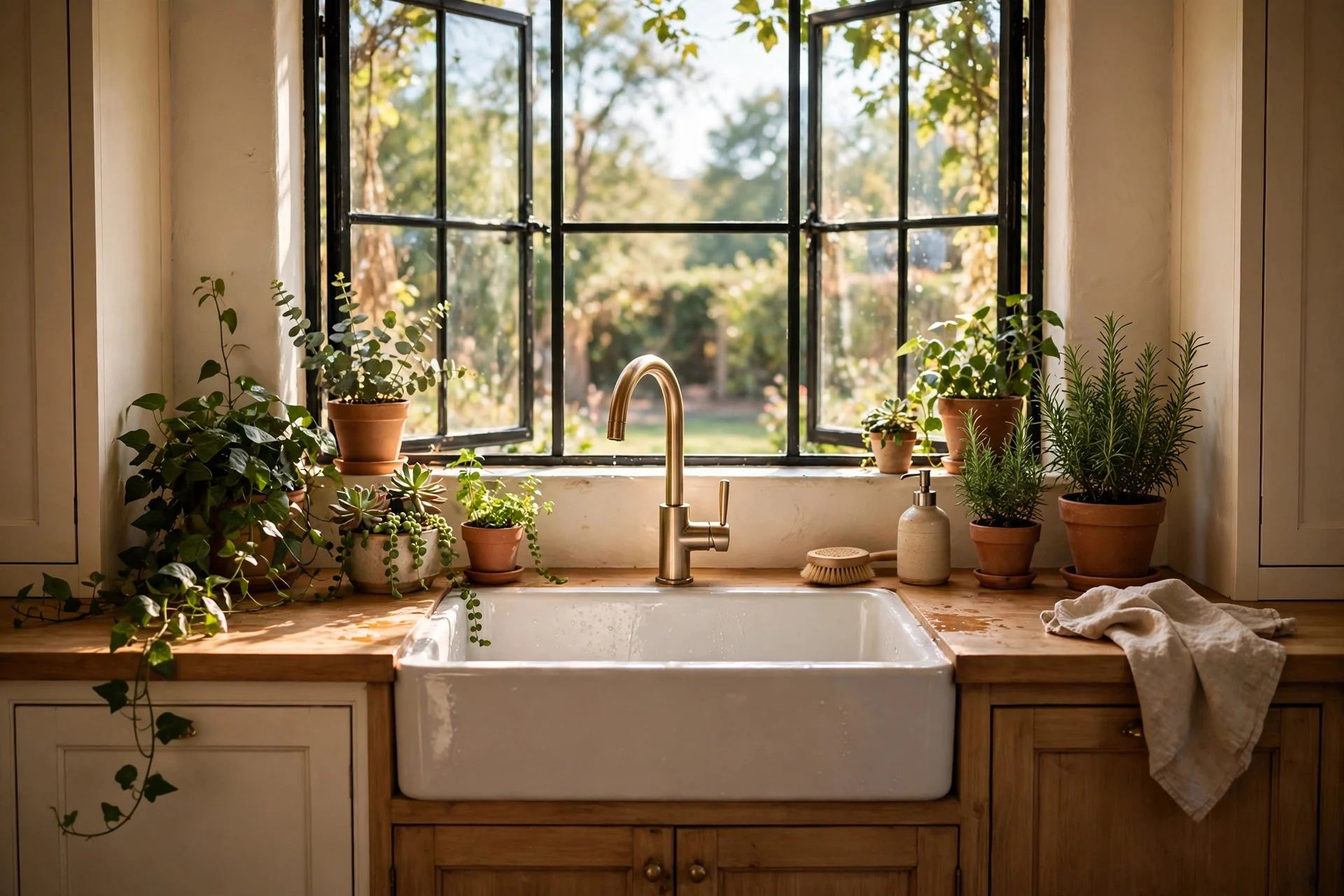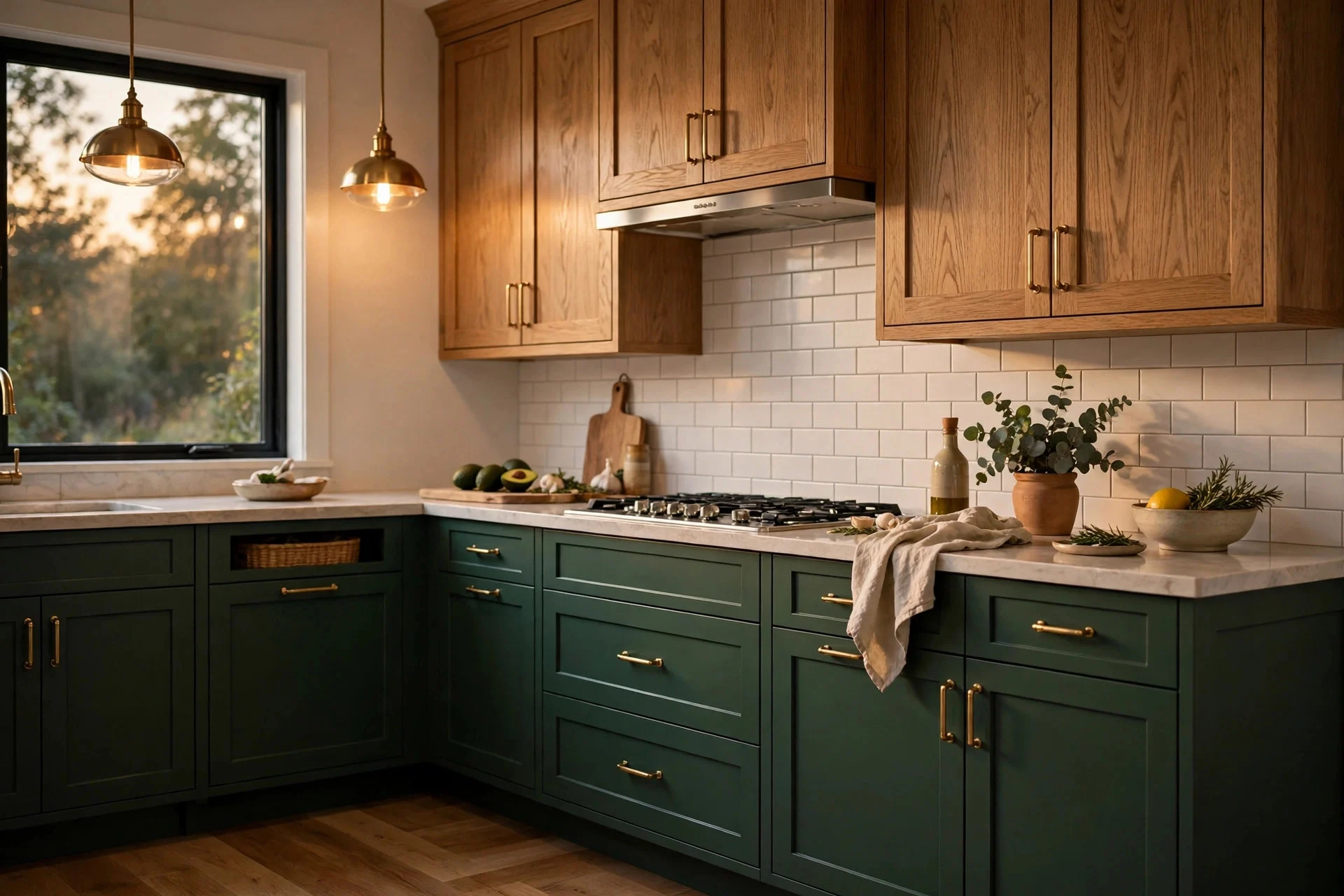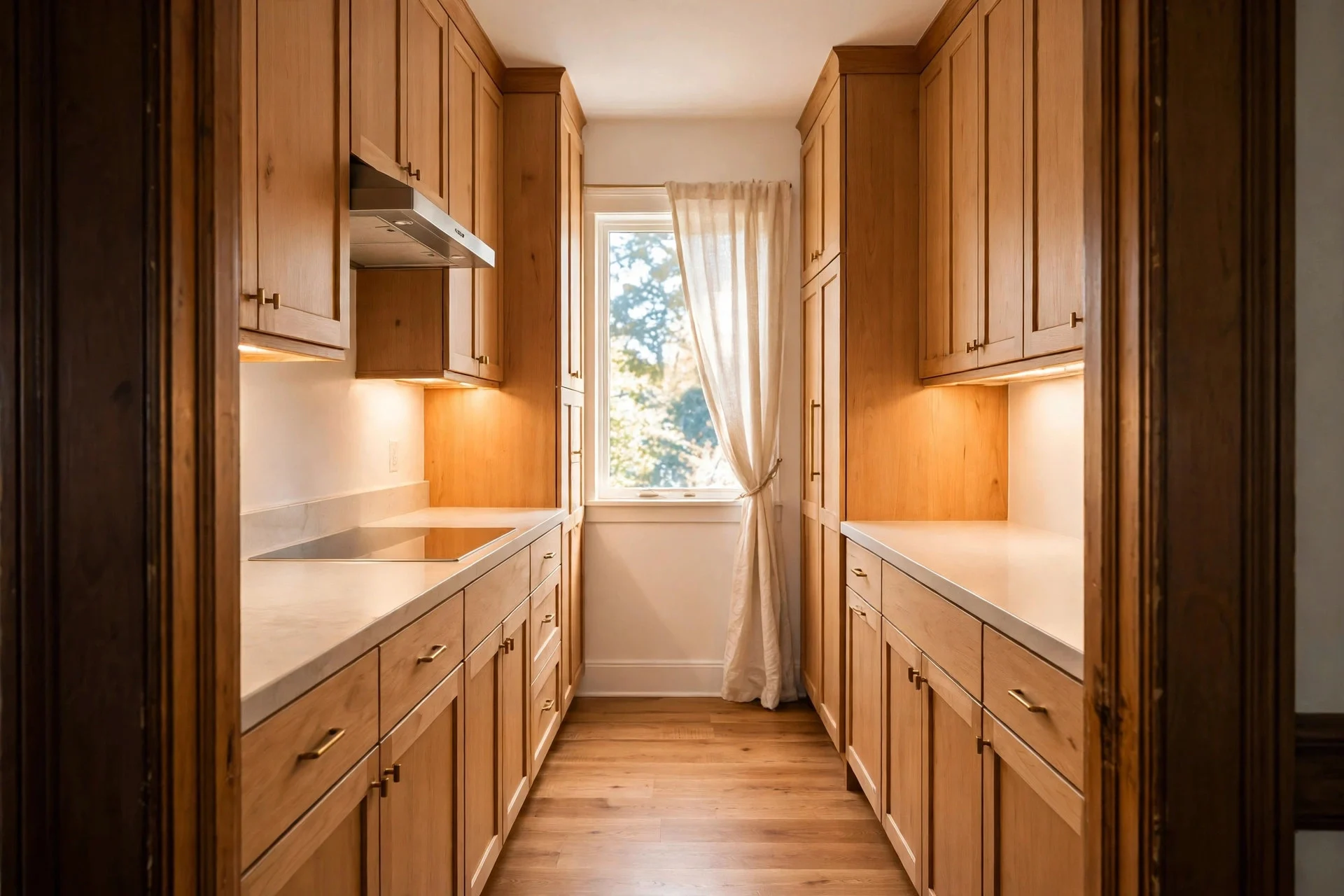
The tomato sauce hits the floor before you even reach for a towel. One second your pasta is simmering, the next there’s a red splatter trail across the walkway between the sink and the stove. If that sounds familiar, a washable kitchen runner is the fix. It catches spills, softens hard floors, and goes straight into the washing machine instead of turning into a permanent stain.
The trick is picking a runner that can actually handle daily kitchen life. It needs a low profile so it won’t trip you, a backing that stays put, and a material that survives repeated washing without curling or fading. The 16 ideas below are grouped by budget, from under $50 to $200 and up, so you can find one that fits your kitchen and your wallet.
Before you shop, take two quick measurements: the length of your main walkway and the clearance under any doors the rug must pass. A runner that is too short looks lost in a long galley, while one that is too thick catches on door bottoms every time you open them. Also check your floor type. Smooth tile and sealed wood need grip backing or a rug pad, while textured stone holds most rugs in place on its own. With those two details sorted, you can focus on the fun part — color, texture, and a price that feels right for how hard your kitchen works.
Under $50
1. Classic Cotton Flatweave Runner
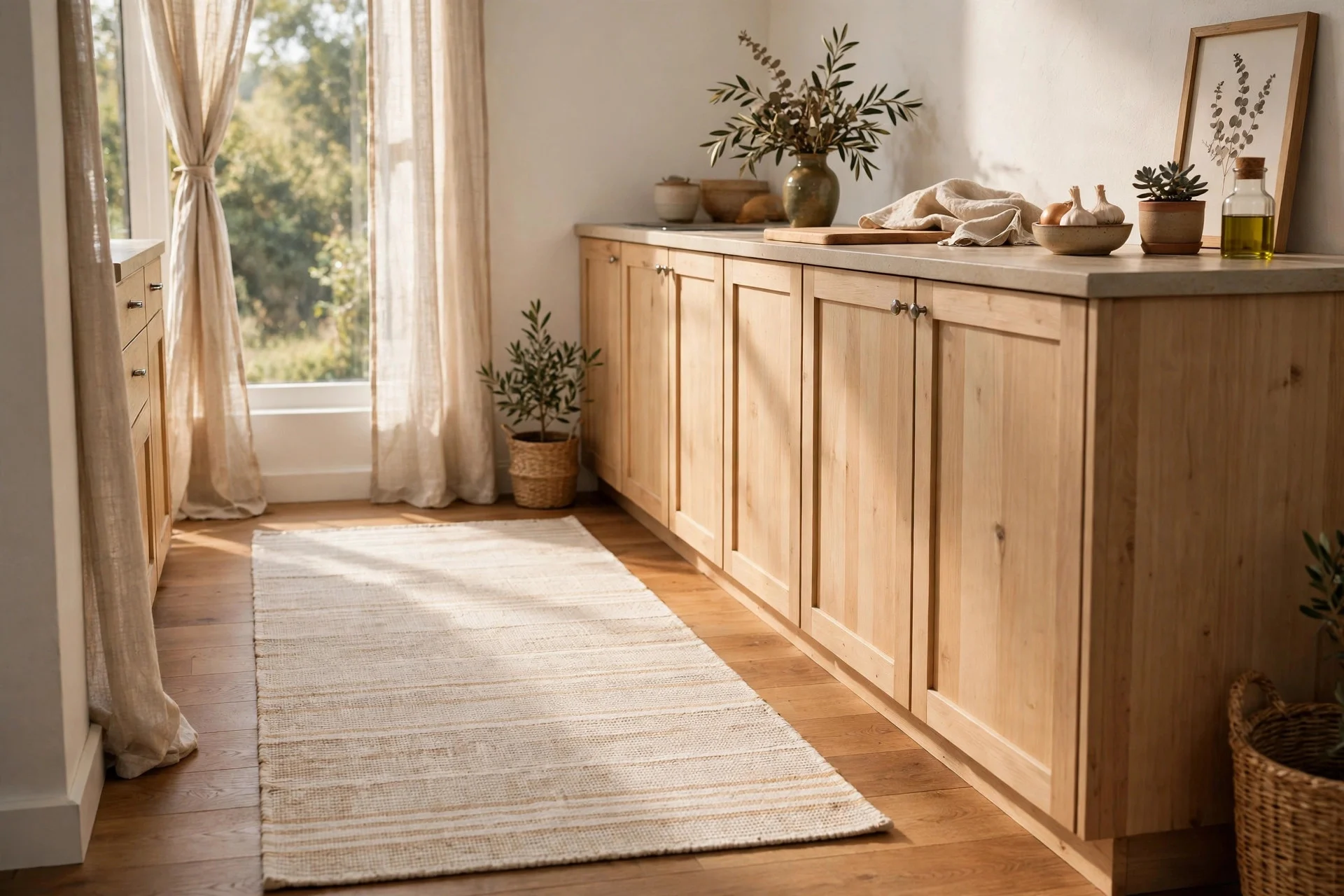
A cotton flatweave runner is the workhorse of washable kitchen rugs. It’s thin, so doors clear it and chairs slide over it, and it dries fast after a wash. Look for a tight weave in a medium tone that hides crumbs between washes.
Cost: $25–$45 for a standard 2 x 6 foot size. Difficulty: easy. Machine wash cold on gentle, then line dry or tumble dry low. A rug pad underneath stops it sliding on tile or wood.
Hands-on tip: buy one size longer than you think you need, so it covers the full path from sink to stove. Watch out: light cream cotton shows turmeric and tomato stains fast, so keep a stain spray near the laundry.
2. Microfiber Chenille Runner
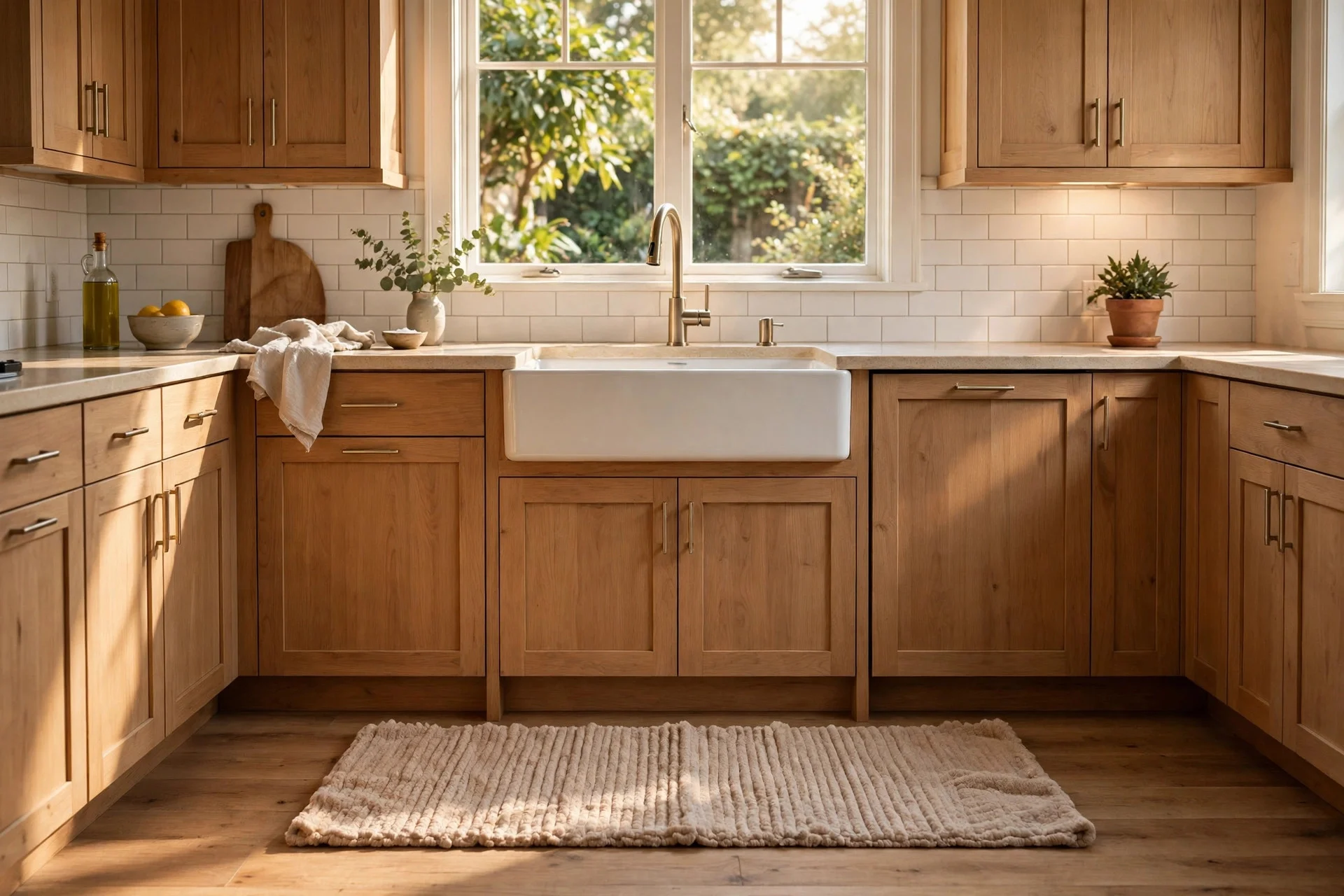
Chenille microfiber feels soft under bare feet and soaks up drips before they spread. It’s a good pick if you stand at the sink for long stretches and want a little cushion without a thick rug.
Cost: $20–$40. Difficulty: easy. Machine wash cold, skip fabric softener because it coats the fibers and cuts absorbency, then tumble dry low.
Hands-on tip: shake it outside once a week to clear trapped crumbs from the pile. Watch out: very plush chenille takes longer to dry, so wash it in the morning on a day you can leave it out.
3. Indoor-Outdoor Polypropylene Runner
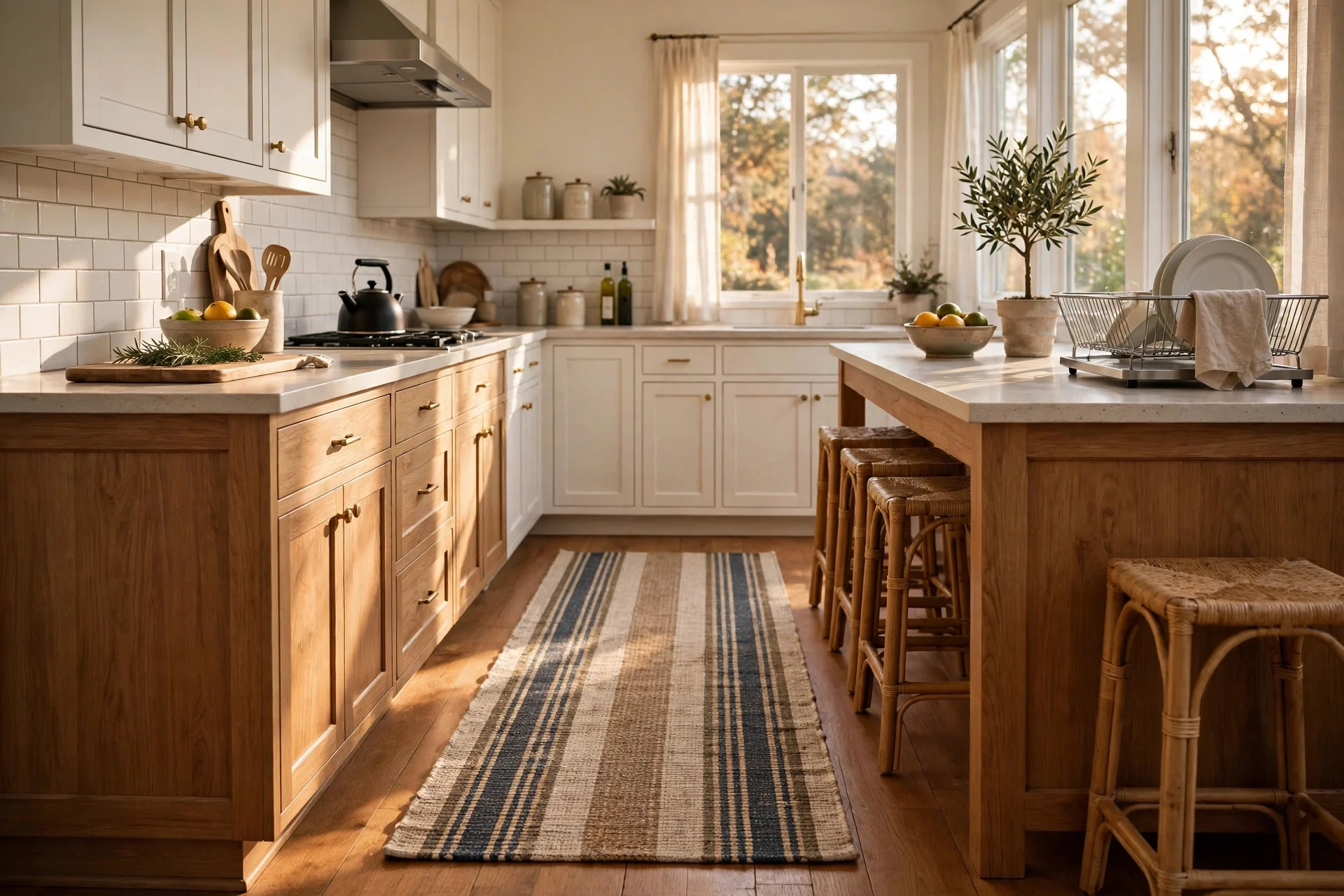
Polypropylene is the material behind most outdoor rugs, and it works just as well indoors. It shrugs off water, resists stains, and won’t grow musty if a spill sits for an hour before you notice it.
Cost: $30–$50. Difficulty: easy. Hose it down or machine wash cold, then air dry flat. It dries much faster than cotton or wool.
Hands-on tip: use it in a galley kitchen or near a back door where wet shoes and muddy paws pass through. Watch out: cheap versions can feel plasticky, so check the pile height and read the return policy before you commit.
4. Braided Cotton Rag Runner
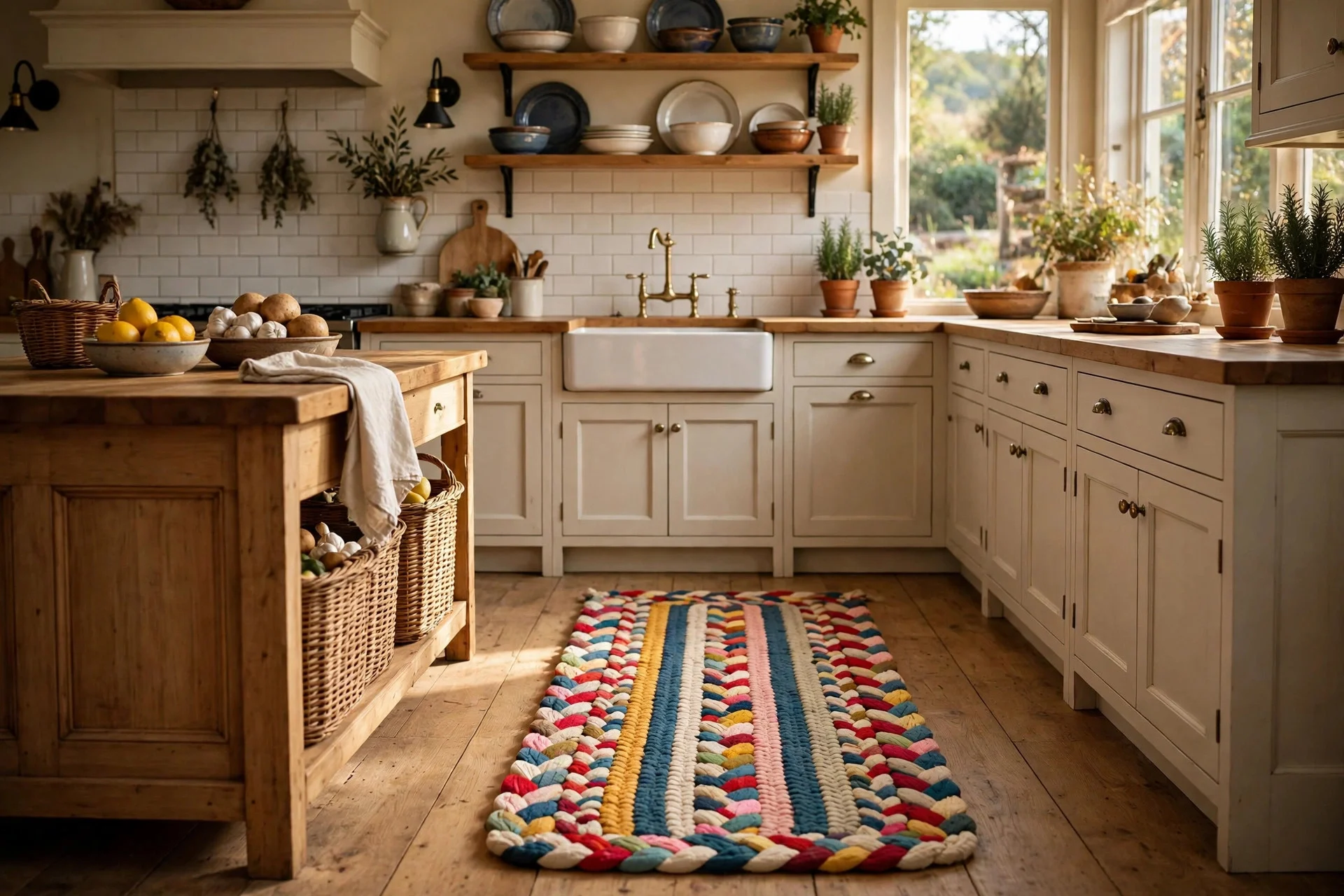
A braided rag runner brings color and texture to a plain kitchen for very little money. The braids hide crumbs well, and the cotton construction means you can wash it again and again.
Cost: $25–$48. Difficulty: easy. Machine wash cold on gentle in a mesh laundry bag to protect the braids, then lay flat to dry so it keeps its shape.
Hands-on tip: pick a multicolor braid if your cabinets are white or plain, since it adds pattern without a busy print. Watch out: braids can snag on pet claws, so trim loose threads instead of pulling them.
5. Wipe-Clean Vinyl Runner
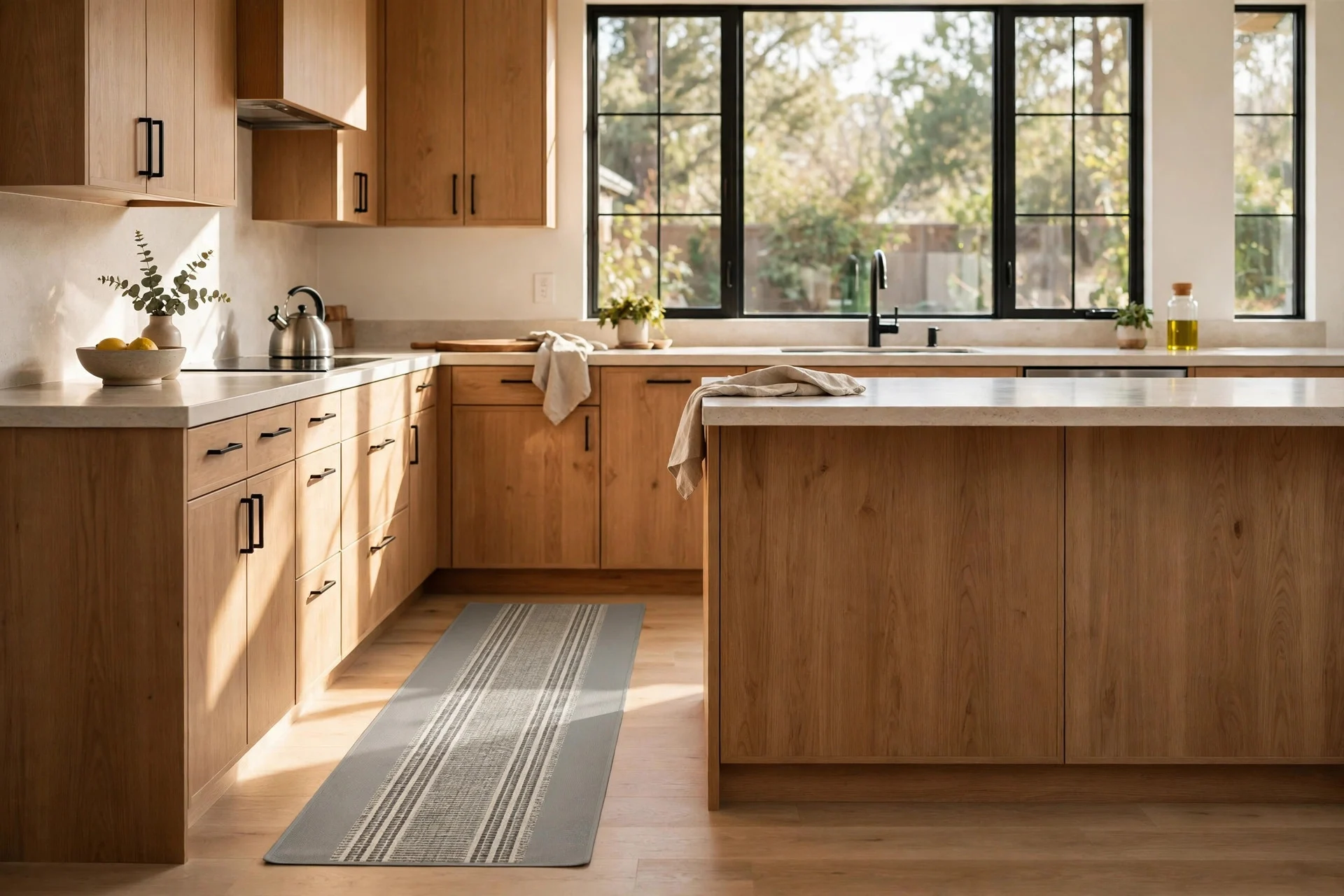
A vinyl runner is the lowest-effort option of all. Most spills wipe off with a damp cloth, and a full wash is only needed for ground-in dirt. It’s thin, waterproof, and stays flat on the floor.
Cost: $20–$45. Difficulty: easy. Wipe daily, mop weekly, and machine wash only if the maker says it’s safe. Air dry completely before putting it back down.
Hands-on tip: place it under a prep zone where oil splatter is worst, like beside the stove. Watch out: vinyl can trap moisture on wood floors, so lift it and dry the floor underneath once a week.
$50–$200
6. Low-Pile Wool Blend Runner
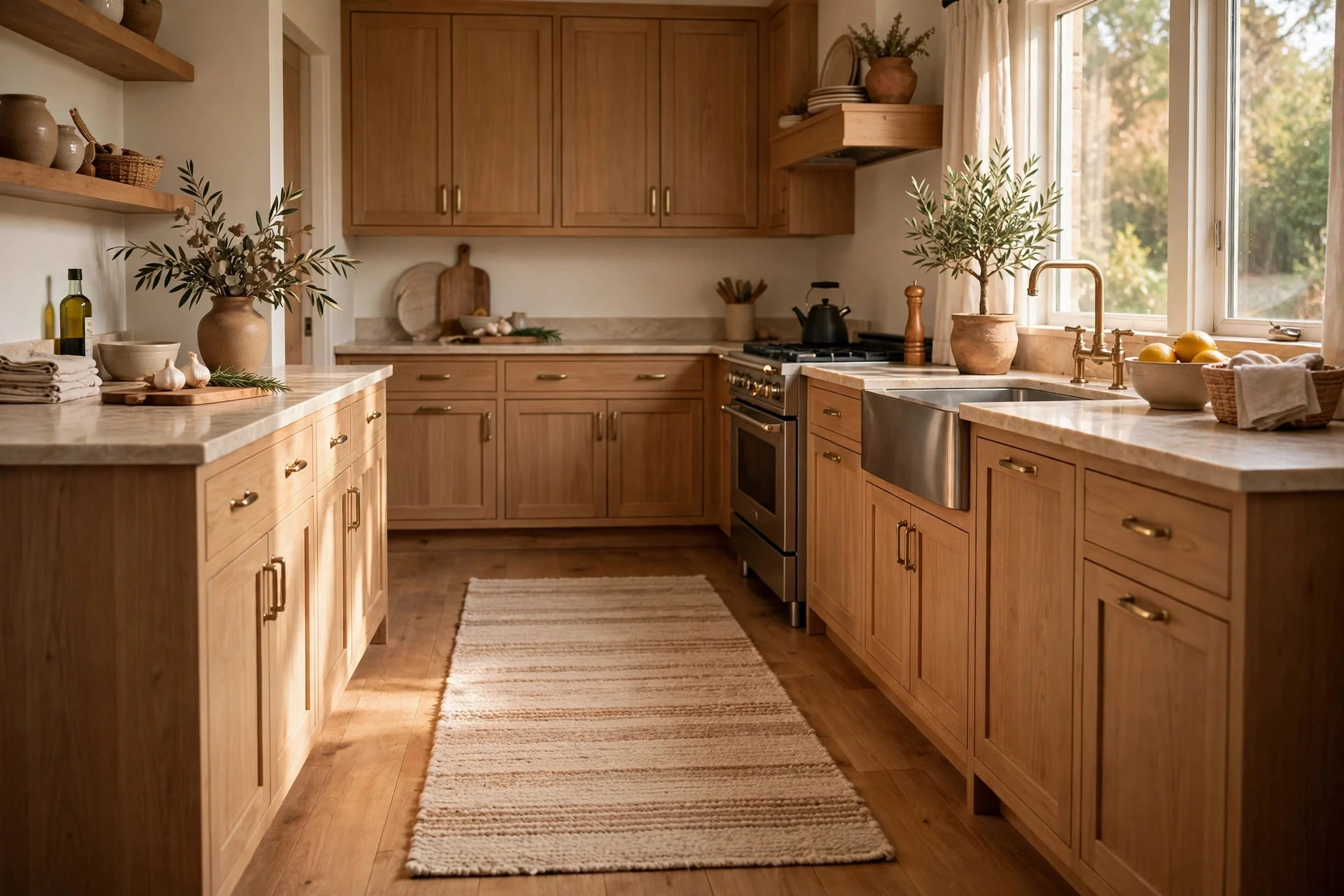
A low-pile wool blend looks more polished than basic cotton, yet still handles kitchen traffic. Wool fibers resist dirt naturally, and the low pile means crumbs sit on top instead of sinking in.
Cost: $90–$180. Difficulty: moderate. Vacuum twice a week, spot clean spills right away, and machine wash only if the label clearly allows it — many wool blends need a cold gentle cycle and flat drying.
Hands-on tip: test a small corner with water first to see how the color holds. Watch out: never use hot water or a high dryer setting on wool, since both can shrink it for good.
7. Tufted Cotton Runner With Grip Backing
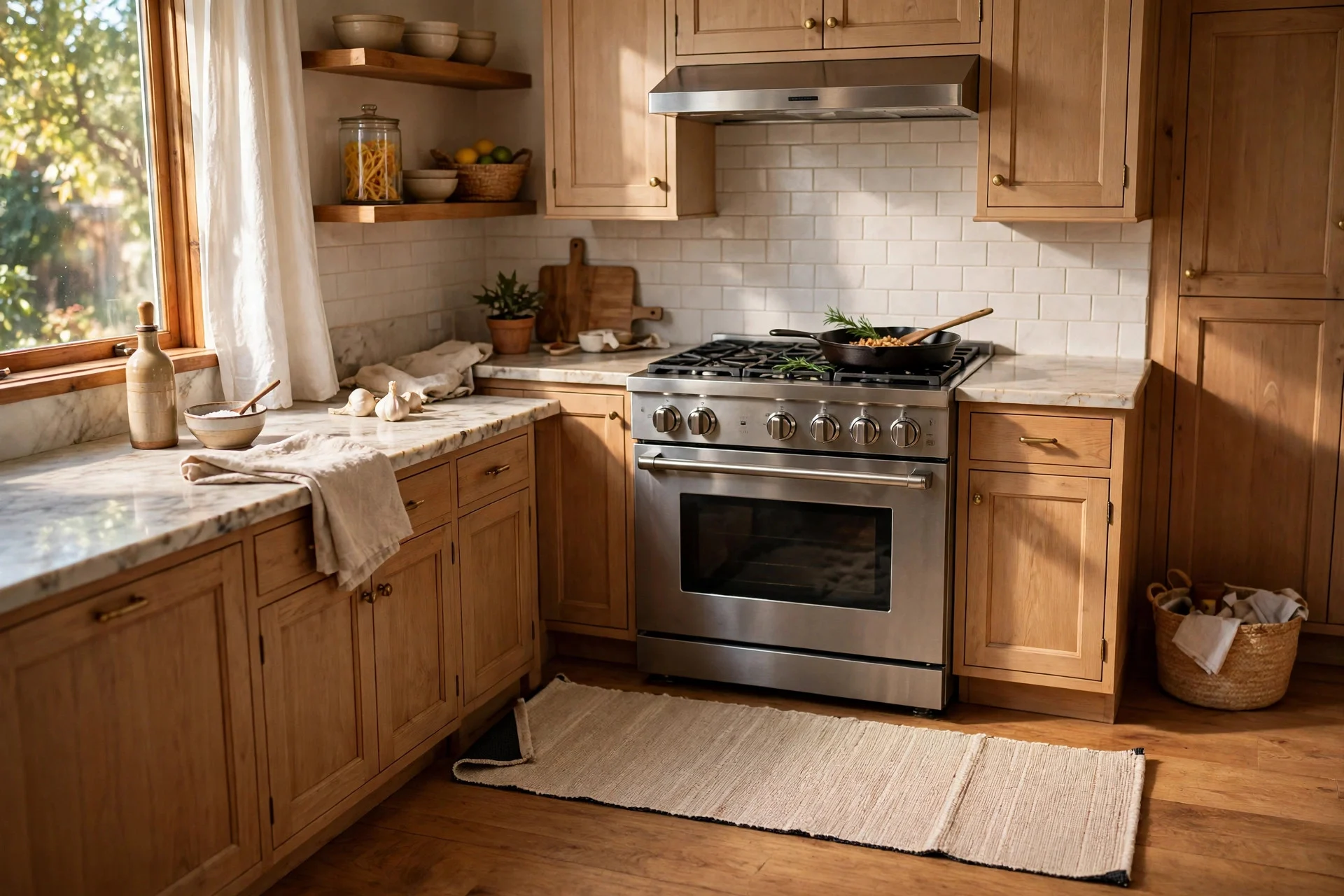
Tufted cotton gives you a thicker, softer feel than a flatweave, while a rubber or latex grip backing keeps it from creeping across smooth floors. It’s a solid middle-ground choice for busy family kitchens.
Cost: $60–$120. Difficulty: easy. Machine wash cold, tumble dry low, and check the backing after every few washes — if it starts to crack, replace the rug pad underneath rather than the whole rug.
Hands-on tip: choose a tuft height under half an inch so the rug still fits under swinging doors. Watch out: grip backing can leave marks on some sealed floors if left damp, so dry the rug fully before use.
8. Two-Piece Machine-Washable Printed Runner
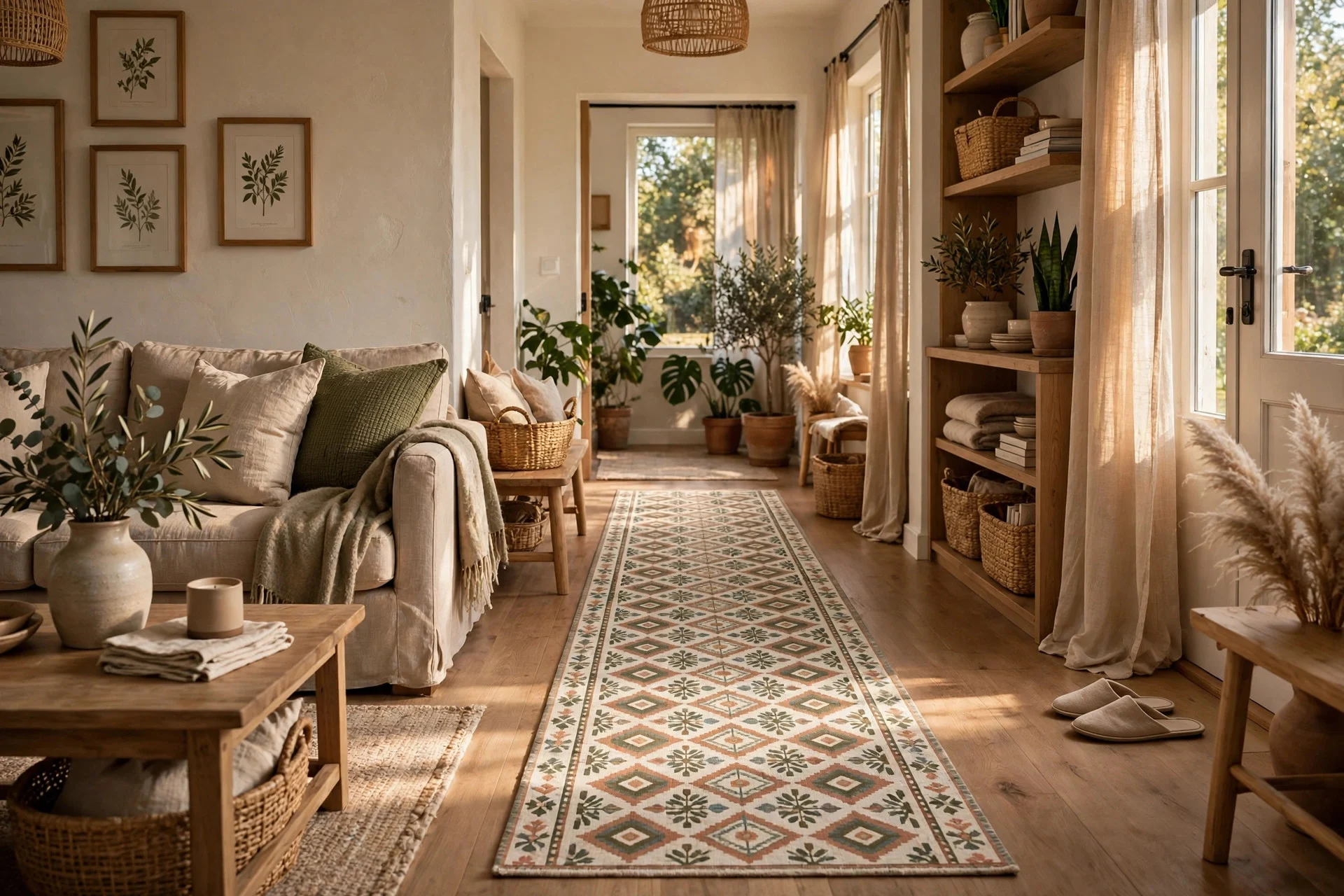
Two-piece washable rugs pair a thin printed top layer with a separate grip pad. You toss just the top in the wash, which makes laundry day much easier than wrestling a heavy rug into the machine.
Cost: $80–$180. Difficulty: easy. Remove the top layer, machine wash cold on gentle, and air dry or tumble dry low. Wipe the pad clean between washes.
Hands-on tip: keep a spare top layer if your budget allows, so the kitchen never sits bare on wash day. Watch out: measure your space carefully, since these systems come in fixed sizes that can’t be trimmed.
9. Jute-Look Synthetic Runner
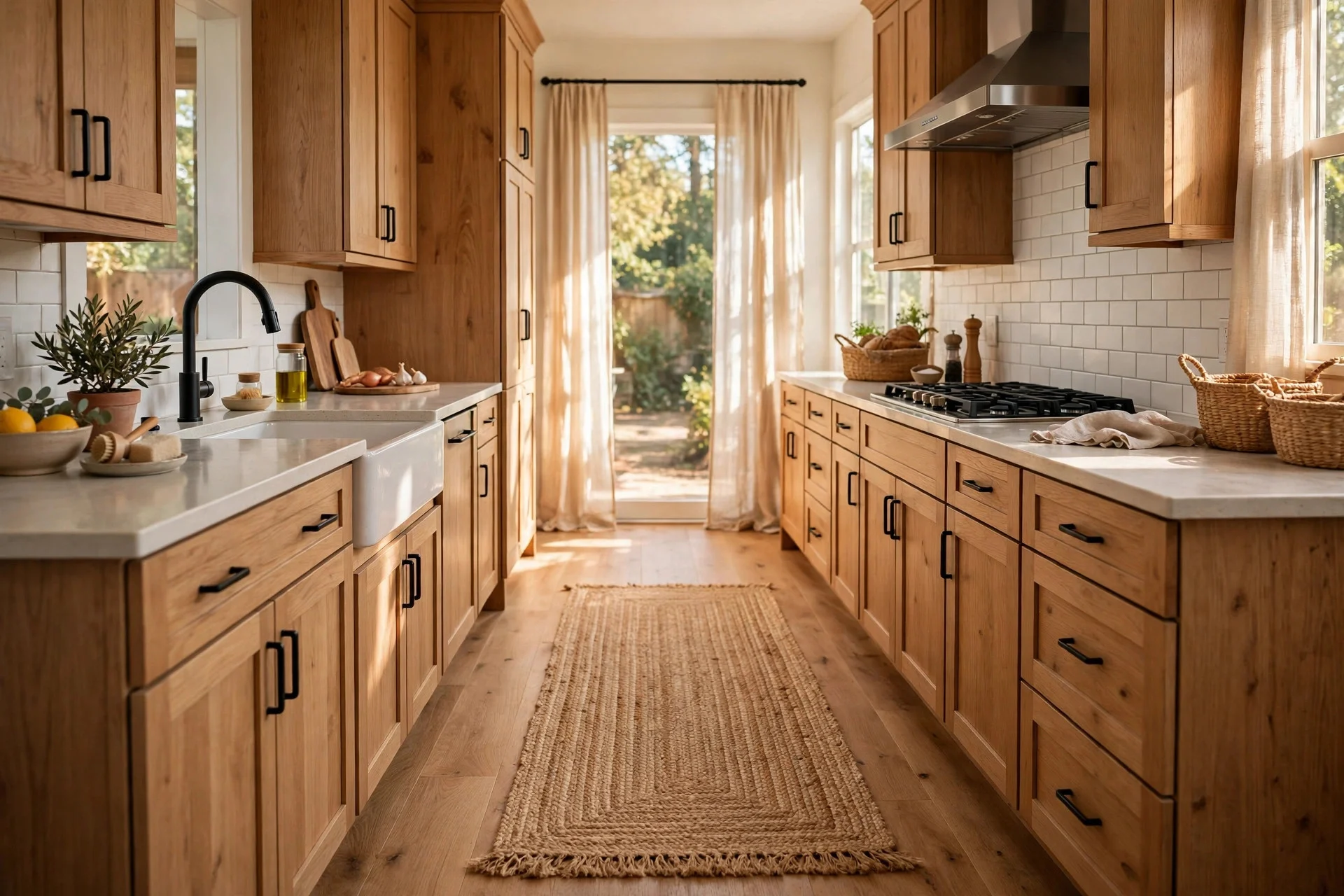
Real jute and kitchen spills don’t mix, but a synthetic jute-look runner gives you the same warm, natural texture without the worry. Polyester or polypropylene fibers mimic the weave while staying washable.
Cost: $70–$150. Difficulty: easy. Vacuum with a suction-only head, spot clean, and machine wash cold when the label allows. Air dry to protect the woven texture.
Hands-on tip: pair it with wooden stools and warm cabinet tones for a calm, natural look. Watch out: avoid beater-bar vacuums on woven textures, since they can fray the surface over time.
10. Geometric Flatweave Cotton Runner
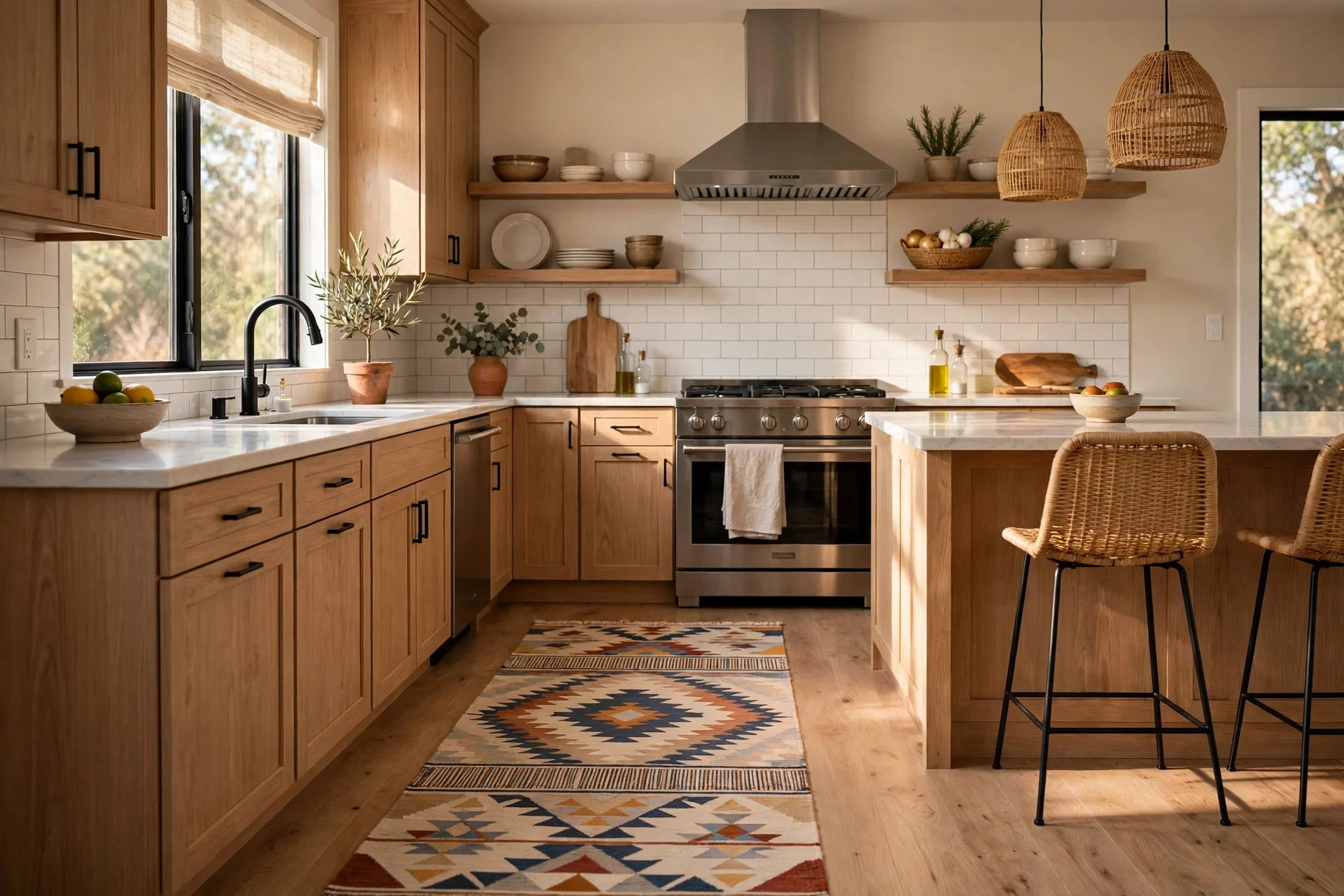
A geometric pattern does real work in a kitchen: diamonds, stripes, and checks break up stains visually and add structure to a long, narrow space. Cotton flatweave keeps it washable and slim.
Cost: $55–$130. Difficulty: easy. Machine wash cold, line dry, and rotate the rug end to end every month so wear spreads evenly.
Hands-on tip: match one color in the pattern to your cabinets or backsplash for a pulled-together feel. Watch out: bold patterns can clash with patterned tile, so keep the other one simple if your floor already has a lot going on. See also kitchen backsplash ideas for pairing patterns with tile.
11. Quilted Padded Kitchen Runner
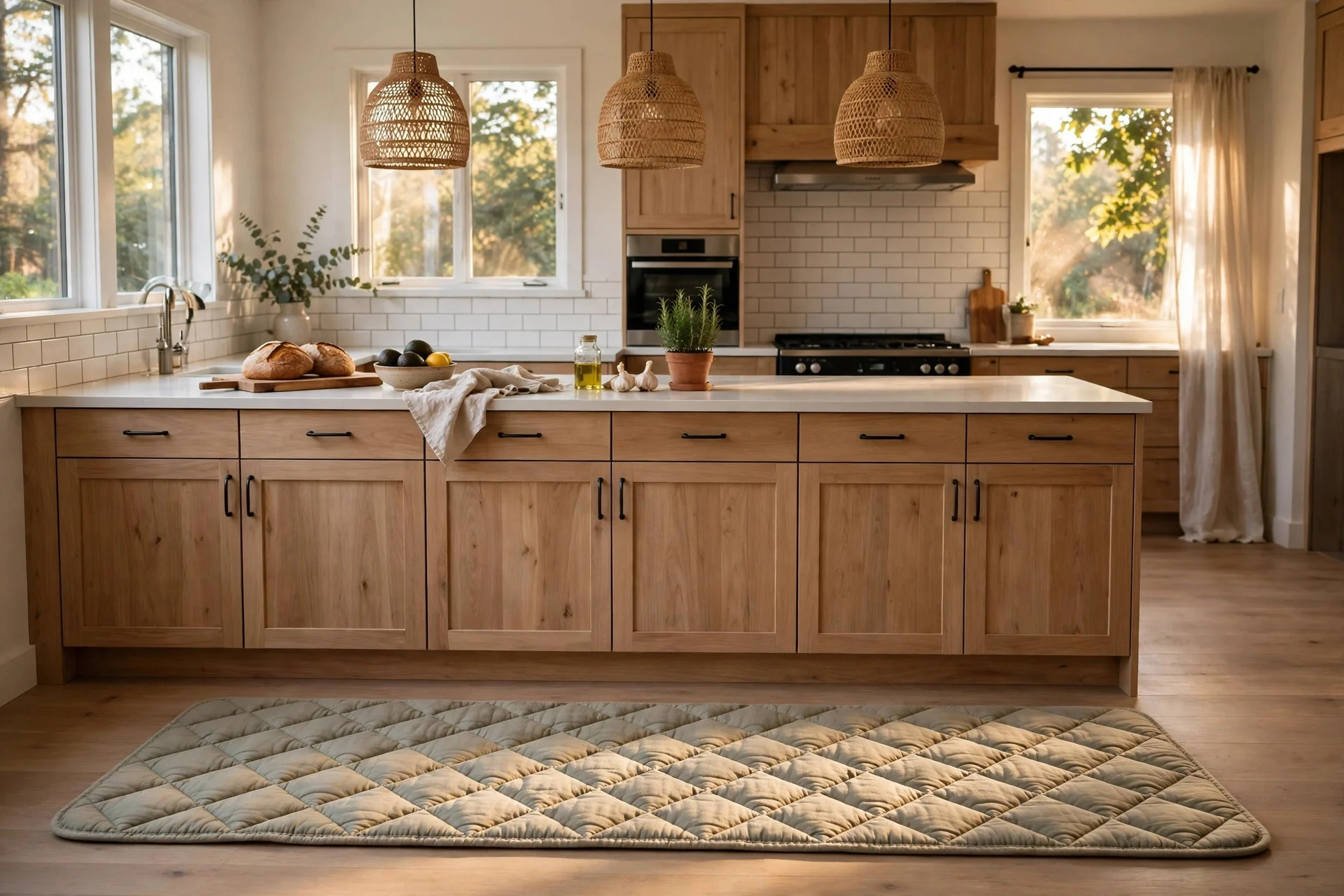
A quilted runner adds real cushion for cooks who stand for an hour at a time. The padding absorbs impact, while the quilted top layer wipes and washes more easily than deep pile.
Cost: $65–$140. Difficulty: easy. Machine wash cold on gentle, tumble dry low, and shake it out before drying so the padding stays even.
Hands-on tip: use it at the main prep counter rather than the whole kitchen run, since padding adds bulk. Watch out: thick padding takes longer to dry, so avoid washing it late at night if you need it back the next morning.
$200+
12. Premium Machine-Washable Wool Runner

A premium washable wool runner is built for kitchens that see heavy use but still need to look refined. The wool is treated or blended for washing, and the weave is dense enough to hold up for years.
Cost: $220–$450. Difficulty: moderate. Follow the maker’s wash instructions exactly — usually cold gentle, then flat dry away from direct heat. Vacuum weekly and blot spills at once.
Hands-on tip: invest in a quality rug pad, since it protects both the rug and your floor and adds grip. Watch out: even washable wool hates bleach and harsh stain removers, so use a mild soap and test first.
13. Handwoven-Look Performance Runner
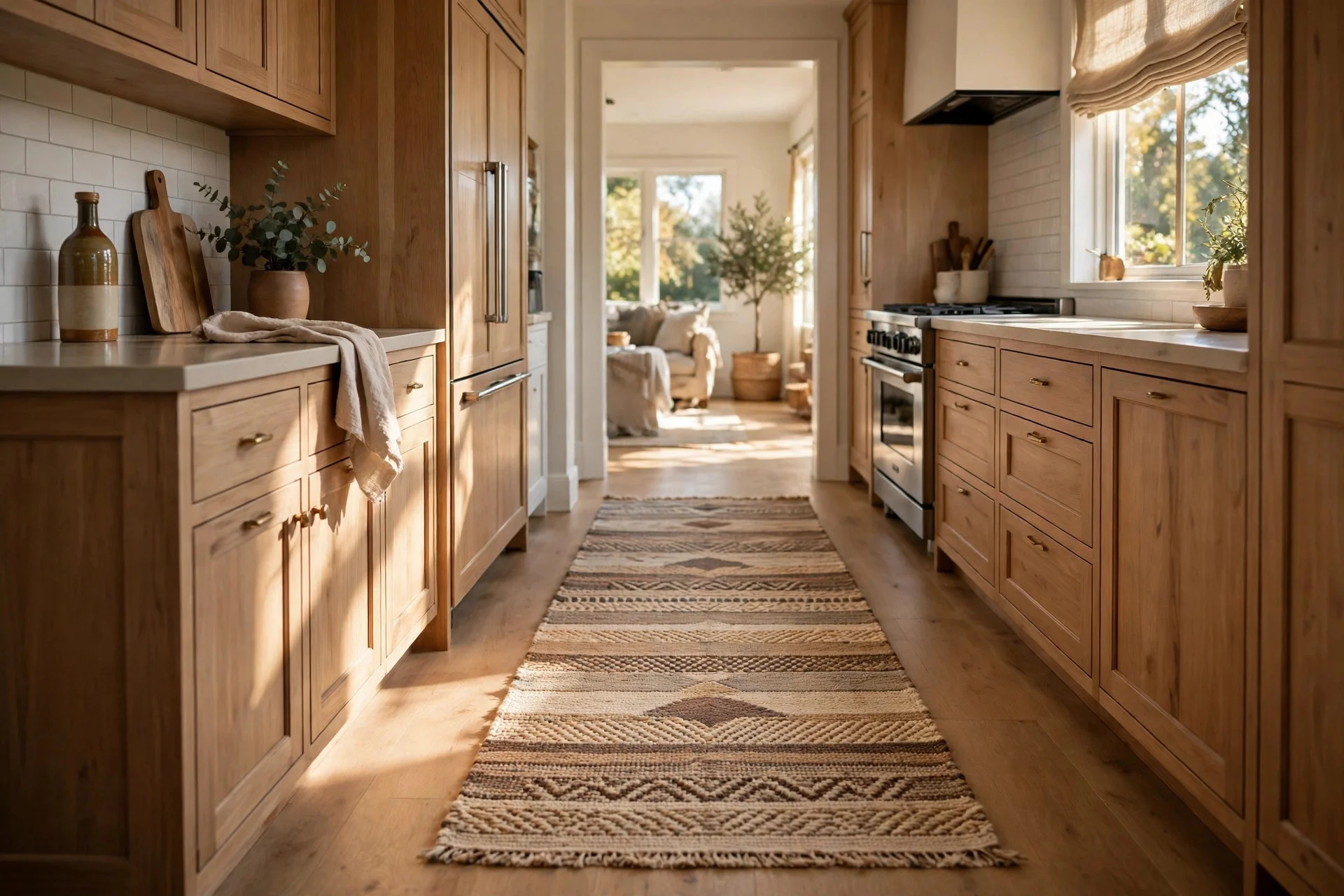
Performance fibers can now mimic handwoven texture closely, with the bonus of stain resistance and full machine washing. You get the crafted look without the delicate care routine.
Cost: $200–$380. Difficulty: easy. Machine wash cold, air dry flat, and vacuum regularly to keep the weave looking crisp.
Hands-on tip: choose a neutral base with one accent color so the rug works even if you repaint later. Watch out: check the exact wash limit — some performance rugs cap the wash temperature or the number of cycles per year. For more floor-friendly options, see flooring calculator.
14. Designer Washable Rug System With Spare Covers
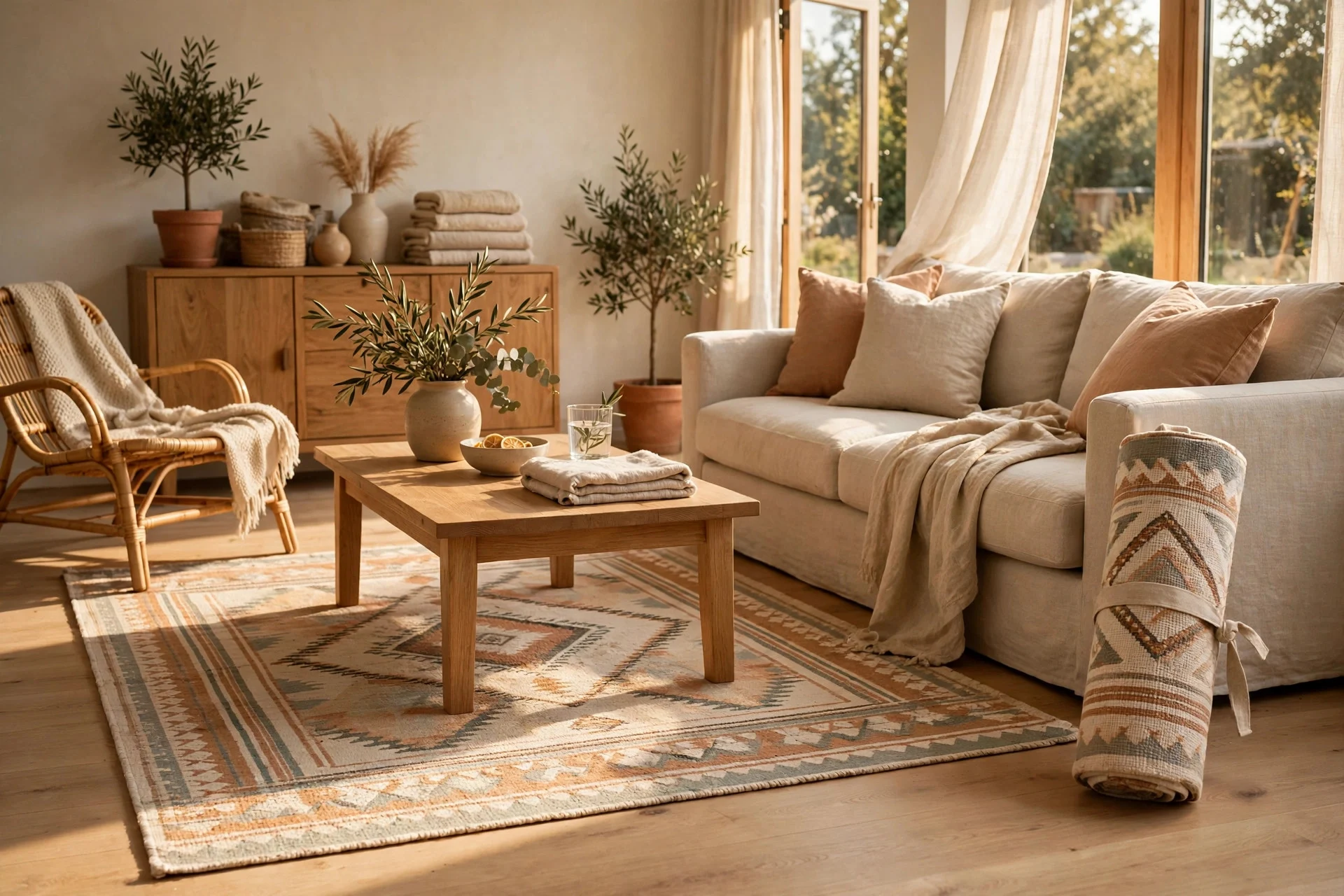
A designer rug system uses a base pad plus interchangeable covers, so you can swap styles by season or wash one cover while another stays down. It’s the most flexible setup on this list, and the price reflects that.
Cost: $250–$500 including the base and two covers. Difficulty: easy. Wash covers cold on gentle, wipe the base, and store spare covers flat so they don’t crease.
Hands-on tip: buy your second cover in a darker tone for winter or holiday cooking season, when spills peak. Watch out: covers and bases are brand-specific, so you can’t mix them across makers.
15. Commercial-Grade Indoor-Outdoor Runner
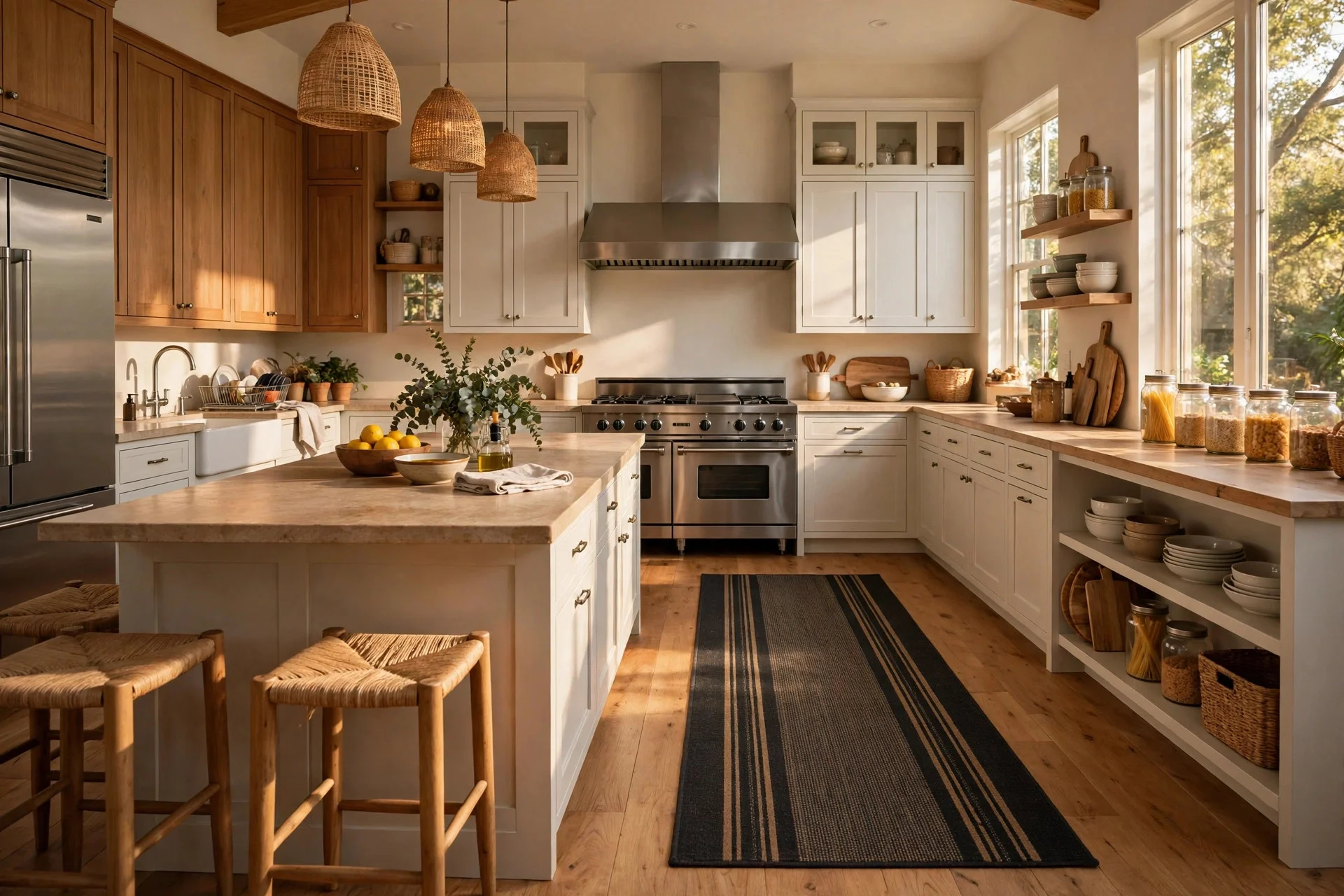
Commercial-grade runners are made for restaurants and busy households, with dense fibers, bound edges, and backing that grips without glue. They handle constant foot traffic and frequent washing without thinning out.
Cost: $210–$400. Difficulty: easy. Hose down or machine wash per the label, air dry, and inspect the bound edges twice a year for wear.
Hands-on tip: this is the right pick for a kitchen that doubles as a hallway to the garden or garage. Watch out: commercial styles lean plain, so add color elsewhere — a bowl of fruit, a tea towel, or painted stools — if the rug itself feels too quiet.
16. Custom-Size Washable Runner
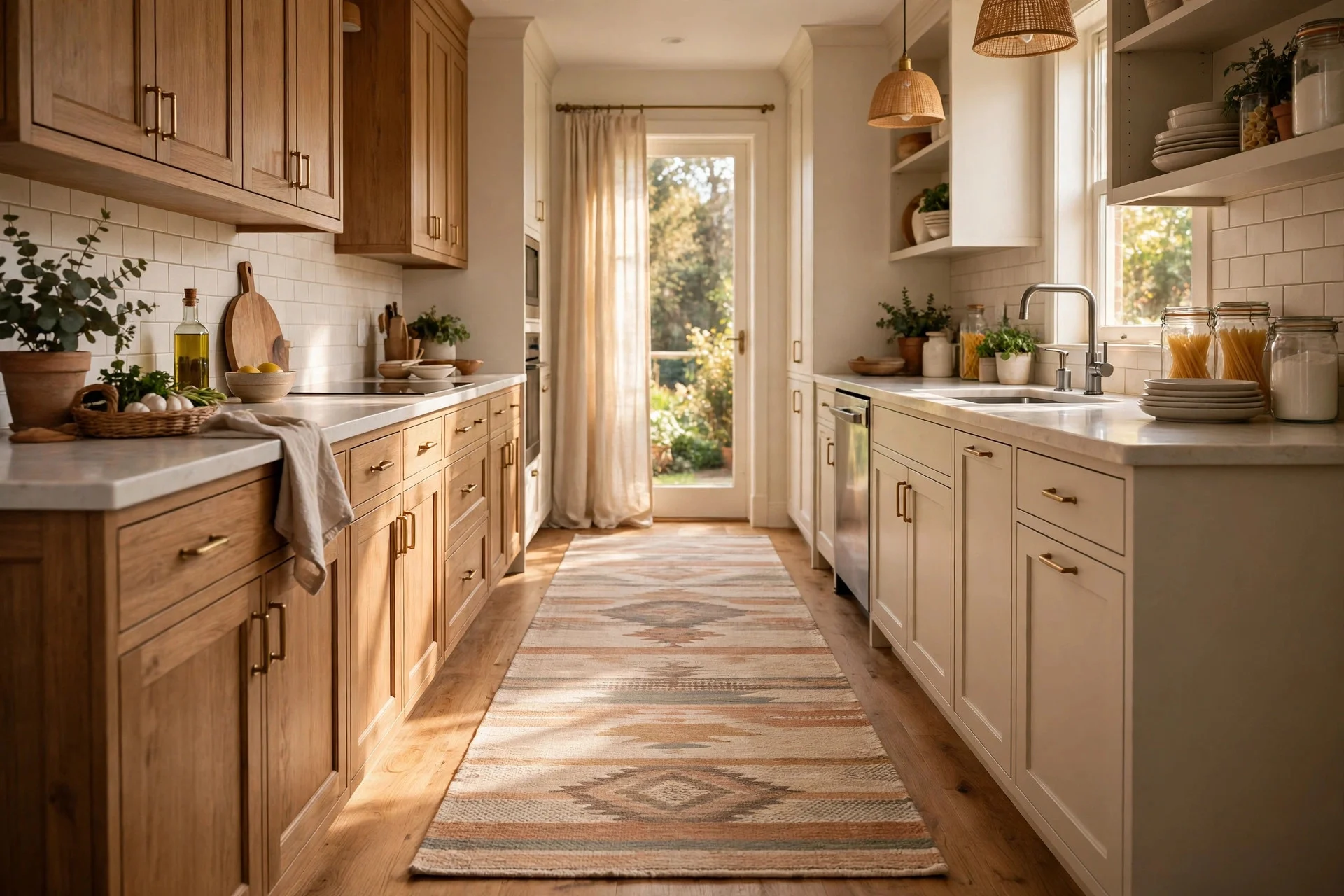
If your kitchen has an odd layout — an L-shaped walkway, a wide island gap, or a run longer than standard sizes — a custom runner solves it. You order the exact length and width, often in a washable wool or performance blend.
Cost: $230–$600 depending on size and material. Difficulty: moderate. Confirm the wash method before ordering, since custom pieces may have specific care rules, then wash cold and dry flat.
Hands-on tip: measure twice, including door swings and island overhangs, and leave at least 4 inches of bare floor on each side for a finished look. Watch out: custom orders are often non-returnable, so request a swatch first and test it against your floor and cabinets. If you’re planning a wider refresh, see renovation budget calculator before you order.
Frequently Asked Questions
How often should you wash a kitchen runner?
For most households, every 2–4 weeks is enough, with spot cleaning in between. If you cook daily or have pets, wash it weekly so grease and crumbs don’t build up in the fibers.
What size runner fits a standard kitchen?
A 2 x 6 foot runner suits most galley kitchens and sink-to-stove paths. For longer runs, look at 2.5 x 8 feet or longer, and always leave a few inches of floor visible on each side.
Can washable runners go in the dryer?
Many cotton and synthetic runners can tumble dry low, but wool and padded rugs often need air drying. Always check the care label first, since one hot cycle can shrink or warp a rug.
Do washable kitchen runners stay in place?
Most do if they have grip backing or a rug pad underneath. On smooth tile or polished wood, a non-slip pad is worth the extra cost — it stops bunching and lowers the trip risk.
Practical Wrap-Up Checklist
Before you buy, run through this quick checklist: measure your walkway, check the care label for machine washing, confirm the pile height clears your doors, and add a rug pad if the rug lacks grip backing. Pick a color that hides everyday crumbs, wash on a schedule that matches how often you cook, and keep stain spray within reach for tomato, oil, and coffee spills. Done right, a washable runner takes the stress out of kitchen messes — you wipe, wash, and move on.