10 Attic Room Ideas for the Space Under the Eaves
That awkward triangle under the eaves does not have to stay a dumping ground for boxes you never open. With the right height, light, and storage, it can become a reading nook, a guest corner, a desk zone, or even a full bedroom. The trick is to match the idea to the space you actually have, not the attic in a photo.
This guide groups 10 attic room decor ideas by budget, starting under $50 and working up to bigger projects. Each idea includes a realistic cost range, how long it takes, and what to watch for with sloped ceilings, headroom, and airflow. Measure first, buy second, and you will avoid the most common attic mistake: furniture that looks right in the shop and will not fit under the slope.
Start With Three Quick Checks
First, check headroom where you plan to stand, sit, and walk. You need full standing height on the path in and out, but you can sit, sleep, and store things where the ceiling drops. Put seating and beds in the low zone and keep walkways in the tall zone.
Second, check light and air. A single small window can leave the far corners dark, and a stuffy attic gets uncomfortable fast. Note where daylight falls during the day, and make sure vents are not blocked by boxes or new furniture. If the room feels damp, smells musty, or shows stains on the ceiling, fix the leak or insulation problem before you decorate.
Third, check access and floor strength. Can you get a folded mattress, a flat-pack desk, or a storage bench up the stairs or through the hatch? If the answer is no, pick ideas that arrive in small pieces and build in place. That one check saves a lot of returns.
Under $50: Small Changes That Make the Space Usable
1. Floor-Cushion Reading Nook
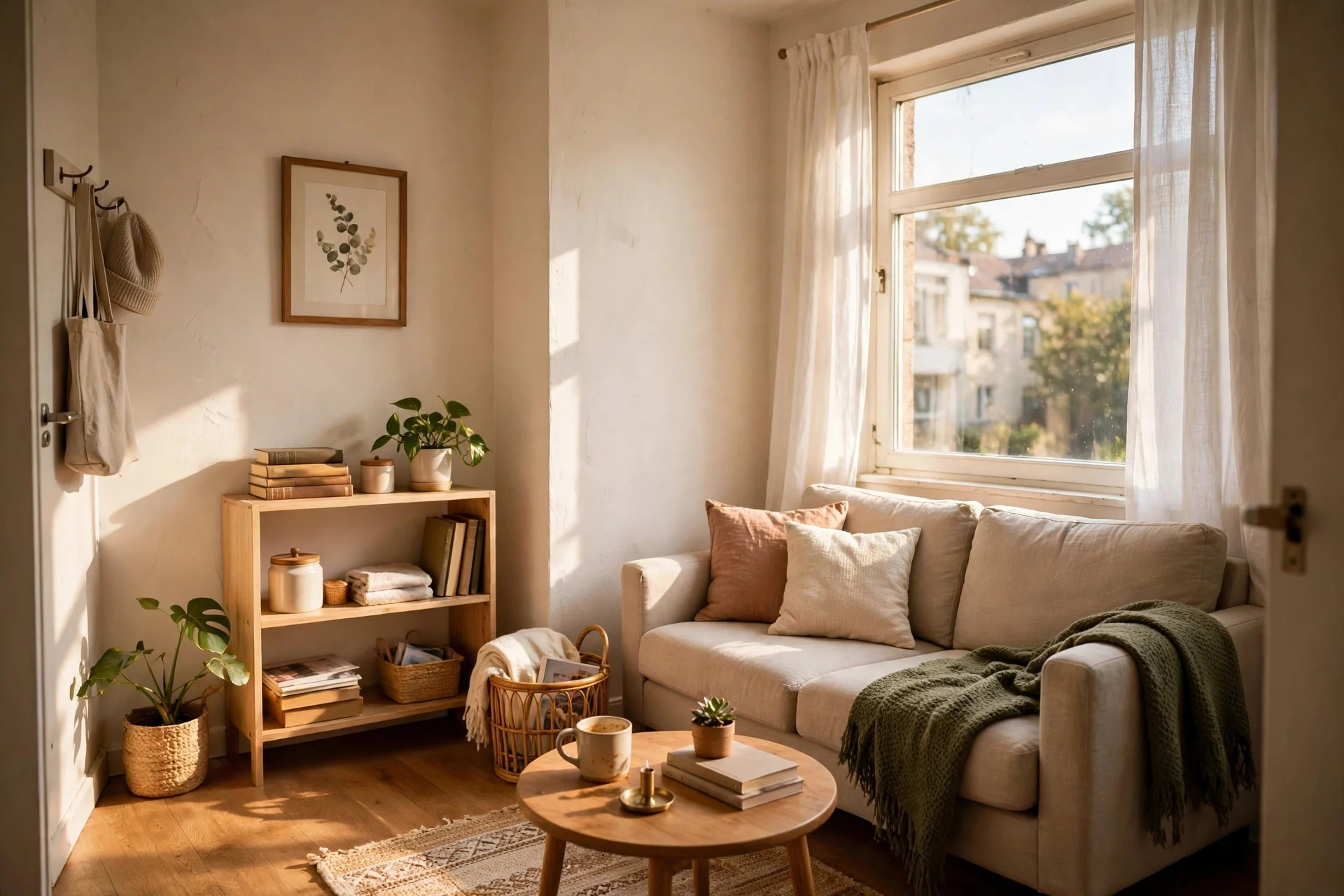
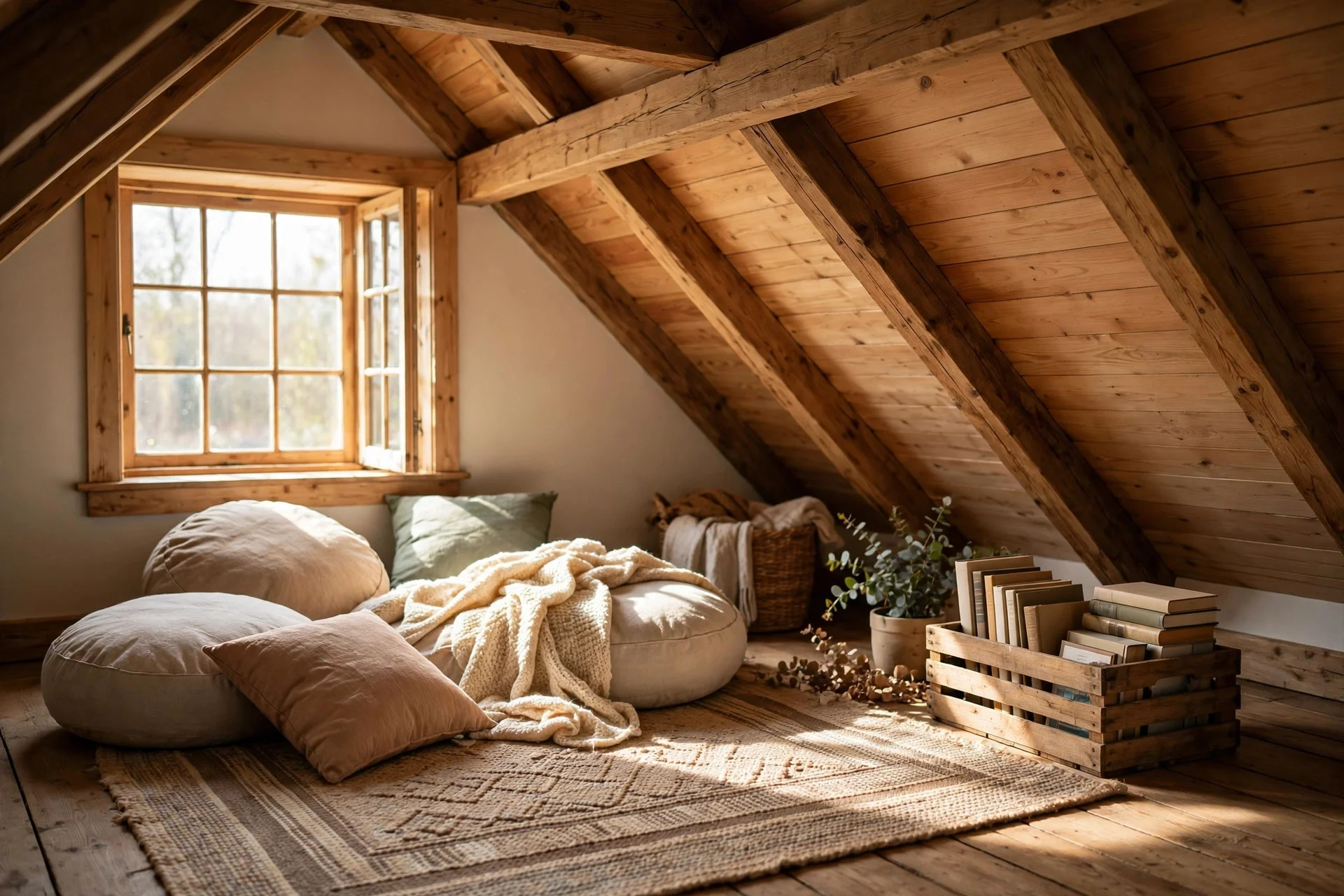
A reading nook is the easiest win for a low, awkward corner. You do not need a chair, and you do not need to fight the slope. Layer two or three firm floor cushions, add a soft throw, and place a small crate or stack of books beside them as a side table. It turns dead space at the eaves into a spot you will actually use every evening.
Cost: $28–$48 for cushions and a throw if you shop sales or use cushions you already own for part of the setup. Difficulty: easy. Time: under an hour, including a quick vacuum and a wipe of the skirting boards.
Hands-on tip: put a thin rug or a folded blanket under the cushions. It stops them sliding on wood floors and adds warmth on cold boards. Watch out: keep cushions a few inches away from any uninsulated outside wall so they do not pick up damp in winter, and air the nook out now and then.
2. Peel-and-Stick Wallpaper on a Knee Wall
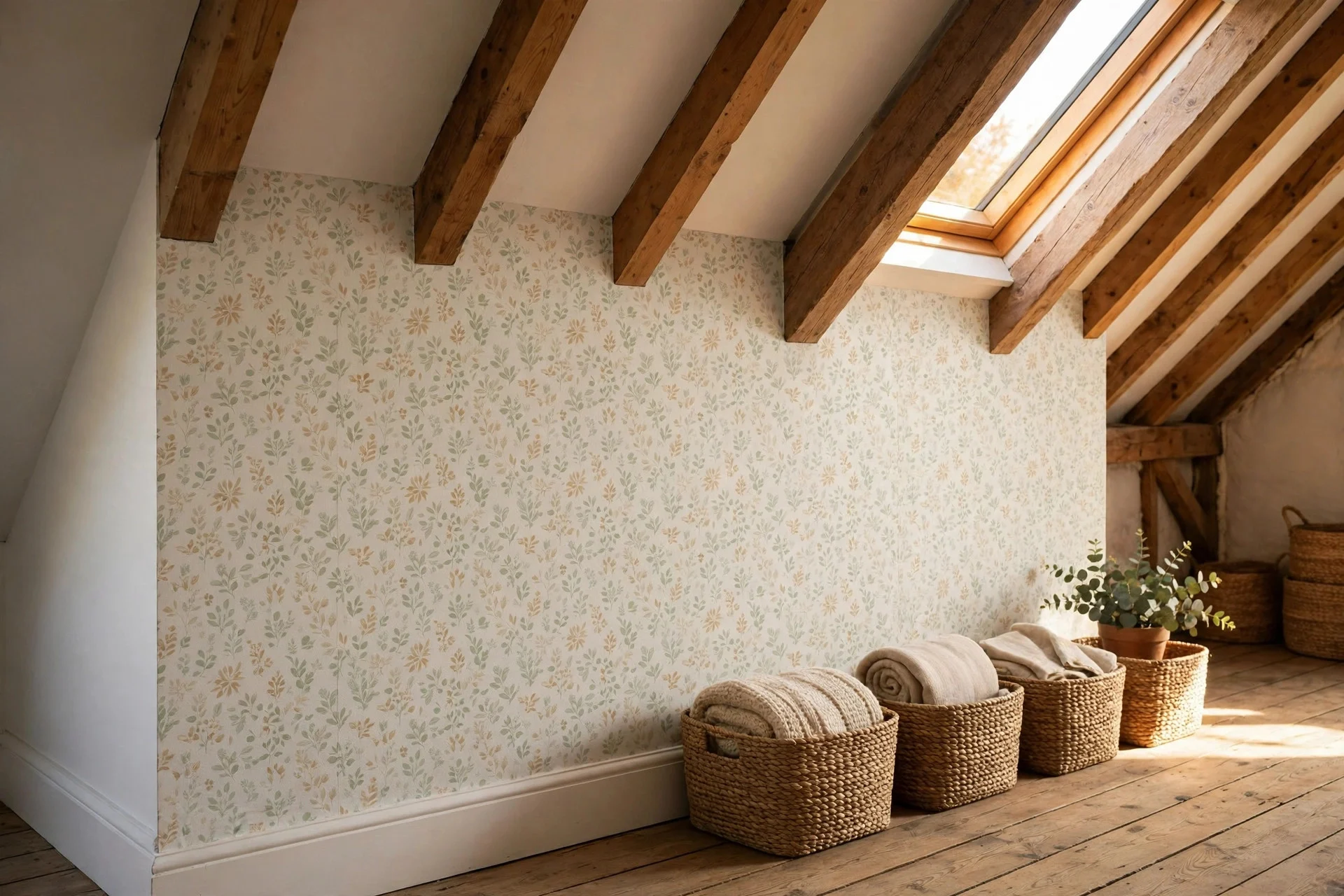
A knee wall, the short vertical wall where the slope meets the floor, is often the dullest part of an attic. One strip of peel-and-stick wallpaper gives it a finished look without paint fumes, drying time, or a long-term commitment. A small botanical print, a subtle stripe, or a warm solid colour all work, and you can peel it off if you change your mind.
Cost: $32–$49 for one or two rolls, depending on the length of the wall. Difficulty: easy to moderate, mostly patience. Time: 1–2 hours for a single knee wall, including measuring and trimming around sockets.
Hands-on tip: clean the wall, let it dry fully, and start at the most visible end so any small pattern mismatch lands behind furniture. Watch out: peel-and-stick paper grips poorly on dusty, textured, or damp surfaces, so test one strip first and press out air bubbles with a plastic card as you go.
3. Layered Clip Lights and a Mirror to Lift a Dark Corner
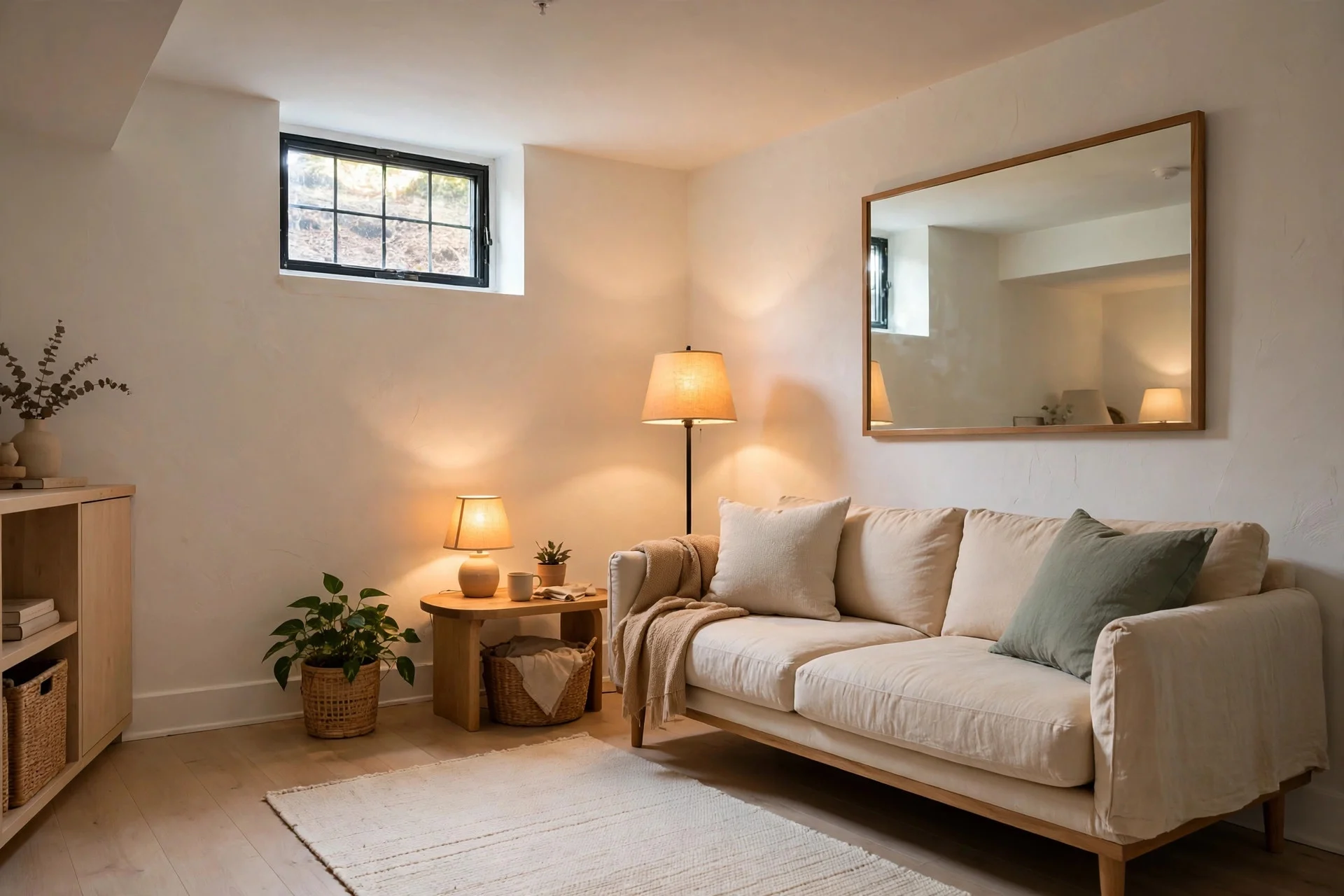
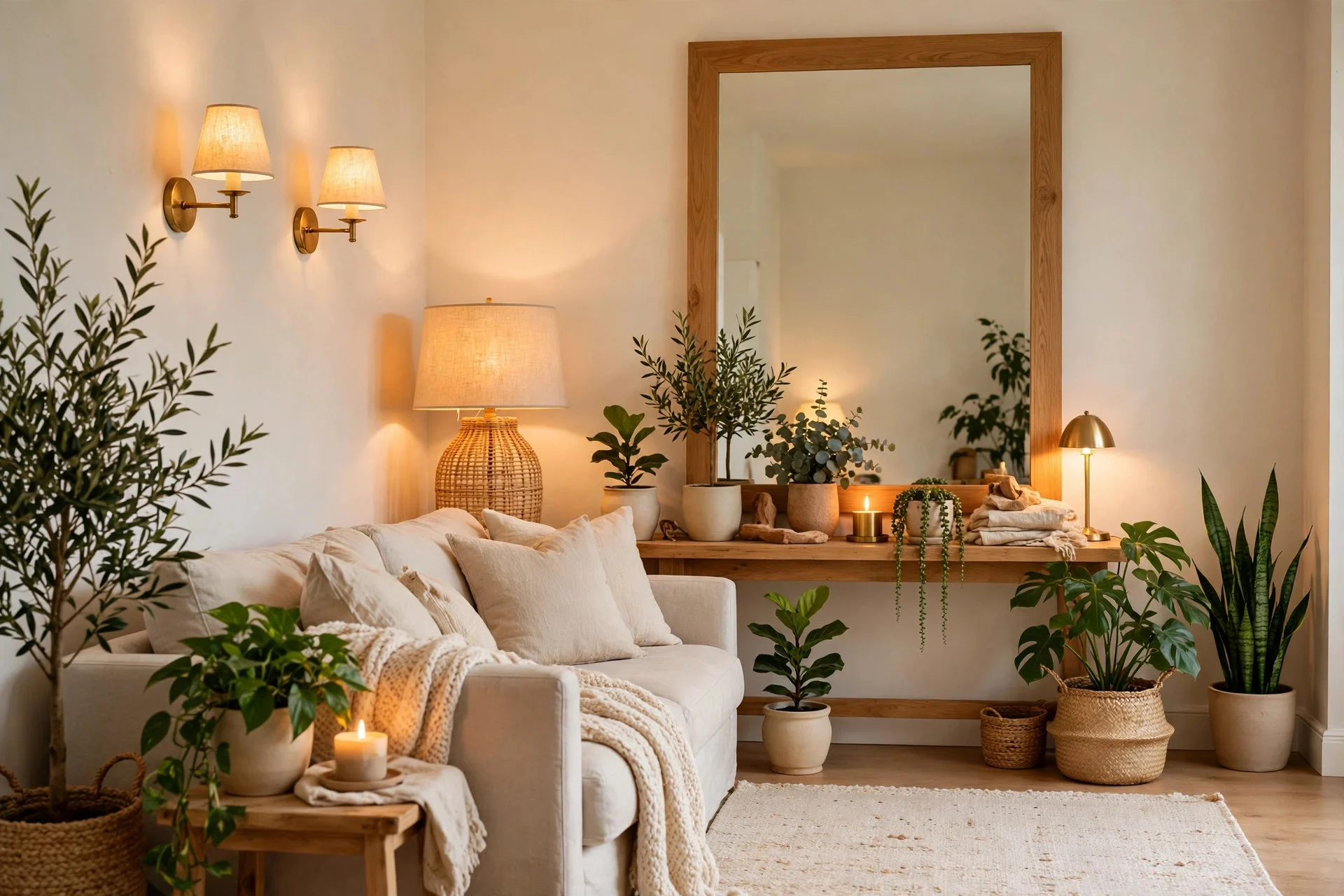
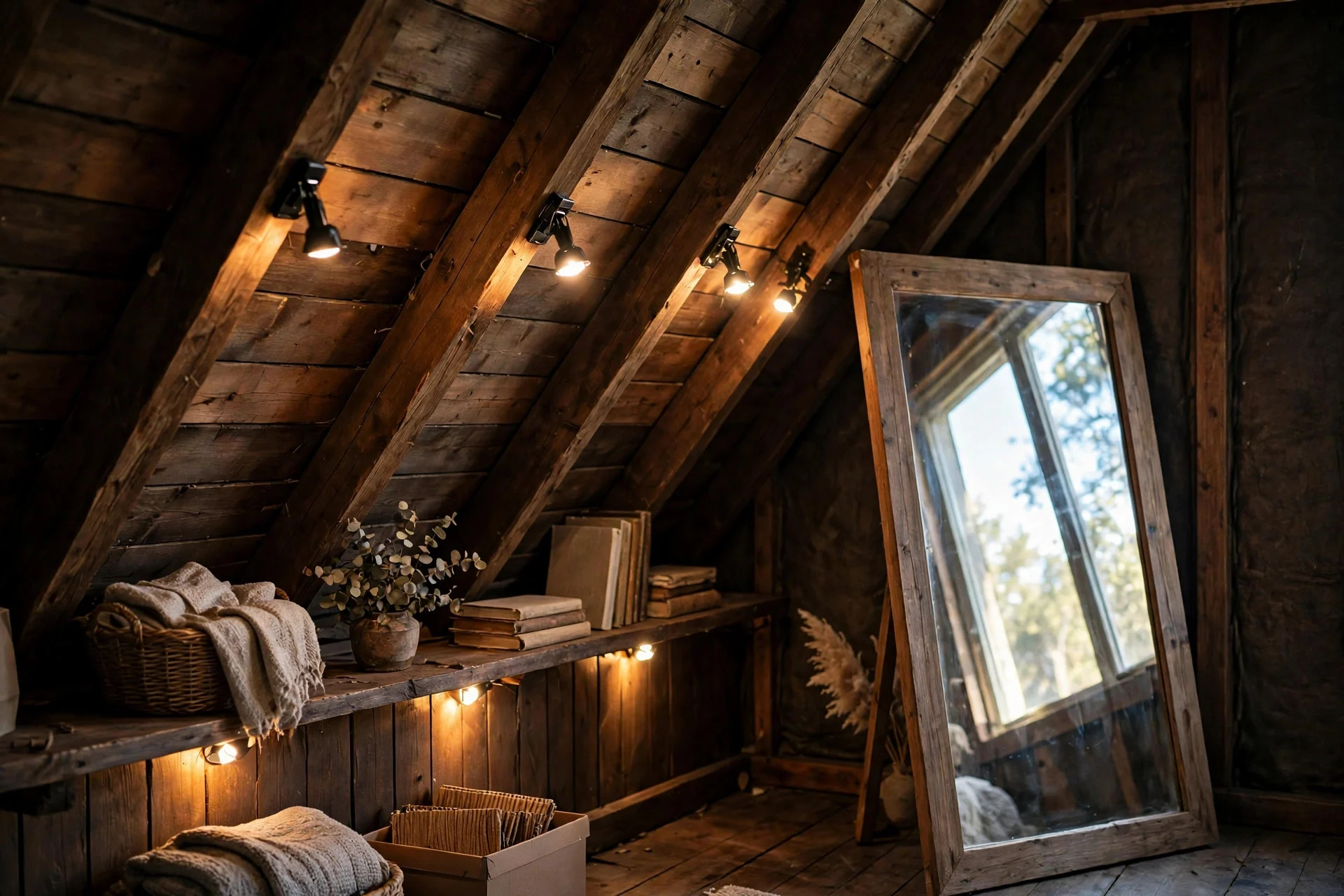
Attics often have one bright spot near the window and gloom everywhere else. Instead of one harsh ceiling light, layer the light: a battery clip light over a reading spot, two or three puck lights under a low shelf, and a leaning mirror opposite the window to bounce daylight deeper into the room. The corner feels larger at once, and you can read without straining your eyes.
Cost: $22–$45 for clip lights, puck lights, and a small leaning mirror from a discount store. Difficulty: easy. Time: 30–60 minutes, including finding the right spots and fixing the lights in place.
Hands-on tip: aim puck lights at the wall, not straight down. Washed light on a pale wall looks softer and hides the sharp angle of the slope. Watch out: do not cover vents with a mirror or a shelf, and keep battery lights away from insulation that could overheat. If your attic faces north and daylight stays weak, these same tricks pair well with the ideas in this guide to north-facing bedroom decor, which focus on warm light and pale surfaces.
$50–$200: Comfort and Storage That Earn Their Keep
4. Knee-Wall Storage Bench With a Cushion Top
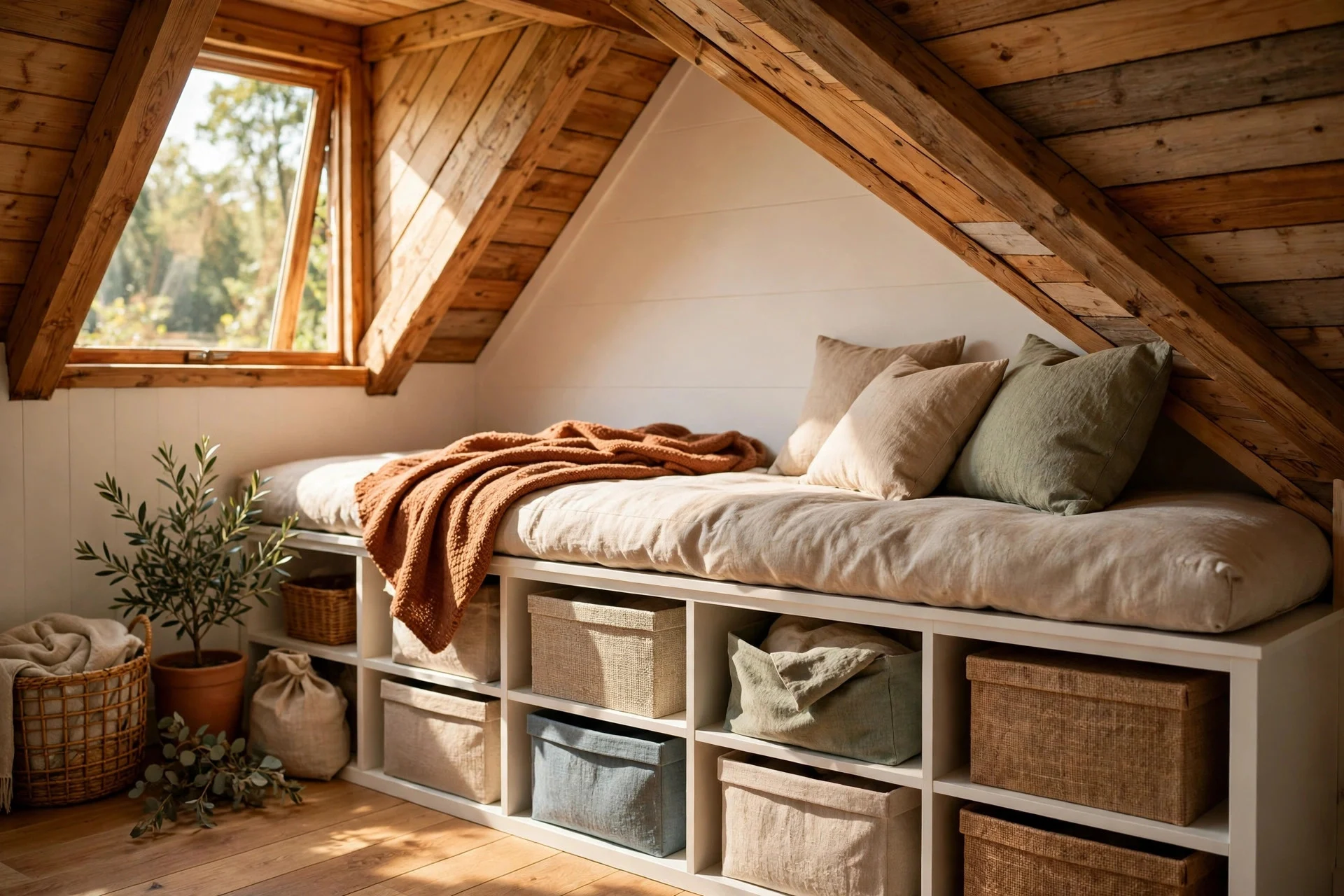
The space behind a knee wall is usually wasted, and the space in front of it collects clutter. A row of low cube units pushed against the knee wall solves both problems. Add a made-to-measure cushion on top and you get a window-seat style bench for reading, plus closed storage for books, blankets, and board games inside fabric boxes.
Cost: $95–$180 for two or three cube units, fabric boxes, and a bench cushion. Difficulty: easy to moderate. Time: 2–3 hours, including assembly and levelling the units on an uneven attic floor.
Hands-on tip: fix the units to each other and to the wall with small brackets so they do not creep forward when someone leans on the cushion. Watch out: leave a small gap behind the units for air to move, and do not block any access hatch to wiring or insulation behind the knee wall.
5. Fabric Panels to Soften a Sharp Slope
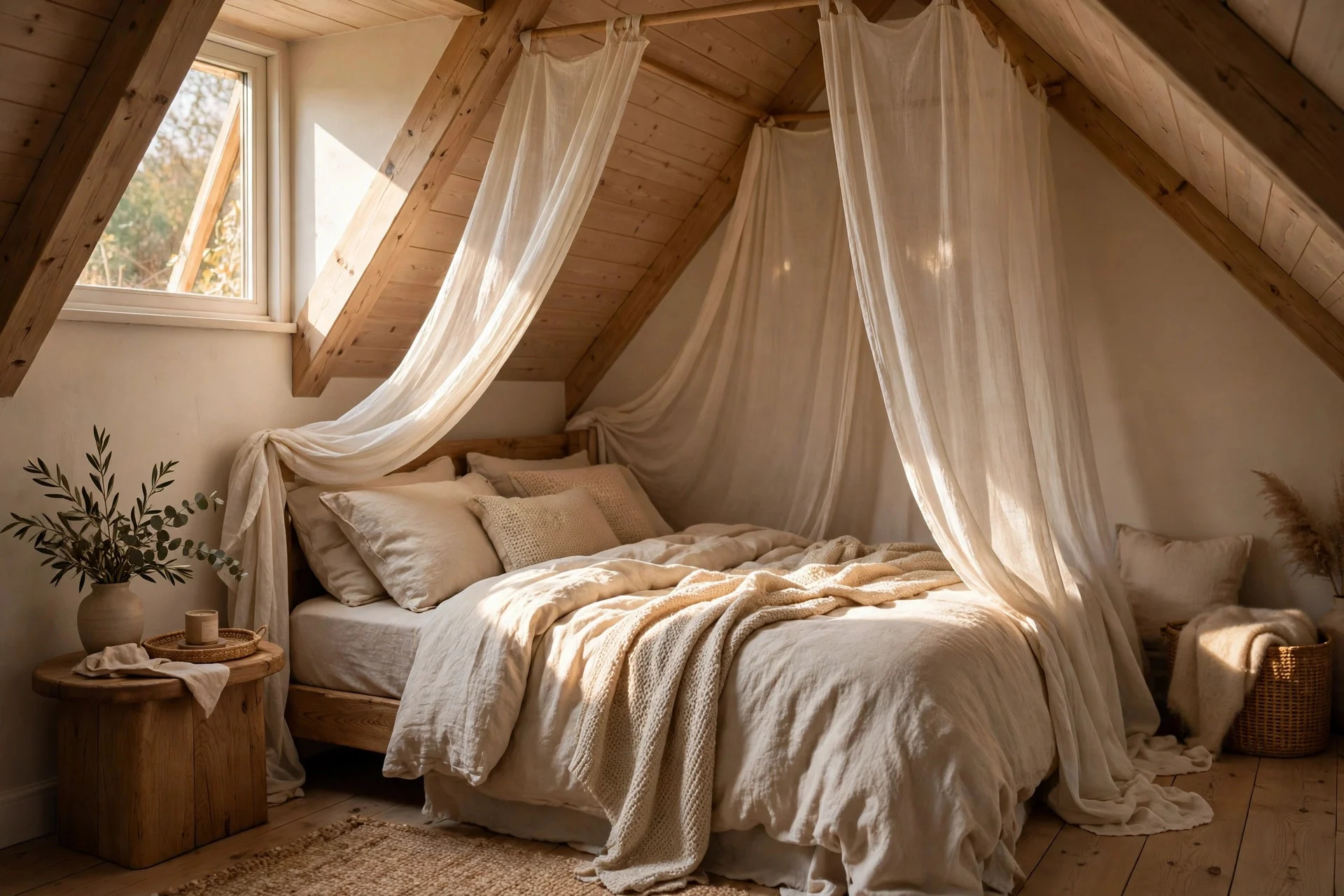
A bare slope can make an attic feel like a tent, especially over a bed or a desk. Light fabric panels hung from a tension rod or a slim ceiling track soften that angle and add colour without building anything. Hang them straight down from the highest point you can reach, or drape them along the slope to create a canopy effect over a sleep or reading zone.
Cost: $60–$150 for rods or a track, fabric panels, and hooks. Difficulty: moderate, mainly because you are working overhead. Time: 2–4 hours, including measuring the slope and hemming or clipping the fabric to length.
Hands-on tip: choose washable fabric in a light or mid-tone colour. Dark, heavy fabric makes a low ceiling feel lower, while pale fabric keeps the room bright. Watch out: keep fabric clear of light bulbs and heaters, and take the panels down to wash them twice a year so dust does not build up in the folds.
6. Compact Desk Zone Under the Eaves
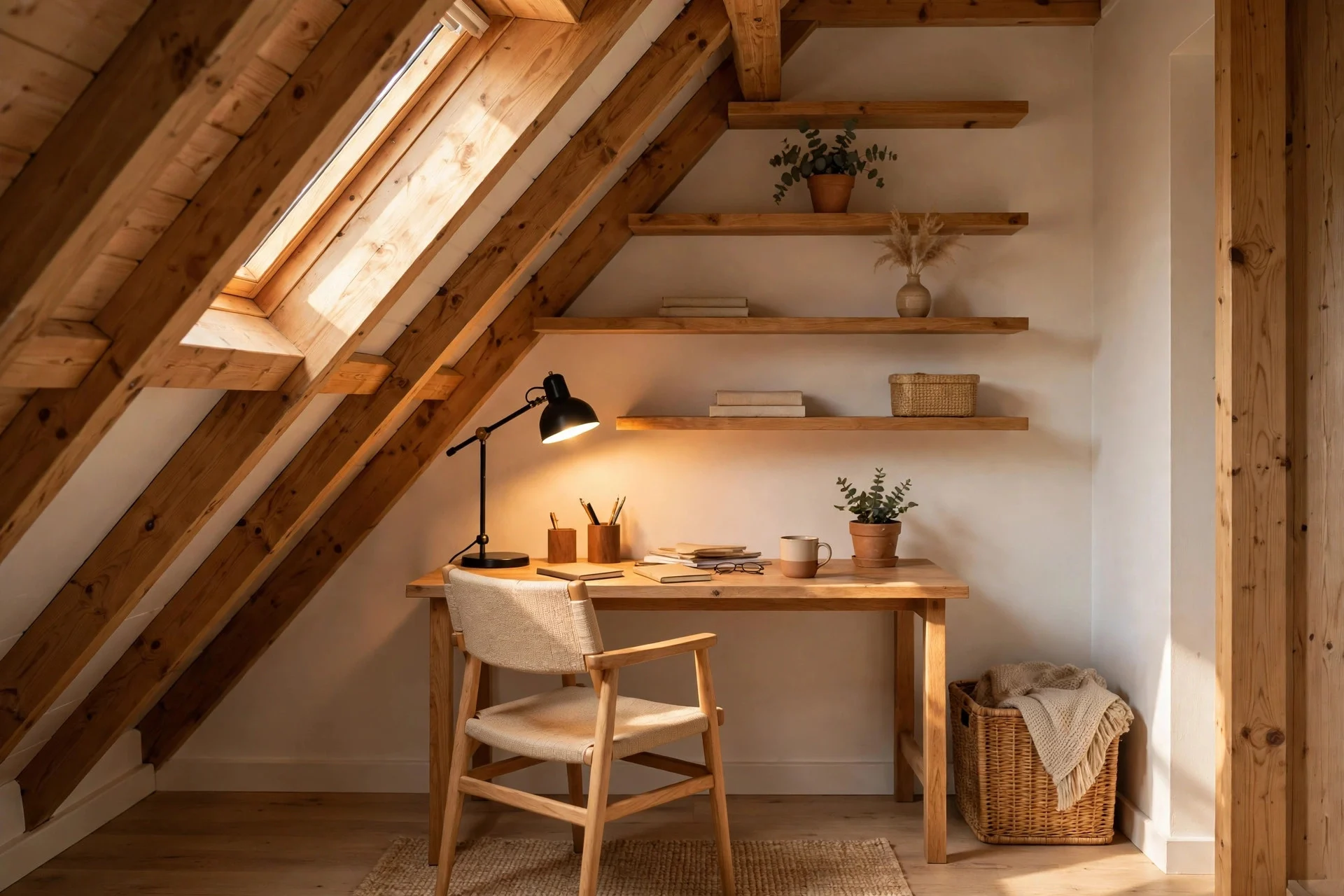
You do not need a full spare room for a home desk. A narrow desk, 40 to 48 inches wide, fits neatly under a slope if you sit with the low side behind you and the open side in front. Add two floating shelves above the desk at a height you can reach without ducking, a small task lamp, and a cable clip to keep chargers off the floor.
Cost: $85–$195 for a compact desk, shelves, and a task lamp. Difficulty: easy to moderate. Time: 2–3 hours, including finding studs or solid fixings for the shelves.
Hands-on tip: sit at the desk before you fix the shelves. Mark the shelf height with tape while you are seated so you do not end up ducking every time you grab a book. Watch out: attic rooms can get hot in summer, so place the desk near airflow, not boxed into the hottest corner, and keep paper and chargers away from any exposed insulation.
7. Low Guest Bed With Under-Bed Storage
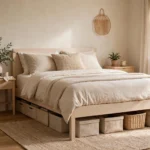
A low platform bed is made for attic headroom. It keeps the sleeping height down, leaves the tall part of the room free for standing, and still gives guests a proper bed instead of an air mattress on the floor. Pick a frame with drawers, or slide flat storage boxes underneath for spare bedding, towels, and seasonal clothes.
Cost: $120–$200 for a basic low frame plus storage boxes or a drawer set on sale. Difficulty: easy to moderate. Time: 2–4 hours for assembly and making up the bed with layers guests can adjust.
Hands-on tip: measure the bed length plus 24 inches of walking space at the foot before you order. In a tight attic, a bed that fits on paper can still block the door or the stairs. For more drawer and box layouts that work in tight rooms, see these storage bed ideas. Watch out: raise the mattress slightly off the floor on a slatted base so air can move underneath, and keep bedding dry by airing the room after guests leave.

$200 and Up: Full Rooms Worth the Investment
8. A Proper Attic Bedroom Under the Slope
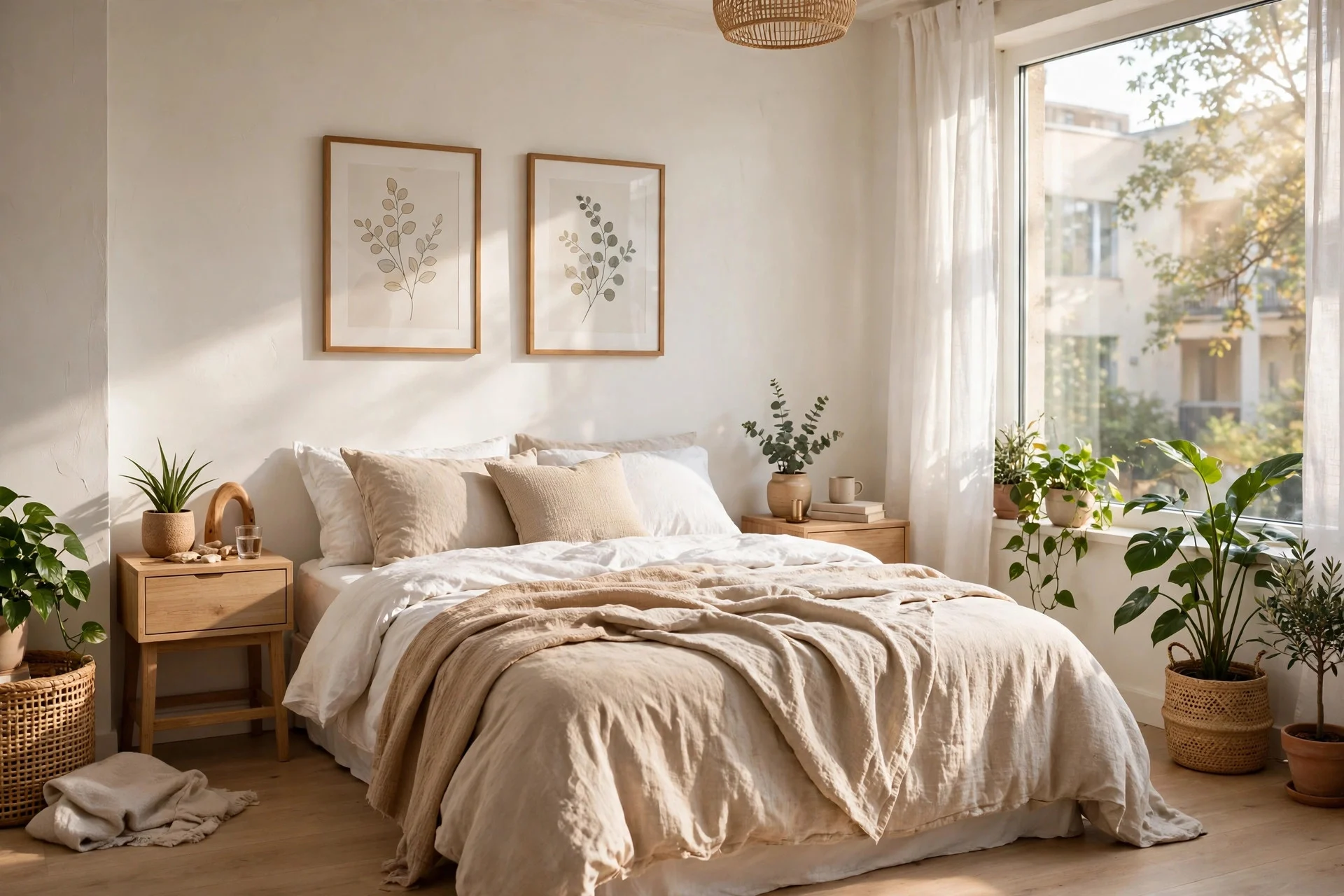
When the attic has decent headroom, safe stairs, and a window you can open, it can work as a real bedroom, not just a spare corner. Place the bed with its head against the lowest wall so you sit up into taller space, use low dressers and wall hooks instead of a tall wardrobe, and keep the centre of the room clear for getting dressed.
Cost: $450–$950 for a low bed frame, mattress topper or new mattress on sale, low dressers, bedding, and lighting. Difficulty: moderate. Time: a weekend, including assembly, sorting storage, and a final tidy.
Hands-on tip: repaint the sloped walls in a pale, warm white before you move furniture in, while you can still reach every angle. Sloped walls are easy to misjudge, so measure each section separately: a gallon of paint covers roughly 350 square feet per coat on smooth walls, and two coats on a 12 by 10 foot attic can need close to two gallons once you subtract a door and a window. To avoid buying too much or running short, run your measurements through the paint calculator before you head to the store. Watch out: check insulation and ventilation before you commit to sleeping up there year-round, and keep a clear path to the stairs at night. For bed placement and storage that suit a slope, this guide to attic bedroom sloped ceiling decor covers the layouts that work best.

9. Hobby or Craft Studio With Real Work Space
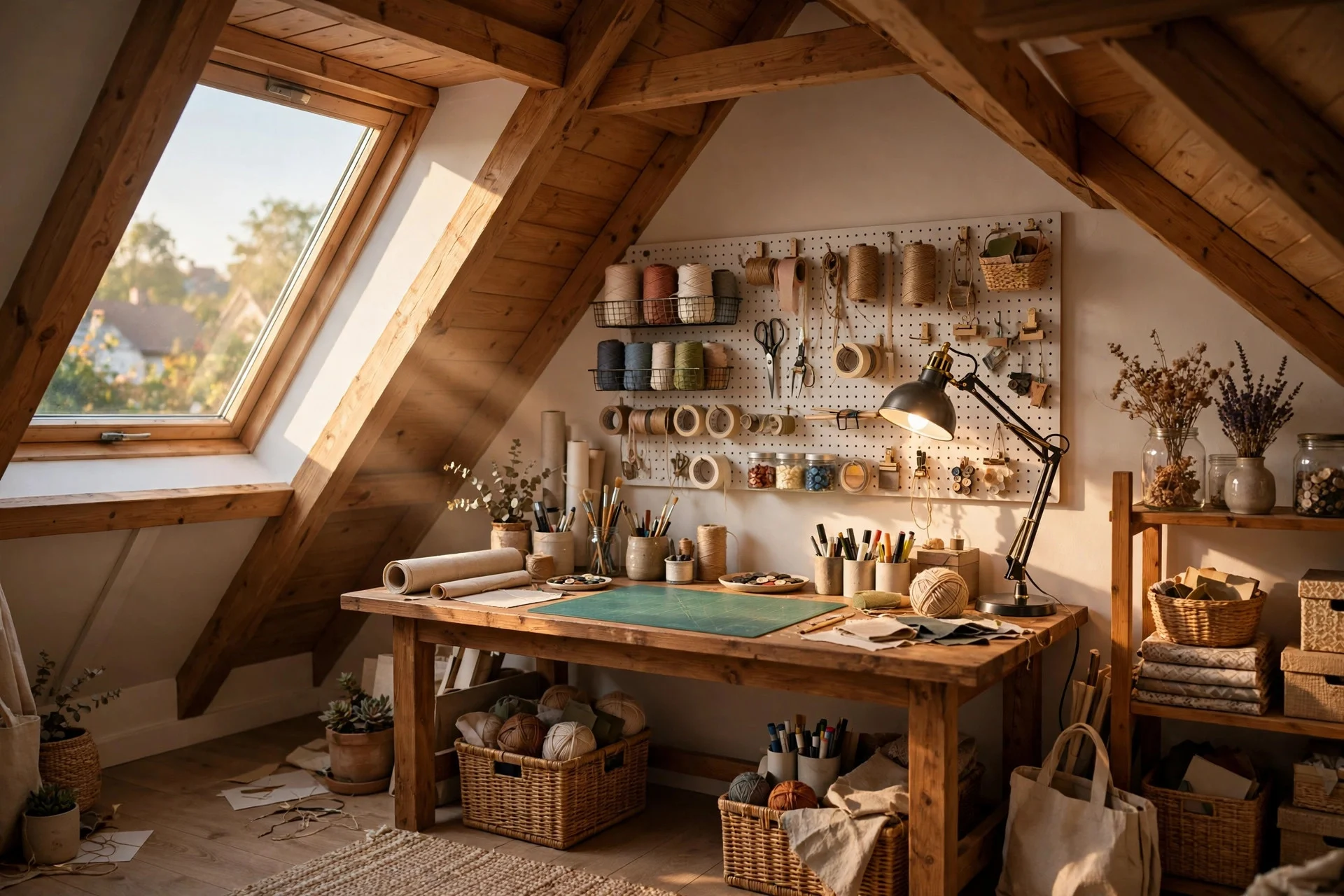
Attics make good studios because the slope creates a natural sense of enclosure, and a spare corner can hold a sewing table, a painting easel, or a model bench without taking over the living room. Set up a sturdy worktable against the tallest usable wall, add a daylight-style task lamp, and use pegboard or small shelves for tools so the table stays clear for the work itself.
Cost: $280–$650 for a worktable, task lighting, shelving or pegboard, and storage boxes. Difficulty: moderate. Time: one weekend, including assembly and organising supplies by how often you use them.
Hands-on tip: sort supplies into daily-use, weekly-use, and rarely-used groups, and store the rarely-used boxes in the lowest eaves where you do not need to reach every day. Watch out: craft supplies, paints, and glues need airflow and steady temperatures, so do not store them against a hot roof slope, and keep a small fan or open window in the routine when you work with strong-smelling materials.
10. Low Lounge and Media Den
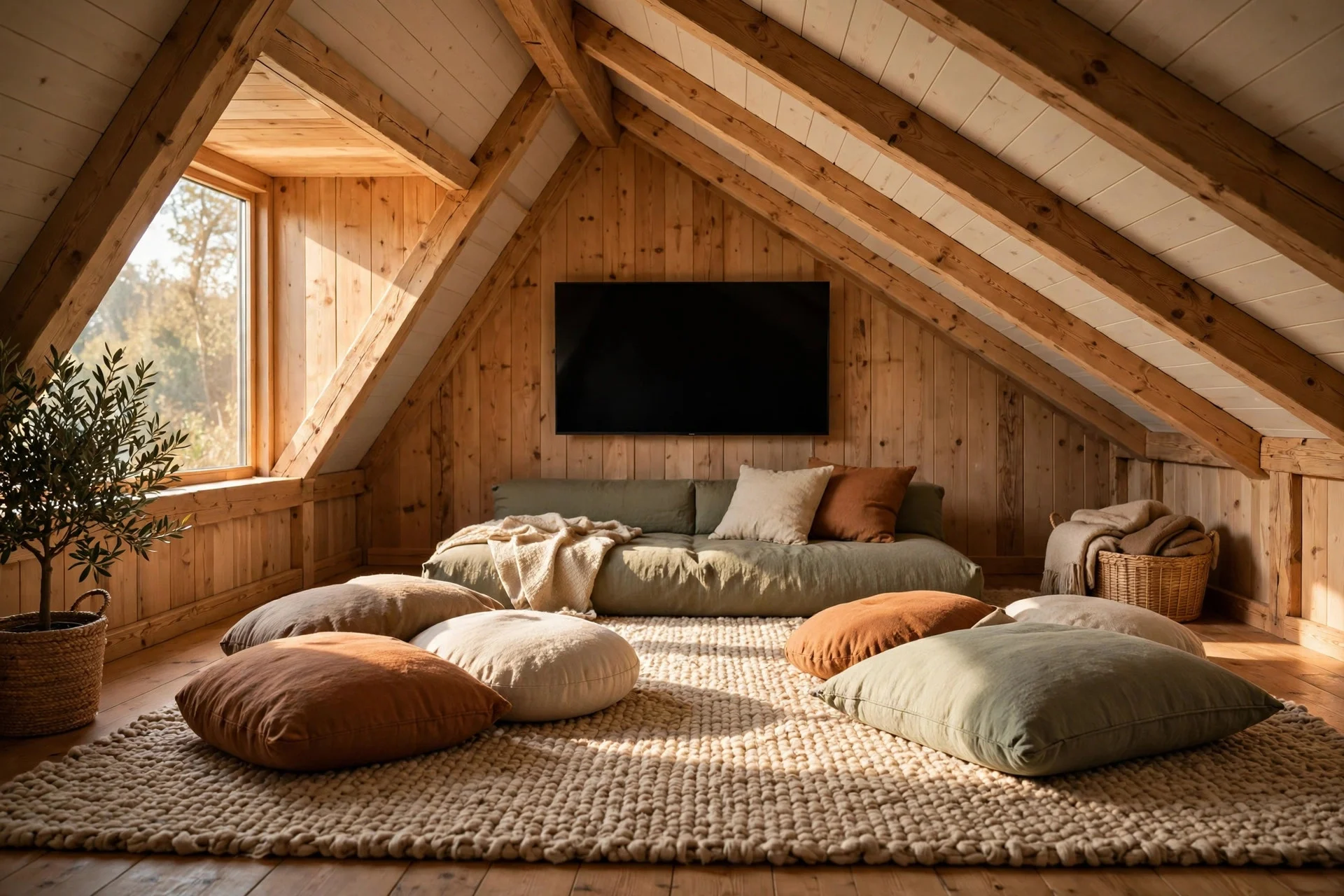
If your attic has enough floor space for a small sofa and a rug, a media den is a strong use for it. A low-profile sofa, 28 to 32 inches high at the back, fits under a slope far better than a tall one. Add a thick rug to soften the floor, a couple of floor cushions for extra seats, and a wall-mounted screen angled so you can watch from the sofa without craning your neck.
Cost: $350–$800 for a small low sofa on sale, a rug, cushions, and a screen mount, using a TV you already own. Difficulty: moderate. Time: a weekend, including delivery, assembly, and cable tidying.
Hands-on tip: test the viewing angle before you fix the mount. Sit on the sofa, hold a phone or a cardboard cutout at screen height, and check that you can see the full screen without tilting your head. Watch out: mount the screen into studs or solid blocking, never into plasterboard alone, and leave space behind the sofa for air to move so the room does not overheat during a long film night.
Frequently Asked Questions
How much headroom do you need for an attic room?
You need full standing height where you walk and get dressed, usually around 6 feet 8 inches or more on the main path. Sitting, sleeping, and storage can sit under lower slopes, so plan the layout around the tall zone first and fit furniture into the low zone after.
Can you use an attic room all year?
Yes, if insulation, ventilation, and heating are sorted. Without them, an attic can feel freezing in winter and stuffy in summer. Fix draughts, damp, and blocked vents before you spend on furniture, and add a portable heater or fan as a short-term fix only.
What is the cheapest way to start?
Start with light and seating: floor cushions, clip lights, and a mirror cost under $50 and show you how you actually use the space. If you use the nook daily for a month, it makes sense to spend more on storage or a desk next.
How do you keep an attic room tidy?
Give every low, hard-to-reach spot one job: one box for spare bedding, one for books, one for seasonal items. Label the boxes on the side you can see from the doorway, and clear one box out each season so the eaves do not quietly fill up again.
Quick Checklist Before You Buy Anything
Run through this list once, and most attic regrets disappear. Measure headroom on the walking path and at each furniture spot. Check vents, daylight, and damp. Confirm you can get each item up the stairs. Pick one tier that fits your budget now, and leave room to upgrade later. Start small, live with the layout for a few weeks, then add the pieces that earn their place.
- Measure standing height, bed length, and desk width before ordering.
- Keep walkways in the tall zone and beds, seating, and storage in the low zone.
- Check light, air, and damp before buying furniture.
- Choose washable fabrics and closed storage for dusty eaves corners.
- Add lighting in layers instead of relying on one ceiling bulb.