A bird bath seems like one of the simplest additions you can make to a yard, but choosing the wrong one often leads to frustration. Lightweight plastic models crack in the sun, ceramic options can chip during cold weather, and cheap designs may tip over after a strong storm. Many homeowners end up replacing bird baths every few years, which quickly becomes more expensive than investing in a durable option from the start.
That’s one reason concrete bird baths continue to be popular. They are sturdy, weather-resistant, and capable of lasting for decades when properly maintained. Beyond durability, concrete offers design flexibility. Whether your outdoor space feels like a formal garden, a cottage retreat, or a modern landscape, there is a concrete bird bath style that can fit naturally into the setting.
The best bird bath isn’t just attractive. It should also provide a safe and comfortable place for birds to drink, bathe, and cool off throughout the year. Size, depth, placement, and maintenance all play important roles in how successful it becomes.
In this guide, you’ll discover 10 concrete bird bath ideas that combine long-term durability with practical beauty. From classic pedestal styles to artistic sculptural designs, these options can enhance your landscape while creating a welcoming environment for local birds. You’ll also find a comparison table, buying guide, and practical tips to help you choose the right bird bath for your outdoor space.
1. Classic Pedestal Concrete Bird Bath
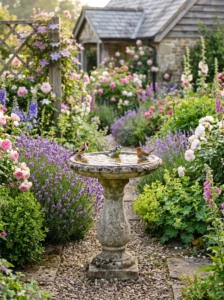
Sometimes the traditional design remains popular for a reason. A classic pedestal concrete bird bath offers a timeless look that works in nearly every garden style.
The elevated bowl makes it easy for birds to spot water from above, while the sturdy concrete base prevents tipping during windy conditions. Unlike lighter materials, concrete remains stable throughout the seasons.
This style works particularly well in front gardens, flower beds, and formal landscapes where symmetry matters. Placing it at the center of a circular planting bed can create a natural focal point.
Choose a bowl depth of around one to two inches for the most bird-friendly design. Deeper bowls may discourage smaller birds from using the bath. A slightly textured surface also provides better footing.
One common mistake is placing the bath too close to dense shrubs where predators could hide. Keep nearby cover available, but allow enough open space for birds to see potential threats.
Many homeowners find that a classic pedestal bird bath becomes a gathering point throughout the day. Watching birds splash around during a morning coffee can quickly become part of a relaxing outdoor routine.
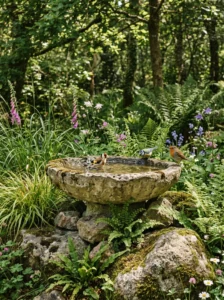
2. Rustic Stone-Look Concrete Bird Bath
If you love natural-looking landscapes, a stone-inspired concrete bird bath can blend beautifully into the environment.
Modern molds can create concrete surfaces that closely resemble carved rock or weathered stone. The result feels organic without sacrificing durability.
These bird baths work especially well in woodland gardens, cottage landscapes, and naturalized planting areas. They look as though they’ve always been part of the property.
Earth-tone finishes such as gray, tan, or sandstone help enhance the realistic appearance. Pairing the bath with ornamental grasses, native flowers, or large landscape rocks creates a cohesive look.
Avoid overly polished finishes when aiming for a rustic feel. Birds often prefer textured surfaces that provide secure footing.
A stone-look bird bath often becomes less noticeable as a standalone object and more integrated into the landscape. The subtle appearance helps create a peaceful, nature-focused atmosphere that many homeowners appreciate.
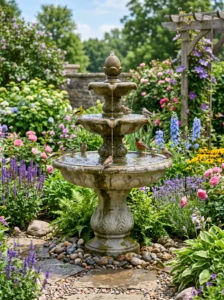
3. Tiered Concrete Bird Bath Fountain
Moving water can dramatically increase bird activity in your yard.
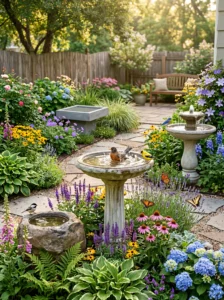
A tiered concrete bird bath fountain combines the function of a traditional bird bath with the attraction of flowing water. Birds are naturally drawn to movement and sound, making these designs highly effective.
This style works best in larger gardens, backyard patios, and landscape focal points where there is enough space to appreciate the vertical design.
Consider installing a small recirculating pump that keeps water flowing gently between levels. Excessive splashing can waste water and create maintenance issues.
Because fountains require electricity or solar power, placement planning becomes important. Ensure easy access for cleaning and seasonal maintenance.
Many gardeners report seeing a wider variety of bird species after adding moving water. The gentle sound also contributes to a more relaxing outdoor environment, especially when enjoyed from a nearby seating area.
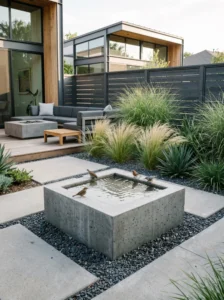
4. Square Modern Concrete Bird Bath
Traditional isn’t always the best choice. Modern landscapes often benefit from cleaner lines and simpler forms.
A square concrete bird bath creates a contemporary look that complements minimalist gardens, geometric patios, and modern architecture.
The straight edges provide visual structure, while the concrete material maintains excellent durability. This style often pairs well with concrete pavers, steel planters, and modern outdoor furniture.
Neutral shades like charcoal, light gray, and soft white work particularly well in contemporary settings.
Be careful not to make the basin too deep. Even with a modern design, functionality should remain the priority.
Many homeowners appreciate how a square bird bath acts as both a decorative feature and wildlife attraction. It adds interest without feeling overly ornate or traditional.
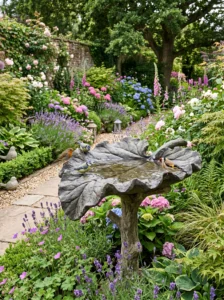
5. Sculptural Concrete Bird Bath
A bird bath can also function as outdoor art.
Sculptural concrete bird baths feature creative forms such as leaves, flowers, abstract shapes, or nature-inspired designs. These pieces often become conversation starters while still serving birds effectively.
They work best in gardens where visual interest matters as much as functionality. Courtyard gardens, decorative landscapes, and artistic outdoor spaces are ideal locations.
When selecting a sculptural design, ensure that birds still have easy access to shallow water areas. Some artistic pieces prioritize appearance over usability.
Placement should allow the sculpture to be viewed from multiple angles. Consider nearby pathways, patios, or seating areas.
The combination of art and practicality often gives these bird baths lasting appeal. They provide enjoyment even when birds aren’t actively using them.
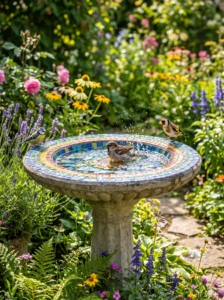
6. Concrete Bird Bath with Mosaic Accents
Adding decorative details can transform a simple bird bath into a standout feature.
Concrete bird baths with mosaic tile accents combine durability with color and personality. Glass, ceramic, or stone tiles can create beautiful patterns around the rim or pedestal.
These designs fit particularly well in colorful gardens filled with flowers and vibrant landscaping elements.
Keep decorative materials limited to accents rather than covering the entire basin. Smooth, practical surfaces remain important for bird safety and cleaning.
Weather-resistant grout and sealers help protect the mosaic details over time.
The colorful reflections created by mosaic pieces often add extra visual interest throughout the day, especially when sunlight hits the surface.
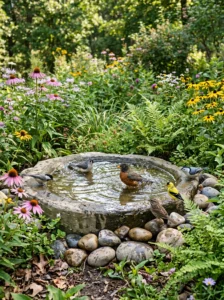
7. Low Basin Ground-Level Bird Bath
Not every bird bath needs a tall pedestal.
Ground-level concrete bird baths mimic natural puddles and shallow water sources found in nature. Many species feel comfortable using them.
This style works especially well in wildlife gardens, native landscapes, and natural habitats.
Surrounding the bath with low-growing plants creates a realistic appearance while maintaining visibility for birds.
Drainage is important. Ensure the surrounding area doesn’t become muddy after rainfall.
Ground-level designs often create a more natural experience, making the garden feel less structured and more connected to local wildlife.
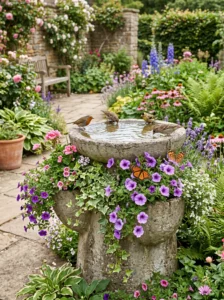
8. Concrete Bird Bath with Integrated Planter
Combining multiple functions can save space while adding visual appeal.
An integrated planter bird bath includes planting areas around or beneath the basin. Flowers, herbs, or trailing plants can soften the appearance of concrete.
This design works well on patios, small gardens, and compact outdoor spaces where every feature needs to earn its place.
Choose plants that don’t drop excessive debris into the water. Too many fallen leaves can increase maintenance requirements.
Seasonal flowers can refresh the appearance throughout the year without replacing the bird bath itself.
The combination of plants and water often attracts both birds and pollinators, creating a lively garden feature.
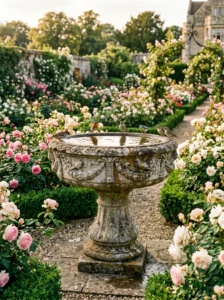
9. Antique-Style Concrete Bird Bath
Old-world charm never goes completely out of style.
Antique-inspired concrete bird baths often feature decorative carvings, aged finishes, and classic architectural details.
They pair beautifully with traditional homes, rose gardens, and formal landscaping.
Weathered finishes can help the bird bath look established rather than newly installed. However, avoid excessive artificial aging that may appear unrealistic.
Placement near pathways or garden entrances allows visitors to appreciate the craftsmanship.
These bird baths often create a sense of history and permanence that lighter materials struggle to achieve.
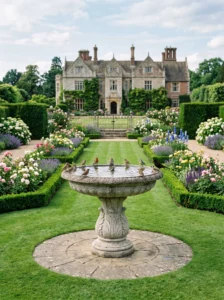
10. Large Estate-Style Concrete Bird Bath
For expansive landscapes, a larger bird bath can make a stronger visual impact.
Estate-style concrete bird baths feature substantial bowls, heavy pedestals, and impressive proportions. Their size allows multiple birds to use the bath simultaneously.
These designs are ideal for large yards, estate gardens, and spacious landscapes where smaller bird baths might feel insignificant.
Careful placement is essential because moving a large concrete bird bath later can be difficult.
Consider surrounding it with low plantings that won’t block visibility.
A large bird bath often becomes a defining landscape feature that anchors the entire garden design while providing valuable habitat for wildlife.