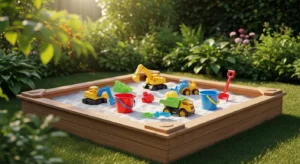
Ever set up a sandbox for kids and then realized… they got bored way faster than you expected? It happens. A plain box of sand is fun for a while, but with a few creative tweaks, it can turn into something kids actually keep coming back to.
The good news is, you don’t need a huge budget or complicated setup. With the right sandbox ideas, your backyard can become a playful, imaginative space where kids stay engaged longer (and honestly, that’s a win for everyone). Let’s go through some fun, practical ideas you can actually try at home.
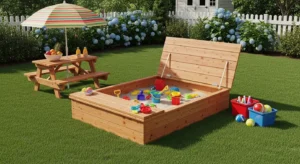
1. Covered Sandbox with Seating Edges
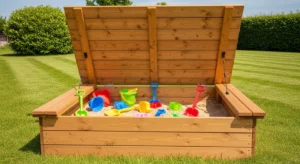
A sandbox with a built-in cover and seating edges is one of those designs that just makes sense. The cover keeps the sand clean when not in use, while the wooden edges double as benches for kids.
It keeps everything neat and a bit more organized, which parents usually appreciate. Plus, kids love having a defined “space” to sit and play. You might even find yourself sitting there sometimes. Tip: go for a hinged lid—it’s much easier to open and close.
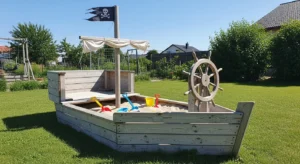
2. Pirate Ship Sandbox
Turning a sandbox into a mini pirate ship instantly makes it more exciting. Add a simple wooden frame, a small flag, or even a steering wheel for pretend play.
Kids don’t just play with sand—they create stories. That’s where the real fun starts. It doesn’t have to be perfect or detailed, just enough to spark imagination. Ever noticed how props change the way kids play?
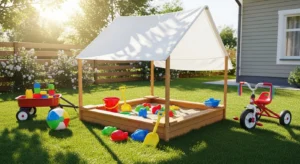
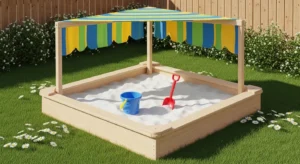
3. Sandbox with Shade Canopy
Playing under direct sun isn’t always ideal, especially in warmer weather. Adding a canopy or umbrella over the sandbox creates a more comfortable play area.
It also helps protect the sand from getting too hot. The space feels more inviting and usable throughout the day. You could even choose a fun-colored fabric to make it visually appealing.
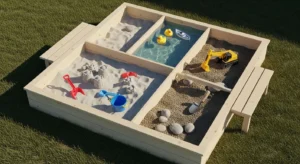
4. Multi-Zone Sandbox Play Area
Instead of just sand, divide the area into zones—one for sand, one for water, maybe even a small digging corner.
This keeps things interesting and gives kids different ways to play. It’s especially useful if they tend to lose interest quickly. You don’t need a huge space either—just a bit of thoughtful layout goes a long way.
5. Sandbox with Toy Storage
Let’s be honest—sandbox toys end up everywhere. Adding built-in storage or a nearby box keeps things in one place.
It makes cleanup easier and teaches kids a bit of responsibility too. Plus, everything is within reach when they want to play. A simple wooden box or bench can do the job.
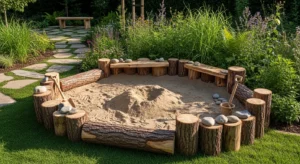
6. Natural Wood Log Sandbox
Using logs or natural wood instead of polished boards gives the sandbox a more organic feel. It blends nicely into garden spaces.
It’s not overly styled, which actually makes it more charming. Kids still get the same fun, but the overall look feels softer and more natural. If you like a rustic backyard vibe, this works really well.
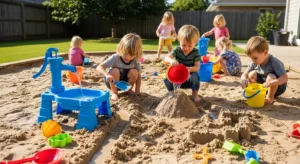
7. Sandbox with Water Play Feature
Adding a small water element—like a bucket, pump, or basin—takes sandbox play to another level. Sand and water together? Endless fun.
Kids can build, mix, and experiment without getting bored quickly. Just be prepared for a little mess (it’s part of it). Maybe keep a towel nearby—it helps more than you think.
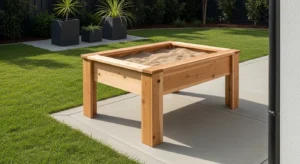
8. Raised Sandbox Design
A raised sandbox sits above ground level, which can make it easier for both kids and adults. No need to bend down too much.
It also keeps the sand contained and cleaner. This design works well for smaller spaces or patios. You could even add a ledge around it for extra seating or play space.
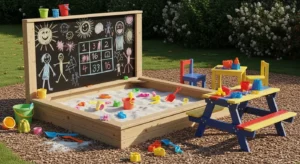
9. Sandbox with Chalkboard Wall
Attach a chalkboard panel to one side of the sandbox, and suddenly you’ve got two play areas in one.
Kids can draw, write, and then switch back to sand play. It keeps them engaged longer without needing extra toys. It’s a simple addition, but surprisingly effective.
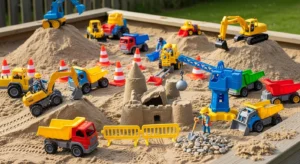
10. Themed Construction Sandbox
If your kids love trucks and digging, a construction-themed sandbox is a great idea. Add toy excavators, cones, or small signs.
It gives their play a clear direction, which can make it more engaging. You might notice they spend more time building and “working” rather than just digging randomly.
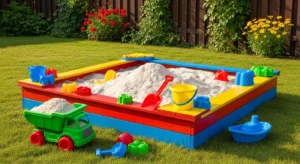
11. Colorful Sandbox Design
Painting the sandbox in bright, cheerful colors instantly makes it more inviting. It stands out and feels more playful.
You can match it with outdoor decor or just let it be bold and fun. Kids are naturally drawn to color, so it actually encourages them to use it more. Maybe let them help choose the colors?
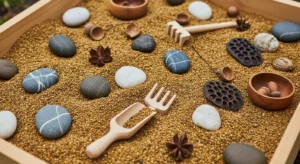
12. Sandbox with Pebble and Texture Mix
Mixing sand with small pebbles or different textures adds variety to play. It’s not just about digging—it becomes a sensory experience.
Kids explore more when there’s something different to feel and move around. Just make sure everything is safe and smooth. It’s a small change, but it keeps things interesting.
13. Compact Corner Sandbox
Not every backyard has a lot of space, and that’s okay. A corner sandbox fits neatly into smaller areas without feeling crowded.
It uses space efficiently while still giving kids room to play. You can tuck it into a quiet corner and still make it feel special. Sometimes less space actually feels more cozy.
14. Sandbox with Garden Border
Surrounding your sandbox with plants or flowers helps it blend into the backyard. It doesn’t feel like a separate “play zone” anymore.
It softens the look and makes the whole area feel more connected. Just choose low-maintenance plants so it stays easy to manage. It’s a nice balance between play and design.
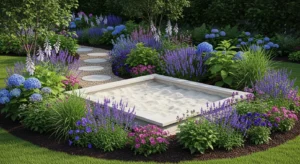
15. DIY Tire Sandbox
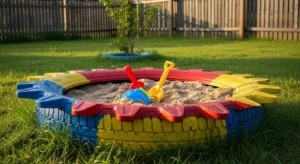
Repurposing a large tire into a sandbox is a simple and budget-friendly idea. It’s compact, durable, and easy to set up.
You can paint it or leave it as is for a more casual look. It’s a great option if you want something quick without building from scratch. Have you ever tried a DIY setup like this?
A sandbox doesn’t have to be basic to be fun. With a few thoughtful ideas, it can turn into a space kids actually love spending time in.