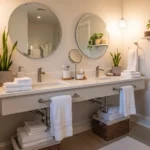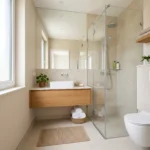
A bathroom without cabinet space can feel impossible to keep organized. One countertop turns into a pile of skincare bottles, extra toothpaste ends up balanced on the toilet tank, and towels somehow never stay folded for more than a day. The frustrating part is that even clean bathrooms can still look messy when there’s nowhere to actually store things.
A lot of people assume the solution is a full renovation or expensive built-in storage, but that’s usually not true. Most bathrooms already have unused vertical space, awkward corners, empty wall areas, and overlooked surfaces that can work much harder. The real issue is not always the size of the bathroom — it’s how the space is being used.
Small bathrooms especially tend to suffer from “hidden clutter.” Everyday essentials get stuffed into random baskets or left out in the open because there’s no dedicated system. That quickly makes the room feel cramped, stressful, and harder to clean.
The good news is that organizing a bathroom without cabinets is completely possible with smart placement, the right storage materials, and a few practical habits. You don’t need luxury shelving or custom carpentry to make the room feel functional and calm.
In this guide, you’ll learn realistic, easy-to-apply ideas that work for rentals, tiny bathrooms, guest bathrooms, and awkward layouts. From vertical storage to hidden organizers, these tips focus on creating a bathroom that actually works for daily life instead of just looking good in photos.
1. Use Vertical Wall Shelves Instead of Floor Storage
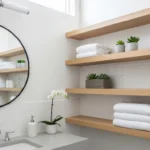
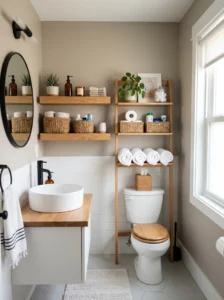
One of the biggest mistakes people make in small bathrooms is relying only on floor storage. The floor fills up fast, and suddenly the room feels crowded before anything is even organized. Wall shelves solve that problem immediately because they use empty vertical space that usually goes ignored.
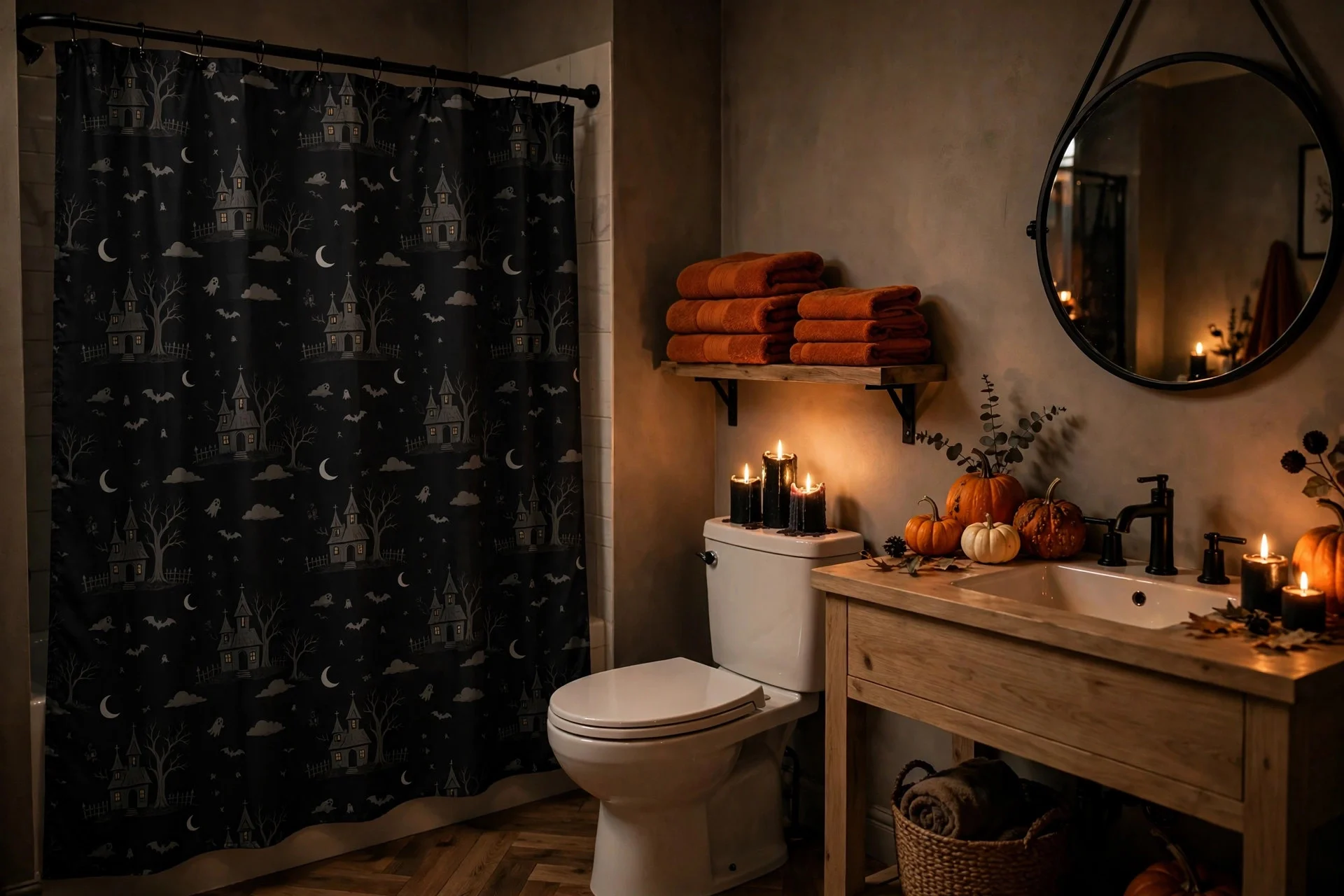
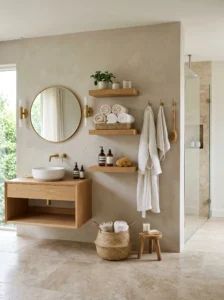
Floating shelves work especially well above toilets, beside mirrors, or on narrow walls that cannot fit furniture. They keep essentials accessible without making the bathroom feel bulky. Open shelving also encourages better organization because clutter stays visible, which naturally limits overstuffing.
For smaller bathrooms, choose slim shelves in wood, white metal, or matte black finishes. Thick, heavy shelves can make tight spaces feel visually crowded. If the bathroom already feels busy, matching the shelf color to the wall paint helps everything blend in more smoothly.
Use baskets or trays on the shelves rather than placing random items directly on them. That keeps products grouped together and prevents the “mini convenience store” look many bathrooms accidentally develop.
In real daily use, vertical shelving makes routines easier. Towels stay reachable, skincare products stop taking over the sink, and extra toilet paper no longer needs to sit awkwardly in corners. The room simply feels calmer because every item has a visible home.
2. Add an Over-the-Toilet Storage Rack
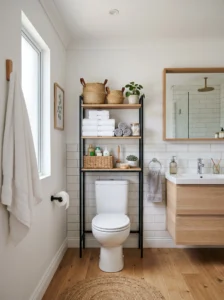
The space above the toilet is often completely wasted, which is surprising because it’s one of the best storage areas in a cabinet-free bathroom. An over-the-toilet rack creates storage without stealing valuable walking space.
These racks are especially useful in apartments, rental bathrooms, and narrow layouts where adding furniture is unrealistic. Instead of squeezing in cabinets, the rack uses vertical height efficiently while keeping essentials within easy reach.
Metal frames work well for modern bathrooms, while wooden versions create a softer and warmer look. If your bathroom already has a lot of visual clutter, avoid oversized racks with thick framing because they can overwhelm the room quickly.
Store items by frequency of use. Everyday products should stay on the middle shelves, while backup supplies can go higher. Decorative storage bins help keep the setup looking intentional instead of chaotic.
One smart trick is mixing functional and decorative items together. A folded towel stack beside a small plant or candle instantly makes the storage feel more styled and less purely practical.
In everyday life, this setup reduces countertop mess dramatically. Instead of balancing products around the sink, the toilet area quietly becomes a storage zone that feels organized rather than forgotten.
3. Use Adhesive Hooks Everywhere Possible
Hooks are one of the simplest storage tools, yet most bathrooms barely use them properly. A few well-placed adhesive hooks can completely change how the room functions without requiring drilling or permanent changes.
They work particularly well in rental bathrooms because they install easily and remove without major wall damage. Behind doors, beside mirrors, and near showers are usually the best locations.
The reason hooks work so well is because they create “active storage.” Instead of tossing towels or robes over random surfaces, items instantly have a designated spot. That small change alone makes bathrooms feel cleaner every day.
Choose waterproof adhesive hooks designed specifically for humid spaces. Cheap versions often fail after repeated steam exposure. Matte black, brushed nickel, and white hooks usually blend best with modern bathroom styles.
Avoid placing too many hooks together. Overcrowding can make walls feel visually messy. Leave breathing room between each hook so the setup still looks intentional.
A practical daily-life benefit is speed. Towels dry faster, loofahs stop cluttering shower corners, and hair tools stay easier to access. It sounds minor, but organized hanging storage reduces those small daily frustrations people barely notice until they disappear.
4. Store Everyday Products in Decorative Trays
Bathrooms without cabinets often look messy because products are scattered individually across the sink. Even expensive skincare can make a bathroom feel cluttered when nothing is grouped together.
Decorative trays fix this problem immediately. They visually organize items into one contained area, making countertops appear intentional instead of chaotic.
Trays work best for daily-use products like soap, moisturizer, perfume, toothbrush holders, or shaving supplies. Instead of hiding everything away, they create neat zones that feel easier on the eyes.
Stone, bamboo, acrylic, and ceramic trays are especially popular because they resist moisture well. Acrylic is ideal for smaller bathrooms because it feels visually lighter and less bulky.
One common mistake is choosing trays that are too large. Oversized trays eat up sink space quickly and defeat the purpose. Compact trays with slightly raised edges usually work best.
In real use, trays make cleaning much easier. Instead of moving ten separate products while wiping the counter, you simply lift one tray. The bathroom stays tidy with far less effort, which matters more than most people realize.
5. Install Corner Shelves Inside the Shower
Shower products become clutter magnets fast, especially in bathrooms without cabinets. Bottles pile on tub edges, razors slide everywhere, and soap somehow never stays where it belongs.
Corner shelves solve this because they use awkward shower space that otherwise sits empty. Since corners naturally stay out of the way, the storage feels integrated instead of intrusive.
Metal rust-resistant shelves are durable, but tension-mounted corner shelves work well for renters who cannot drill into tile. Glass shelves create a cleaner and more minimal appearance if you want a lighter visual look.
Limit shower storage to products actually used regularly. Overloading shelves with half-used bottles creates visual clutter quickly. Small matching refill bottles also make a huge difference aesthetically.
Placement matters too. Shelves should stay reachable without forcing awkward stretching during showers. Eye-level positioning usually feels most natural.
Daily routines feel noticeably smoother once shower clutter disappears. Bottles stop falling constantly, cleaning becomes easier, and the shower suddenly feels larger because surfaces stay clear.
6. Use Rolling Carts for Flexible Storage
Rolling carts are underrated bathroom storage solutions because they adapt easily to changing needs. Unlike fixed cabinets, they can move around depending on the situation.
Slim rolling carts fit beautifully between toilets and sinks, beside vanities, or even near washing machines in combined bathroom-laundry spaces. They’re ideal for renters or anyone avoiding permanent installations.
Three-tier metal carts are especially practical because they separate categories naturally. Hair tools can stay on one shelf, skincare on another, and backup products below.
Neutral colors like white, beige, or black usually work best. Bright plastic carts often make bathrooms feel more temporary and cluttered.
One useful trick is assigning each shelf a purpose instead of mixing items randomly. Organized grouping prevents the cart from turning into a dumping zone over time.
In daily life, rolling carts add convenience because storage becomes mobile. Need skincare closer to the mirror? Move the cart. Need extra floor space while cleaning? Roll it aside. That flexibility makes small bathrooms function much more comfortably.
7. Hang Baskets on Empty Walls
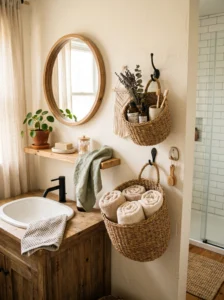
Wall baskets add storage while keeping bathrooms visually soft and warm. Unlike bulky cabinets, baskets feel lighter and more decorative, which helps smaller bathrooms stay airy.
Wire baskets work best for modern or industrial bathrooms, while woven baskets create a more relaxed and cozy feel. They’re excellent for storing toilet paper, rolled towels, hair products, or extra toiletries.
Install them vertically to maximize wall height without overwhelming the room. A stacked arrangement beside the sink or above the toilet often works beautifully.
The reason baskets work so well is because they partially hide clutter while still keeping items accessible. Closed cabinets can sometimes encourage overstuffing, but baskets naturally limit excess storage.
Avoid deep oversized baskets in tiny bathrooms. Slim profiles maintain better walking space and prevent the walls from feeling crowded.
Everyday routines improve because essentials become easier to grab quickly. Towels stay visible, supplies stop disappearing into drawers, and the bathroom gains texture without adding heavy furniture.
8. Use the Back of the Bathroom Door
The back of the bathroom door is valuable storage space that most people completely ignore. In small bathrooms, overlooked areas matter more than square footage.
Over-the-door organizers work especially well for renters because they require no drilling. They’re ideal for storing towels, cleaning supplies, hair tools, or extra toiletries.
Fabric pocket organizers help soften the look visually, while metal racks feel cleaner and more structured. Clear pockets are practical for beauty products because everything stays visible.
The biggest mistake is overloading door storage with heavy items. Too much weight can make doors feel awkward or damage hinges over time.
Keep frequently used items at eye level and less-used supplies lower down. Organized placement makes the system feel intentional instead of random.
In real life, door storage instantly frees up counters and floors. The bathroom becomes easier to clean because fewer items sit exposed around the room.
9. Add Magnetic Storage for Small Metal Tools
Tiny bathroom items create surprising amounts of clutter. Tweezers, nail clippers, bobby pins, and scissors constantly disappear into drawers or collect around sinks.
Magnetic strips solve this neatly. Mounted inside medicine cabinets, beside mirrors, or near vanities, they keep small metal tools visible and organized.
This works especially well in minimalist bathrooms because the storage stays compact and visually clean. Instead of buying extra containers, you simply use wall space more intelligently.
Choose rust-resistant magnetic strips designed for humid environments. Cheap versions may weaken over time due to moisture exposure.
Avoid placing magnetic storage too close to water splash zones. Slightly protected areas maintain better durability.
A surprisingly helpful daily benefit is time-saving. Small tools become instantly accessible instead of constantly “missing,” which removes one of those annoying little frustrations that quietly build up over time.
10. Store Towels Vertically Instead of Folding Flat
Flat towel stacks consume more room than most people realize. Vertical towel storage saves space while making bathrooms feel more organized visually.
Rolled towels work beautifully in baskets, open shelves, or wall cubbies. They take up less horizontal space and create a spa-like appearance without much effort.
This method works especially well in guest bathrooms or very narrow layouts where traditional linen storage isn’t possible.
Choose towel colors carefully. Too many bright colors can make open storage feel chaotic. Neutral shades like white, beige, gray, or muted earth tones create a cleaner look.
Avoid stuffing too many towels together. Tight overcrowding makes the arrangement look messy quickly.
Daily use becomes easier because grabbing one towel no longer destroys the entire stack. The bathroom feels more controlled and intentional, even when storage options are limited.
11. Use Clear Containers Under the Sink Pedestal
Pedestal sinks are notoriously difficult because they provide almost no hidden storage. But the area underneath still has potential if used thoughtfully.
Clear containers work best because they visually reduce heaviness while keeping products easy to locate. Frosted acrylic bins are especially practical for bathrooms because they resist moisture and clean easily.
Store backup items here rather than everyday products. Extra soap, toilet paper, and cleaning supplies fit well without cluttering visible areas.
Keep containers compact and low-profile. Large bins sticking out around the pedestal can make the room feel cramped fast.
One smart trick is labeling containers lightly. Simple labels reduce the frustration of digging through products later.
In daily life, this setup quietly improves functionality without visually dominating the room. The bathroom still feels open while gaining hidden organization.
12. Install a Tension Rod for Hanging Storage
Tension rods are surprisingly versatile in cabinet-free bathrooms. Most people only think of shower curtains, but rods can create entirely new storage zones.
Install one beneath a sink area or inside shower corners to hang spray bottles, baskets, or cleaning supplies. This uses vertical space more efficiently while keeping floors clearer.
This solution works especially well for renters because installation requires no permanent hardware. Adjustable rods also make the setup flexible if the bathroom changes later.
Choose rust-resistant rods designed for humid environments. Cheap rods often slip over time, especially in steamy bathrooms.
Avoid overloading them with heavy items. Lightweight hanging baskets usually work best.
Daily routines become easier because cleaning products and supplies stay accessible without taking over counters. It’s one of those simple solutions that feels surprisingly effective once implemented.
13. Use Stackable Bins for Shared Bathrooms
Shared bathrooms become chaotic quickly when multiple people store products together. Stackable bins create structure without requiring built-in cabinets.
Assign each person their own bin category. That prevents products from spreading across every available surface.
Clear or lightly frosted bins work best because contents stay visible without looking too harsh visually. Stackable designs maximize vertical storage while maintaining flexibility.
This method works particularly well in family bathrooms, dorm-style setups, or apartment sharing situations.
Avoid oversized bins that encourage unnecessary product accumulation. Compact sizing naturally limits clutter.
One real-life advantage is reduced morning stress. Everyone knows exactly where their products belong, which cuts down on mess and unnecessary searching.
14. Keep Daily Essentials Minimal
Sometimes the biggest storage solution is simply owning less bathroom clutter. Bathrooms without cabinets force people to be more intentional, which honestly can improve the space dramatically.
Most people only use a small percentage of the products crowding their bathroom regularly. Reducing duplicates and expired items instantly frees up space without buying anything.
Keep only daily essentials visible. Backup supplies should stay stored separately in baskets or alternate spaces.
This works especially well in tiny apartments and minimalist-style bathrooms where visual calm matters more than maximum storage.
One helpful habit is doing a quick monthly reset. Toss expired products, combine duplicates, and remove anything unused.
In daily life, minimal bathrooms simply feel easier to maintain. Cleaning takes less time, counters stay clearer, and the room feels calmer overall.
15. Use Multi-Functional Storage Pieces
When cabinet space doesn’t exist, every storage piece should work harder. Multi-functional furniture prevents bathrooms from feeling overcrowded while still adding practicality.
A stool that stores towels, a mirror with hidden shelving, or a ladder rack that holds baskets can replace multiple bulky items at once.
This approach works especially well in compact bathrooms where every inch matters. Instead of filling the room with separate organizers, you combine functions intelligently.
Choose moisture-resistant materials like bamboo, sealed wood, powder-coated metal, or acrylic. Bathrooms experience constant humidity, and cheap materials deteriorate quickly.
Avoid overly decorative storage furniture in tiny spaces. Simple shapes usually age better visually and feel less heavy.
The biggest everyday advantage is balance. The bathroom stays functional without looking overdesigned or stuffed with organizers.
Comparison Table
| Type | Best Use | Material | Style/Vibe | Difficulty Level |
|---|---|---|---|---|
| Floating Shelves | Extra wall storage | Wood or metal | Modern and clean | Easy |
| Over-the-Toilet Rack | Vertical storage | Metal or bamboo | Functional spa vibe | Medium |
| Rolling Cart | Flexible organization | Powder-coated metal | Minimal and practical | Easy |
| Wall Baskets | Towels and toiletries | Woven or wire | Cozy and relaxed | Easy |
| Adhesive Hooks | Hanging essentials | Waterproof plastic or metal | Simple and modern | Very Easy |
| Corner Shower Shelves | Shower products | Stainless steel or glass | Clean and streamlined | Medium |
Buying Guide: How to Choose Bathroom Storage Without Cabinets
Choosing bathroom storage without cabinets requires more planning than people expect. The goal is not just adding containers everywhere — it’s creating a setup that feels functional without making the room look overcrowded.
Start by paying attention to sizing and scale. Small bathrooms cannot handle oversized storage pieces, even if technically they fit. Narrow shelves, slim carts, and vertical organizers usually work better because they preserve walking space and visual openness. Before buying anything, measure the width beside the toilet, sink, and door areas carefully. Many storage items fail simply because they interrupt movement.
Material choice matters even more in bathrooms because of constant humidity. Bamboo works well for warmth and natural texture, but sealed finishes last longer. Powder-coated metal resists rust better than cheap painted metal, especially near showers. Acrylic and clear plastic are practical in tiny bathrooms because they visually disappear instead of adding heaviness.
Durability is important for frequently used storage. Cheap adhesive hooks, weak shelving brackets, or flimsy rolling carts often become frustrating within months. Spending slightly more on moisture-resistant materials usually saves money long term.
Budget-wise, prioritize storage that solves multiple problems at once. For example, a shelf with towel hooks underneath is smarter than buying separate pieces. Over-organizing with too many containers can also become expensive quickly without actually improving function.
One of the most common mistakes people make is buying storage before decluttering. Adding organizers without reducing unnecessary products simply hides the problem temporarily. Another mistake is mixing too many storage styles together. Wire baskets, acrylic trays, wood shelves, and colorful plastic bins all combined can make bathrooms feel visually chaotic.
The best bathroom storage systems usually feel simple, intentional, and easy to maintain daily. If organizing becomes complicated, it rarely lasts.
Conclusion
Organizing a bathroom with no cabinet space is less about finding perfect storage and more about using the room differently. Small adjustments like vertical shelving, hanging storage, rolling carts, and grouped countertop organization can completely change how the bathroom functions without requiring renovation work.
The biggest improvement usually comes from using overlooked spaces more intentionally. Walls, doors, corners, and even narrow gaps beside fixtures can become valuable storage areas when approached creatively. At the same time, reducing unnecessary clutter often matters just as much as adding new organizers.
A well-organized bathroom should make daily routines easier, not more complicated. The best setups are usually simple enough to maintain without constant effort. Towels should stay accessible, products should have obvious homes, and cleaning should feel manageable instead of frustrating.
It’s also important to remember that small bathrooms do not need to look perfectly minimal to feel functional. Real-life organization is about practicality first. A few visible baskets or shelves are completely fine if they make the room work better for everyday life.
With the right combination of vertical storage, smart materials, and realistic organization habits, even a bathroom with zero cabinet space can feel calm, usable, and surprisingly spacious.
FAQs
1. How do I organize a bathroom with absolutely no storage?
Start by using vertical space first. Wall shelves, over-the-door organizers, hooks, and rolling carts create storage without needing cabinets. Focus on keeping only daily essentials visible and storing backups separately.
2. What is the best storage solution for a tiny bathroom?
Floating shelves and over-the-toilet racks usually work best because they use wall height instead of valuable floor space. Slim rolling carts are also helpful for narrow layouts.
3. Are open shelves good for bathrooms?
Yes, but only if they stay organized. Using baskets, trays, and folded towels helps shelves look intentional instead of cluttered. Avoid overcrowding shelves with too many small products.
4. How can I organize bathroom products without making the room look messy?
Group similar items together using trays or bins. Matching containers and neutral colors also help reduce visual clutter significantly.
5. What materials work best for bathroom storage?
Moisture-resistant materials like powder-coated metal, bamboo, acrylic, and sealed wood work best. Cheap untreated wood or low-quality metal can warp or rust over time.
6. How do renters add bathroom storage without drilling?
Adhesive hooks, tension rods, rolling carts, and over-the-door organizers are excellent renter-friendly solutions because they require little or no permanent installation.
7. How often should bathroom organization be cleaned out?
A quick monthly reset works well for most bathrooms. Throw away expired products, remove duplicates, and wipe down storage containers regularly to prevent clutter buildup.
8. Is it okay to store towels openly in the bathroom?
Yes, as long as the bathroom has decent ventilation. Rolled or folded towels on shelves or baskets can actually make bathrooms feel more styled and welcoming.