Many people assume that growing fresh herbs requires a large backyard, raised garden beds, or plenty of outdoor space. That belief stops countless homeowners, apartment dwellers, and renters from enjoying one of the easiest and most rewarding forms of gardening. The truth is that herbs are some of the most adaptable plants you can grow, and most of them need far less space than people imagine.
A small balcony, a sunny windowsill, a corner of a patio, or even a kitchen shelf can become a productive herb-growing space with the right approach. In fact, limited space often encourages smarter gardening habits because you focus on growing plants you actually use rather than maintaining a large garden filled with unnecessary crops.
Growing herbs at home offers more than convenience. Fresh basil, mint, parsley, rosemary, and thyme can improve meals, reduce grocery costs, and add a pleasant natural touch to your living space. There’s also something satisfying about snipping fresh herbs moments before cooking.
In this guide, you’ll learn practical ways to grow herbs successfully without a large garden. From choosing the right containers and maximizing sunlight to using vertical space and avoiding common mistakes, these ideas are designed for real homes and real lifestyles. Whether you live in an apartment, townhouse, or small house, you’ll find simple strategies that make herb gardening achievable and enjoyable.
1. Start With Easy Herbs That Thrive in Small Spaces
One of the biggest mistakes beginners make is choosing difficult plants right away. Starting with herbs that naturally adapt to containers makes success much more likely.
Herbs like basil, mint, parsley, chives, thyme, oregano, and cilantro generally grow well in limited spaces. These plants don’t require large root systems, making them ideal for pots and planters.
Small apartments, balconies, patios, and windowsills are excellent places for these herbs. Most grow comfortably in containers that are only a few inches deep. That means you don’t need expensive gardening equipment or a dedicated outdoor area.
Choose herbs based on what you actually cook with. Many people grow trendy herbs but rarely use them. A simple pot of basil may provide more value than several decorative herbs that sit untouched.
A practical tip is to begin with three or four varieties instead of ten. Managing fewer plants allows you to learn watering schedules and sunlight requirements without becoming overwhelmed.
In everyday life, growing herbs you frequently use creates a stronger connection to the garden. You’ll be more likely to care for plants when they directly contribute to your meals each week.
2. Use Containers Instead of Traditional Garden Beds
Large garden beds aren’t necessary when herbs naturally perform well in containers.
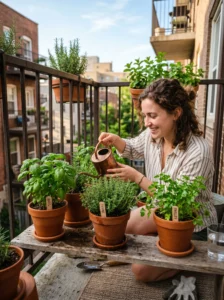
Containers give you complete control over soil quality, drainage, and plant placement. They also make it easier to move herbs when weather conditions change.
This approach works particularly well for renters, apartment residents, and homeowners with limited outdoor areas. Pots can be placed on balconies, porches, windowsills, stair landings, or even kitchen counters.
Choose containers with drainage holes to prevent root rot. Terracotta pots are popular because they allow soil to breathe, while plastic containers retain moisture longer and require less frequent watering.
Avoid oversized pots for small herbs. Excess soil can hold too much water and create growing problems. Match the container size to the plant’s expected growth.
A practical advantage of container gardening is flexibility. If one location receives too much heat or too little sunlight, you can simply relocate the pot rather than redesigning an entire garden area.
3. Make the Most of Sunny Windows
A bright window can become a surprisingly productive herb garden.
Most culinary herbs love sunlight, and many require at least six hours of direct light daily. South-facing windows often provide the best growing conditions indoors.
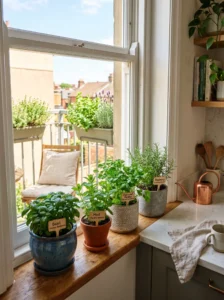
This method works particularly well for apartments without balconies or outdoor access. Kitchen windows are especially useful because herbs remain close to where they’re used.
Place containers close enough to receive light but not so close that leaves touch hot glass during summer. Rotate pots every few days to encourage even growth.
Avoid overcrowding plants. Good air circulation reduces disease problems and helps herbs develop stronger stems.
One practical benefit is convenience. When herbs are within arm’s reach of your cooking area, you’ll naturally use them more often. Fresh parsley or basil becomes an everyday ingredient rather than a special purchase from the grocery store.
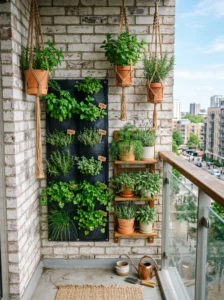
4. Create a Vertical Herb Garden
When floor space is limited, vertical gardening becomes one of the smartest solutions.
Growing upward allows you to fit multiple herbs into a small footprint. Wall-mounted planters, hanging pockets, ladder shelves, and tiered stands can dramatically increase growing capacity.
Vertical gardens work well on balconies, patios, apartment walls, and small outdoor corners. Even narrow spaces can support several herbs when height is utilized effectively.
Use lightweight containers if mounting directly to walls. Ensure structures can safely support the combined weight of soil, plants, and water.
Place sun-loving herbs on upper levels and more shade-tolerant varieties below. This arrangement helps every plant receive suitable growing conditions.
Beyond practicality, vertical herb gardens create visual interest. They transform otherwise unused walls into attractive green features that make small spaces feel more vibrant and welcoming.
5. Choose Quality Potting Mix
Soil quality often determines whether herbs thrive or struggle.
Regular garden soil is usually too dense for container gardening. It can compact easily, limit airflow, and cause drainage problems.
A high-quality potting mix provides the balance of moisture retention and drainage that herbs need. Good mixes also support healthy root development and nutrient availability.
This applies to every container-grown herb, whether indoors or outdoors. Investing in proper soil often produces better results than buying expensive pots.
Avoid reusing old potting soil repeatedly without refreshing it. Over time, nutrients become depleted and drainage performance declines.
Many gardeners notice that healthier soil leads to stronger flavors, better growth, and fewer plant problems. It is one of the simplest upgrades you can make when creating a small-space herb garden.
6. Water Smartly Instead of Frequently
More herbs die from overwatering than underwatering.
Many beginners assume daily watering is necessary, but herbs generally prefer slightly dry conditions between waterings. Constantly wet soil can lead to root rot and fungal issues.
Container gardens, windowsill gardens, and balcony planters all benefit from consistent but moderate watering practices.
Check soil moisture by inserting your finger about an inch into the soil. If it feels dry, it’s usually time to water.
Water deeply rather than giving plants small amounts frequently. Deep watering encourages stronger root development and healthier growth.
In daily life, this habit saves time while improving plant health. Instead of constantly worrying about watering schedules, you’ll learn to respond to the plant’s actual needs.
7. Use Hanging Planters to Save Space
Hanging planters can instantly create growing space where none previously existed.
They utilize unused overhead areas and keep surfaces clear for other purposes. This is especially helpful in small apartments and compact balconies.
Trailing herbs such as oregano, thyme, and certain mint varieties often perform particularly well in hanging baskets.
Choose sturdy hooks and lightweight containers. Ensure hanging plants still receive adequate sunlight and remain accessible for watering and harvesting.
Avoid placing baskets where strong winds constantly affect them, as containers can dry out faster when exposed.
A practical benefit is that hanging herbs often double as decorative features. They add greenery without taking up valuable floor or table space.
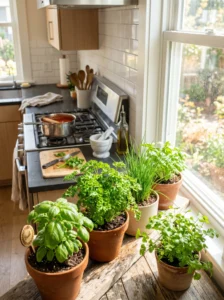
8. Grow Herbs Near the Kitchen
Convenience is one of the most overlooked factors in gardening success.
Herbs located near cooking areas are harvested more often and monitored more regularly. Plants that stay visible tend to receive better care.
Kitchen windows, nearby patios, and outdoor spaces adjacent to dining areas are ideal locations.
Keep frequently used herbs like basil, parsley, cilantro, and chives within easy reach. Reserve less frequently used varieties for secondary locations.
Avoid placing herbs directly beside heat-producing appliances that may create inconsistent growing conditions.
The simple act of seeing fresh herbs daily encourages healthier cooking habits and makes homegrown ingredients feel like a natural part of everyday meals.
9. Select Compact Herb Varieties
Not every herb grows to the same size.
Compact varieties are specifically suited for containers and limited spaces. They provide good yields without overwhelming small growing areas.
This approach works well for indoor gardens, balconies, patios, and apartment settings where every inch matters.
Research mature plant sizes before purchasing seedlings. A small plant at the nursery can eventually become surprisingly large.
Avoid placing aggressive growers beside slower-growing herbs. Mint, for example, often performs best in its own container.
Choosing appropriately sized plants helps maintain a tidy, manageable herb garden that doesn’t feel crowded or difficult to maintain.
10. Use Self-Watering Containers
Busy schedules often make consistent watering challenging.
Self-watering containers help regulate moisture levels by supplying water from a built-in reservoir. This reduces the risk of both underwatering and overwatering.
These containers are especially useful for apartment residents, frequent travelers, and people who occasionally forget watering tasks.
Choose models with clear water indicators when possible. This makes monitoring moisture levels much easier.
While convenient, self-watering systems should still be checked regularly to ensure proper function and plant health.
Many gardeners find these containers reduce stress and improve consistency, especially during hot weather when plants require more frequent hydration.
11. Harvest Herbs Regularly
Many people hesitate to cut herbs because they don’t want to damage the plant.
Ironically, regular harvesting often encourages healthier and bushier growth. Pruning stimulates new shoots and prevents plants from becoming leggy.
This applies to most common culinary herbs grown in containers or small gardens.
Use clean scissors and avoid removing more than one-third of the plant at a time. Consistent light harvesting works better than occasional heavy cutting.
Remove flowers from herbs like basil when possible if your goal is continued leaf production.
Freshly harvested herbs not only improve meals but also keep plants productive throughout the growing season.
12. Group Herbs With Similar Needs
Not all herbs require identical care.
Grouping plants with similar sunlight and watering requirements simplifies maintenance and improves growing success.
Mediterranean herbs like rosemary, thyme, and oregano generally prefer drier conditions. Parsley and cilantro often appreciate slightly more moisture.
This strategy works particularly well for container collections and vertical gardens.
Avoid combining plants with dramatically different requirements in the same pot. One herb may thrive while another struggles.
Organized plant groupings make daily care easier and reduce confusion, especially for beginners managing multiple varieties.
13. Supplement Sunlight With Grow Lights
Natural light isn’t always sufficient, especially in apartments.
Grow lights allow herbs to receive consistent light regardless of window orientation or seasonal changes.
This solution is ideal for homes with limited sunlight or during winter months when daylight hours are shorter.
LED grow lights are energy-efficient and produce minimal heat. Position them according to manufacturer recommendations for best results.
Avoid placing lights too far away, as insufficient intensity can lead to weak, stretched growth.
For many indoor gardeners, grow lights transform previously unusable spaces into productive growing areas.
14. Protect Herbs From Extreme Weather
Small-space gardens are often more exposed to environmental changes.
Container-grown herbs can heat up quickly in summer and cool rapidly during colder weather. Protection improves plant health and longevity.
Balconies, rooftops, and patios often experience stronger wind and temperature fluctuations than traditional gardens.
Move portable containers during extreme conditions. Use shade cloth in intense heat and bring sensitive herbs indoors when temperatures drop.
Pay special attention to watering during heat waves, as containers dry out faster than garden beds.
A little weather protection can significantly extend the productive life of your herb garden throughout the year.
15. Start Small and Expand Gradually
One of the smartest gardening decisions is resisting the urge to do too much too soon.
A small herb collection is easier to maintain, troubleshoot, and enjoy. Success builds confidence, while overly ambitious projects often become overwhelming.
This advice applies whether you’re gardening on a windowsill, balcony, or tiny patio.
Begin with a few favorite herbs and expand as your experience grows. Observe which plants perform best in your specific environment.
Avoid buying large numbers of plants simply because space appears available.
Many experienced gardeners started with just a handful of pots before gradually creating productive herb-growing systems. Small beginnings often lead to the most sustainable long-term success.
Comparison Table
| Type | Best Use | Material | Style/Vibe | Difficulty Level |
|---|---|---|---|---|
| Terracotta Pots | Indoor & outdoor herbs | Clay | Classic, natural | Easy |
| Plastic Containers | Low-maintenance growing | Plastic | Practical | Easy |
| Hanging Planters | Saving floor space | Plastic/Metal | Decorative | Easy |
| Vertical Wall Garden | Multiple herbs in small areas | Mixed Materials | Modern | Medium |
| Self-Watering Pots | Busy lifestyles | Plastic Composite | Functional | Easy |
| Window Boxes | Windowsills and balconies | Wood/Plastic | Cottage style | Medium |
Buying Guide: How to Choose the Right Setup for a Small Herb Garden
When planning a herb garden without a large yard, choosing the right setup matters more than buying expensive equipment. The first consideration should be size and scale. Many beginners purchase oversized containers thinking bigger is always better. In reality, herbs often grow perfectly well in moderately sized pots. Select containers based on mature plant size rather than the seedling size you see in stores.
Material choice is equally important. Terracotta pots offer excellent airflow and a classic appearance, but they dry out faster. Plastic containers are lightweight, affordable, and retain moisture well. Metal containers can look attractive but may heat up quickly in direct sunlight.
Durability should match your environment. Outdoor balconies exposed to wind and weather require stronger containers than indoor windowsill gardens. If portability matters, lighter materials often make maintenance easier.
Budget considerations are straightforward. Expensive planters rarely produce better herbs than affordable alternatives. Focus spending on quality soil, healthy plants, and proper drainage rather than decorative containers. Many successful herb gardens begin with simple pots and basic supplies.
A common mistake is ignoring sunlight requirements. Before buying anything, identify where your herbs will actually live. Measure sunlight exposure throughout the day and choose plants accordingly.
Another frequent error is overcrowding. People often try to maximize every inch of space, but herbs need airflow and room to grow. A smaller collection of healthy plants usually performs better than a crowded arrangement.
The best setup balances practicality, maintenance requirements, available space, and personal lifestyle. When those factors align, growing herbs becomes much easier and more enjoyable.
Conclusion
Growing herbs at home doesn’t require a large backyard, expensive equipment, or advanced gardening skills. In many cases, a small balcony, sunny window, or compact patio provides everything needed for a productive herb garden.
The key is working with the space you have rather than focusing on the space you don’t. Choosing suitable herbs, using containers wisely, maximizing vertical space, providing proper sunlight, and maintaining consistent care can produce impressive results even in limited areas.
Small-space herb gardening also offers advantages that larger gardens sometimes lack. Plants stay close to daily activities, maintenance becomes simpler, and harvesting fresh ingredients is incredibly convenient.
Whether you start with a single basil plant on a kitchen windowsill or create a vertical herb garden on a balcony wall, each step builds experience and confidence. Over time, you’ll discover which herbs thrive in your environment and which growing methods fit your lifestyle best.
The most successful herb gardens are not necessarily the biggest ones. They’re the gardens that are used, enjoyed, and maintained consistently. Start small, focus on practical choices, and you’ll soon have a steady supply of fresh herbs right at home.
FAQs
1. What are the easiest herbs to grow at home?
Basil, mint, parsley, chives, oregano, and thyme are among the easiest herbs for beginners. They adapt well to containers and generally require minimal maintenance.
2. Can herbs grow indoors without direct sunlight?
Some herbs tolerate lower light, but most culinary herbs perform best with at least six hours of sunlight. Grow lights can help if natural light is limited.
3. How often should I water container herbs?
Watering depends on temperature, container size, and plant type. Check soil moisture regularly and water when the top inch feels dry.
4. Do herbs need large pots to grow well?
No. Most herbs grow successfully in relatively small containers. Choose pot sizes based on the mature plant rather than assuming larger is always better.
5. Which herb should be grown separately?
Mint is usually best grown in its own container because it spreads aggressively and can quickly dominate shared spaces.
6. Are self-watering pots worth buying?
For busy gardeners, self-watering containers can be very helpful. They provide more consistent moisture and reduce watering frequency.
7. Can I grow herbs on a balcony?
Absolutely. Balconies often provide excellent growing conditions, especially if they receive several hours of sunlight each day.
8. Why are my herbs becoming tall and weak?
This is often caused by insufficient sunlight. Herbs stretch toward available light, resulting in leggy growth and weaker stems.