Most people don’t realize how much stress clutter quietly adds to daily life until they start removing it.
You walk into a room looking for one thing, get distracted by five others, and suddenly feel overwhelmed. Closets become storage zones for forgotten purchases, kitchen counters disappear under random items, and spare rooms slowly turn into places where things go instead of places where people live. The frustrating part is that clutter rarely appears overnight. It builds gradually, one item at a time.
Many homeowners assume decluttering requires weeks of effort, expensive storage systems, or a complete lifestyle overhaul. In reality, a focused weekend can make a surprisingly large difference when you approach the process room by room instead of trying to tackle the entire house at once.
The key is having a practical strategy. Rather than obsessing over perfection, the goal is to create spaces that function better, feel calmer, and are easier to maintain going forward.
In this guide, you’ll learn how to declutter every major area of your home in a single weekend. From entryways and living rooms to closets, bathrooms, and storage spaces, each section focuses on realistic actions that produce noticeable results quickly. You’ll also find practical tips, common mistakes to avoid, and a buying guide to help you choose storage solutions that actually work long-term.
Let’s start where clutter often begins: the front door.
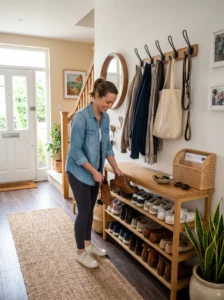
1. Start with the Entryway
The entryway sets the tone for the entire home, and it’s often the fastest place to see noticeable progress.
This area works as a transition zone between outside life and home life. Shoes, bags, jackets, mail, keys, and packages tend to pile up here because they’re constantly in use.
Begin by removing everything from benches, hooks, shelves, and floor areas. Separate items into keep, donate, relocate, and trash piles. Anything that doesn’t belong in the entryway should immediately go elsewhere.
Use a small tray for keys, a basket for mail, and designated hooks for frequently used bags or coats. Avoid overcrowding wall hooks, as they quickly create a messy appearance.
A common mistake is turning the entryway into temporary storage. If an item has sat there for weeks, it probably belongs somewhere else.
After decluttering, you’ll notice how much easier it feels to enter and leave the house. Instead of starting your day with visual chaos, you’re greeted by a cleaner and more organized space.
2. Clear Out Living Room Surfaces
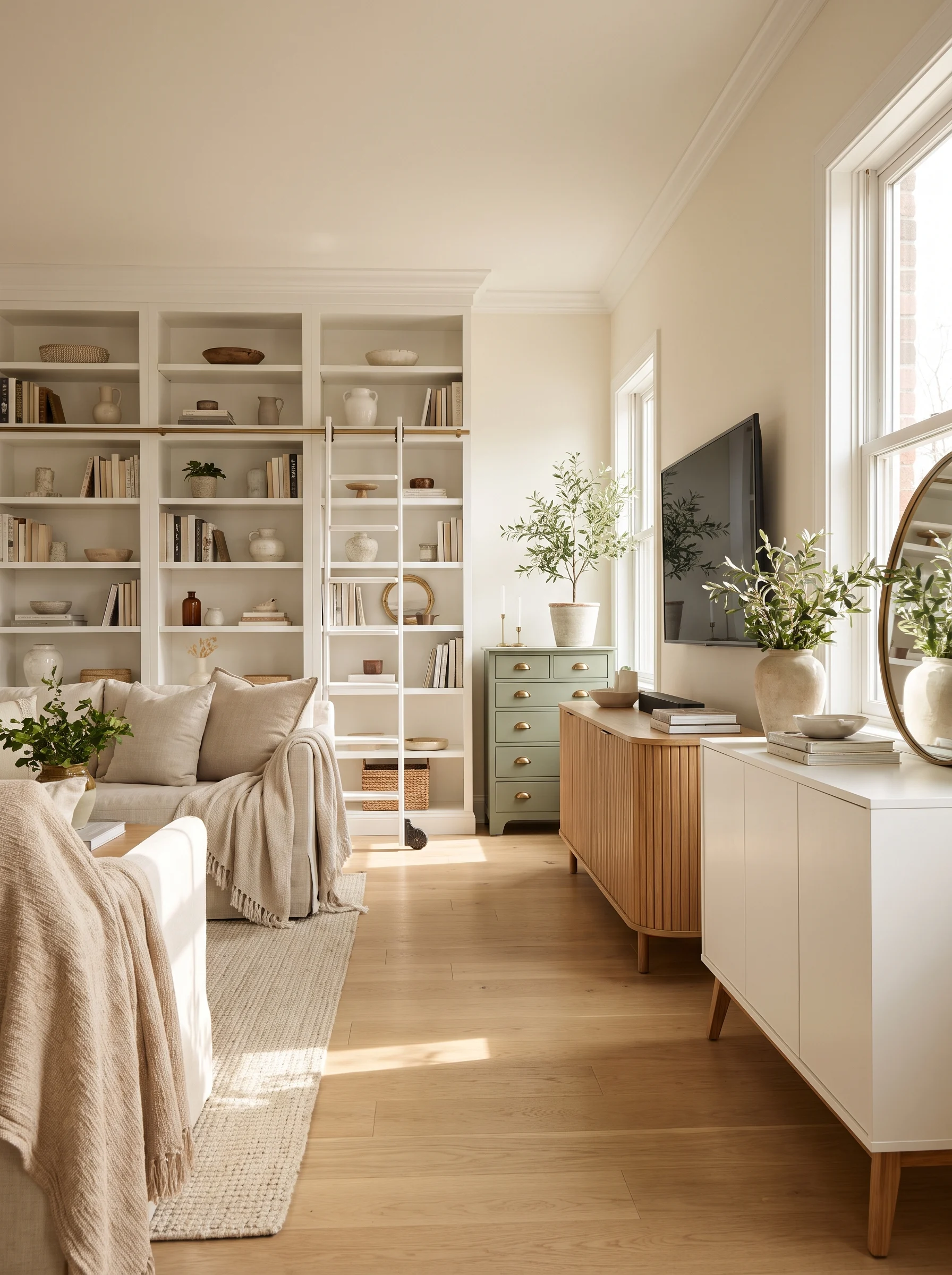
Clutter tends to spread horizontally, and the living room is usually where that happens fastest.
Coffee tables, side tables, entertainment centers, and shelves often collect remote controls, magazines, chargers, paperwork, and miscellaneous items.
Start by clearing every visible surface completely. Then only return items that truly belong there. Decorative objects should have purpose and spacing rather than being packed tightly together.
Keep remote controls in a small tray or basket. Store blankets in decorative bins and relocate paperwork to an office area.
Less visual clutter creates a more relaxing atmosphere. The room immediately feels larger and cleaner even when furniture remains unchanged.
Many people are surprised by how much calmer the space feels after removing just a few unnecessary items.
The goal isn’t an empty showroom. It’s creating enough breathing room so the space feels functional and inviting rather than crowded.
3. Sort Through Kitchen Counters
Kitchen counters are often the hardest-working surfaces in the home.
Unfortunately, they frequently become storage zones for appliances, groceries, paperwork, and random household items.
Take everything off your counters and evaluate what you use daily. Coffee makers and frequently used appliances may deserve permanent spots. Rarely used gadgets usually don’t.
Store seasonal appliances in cabinets or pantry spaces. Group similar items together to improve efficiency.
Avoid filling every available inch of counter space. Empty space isn’t wasted space—it makes cleaning easier and helps the kitchen feel more organized.
A good rule is that if you haven’t used an appliance in several months, it probably doesn’t need prime counter real estate.
The result is a kitchen that feels easier to cook in and significantly less stressful to maintain.
4. Declutter Kitchen Cabinets
Cabinets often hide clutter that has been accumulating for years.
Start with one cabinet at a time rather than opening everything simultaneously. Remove duplicate items, damaged containers, and cookware you never use.
Group similar items together. Baking supplies, cooking tools, food storage containers, and serving pieces should each have dedicated zones.
Check expiration dates while working through pantry-related cabinets.
Many households own far more mugs, plastic containers, and specialty gadgets than they realistically need.
Organized cabinets save time every day because you’re no longer searching through crowded shelves.
Even a small reduction in cabinet clutter can make meal preparation feel smoother and more enjoyable.
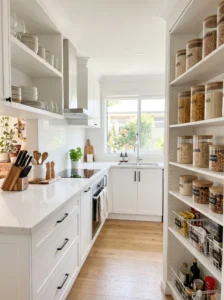
5. Refresh the Pantry
A cluttered pantry often leads to food waste and unnecessary grocery purchases.
Remove all items and sort them by category. Group snacks, canned goods, baking ingredients, breakfast foods, and cooking staples together.
Discard expired products and donate unopened items you know won’t be used.
Clear storage containers can improve visibility, but they aren’t required. Even simple baskets and labeled bins can create order.
Avoid buying organizational products before decluttering. You need to know what you’re storing first.
Once organized, pantry inventory becomes easier to track, which can save money and reduce food waste over time.
6. Tackle the Primary Bedroom
Bedrooms should support rest, but clutter often creates the opposite effect.
Focus first on visible areas like nightstands, dressers, and floor space. Remove items that belong elsewhere and eliminate unnecessary decorations.
Nightstands frequently collect books, receipts, chargers, and miscellaneous objects.
Keep only essentials nearby. A lamp, book, water bottle, and charger are usually enough.
Reducing bedroom clutter creates a calmer environment and can even improve sleep quality by minimizing visual distractions.
Many people notice the room feels larger without moving a single piece of furniture.
Simple changes often create the greatest impact here.
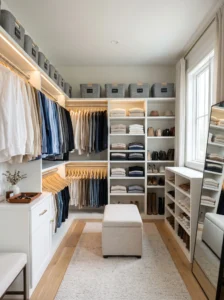
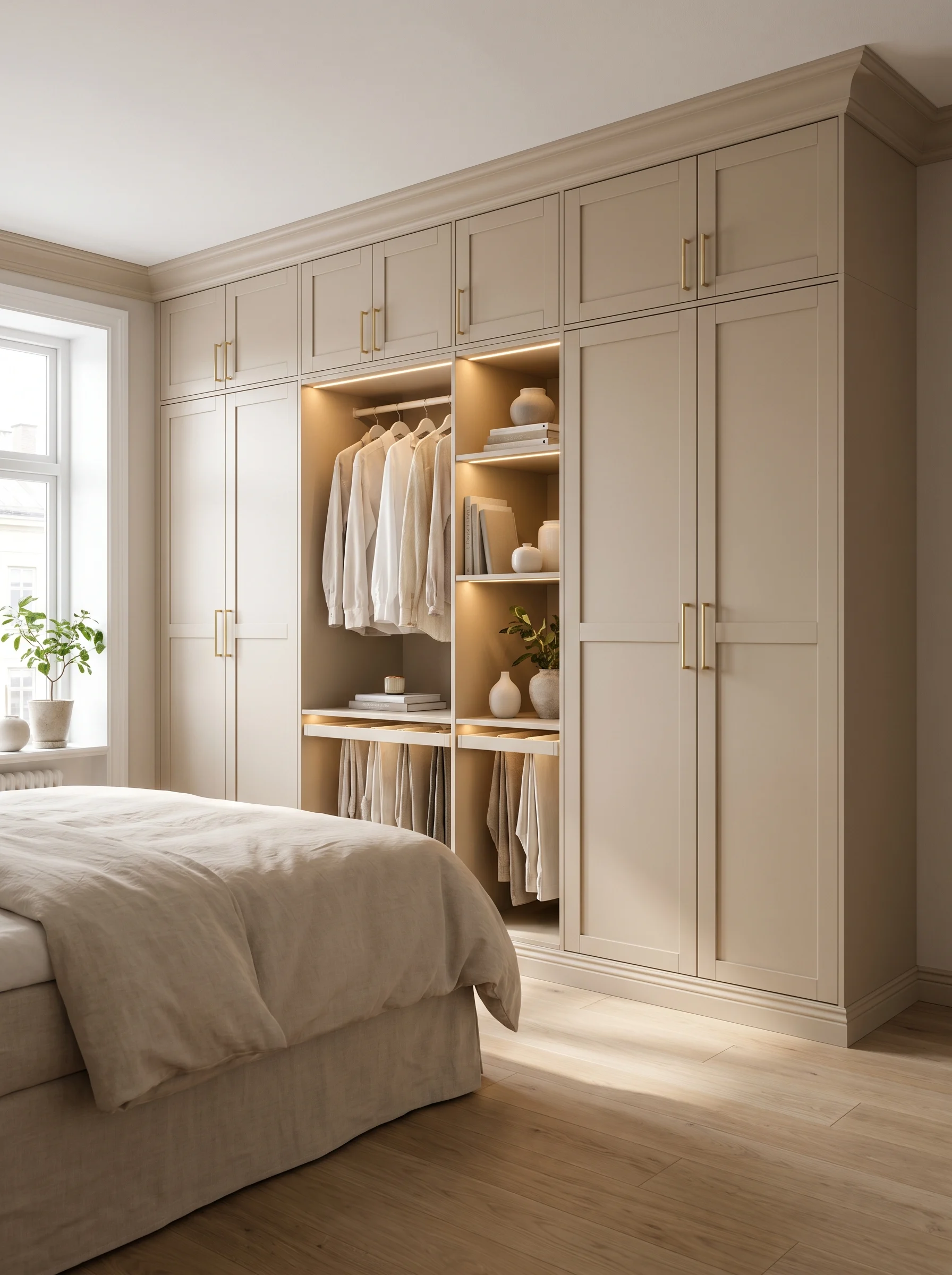
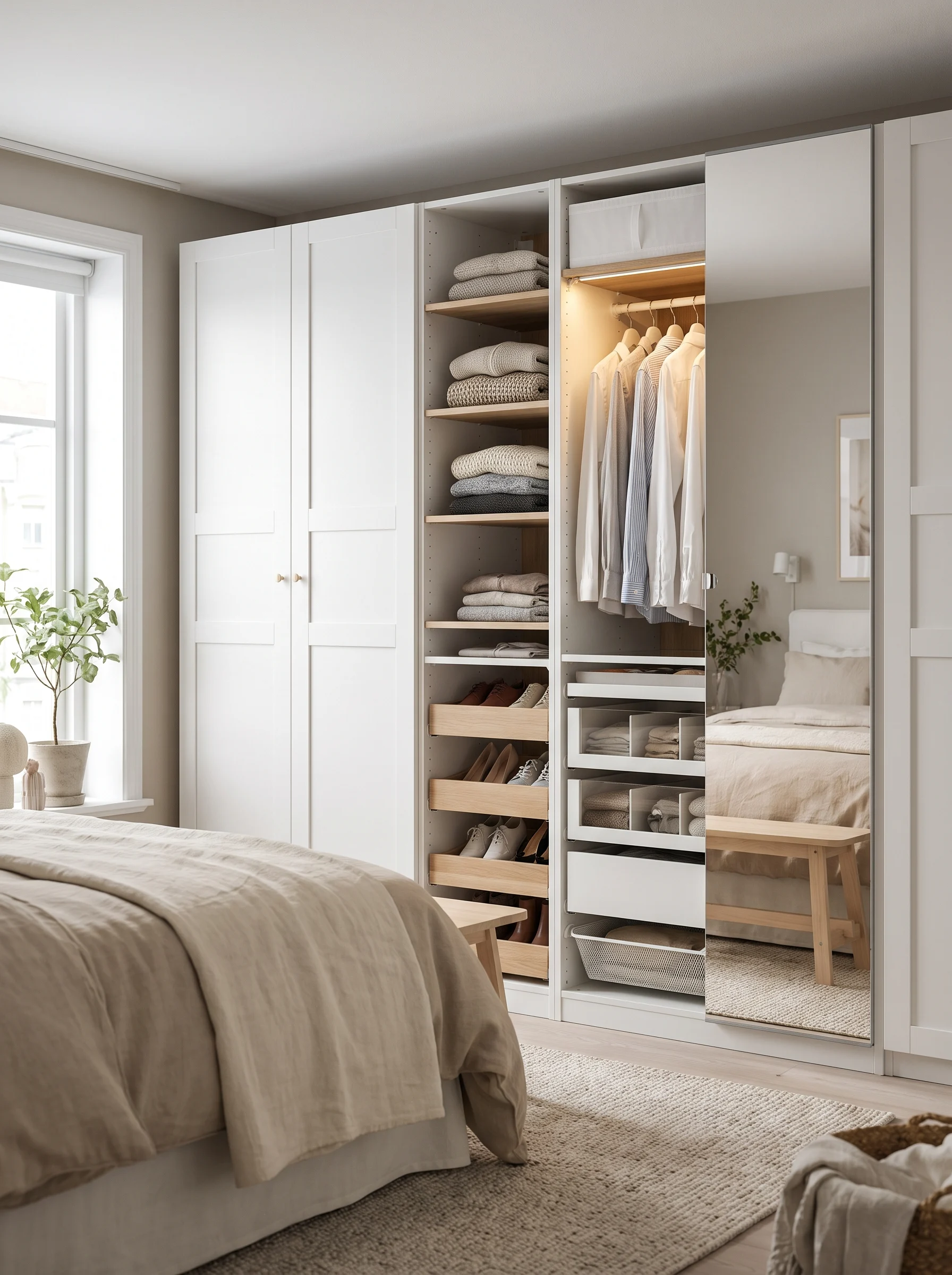
7. Declutter Your Closet
Closets contain some of the most difficult decisions during a decluttering weekend.
The easiest approach is honesty. If you haven’t worn something in over a year and it doesn’t serve a special purpose, consider letting it go.
Sort clothing into categories: keep, donate, repair, and discard.
Avoid keeping items solely because they were expensive or might fit someday.
Matching hangers can improve appearance, but the real goal is reducing overcrowding.
When clothing has room to breathe, getting dressed becomes faster and less frustrating.
A decluttered closet often feels like gaining extra storage space without any renovation.
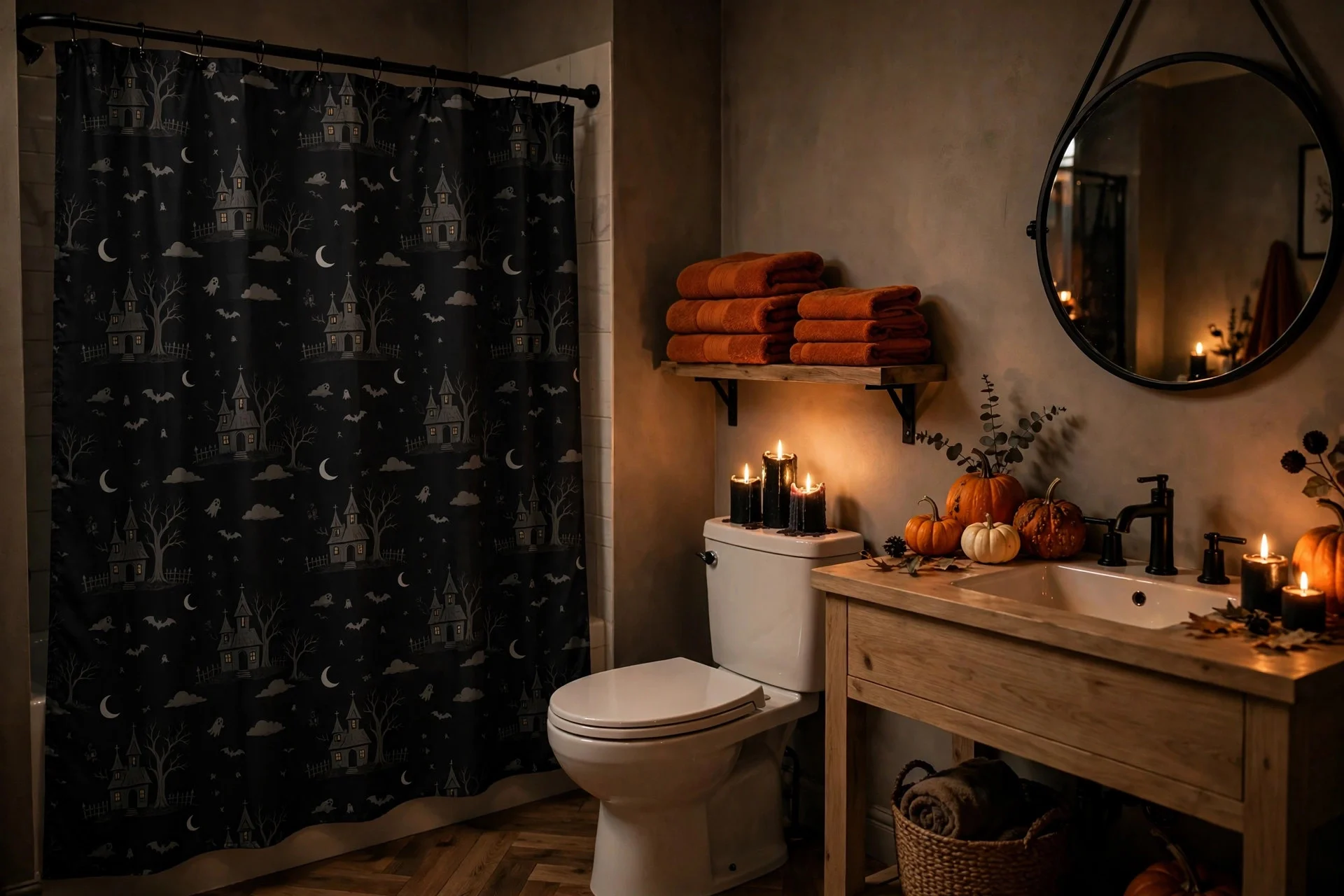
8. Simplify the Bathroom
Bathrooms are small spaces where clutter becomes noticeable very quickly.
Empty drawers, cabinets, and shelves. Discard expired medications, old makeup, empty containers, and products you no longer use.
Keep daily essentials accessible and store backup supplies together.
Drawer organizers help prevent small items from becoming chaotic.
Avoid collecting multiple half-used products. Most households have far more personal care items than they actually need.
An organized bathroom simplifies morning routines and makes cleaning significantly easier.
Because bathrooms are compact, even thirty minutes of decluttering can produce dramatic results.
9. Organize Children’s Rooms
Children’s rooms often accumulate toys, clothing, books, and school supplies at an incredible pace.
Start by gathering similar items together. Seeing everything in one category often reveals duplicates and forgotten items.
Involve children when possible. They are more likely to maintain systems they helped create.
Use bins, baskets, and shelves that are easy for kids to access independently.
Avoid overfilling storage containers. If everything barely fits, organization won’t last long.
A simplified room encourages easier cleanup and creates more usable play space.
Parents often find that children enjoy their rooms more when there are fewer distractions competing for attention.
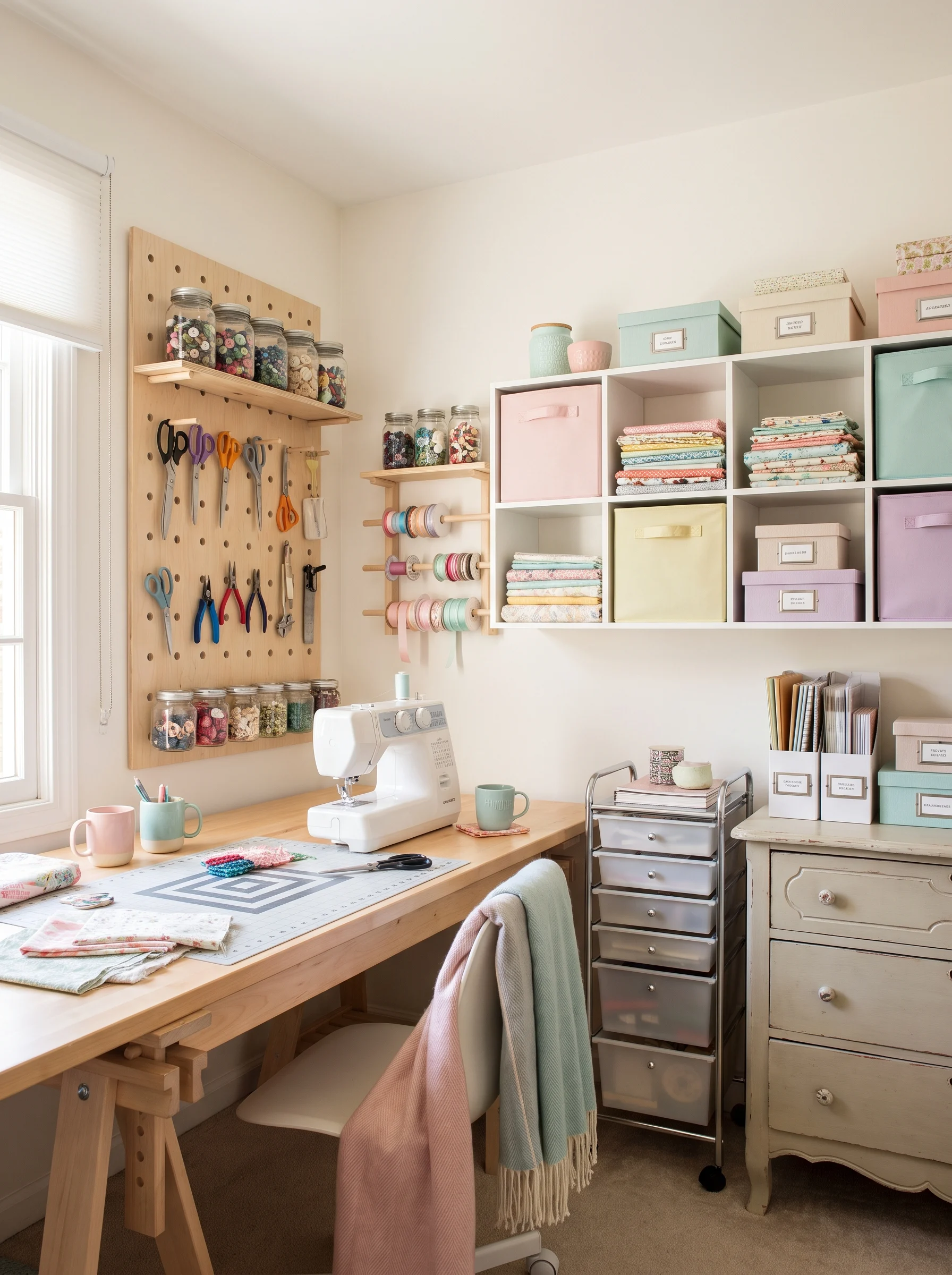
10. Declutter the Home Office
Office clutter affects productivity more than most people realize.
Paper piles, unused electronics, tangled cords, and outdated documents create visual noise that makes focusing harder.
Sort paperwork into shred, recycle, archive, and action categories.
Digitize documents whenever practical.
Keep only frequently used office supplies on the desk surface.
Cable organizers can instantly improve appearance and functionality.
A cleaner workspace reduces distractions and helps tasks feel more manageable.
Even if you only work from home occasionally, an organized office contributes to a more productive environment.
11. Clean Out the Laundry Area
Laundry rooms often become catch-all spaces for cleaning supplies and miscellaneous household items.
Remove everything and evaluate what truly belongs there.
Group detergents, stain removers, cleaning products, and laundry tools together.
Dispose of empty bottles and expired products.
Install shelves or bins if needed, but avoid overcomplicating the system.
A decluttered laundry area makes routine chores feel less overwhelming.
Small improvements here can have a surprisingly positive effect on household maintenance overall.
12. Tackle Hall Closets
Hall closets frequently hide years of forgotten belongings.
Remove everything and assess each item honestly.
Keep only items that serve a clear purpose and are used regularly.
Store seasonal items in labeled containers and relocate rarely used belongings to long-term storage areas.
Avoid stacking items so deeply that they become inaccessible.
An organized hall closet improves daily convenience because essentials are easier to find when needed.
This is one of the most rewarding spaces to declutter because the transformation is usually dramatic.
13. Organize Storage Rooms
Storage rooms often become places where decisions are postponed indefinitely.
The first step is categorization. Create groups for holiday decorations, keepsakes, tools, sports equipment, and household supplies.
Label bins clearly and keep frequently accessed items near the front.
Avoid storing broken items that you’re unlikely to repair.
Vertical shelving can maximize available space without making the room feel crowded.
A well-organized storage room prevents future clutter from spreading throughout the house.
It also saves time whenever you need to locate something specific.
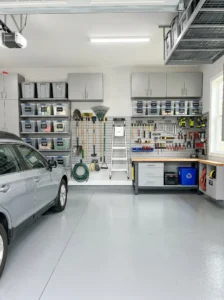
14. Sort Through the Garage
Garages tend to collect everything from tools and gardening supplies to old furniture and forgotten projects.
Work in sections rather than attempting the entire space at once.
Group similar items together and remove anything broken, duplicated, or no longer useful.
Wall-mounted storage systems can free valuable floor space.
Keep seasonal equipment accessible but organized.
A cleaner garage improves functionality and often creates additional parking or workspace.
The biggest mistake is moving clutter from one corner to another without reducing it.
Focus on eliminating excess before organizing what remains.
15. Create a Maintenance System
Decluttering succeeds when maintenance becomes part of everyday life.
Without a simple system, clutter slowly returns.
Adopt a one-in, one-out rule for clothing, decor, and household items. Schedule monthly mini-decluttering sessions to prevent buildup.
Keep donation boxes available for items you’re ready to remove.
Spend five minutes each evening returning things to their proper places.
Small habits require far less effort than major decluttering weekends.
The goal isn’t perfection. It’s creating routines that make organization sustainable over time.
When maintenance becomes automatic, your home stays functional without constant effort.
Comparison Table
| Type | Best Use | Material | Style/Vibe | Difficulty Level |
|---|---|---|---|---|
| Storage Baskets | Living rooms and bedrooms | Woven fabric, rattan | Cozy and organized | Easy |
| Clear Pantry Bins | Food storage | Plastic or acrylic | Clean and practical | Easy |
| Drawer Organizers | Bathrooms and kitchens | Plastic, bamboo | Streamlined | Easy |
| Wall Hooks | Entryways | Wood or metal | Functional | Easy |
| Vertical Shelving | Garages and storage rooms | Metal or wood | Efficient | Medium |
| Labeled Storage Bins | Closets and storage rooms | Plastic | Organized and tidy | Medium |
Buying Guide: How to Choose the Right Storage Solutions
Choosing storage products before decluttering is one of the most common mistakes homeowners make. It’s tempting to buy bins, baskets, and containers immediately, but organization works best when you first understand what needs storing.
Start with sizing and scale. Large bins can hold more items, but they also encourage keeping unnecessary belongings. Choose containers that fit the space rather than trying to fill every corner available. Measure shelves, cabinets, and closets before purchasing anything.
Material selection matters too. Plastic bins are durable, affordable, and easy to clean, making them ideal for garages, basements, and storage rooms. Fabric bins work well in bedrooms and living rooms because they create a softer appearance. Metal shelving provides strength for heavy-duty storage, while wooden solutions often blend better with interior decor.
Durability should match the environment. Moisture-resistant materials are better for bathrooms, laundry rooms, and garages. Decorative baskets may look attractive but can wear quickly if heavily used.
Budget is another important factor. Expensive storage systems aren’t always necessary. Many homeowners achieve excellent results with simple bins, labels, and basic shelving. Focus on functionality before aesthetics.
Avoid buying storage products simply because they look attractive online. Every item should solve a specific problem. Another common mistake is purchasing containers that are too small or too large for the intended purpose.
The best storage solutions make daily life easier, not more complicated. Prioritize accessibility, practicality, and long-term usability over trends.
Conclusion
Decluttering your entire home in one weekend may sound ambitious, but it’s absolutely achievable when approached room by room.
The secret isn’t working faster—it’s working smarter. By focusing on one space at a time, making clear decisions, and eliminating items that no longer serve a purpose, you can create meaningful progress without feeling overwhelmed.
From the entryway to the garage, every area of the home benefits from reduced clutter. Clear surfaces, organized storage, and functional systems make daily routines easier and help spaces feel calmer and more intentional.
Remember that decluttering isn’t about owning as little as possible. It’s about making room for the things that genuinely support your lifestyle.
Once the initial weekend is complete, small maintenance habits become the key to long-term success. A few minutes of regular upkeep can prevent clutter from returning and eliminate the need for constant large-scale cleanouts.
A well-organized home doesn’t have to be perfect. It simply needs to work better for the people who live in it. That’s a goal worth spending a weekend on.
FAQs
1. Can I really declutter an entire house in one weekend?
Yes, if you focus on making decisions rather than organizing every detail perfectly. Work room by room and prioritize removing unnecessary items first.
2. What should I do with items I’m unsure about?
Create a temporary “maybe” box. If you don’t use or miss the item within a few months, it’s usually safe to donate.
3. Should I buy storage containers before decluttering?
No. Declutter first so you know exactly what needs storage. Buying containers too early often wastes money and space.
4. What’s the fastest room to declutter?
Bathrooms and entryways typically offer the quickest results because they are smaller spaces with fewer decision-heavy items.
5. How do I prevent clutter from coming back?
Maintain simple habits such as returning items to their designated places and following a one-in, one-out rule for purchases.
6. What should I do with sentimental items?
Keep the most meaningful pieces and store them thoughtfully. Avoid keeping everything simply because it has emotional value.
7. Is it better to organize or declutter first?
Always declutter first. Organizing unnecessary items only creates more work and requires additional storage.
8. How often should I declutter my home?
A major decluttering session once or twice a year combined with monthly maintenance sessions is usually enough for most households.