Most people assume that expensive-looking interiors require expensive furniture, designer décor, or a complete room makeover. In reality, that’s rarely what makes a room feel luxurious. Walk into a beautifully designed space, and you’ll notice something interesting: it’s usually not about how much money was spent. It’s about thoughtful choices, balance, and attention to detail.
One of the biggest mistakes homeowners and renters make is focusing on buying more things instead of improving what they already have. A room packed with trendy décor can still feel cluttered and cheap, while a simple room with the right layout, lighting, and finishes can feel surprisingly elegant.
The good news is that creating a high-end look doesn’t require a massive budget. Many professional designers use affordable techniques that instantly elevate a space without replacing every piece of furniture. Small changes like adjusting lighting, choosing the right curtains, or adding texture can dramatically change how a room feels.
In this guide, you’ll discover practical and budget-friendly ways to make any room look more expensive. These ideas work in living rooms, bedrooms, dining spaces, home offices, and even small apartments. More importantly, they’re realistic upgrades that improve both appearance and everyday comfort.
Whether you’re decorating a new home, refreshing an old space, or simply trying to create a more polished atmosphere, these tips will help you achieve a designer-inspired look without spending a fortune.
1. Use Larger Curtains and Hang Them Higher
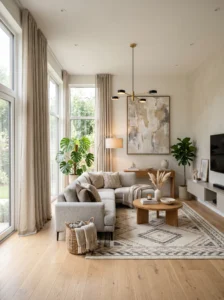
Nothing makes a room feel cheaper faster than curtains that are too short or too narrow. It’s a small detail, but it has a huge visual impact.
Professional designers often mount curtain rods several inches above the window frame and extend them beyond the window width. This trick creates the illusion of taller ceilings and larger windows.
This approach works especially well in living rooms, bedrooms, and dining areas. Even a modest-sized room immediately feels more spacious and elegant.
Choose simple fabrics such as linen blends, cotton, or textured polyester. Floor-length curtains generally look far more expensive than short panels.
Avoid extremely busy patterns unless they fit the overall design. Neutral shades like white, cream, beige, soft gray, or muted earth tones create a timeless appearance.
In daily life, taller curtains simply make the room feel calmer and more intentional. Guests may not know exactly why the room looks better, but they’ll notice the difference.
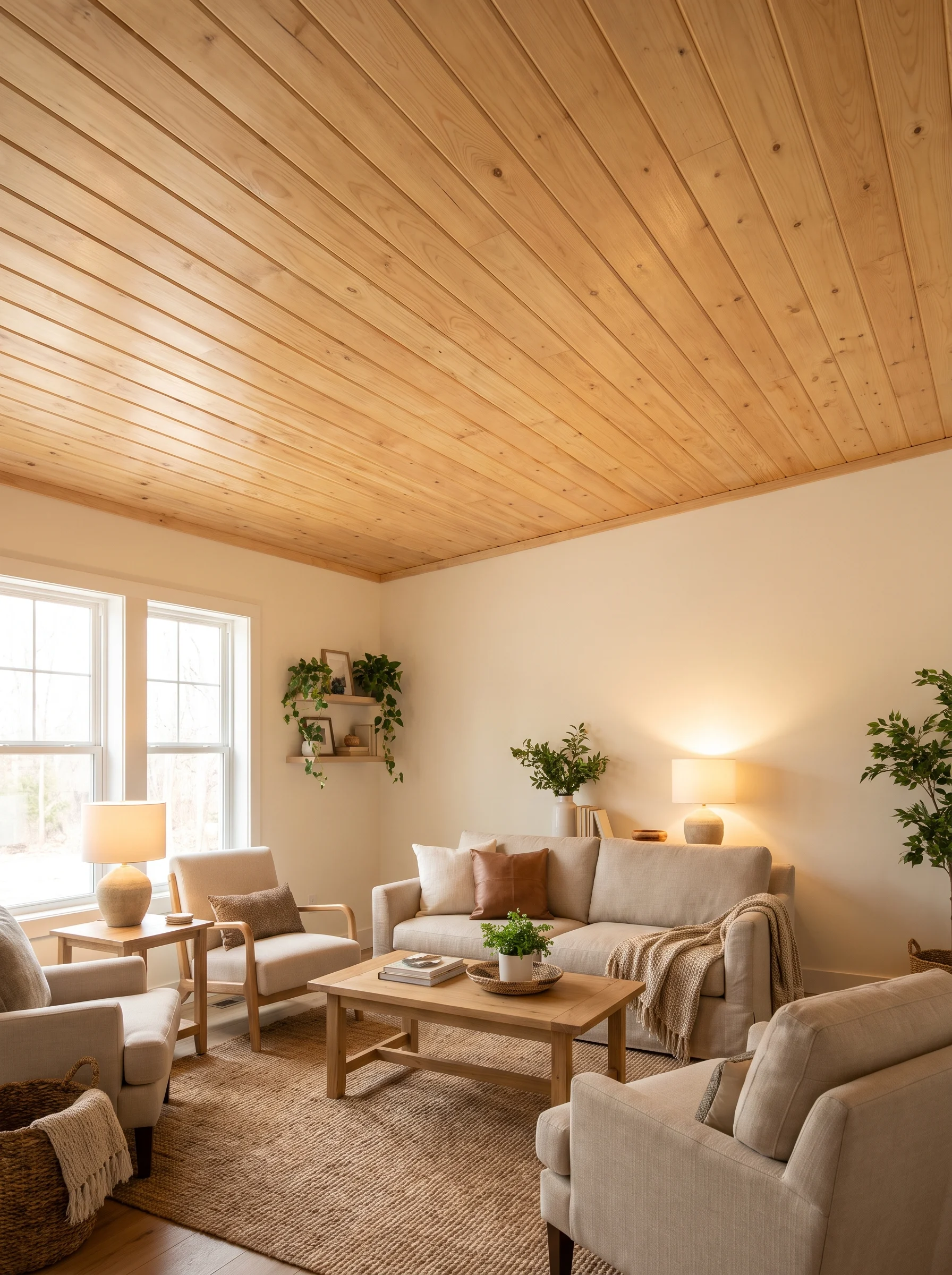
2. Upgrade Your Lighting Instead of Your Furniture
Many people spend thousands replacing furniture when the real problem is poor lighting.
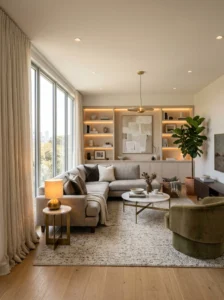
A room with harsh overhead lights can make even expensive furniture look uninspiring. On the other hand, layered lighting creates warmth, depth, and sophistication.
Use a combination of ceiling fixtures, table lamps, floor lamps, and accent lighting. This layered approach adds dimension and visual interest.
Living rooms benefit greatly from warm lighting near seating areas. Bedrooms feel more luxurious with bedside lamps rather than relying solely on overhead fixtures.
Choose bulbs in warm white tones rather than bright blue-white light. Warm lighting creates a comfortable and inviting atmosphere.
Affordable statement fixtures can also elevate a room dramatically. A stylish pendant light or modern lamp often delivers more impact than purchasing a new sofa.
The result is a space that feels cozy, welcoming, and professionally designed throughout the day and evening.
3. Add Large-Scale Art Instead of Many Small Decorations
When decorating on a budget, many people fill walls with numerous small items. Unfortunately, this can make a room feel cluttered.
Large artwork often creates a more expensive look because it acts as a strong focal point.
You don’t need original paintings. Oversized prints, framed photography, canvas reproductions, and even DIY artwork can work beautifully.
Living rooms, bedrooms, hallways, and home offices are ideal places for statement art.
The key is choosing pieces that complement the room’s color palette rather than competing with it.
Avoid hanging artwork too high. Ideally, the center of the piece should sit near eye level.
Large art creates visual confidence. Instead of appearing like a collection of random decorations, the room feels curated and intentional.
4. Declutter Ruthlessly
Luxury and clutter rarely exist in the same space.
One reason hotel suites and designer homes feel expensive is that they aren’t overflowing with unnecessary items.
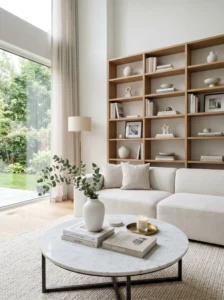
Start by removing decorations that don’t serve a purpose or add beauty. Clear surfaces such as coffee tables, dressers, and countertops.
This works in every room of the house but is particularly important in small spaces where visual clutter quickly overwhelms the room.
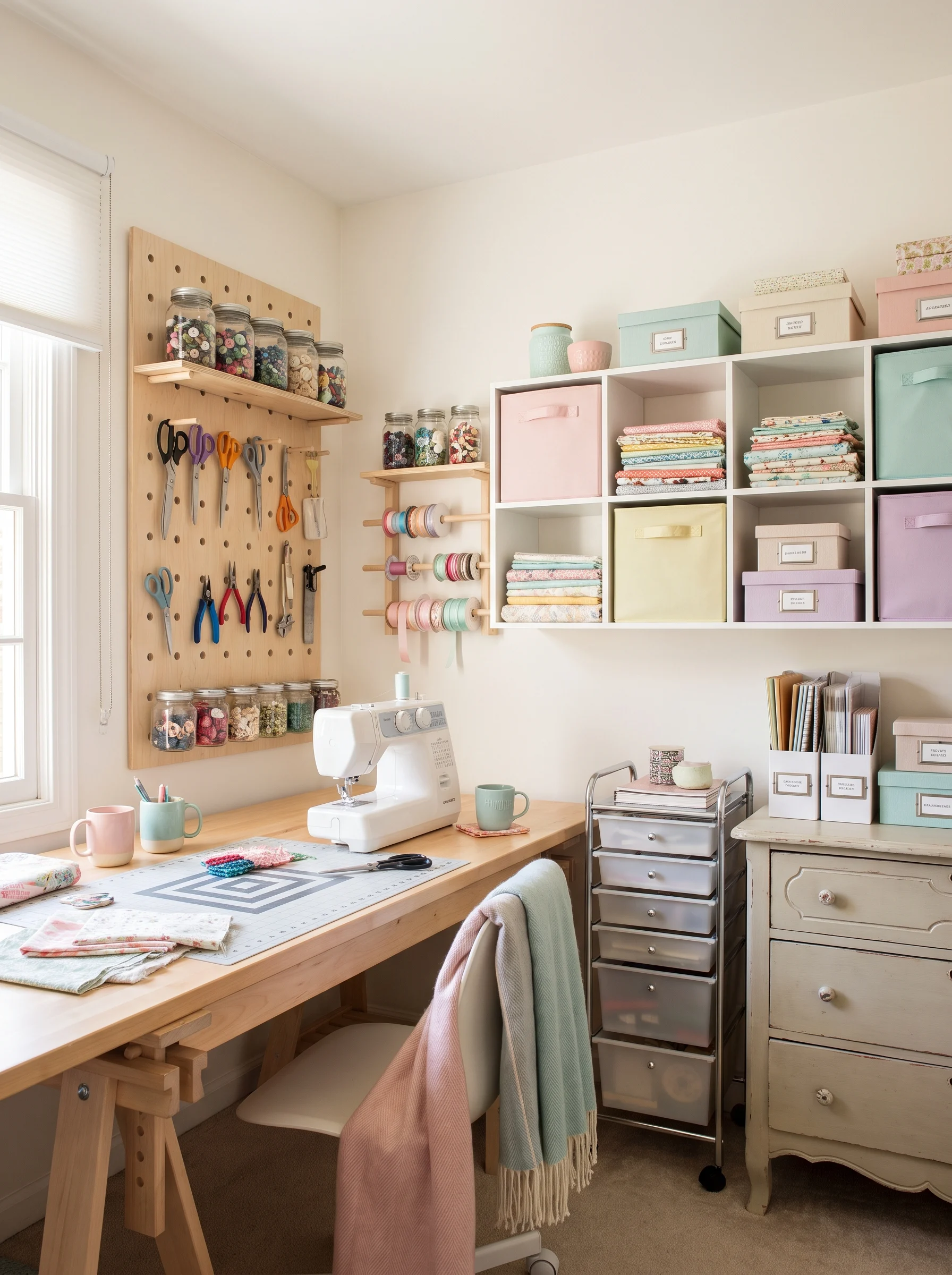
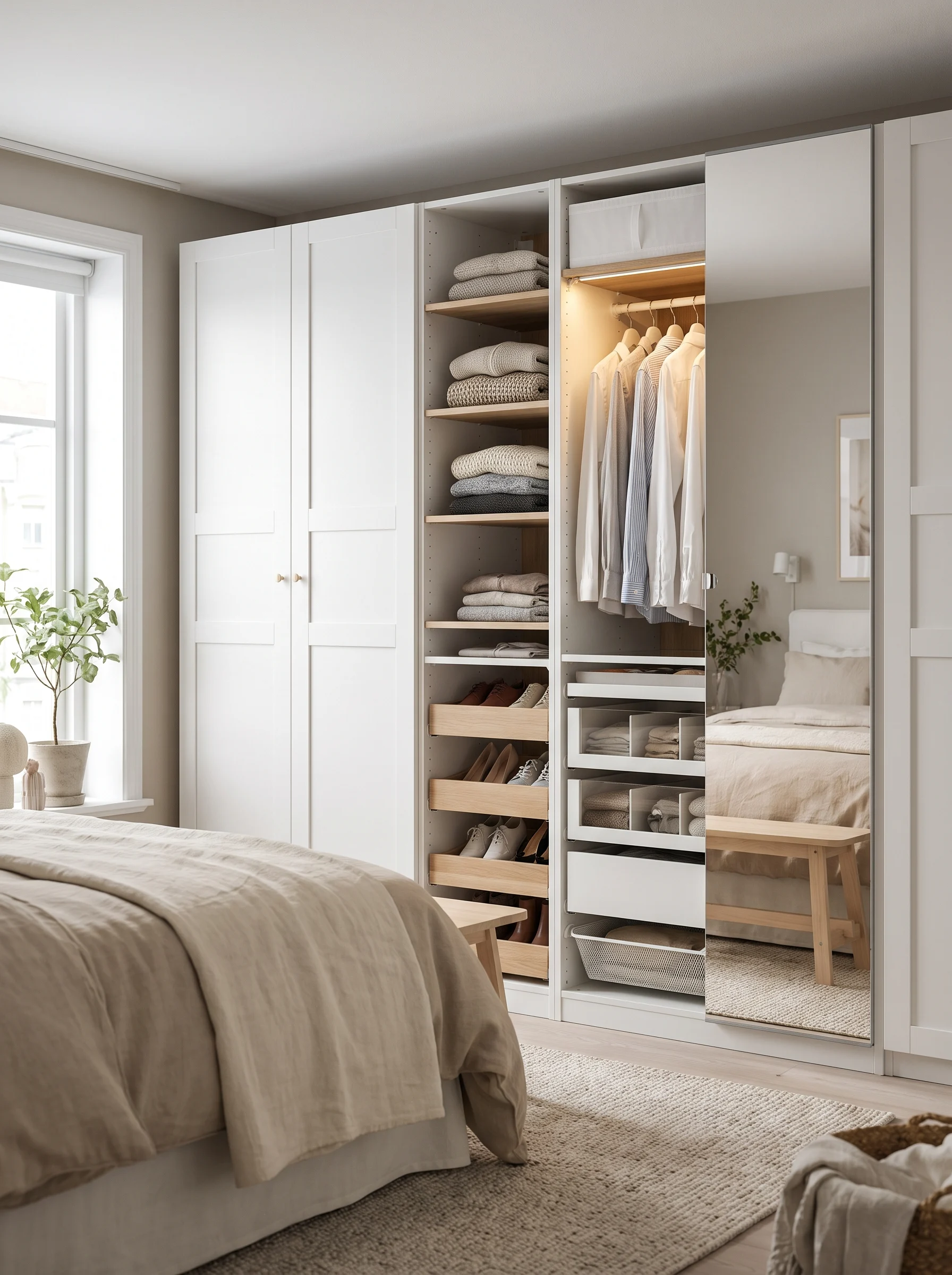
Storage baskets, decorative boxes, and furniture with hidden storage can help maintain organization.
A cleaner room also allows your best pieces to stand out rather than getting lost among dozens of smaller items.
The practical benefit is obvious too. Daily cleaning becomes easier, and the room feels more relaxing to spend time in.
5. Introduce Texture Through Fabrics
Expensive rooms rarely rely on color alone. They use layers of texture.
Texture creates visual richness even when a room uses a simple color palette.
Mix materials such as linen, velvet, boucle, cotton, wool, and woven fabrics through pillows, throws, rugs, and upholstery.
Living rooms and bedrooms benefit most from layered textures because these spaces are designed for comfort.
The goal isn’t to match everything perfectly. Instead, create contrast while maintaining a cohesive color scheme.
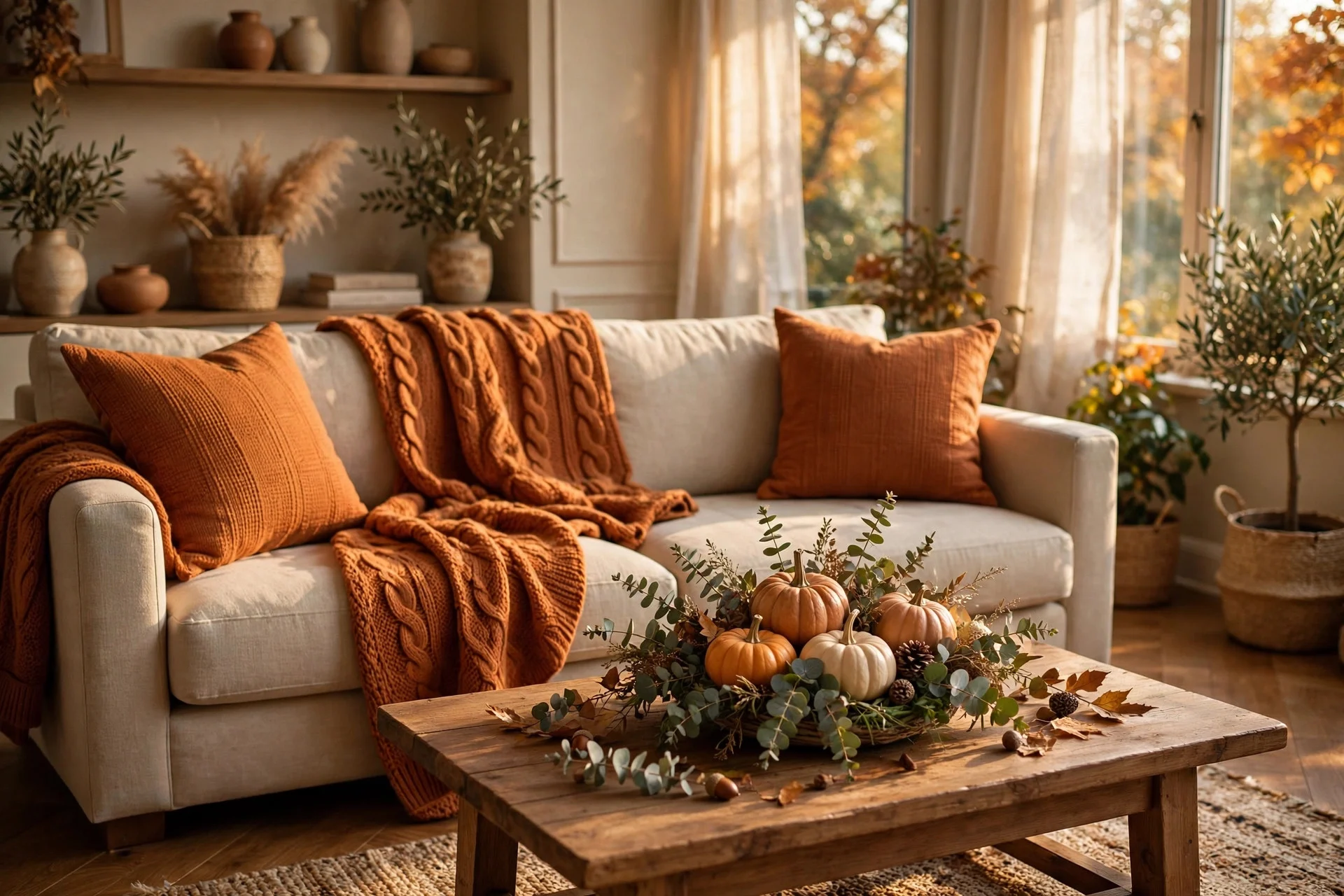
A textured throw blanket on a sofa or a chunky knit blanket at the foot of a bed can instantly elevate the room.
Beyond appearance, texture makes spaces feel warmer, softer, and more inviting every day.
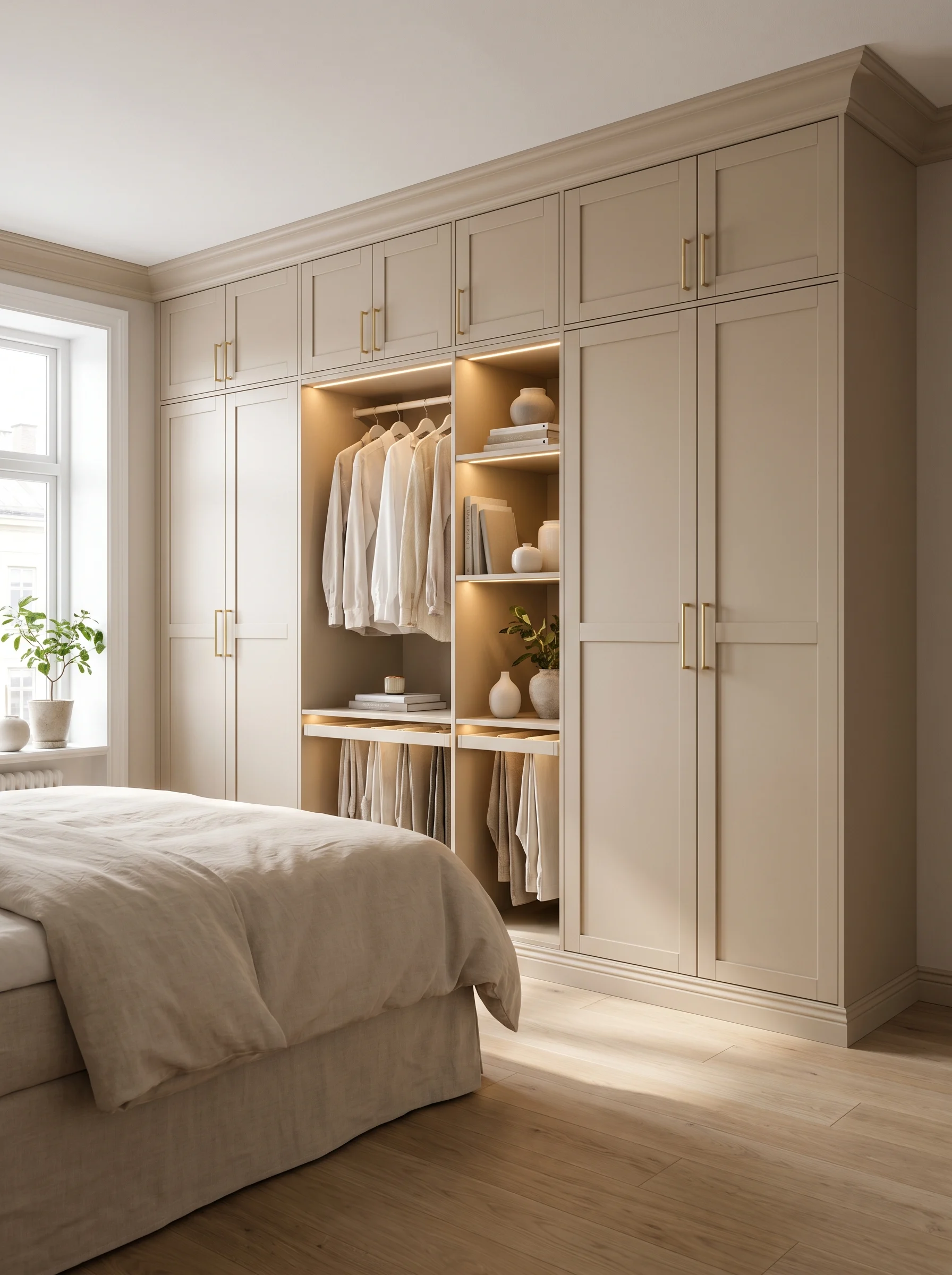
6. Replace Cheap Hardware
Small hardware upgrades often provide one of the highest returns on investment in home décor.
Old cabinet handles, drawer pulls, and door hardware can age a room quickly.
Replacing them with modern brass, matte black, brushed nickel, or antique-inspired finishes creates an instant refresh.
This strategy works particularly well in kitchens, bathrooms, home offices, and dressers.
Consistency matters. Choose one finish and repeat it throughout the room for a cohesive appearance.
Avoid mixing too many metallic finishes in small spaces.
These upgrades are relatively inexpensive, easy to install, and surprisingly effective at making furniture and cabinetry look custom-made.
7. Use Mirrors Strategically
Mirrors are one of the oldest designer tricks for making rooms feel larger and brighter.
A well-placed mirror reflects light and creates the illusion of extra space.
Position mirrors opposite windows whenever possible to maximize natural light.
This technique works beautifully in apartments, small bedrooms, narrow hallways, and compact living rooms.
Choose frames that complement your décor style. Thin metal frames create a modern look, while wood frames offer warmth and character.
Oversized mirrors tend to look more luxurious than multiple small mirrors scattered throughout a room.
The room instantly feels brighter during the day and more open overall.
8. Create a Cohesive Color Palette
Rooms often feel expensive when everything appears connected.
A common decorating mistake is introducing too many unrelated colors.
Instead, choose a primary color, a secondary color, and one accent color.
This approach works in every room regardless of size or style.
Neutral foundations such as cream, beige, gray, white, or taupe provide flexibility and timeless appeal.
Accent colors can appear through artwork, cushions, vases, or decorative accessories.
A cohesive palette creates visual harmony and makes the room feel intentionally designed rather than randomly assembled.
9. Invest in a Better Rug
A rug anchors the room and influences how large and polished the space feels.
One of the biggest mistakes people make is choosing a rug that’s too small.
In living rooms, at least the front legs of major furniture pieces should sit on the rug.
Bedrooms benefit from large rugs that extend beyond the bed frame.
Natural fibers, textured weaves, and neutral patterns often create a more upscale appearance.
Avoid placing tiny rugs in large rooms, as they make spaces feel disconnected.
A properly sized rug instantly adds structure, comfort, and sophistication.
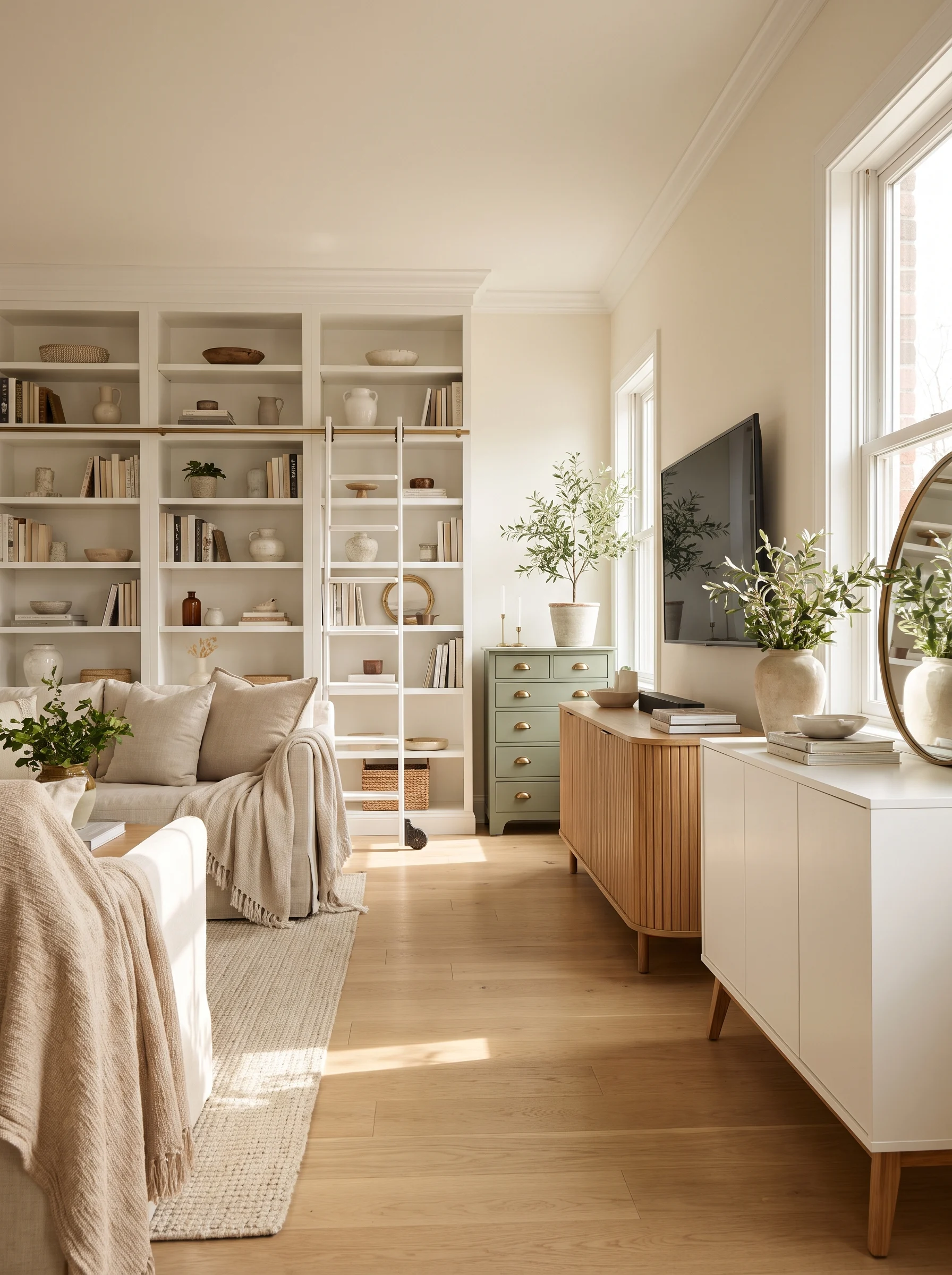
10. Style Shelves with Intention
Shelves can either elevate a room or make it feel cluttered.
Instead of filling every inch, leave some empty space between decorative objects.
Combine books, plants, framed photos, ceramics, and small sculptures in balanced groupings.
This works particularly well in living rooms, offices, and reading nooks.
Vary heights and shapes to create visual interest.
Avoid displaying every collectible or souvenir at once.
Intentional styling makes shelves feel curated and personal rather than overcrowded.
11. Add Greenery
Plants introduce life, color, and freshness into a room.
Many luxury interiors include natural elements because they soften hard surfaces and create balance.
Large floor plants make excellent statement pieces in corners, while smaller plants work well on shelves and side tables.
If maintenance is a concern, high-quality artificial plants can still provide visual impact.
Choose containers that match the room’s overall aesthetic.
Greenery makes spaces feel healthier, more vibrant, and naturally inviting.
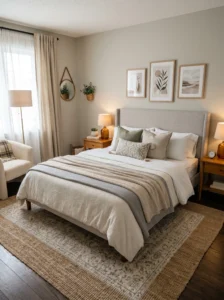
12. Upgrade Bedding and Pillows
A beautifully made bed instantly elevates an entire bedroom.
You don’t need expensive designer bedding to achieve this effect.
Focus on crisp sheets, layered pillows, and a quality duvet cover in neutral tones.
Adding multiple textures creates a hotel-inspired appearance.
Avoid overcrowding the bed with too many decorative pillows.
The room feels cleaner, more comfortable, and significantly more polished.
13. Incorporate Decorative Molding
Architectural details often make homes feel more expensive.
Fortunately, lightweight decorative molding has become affordable and accessible.
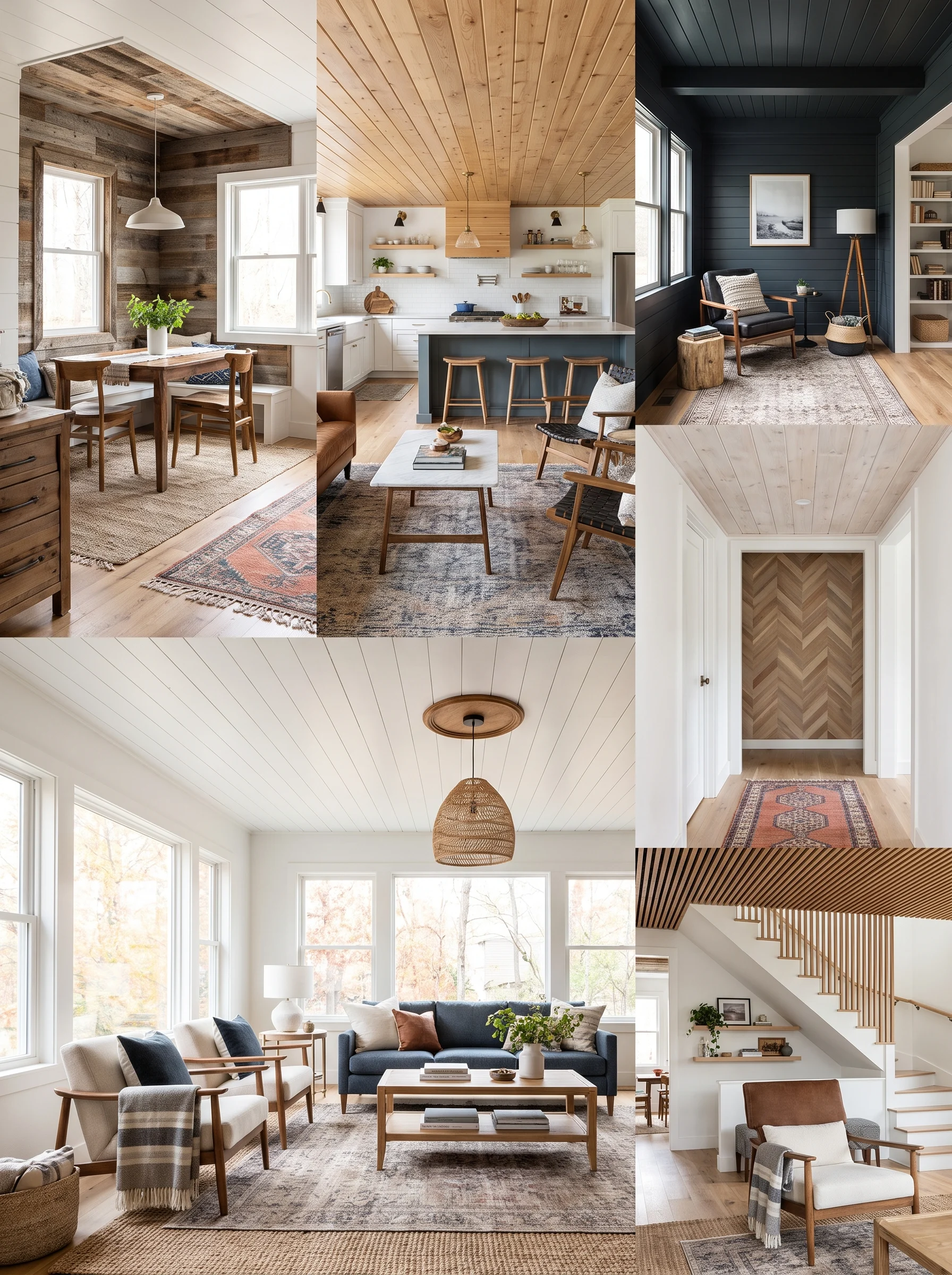
Wall molding can add character to plain walls in living rooms, dining rooms, and bedrooms.
Paint molding the same color as the wall for a sophisticated appearance.
Keep designs simple to avoid overwhelming smaller rooms.
This upgrade adds visual depth and creates a custom-built feel without major renovation costs.
14. Keep Surfaces Partially Empty
Not every table, shelf, or countertop needs decoration.
One hallmark of luxury interiors is restraint.
Leave breathing room around important decorative pieces.
Coffee tables, console tables, and kitchen counters benefit from selective styling.
A vase, stack of books, or candle arrangement often has more impact than ten unrelated accessories.
Empty space allows the eye to rest and makes the room feel more refined.
15. Mix Affordable Pieces with One Statement Item
An expensive-looking room doesn’t require every item to be premium.
Often, one standout piece can elevate everything around it.
This could be a dramatic light fixture, a beautiful mirror, a statement chair, or an oversized piece of artwork.
The statement piece becomes the focal point while budget-friendly furniture supports it.
This approach works in nearly every room and prevents overspending.
People naturally focus on standout features, making the entire room appear more luxurious.
Comparison Table
| Type | Best Use | Material | Style/Vibe | Difficulty Level |
|---|---|---|---|---|
| Floor-Length Curtains | Living rooms, bedrooms | Linen blend, cotton | Elegant, airy | Easy |
| Large Mirror | Small rooms, hallways | Glass, metal, wood | Spacious, bright | Easy |
| Area Rug | Living rooms, bedrooms | Wool, synthetic blend | Cozy, polished | Easy |
| Decorative Molding | Bedrooms, dining rooms | MDF, PVC | Custom, upscale | Medium |
| Statement Lighting | Any room | Metal, glass | Designer-inspired | Medium |
| Large Wall Art | Living rooms, offices | Canvas, framed print | Modern, curated | Easy |
Buying Guide: How to Choose Décor That Looks Expensive
Creating an expensive-looking room starts with choosing the right scale. One of the most common decorating mistakes is buying items that are too small. Tiny rugs, undersized artwork, and miniature lamps often make a room feel unfinished. Before purchasing anything, consider how it relates to the size of the room and nearby furniture.
Material selection also plays a major role. Natural-looking materials generally create a more premium appearance than overly shiny or synthetic alternatives. Linen, cotton, wood, ceramic, glass, and textured metals tend to age better visually. That doesn’t mean everything must be real wood or stone. High-quality alternatives can look excellent when chosen carefully.
Durability matters just as much as appearance. A beautiful item that quickly wears out won’t provide lasting value. For frequently used spaces, prioritize washable fabrics, scratch-resistant finishes, and sturdy construction. This is particularly important for rugs, upholstery, and furniture hardware.
Budget planning should focus on impact rather than quantity. Instead of buying ten inexpensive decorative items, invest in one or two larger pieces that command attention. A quality rug or statement light fixture often transforms a room more effectively than numerous small accessories.
Another mistake people make is chasing trends too aggressively. Trendy items can be fun, but large purchases should remain relatively timeless. Neutral foundations allow you to update a room later with smaller, less expensive accessories.
Finally, always consider how a room functions in everyday life. Beautiful spaces should still feel comfortable and practical. The best design choices improve both aesthetics and usability, creating a home that looks impressive without feeling staged or difficult to maintain.
Conclusion
Making a room look expensive isn’t about spending more money—it’s about spending smarter. Many of the most effective upgrades involve thoughtful styling, better proportions, improved lighting, and intentional design choices rather than costly renovations.
Simple changes such as hanging curtains higher, choosing a larger rug, decluttering surfaces, layering textures, and upgrading lighting can dramatically improve the overall appearance of a space. These improvements work because they create balance, visual harmony, and a sense of purpose throughout the room.
The most successful interiors rarely rely on a single dramatic purchase. Instead, they combine multiple small decisions that work together. A cohesive color palette, strategic use of mirrors, carefully chosen artwork, and well-placed greenery all contribute to a polished result.
As you update your home, focus on quality over quantity and function alongside appearance. A room that feels comfortable, organized, and thoughtfully designed will almost always appear more luxurious than one filled with expensive but poorly chosen items.
With patience and a few smart upgrades, virtually any room can achieve a sophisticated, high-end look without stretching your budget.
FAQs
1. What is the cheapest way to make a room look expensive?
Decluttering, improving lighting, and rearranging furniture are often the most affordable upgrades. These changes cost little but can significantly improve how a room looks and feels.
2. Do expensive-looking rooms need neutral colors?
Not necessarily. Neutral colors make it easier to create a cohesive design, but rich greens, navy blues, and earthy tones can also feel luxurious when used thoughtfully.
3. Are artificial plants acceptable in home décor?
Yes. High-quality artificial plants can provide visual impact without maintenance. Avoid obviously fake options and choose realistic containers.
4. How many decorative items should be displayed?
Less is usually better. Focus on a few meaningful or visually appealing pieces rather than filling every available surface.
5. What size rug should I buy for a living room?
Ideally, the front legs of major furniture pieces should sit on the rug. A rug that’s too small can make the entire room feel disconnected.
6. Can renters use these decorating tips?
Absolutely. Most suggestions, including lighting upgrades, curtains, mirrors, rugs, and artwork, are renter-friendly and require little to no permanent modification.
7. Is wall molding worth the investment?
For many homeowners, yes. Decorative molding adds architectural interest and can make plain walls look custom-designed without major renovation costs.
8. What’s the biggest mistake people make when decorating on a budget?
Buying too many small decorative items. Investing in fewer, larger-impact pieces generally creates a more polished and expensive-looking result.