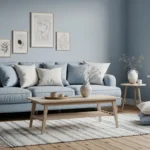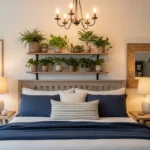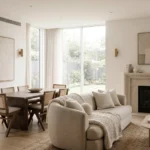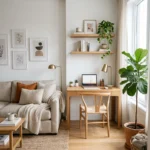
A home doesn’t need a complete renovation to feel fresh, stylish, and more functional. In fact, one of the biggest misconceptions in home decorating is that transforming a space requires a massive budget or professional design expertise. The reality is that many homes feel uninspiring not because they’re poorly designed, but because small details have been overlooked.
Most people eventually reach a point where their living room feels dull, their bedroom lacks personality, or their walls seem empty no matter how clean the space is. The challenge isn’t necessarily a lack of furniture or décor. It’s often a lack of thoughtful design choices that create comfort, character, and visual interest.
That’s where smart home decor and DIY projects make a difference. They allow you to customize your space, solve practical problems, and create a home that reflects your lifestyle without spending a fortune. Even simple changes can dramatically improve how a room looks and feels.
In this guide, you’ll discover practical home decor and DIY ideas that combine style with functionality. These ideas aren’t just trendy—they’re useful, adaptable, and realistic for everyday homeowners and renters alike. Whether you’re working with a small apartment, a family home, or a single room that needs refreshing, these projects can help transform your space one step at a time.
1. Create a Statement Gallery Wall
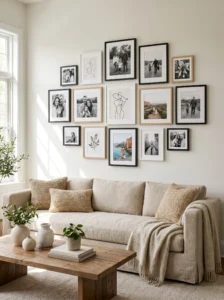
A gallery wall is one of the easiest ways to make a room feel intentional and personalized. Blank walls often make spaces feel unfinished, while thoughtfully arranged artwork instantly adds character.
The reason gallery walls work so well is that they create a visual focal point. Instead of the eye wandering around a room, it naturally lands on the collection of frames and artwork. This creates structure and interest without requiring expensive décor.
Gallery walls work particularly well in living rooms, hallways, staircases, and home offices. Even smaller apartments can benefit from a compact arrangement above a sofa or console table.
Mix frame sizes, but maintain some consistency in color or style. Black, white, and natural wood frames are usually the safest options. Before hanging anything, arrange the layout on the floor or tape paper templates to the wall.
One common mistake is spacing frames too far apart. Keeping gaps between 2 and 4 inches generally creates a cohesive look.
In daily life, a gallery wall often becomes a conversation piece. Family photos, travel memories, and favorite prints make a home feel uniquely yours rather than looking like a furniture showroom.
2. Build Floating Shelves for Extra Storage
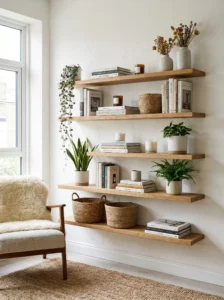
Storage and decoration rarely come together as effectively as floating shelves. They offer a clean, modern appearance while creating valuable display space.
Floating shelves work because they utilize vertical wall space that often goes unused. They help reduce clutter while allowing decorative items to remain visible.
These shelves are ideal for kitchens, bathrooms, bedrooms, and living rooms. In smaller homes, they can provide much-needed storage without taking up floor space.
Choose sturdy wood boards and quality mounting brackets rated for the intended weight. Natural oak, walnut, or painted wood can complement nearly any design style.
Avoid overcrowding shelves with too many objects. A balanced mix of books, plants, baskets, and decorative pieces creates a more attractive display.
Beyond aesthetics, floating shelves make everyday items easier to access. Cookbooks in the kitchen, toiletries in the bathroom, or favorite novels in the living room become both practical and decorative elements.
3. Upgrade Lighting with DIY Pendant Fixtures
Lighting is often the most overlooked aspect of home design, yet it has one of the biggest impacts on how a room feels.
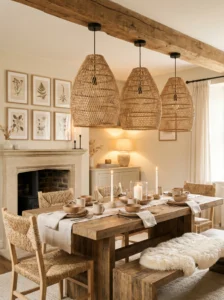
A simple DIY pendant light can completely change a space by creating warmth, depth, and visual interest. Harsh overhead lighting often makes rooms feel flat and uninviting.
Pendant fixtures work especially well above dining tables, kitchen islands, reading corners, and entryways. They help define specific zones within larger rooms.
Materials like woven rattan, metal cages, or wooden shades can be adapted to different decorating styles. Warm white bulbs typically create the most comfortable atmosphere.
A common mistake is selecting fixtures that are too small. Scale matters. Larger pendant lights often make a stronger design statement than multiple tiny fixtures.
The practical benefit is immediate. Better lighting improves everything from reading and cooking to relaxing after a long day. Many homeowners are surprised by how dramatically a simple lighting upgrade transforms the mood of an entire room.
4. Refresh Furniture with Paint
Sometimes furniture doesn’t need replacing—it just needs a new look.
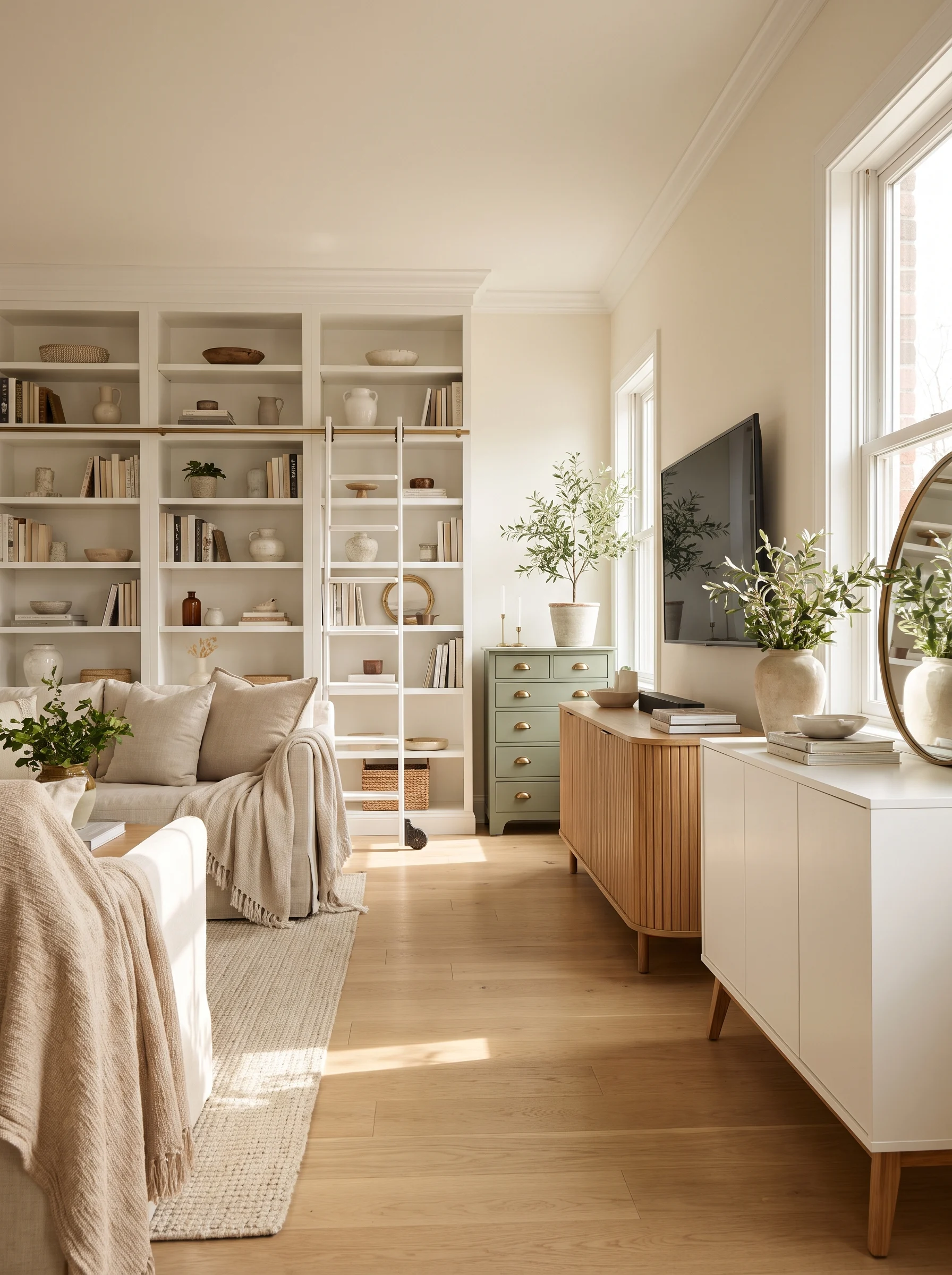
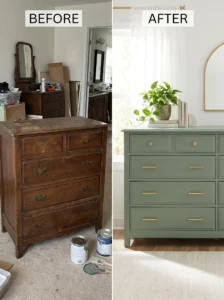
Painting old furniture is one of the most budget-friendly DIY projects available. A dated dresser, side table, or bookshelf can become a stylish focal point with the right color choice.
This idea works well in bedrooms, living rooms, entryways, and home offices. Vintage furniture is particularly suitable because it often has solid construction beneath an outdated finish.
Proper preparation is essential. Clean surfaces thoroughly, sand lightly, and use quality primer before painting. Matte, satin, and chalk paints remain popular because they hide imperfections well.
Avoid choosing colors solely because they’re trendy. Consider how the piece will coordinate with the rest of the room.
The transformation can be surprisingly satisfying. A piece that once looked tired and forgotten often becomes a favorite feature in the home, proving that creativity can sometimes outperform a shopping trip.
5. Add Peel-and-Stick Wallpaper
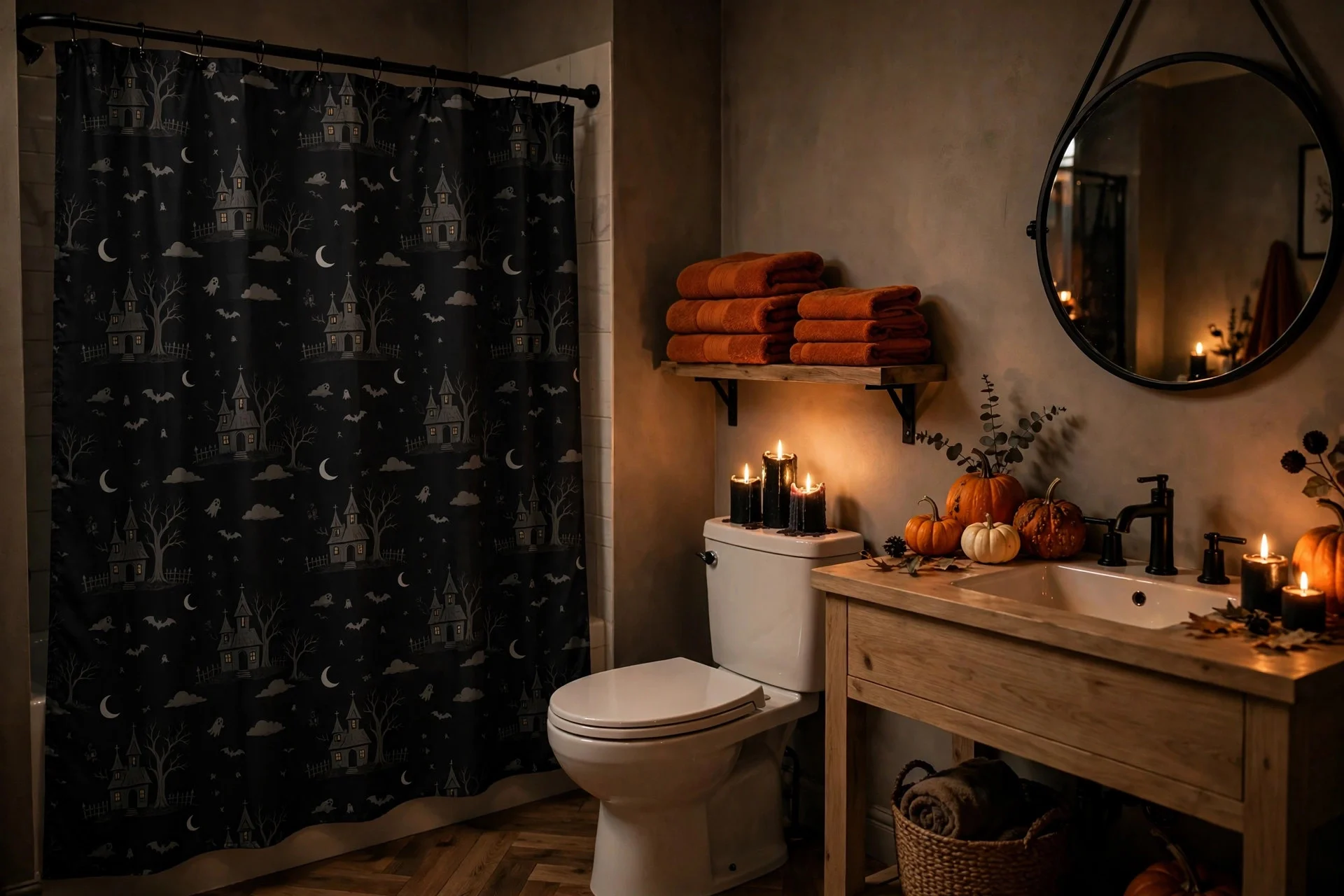
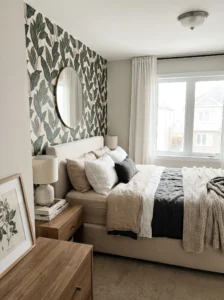
Peel-and-stick wallpaper has revolutionized DIY decorating because it offers dramatic visual impact without a long-term commitment.
This solution works because walls occupy a large percentage of visual space in any room. Even one accent wall can significantly change the atmosphere.
Bedrooms, powder rooms, home offices, and entryways are excellent candidates for wallpaper. Bold patterns work best in smaller doses, while subtle textures can cover larger areas.
Measure carefully before purchasing materials and clean walls thoroughly before installation. Neutral patterns tend to age more gracefully than highly specific trends.
One common mistake is applying wallpaper in poorly lit spaces without considering how patterns will appear throughout the day.
The beauty of removable wallpaper is flexibility. If your tastes change or you move, the design can often be removed with minimal damage, making it ideal for renters.
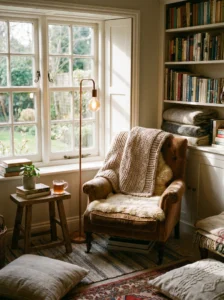
6. Create a Cozy Reading Nook
Every home benefits from a dedicated space designed purely for relaxation.
A reading nook works because it gives a room purpose beyond basic furniture placement. It creates a destination within the home.
Unused corners, bay windows, spare bedrooms, or even wide hallways can become cozy reading areas. The key elements include comfortable seating, proper lighting, and a small side table.
Layer soft textiles such as throw blankets and cushions to increase comfort. Neutral colors paired with one or two accent tones often create a calming environment.
Avoid placing the nook in high-traffic areas where interruptions are frequent.
In practice, these spaces often become more than reading spots. People use them for morning coffee, quiet conversations, journaling, or simply taking a break from screens.
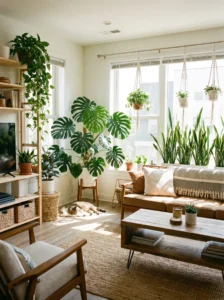
7. Use Indoor Plants as Living Decor
Plants bring something to a room that furniture and accessories simply cannot—life.
Indoor greenery works because it introduces texture, color, and natural variation. Plants soften hard surfaces and create a more welcoming environment.
Living rooms, kitchens, bathrooms, and bedrooms can all benefit from carefully selected plants. Different species thrive under different lighting conditions, so placement matters.
Choose low-maintenance varieties if you’re new to plant care. Grouping plants at varying heights creates a layered, designer-inspired appearance.
A common mistake is purchasing plants based solely on appearance without considering light requirements.
Beyond visual appeal, plants often improve the overall feeling of a space. Many people find rooms with greenery feel calmer, fresher, and more connected to nature.
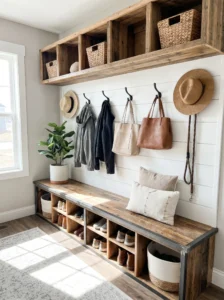
8. Build a DIY Entryway Organizer
The entryway sets the tone for the entire home.
A DIY organizer helps control clutter by creating designated spaces for keys, bags, mail, and shoes. Organization immediately improves both function and appearance.
This project works particularly well in small homes where clutter tends to accumulate near entrances.
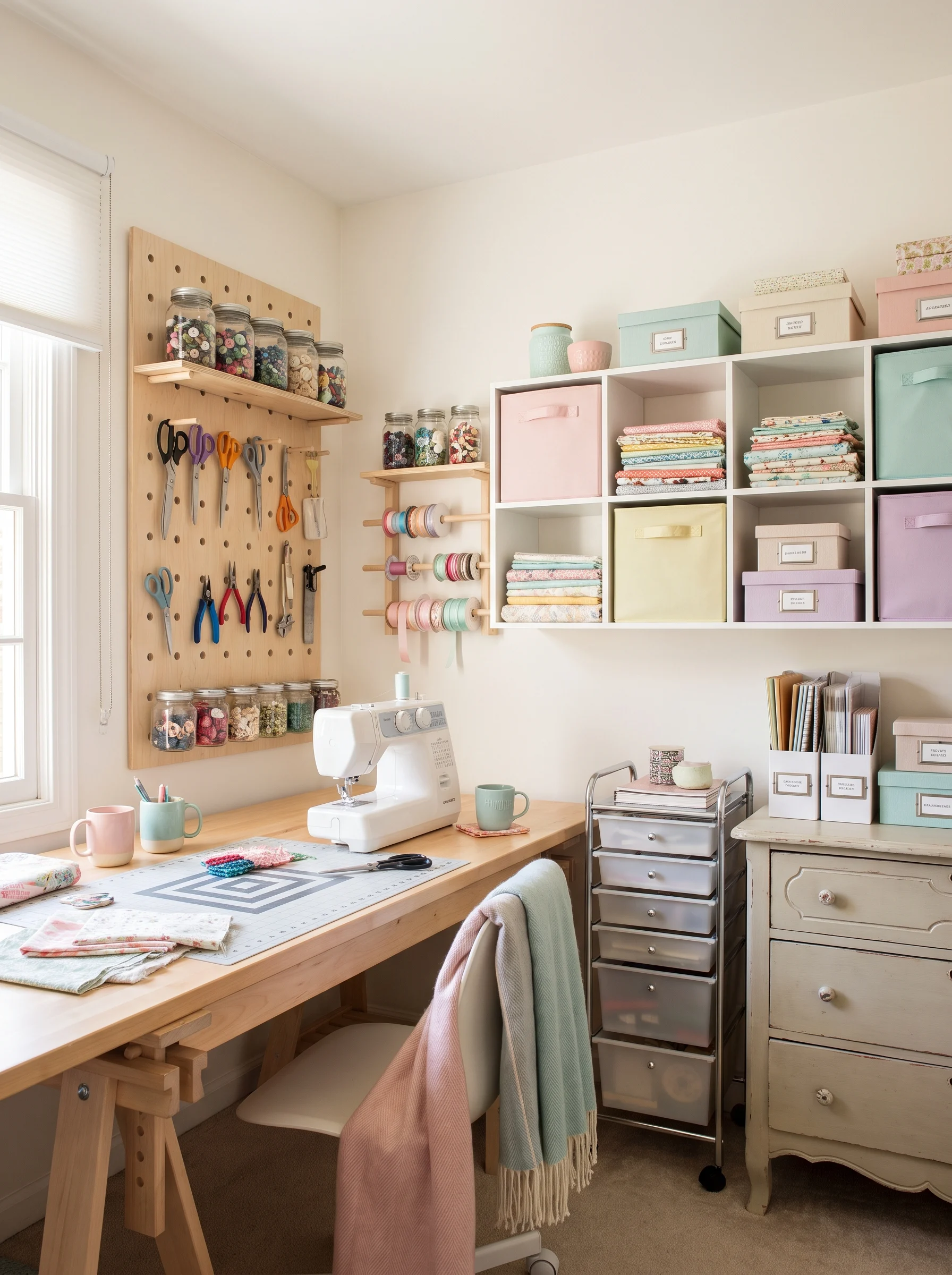
Wooden cubbies, hooks, shelves, and storage benches can be combined into a practical solution. Durable materials are especially important because entryways experience heavy daily use.
Avoid making storage compartments too small. Family needs tend to grow over time.
The biggest benefit is convenience. Instead of searching for essentials every morning, everything has a designated place, making daily routines smoother and less stressful.
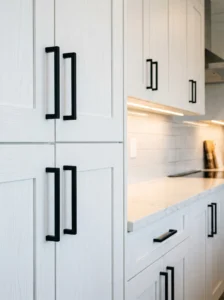
9. Upgrade Cabinet Hardware
Small details often have a surprisingly large impact.
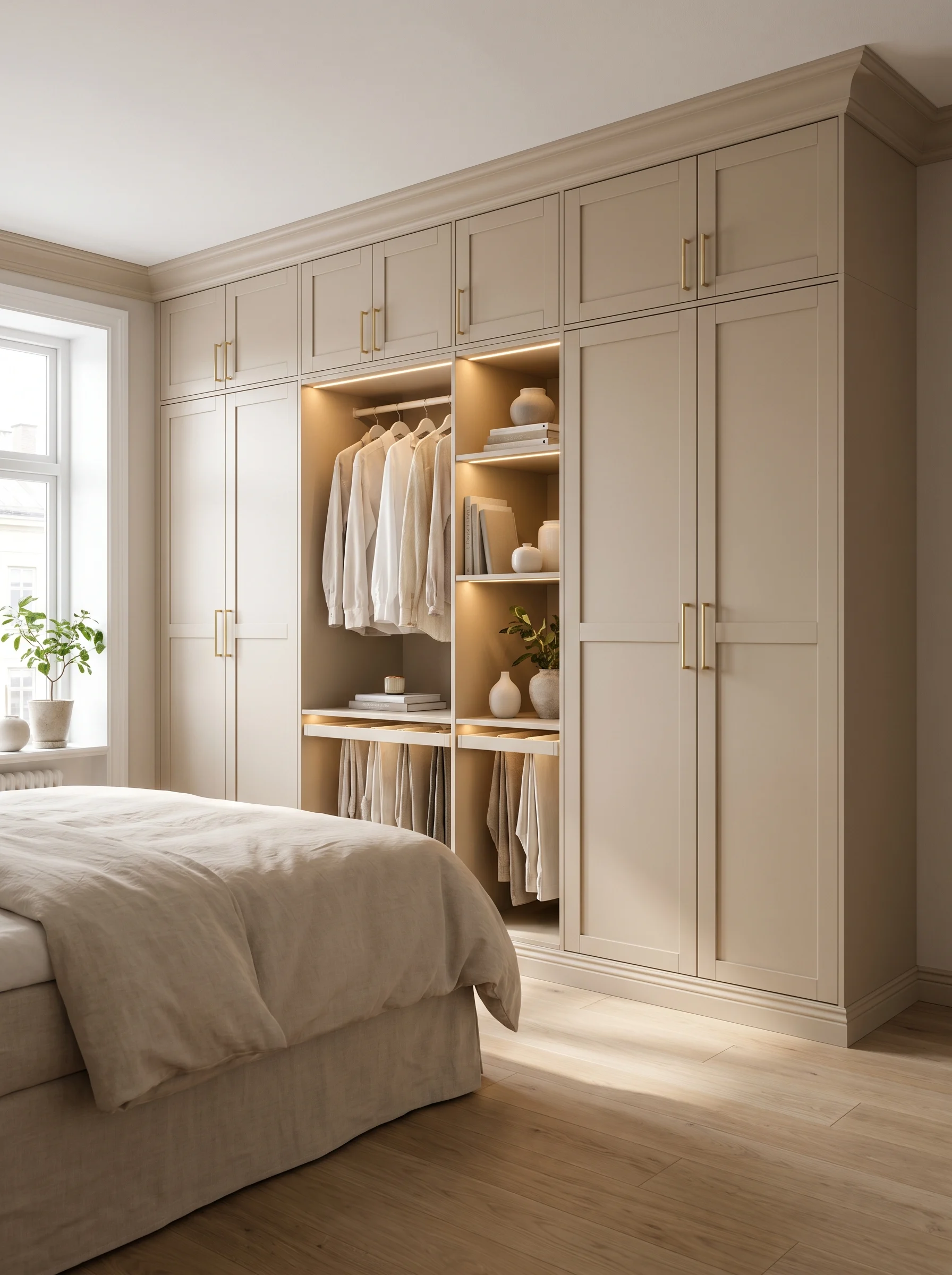
Replacing cabinet handles and drawer pulls is one of the fastest ways to modernize kitchens, bathrooms, and built-in furniture. New hardware can completely change the perception of existing cabinetry.
This idea works because hardware functions like jewelry for furniture. It adds personality and style without requiring major renovations.
Popular finishes include matte black, brushed brass, and satin nickel. Consistency throughout a space usually creates the most polished appearance.
Measure existing holes before purchasing replacements to avoid installation problems.
In everyday use, upgraded hardware not only looks better but often feels better. Comfortable, well-designed handles improve the user experience every time a drawer or cabinet is opened.
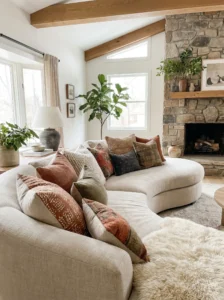
10. Create Custom Decorative Pillows
Decorative pillows are often underestimated, yet they play a major role in making rooms feel complete.
Custom pillow covers allow homeowners to introduce color, pattern, and texture without investing in larger furniture pieces.
They work particularly well in living rooms, bedrooms, reading nooks, and outdoor seating areas. Seasonal updates become easy and affordable.
Choose durable fabrics that complement existing furniture. Mixing textures often creates a richer look than relying solely on color.
Avoid purchasing pillows that are too small for furniture. Slightly oversized pillows generally appear more luxurious.
The result is a space that feels more comfortable and intentionally styled while remaining flexible enough to change throughout the year.
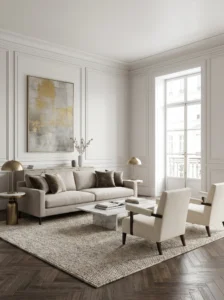
11. Install Decorative Wall Molding
Wall molding can make ordinary rooms feel significantly more refined.
This design feature works because it adds architectural interest to otherwise flat surfaces. Even simple molding patterns create depth and sophistication.
Living rooms, dining rooms, bedrooms, and hallways benefit most from this upgrade. Modern homes often lack architectural details, making molding especially effective.
Pre-cut molding kits simplify installation for DIY enthusiasts. Painting molding the same color as the wall creates subtle elegance, while contrasting colors make a stronger statement.
One mistake to avoid is creating panel designs that are disproportionate to the room size.
Once completed, molding adds a sense of permanence and craftsmanship that elevates the overall appearance of the home.
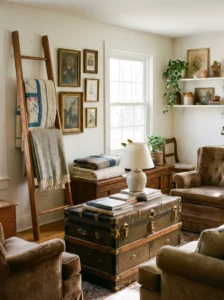
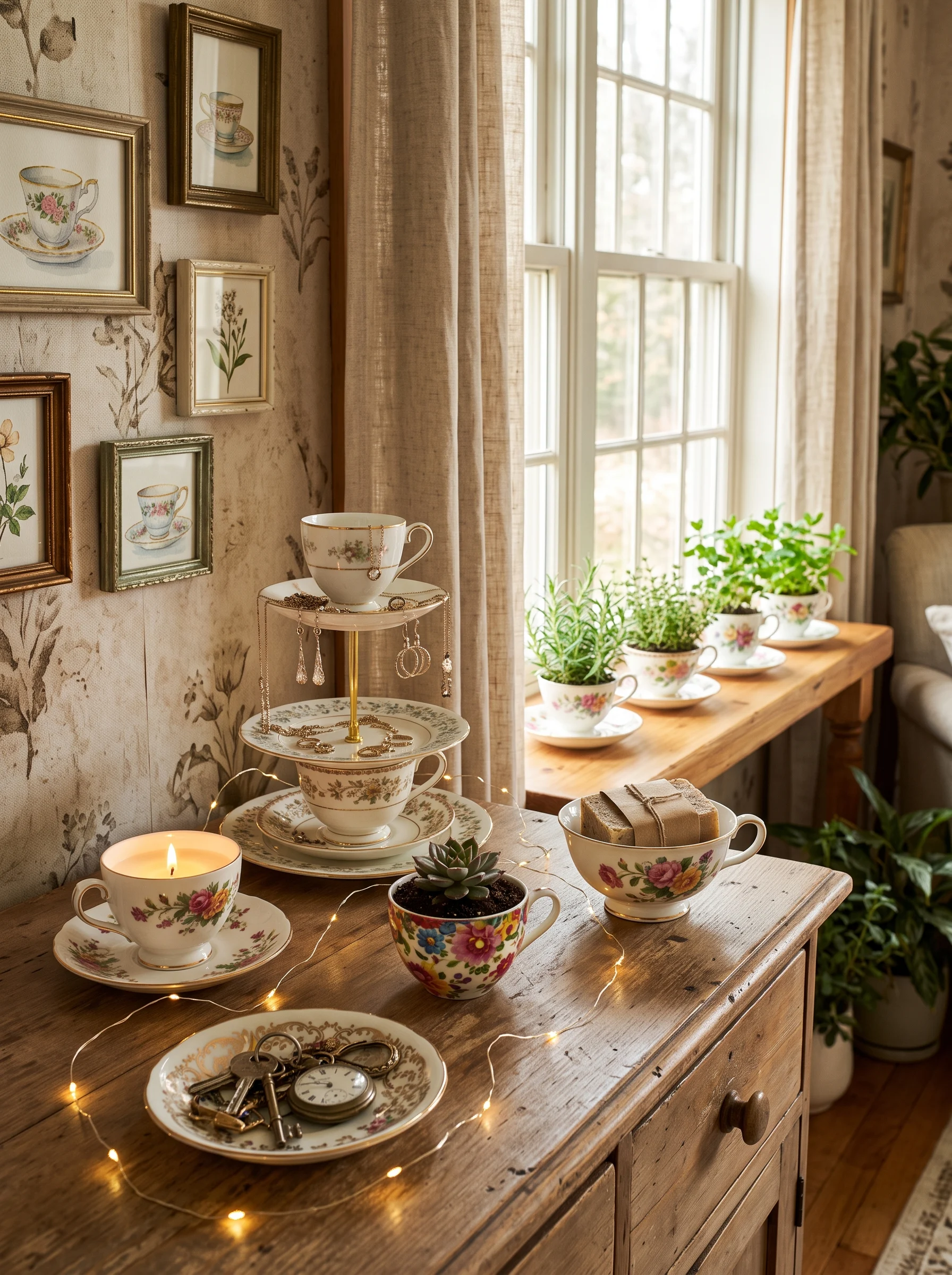
12. Repurpose Vintage Finds
Some of the most interesting décor pieces aren’t purchased new.
Repurposing vintage furniture, crates, ladders, or trunks adds authenticity and character. Older items often have unique details rarely found in mass-produced products.
This approach works in virtually any room, from bedrooms to living spaces and even bathrooms.
Look for structurally sound pieces with cosmetic flaws rather than major damage. A little sanding, cleaning, or refinishing can go a long way.
Avoid overcrowding rooms with too many vintage items, which can create visual chaos.
These pieces often become personal favorites because they carry history and individuality, making the home feel more curated and less predictable.
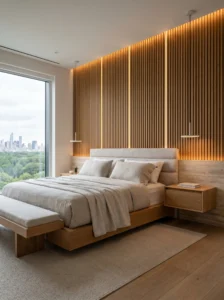
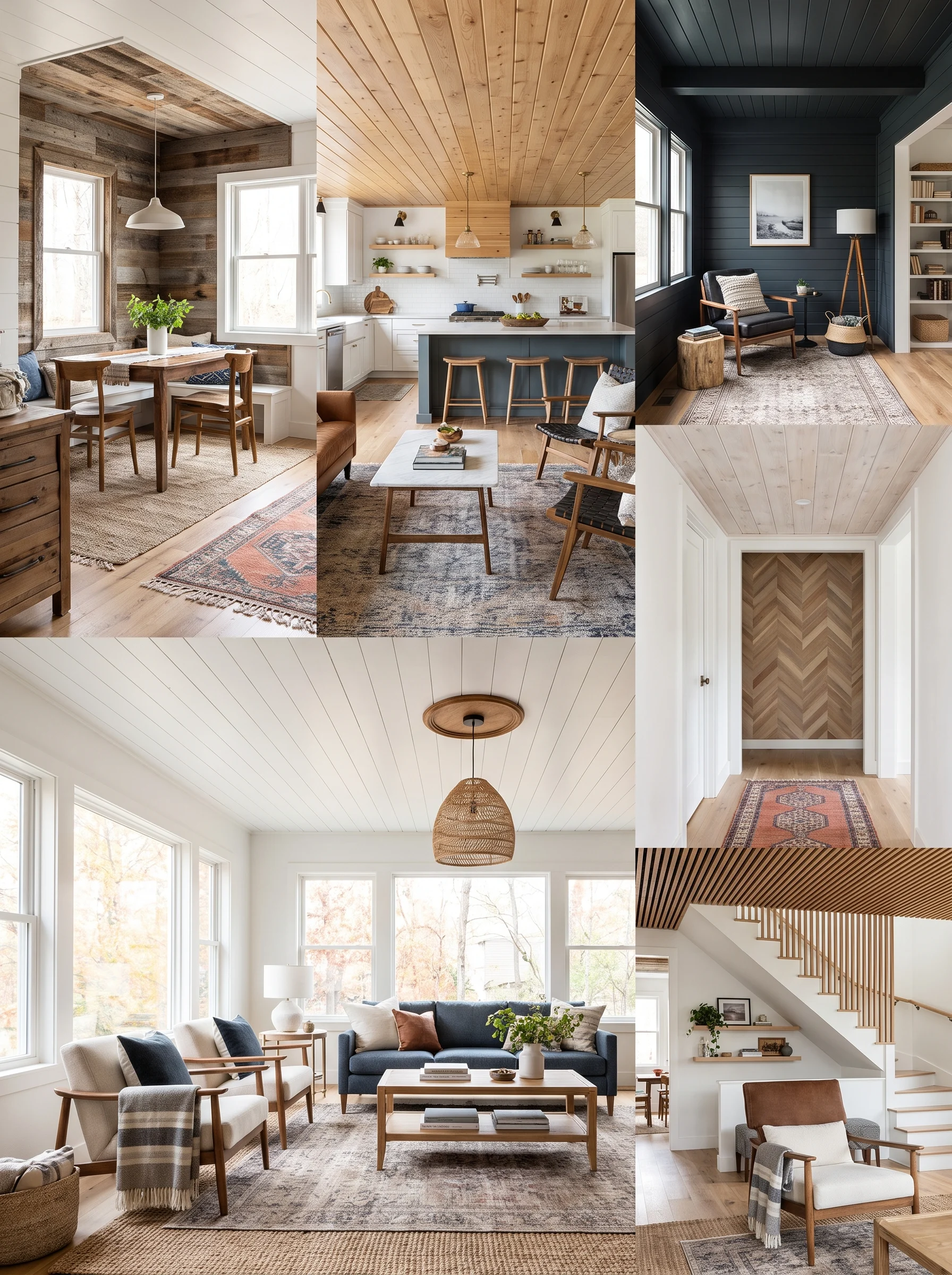
13. Design a Feature Wall with Wood Panels
Wood paneling has evolved far beyond outdated basement walls.
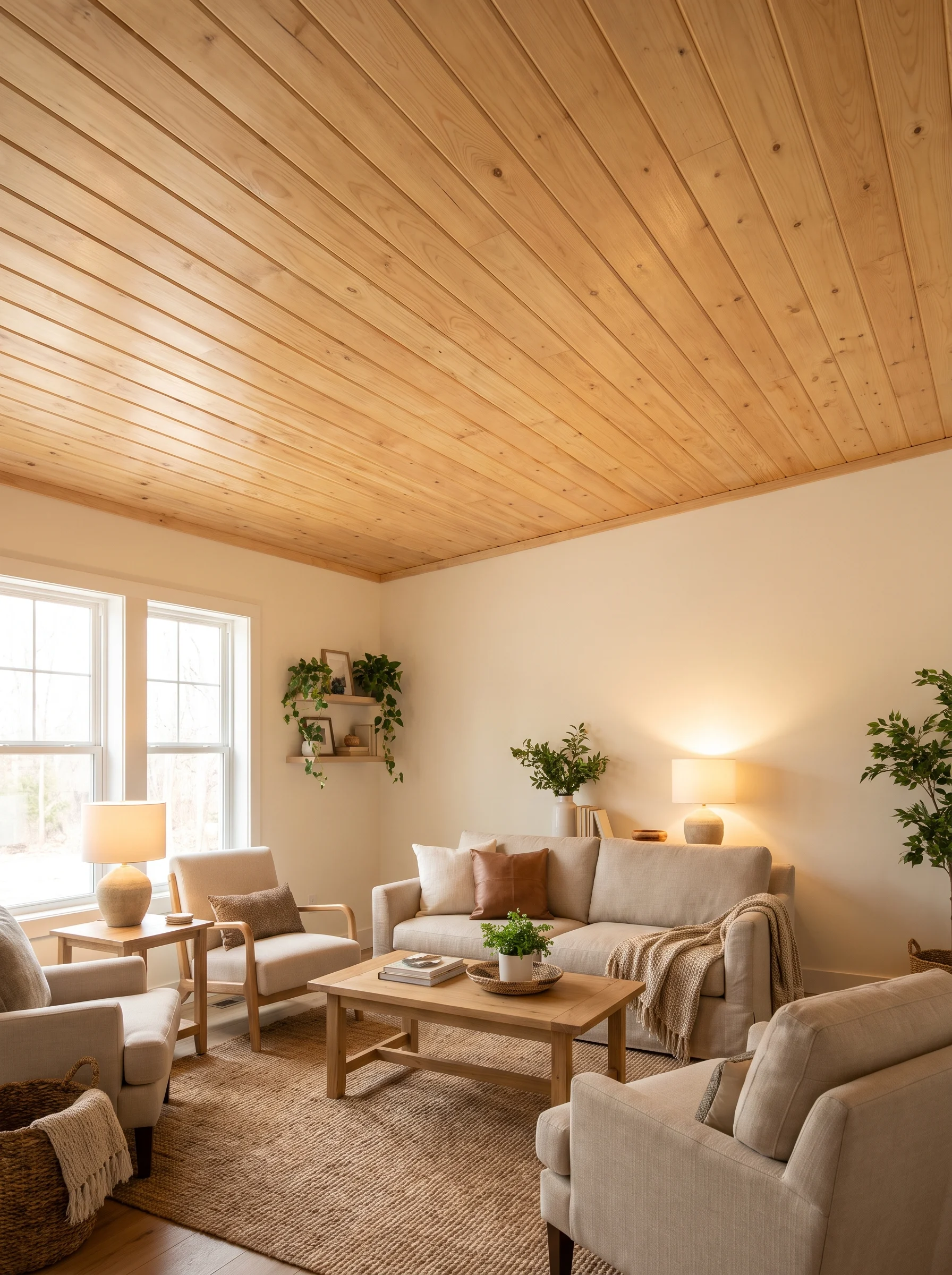
Modern wood feature walls introduce texture, warmth, and architectural interest. They create a focal point without overwhelming the room.
Bedrooms, living rooms, dining rooms, and home offices are ideal locations. Vertical slats can make ceilings appear taller, while horizontal designs can visually widen a room.
Choose wood tones that complement existing flooring and furniture. Consistency helps maintain balance throughout the space.
One common mistake is installing highly textured walls in already busy rooms.
The natural warmth of wood makes spaces feel more inviting and comfortable while adding a custom-built appearance that many homeowners appreciate.
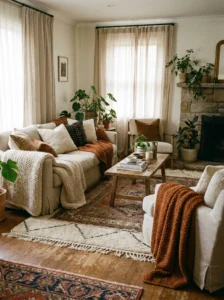
14. Create Layered Textile Decor
A room rarely feels finished without layers.
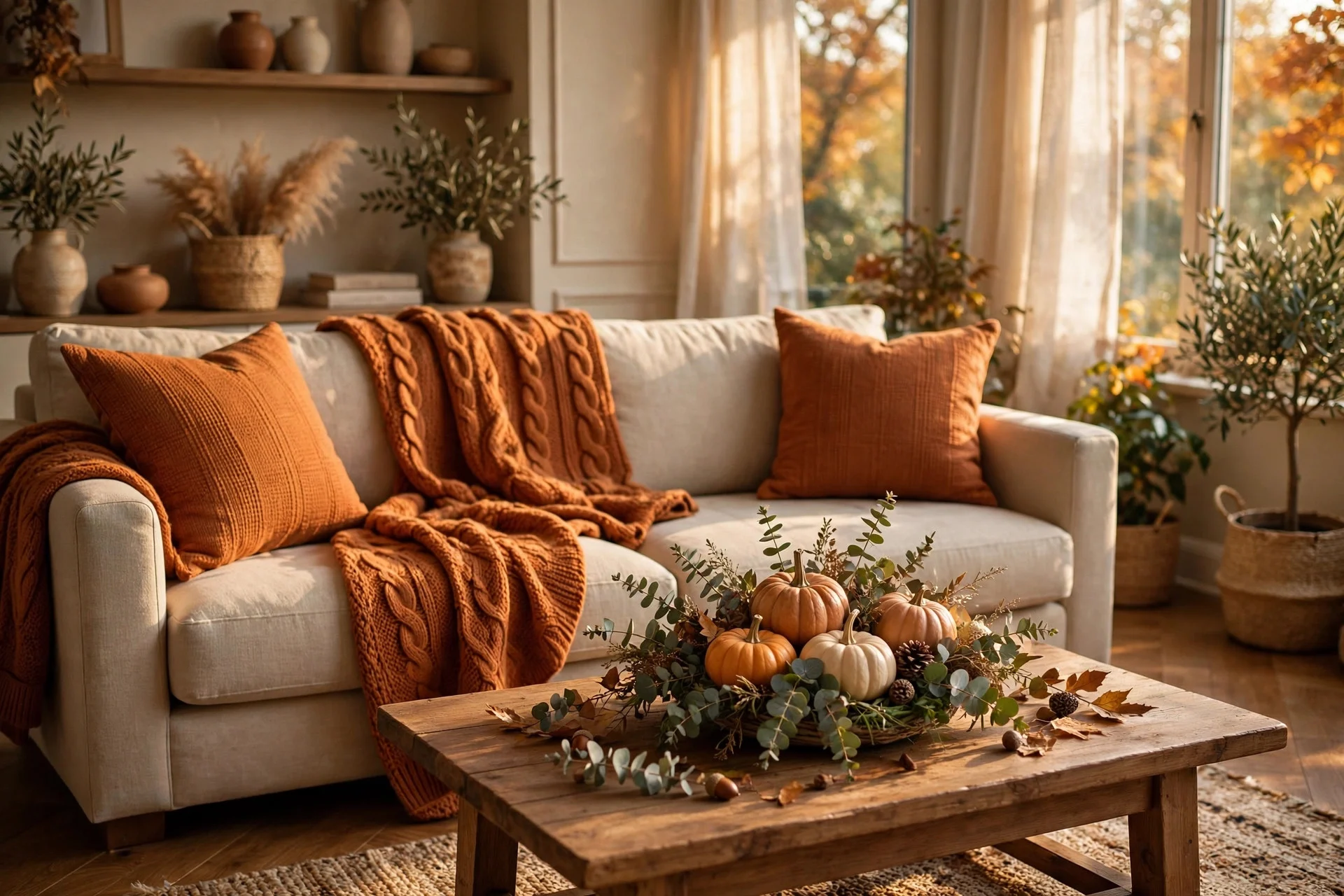
Combining rugs, curtains, throws, and cushions creates warmth, texture, and visual depth. Layering works because it adds softness and comfort to spaces dominated by hard surfaces.
This strategy works particularly well in living rooms and bedrooms where comfort is a priority.
Mix textures rather than matching everything perfectly. Linen, cotton, wool, and knit fabrics often work beautifully together.
Avoid introducing too many competing patterns at once. A mix of solids and subtle prints usually feels more balanced.
The practical impact is immediate. Rooms become more comfortable, quieter, and visually welcoming, encouraging people to spend more time enjoying the space.
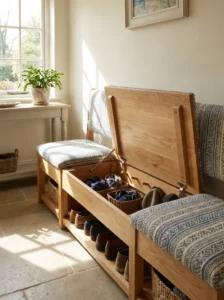
15. Build a Multi-Purpose Storage Bench
The best DIY projects solve multiple problems at once.
A storage bench provides seating while hiding clutter, making it ideal for entryways, bedrooms, mudrooms, and living areas.
Its effectiveness comes from combining functionality with visual simplicity. Instead of adding separate furniture pieces, one item serves multiple purposes.
Choose durable wood and quality hinges if the seat lifts for storage access. Upholstered tops add comfort while enhancing style.
Avoid making the bench excessively deep, which can reduce comfort and usability.
In everyday life, storage benches help maintain cleaner spaces. Shoes, blankets, toys, and seasonal items remain accessible yet hidden, contributing to a more organized home.