There is something surprisingly satisfying about watching birds visit your yard. A few minutes of chirping, splashing, and fluttering can make an outdoor space feel more alive and welcoming. The problem is that many store-bought bird baths are expensive, fragile, or simply don’t fit the style of your garden.
The good news is that creating a bird bath doesn’t require special tools, advanced DIY skills, or a large budget. In fact, some of the best bird baths are made from items that are already sitting in garages, sheds, or storage rooms. An old bowl, flowerpot, or even a tire can become a beautiful water feature that attracts birds while adding personality to your outdoor space.
Another advantage of DIY bird baths is customization. You can choose materials, colors, sizes, and designs that match your garden instead of settling for whatever happens to be available at a local store. Whether your outdoor space is modern, rustic, cottage-style, or completely eclectic, there’s a bird bath project that can fit right in.
In this guide, you’ll discover practical and creative DIY bird bath ideas that are easy to make at home. Each option offers different benefits depending on your available space, budget, and design preferences. You’ll also learn where to place your bird bath, which materials work best, and how to keep it attractive and safe for visiting birds.
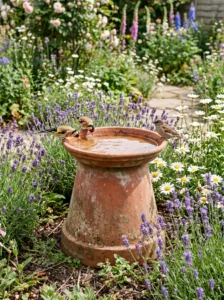
1. Classic Flowerpot Bird Bath
Sometimes the simplest projects end up looking the most professional. A flowerpot bird bath is one of the easiest DIY options and requires only a large terracotta pot and a shallow saucer.
This design works because it naturally creates height. Birds prefer elevated water sources where they can see potential predators while bathing. The sturdy base also keeps the structure stable during windy weather.
A flowerpot bird bath works especially well in small gardens, patios, and backyard flower beds. Place it near shrubs or small trees so birds have a safe place to retreat after bathing.
For the best results, choose a wide saucer rather than a deep bowl. Birds prefer shallow water, typically no more than two inches deep. You can paint the flowerpot to match your outdoor décor, but avoid painting the inside water surface unless using bird-safe products.
Many homeowners appreciate how quickly this project comes together. In less than an hour, you can create a charming garden feature that looks intentional rather than homemade. It’s also easy to clean and move if you decide to rearrange your landscaping later.
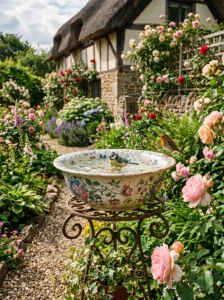
2. Vintage Bowl Bird Bath
Old mixing bowls, serving dishes, or decorative platters often make beautiful bird baths.
The reason this idea works so well is that vintage pieces add character that mass-produced bird baths often lack. Decorative patterns, aged finishes, and unique shapes can instantly make a garden feel more established.
This style fits cottage gardens, farmhouse landscapes, and traditional outdoor spaces. Position it near colorful flowers to create a picturesque focal point.
When selecting a bowl, choose one that’s wide and relatively shallow. Deep containers can be difficult for smaller birds to use safely. If the bowl is too smooth, add a few flat stones inside to provide secure footing.
One common mistake is using fragile antiques that may crack during extreme weather. Consider using pieces with sentimental value carefully, or choose inexpensive thrift-store finds instead.
The beauty of this project is that no two bird baths will look exactly alike. Every bowl brings its own personality, making the final result feel special and unique.
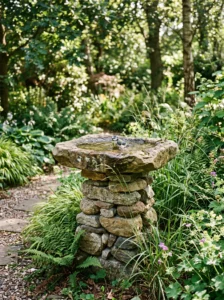
3. Stacked Stone Bird Bath
Natural materials almost always blend seamlessly into outdoor spaces, which is why stacked stone bird baths remain a favorite among DIY gardeners.
This design works because the stones create a sturdy foundation while providing an organic appearance that looks like it belongs in nature. Birds often feel comfortable around natural textures and materials.
These bird baths are ideal for larger gardens, natural landscapes, and woodland-inspired yards. Place them among ornamental grasses or near garden pathways for maximum visual impact.
Use flat landscaping stones stacked securely to create a pedestal. Top the structure with a shallow basin made from stone, concrete, or ceramic. Stability is crucial, so test the structure carefully before adding water.
A major advantage is durability. Unlike lightweight plastic bird baths, stone versions can withstand changing weather conditions and remain attractive for years.
The finished result often looks far more expensive than it actually is, especially when surrounded by plants and ground cover.
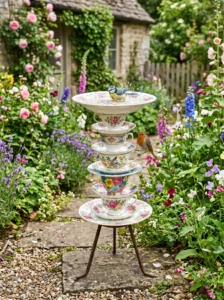
4. Teacup Tower Bird Bath
If you enjoy whimsical garden décor, a teacup tower bird bath can become a conversation starter.
This idea works because it combines functionality with artistic appeal. Stacked teacups, saucers, and plates create visual interest while still providing birds with accessible water.
These bird baths are perfect for cottage gardens, patios, and decorative corners that need a touch of personality.
Use strong outdoor adhesive designed for ceramics. Arrange the pieces creatively while ensuring the top dish remains stable and level. Bright colors and floral patterns work particularly well.
One practical tip is to keep the overall structure relatively low. Extremely tall towers may become unstable and less comfortable for birds.
Many people find that this style attracts compliments from guests even before birds discover it. It adds charm and creativity while serving a practical purpose.
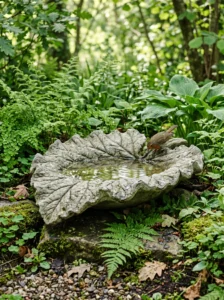
5. Concrete Leaf Bird Bath
A concrete leaf bird bath creates a stunning natural look that’s surprisingly easy to make.
The design works because the leaf texture forms natural grooves that help birds grip the surface while bathing. It also creates an authentic garden-inspired appearance.
This option looks best in lush gardens, woodland settings, and landscaped flower beds.
Large leaves such as rhubarb or elephant ear plants can be used as molds. Spread concrete over the leaf surface, allow it to cure, and remove the leaf to reveal intricate details.
Avoid making the basin too deep. Shallow depressions are safer and more attractive to birds.
One benefit of this project is its durability. Concrete can withstand years of outdoor exposure with minimal maintenance.
The finished piece often resembles a sculpture, adding artistic value to your landscape while supporting local wildlife.
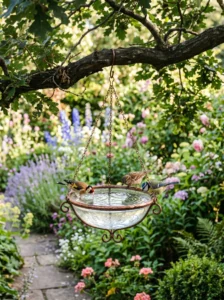
6. Hanging Bird Bath
Not every yard has space for a traditional pedestal bird bath. A hanging version offers a practical alternative.
This style works because it saves ground space and keeps water away from some ground-based predators.
Hanging bird baths are ideal for balconies, small patios, and compact gardens. They can be suspended from sturdy tree branches, pergolas, or shepherd’s hooks.
Choose a lightweight metal or plastic basin and use strong weather-resistant chains. Ensure the bath hangs level to prevent water from spilling.
Avoid placing it in excessively windy locations where movement may discourage birds from using it.
Many homeowners enjoy watching birds from windows when hanging baths are positioned near seating areas or indoor living spaces.
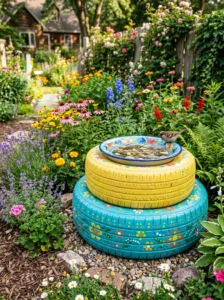
7. Upcycled Tire Bird Bath
Old tires may not seem attractive at first, but with creativity, they can become surprisingly stylish garden features.
This design works because tires provide a durable and stable base. Once painted and decorated, they’re often unrecognizable.
The idea works best in larger yards, playful gardens, and family-friendly outdoor spaces.
Use outdoor paint designed for rubber surfaces. Bright colors can create a fun look, while neutral shades blend more naturally into landscaping.
Be sure to clean the tire thoroughly before starting the project. Add a shallow basin securely on top.
The project is budget-friendly and environmentally responsible because it gives new life to materials that might otherwise end up in a landfill.
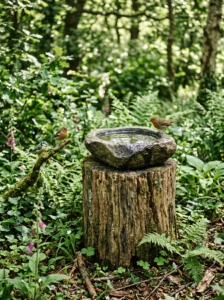
8. Tree Stump Bird Bath
Nature sometimes provides the perfect foundation for a DIY project.
Tree stump bird baths work because they blend effortlessly into the landscape while offering excellent stability.
They’re ideal for rustic gardens, woodland properties, and yards with mature trees.
You can place a shallow bowl directly on a stump or carve a shallow basin into the wood itself. If carving, apply a weather-resistant sealant to extend its lifespan.
Position the bird bath where birds can easily spot it from nearby branches.
This style often feels more authentic than manufactured alternatives because it incorporates natural elements already present in the environment.
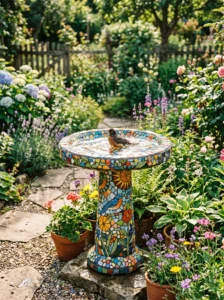
9. Mosaic Bird Bath
A mosaic bird bath transforms a functional feature into a piece of garden art.
The colorful tile patterns attract attention and allow for endless customization.
These bird baths work beautifully in decorative gardens, patios, and outdoor entertaining areas.
Use weather-resistant adhesive and grout designed for outdoor conditions. Broken tiles, glass pieces, and ceramic fragments can all be incorporated into unique designs.
Avoid sharp edges that could harm birds. Smooth surfaces are always safer.
One of the best aspects of this project is personalization. You can create patterns, images, or color combinations that reflect your style.
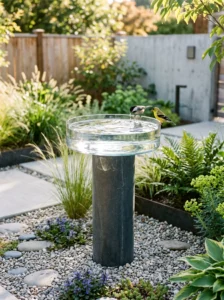
10. Glass Bowl Bird Bath
A simple glass bowl can create a surprisingly elegant bird bath.
The transparency reflects sunlight beautifully and creates a light, airy appearance.
This style fits modern gardens, contemporary landscapes, and minimalist outdoor spaces.
Choose thick tempered glass whenever possible for improved durability. Pair it with a sturdy base made from metal, stone, or concrete.
Avoid placing glass bird baths in areas with constant direct sun, as reflections can occasionally cause excessive heating.
The clean look makes this project especially appealing for homeowners who prefer understated garden décor.
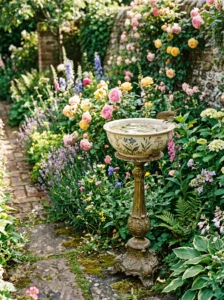
11. Repurposed Lamp Base Bird Bath
Old lamps often have decorative bases that make excellent bird bath pedestals.
The design works because many lamp bases already feature attractive shapes and sturdy construction.
This idea suits vintage-inspired gardens and eclectic outdoor spaces.
Remove electrical components completely before use. Attach a shallow basin securely to the top.
Paint can help unify different materials and create a polished appearance.
The result often looks like a custom designer piece despite costing very little.
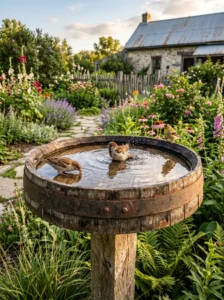
12. Wooden Barrel Lid Bird Bath
Rustic charm is hard to beat, and a wooden barrel lid bird bath delivers plenty of it.
The wide shape provides ample bathing space while creating a relaxed countryside feel.
It works particularly well in farmhouse landscapes and cottage-style gardens.
Use waterproof sealant to protect the wood and extend durability. Place stones inside for bird safety.
Regular maintenance is important because wood naturally deteriorates over time.
Many homeowners appreciate the warm, natural texture this design brings to outdoor spaces.
13. Metal Tray Bird Bath
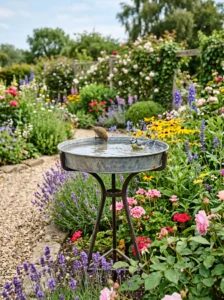
Metal trays offer a simple yet highly effective bird bath solution.
The shallow design naturally suits birds while allowing easy cleaning.
This style works in almost any garden, from traditional to modern.
Choose rust-resistant materials whenever possible. Elevated stands improve visibility and accessibility.
Avoid dark metal surfaces that may become excessively hot during summer.
The straightforward design makes maintenance quick and hassle-free.
14. Solar Fountain Bird Bath
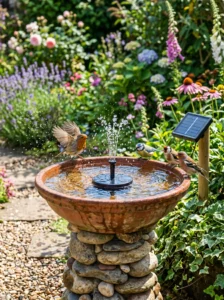
Adding gentle water movement can dramatically increase bird activity.
This idea works because birds are naturally attracted to moving water. The sound also helps them locate the bath from a distance.
It’s suitable for medium and large gardens where sunlight is readily available.
Use a small solar-powered fountain attachment inside a shallow basin. Ensure water flow remains gentle rather than spraying aggressively.
Regularly check water levels, especially during hot weather.
Many bird enthusiasts report seeing a wider variety of species after introducing moving water features.
15. Concrete Bowl Bird Bath
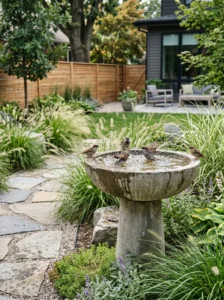
For maximum durability, few DIY options can compete with a concrete bowl bird bath.
Concrete withstands harsh weather while offering excellent stability.
This style works in virtually any landscape design, from formal gardens to contemporary outdoor spaces.
Use molds to create custom shapes and sizes. Smooth rough edges carefully before use.
Although heavier than other options, the added weight helps prevent tipping.
The result is a long-lasting bird bath that requires very little maintenance over time.
Comparison Table
| Type | Best Use | Material | Style/Vibe | Difficulty Level |
|---|---|---|---|---|
| Flowerpot Bird Bath | Small gardens | Terracotta | Classic | Easy |
| Stacked Stone Bird Bath | Natural landscapes | Stone | Rustic | Medium |
| Mosaic Bird Bath | Decorative spaces | Tile & Ceramic | Artistic | Medium |
| Hanging Bird Bath | Balconies & patios | Metal/Plastic | Casual | Easy |
| Solar Fountain Bird Bath | Larger gardens | Mixed Materials | Modern | Medium |
| Concrete Leaf Bird Bath | Woodland gardens | Concrete | Natural | Medium |
How to Choose the Right DIY Bird Bath
Choosing a bird bath is about more than appearance. The best option balances practicality, durability, and aesthetics.
First, consider size and scale. A bird bath that looks perfect in a large backyard may overwhelm a tiny patio. Likewise, a small bowl can seem insignificant in a spacious landscape. Match the bird bath to the size of your outdoor area and surrounding features.
Material selection matters just as much. Concrete and stone provide excellent durability but are heavy. Ceramic and glass offer visual appeal but may require extra care during freezing temperatures. Metal can be durable but may become hot in direct sunlight. Wood creates a natural look but needs regular maintenance.
Think about long-term upkeep. Bird baths require cleaning to prevent algae buildup and maintain healthy water conditions. Simpler designs are usually easier to clean than highly decorative options with numerous crevices.
Budget is another factor. Fortunately, many DIY bird baths can be built using recycled materials for very little money. A flowerpot project may cost only a few dollars, while more elaborate mosaic or fountain designs can require additional materials and time.
One common mistake is choosing a basin that’s too deep. Most birds prefer shallow water where they can stand comfortably. Another mistake is placing the bird bath in an exposed area with no nearby shelter. Birds feel safer when shrubs, trees, or bushes are close by.
Finally, consider your overall garden style. A rustic stone bird bath may look out of place in a sleek modern landscape, while a glass design might not complement a woodland garden. The most successful bird baths feel like a natural extension of the space around them.
Conclusion
Creating a DIY bird bath is one of the easiest ways to make your outdoor space more inviting for both wildlife and people. Whether you prefer the simplicity of a flowerpot bird bath, the natural beauty of stacked stone, or the artistic appeal of a mosaic design, there are options available for every budget and skill level.
The most effective bird baths focus on functionality first. Shallow water, safe placement, stable construction, and easy maintenance are more important than complicated designs. Once those basics are covered, you can customize the project to match your personal style and garden aesthetic.
Remember that birds value consistency. Keeping fresh water available and cleaning the bath regularly will do more to attract visitors than any decorative detail. Even a simple homemade bird bath can become a favorite stop for local birds when properly maintained.
Start with a project that fits your available materials and experience level. As you gain confidence, you can experiment with more creative designs and features. The result is a rewarding DIY project that enhances your garden while providing a valuable resource for local wildlife.
FAQs
1. What is the best depth for a bird bath?
Most birds prefer water that is 1–2 inches deep. Shallow water allows them to stand comfortably and bathe safely without risk.
2. Where should I place a bird bath?
Place it near shrubs or small trees for protection, but keep enough open space around it so birds can spot approaching predators.
3. How often should I clean a bird bath?
Clean it at least once every few days during warm weather. Fresh water helps prevent algae growth and keeps birds healthy.
4. Can I use plastic containers for DIY bird baths?
Yes. Durable plastic bowls and trays can work well as long as they are shallow, stable, and easy to clean.
5. Do bird baths attract mosquitoes?
Standing water can attract mosquitoes, but frequent cleaning and water replacement greatly reduce the problem.
6. Are painted bird baths safe?
They can be safe if non-toxic, bird-friendly outdoor paints are used. Avoid paints that may leach harmful chemicals into the water.
7. How can I attract more birds to my bird bath?
Keep water fresh, provide nearby shelter, add a few stones for footing, and consider using a small fountain for moving water.
8. What materials last the longest outdoors?
Concrete, natural stone, and high-quality metal typically offer the greatest durability and can withstand years of outdoor exposure.