Every house with an unfinished basement is sitting on square footage it’s already paying for — heating it, insuring it, walking past it daily — without getting any use out of it. I’ve watched friends double their living space without touching the floor plan, and the story is always the same: a little moisture control, decent lighting, and one clear purpose. The mistake most people make is aiming for a vague “rec room” that ends up storing boxes. Basements thrive when given one job to do really well — a room with a clear purpose gets used, furnished, and loved, while a multipurpose compromise slowly fills with clutter. It’s also worth deciding early whether you’re finishing for your own enjoyment, for resale appeal, or for rental income, because that choice shapes every budget decision downstream. These 19 ideas cover every kind of household — growing families, remote workers, entertainers, and investors — each with honest notes on budget and difficulty.
1. The Dedicated Home Theater
Basements are natural cinemas: no windows to black out, thick foundation walls that contain sound, and a low ceiling that keeps audio tight. A projector or big TV, a decent soundbar, deep seating, and dimmable lighting get you 90% of the commercial experience. Tip: spend on sound before screen size — a soundbar upgrade improves the experience more than jumping from 65 to 75 inches. Budget: $$–$$$$; difficulty: moderate.
2. A Proper Guest Suite
A basement guest suite — bedroom, full bath, maybe a sitting area — gives visitors real privacy and gives you your house back. Egress windows are non-negotiable; bedrooms legally need them in most jurisdictions. Tip: add the bathroom even if it stretches the budget — guests tiptoeing upstairs at 6 a.m. is exactly the friction a suite eliminates. Budget: $$$–$$$$; difficulty: hard.
3. The Remote-Work Office
A basement office is quiet, naturally cool, and physically separated from living areas so work actually ends at day’s end. The trick is defeating the cave feeling: bright 4000K task lighting, light walls, and a good dehumidifier. Tip: hardwire ethernet if basement Wi-Fi is spotty — video calls don’t forgive weak signals. Budget: $–$$; difficulty: easy.
4. A Kids’ Playroom
Toys migrate to every room unless they have somewhere better to be. A basement playroom with washable flooring, open toy storage, and an art zone keeps the upstairs livable — kids get scale for the giant train set, parents get their living room back. Tip: choose flooring and paint you won’t cry over; this room’s job is to be used hard. Budget: $–$$; difficulty: easy.
5. The Home Gym
Rubber flooring, a rack, adjustable dumbbells, and a cardio machine cover 95% of most training — and the low ceiling suits strength work fine. Home gyms succeed where memberships fail because of friction: zero commute, no waiting for equipment. Tip: check ceiling height before buying — you need 8+ feet for overhead presses. Budget: $$–$$$; difficulty: easy.
6. An Entertaining Bar and Lounge
Even a simple bar — mini fridge, counter, stools — changes how a house hosts. People drift downstairs, noise stays contained, the upstairs kitchen stays clean. Tip: plan seating first, equipment second; a bar nobody can sit at comfortably becomes an expensive shelf. Budget: $$–$$$$; difficulty: moderate to hard with plumbing.
7. The Craft and Hobby Room
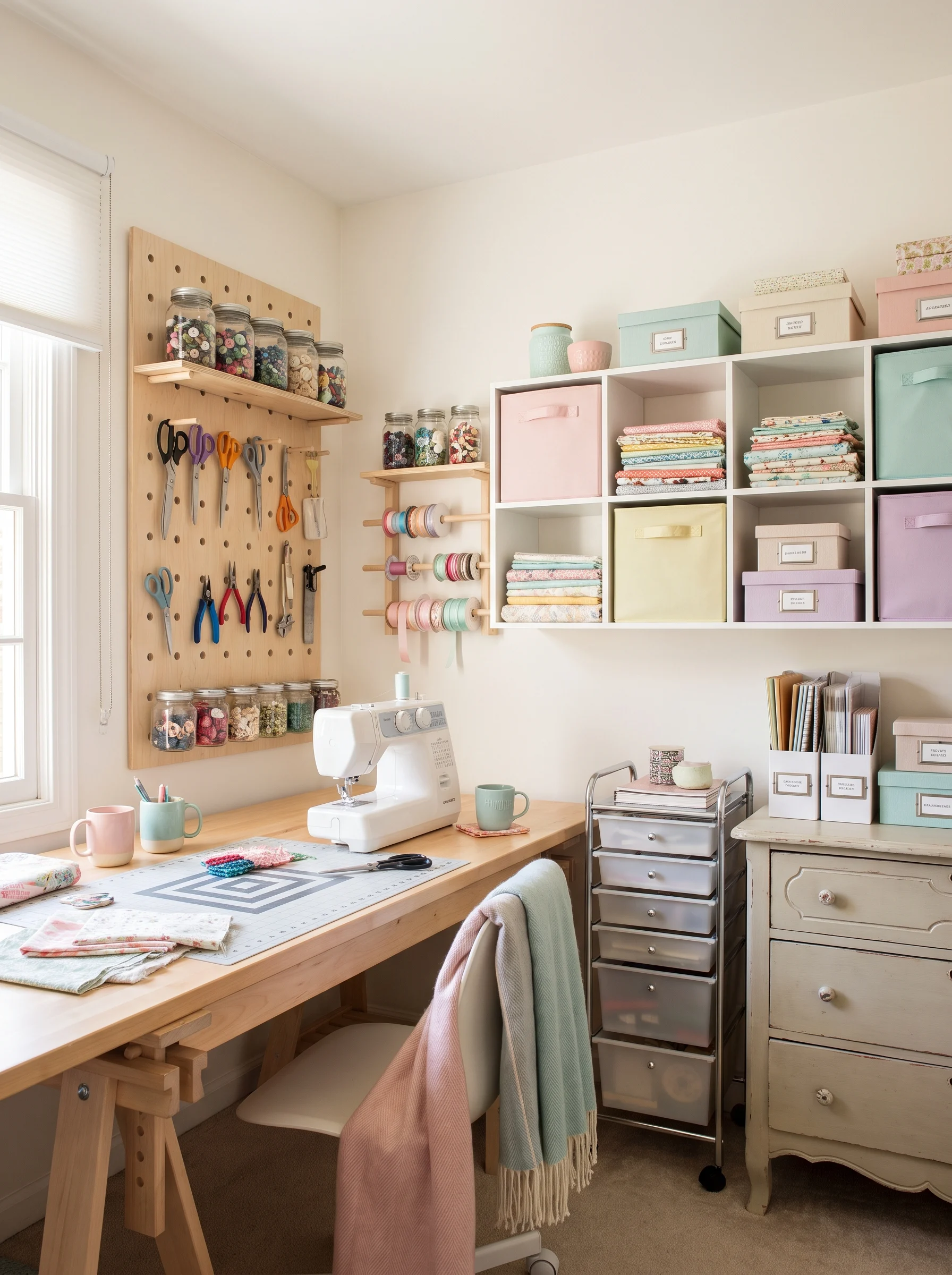
Sewing, painting, model building — hobbies need a permanent home or they die in boxes. A big work table, task lighting, and closed storage give the hobby room to breathe. The key insight: setup time kills hobbies. If the sewing machine can stay out, it gets used. Tip: install a deep utility sink if your hobby involves water or mess. Budget: $–$$; difficulty: easy.
8. A Cozy Reading Library
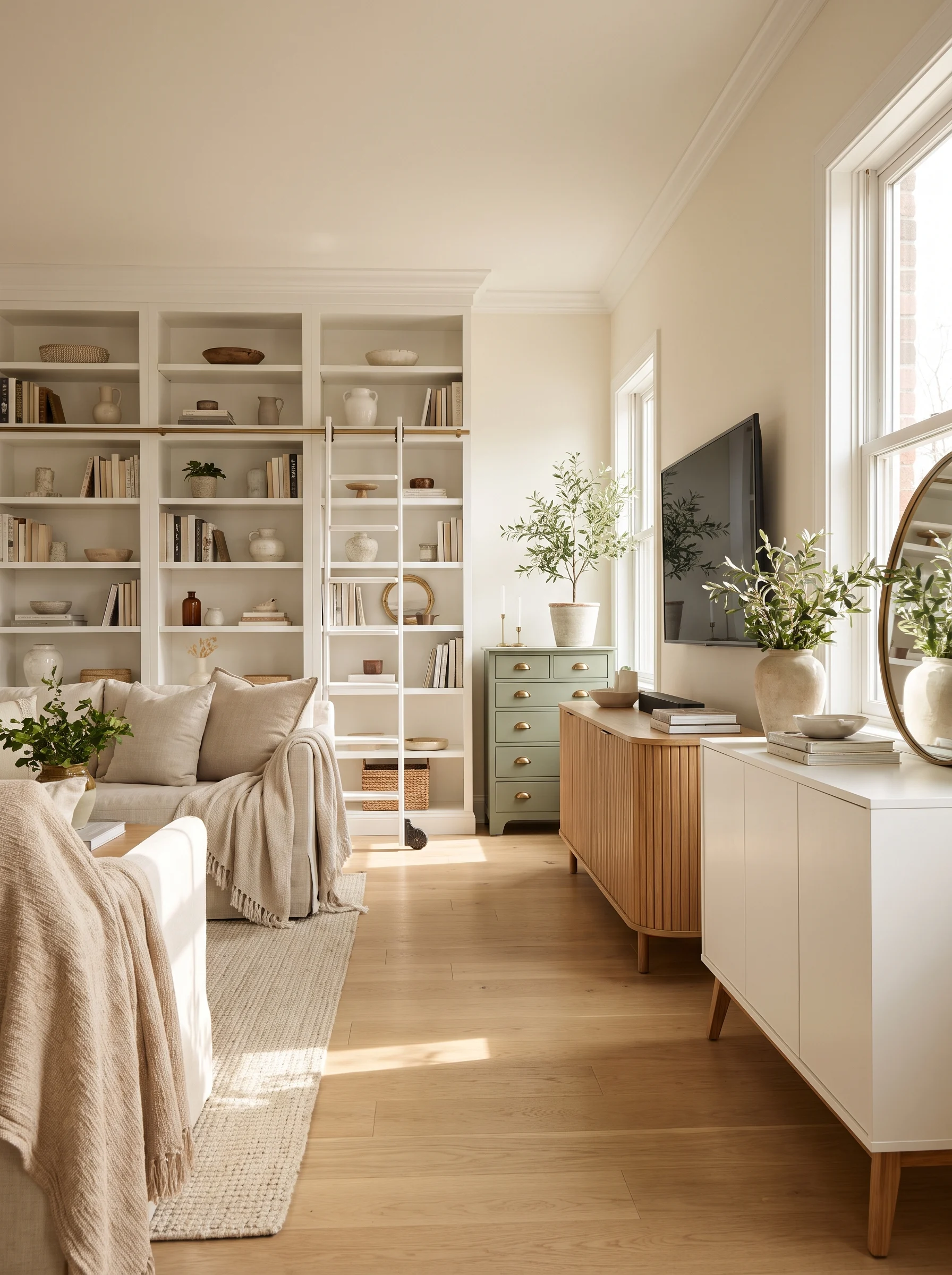
Floor-to-ceiling bookshelves, one great chair with a proper lamp, maybe a small electric fireplace — basements make wonderful libraries because they’re naturally quiet and dim in a way that feels intentional. Tip: verify moisture with a hygrometer for a few weeks first; keep humidity under 50% or books suffer. Budget: $–$$; difficulty: easy.
9. An Upgraded Laundry Room
A folding counter, hanging rods, good lighting, and closed storage turn the basement laundry from a chore zone into something tolerable. If your laundry is already downstairs, this is the highest-return small project available. Tip: raise front-loaders on pedestals — your back notices within a week. Budget: $–$$; difficulty: easy to moderate.
10. A Basement Mudroom
If a side or back door opens into the basement, claim that landing: bench, hooks, boot tray, seasonal storage. It keeps the upstairs entry clean and gives muddy gear a proper home. Tip: a washable mat is mandatory, and a nearby heat vent dries wet gear faster than you’d expect. Budget: $–$$; difficulty: easy.
11. A Kitchenette
For multigenerational households or serious entertainers, a basement kitchenette — sink, fridge, cooktop, dishwasher drawer — is transformative. Grandparents get independence; party prep stays out of the main kitchen. Tip: locate it near existing drain lines, since plumbing drives the cost. Even without a range, a toaster oven and induction burner handle most daily cooking. Budget: $$$–$$$$; difficulty: hard.
12. The Teen Hangout
Teenagers need somewhere that’s theirs but still under your roof: sectional, gaming setup, mini fridge. Parents consistently tell me this is the room that kept their kids’ friend group at their house instead of somewhere unknown. Tip: add a half-bath nearby if you can — teens with friends use bathrooms constantly. Budget: $$–$$$; difficulty: moderate.
13. A Home Spa and Sauna
A prefab sauna kit, a rainfall shower, and a relaxation bench create a genuine wellness retreat in a basement corner — private, and the plumbing is often feasible. Tip: check your electrical panel first; electric saunas need a dedicated 220V circuit, sometimes a panel upgrade. Budget: $$–$$$$; difficulty: moderate to hard.
14. The Music Room
Drums, amplifiers, band practice — concrete walls contain sound better than any above-grade room, and basic acoustic panels tame the echo. Even solo players benefit: instruments on stands instead of in cases means playing happens instead of being planned. Tip: wall hangers and stands in plain sight — five seconds of setup time is the difference between practicing and not. Budget: $–$$ for the room; difficulty: easy.
15. A Wine Cellar
Below-grade space holds the steady, cool temperatures wine wants. Insulated walls, a small cooling unit, and racking for a few hundred bottles make a serious cellar — and a beautiful entertaining space. Tip: the through-the-wall cooling unit is the make-or-break purchase; size it for your cubic footage and insulate first. Budget: $$–$$$$; difficulty: moderate.
16. An Income-Producing Rental Suite
The most financially serious idea: a legal rental unit with its own entrance, kitchen, bath, and laundry. In the right market, suite income covers a real chunk of the mortgage — but zoning, egress, and ceiling-height rules are strict, and skipping permits can void insurance. Tip: talk to your city’s planning department before spending a dollar; the rules decide your entire design. Budget: $$$$–$$$$$; difficulty: hard.
17. The Game Room
Billiards, darts, table tennis, arcade cabinets — a game room gives people a reason to gather that isn’t a screen. Tip: choose one anchor game and design around it rather than cramming four games into space for two. A pool table needs about 5 feet of clearance on all sides — measure twice. Budget: $$–$$$; difficulty: easy to moderate.
18. A Warm Family Den
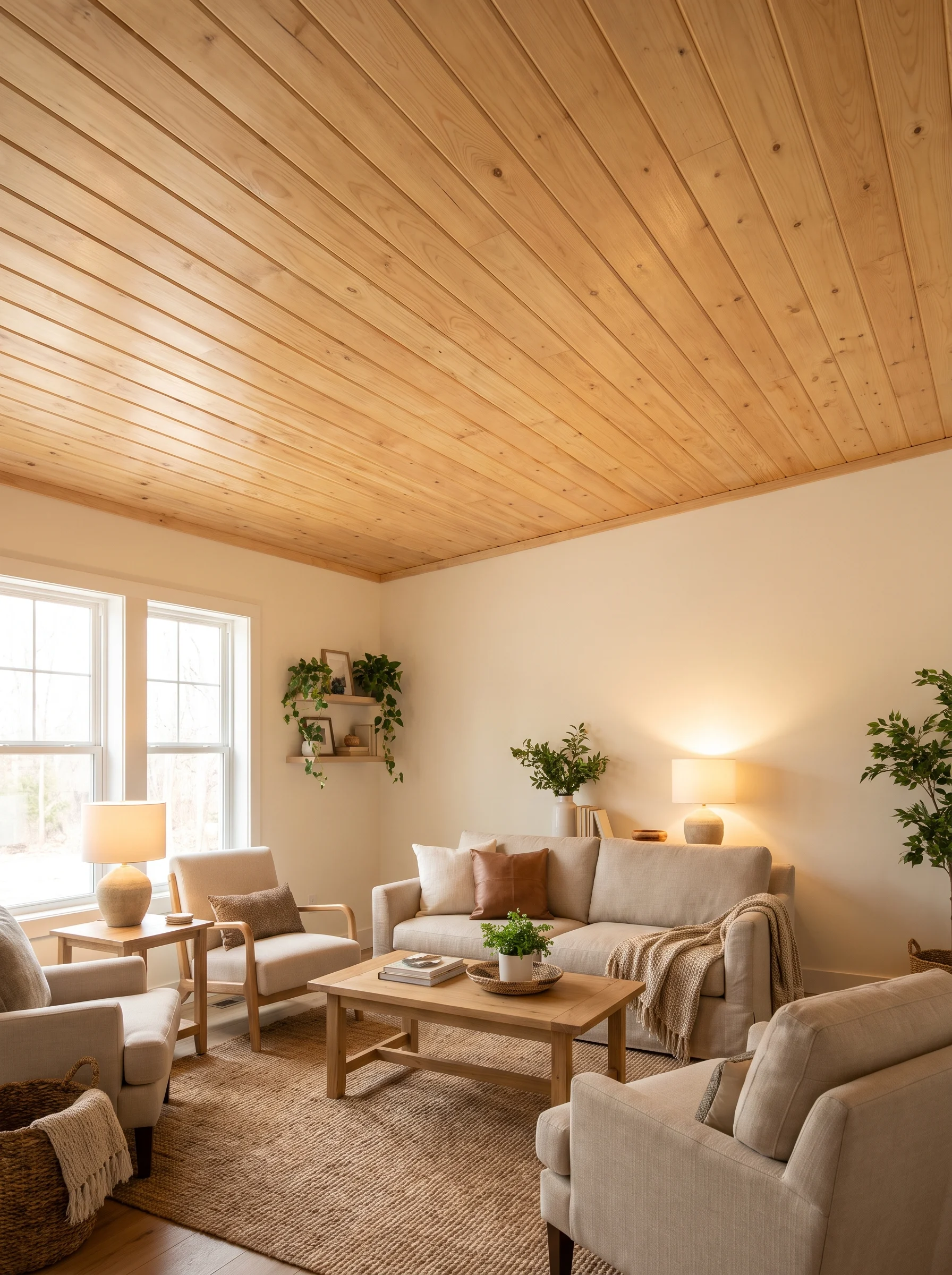
Sometimes the answer is a second living room — deeper, cozier, more forgiving than the formal one upstairs. Layered rugs, a big sectional, warm lamps, and a TV wall make a den the room everyone actually ends up in. Tip: area rugs do heavy lifting here — they warm the floor, soften sound, and define zones. Budget: $$–$$$; difficulty: easy to moderate.
19. The Workshop
A sturdy bench, pegboard tool storage, and good task lighting keep projects out of the garage and sawdust out of the house. Dust collection matters more than square footage. Tip: put the shop near ventilation or add an exhaust fan — finishes and adhesives need airflow, and so do you. Budget: $–$$; difficulty: easy.
Basement Ideas at a Glance
| Idea | Budget | Difficulty |
|---|---|---|
| Home theater | $$–$$$$ | Moderate |
| Guest suite | $$$–$$$$ | Hard |
| Remote-work office | $–$$ | Easy |
| Kids’ playroom | $–$$ | Easy |
| Home gym | $$–$$$ | Easy |
| Bar and lounge | $$–$$$$ | Moderate–Hard |
| Craft and hobby room | $–$$ | Easy |
| Reading library | $–$$ | Easy |
| Upgraded laundry room | $–$$ | Easy–Moderate |
| Basement mudroom | $–$$ | Easy |
| Kitchenette | $$$–$$$$ | Hard |
| Teen hangout | $$–$$$ | Moderate |
| Home spa and sauna | $$–$$$$ | Moderate–Hard |
| Music room | $–$$ | Easy |
| Wine cellar | $$–$$$$ | Moderate |
| Rental suite | $$$$–$$$$$ | Hard |
| Game room | $$–$$$ | Easy–Moderate |
| Family den | $$–$$$ | Easy–Moderate |
| Workshop | $–$$ | Easy |
Before You Build: The Basement Reality Check
Every idea on this list stands or falls on three unglamorous fundamentals. First, moisture: seal foundation cracks, grade soil away from the house, and run a dehumidifier until humidity sits reliably below 50%. Finishing a damp basement is building an expensive mold farm. Second, ceiling height and egress: most codes want 7-foot finished ceilings and egress windows in bedrooms — check local rules before designing. Third, lighting and air: budget for recessed lights on dimmers, light paint, and either an HVAC extension or a ductless mini-split. Get these right and almost any project here feels like a natural part of the house. Skip them and even the nicest theater will sit unused. Do the moisture and code homework in month one — discovering a water problem after drywall is up is the most expensive lesson in renovation.
Frequently Asked Questions
How much does it cost to finish a basement? A basic finish runs $30–$75 per square foot depending on region. A bathroom pushes costs up significantly; a full suite with kitchenette can exceed $100 per square foot. Always get three local quotes.
How do I keep it from feeling damp? Fix water outside first (grading, gutters, downspouts), seal interior cracks, insulate foundation walls, and run a properly sized dehumidifier. Solve active water intrusion before finishing anything.
What’s the best basement flooring? Luxury vinyl plank is the favorite: waterproof, warm underfoot, forgiving over imperfect slabs. Carpet tiles work for dens and theaters; sealed concrete suits gyms and workshops. Avoid solid hardwood below grade.
Can I add a legal bedroom? Yes, if it meets code — typically an egress window or door, minimum ceiling height (often 7 feet), and smoke/CO detectors. Requirements are specific; check local code.
Will finishing the basement raise my home’s value? Usually yes, though rarely dollar-for-dollar — appraisers value below-grade space lower. But it dramatically improves marketability. Documented rental income from a legal suite is the big exception.
How long does it take? A basic contractor finish runs 4–8 weeks; projects with bathrooms or kitchens stretch to 3–6 months. DIY-friendly finishes take longer in calendar time. Don’t skip moisture remediation to save time.
What’s the best basement flooring? Luxury vinyl plank is the favorite: waterproof, warm underfoot, forgiving over imperfect slabs. Carpet tiles work for dens and theaters; sealed concrete suits gyms and workshops. Avoid solid hardwood below grade.
Should I DIY or hire a contractor? Cosmetic work — painting, flooring, trim — is very DIY-able and saves thousands. But hire licensed pros for electrical, plumbing, and anything structural. A common sweet spot is doing the finish work yourself after a contractor handles framing, electrical, and drywall.
Final Thoughts
The best basement is the one with a clear purpose and dry walls — everything else is decoration. Pick the single idea here that matches how your household actually lives, nail the moisture and lighting fundamentals, and you’ll wonder why you waited. Basements don’t need to be impressive; they need to be used.