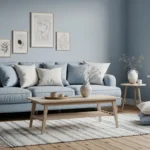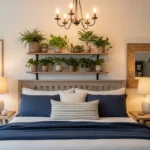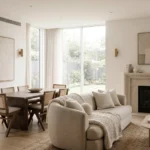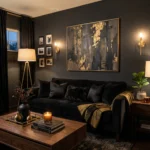
Ever feel like your living room is just… too small to work with? Like no matter how much you tidy up, it still feels cramped or cluttered? You’re definitely not alone—small spaces can be tricky, especially when you want them to feel stylish and functional.
The good news is, a small living room doesn’t mean you have to sacrifice comfort or design. With a few clever ideas and thoughtful styling choices, you can make even the tiniest space feel open, cozy, and beautifully put together. Here are 21 ideas to help you make the most of every inch—without it feeling forced.
1. Use Multi-Functional Furniture
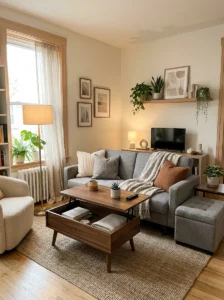
When space is limited, every piece of furniture should earn its place. Think ottomans with hidden storage, coffee tables that lift up, or sofas that double as beds. These pieces quietly do more than one job, which helps reduce clutter without sacrificing usability.
You might notice how much easier it is to keep things organized when furniture pulls double duty. It’s especially helpful for small homes or apartments where storage is always tight. A quick tip—look for designs that don’t look bulky, even if they’re functional. Sleek lines make a big difference.
2. Go Vertical with Storage
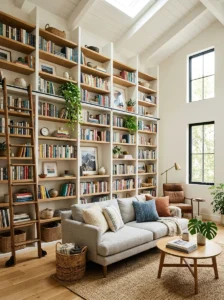
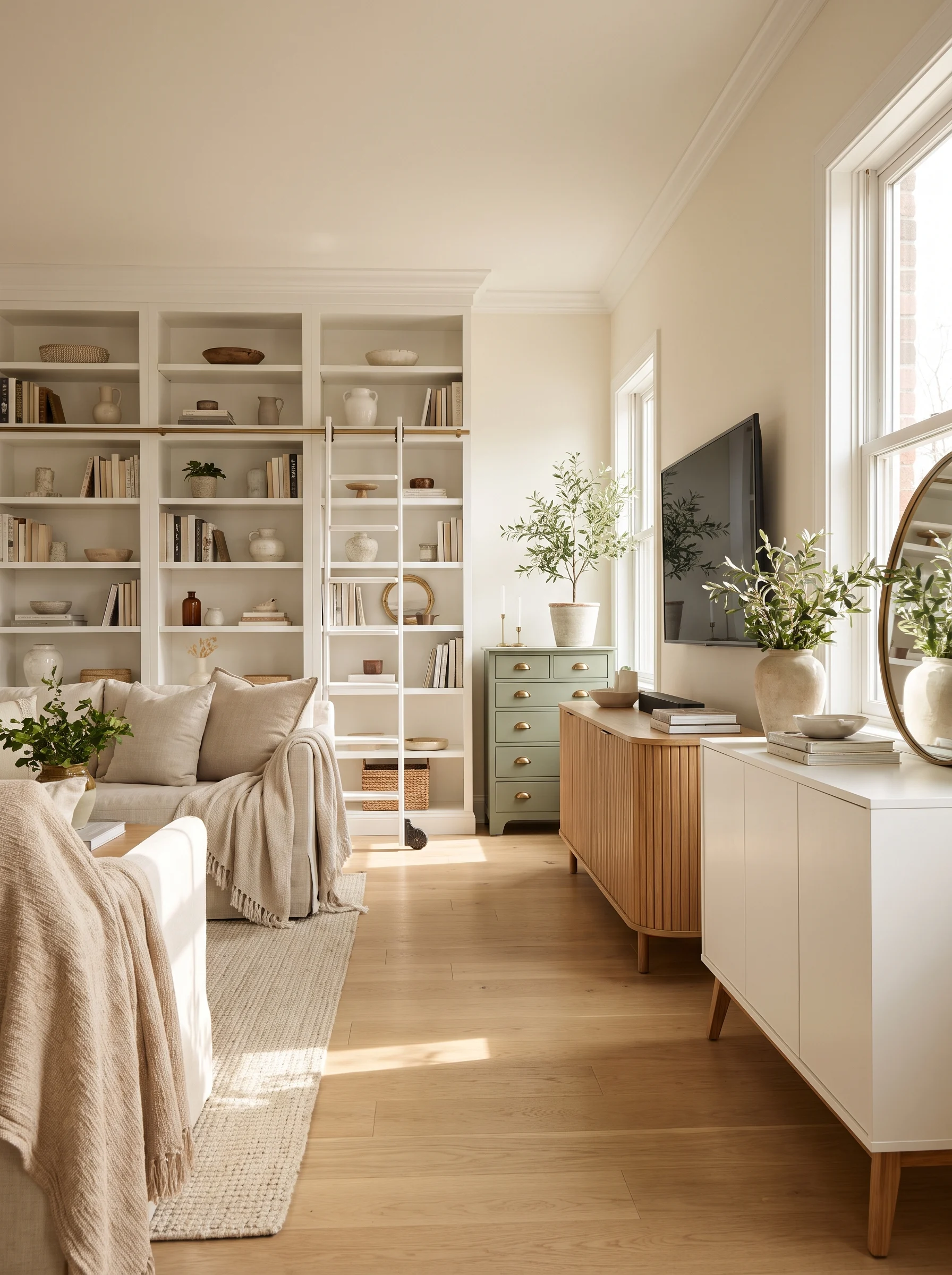
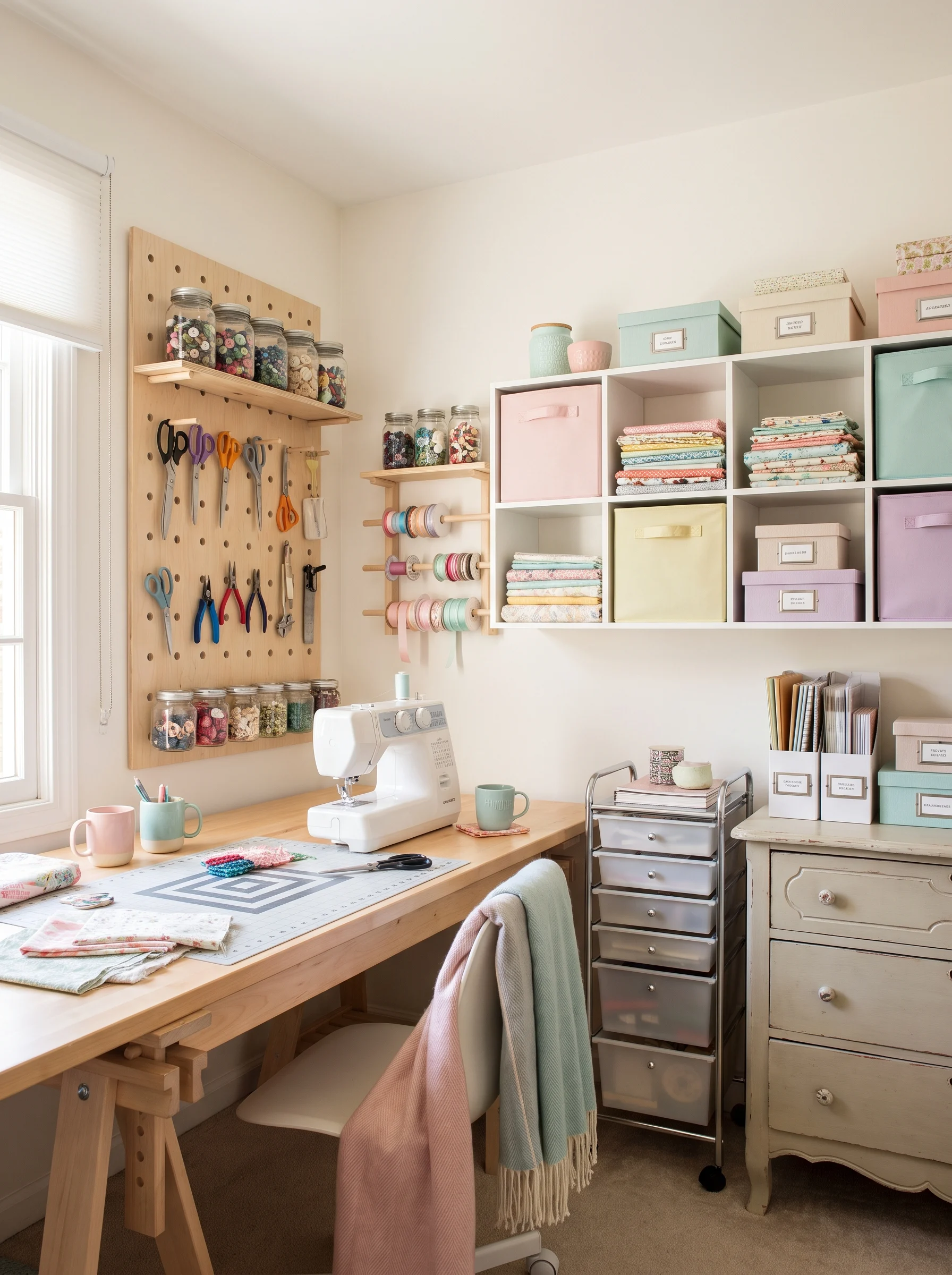
Instead of spreading out, start thinking upward. Tall shelves, wall-mounted cabinets, and vertical storage units can free up valuable floor space while still giving you plenty of room to store and display items.
Here’s the thing—your walls are often underused. Adding height draws the eye upward, which can actually make the room feel bigger. Try mixing closed storage with open shelving so it doesn’t feel too heavy. And maybe leave a little breathing room between shelves so it doesn’t feel overcrowded.
3. Choose Light, Neutral Colors
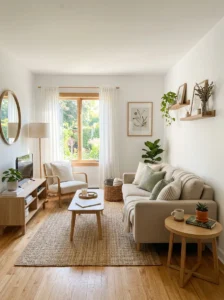
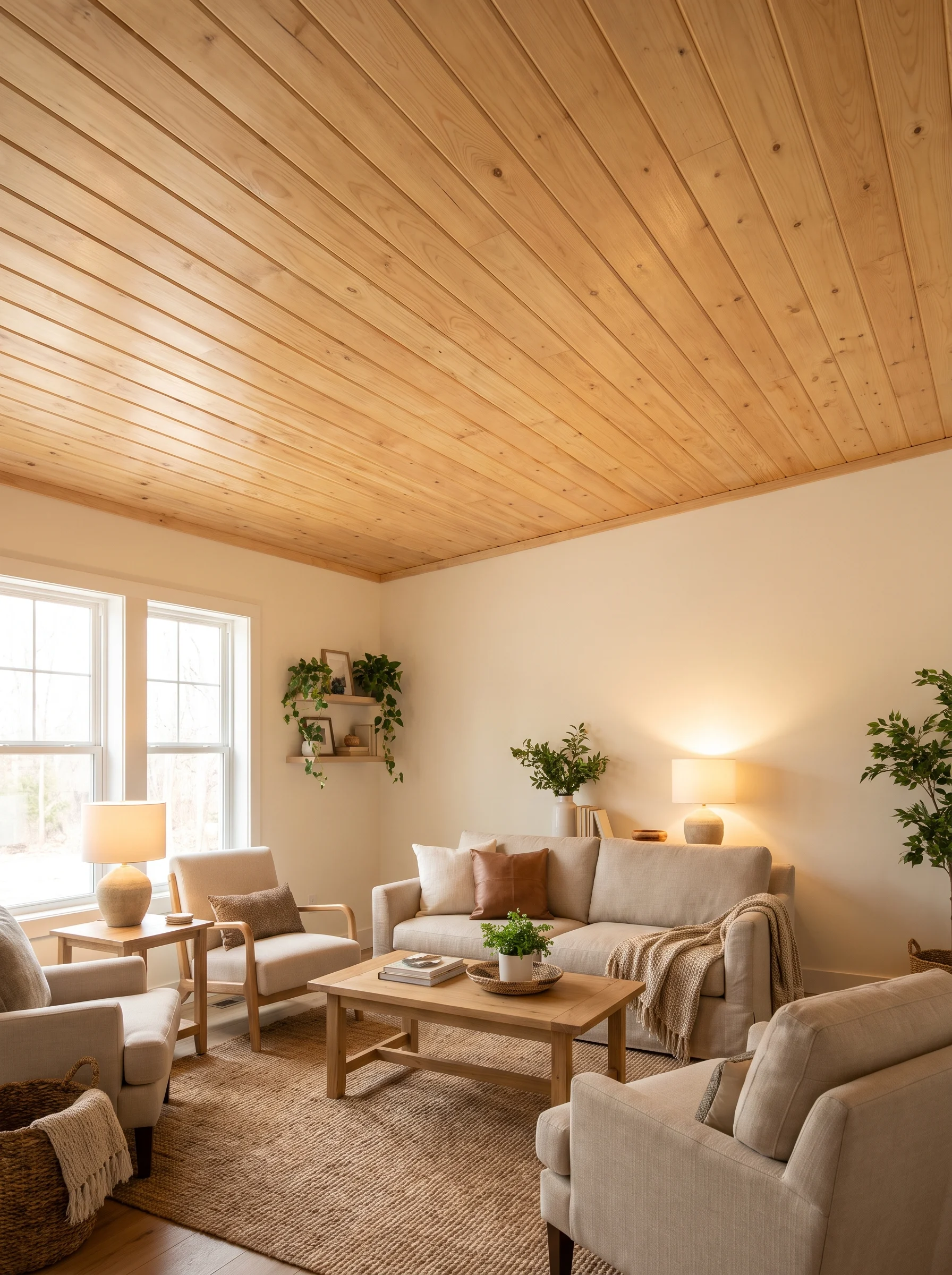
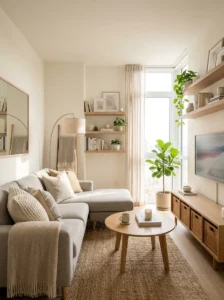
Light colors reflect more light, which naturally makes a room feel more open and airy. Shades like soft white, beige, light gray, or even pale pastels can instantly expand the feel of your living room.
That doesn’t mean it has to feel boring. You can layer textures—like a cozy throw or woven rug—to add warmth. If you love darker tones, try using them in small accents instead of large surfaces. Ever noticed how a light room just feels calmer? That’s exactly what you’re going for here.
4. Add Mirrors to Create Depth
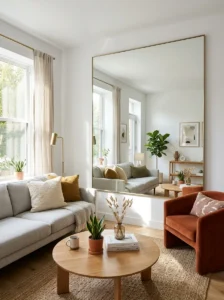
Mirrors are one of the easiest ways to visually double your space. Placing a large mirror across from a window helps bounce light around the room and makes everything feel brighter.
Even smaller mirrors arranged in a gallery style can have a similar effect. It’s a simple trick, but it works almost instantly. Try experimenting with placement—sometimes shifting a mirror just slightly can completely change how the space feels.
5. Keep Furniture Low-Profile
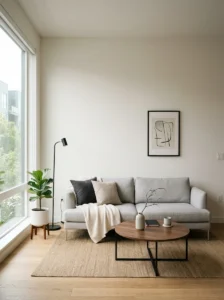
Bulky furniture can overwhelm a small living room quickly. Low-profile sofas, chairs, and tables help maintain a more open and balanced look.
When furniture sits lower, it leaves more visible wall space, which creates the illusion of height. You might not think it matters much, but visually, it makes a big difference. Try pairing a low sofa with a slim coffee table—it keeps everything feeling light and uncluttered.
6. Use Rugs to Define the Space
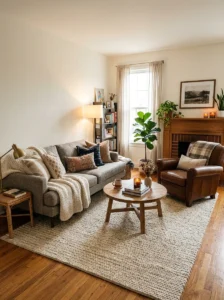
A well-placed rug can anchor your living room and make it feel intentional, even in a small area. It helps define where the seating area begins and ends.
The trick is choosing the right size. Too small, and it can make the room feel disjointed. Ideally, your rug should fit under at least the front legs of your furniture. It’s a small detail, but it ties everything together nicely.
7. Opt for Wall-Mounted Lighting
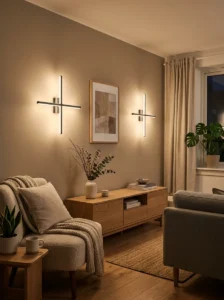
Floor lamps and table lamps take up precious space. Wall-mounted lighting or sconces can free up surfaces while still providing that cozy glow.
Plus, they add a slightly elevated, designer feel without much effort. If hardwiring isn’t an option, there are plenty of plug-in styles that work just as well. It’s one of those subtle upgrades that makes your room feel more polished.
8. Keep Decor Minimal but Intentional
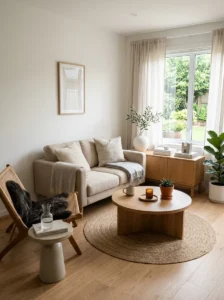
In a small space, less really is more. Instead of filling every surface, choose a few meaningful decor pieces that stand out.
This doesn’t mean your space should feel empty—it just needs to feel curated. Maybe it’s a statement vase, a stack of books, or a framed photo. Ask yourself: does this add something, or is it just taking up space?
9. Use Floating Shelves
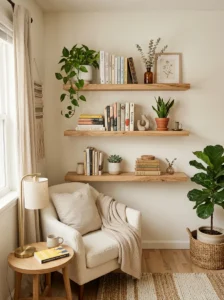
Floating shelves are perfect for adding storage without making the room feel crowded. They’re light, simple, and don’t take up floor space.
You can use them to display books, plants, or small decor items. Just be careful not to overload them—keeping things slightly spaced out helps maintain that airy feel. A little negative space goes a long way.
10. Incorporate Hidden Storage
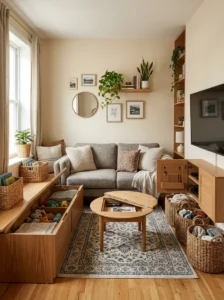
Hidden storage is your best friend in a small living room. Think benches with compartments, storage baskets, or even sofas with built-in drawers.
It keeps clutter out of sight, which instantly makes your space feel cleaner. You might be surprised how much you can tuck away when you start looking for hidden options. It’s all about being a bit strategic.
11. Choose Furniture with Exposed Legs
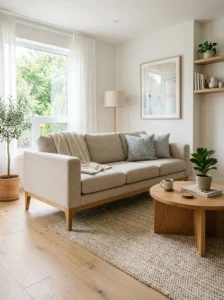
Furniture with visible legs creates a sense of openness because you can see more of the floor underneath.
That extra bit of visibility tricks the eye into thinking the room is larger. It’s a small detail, but it really changes the overall feel. Next time you’re shopping, compare bulky pieces to leggy ones—you’ll notice the difference right away.
12. Use Glass or Acrylic Pieces
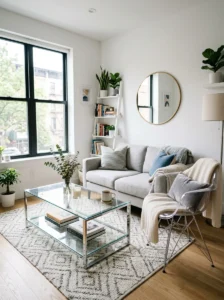
Transparent furniture like glass coffee tables or acrylic chairs helps reduce visual clutter.
Because they’re see-through, they don’t visually “block” the space. It’s a clever trick that designers use all the time. If you’re worried about durability, look for tempered glass—it’s both stylish and practical.
13. Create a Focal Point
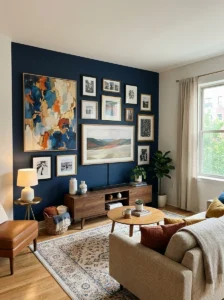
Every room benefits from a focal point, even small ones. It could be a piece of artwork, a statement wall, or even a stylish TV setup.
Having one clear focus keeps the space from feeling chaotic. It draws attention in a controlled way. Try not to compete with too many bold elements—one is enough.
14. Maximize Natural Light
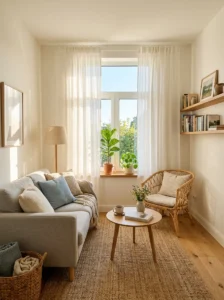
Natural light can completely transform a small living room. Keep window treatments light and airy to let as much light in as possible.
Heavy curtains can make the room feel closed off. Sheer fabrics or simple blinds work much better. If privacy is a concern, layering can help—light during the day, covered at night.
15. Use Slimline Furniture
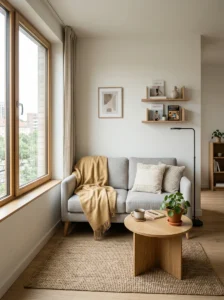
Slim furniture pieces are designed for tight spaces. Narrow sofas, compact tables, and smaller-scale chairs can fit comfortably without overcrowding the room.
You don’t need oversized pieces to feel comfortable. In fact, smaller items often make the space feel more balanced. It’s all about proportion.
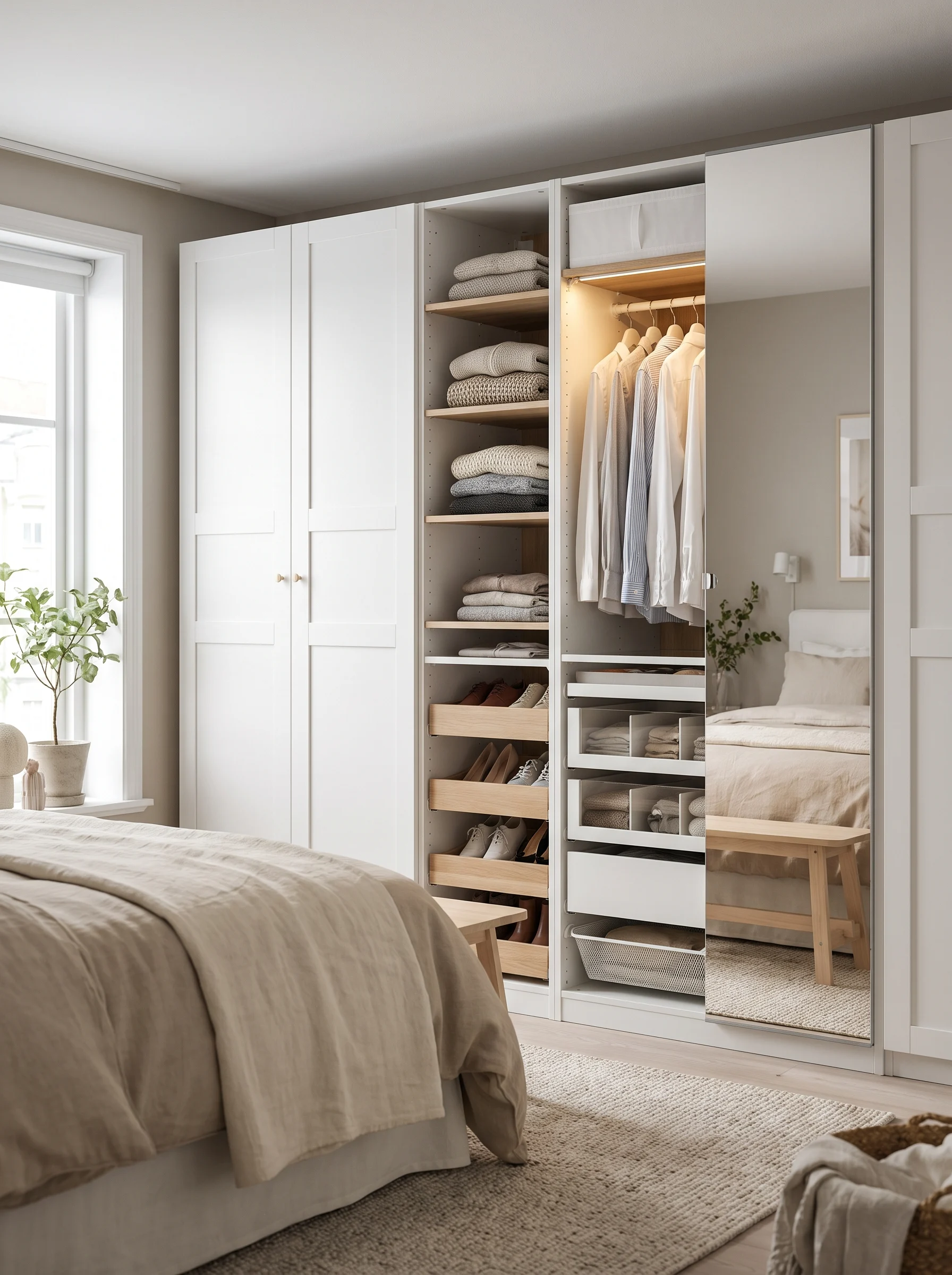
16. Add Built-In Storage
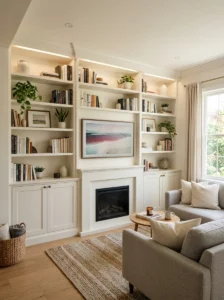
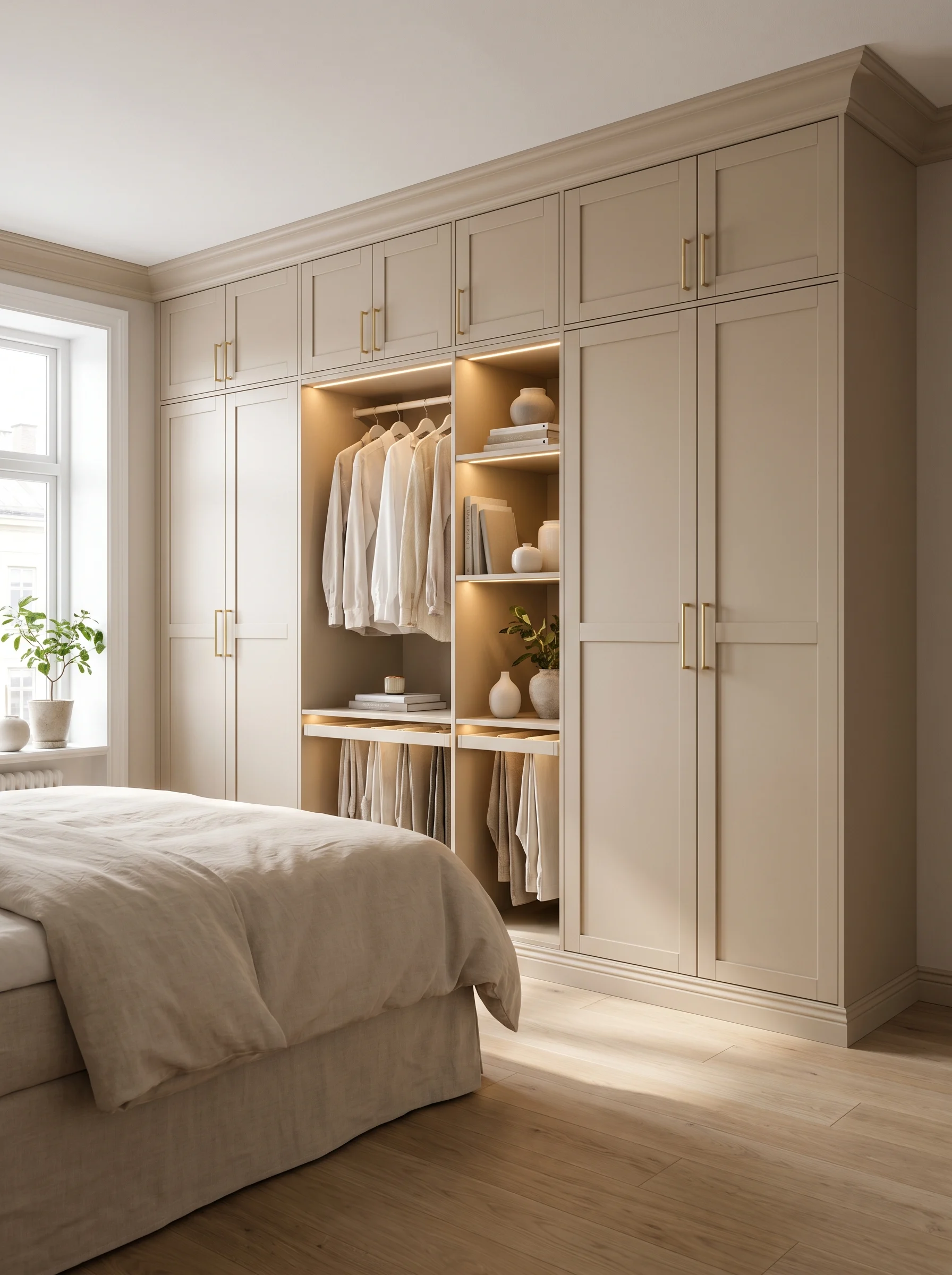
If you’re able to customize your space, built-in storage can be a game changer. It blends seamlessly with the room and makes everything feel more intentional.
From wall units to bench seating, built-ins help maximize every inch. They might take a bit more effort upfront, but they’re worth it in the long run.
17. Keep a Cohesive Color Palette
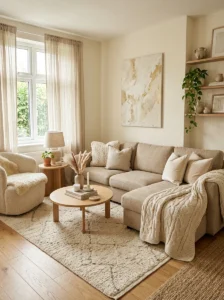
Too many colors can make a small space feel chaotic. Sticking to a cohesive palette keeps everything looking clean and connected.
That doesn’t mean everything has to match perfectly—just stay within a similar tone range. It helps the room feel more unified and less cluttered visually.
18. Use Corners Wisely
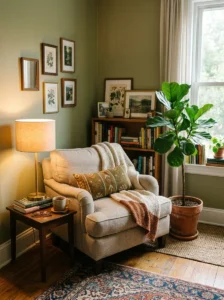
Corners often go unused, but they’re full of potential. A small chair, corner shelf, or plant can make that space feel intentional.
It’s one of those areas people forget about, but when styled properly, it adds both function and charm. Take a look around—there’s probably at least one corner you could use better.
19. Layer Lighting
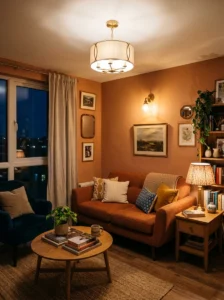
Relying on just one light source can make a room feel flat. Layering different types of lighting—ambient, task, and accent—adds depth.
Even in a small room, this makes a huge difference. Try mixing a ceiling light with a wall sconce or small lamp. It creates a cozy, inviting vibe.
20. Keep Pathways Clear
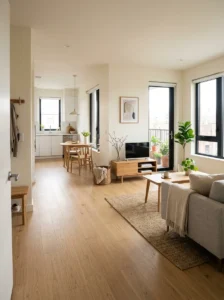
A cluttered walkway instantly makes a room feel smaller. Make sure there’s a clear path through your living room.
It improves both function and flow. If you find yourself constantly moving around furniture, it might be time to rearrange. Sometimes a simple shift opens up the whole space.
21. Add Plants for Freshness
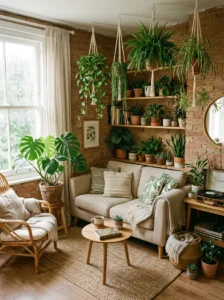
Plants bring life into a small living room without taking up too much space. Even a single plant can make the room feel more inviting.
If floor space is tight, try hanging plants or placing them on shelves. Not into high-maintenance plants? Go for something easy like a snake plant or pothos.
Small living rooms can feel limiting at first—but with the right ideas, they can turn into your favorite space in the home. Sometimes, it’s just about seeing the space a little differently.