Decorating a master bedroom from scratch sounds exciting at first — until you actually stand in an empty room wondering where to begin. Most people either buy everything too quickly and regret it later, or they get stuck scrolling through endless bedroom inspiration photos that all somehow look expensive, unrealistic, or impossible to copy in a normal home.
The truth is, a well-designed master bedroom is not about filling a room with trendy furniture or matching every single color perfectly. It is about creating a space that feels calm, functional, personal, and comfortable enough to actually live in every day. A bedroom should help you relax at night, wake up comfortably in the morning, and feel visually balanced without becoming cluttered.
One of the biggest mistakes people make when decorating from scratch is focusing only on “how it looks” instead of “how it works.” A beautiful room that lacks storage, proper lighting, or comfortable furniture quickly becomes frustrating. On the other hand, a thoughtfully designed room can feel luxurious even on a moderate budget.
In this guide, you will learn how to build a master bedroom step by step using practical decorating ideas that work in real homes. From choosing the right bed size and lighting to layering textures, selecting colors, adding storage, and styling empty corners, every section focuses on design choices that improve both appearance and everyday comfort. Whether your bedroom is large, small, modern, traditional, or somewhere in between, these ideas will help you create a space that feels complete instead of randomly put together.
1. Start With the Bed Before Anything Else
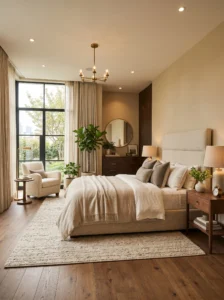
The bed is the visual anchor of a master bedroom, so decorating without choosing it first usually leads to awkward layouts and mismatched furniture. Many people buy side tables, rugs, and decor pieces before selecting a bed frame, and then realize nothing fits properly together.
A large upholstered bed instantly makes a bedroom feel softer and more inviting, especially in medium to large rooms. Wooden frames work better if you prefer a warmer, timeless style. In smaller bedrooms, platform beds with built-in storage help maximize space without adding bulky furniture.
Placement matters more than people realize. Ideally, position the bed against the main wall facing the door but not directly aligned with it. Leave enough walking space on both sides so the room feels balanced instead of cramped. Avoid oversized bed frames in compact rooms because they visually swallow the entire space.
Neutral-colored beds are easier to style long-term because bedding, rugs, and wall colors can change over time without creating clashes. Soft beige, warm gray, walnut, cream, and matte black are safe choices that rarely feel outdated.
A comfortable, visually balanced bed changes the mood of the entire room immediately. Even an unfinished bedroom starts feeling intentional once the bed is properly placed and styled.
2. Choose a Color Palette Before Buying Decor
A master bedroom decorated without a clear color palette often feels messy even when expensive furniture is used. Color consistency creates visual calm, which matters more in a bedroom than almost any other room in the house.
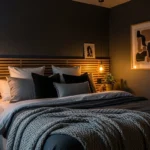
Soft neutrals work especially well because they make rooms feel brighter and larger. Shades like warm white, greige, taupe, sage green, dusty blue, and muted charcoal create a relaxed atmosphere without feeling boring. If you enjoy darker tones, use them through accents instead of painting every wall deep black or navy.
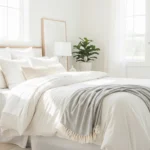
The easiest method is choosing three main tones: a base color, a secondary color, and an accent color. For example, warm white walls, beige bedding, and black accents create a modern balanced look without trying too hard.
This works particularly well in master bedrooms because consistency helps the room feel restful. Bright reds, neon tones, and overly busy patterns can become visually exhausting over time.
Textures also affect color appearance. Matte paint feels softer and calmer, while glossy finishes reflect more light and create a more dramatic effect. Natural materials like wood and linen help soften colder color palettes.
A good palette saves money too. When colors work together, you avoid impulse purchases that later feel disconnected from the rest of the room.
3. Invest in Layered Lighting Instead of One Ceiling Light
Most bedrooms rely too heavily on one overhead light, which usually makes the room feel flat and slightly harsh. Layered lighting completely changes the atmosphere and makes a master bedroom feel more comfortable and finished.
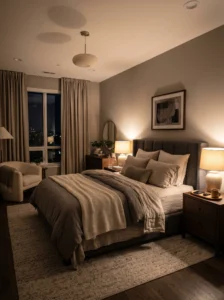
The best bedroom lighting combines three types: ambient lighting, task lighting, and accent lighting. Ambient lighting includes ceiling fixtures or recessed lights that brighten the whole room. Task lighting includes bedside lamps or reading sconces. Accent lighting adds warmth through LED strips, wall lights, or soft decorative lamps.
Table lamps on both sides of the bed instantly create symmetry and make nighttime routines easier. Wall sconces are especially useful in smaller rooms where side tables have limited space.
Warm white bulbs are usually the safest option because cool white lighting can make bedrooms feel sterile and overly bright. Dimmers are another underrated upgrade because they allow the room to transition from functional to relaxing within seconds.
Large bedrooms benefit from layered floor lighting near sitting areas or empty corners. Meanwhile, smaller rooms feel more spacious when lighting is spread across multiple points instead of concentrated in one spot.
Good lighting affects mood more than most people expect. A bedroom with proper lighting simply feels calmer at night and less harsh in the early morning.
4. Use Rugs to Make the Room Feel Grounded
A bedroom without a rug often feels unfinished even when the furniture is beautiful. Rugs visually connect the furniture and soften the hard surfaces that can make rooms feel cold.
Large area rugs work best in master bedrooms because they create a sense of scale and comfort. Ideally, the rug should extend beyond both sides and the foot of the bed. Small rugs floating randomly in the room usually make spaces feel disconnected.
Low-pile rugs are practical for everyday use because they are easier to clean and work better under furniture. Plush rugs feel luxurious underfoot but may require more maintenance, especially in dusty environments.
Neutral rugs are safer for long-term flexibility, especially if your bedding or curtains may change later. Patterns can work beautifully too, but subtle designs age better than overly trendy prints.
Placement matters. The rug should sit partially under the bed instead of being completely separate. This creates a visually anchored look rather than making the rug appear like an afterthought.
A soft rug also changes how the room feels physically. Walking onto a warm textured surface first thing in the morning genuinely improves comfort in ways people often underestimate.
5. Add Curtains That Actually Fit the Room Properly
Curtains are one of the most overlooked parts of bedroom design, yet badly sized curtains can make even expensive bedrooms feel awkward. Curtains should visually frame the room, not just cover windows.
One common mistake is hanging curtain rods too low. Mounting them closer to the ceiling creates the illusion of taller walls and larger windows. It is a surprisingly effective design trick that works in almost every bedroom size.
Floor-length curtains almost always look better than short ones. Linen curtains create a soft relaxed feel, while thicker fabrics like velvet add warmth and a more luxurious atmosphere. Blackout curtains are especially useful in master bedrooms because they improve sleep quality while adding privacy.
Neutral curtains work well if your bedding already includes patterns or texture. If the room feels visually plain, subtle patterned curtains can add personality without overwhelming the space.
Wide curtain placement also matters. Extending rods slightly beyond the window frame allows more natural light into the room during the day and makes windows appear larger.
Well-fitted curtains quietly improve the entire room. They soften walls, improve acoustics, add texture, and make the bedroom feel intentionally designed rather than incomplete.
6. Create Symmetry Around the Bed
Symmetry is one of the easiest ways to make a master bedroom feel calm and visually organized. Even simple matching elements can make a room look professionally designed without spending excessively.
Matching bedside tables instantly create structure around the bed. The same applies to lamps, wall sconces, or framed artwork placed evenly on both sides. This arrangement naturally feels balanced to the eye, which is especially important in bedrooms where relaxation matters.
This idea works best in medium and large master bedrooms, but even smaller spaces can benefit from partial symmetry. For example, identical lamps with slightly different decor items still maintain visual harmony without looking overly staged.
Avoid overcrowding bedside tables with random objects. A lamp, small tray, book, and plant are usually enough. Too many decorative items make the room feel visually busy instead of restful.
Symmetry also improves functionality. Having equal lighting and storage on both sides of the bed simply makes daily routines easier for couples sharing the room.
The room does not need to look perfectly identical everywhere. Balanced layouts feel calming, but slight variations keep the bedroom from feeling like a furniture showroom.
7. Add Texture Instead of Too Many Colors
When bedrooms feel flat or boring, people often add more colors when what the room actually needs is texture. Texture creates depth without making the space visually chaotic.
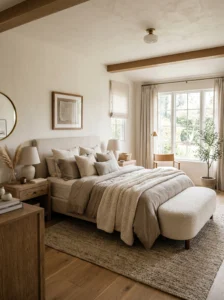
Layering materials like linen, cotton, boucle, wood, leather, velvet, and woven fabrics instantly makes a bedroom feel richer and more comfortable. Even neutral bedrooms feel interesting when different textures are combined thoughtfully.
This works especially well in minimalist or modern bedrooms where the color palette stays simple. A cream bedroom with textured bedding, knitted throws, wooden furniture, and matte ceramics feels far more inviting than a plain white room with no contrast.
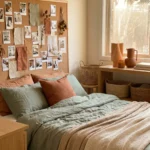
Bedding is the easiest place to add texture. Layer sheets, quilts, throws, and cushions without overloading the bed. Two or three well-chosen pillows usually look better than ten decorative cushions nobody wants to move every night.
Texture also helps large bedrooms feel warmer and smaller bedrooms feel more cozy. Natural materials tend to age better visually than overly shiny synthetic finishes.
A textured bedroom feels comfortable in a subtle way. It creates the kind of atmosphere where the room feels lived-in and relaxing instead of overly decorated.
8. Include Functional Storage From the Beginning
Decorating a master bedroom becomes much harder when storage is treated like an afterthought. Clutter quickly ruins even the best-designed spaces.
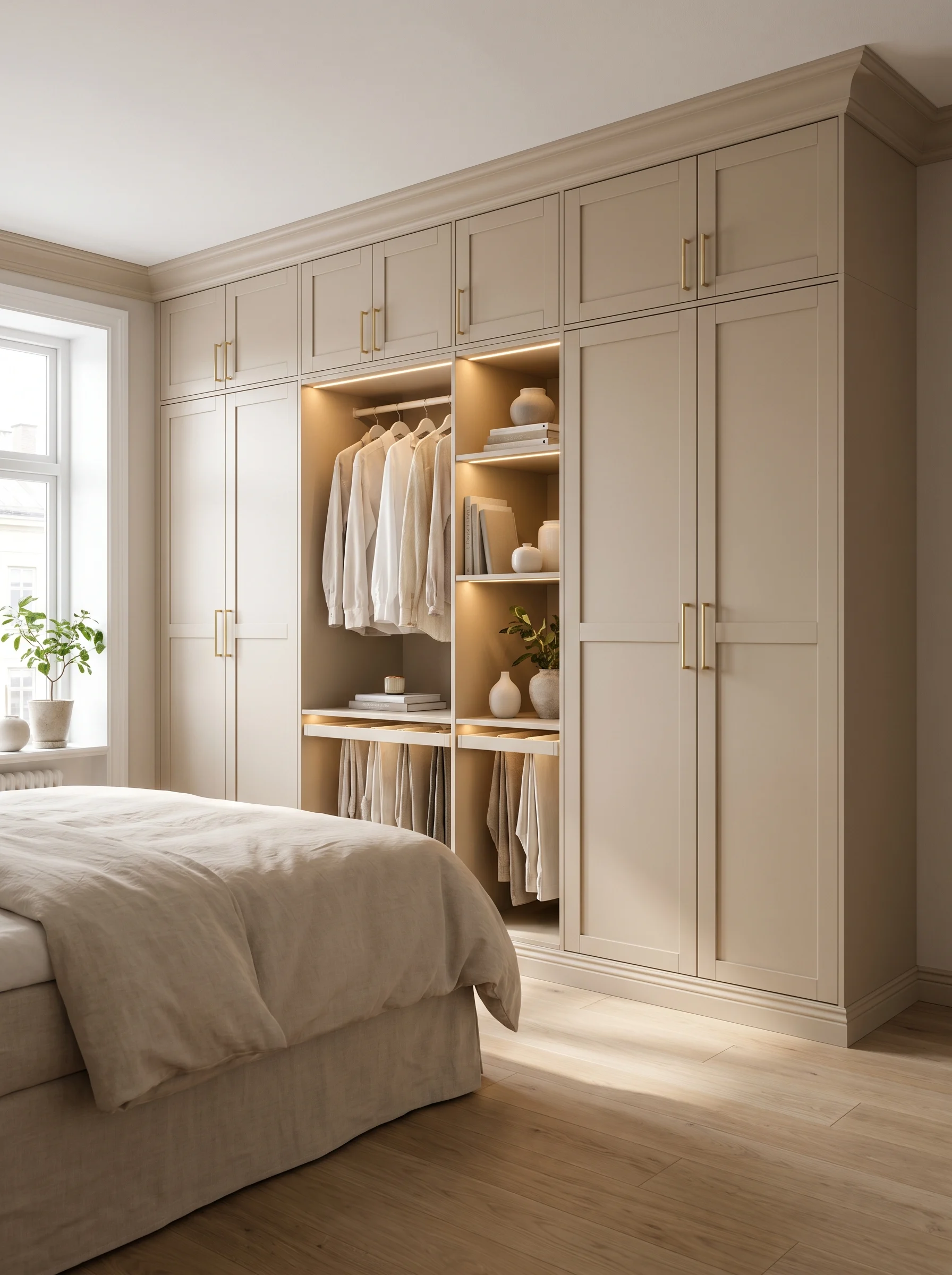
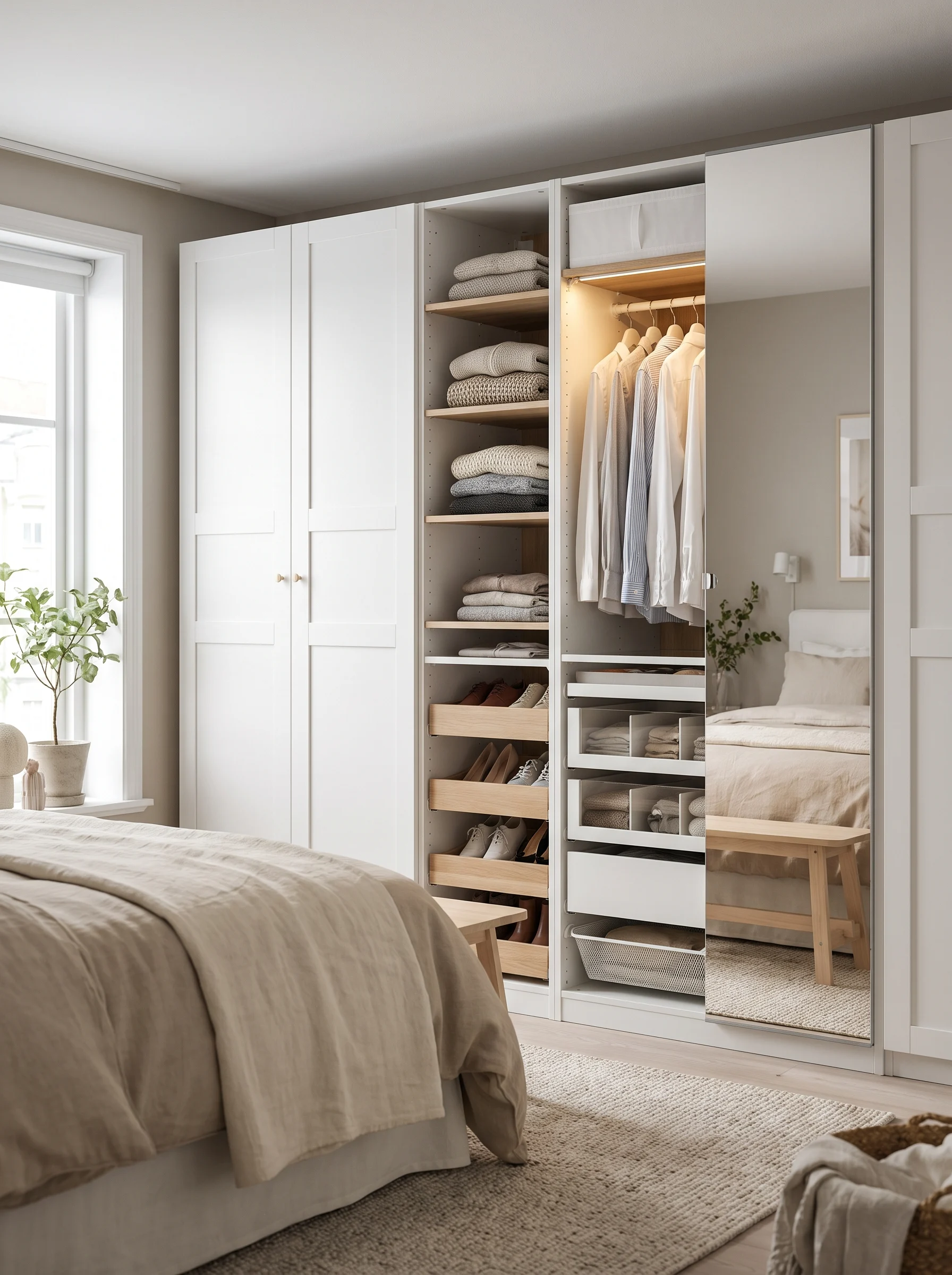
Built-in wardrobes are ideal if possible because they maximize vertical space and reduce visual mess. In smaller bedrooms, storage beds, dressers, and narrow tall cabinets work well without overcrowding the room.
Open shelves should be styled carefully because too many visible items make bedrooms feel chaotic. Closed storage generally creates a calmer environment. Baskets, fabric bins, and drawer organizers help maintain a cleaner appearance without constant effort.
Placement matters too. Large dressers should not block natural light or narrow walking paths. Keeping furniture proportional to room size makes the space feel functional rather than cramped.
Storage also affects mental comfort more than people realize. A room with organized surfaces naturally feels calmer and easier to maintain daily.
Good storage allows the decorative parts of the room to actually stand out because visual clutter no longer competes for attention.
9. Use Wall Art to Add Personality
A master bedroom without any wall decor can feel oddly temporary, almost like a hotel room that was never fully personalized. Artwork helps the room feel emotionally connected to the people living there.
Large-scale art above the bed works especially well because it fills empty wall space without requiring multiple smaller pieces. Abstract prints, nature photography, textured canvas art, or soft landscapes usually suit bedrooms better than overly loud designs.
Gallery walls can work too, but they need consistency. Similar frame colors or coordinated artwork tones prevent the arrangement from looking random.
This idea works in almost every bedroom style. Modern rooms benefit from oversized minimal art, while traditional spaces often suit framed landscapes or vintage-inspired prints.
Avoid hanging artwork too high. Ideally, wall art should visually connect to the furniture below it instead of floating awkwardly near the ceiling.
Personal touches matter here. Bedrooms feel warmer when the decor reflects actual preferences instead of purely following trends. The goal is not impressing guests — it is creating a room you genuinely enjoy spending time in every day.
10. Create a Comfortable Seating Area if Space Allows
Large master bedrooms often feel incomplete when every piece of furniture is pushed against the walls. A small seating area helps the room feel more layered and functional.
A cozy armchair near a window instantly creates a reading corner or quiet morning coffee spot. Benches at the foot of the bed also work beautifully because they provide both seating and visual balance.
This idea works best in spacious bedrooms where there is enough walking room remaining after furniture placement. In smaller rooms, oversized chairs can quickly make the layout feel crowded.
Fabric choice matters. Soft textured upholstery feels warmer and more inviting than stiff materials. Neutral seating pieces also adapt more easily if the bedroom style changes later.
Lighting improves these spaces dramatically. A nearby floor lamp or wall sconce makes the seating area feel intentional instead of forgotten.
A seating corner changes how the room is used daily. The bedroom starts feeling like a personal retreat instead of simply a place to sleep.
11. Mix Wood Tones Carefully Instead of Matching Everything
Perfectly matching every wood finish can actually make a bedroom feel flat and overly staged. Slight variation creates depth and makes the room feel more natural.
Warm walnut tones pair beautifully with lighter oak furniture when balanced properly. Matte black accents also help bridge different wood finishes together without creating visual conflict.
The key is consistency in undertones. Cool gray wood mixed with orange-toned wood often clashes badly. Meanwhile, warm wood variations usually blend more naturally.
This approach works particularly well in modern organic, transitional, and Scandinavian-inspired bedrooms where layered natural materials are part of the aesthetic.
Avoid using too many competing finishes in small rooms. Two main wood tones are usually enough. Repeating similar tones across furniture pieces helps maintain cohesion without looking identical.
Mixed materials make bedrooms feel more collected over time rather than purchased entirely from one showroom in a single day.
12. Keep Nightstands Practical, Not Overdecorated
Nightstands are one of the most frequently used furniture pieces in a master bedroom, yet many people style them in ways that leave no usable space.
A good bedside setup should comfortably hold essentials like a lamp, phone, water glass, book, or alarm clock without looking cluttered. Drawers are especially useful because they hide cables, chargers, and miscellaneous items.
Height matters more than most people think. Ideally, the nightstand should align closely with the mattress height for easier access while sitting in bed.
This works in every bedroom size. Compact floating nightstands help small rooms feel less crowded, while larger rooms can handle wider bedside tables with extra storage.
Decor should stay minimal. A small plant, candle, tray, or framed photo adds personality without consuming all the functional space.
Practical nightstands quietly improve everyday comfort. Reaching for essentials easily at night sounds simple, but it genuinely makes the room feel more thoughtfully designed.
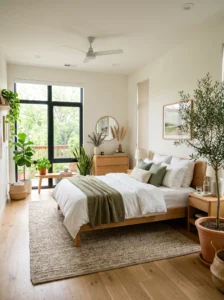
13. Add Greenery to Make the Room Feel Alive
Bedrooms can sometimes feel visually flat because they contain too many hard surfaces and neutral tones. Plants soften the environment and add natural movement to the room.
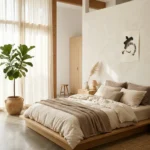
Large plants like fiddle leaf figs or olive trees work beautifully in empty corners of spacious bedrooms. Smaller plants like pothos or snake plants fit well on dressers, shelves, or bedside tables.
This idea works especially well in neutral bedrooms because greenery naturally breaks up monochromatic color palettes without requiring bold decor choices.
Choose low-maintenance plants if you are not confident with plant care. Dead plants make rooms feel neglected surprisingly quickly. Good natural light placement also matters for long-term success.
Decorative pots should complement the room style rather than overpower it. Woven baskets, matte ceramic planters, and textured stone finishes usually blend naturally into bedroom spaces.
Plants subtly improve how the room feels emotionally. Even one properly placed plant can make a bedroom feel fresher, softer, and more connected to nature.
14. Use Mirrors to Expand the Space Visually
Mirrors are not just decorative — they are one of the easiest ways to make a master bedroom feel brighter and more spacious.
Large leaning mirrors work especially well in modern bedrooms because they reflect light while adding vertical visual interest. Round mirrors soften rooms filled with sharp furniture lines, while rectangular mirrors create a cleaner structured look.
Placement matters greatly. Mirrors opposite windows help bounce natural light across the room, making smaller bedrooms feel significantly brighter during the day.
Avoid placing too many mirrors around the bed because excessive reflections can make bedrooms feel visually restless instead of calm.
Framing also affects style. Thin black frames suit modern interiors, while wooden or antique-inspired frames create a warmer more traditional atmosphere.
Mirrors improve functionality too. Full-length mirrors are practical for dressing while also visually enlarging the room at the same time.
15. Leave Empty Space Instead of Filling Every Corner
One of the biggest decorating mistakes is assuming every wall or corner needs furniture or decor. Empty space is actually an important part of good design.
A crowded master bedroom feels stressful regardless of how expensive the furniture is. Leaving breathing room between pieces makes the entire layout feel calmer and easier to move through.
This is especially important in smaller bedrooms where oversized furniture can quickly overwhelm the room. Even large bedrooms benefit from intentional negative space because it allows key design elements to stand out more clearly.
Avoid stuffing corners with random baskets, chairs, or decor pieces purely because the area feels empty. Sometimes an uncluttered corner creates more visual balance than additional furniture would.
Open space also improves cleaning and daily movement. Bedrooms should feel restful, not like obstacle courses filled with decorative objects.
Well-designed rooms rarely feel crowded. The most comfortable bedrooms usually balance decoration with restraint.