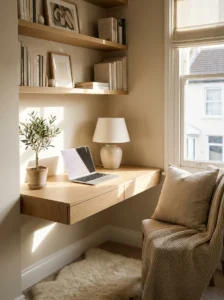
Trying to stay productive in a small home office can feel… a bit chaotic, right? One minute you’re focused, the next you’re distracted by clutter, bad lighting, or just the feeling that your space isn’t working with you.
The good news is—you don’t need a big room to create a productive workspace. With a few smart design tweaks and thoughtful choices, even the tiniest corner can turn into a place where you actually want to work. Below, you’ll find practical, visually inspiring ideas that don’t just look good—they genuinely help you stay focused and organized.
1. Use a Floating Desk to Save Floor Space
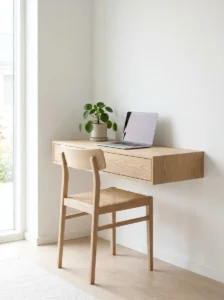
A floating desk is one of those small home office ideas that instantly makes a room feel lighter. Since it’s mounted to the wall, you free up floor space, which helps reduce visual clutter and makes the area feel more open. It’s especially useful if your workspace is tucked into a bedroom or hallway. Pair it with a slim chair that can slide underneath when not in use. You might notice how much easier it feels to concentrate when your space isn’t crowded.
2. Maximize Vertical Storage with Shelves
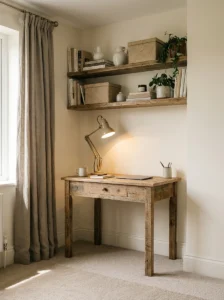
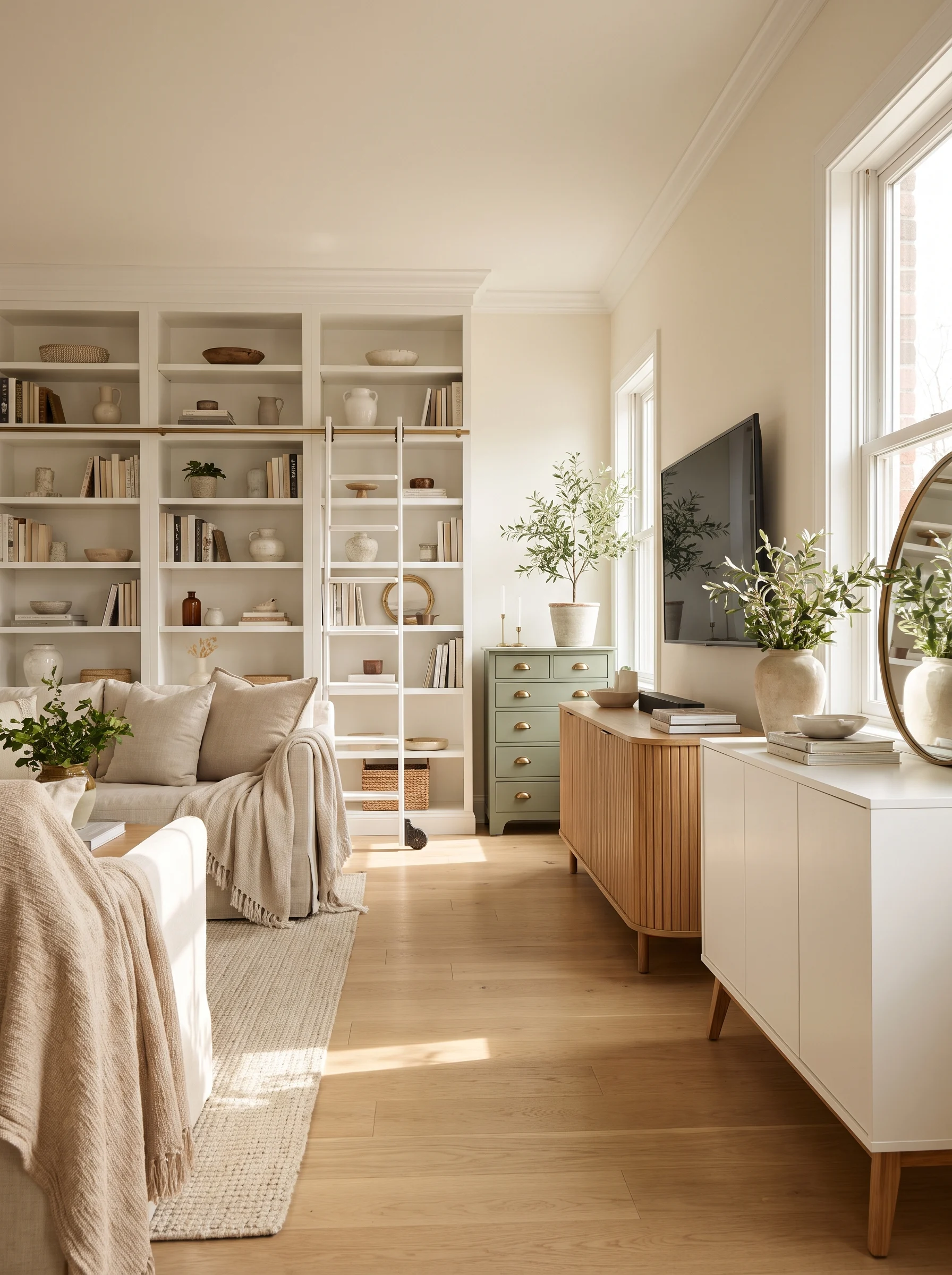
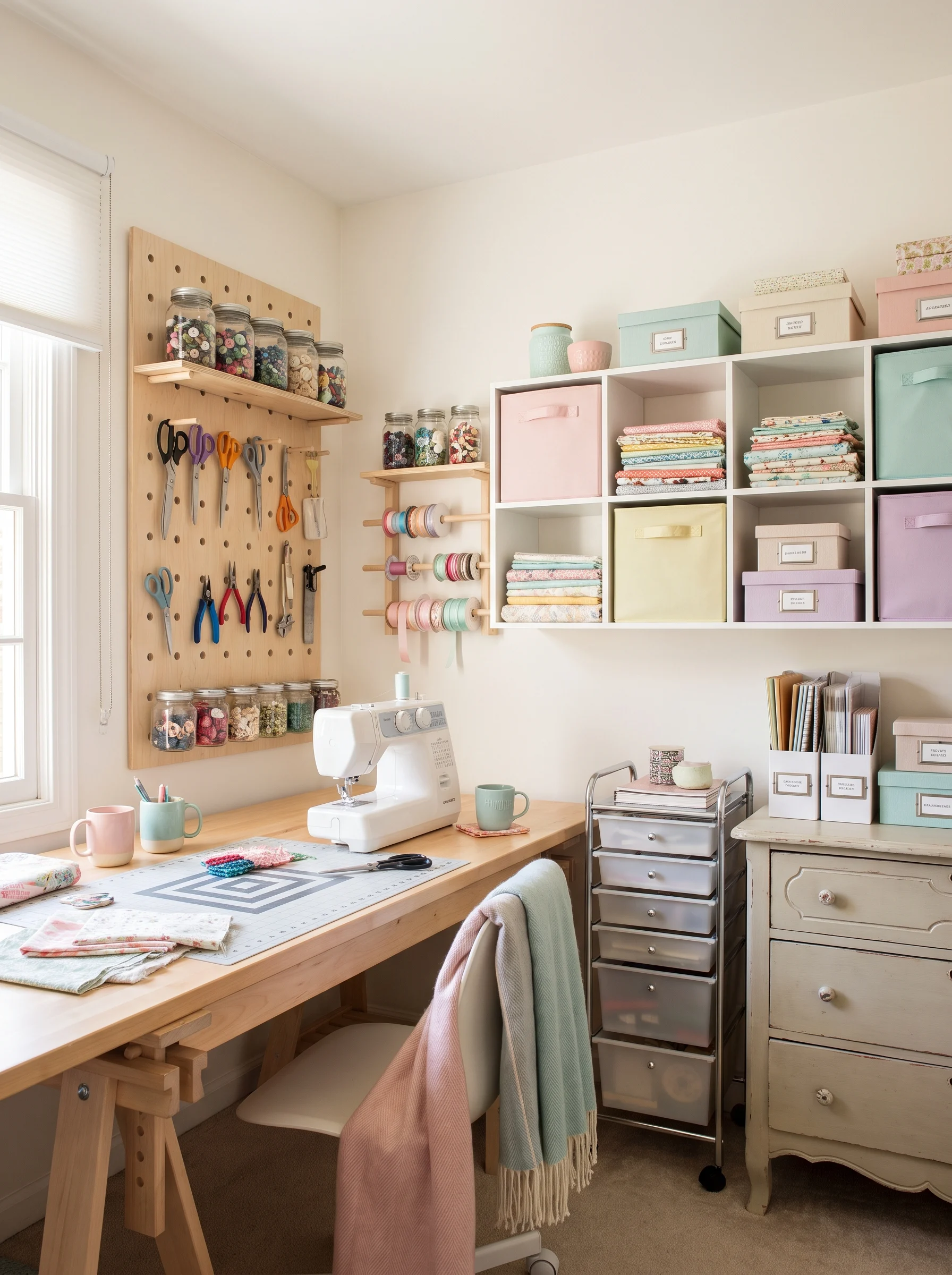
When you’re short on square footage, the walls become your best friend. Installing vertical shelving above your desk keeps essentials within reach without taking over your workspace. Use a mix of storage boxes, books, and a few decorative pieces to keep things balanced. The key here is not to overcrowd—leave some breathing room. A quick tip: store frequently used items at eye level so you’re not constantly reaching or searching.
3. Choose a Light, Neutral Color Palette
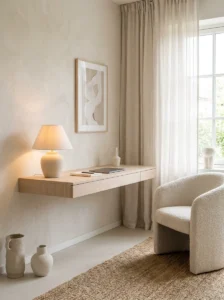
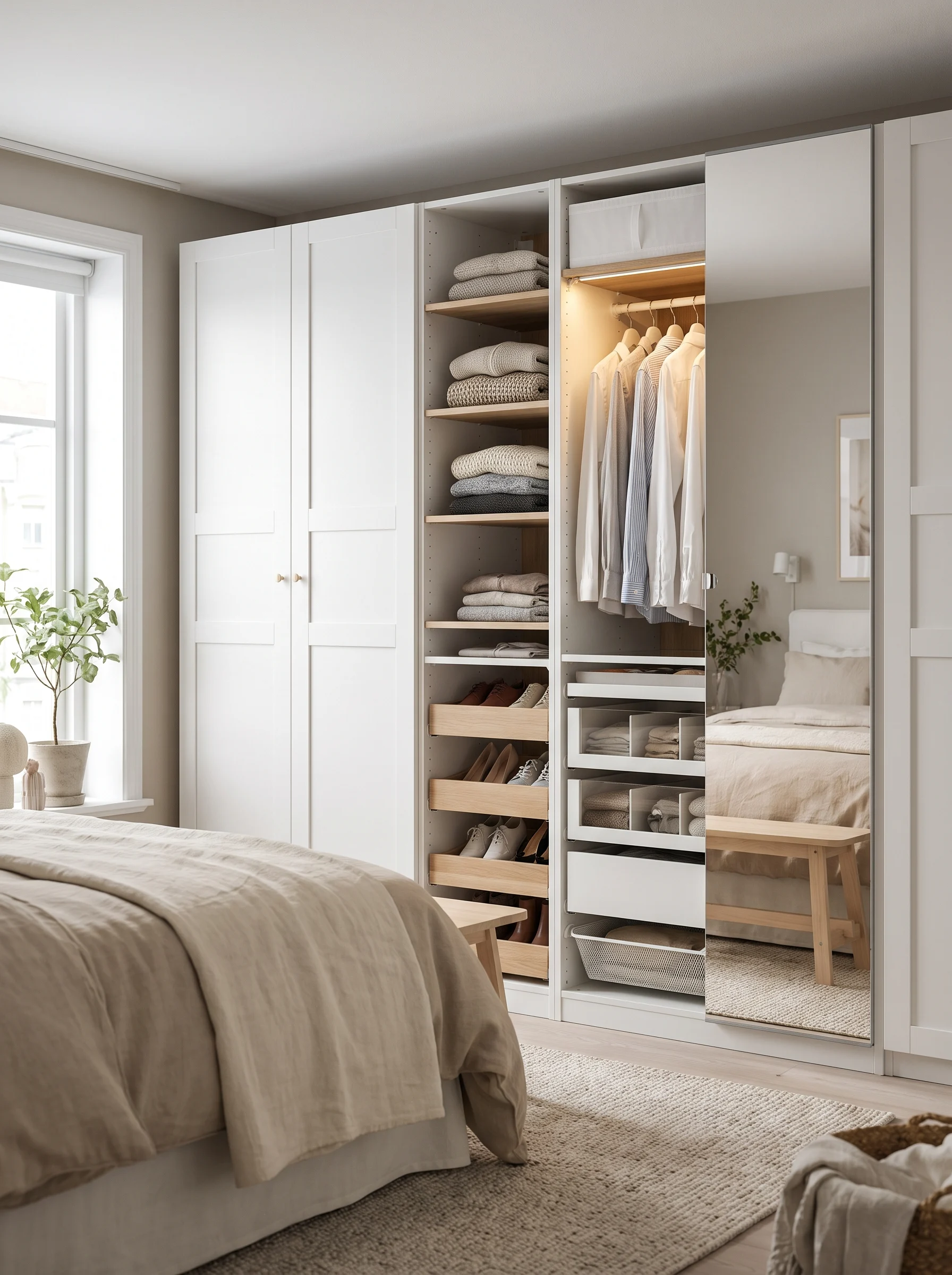
Color plays a bigger role in productivity than most people realize. Light tones like white, beige, or soft gray can make a small home office feel more open and less overwhelming. They also reflect light better, which helps brighten the space naturally. If neutrals feel too plain, you can always add subtle pops of color through decor. Ask yourself—does your current space feel calming or distracting? That answer matters.
4. Add a Pinboard or Vision Board
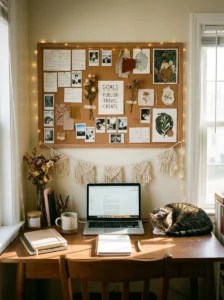
A pinboard isn’t just functional—it can be surprisingly motivating. Use it to pin notes, deadlines, photos, or even goals you’re working toward. It keeps important things visible without cluttering your desk. Plus, it adds a personal touch to your setup. You could even switch things up monthly to keep it fresh. It’s a small detail, but it can really shift your mindset during work hours.
5. Invest in Good Lighting (Seriously)
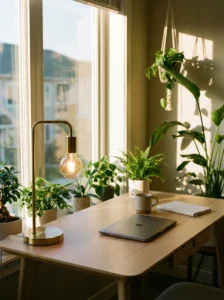
Bad lighting can quietly drain your energy. A well-lit workspace, on the other hand, keeps you alert and focused. If possible, position your desk near a window for natural light. Then layer it with a desk lamp for evenings or cloudy days. Warm white lighting tends to feel more comfortable than harsh, cool tones. If your eyes feel strained after work, lighting might be the culprit.
6. Keep a Minimalist Desk Setup
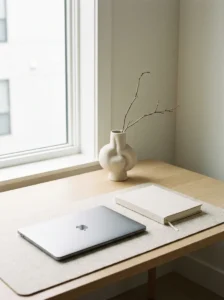
Here’s the thing—too much stuff on your desk can make it harder to think clearly. Try keeping only the essentials: your laptop, a notebook, and maybe one or two decorative items. This creates a clean, distraction-free surface that encourages focus. It doesn’t have to be perfectly minimal, just intentional. You’ll likely find it easier to get into “work mode” when everything feels organized.
7. Use Multi-Functional Furniture
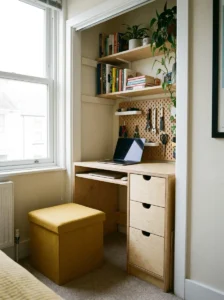
In a small home office, every piece should earn its place. Think desks with built-in drawers, ottomans with hidden storage, or foldable tables. These pieces help you stay organized without needing extra furniture. It’s a practical approach, especially if your office shares space with another room. If something can serve two purposes, it’s usually worth considering.
8. Create a Defined Work Zone
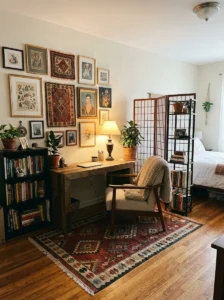
Even in a small space, defining your work area can improve productivity. This could be as simple as using a rug, a different wall color, or even a small divider. It helps your brain separate “work” from “rest,” which is surprisingly important. You might notice you focus better when your workspace feels like its own little zone—even if it’s just a corner.
9. Add a Touch of Greenery
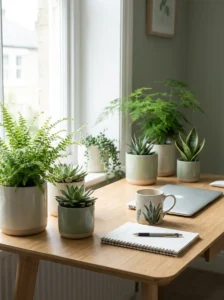
Plants bring life into a workspace—literally. A small plant on your desk or shelf can make the area feel more inviting and less sterile. Plus, greenery has a calming effect, which can help reduce stress during busy workdays. If you’re not great with plants, low-maintenance options like succulents or snake plants are a safe bet.
10. Use Cable Management Solutions
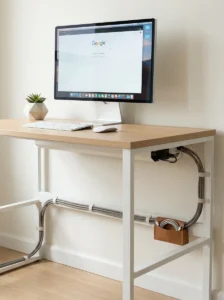
Messy cables can make even the nicest setup feel chaotic. Simple cable organizers, clips, or sleeves can instantly clean things up. It’s one of those small details that makes a big visual difference. Plus, it saves you from the frustration of tangled wires. Take a few minutes to organize them—you’ll thank yourself later.
11. Incorporate Personal Decor (But Keep It Balanced)
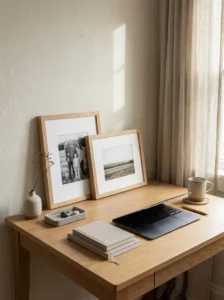
Your workspace should feel like you, not a generic office. Add a few personal touches—photos, artwork, or meaningful objects—but avoid overloading the space. The goal is to create a motivating environment, not a distracting one. A good rule? If everything is “special,” nothing stands out. Keep it curated.
12. Use a Comfortable, Supportive Chair
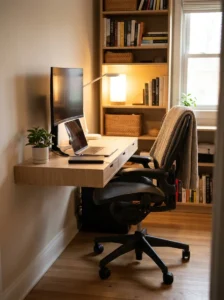
Productivity drops fast when you’re uncomfortable. A good chair supports your posture and helps you stay focused longer without fatigue. Even in a small home office, this is something you don’t want to compromise on. If space is tight, look for compact ergonomic options. Your back will definitely notice the difference.
13. Keep Daily Essentials Within Reach
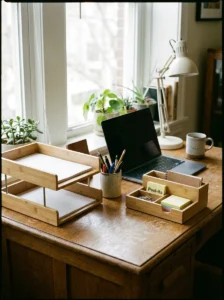
Constantly getting up to grab things can break your focus. Keep your most-used items—like pens, notebooks, or chargers—within arm’s reach. Small organizers or desk trays can help with this. It’s a simple adjustment, but it keeps your workflow smoother. Think about what you reach for most during the day and plan around that.
14. Add Soft Textures for Comfort
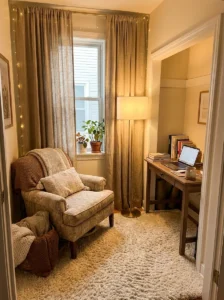
A small home office doesn’t have to feel cold or rigid. Adding soft elements like a cozy rug, a cushion, or even curtains can make the space feel more comfortable and inviting. When your environment feels good, you naturally want to spend more time there—and that helps productivity. It’s a subtle shift, but it matters more than you might expect.
A small home office doesn’t limit your productivity—it just asks for smarter design. With a few thoughtful changes, your space can feel both functional and inspiring.