Does your space feel a little awkward when your living room and dining area share the same room? Maybe it looks fine… but something about the layout just doesn’t flow the way you want.
You’re not alone. Open spaces can be tricky to design because everything needs to feel connected without looking messy or overcrowded.
The good news is, with a few smart ideas, you can create a layout that feels seamless and stylish. In this post, you’ll discover 18 living room dining room combo ideas that flow well, feel balanced, and actually work in real homes.
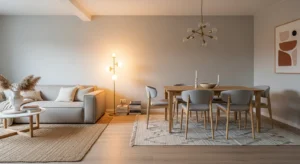
1. Use a Consistent Color Palette
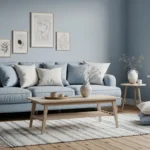
One of the easiest ways to create flow is by sticking to a consistent color palette. When both areas share similar tones, the space feels connected rather than divided.
You don’t need everything to match perfectly—just keep the overall vibe cohesive.
You might notice the room feels calmer and more intentional right away.
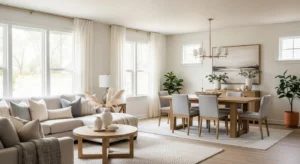
2. Define Spaces with Rugs
Rugs can visually separate your living and dining areas without adding walls or barriers. Place one under your seating area and another under the dining table.
It’s a simple trick, but it creates clear zones.
Try choosing rugs that complement each other to maintain a cohesive look.
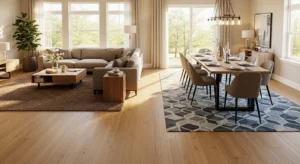
3. Use Matching Furniture Styles
Keeping your furniture in a similar style helps both spaces blend together naturally. Whether it’s modern, farmhouse, or minimalist, consistency is key.
Mixing too many styles can make the room feel disconnected.
You don’t need identical pieces—just make sure they feel like they belong together.
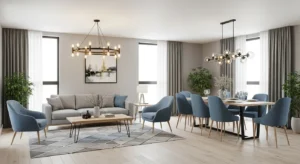
4. Add a Statement Light Fixture
Lighting can help define each area while still maintaining flow. A chandelier above the dining table and a floor lamp in the living area works beautifully.
It subtly separates the spaces without breaking the visual connection.
You might find lighting is what brings everything together.
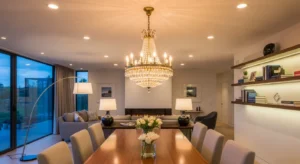
5. Keep the Layout Open
Avoid overcrowding your space with too much furniture. An open layout makes it easier for the living and dining areas to flow into each other.
It also makes the room feel bigger and more breathable.
Sometimes, leaving a little empty space is exactly what the room needs.
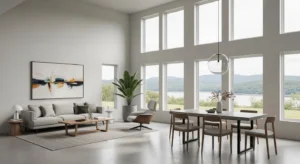
6. Use a Neutral Base
Starting with a neutral base allows both areas to feel cohesive. Colors like white, beige, and grey create a calm foundation.
You can then add small pops of color through decor.
It’s an easy way to keep everything balanced.
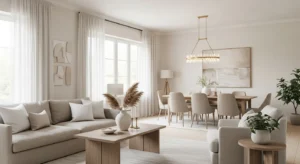
7. Add a Shared Accent Color
Using one accent color across both areas ties everything together. It could be through cushions, artwork, or decor pieces.
This creates a subtle connection without being too obvious.
You might notice how it makes the space feel more intentional.
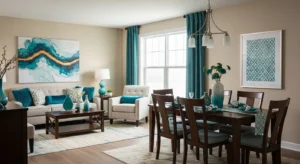
8. Use Furniture to Create Boundaries
Positioning furniture strategically can help define each zone. For example, placing a sofa between the living and dining areas acts as a natural divider.
It separates the spaces without blocking the flow.
It’s a practical solution that also looks stylish.
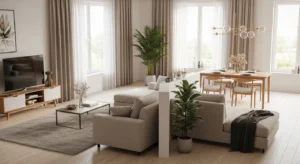
9. Add a Console Table Divider
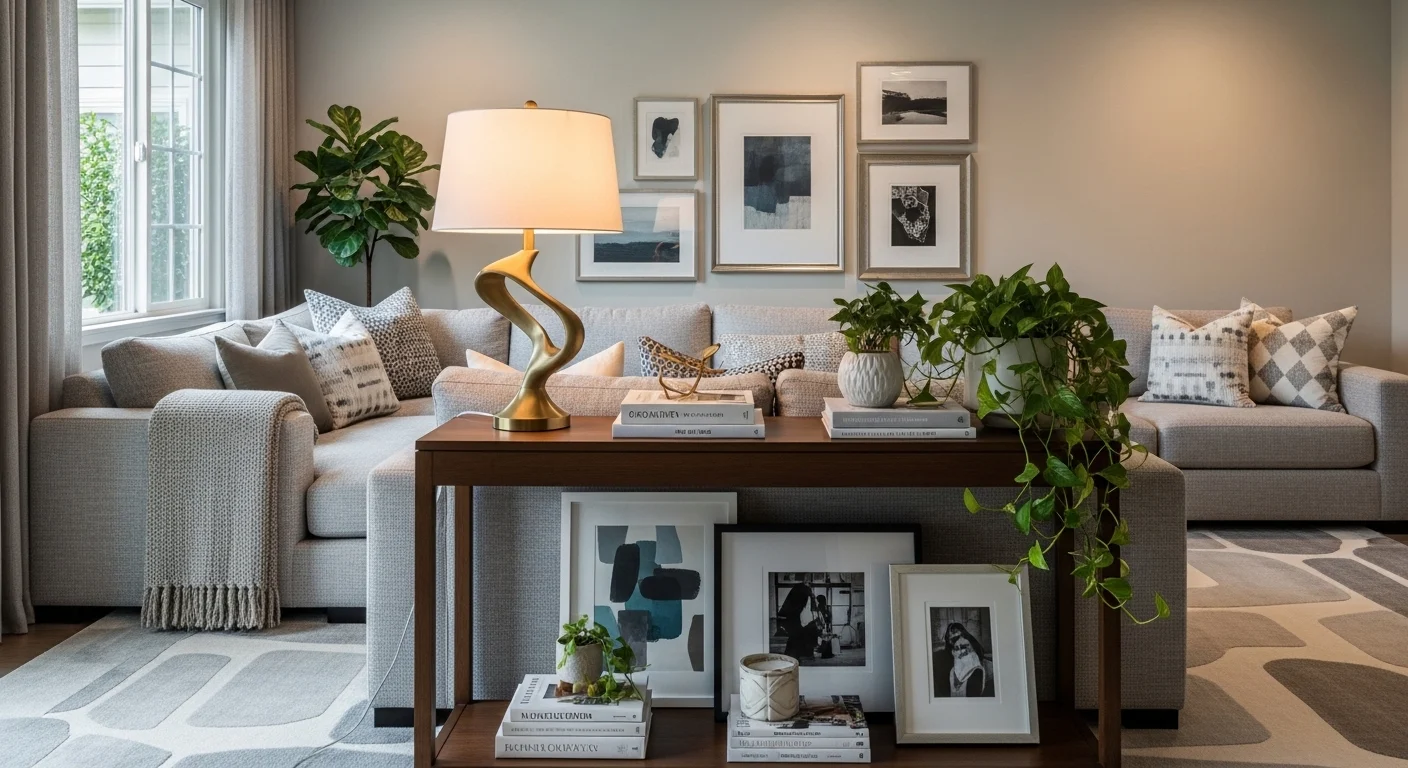
A console table behind your sofa can act as a soft divider. It adds function and style while keeping the space open.
You can style it with decor to enhance the look.
It’s one of those small additions that makes a big difference.
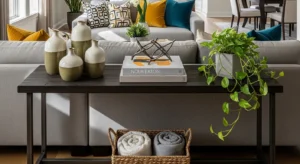
10. Keep Flooring Consistent
Using the same flooring throughout both areas helps create a seamless look. It avoids visual breaks that can make the space feel smaller.
If you want variation, use rugs instead.
Consistency here really helps the flow feel natural.
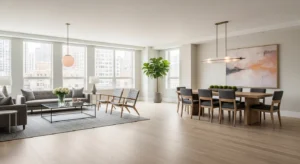
11. Balance Furniture Sizes
Make sure the scale of your furniture feels balanced between both areas. A large dining table with tiny living room furniture can feel off.
Keeping proportions similar creates harmony.
You might notice how much more put-together the room feels.
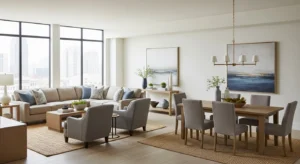
12. Use Open Shelving as a Divider
Open shelving can act as a light divider while still allowing visibility between spaces. It’s functional and stylish at the same time.
You can display decor, books, or plants.
Just avoid overcrowding it—it works best when it feels airy.
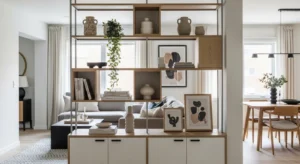
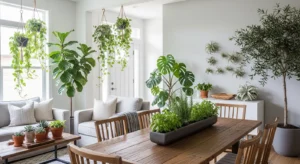
13. Add Greenery Throughout
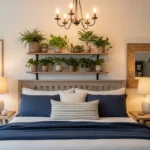
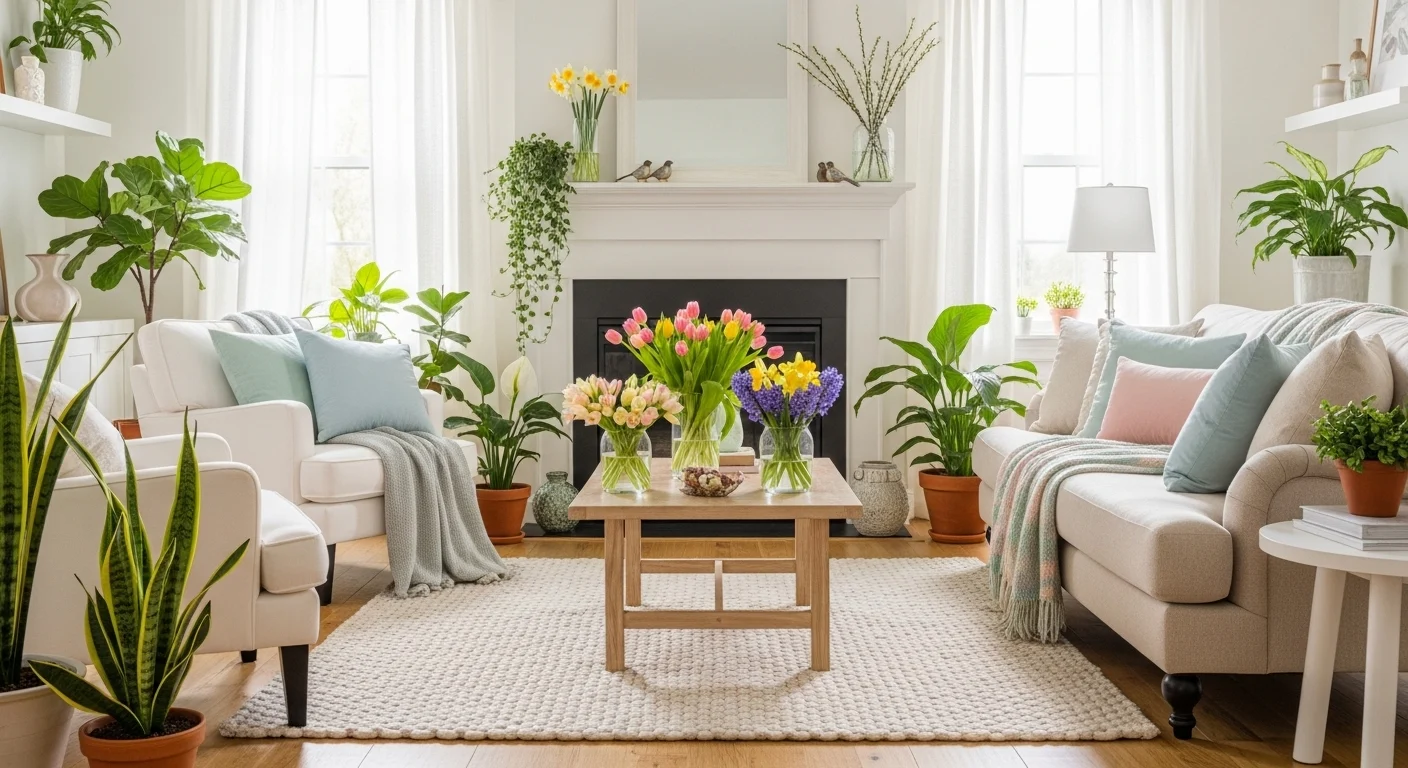
Plants can help unify your space by adding a natural element to both areas. They soften the overall look and bring freshness.
Even a few plants placed strategically can make a difference.
You might find it makes the room feel more alive.
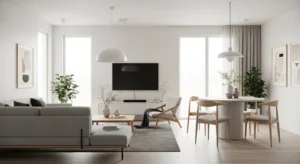
14. Keep Decor Simple and Coordinated
Too much decor can make a combo space feel cluttered. Keeping things simple helps maintain flow.
Choose pieces that complement each other across both areas.
Sometimes, less really does look better.
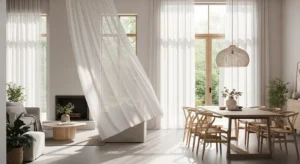
15. Use Curtains to Frame the Space
Curtains can help soften the entire room and tie everything together. Light, airy fabrics work best.
They create a cohesive backdrop for both areas.
You might notice how much more polished the space feels.
16. Create a Focal Point
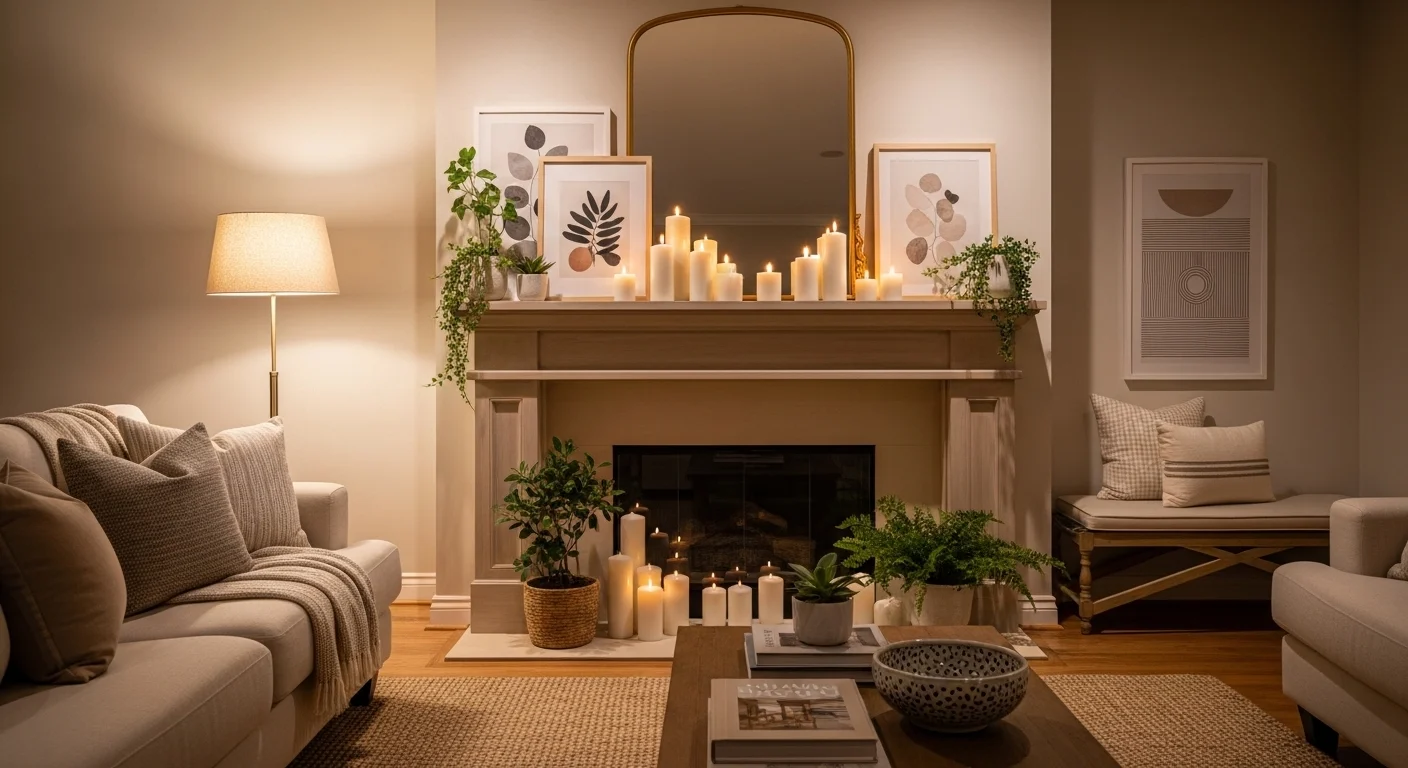
Having a focal point—like a fireplace or feature wall—helps anchor the entire space. It gives the room direction.
Both the living and dining areas can naturally orient around it.
It’s a simple way to bring everything together.
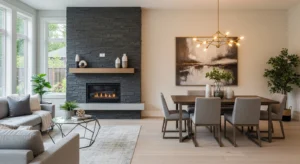
17. Mix Textures for Depth
Adding different textures—like wood, fabric, and metal—creates depth without disrupting flow.
It keeps the space interesting while still cohesive.
You might notice how it adds warmth and personality.
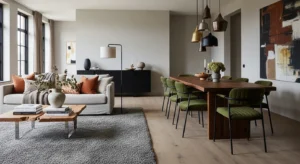
18. Keep It Functional and Comfortable
At the end of the day, your space should work for your lifestyle. Make sure both areas feel comfortable and practical.
A beautiful layout means nothing if it doesn’t feel usable.
Ask yourself—does this setup actually work for your daily life?
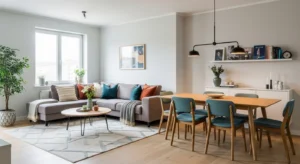
Designing a living room dining room combo is all about balance. Keep things cohesive, simple, and intentional—and your space will naturally start to flow.