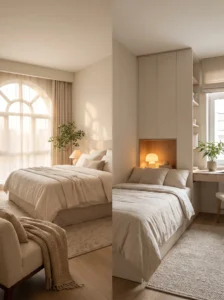
Buying a bed sounds simple until you actually start measuring your room. Suddenly, that dreamy king-size bed you loved in the showroom looks like it could swallow your entire bedroom. On the other hand, choosing a bed that’s too small can make the room feel unfinished and uncomfortable in daily life. Most people don’t realize that bed size affects far more than sleep — it changes how a room functions, how spacious it feels, and even how easy your mornings are.
A common mistake is focusing only on mattress size without thinking about walking space, furniture placement, storage needs, or how the room will actually be used every day. A bed might technically “fit” in a room while still making the space feel cramped and frustrating. That’s where smart planning matters.
The truth is, the right bed size is not always the biggest one you can afford. It’s the one that balances comfort, movement, storage, and visual proportion. A well-sized bed can make even a small bedroom feel calm and functional, while the wrong choice can make a large room feel awkward.
In this guide, you’ll learn practical ways to choose the perfect bed size for your space. We’ll cover room measurements, layout tricks, family needs, storage considerations, and common mistakes people regret later. Whether you’re furnishing a compact apartment bedroom, a guest room, or a spacious master suite, these ideas will help you make a smarter and more realistic decision.
1. Start With Your Room Measurements First
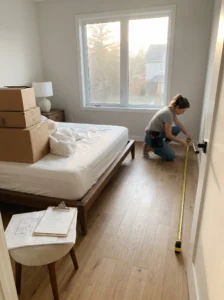
Most bed-buying mistakes happen before anyone even walks into a furniture store. People estimate room size by eye, and that almost always leads to problems later. Measuring your room properly gives you a realistic understanding of what can comfortably fit.
This works because bedrooms need circulation space, not just furniture space. A room should allow easy movement around the bed without squeezing sideways every morning. Ideally, you should leave at least 24–30 inches of walking space around the bed.
This matters especially in small apartments, shared bedrooms, and compact urban homes where every inch counts. In larger master bedrooms, proper spacing prevents the room from feeling crowded even with bigger furniture.
Use painter’s tape on the floor to outline bed dimensions before buying. It sounds simple, but it instantly shows how much usable floor space remains. Don’t forget to account for nightstands, wardrobes, doors, and window openings.
A practical mistake people make is measuring only wall length without checking doorway clearance or awkward corners. Some oversized bed frames barely fit through staircases or tight hallways.
In daily life, accurate measurements make the room feel easier to live in. You avoid bumping into furniture, cleaning becomes simpler, and the bedroom feels calm rather than overloaded.
2. Understand Standard Bed Sizes Before Shopping
A surprising number of people buy beds without fully understanding standard dimensions. Mattress labels like Queen or King sound straightforward, but actual measurements make a huge difference in room planning.
This works because knowing exact dimensions helps you visualize proportion instead of guessing. A Queen bed may feel spacious in one room and overwhelming in another depending on layout and furniture placement.
Twin beds work well in kids’ rooms, guest rooms, or narrow spaces. Full beds suit teenagers or solo adults who want slightly more room without sacrificing space. Queen beds are usually the safest choice for couples in average-sized bedrooms. King beds work best in spacious master suites where movement space still remains comfortable.
When shopping, remember that bed frames add extra width and length beyond the mattress itself. Upholstered frames and storage beds often take up more visual and physical space.
Avoid choosing based only on popularity. Many couples automatically buy Kings because they seem luxurious, but a Queen can feel far more practical in medium-sized homes.
In real daily use, the right size creates balance. You sleep comfortably without making the room feel dominated by one oversized piece of furniture.
3. Think About Daily Movement Around the Bed
A bedroom that looks beautiful in photos can become annoying very quickly if movement feels restricted. Comfortable circulation is one of the most overlooked parts of bedroom design.
This idea works because bedrooms are functional spaces used multiple times every day. You need room to open drawers, make the bed, walk comfortably, and move around at night without obstacles.
In smaller rooms, oversized beds often create “dead zones” where furniture becomes difficult to access. Guest rooms especially benefit from slightly smaller beds because visitors usually prioritize comfort and accessibility over maximum mattress size.
A good rule is to test pathways mentally before buying. Can two people walk around the bed comfortably? Can wardrobe doors open fully? Can you clean underneath easily?
Platform beds with slimmer frames help maximize walking space in tight rooms. Avoid bulky footboards in compact bedrooms because they visually shorten the space.
One practical tip is to position the bed so you don’t immediately collide with it when opening the door. That small detail changes how welcoming the room feels.
Good movement flow improves everyday living more than people expect. The room feels breathable, easier to clean, and less stressful during busy mornings.
4. Match Bed Size to Room Shape, Not Just Square Footage
People often focus only on room size while ignoring room shape. A long narrow bedroom behaves very differently from a square room, even if both have the same square footage.
This works because layout flexibility depends heavily on proportions. Narrow rooms may struggle with wide King beds, while square rooms can often handle larger furniture more naturally.
In rectangular rooms, placing the bed along the longer wall usually improves balance. In square rooms, centered bed placement often creates symmetry and better visual flow.
Practical placement matters here. If windows, closets, or bathroom doors interrupt the layout, a slightly smaller bed may actually create a more luxurious feeling because the room functions better.
Avoid forcing symmetrical layouts where they don’t naturally fit. Sometimes one nightstand works better than two in compact spaces.
A visual trick designers use is choosing low-profile beds for awkward rooms. Lower bed frames make ceilings appear higher and reduce visual heaviness.
Daily life becomes smoother when the bed works with the room shape instead of fighting it. The space feels intentional rather than cramped and improvised.
5. Consider Who Will Actually Use the Bed
The right bed size depends heavily on lifestyle, not just room dimensions. A single sleeper, a couple, or a family with kids climbing into bed occasionally all have different needs.
This works because comfort is personal. Some people sleep peacefully in compact spaces while others move constantly and need more room.
For solo adults, a Full or Queen bed often provides the best balance between comfort and room functionality. Couples usually prefer Queens or Kings depending on sleep habits. Families with young children or pets may genuinely benefit from larger mattresses.
Guest bedrooms don’t always require huge beds. A Queen often feels welcoming without dominating the entire room.
Practical thinking matters here. If one partner works late hours or wakes frequently, extra sleeping space improves sleep quality for both people.
Avoid buying oversized beds “just in case.” Many people sacrifice storage, desks, or movement space for mattress sizes they barely use fully.
In daily life, choosing according to real habits makes the bedroom more comfortable and functional instead of simply impressive-looking.
6. Don’t Ignore Ceiling Height and Visual Scale
A bed can physically fit in a room while still making the space feel visually heavy. Ceiling height plays a major role in how balanced furniture feels.
This works because tall headboards and thick frames draw visual attention upward. In low-ceiling rooms, oversized beds can create a boxed-in feeling.
Low platform beds work especially well in modern apartments, attic bedrooms, and compact homes. Taller upholstered headboards suit spacious master suites with higher ceilings.
Material choices matter too. Light wood tones, neutral fabrics, and slim frames visually reduce heaviness. Dark bulky frames can overwhelm smaller spaces.
Avoid combining oversized beds with massive furniture pieces in low-ceiling rooms. The room quickly starts feeling compressed.
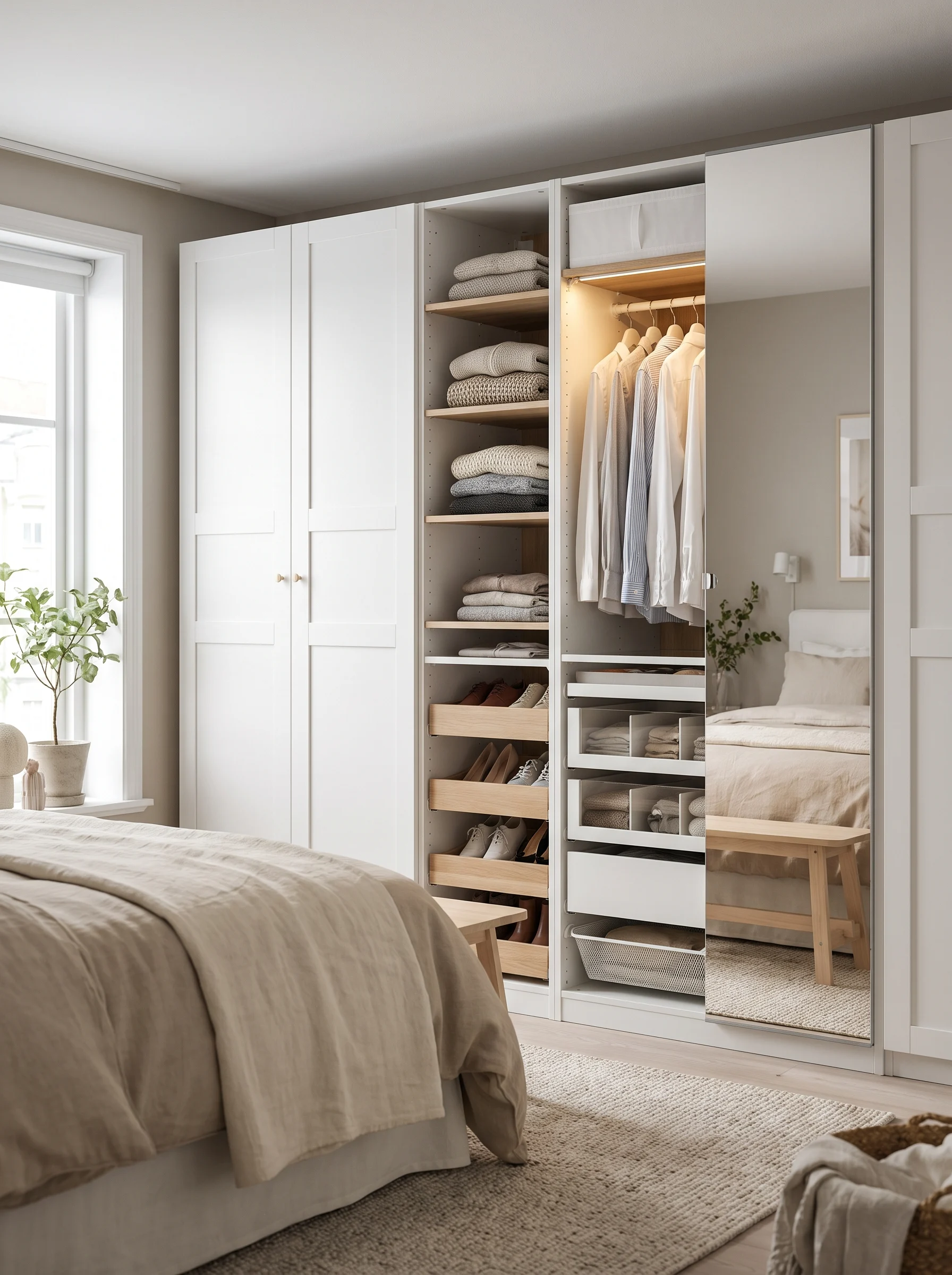
Mirrors and wall-mounted lighting help balance larger beds visually by keeping the room feeling open.
In everyday living, proper visual scale creates calmness. The room feels airy and restful instead of cluttered and oversized.
7. Storage Beds Can Replace Extra Furniture
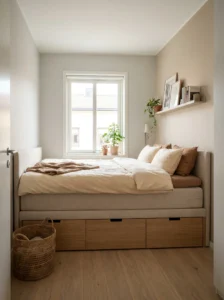
Sometimes the smartest bed size decision is connected to storage, not sleeping space. Storage beds can dramatically improve functionality in smaller homes.
This works because under-bed drawers reduce the need for extra dressers or storage cabinets. That frees up floor space and keeps rooms feeling cleaner.
Storage beds are especially useful in apartments, studio homes, children’s rooms, and guest rooms with limited closet space.
Choose hydraulic lift storage if you need deep seasonal storage. Drawer storage works better for frequently used items like linens or clothing.
One mistake people make is buying oversized storage beds without checking drawer clearance. Make sure drawers can open fully without hitting walls or furniture.
Light-colored storage beds feel less bulky visually than dark wood designs. Simple modern styles also prevent the room from looking heavy.
In real life, integrated storage reduces clutter dramatically. A cleaner room almost always feels bigger and more relaxing.
8. Leave Space for Other Important Furniture
A bedroom is not just a place for a bed. Many people realize too late that their oversized mattress leaves no room for practical furniture.
This works because balanced rooms require multiple functional zones. You may need space for nightstands, dressers, desks, reading chairs, or baby cribs.
In compact bedrooms, a Queen bed with smart storage often works better than squeezing in a King and losing everything else.
Think realistically about your routine. Do you work from your bedroom? Need makeup storage? Want reading space? Those habits should influence bed size decisions.
Avoid pushing all furniture against walls just to fit a larger bed. That usually creates awkward layouts and poor movement flow.
Floating shelves, wall-mounted lights, and narrow nightstands help maximize functionality in tighter spaces.
Daily comfort improves significantly when the room supports your lifestyle rather than revolving entirely around one oversized piece of furniture.
9. Choose Bed Frames That Match Your Space
The mattress size is only part of the equation. Bed frame design changes how large or small the bed feels visually.
This works because chunky frames consume visual space even when mattress dimensions stay the same. Minimalist frames create openness.
Slim metal frames work well in small bedrooms and modern interiors. Upholstered beds create softness in larger master suites. Wooden frames add warmth and timelessness.
Avoid thick footboards in narrow bedrooms because they interrupt walking space and visually shorten the room.
Beds with exposed legs help small spaces feel lighter because visible floor area creates openness. Floor-to-ceiling solid bases feel heavier.
A practical tip is choosing frames with rounded edges in compact rooms. Sharp corners become annoying quickly in tight layouts.
In everyday use, the right frame improves both appearance and comfort. The bedroom feels thoughtfully designed instead of overcrowded.
10. Think About Future Needs Before Buying
Beds are long-term purchases, so future lifestyle changes matter more than people expect.
This works because replacing a bed later can be expensive and inconvenient. Planning ahead prevents regret.
Young couples moving into starter homes may eventually need larger beds. Families with growing children may prioritize flexibility. Guest rooms may later become home offices.
Queen beds are often the safest long-term investment because they balance comfort, affordability, and room adaptability.
Avoid buying extremely trend-driven frames if you prefer timeless interiors. Neutral styles age better and adapt more easily to changing decor.
Practical flexibility matters too. Beds with removable headboards or modular storage options adapt better over time.
In real daily living, future-proof choices save money and reduce frustration when needs change later.
11. Use Rugs to Balance Bed Proportions
Rugs may seem unrelated to bed sizing, but they dramatically affect how balanced the room feels.
This works because rugs visually anchor the bed and create proportion within the room. A properly sized rug can make a smaller bed feel intentional and luxurious.
Large area rugs work best under Queen and King beds. Smaller rugs or runners suit Twin and Full beds.
Avoid tiny rugs that stop awkwardly near the bed edges. That makes the room feel disconnected.
Neutral textured rugs help larger beds blend naturally into compact rooms. Bold patterns work better in spacious bedrooms with simpler furniture.
A practical guideline is leaving visible rug borders around the bed for balanced proportions.
Daily comfort improves too. Stepping onto soft rugs instead of cold flooring makes the bedroom feel warmer and more inviting.
12. Natural Light Changes How Large Beds Feel
Lighting affects perceived space more than many people realize. The same bed can feel spacious in one room and overwhelming in another based entirely on light.
This works because natural light visually expands rooms and softens large furniture pieces.
Rooms with large windows can usually handle slightly bigger beds comfortably. Dark rooms often benefit from smaller beds and lighter finishes.
Position beds to maximize sunlight without blocking windows unnecessarily. Low-profile frames work especially well near windows because they don’t interrupt light flow.
Avoid dark bulky headboards in dim rooms. Light fabrics, oak wood tones, and reflective surfaces help keep the room feeling open.
Mirrors opposite windows also help larger beds feel less dominant visually.
In everyday life, brighter bedrooms feel calmer, cleaner, and less crowded even when furniture sizes stay the same.
13. Guest Rooms Need Different Priorities
Guest bedrooms often get overdesigned while missing practical comfort needs.
This works because occasional-use spaces require flexibility more than maximum luxury. A slightly smaller bed often creates a more welcoming room overall.
Queen beds usually offer the best balance for guest rooms. They comfortably fit couples while still leaving room for luggage, walking space, or multipurpose furniture.
Daybeds and Full beds work well in compact homes where guest rooms double as offices.
Avoid oversized frames or elaborate headboards in smaller guest spaces. Guests appreciate functionality more than visual drama.
Practical additions matter more: bedside charging outlets, good lighting, accessible storage, and comfortable movement space.
In real use, guests feel more comfortable in rooms that feel open and easy to navigate rather than crowded with oversized furniture.
14. Small Bedrooms Often Benefit From Smaller Beds
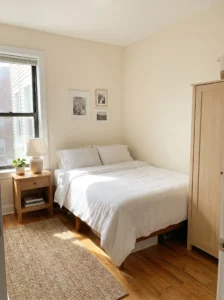
There’s a strong temptation to maximize mattress size in tiny bedrooms, but that decision often backfires.
This works because oversized beds dominate visual space and reduce functionality dramatically in compact rooms.
In small bedrooms, Full or Queen beds usually create the best balance between comfort and openness. Pairing them with vertical storage keeps the room functional.
Avoid thick side rails, oversized headboards, and bulky storage benches in tight spaces.
Light bedding colors, wall-mounted lighting, and minimal decor help smaller beds feel polished rather than undersized.
A practical designer trick is using beds with hidden storage and clean lines to reduce visual clutter.
Daily living becomes easier when you can actually move around comfortably, clean efficiently, and access furniture without frustration.
15. Comfort Should Always Beat Trends
Trendy bedroom designs change constantly, but comfort and practicality remain important every day.
This works because bedrooms are personal spaces, not showroom displays. A bed that looks impressive online may feel frustrating in real life.
Choose sizes based on sleep habits, room functionality, and realistic needs instead of trends alone.
Minimalist low beds may look beautiful but can feel uncomfortable for older adults. Oversized luxury frames may overwhelm average-sized homes.
Practical testing matters. Sit on the bed, walk around it, and imagine daily routines before buying.
Avoid prioritizing aesthetics so heavily that you sacrifice movement space, storage, or comfort.
In everyday life, the best bedroom is one that feels restful, practical, and easy to live in — not just visually impressive.
Comparison Table
| Bed Type | Best Use | Material | Style/Vibe | Difficulty Level |
|---|---|---|---|---|
| Twin Bed | Kids’ rooms, guest rooms | Wood or metal | Compact and practical | Easy |
| Full Bed | Solo adults, teens | Upholstered or wood | Balanced and cozy | Easy |
| Queen Bed | Couples, medium rooms | Upholstered fabric | Versatile and modern | Medium |
| King Bed | Large master bedrooms | Solid wood or upholstered | Luxurious and spacious | Medium |
| Storage Bed | Small apartments | Engineered wood | Functional and clean | Medium |
| Platform Bed | Modern compact spaces | Wood or metal | Minimal and airy | Easy |
Buying Guide: How to Choose the Right Bed Size
Choosing the right bed size is really about balance. A bed should feel comfortable to sleep on without taking over the entire room. One of the smartest things you can do before shopping is measure both the room and the furniture you plan to keep. Many people only measure mattress dimensions and forget about walkways, bedside tables, or closet clearance.
Start by considering room scale first. Smaller bedrooms usually work better with Full or Queen beds because they leave enough space for movement. In larger master suites, King beds can feel luxurious without making the room crowded. If your room is narrow, prioritize walking space over mattress width.
Material choice matters too. Upholstered beds create softness and comfort, but they can look bulky in compact spaces. Wooden frames are timeless and durable, while metal frames often feel visually lighter and work well in smaller rooms. Platform beds are especially useful for modern interiors because they create a cleaner and less crowded appearance.
Durability should always be part of the decision. Cheap frames often squeak, loosen, or wear out quickly. Investing slightly more in a sturdy frame usually saves money long term. If maintenance matters to you, avoid delicate fabrics or overly ornate frames that collect dust easily.
Budget is another major factor. Bigger beds don’t just cost more upfront — mattresses, bedding, and rugs also become more expensive. Sometimes a Queen bed provides nearly the same comfort as a King while saving significant money and space.
One common mistake is buying the largest bed possible simply because it feels luxurious. Another is ignoring daily functionality. If the room becomes difficult to walk through or organize, the oversized bed stops feeling comfortable very quickly.
The best choice is usually the one that fits your lifestyle naturally, not the one that simply looks impressive in a catalog.
Conclusion
Choosing the right bed size is less about following trends and more about creating a bedroom that actually works for your life. A well-sized bed improves comfort, movement, storage, and the overall feeling of the room. It helps the space feel balanced rather than overcrowded or incomplete.
The biggest lesson is that bigger is not always better. A King bed in a cramped room can feel stressful instead of luxurious, while a properly placed Queen or Full bed can make a smaller bedroom feel calm, functional, and inviting. Good design is usually about proportion and practicality, not maximum size.
Taking time to measure your room, think about your daily habits, and consider future needs can prevent expensive mistakes later. Details like walking space, frame design, lighting, and storage options matter far more than most people expect.
At the end of the day, your bedroom should support rest and comfort. The right bed size helps create a space that feels easy to live in every single day — and honestly, that matters a lot more than chasing oversized furniture trends.
FAQs
1. What size bed is best for a small bedroom?
A Full or Queen bed usually works best for small bedrooms. These sizes provide comfort without taking over the entire room. Leaving enough walking space is more important than squeezing in the biggest mattress possible.
2. Can a King bed fit in a standard bedroom?
Yes, but it depends on room dimensions. A King bed generally works best in larger master bedrooms where at least 24 inches of walking space can remain around the bed.
3. Is a Queen bed enough for couples?
For most couples, yes. Queen beds provide a comfortable balance between sleeping space and room functionality. They also fit better in average-sized homes than Kings.
4. How much space should be around a bed?
Ideally, leave 24–30 inches of space around the sides and foot of the bed. This makes movement easier and prevents the room from feeling cramped.
5. Are storage beds worth it?
Storage beds are extremely useful in small homes or apartments. They reduce clutter by replacing extra dressers or storage cabinets, making bedrooms feel cleaner and more organized.
6. Do bed frames make rooms look smaller?
Bulky frames can. Thick upholstered frames and oversized headboards often make small rooms feel crowded. Slim platform or metal frames usually create a lighter appearance.
7. Should guest rooms have Queen or Full beds?
Queen beds are usually the best option for guest rooms because they comfortably fit couples while still allowing decent walking space in most rooms.
8. What is the most common mistake when choosing a bed?
The most common mistake is buying a bed that’s too large for the room. People often forget to account for movement space, storage, and other furniture needs.