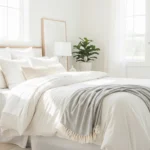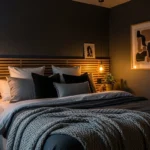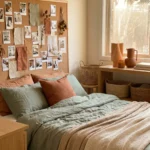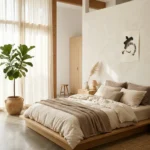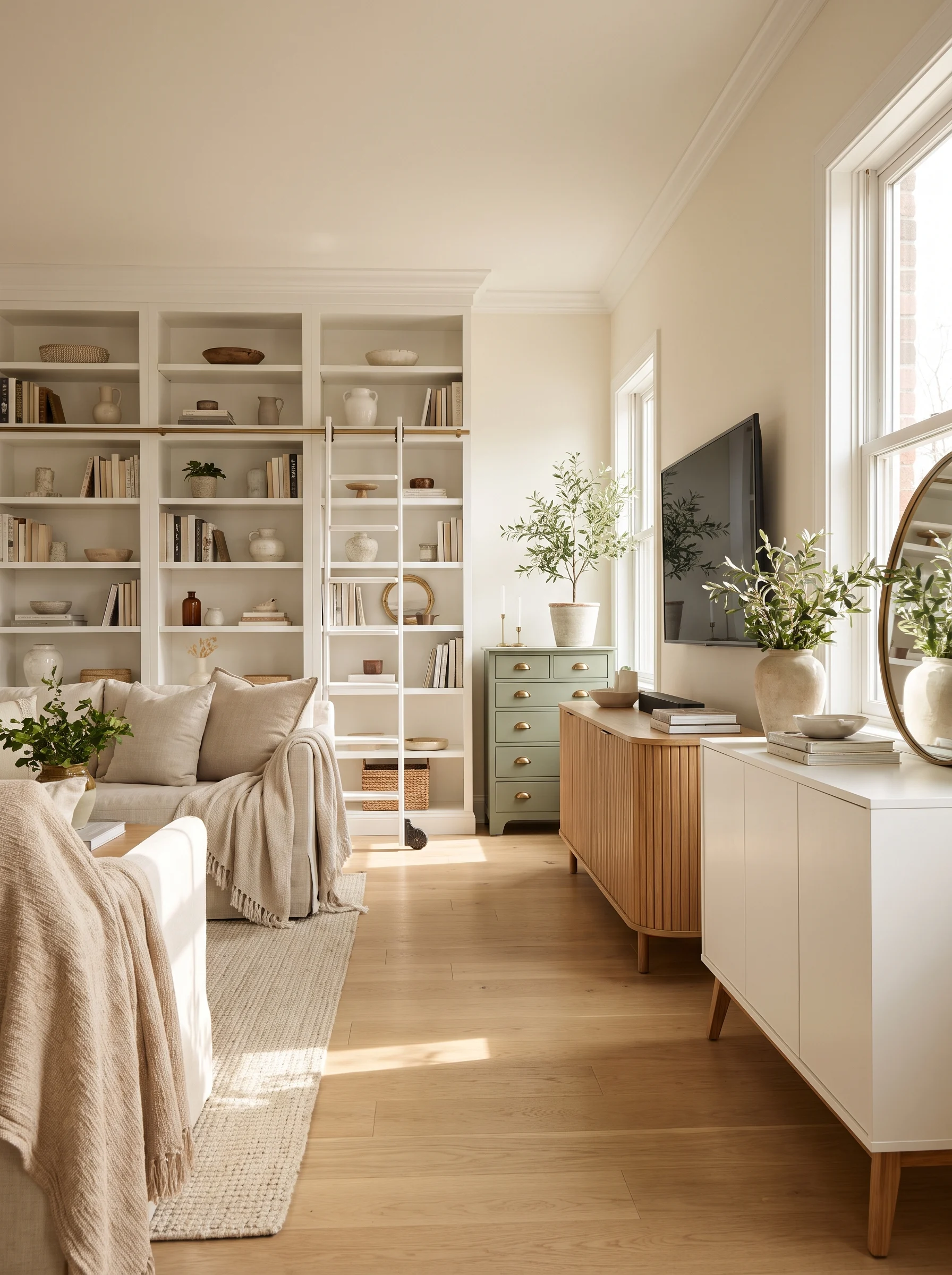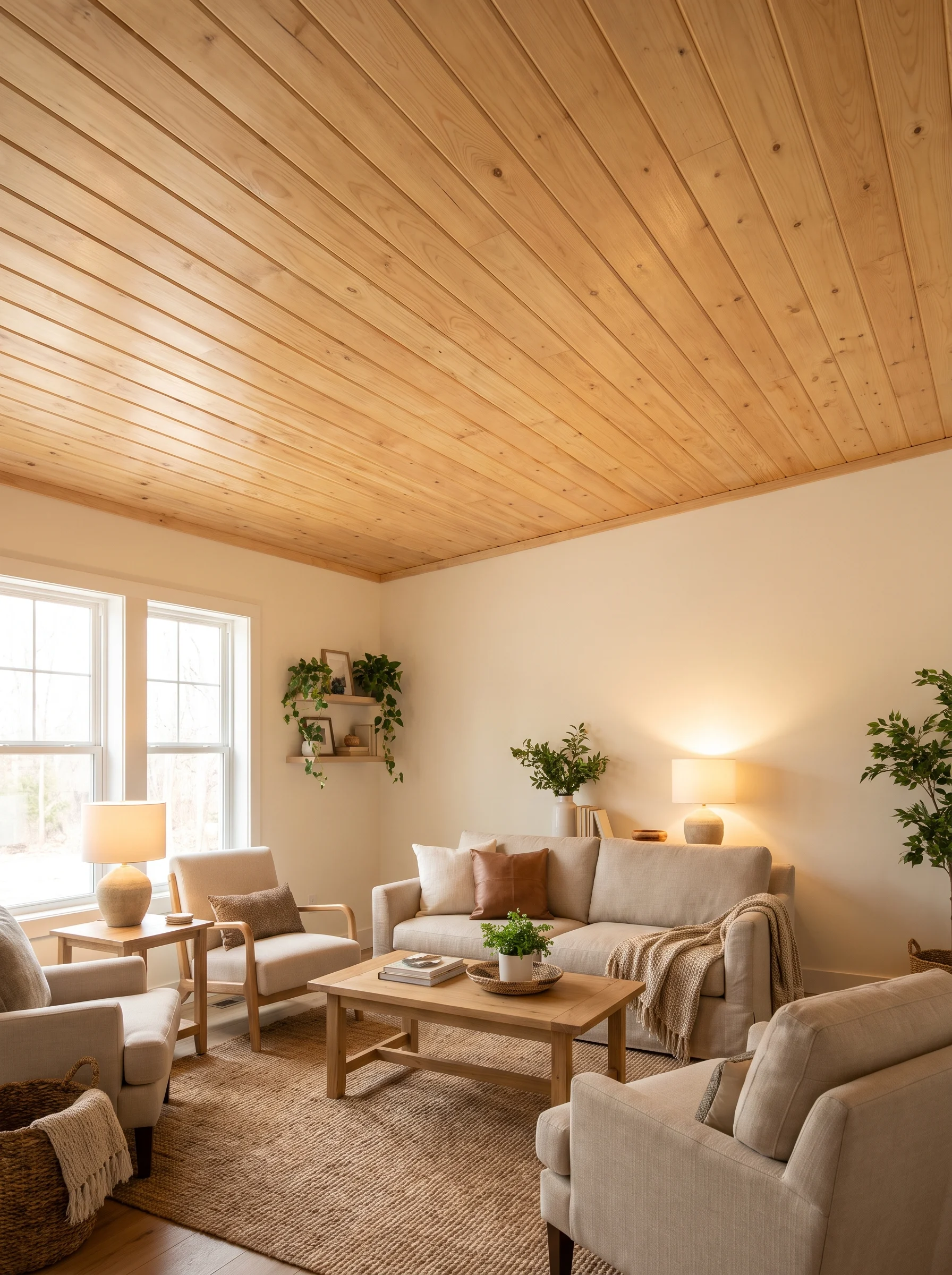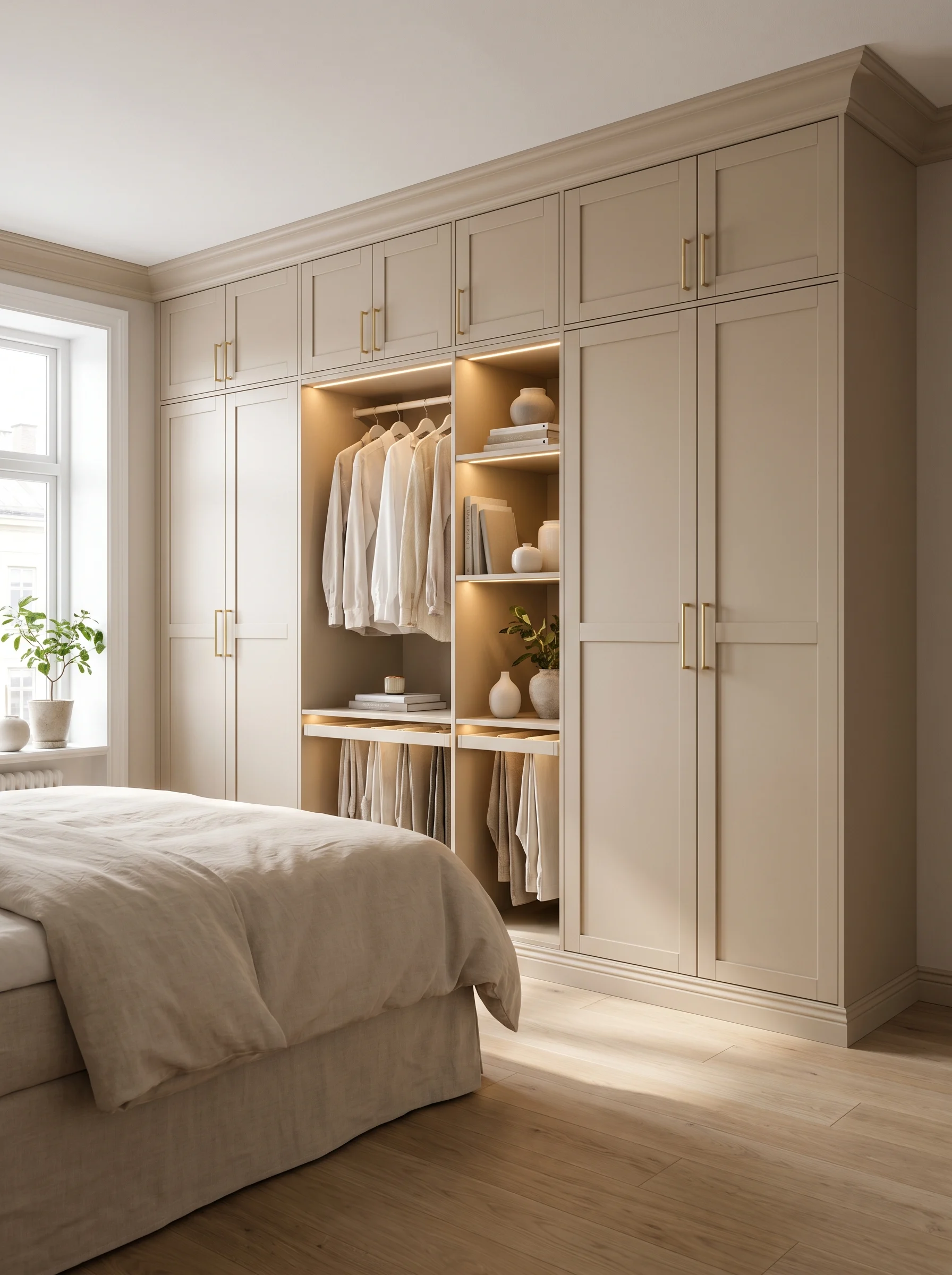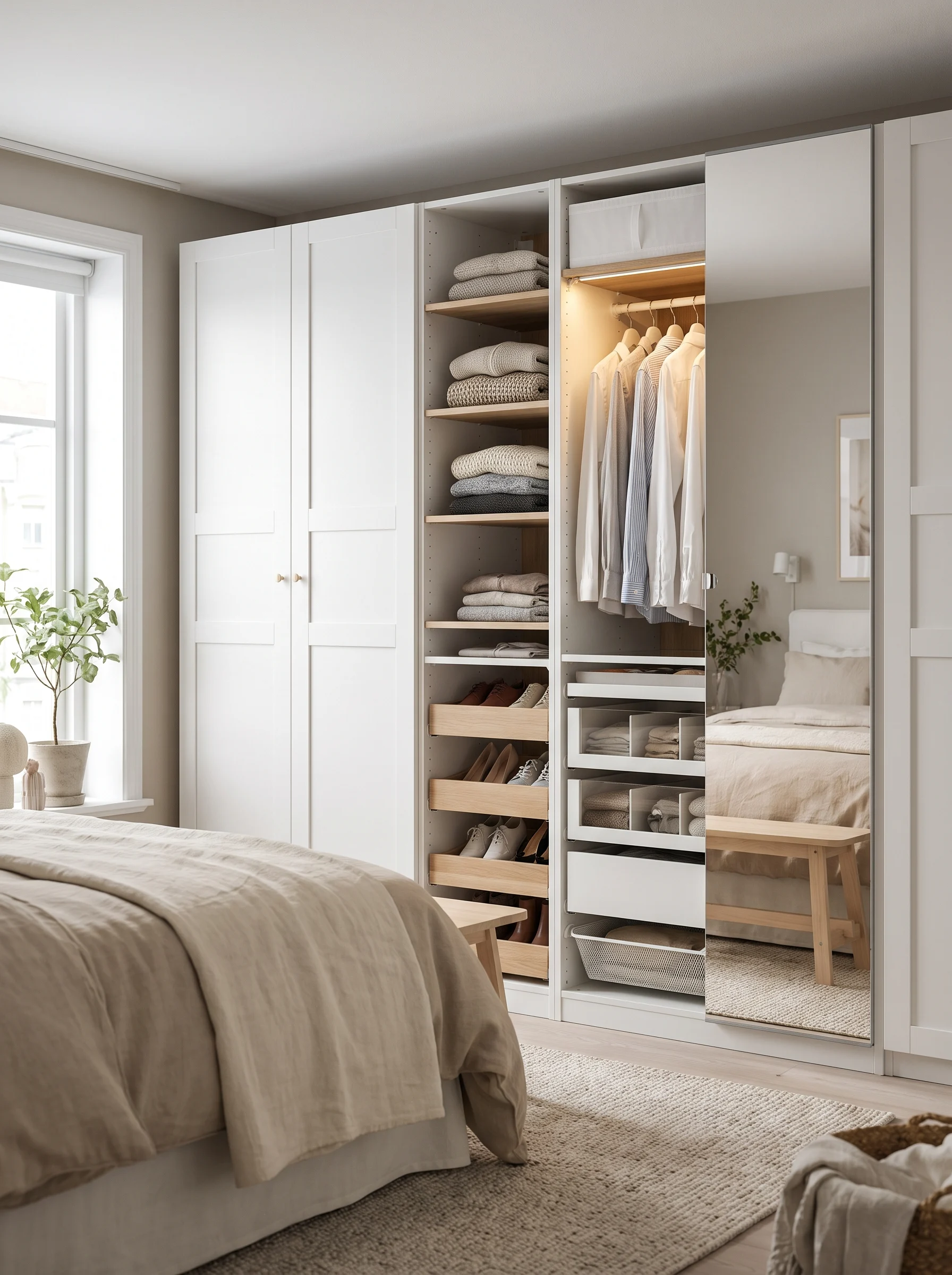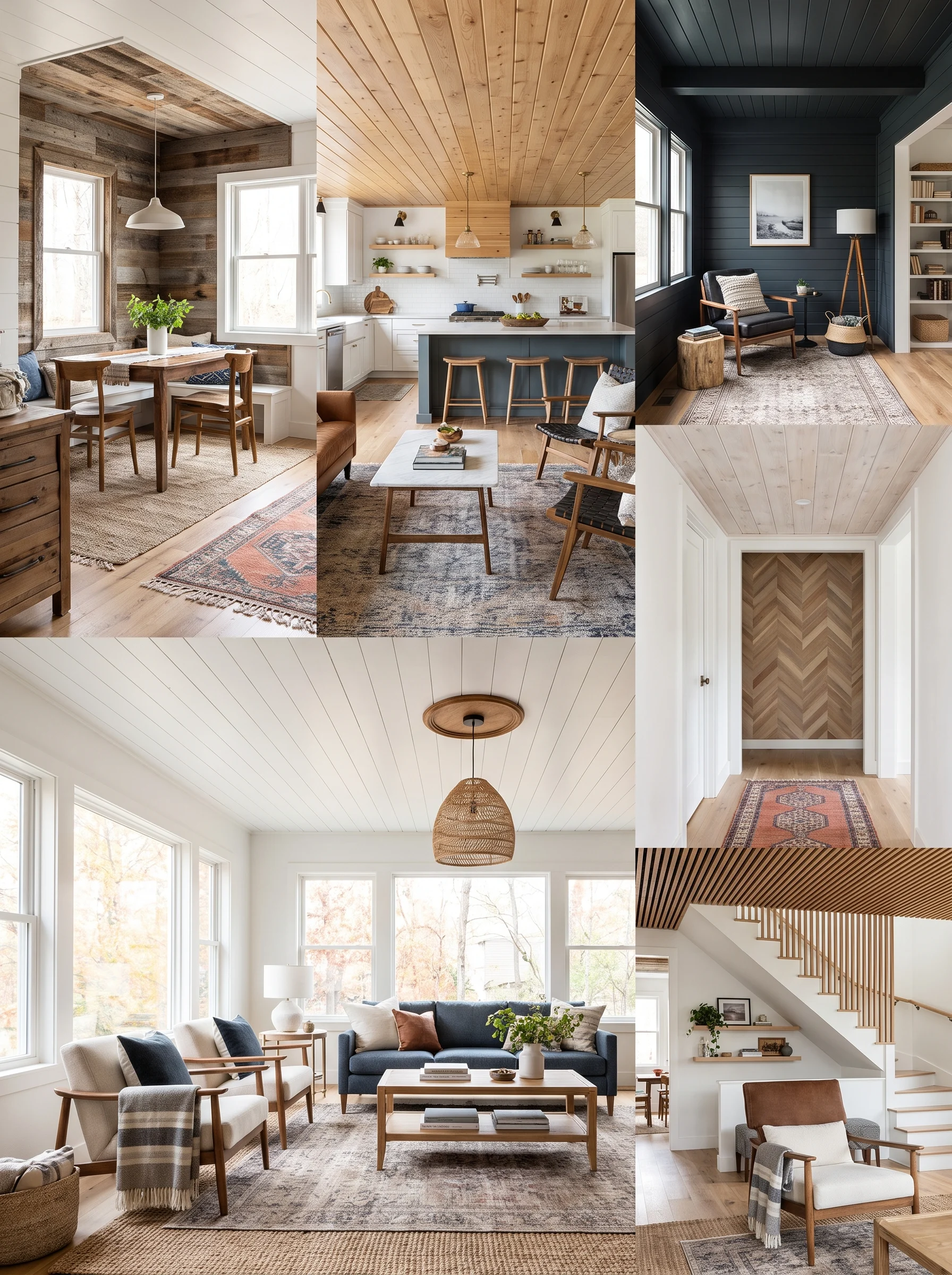
A small bedroom can feel cozy in the best way — or cramped in the worst way. Most people don’t actually have a tiny bedroom problem. They have a layout, lighting, and storage problem. That’s the frustrating part. You buy a few things to “decorate,” and suddenly the room feels tighter, darker, and harder to relax in.
The good news is that making a bedroom look bigger usually has less to do with knocking down walls and more to do with visual balance. Smart furniture placement, color choices, lighting tricks, and storage decisions can completely change how a room feels. Even a compact bedroom can look open, calm, and surprisingly spacious when the details work together instead of competing for attention.
A lot of people assume the solution is to remove everything and live in a plain white box. That’s not realistic. Bedrooms still need personality, comfort, and storage. The real goal is to create breathing room without making the space feel cold or unfinished.
In this guide, you’ll learn practical, proven ways to visually expand a small bedroom without wasting money on trends that don’t actually help. These are realistic ideas you can apply whether you live in a small apartment, a guest room, a studio, or an older home with limited square footage. From mirrors and lighting to furniture scale and hidden storage, these tips focus on making everyday living easier while helping your bedroom feel larger, brighter, and more comfortable.
1. Use Light Colors on Walls and Bedding
One of the fastest ways to make a small bedroom feel larger is to brighten the entire color palette. Dark colors absorb light, while lighter shades reflect it around the room. That reflection creates an airy effect that visually pushes walls outward instead of making them feel close and heavy.
Soft whites, warm beige, pale gray, muted sage, and light taupe work especially well in smaller bedrooms. The trick is keeping the color transitions smooth. If your walls, bedding, curtains, and rugs all belong to the same light-toned family, the eye moves more naturally through the room without stopping at harsh contrasts.
This works especially well in bedrooms with limited natural light or low ceilings. In apartments and compact homes, lighter tones can instantly reduce that boxed-in feeling many small rooms have.
Avoid making everything pure bright white unless you truly love that minimalist look. Rooms can start feeling sterile quickly. Instead, layer warm neutrals and subtle textures through linen bedding, woven rugs, or soft curtains.
A practical mistake many people make is combining light walls with bulky dark furniture. That creates visual imbalance. If replacing furniture isn’t possible, soften the contrast with lighter bedding, throw pillows, or area rugs nearby.
Daily life also feels calmer in a light-colored room. The space tends to look cleaner, less cluttered, and more restful even when the room isn’t perfectly organized.
2. Choose Furniture With Visible Legs
Heavy furniture that sits directly on the floor visually crowds a small bedroom. Furniture with visible legs creates open space underneath, which allows more of the floor to remain visible. That small detail surprisingly changes how spacious a room feels.
Beds, nightstands, dressers, and accent chairs with slim or raised legs work particularly well in compact bedrooms. Mid-century modern furniture is popular for this exact reason — it naturally creates a lighter visual footprint.
This idea works best in rooms where floor space is limited and furniture placement already feels tight. Even a few inches of visible floor beneath furniture helps the eye travel farther across the room.
Wood, metal, or upholstered-leg furniture can all work depending on your style. The important part is avoiding oversized, bulky pieces that look visually heavy. Storage beds can still work if they have a slimmer frame design instead of a chunky base.
One common mistake is mixing too many oversized furniture items together. A large bed, thick dresser, giant gaming chair, and bulky side tables can make even a decent-sized bedroom feel cramped.
In everyday use, raised furniture also makes cleaning easier. Vacuuming underneath becomes simpler, and the room generally feels less crowded. It’s one of those subtle design decisions that quietly improves both function and appearance.
3. Hang Curtains Higher Than the Window
Small bedrooms often suffer from low-looking ceilings, even when the actual height is average. Hanging curtains higher than the window frame creates the illusion of taller walls and a larger room overall.
Instead of mounting curtain rods directly above the window, place them several inches closer to the ceiling. This draws the eye upward and stretches the room visually. Longer curtains that lightly touch the floor also add elegance without taking up extra space.
This trick works especially well in narrow bedrooms or rooms with small windows. Even compact apartments benefit from the added vertical emphasis.
Lightweight fabrics like linen, cotton blends, or sheer curtains are ideal because they allow natural light to filter through. Heavy blackout curtains can sometimes feel too dense unless the room receives excessive sunlight.
Avoid curtains that are too short. Curtains ending halfway down the wall visually cut the room in half and make ceilings appear lower.
A surprising benefit is how much brighter the room feels during the day. More visible glass means more natural light enters the space, which immediately helps a small room feel open and breathable.
4. Add Mirrors Strategically
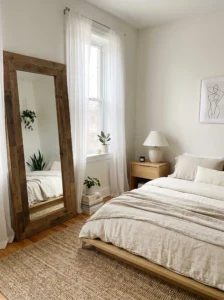
Mirrors are one of the oldest small-space tricks for a reason — they genuinely work. A well-placed mirror reflects both light and visual depth, helping a bedroom appear larger than it actually is.
The best placement is usually across from a window or near a light source. This maximizes brightness and creates a more open feel throughout the room.
Large floor mirrors, mirrored closet doors, or oversized wall mirrors work better than several tiny decorative mirrors. Too many small mirrors can create visual clutter instead of openness.
This approach is especially useful in darker bedrooms or rooms with only one window. Reflection adds dimension where natural depth is limited.
Frame choice matters too. Thin metal, wood, or frameless mirrors tend to look cleaner in compact spaces. Overly ornate frames can feel bulky.
One practical mistake is placing mirrors where they reflect clutter. A mirror doubles whatever is visible, so reflecting piles of clothes or messy storage defeats the purpose.
In daily life, mirrors also make getting dressed easier while adding brightness naturally. They improve both style and functionality without consuming valuable floor space.
5. Keep Furniture Proportional to the Room
Many people accidentally make small bedrooms feel smaller by forcing oversized furniture into them. Scale matters more than quantity. A room with fewer properly sized items usually feels larger than a crowded room full of bulky furniture.
Instead of king-sized beds or oversized dressers, consider slimmer furniture profiles designed for compact spaces. A queen bed with narrow nightstands often works better than trying to squeeze in larger matching sets.
This matters most in bedrooms under average size, studio apartments, or shared rooms where movement space is already limited.
Low-profile furniture is especially effective because it keeps sightlines more open. Tall, chunky furniture blocks visual flow and makes walls feel closer.
A common mistake is prioritizing furniture appearance over walkability. If you constantly bump into furniture edges or struggle to open drawers comfortably, the room is too crowded.
Smaller-scale furniture improves daily movement dramatically. The room feels easier to navigate, cleaner to maintain, and less mentally overwhelming.
6. Use Multi-Functional Furniture
In small bedrooms, every piece should ideally serve more than one purpose. Multi-functional furniture reduces clutter while preserving floor space.
Beds with storage drawers, floating desks, folding nightstands, or storage ottomans are excellent examples. Instead of adding extra furniture for storage, seating, or workspace, one item handles multiple needs.
This works especially well in apartments, dorm rooms, guest rooms, or bedrooms that double as workspaces.
Neutral-colored multi-use furniture usually blends into the room more naturally. Bulky storage systems can overwhelm a small space visually.
One mistake people make is buying too many “space-saving gadgets.” Not every clever storage product actually improves usability. Focus on furniture that genuinely simplifies daily life.
A storage bench at the foot of the bed, for example, can store blankets while also providing seating. That’s practical space efficiency.
Living in a small room becomes less frustrating when furniture works harder for you instead of simply taking up space.
7. Declutter Open Surfaces
Clutter instantly shrinks a room visually. Even a fairly decent-sized bedroom can feel cramped when every surface is crowded with random items.
Nightstands, dressers, desks, and shelves should have breathing room. Keeping surfaces mostly clear allows the room to feel calmer and more open.
This matters most in small bedrooms because visual noise becomes amplified in tighter spaces. A few scattered items can quickly make the room feel chaotic.
Use trays, baskets, or drawer organizers to keep essentials contained. Hidden storage almost always looks better than exposed piles.
A common mistake is relying entirely on open shelving. While shelves can look stylish online, too many visible objects create visual heaviness.
Daily life also becomes easier when clutter is controlled. Cleaning takes less time, finding things becomes simpler, and the room feels more relaxing overall.
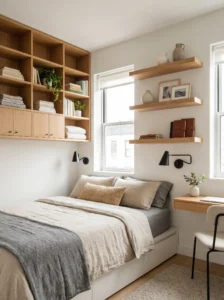
8. Use Vertical Storage Instead of Wide Storage
Floor space is limited in small bedrooms, but wall space is often underused. Vertical storage helps maximize storage capacity without crowding the room horizontally.
Tall bookshelves, wall-mounted cabinets, floating shelves, and hanging organizers keep items off the floor while preserving movement space.
This works particularly well in narrow bedrooms or rooms with awkward layouts where traditional furniture placement feels restrictive.
Slim vertical storage usually works better than wide dressers because it keeps the room visually taller rather than wider and heavier.
Avoid overloading shelves with too many decorative items. Keep styling simple and practical.
Vertical storage also improves organization significantly. Frequently used items remain accessible while keeping the floor area more open and breathable.
9. Choose Low-Profile Beds
A lower bed frame can make ceilings appear higher and the room feel larger overall. It’s a subtle but effective visual trick.
Platform beds, minimalist frames, or Japanese-inspired low beds work especially well in compact bedrooms. Because the bed sits lower, more wall space becomes visible above it.
This idea works best in modern, contemporary, or minimalist bedroom styles. Smaller rooms with low ceilings benefit the most.
Avoid extremely bulky headboards in tight spaces. Tall padded headboards can dominate the room visually.
Low-profile beds also create a calmer, more relaxed atmosphere. The room tends to feel less crowded and more balanced.
10. Let Natural Light Stay the Focus
Natural light is one of the strongest tools for making any room feel larger. Blocking windows with dark furniture or heavy decor immediately makes a small bedroom feel smaller.
Keep windows as open as possible during the day. Use sheer curtains or light-filtering shades to maintain brightness without sacrificing privacy.
This is especially important in apartments or older homes where window size may already be limited.
Avoid placing tall dressers directly beside windows if possible. That placement interrupts light flow and visually closes off the room.
Brighter bedrooms simply feel healthier and more comfortable to spend time in. The mood improvement alone makes a noticeable difference.
11. Use Wall-Mounted Lighting
Table lamps take up valuable surface space in small bedrooms. Wall-mounted sconces or hanging pendant lights free up nightstand space while creating a cleaner look.
This works especially well beside beds in compact rooms where every inch matters.
Simple metal or fabric sconces usually blend best without overwhelming the room visually.
One common mistake is using oversized light fixtures in tiny spaces. Keep lighting scaled appropriately.
Wall-mounted lighting also makes the room easier to organize. Nightstands stay less cluttered and feel more functional.
12. Stick to Simple Patterns
Busy patterns can visually shrink a room quickly. Large floral prints, heavy stripes, or overly bold bedding often overwhelm compact bedrooms.
Instead, use subtle textures or soft patterns that add interest without dominating the space.
This works particularly well in bedrooms already filled with furniture or storage needs.
If you love patterns, limit them to one or two accent pieces like pillows or a small rug.
Simpler styling creates a more restful atmosphere and allows the room itself to feel larger.
13. Use Rugs Correctly
A rug that’s too small can make a bedroom feel disconnected and awkward. Surprisingly, a properly sized rug often makes a room appear larger.
Ideally, rugs should extend beyond the sides of the bed rather than sitting awkwardly underneath only part of it.
Light-colored rugs with subtle texture usually work best in small bedrooms.
Avoid rugs with extremely busy prints unless the rest of the room is very minimal.
A good rug also improves comfort daily, especially in bedrooms with tile or hardwood floors.
14. Keep a Cohesive Color Palette
Too many competing colors make small bedrooms feel visually busy. A cohesive palette creates smoother visual flow and a more spacious atmosphere.
Stick to two or three main colors throughout the room. This doesn’t mean everything must match perfectly — just coordinate naturally.
Soft earth tones, warm neutrals, muted blues, or pale greens work especially well.
This approach is useful in almost every small bedroom style, from modern to rustic.
The room feels calmer, more intentional, and easier on the eyes when colors work together instead of fighting for attention.
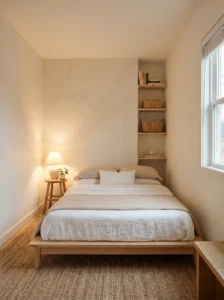
15. Minimize Unnecessary Decor
Decor should add personality, not crowd the room. Small bedrooms benefit from intentional styling instead of excessive accessories.
Choose a few meaningful pieces rather than filling every corner. One large artwork often works better than many tiny frames.
This is especially important in bedrooms with limited wall space.
Avoid decorating purely for trends. Functional decor usually ages better and keeps the room feeling cleaner.
A thoughtfully styled room feels more mature, organized, and spacious without losing warmth.
Comparison Table
| Type | Best Use | Material | Style/Vibe | Difficulty Level |
|---|---|---|---|---|
| Large Mirror | Reflecting light | Glass & metal | Modern / airy | Easy |
| Floating Shelves | Vertical storage | Wood / MDF | Minimal / practical | Medium |
| Low-Profile Bed | Creating openness | Wood / upholstered | Contemporary | Medium |
| Sheer Curtains | Maximizing natural light | Linen / cotton | Soft / relaxed | Easy |
| Storage Ottoman | Hidden storage | Fabric / wood | Cozy / functional | Easy |
| Wall Sconces | Saving surface space | Metal / glass | Modern / hotel-style | Medium |
Buying Guide: How to Choose the Right Furniture and Decor for a Small Bedroom
Shopping for a small bedroom requires a different mindset than decorating a larger room. The goal isn’t just finding attractive furniture — it’s finding pieces that improve movement, storage, and visual balance at the same time.
Start with sizing and scale. Before buying anything, measure your room carefully, including walking space around the bed. Many people focus only on whether furniture technically fits, but comfortable clearance matters just as much. Ideally, leave enough room to move naturally without squeezing between furniture pieces.
Low-profile and slim furniture usually works best because it reduces visual heaviness. Furniture with exposed legs also helps maintain openness. If your room already feels crowded, avoid oversized matching bedroom sets. Buying individual pieces often creates a more balanced layout.
Material choice matters too. Light woods, glass, mirrors, metal frames, and natural fabrics tend to keep rooms feeling brighter and less bulky. Heavy dark wood furniture can sometimes dominate compact spaces visually. Upholstered furniture adds warmth, but oversized padded pieces may overwhelm smaller rooms.
Durability is important, especially in frequently used bedrooms. Storage beds, drawers, and folding furniture should feel sturdy and smooth to operate daily. Cheap storage furniture often looks worn quickly because small bedrooms usually rely heavily on multi-functional items.
Budget-wise, prioritize the pieces that affect space the most. Good lighting, proper storage, and an appropriately sized bed usually matter more than trendy decor accessories. Sometimes removing one bulky item improves a room more than buying three new decorative pieces.
One of the biggest mistakes people make is overdecorating. Small rooms need breathing space. Another common issue is buying furniture without considering proportion. Even beautiful furniture can make a room feel uncomfortable if it’s too large for the layout.
Focus on practicality first, then style the room gradually. Small bedrooms work best when every piece earns its place.
Conclusion
Making a small bedroom look bigger is really about creating balance. Light, space, movement, and storage all work together to shape how a room feels. You don’t need expensive renovations or perfectly minimalist interiors to make a noticeable difference. In many cases, a few thoughtful changes can completely shift the atmosphere of the room.
Simple adjustments like using lighter colors, hanging curtains higher, choosing properly scaled furniture, and reducing visual clutter can make even compact bedrooms feel more open and comfortable. The goal isn’t to remove personality from the space — it’s to avoid overcrowding it.
What matters most is functionality. A bedroom should feel easy to live in. When furniture fits properly, lighting feels natural, and storage is handled smartly, the room becomes far more relaxing day to day.
Small bedrooms may always have size limitations, but they don’t have to feel cramped. Smart design choices help maximize what you already have while making the room feel brighter, calmer, and more practical. And honestly, a thoughtfully designed small bedroom often feels more inviting than a large room filled with unnecessary stuff.
FAQs
1. What colors make a small bedroom look bigger?
Light colors like white, beige, soft gray, pale blue, and muted green reflect more light and create an open feeling. Warm neutrals usually feel more comfortable than bright stark white. Keeping the palette cohesive also helps the room feel less visually crowded.
2. Do mirrors really make a bedroom look larger?
Yes, especially when placed opposite windows or light sources. Mirrors reflect both light and depth, which visually expands the room. Large mirrors work better than several small decorative ones.
3. Is dark furniture bad for small bedrooms?
Not always, but oversized dark furniture can make a room feel heavier. If you already own dark furniture, balance it with lighter bedding, rugs, curtains, and wall colors to soften the contrast.
4. What type of bed is best for a small bedroom?
Low-profile or storage beds are usually the best choice. They either create a more open visual effect or add hidden storage without requiring extra furniture.
5. Should rugs be large or small in compact bedrooms?
Medium-to-large rugs generally work better than tiny rugs. A rug extending beyond the bed helps unify the space and makes the room feel more intentional and spacious.
6. How can I add storage without making the room crowded?
Use vertical storage like floating shelves, wall-mounted cabinets, or under-bed storage. Multi-functional furniture also helps reduce clutter without adding extra bulk.
7. Are floating shelves better than bookcases for small rooms?
In many cases, yes. Floating shelves use wall space efficiently and keep the floor area more open. However, they should be styled minimally to avoid visual clutter.
8. What’s the biggest mistake people make in small bedrooms?
Overfilling the room with furniture and decor. Too many bulky pieces reduce movement space and make the room feel cramped very quickly.