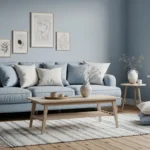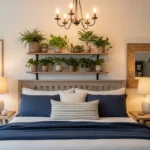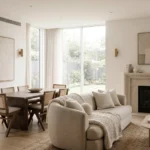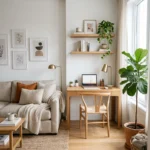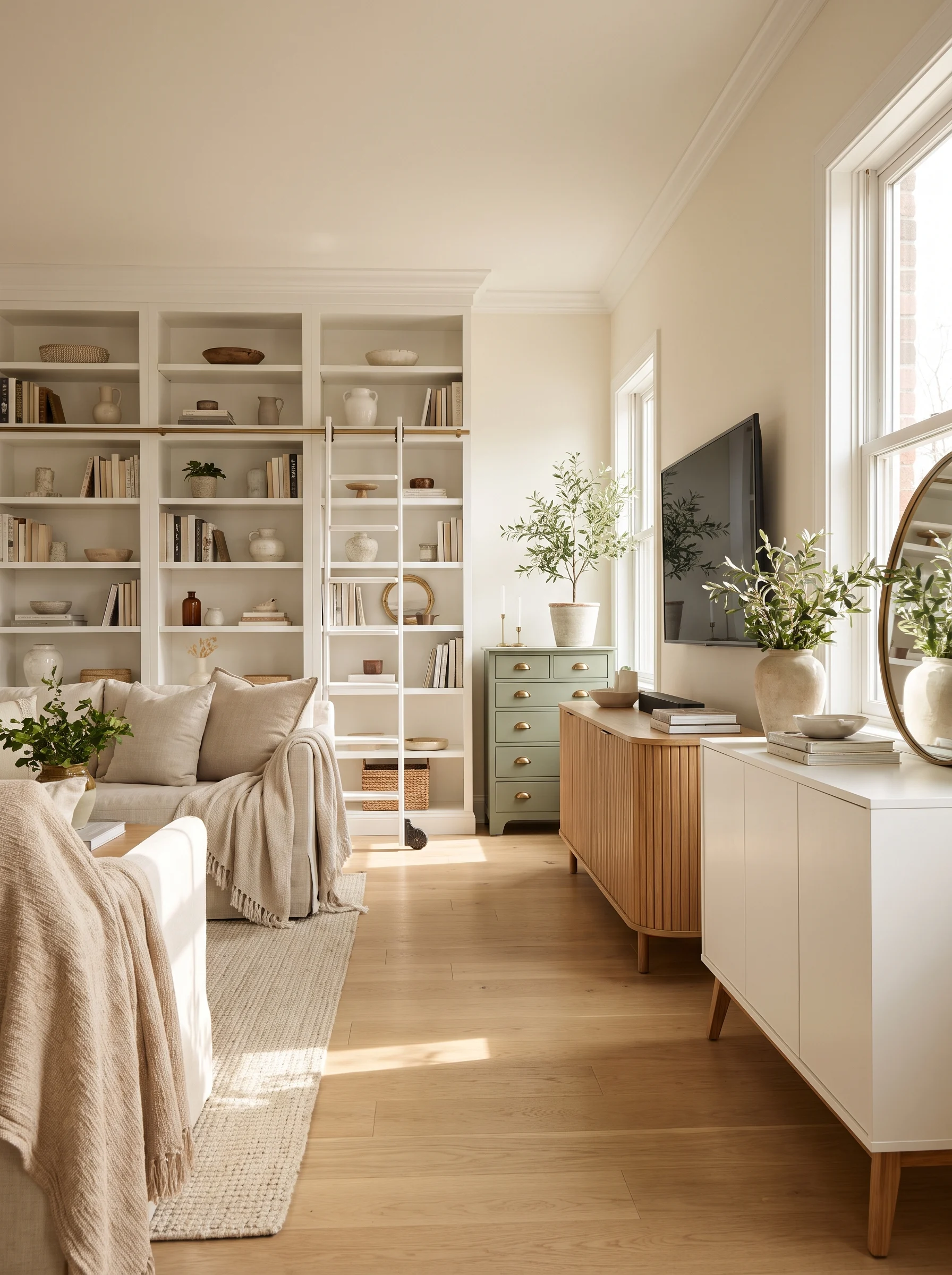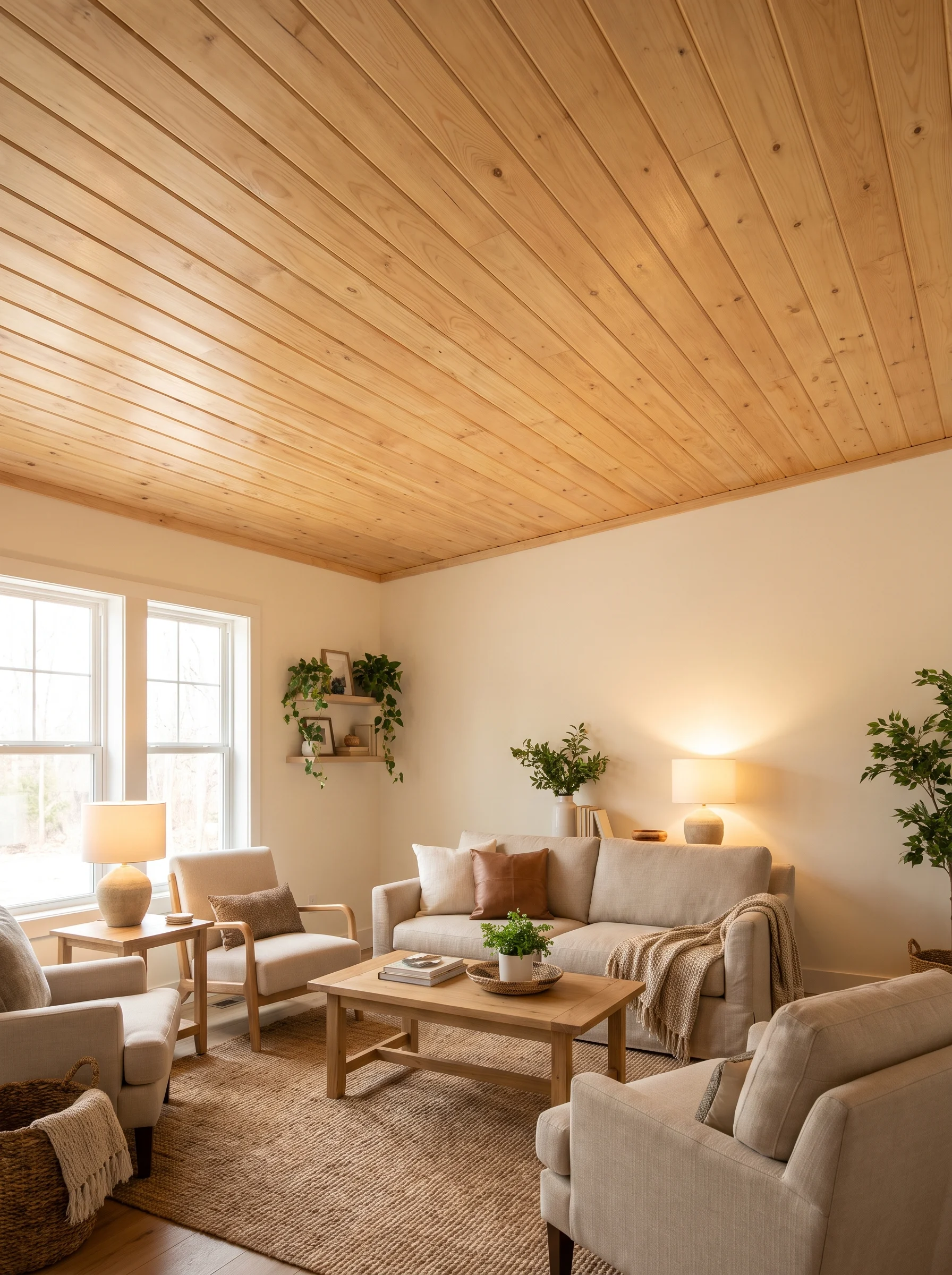
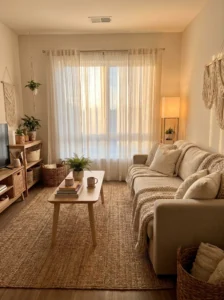
Decorating a living room on a tight budget can feel frustrating, especially when social media keeps showing “simple makeovers” that somehow still cost thousands of dollars. Most people are not replacing designer sofas every season or buying custom furniture from luxury brands. They just want a living room that feels comfortable, stylish, and pulled together without draining their savings.
The truth is, a beautiful living room is rarely about spending the most money. It’s usually about making smart choices with layout, lighting, color, texture, and a few carefully selected pieces. A room can look expensive even when most of the items are affordable, secondhand, or DIY-friendly. On the other hand, a room full of expensive furniture can still feel cold and cluttered if nothing works together.
A $500 budget is actually enough to create noticeable change if you focus on upgrades that make the biggest visual impact. Instead of trying to buy everything at once, the smarter approach is layering improvements that improve both appearance and daily comfort.
In this guide, you’ll learn practical and realistic ways to decorate your living room without overspending. From rearranging furniture and choosing affordable lighting to using rugs, curtains, wall art, and thrifted finds strategically, these ideas are designed for real homes and real budgets. You’ll also find a comparison table, a buying guide, practical FAQs, and image prompts you can use for blog visuals or Pinterest graphics.
1. Start With a Furniture Rearrangement Before Buying Anything
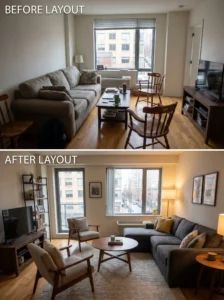
Most people immediately think they need new furniture when a living room feels boring, but poor layout is often the real problem. Rearranging what you already own can completely change how the room looks and functions without costing a single dollar.
This works because furniture placement affects flow, balance, and comfort more than expensive décor does. A sofa pushed against the wrong wall can make a room feel cramped, while creating a conversation area instantly makes it feel intentional and welcoming.
This idea works especially well in small apartments, narrow living rooms, or spaces with awkward layouts. Try pulling furniture slightly away from the walls instead of lining everything around the perimeter. Even six inches can make a room feel more designed.
Focus on creating clear walking paths and balanced spacing. Avoid blocking windows or placing oversized pieces where they visually dominate the room. If your coffee table feels bulky, swapping it with a smaller one can open the room dramatically.
In real life, a better layout improves daily living more than people expect. Watching TV becomes more comfortable, conversations feel more natural, and the room suddenly feels calmer without spending money.
2. Use Paint Strategically Instead of Replacing Furniture
Paint is probably the highest-impact upgrade you can make on a small budget. A gallon of paint costs far less than new furniture, yet it can completely shift the mood of a room.
Neutral colors like warm white, soft beige, greige, or muted olive help older furniture blend together more naturally. Dark walls can look dramatic, but lighter shades usually make budget spaces feel larger and brighter.
This works best in living rooms with mismatched furniture, outdated wall colors, or limited natural light. Even painting one accent wall can modernize the entire space.
Stick to low-sheen finishes for walls because glossy paint highlights imperfections. If your budget is tight, prioritize the wall people notice first when entering the room. Painting old side tables or TV stands is another affordable trick that gives furniture a second life.
One common mistake is choosing trendy colors that overwhelm the room. Very bold shades often look better online than in everyday living spaces. Soft earthy tones tend to age better and work with more décor styles.
A freshly painted living room simply feels cleaner and more intentional. Even older furniture looks better when surrounded by cohesive colors.
3. Invest in Affordable Curtains That Look Custom
Cheap blinds instantly make a living room feel unfinished. Curtains, on the other hand, add softness, height, and warmth even when the rest of the room is simple.
This idea works because fabric naturally makes spaces feel layered and cozy. Floor-length curtains also create the illusion of taller ceilings, which helps small rooms feel more open.
Use this in apartments, rental homes, or living rooms with basic windows that lack personality. Light-filtering curtains in cream, linen-look beige, or soft gray are usually the safest choice because they work with almost every style.
Hang curtain rods higher and wider than the actual window frame. This small trick makes windows appear larger and more expensive. Avoid curtains that are too short because they make the room feel awkwardly scaled.
Affordable curtain panels from budget stores can still look polished if they are steamed properly and hung correctly. Wrinkled fabric immediately cheapens the look.
In daily life, curtains also improve comfort by softening harsh sunlight and reducing echo in rooms with lots of hard surfaces.
4. Add a Large Area Rug Instead of Multiple Small Rugs
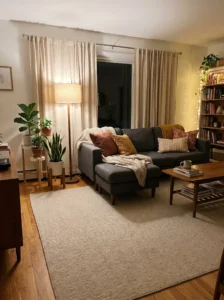
Small rugs are one of the most common decorating mistakes in budget living rooms. They make spaces feel disconnected and visually cluttered.
A larger rug anchors the room and helps furniture feel unified. Even affordable rugs instantly create warmth and make the room feel more finished.
This works especially well in apartments with plain flooring or living rooms where furniture feels scattered. Ideally, the front legs of your sofa and chairs should sit on the rug.
Choose simple patterns or neutral tones if your furniture already has texture or bold colors. Busy rugs can overwhelm small rooms quickly. Flatweave rugs are often more affordable and easier to clean than thick shag styles.
Avoid rugs that are too tiny for the seating area. A slightly larger rug almost always looks more expensive than a smaller decorative one.
In real-world use, rugs also make living rooms quieter and more comfortable, especially in homes with tile or hardwood floors.
5. Use Throw Pillows to Add Color Without Commitment
Throw pillows are one of the cheapest ways to refresh a living room seasonally or stylistically. They add color, texture, and personality without requiring major purchases.
This works because small accents naturally draw attention away from older furniture. A basic neutral sofa suddenly looks styled when paired with layered pillows in complementary tones.
This idea is ideal for renters, first apartments, or anyone decorating slowly over time. Stick to two or three coordinated colors instead of mixing too many shades.
Texture matters more than expensive fabric. Linen-look covers, boucle textures, woven cotton, or subtle patterns often look better than shiny materials.
Avoid overcrowding the sofa with too many pillows. People still need space to sit comfortably. Three to five pillows are usually enough for most sofas.
The best part is flexibility. You can switch pillow covers seasonally without replacing the inserts, making this one of the smartest budget-friendly décor tricks.
6. Bring in Plants for Instant Warmth
A room without greenery often feels flat, even if the furniture is nice. Plants add life, softness, and natural texture that make spaces feel healthier and more welcoming.
This works because greenery breaks up hard lines created by furniture, walls, and electronics. Even inexpensive plants create a more balanced atmosphere.
This idea fits almost every living room style, from modern minimalism to cozy farmhouse spaces. Snake plants, pothos, and ZZ plants are great low-maintenance options for beginners.
Use plants in corners, on shelves, or beside sofas where empty spaces feel awkward. Mixing plant heights creates a more natural look.
Avoid using too many tiny plants scattered everywhere because it can feel cluttered. One medium-sized plant often has more visual impact than five small ones.
In daily life, plants genuinely improve the mood of a room. They make spaces feel calmer and more lived-in instead of overly staged.
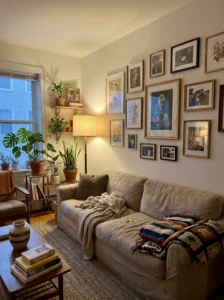
7. Create a Gallery Wall With Affordable Art Prints
Blank walls make a living room feel unfinished, but filling them doesn’t have to be expensive. Printable art, thrifted frames, and DIY gallery walls can create major visual impact on a small budget.
This works because wall décor helps define the personality of the space. Without it, rooms often feel temporary or incomplete.
Gallery walls work especially well above sofas, consoles, or empty side walls. Use consistent frame colors for a cleaner look, even if the artwork styles vary.
Avoid hanging art too high. The center of the arrangement should generally sit near eye level. Spacing between frames should also stay consistent.
Mixing photography, abstract prints, typography, and personal photos creates a more layered and realistic feel than perfectly matching store-bought sets.
A well-arranged gallery wall often becomes the focal point of the entire living room, making the space feel far more custom than its actual cost.
8. Upgrade Lighting Instead of Relying on Ceiling Lights
Many living rooms feel cold simply because the lighting is harsh. One overhead ceiling light rarely creates a cozy atmosphere.
Layered lighting works because it adds warmth and dimension. Floor lamps, table lamps, and warm-toned bulbs make spaces feel softer and more relaxing.
This idea is especially important in apartments or builder-grade homes where lighting tends to feel sterile. Warm white bulbs usually create the best atmosphere for living rooms.
Use a floor lamp beside the sofa, a small table lamp on a side table, or even battery-powered sconces for extra character.
Avoid bright blue-toned bulbs because they make living rooms feel more like offices. Soft lighting instantly makes inexpensive furniture appear more inviting.
In real life, better lighting changes how people use the room. Movie nights feel cozier, conversations feel calmer, and the overall mood improves dramatically.
9. Mix Thrifted Pieces With Budget Store Finds
A living room filled entirely with flat-pack furniture can sometimes feel too uniform. Mixing thrifted items adds personality and makes the room feel collected over time.
This works because contrast creates visual interest. Vintage wood, textured ceramics, or secondhand side tables often bring warmth that new budget furniture lacks.
This idea works in nearly every living room style. Even modern spaces benefit from one or two older pieces that add depth.
Look for solid wood tables, vintage lamps, baskets, or decorative trays at thrift stores or flea markets. Small imperfections usually add charm rather than ruin the look.
Avoid overcrowding the room with random thrift finds. Select pieces intentionally so the room still feels cohesive.
One unique thrifted item often makes the room feel far more personal than buying everything from one store.
10. Style Open Shelves With Intention
Open shelves can easily become clutter zones if everything gets dumped there randomly. Thoughtful shelf styling makes a living room feel organized and visually balanced.
This works because shelves naturally attract attention. When styled properly, they help the room feel polished rather than chaotic.
Use books, small plants, framed photos, candles, and baskets to create variation in height and texture. Group items in odd numbers for a more natural look.
This idea works especially well in small apartments where storage also needs to be decorative. Baskets are useful for hiding remotes, chargers, or miscellaneous items.
Avoid filling every inch of shelf space. Empty space actually helps styled objects stand out more.
In daily use, organized shelves make the room easier to maintain because every item has a clear place.
11. Swap Out Old Coffee Tables for Something Simpler
Large bulky coffee tables often make budget living rooms feel crowded. A simpler design can instantly modernize the room without requiring a full makeover.
This works because lighter-looking furniture visually opens the space. Round coffee tables are especially useful in small rooms because they improve movement.
This idea works well in apartments, compact living rooms, or homes with oversized sectionals. Wood finishes, black metal frames, or glass tops are all affordable options that work with many styles.
Avoid tables that are too tiny or too tall compared to the sofa. The proportions should feel balanced.
If buying new furniture is too expensive, consider refinishing an old table with paint or wood stain instead.
A better coffee table improves everyday function too. The room feels easier to move through and less visually heavy.
12. Use Mirrors to Make the Room Feel Bigger
Mirrors are one of the oldest decorating tricks because they genuinely work. They reflect light, expand visual space, and brighten dark corners.
This works especially well in small living rooms or homes with limited natural light. A large mirror opposite a window can dramatically increase brightness.
Choose mirrors with simple frames if your room already has a lot of texture. Decorative frames work best in simpler spaces.
Avoid placing mirrors where they reflect clutter or awkward angles. Reflection matters just as much as placement.
Leaning oversized mirrors against walls is another affordable way to create a relaxed modern look without complicated installation.
A well-placed mirror often makes a room feel more open during everyday living, not just in photos.
13. Add Texture Through Blankets and Fabrics
Many budget living rooms feel unfinished because everything is visually flat. Texture creates depth without requiring expensive furniture.
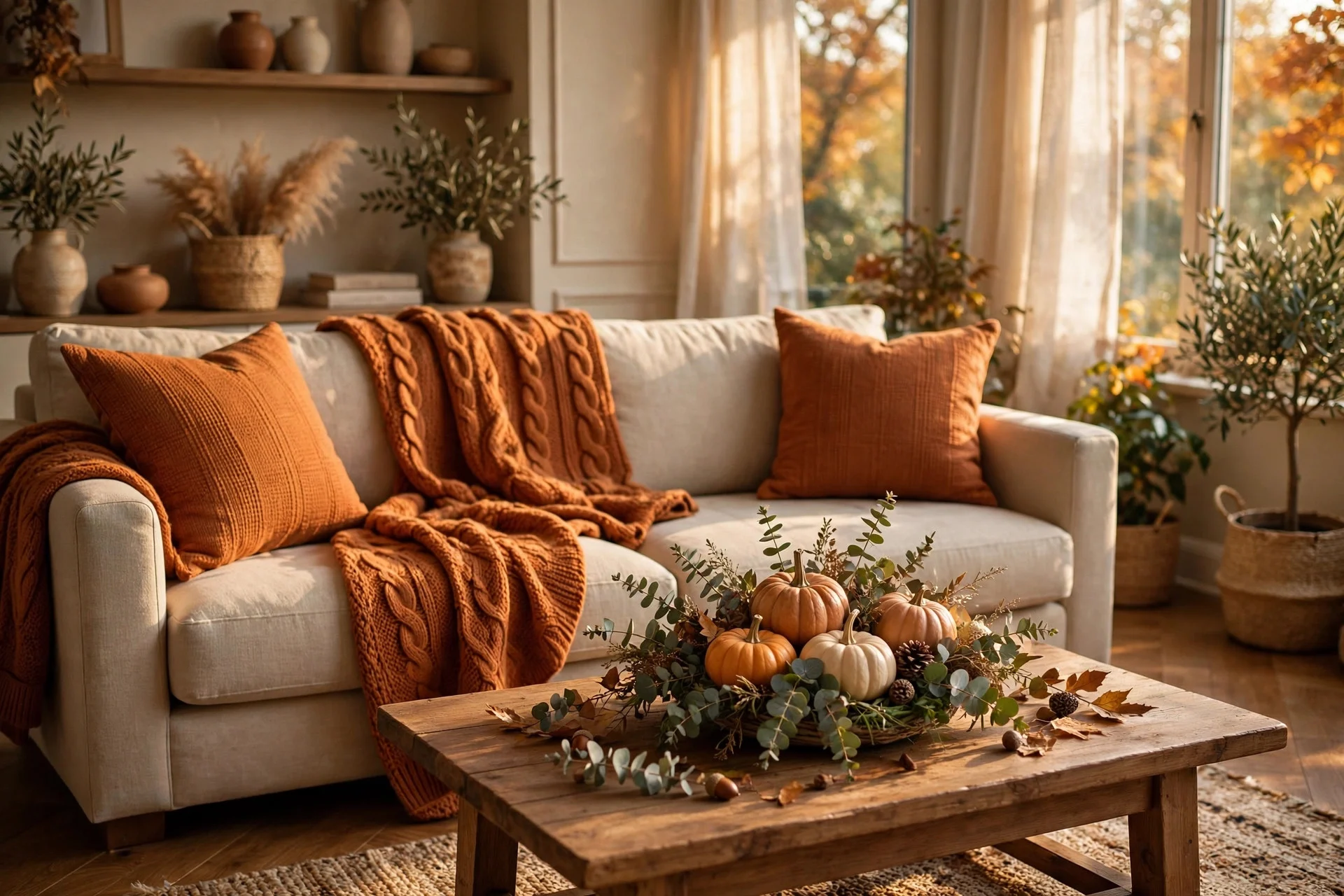
This works because layered fabrics make rooms feel warmer and more inviting. Chunky knit throws, woven blankets, and textured fabrics add comfort immediately.
Use this idea on sofas, accent chairs, or storage benches. Neutral textures often look more expensive than very bright synthetic fabrics.
Avoid piling too many blankets everywhere. One or two thoughtfully placed throws usually feel cleaner and more intentional.
Texture is especially important in rooms with neutral color palettes because it prevents the space from looking boring.
In daily life, soft fabrics simply make living rooms feel more relaxing and usable.
14. Create a Cohesive Color Palette
A living room often feels messy not because of clutter, but because too many unrelated colors compete for attention.
A cohesive palette works because it visually connects furniture, décor, and accessories into one intentional design story.
This idea works in every type of living room, regardless of size or budget. Start with one base neutral color, then add one or two accent shades.
Earth tones, warm grays, olive green, navy blue, and soft terracotta tend to work well together without feeling overwhelming.
Avoid buying random décor pieces just because they are cheap. Budget decorating still needs consistency.
When colors feel coordinated, even inexpensive furniture appears more polished and thoughtfully styled.
15. Focus on Comfort Instead of Perfection
One of the biggest decorating mistakes is trying to make a living room look like a showroom instead of a real home.
A comfortable room works better because people actually enjoy spending time there. Soft lighting, functional seating, and practical layouts matter more than trendy perfection.
This idea applies everywhere, especially family homes and apartments where the living room gets daily use.
Choose washable fabrics, durable rugs, and furniture arrangements that support conversation and relaxation. Avoid overdecorating every surface.
A room that feels slightly lived-in often feels warmer and more welcoming than one that looks overly staged.
At the end of the day, the best living room is one people actually want to sit in.
Comparison Table
| Type | Best Use | Material | Style/Vibe | Difficulty Level |
|---|---|---|---|---|
| Area Rug | Anchoring seating area | Flatweave, cotton, polypropylene | Cozy and balanced | Easy |
| Curtains | Making ceilings look taller | Linen-look fabric, cotton blend | Soft and airy | Easy |
| Gallery Wall | Filling blank walls | Frames, printed art | Personal and stylish | Medium |
| Floor Lamp | Improving lighting warmth | Metal, wood, fabric shade | Cozy modern | Easy |
| Coffee Table | Opening visual space | Wood, glass, metal | Clean and functional | Medium |
| Throw Pillows | Adding color and texture | Cotton, boucle, linen | Relaxed and layered | Easy |
Buying Guide: How to Decorate Smartly on a Budget
Decorating on a $500 budget requires more planning than impulse buying. The biggest mistake people make is spending most of the budget on one trendy item while ignoring the overall balance of the room. A smarter approach is dividing the budget across high-impact areas like lighting, rugs, curtains, and wall décor.
Start by thinking about scale. Oversized furniture in a small room makes everything feel cramped, while tiny furniture can make the room feel awkwardly empty. Measure the room before buying anything, especially rugs and coffee tables. A properly sized rug can make a budget room feel expensive, while an undersized one instantly cheapens the space.
Material choice matters too. You do not need luxury materials, but you should avoid items that look obviously fragile or overly shiny. Linen-look fabrics, matte finishes, wood textures, woven baskets, and cotton blends generally create a more timeless appearance than glossy plastic surfaces.
Durability should always matter more than trends. If you have kids or pets, washable pillow covers, stain-resistant rugs, and durable upholstery fabrics will save money long-term. Cheap décor that falls apart quickly usually costs more eventually because it needs replacing.
Another smart budget strategy is mixing price points. Not every item needs to be new. Pairing thrifted pieces with affordable modern décor often creates a more layered and realistic look than buying everything from one store.
Avoid overcrowding the room with small decorative items. Many people assume more décor equals better style, but clutter usually makes spaces feel cheaper. Empty space is important too.
Finally, prioritize comfort. A stylish living room that feels uncomfortable rarely works in real life. Good lighting, practical furniture placement, and soft textures will always matter more than chasing every decorating trend online.
Conclusion
Decorating a living room on a $500 budget is less about cutting corners and more about making thoughtful choices. A well-designed room usually comes from good layout decisions, balanced colors, comfortable lighting, layered textures, and a few carefully selected pieces rather than expensive furniture sets.
The biggest transformation often happens when you stop trying to replace everything at once. Rearranging furniture, adding curtains, using larger rugs, improving lighting, and bringing in texture can completely change how a room feels without requiring a huge budget.
Small details also matter more than people realize. Steamed curtains, warm light bulbs, organized shelves, and cohesive colors create a polished look that makes even affordable décor feel intentional. Mixing thrifted finds with simple modern pieces can also make a living room feel personal rather than overly staged.
Most importantly, your living room should support daily life. It should feel comfortable after a long day, functional for guests, and easy to maintain realistically. A space that feels warm, practical, and welcoming will always age better than one built entirely around trends.
A limited budget does not automatically limit style. With smart planning and realistic priorities, a $500 makeover can genuinely make a living room feel fresh, modern, and far more enjoyable to spend time in.
FAQs
1. Can you really decorate a living room with only $500?
Yes, but the key is prioritizing high-impact changes instead of buying everything new. Paint, lighting, curtains, rugs, and accessories usually create the biggest difference for the least money.
2. What should I buy first when decorating on a budget?
Start with items that affect the entire room visually, such as paint, rugs, or curtains. Small decorative accessories should come later once the foundation feels balanced.
3. Are thrift stores good for living room décor?
Absolutely. Thrift stores are great for side tables, lamps, baskets, frames, and decorative accessories. Mixing secondhand pieces with affordable new items often creates a more stylish look.
4. What colors make a living room look more expensive?
Warm neutrals, soft white, greige, olive green, and muted earth tones usually look more timeless and expensive than extremely bright trendy colors.
5. How do I make a small living room feel bigger?
Use lighter colors, layered lighting, mirrors, and properly scaled furniture. Avoid oversized furniture and tiny rugs because they make rooms feel cramped.
6. What is the biggest budget decorating mistake?
Buying too many small décor items without a clear plan. Cluttered rooms often feel cheaper than simple, organized spaces with fewer but better-coordinated pieces.
7. Should all furniture match exactly?
No. Matching everything too perfectly can actually make a room feel flat. Mixing textures, wood tones, and styles slightly creates more personality and warmth.
8. How can I decorate a rental living room cheaply?
Focus on removable upgrades like curtains, rugs, lighting, pillows, plants, and wall art. These changes make a huge visual difference without permanent renovations.