A dark living room can make even a beautifully decorated home feel smaller, heavier, and a little draining to spend time in. Some rooms simply don’t get enough natural light. Maybe the windows are small, the walls are painted in deeper colors, or the furniture absorbs every bit of brightness in the space. And the frustrating part? Renovation isn’t always realistic. Most people are not knocking down walls or adding giant windows anytime soon.
The good news is that a living room does not need major construction to feel brighter. In fact, some of the biggest improvements come from smaller design decisions that completely change how light moves through a room. A few strategic swaps, better layering, and smarter styling can transform a dark space without touching the structure of your home.
The mistake many people make is focusing only on “adding white.” A bright room is not just about white paint or strong overhead lighting. It is about reflection, contrast, texture, balance, and creating visual openness. Even small details like curtain fabric, rug tone, lamp placement, or furniture legs can affect how spacious and airy a room feels.
In this guide, you’ll learn practical ways to brighten a dark living room without renovation. These ideas are realistic, budget-friendly, and easy to apply whether you live in a small apartment, a rental, or a family home. You’ll also get image prompts, alt text, and placement suggestions so your blog visuals feel organized and professional.
1. Replace Heavy Curtains With Light-Filtering Fabrics
One of the fastest ways to brighten a dark living room is to stop blocking the little natural light you already have. Thick blackout curtains may feel cozy, but they often make a room feel permanently dim, even during the daytime.
Light-filtering curtains work because they soften sunlight instead of completely stopping it. Sheer linen, cotton blends, or airy textured fabrics allow daylight to spread throughout the room instead of concentrating near the window. This instantly makes the space feel more open and breathable.
This idea works especially well in small living rooms, apartments, or north-facing spaces where sunlight is already limited. Floor-to-ceiling curtains hung slightly wider than the window frame also create the illusion of larger windows, which naturally brightens the room visually.
Stick to warm whites, soft beige, pale greige, or light taupe fabrics. Avoid stark bright white if your room already feels cold. Another common mistake is choosing curtains that are too short. Curtains should lightly touch the floor to make the room feel taller and cleaner.
In daily life, lighter curtains simply make the room feel easier to exist in. Morning coffee feels calmer, daytime cleaning becomes easier, and the room stops feeling like a cave by 3 PM.
2. Use Mirrors to Reflect Existing Light
People often think mirrors are just decorative, but in dark spaces they function almost like an extra light source. A well-placed mirror can bounce natural and artificial light across the room, instantly making the space feel brighter.
The best placement is directly across from a window or beside a lamp. This allows mirrors to amplify existing light rather than simply reflect walls or furniture. Large mirrors work better than tiny decorative ones because they spread light more effectively across the room.
This trick works particularly well in narrow living rooms or spaces with only one window. If your room feels closed off, a large mirror can visually “open” the space without changing anything structurally.
Choose frames that fit your style. Thin black frames suit modern spaces, while wood frames feel softer and warmer. Avoid overly ornate mirrors if your room already feels visually heavy.
One practical benefit people notice immediately is that the room becomes easier to use at night. Lamps feel more effective, corners appear less shadowy, and the entire space feels more balanced instead of unevenly lit.
3. Switch Dark Rugs for Lighter Textures
A dark rug can absorb a surprising amount of light. Even if your walls are light, a large charcoal or deep brown rug can visually pull the entire room downward.
Lighter rugs reflect more brightness and help distribute visual lightness throughout the room. Cream, soft gray, oatmeal, sand, or faded vintage patterns work especially well because they brighten the floor without feeling too sterile.
This works best in living rooms with dark flooring or bulky furniture. A lighter rug creates contrast that makes the room feel cleaner and more spacious.
Material matters too. Low-pile rugs with slight texture reflect more light than heavy shag styles. Flatwoven rugs are especially good in smaller spaces because they feel visually lighter.
A common mistake is choosing a rug that is too small. Tiny rugs break up the room and make everything feel cramped. Ideally, the front legs of your furniture should sit on the rug to create visual flow.
In real life, this change often makes the room feel less tiring. The space looks cleaner even when it’s not perfectly tidy, and sunlight suddenly appears more noticeable during the day.
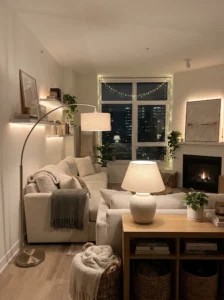
4. Add Multiple Light Sources Instead of One Ceiling Light
A single overhead light rarely makes a dark room feel bright. In fact, it often creates harsh shadows that make corners feel even darker.
Layered lighting works because it spreads brightness evenly across the room. Instead of relying on one source, combine floor lamps, table lamps, wall sconces, and warm ambient lighting.
This approach is especially effective in larger living rooms or spaces with awkward layouts. Corners, reading areas, and shelves all benefit from their own light source.
Warm white bulbs around 2700K–3000K usually feel the most inviting. Cool white bulbs can make a room feel harsh or slightly clinical. Position lamps at different heights to create depth and balance.
One mistake people make is hiding all lighting near the walls. Place some lights closer to seating areas so the room feels intentionally lit rather than just “bright.”
A layered lighting setup changes how the room functions at night. Watching TV feels cozier, reading becomes easier, and the room gains a warm glow instead of flat brightness.
5. Decorate With Reflective Surfaces
Not every brightening trick needs to involve lighting itself. Reflective materials naturally help distribute light around the room.
Glass coffee tables, metallic decor, glossy ceramics, mirrored trays, and satin finishes all help bounce light subtly without making the room feel flashy. Even small reflective accents can make dark rooms feel more alive.
This works well in modern, glam, or transitional living rooms. If your room feels visually heavy because of dark wood or matte textures, reflective surfaces add balance.
The key is moderation. Too many shiny surfaces can feel cold or overly styled. Mix reflective pieces with soft textures like linen, boucle, or woven baskets for a more natural look.
A glass coffee table is especially useful in small dark spaces because it visually “disappears,” helping the room feel less crowded.
Day to day, reflective pieces make artificial lighting work harder for you. Lamps appear brighter, candles feel warmer, and the room gains a softer evening atmosphere.
6. Rearrange Furniture Away From Windows
Sometimes the problem is not the amount of light but how furniture blocks it. Large sofas, shelves, or cabinets placed directly beside windows can stop light from spreading naturally.
Moving bulky furniture away from windows allows sunlight to travel farther into the room. Even shifting a sofa a few inches can make a noticeable difference.
This works particularly well in compact apartments where every inch matters. Low-profile furniture also helps maintain visual openness.
Avoid placing tall bookcases near your primary light source. Instead, keep lighter or shorter pieces closer to windows. If possible, position seating so sunlight reaches the center of the room instead of being trapped near the walls.
One overlooked detail is furniture legs. Sofas and chairs with visible legs create a lighter visual footprint compared to furniture that sits directly on the floor.
In practical terms, the room simply feels less blocked. Natural light becomes part of the room instead of staying trapped in one corner all day.
7. Paint Furniture Instead of Walls
If you cannot repaint the entire room, updating furniture color can still dramatically brighten the space.
Dark coffee tables, TV stands, or sideboards absorb light visually. Painting them in lighter shades instantly changes the room’s overall mood without major effort.
This idea works especially well for renters or people working with a tight budget. Chalk paint, satin finishes, or soft matte colors can completely refresh older furniture.
Warm whites, muted greige, soft sage, or pale wood tones usually work best. Avoid ultra-glossy finishes unless your style leans modern.
A common mistake is repainting every single piece the same color. Some contrast keeps the room grounded and interesting.
In daily use, lighter furniture often makes the room feel cleaner and more relaxed. Even older furniture can suddenly feel intentional instead of heavy and outdated.
8. Choose Warm Neutral Decor Instead of Cool Gray
Cool gray interiors had a long moment, but in naturally dark rooms they often make spaces feel colder and flatter.
Warm neutrals reflect light in a softer, more welcoming way. Beige, cream, warm taupe, camel, sand, and light greige help create brightness without feeling stark.
This approach works in almost every living room style, from modern farmhouse to contemporary minimalism. Warm tones also pair beautifully with wood, greenery, and textured fabrics.
Layering matters here. Mix several warm neutral shades instead of using one flat color everywhere. A combination of cream pillows, beige throws, and soft wood accents creates depth while maintaining brightness.
Avoid overly yellow tones, which can sometimes make rooms feel dated. The goal is warmth, not mustard-colored walls everywhere.
People often notice that warm neutrals make evenings feel more comfortable. The room feels softer under lamplight, which helps create a more inviting atmosphere year-round.
9. Add Strategic Wall Art With Light Backgrounds
Dark artwork can sometimes visually weigh down a room, especially when wall space is already limited.
Artwork with lighter backgrounds helps brighten vertical space and break up dark walls or furniture. Landscapes, abstract neutrals, soft photography, or minimal prints work particularly well.
This works best in rooms where repainting walls is not an option. Large-scale art can act almost like a visual window, making the room feel more open.
Choose frames carefully. Thin oak, white, or black frames tend to keep things balanced without overwhelming the room.
One mistake people make is hanging art too high. Artwork should generally sit around eye level so it feels connected to the furniture below it.
A thoughtfully chosen art piece can completely shift the mood of a room. The space feels styled and intentional rather than dark and forgotten.
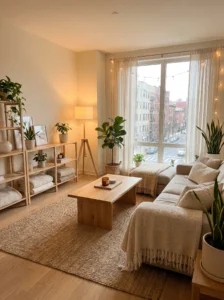
10. Bring in Natural Wood Tones
Very dark furniture can sometimes make a living room feel visually dense. Natural wood tones help add warmth and brightness at the same time.
Oak, ash, walnut with lighter finishes, or woven cane details reflect more warmth compared to black or espresso-stained furniture.
This idea works especially well in cozy living rooms where you still want warmth without heaviness. Mixing wood tones also creates depth and keeps the room from feeling overly matched.
Coffee tables, shelves, trays, or side tables are easy places to introduce lighter wood. Avoid replacing everything at once. Small updates usually feel more natural.
One practical benefit is that wood softens artificial lighting beautifully. Lamps and candles feel warmer against natural materials than against glossy dark surfaces.
The room ends up feeling calmer and more grounded instead of dramatic or overly dark.
11. Use Plants to Add Freshness and Movement
A dark room can sometimes feel stale, even if it is technically clean. Plants help solve that by bringing visual energy into the space.
Greenery works because it adds contrast without heaviness. Plants naturally brighten rooms emotionally, even when they do not literally increase light.
Snake plants, pothos, ZZ plants, and peace lilies work well in lower-light conditions. Place them near windows, shelves, or empty corners that feel dull.
This idea works especially well in modern or neutral living rooms that feel slightly flat. Woven baskets or ceramic planters keep the look warm and relaxed.
Avoid overcrowding the room with too many large plants. A few strategically placed pieces usually look fresher and more intentional.
In daily life, plants simply make the room feel alive. Even a darker room starts feeling healthier and more welcoming when greenery is added thoughtfully.
12. Style Open Shelves More Sparingly
Overfilled shelves can make a room feel visually heavy, especially in darker spaces.
Simplifying shelves creates breathing room and allows light to move more freely through the room. Open space is just as important as decor itself.
This works particularly well in small living rooms or apartments where storage and decoration often compete for attention.
Use lighter-colored books, ceramic vases, glass accents, and woven textures instead of dense dark decor. Stagger objects instead of lining everything up evenly.
One mistake people make is filling every shelf edge-to-edge. Leaving empty areas actually makes the room feel larger and cleaner.
A lighter shelf setup often changes the mood of the entire room. The space feels calmer, less cluttered, and easier to maintain daily.
13. Replace Dark Throw Pillows and Blankets
Soft furnishings have a bigger visual impact than people expect. Dark textiles absorb light and can make even a bright sofa feel heavier.
Swapping in lighter pillows and throws instantly refreshes the room without major expense. Cream boucle, linen, textured beige, or soft muted patterns work beautifully.
This is ideal for seasonal updates or renters who want quick changes without permanent commitment.
Mix textures rather than using identical pillows everywhere. A blend of woven fabrics, knits, and subtle patterns keeps the room interesting.
Avoid using too many bright white textiles if you have kids or pets. Warm neutrals tend to look cleaner longer.
Small textile changes often make the room feel newer and more styled immediately. It is one of the easiest upgrades with surprisingly noticeable results.
14. Keep the Ceiling Visually Light
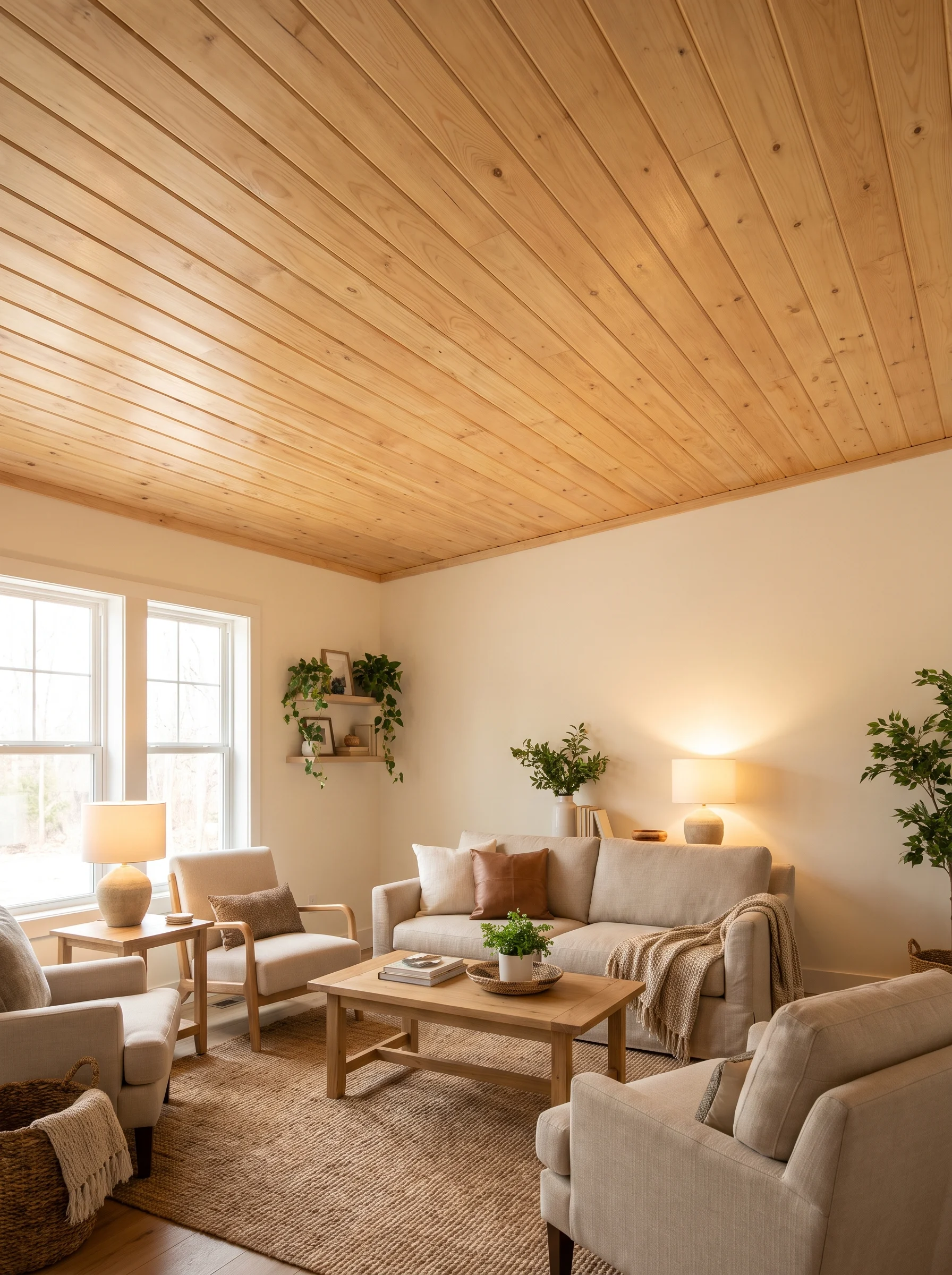
A dark or visually busy ceiling can make an entire room feel lower and more enclosed.
Keeping the ceiling visually light helps draw the eye upward and creates the feeling of more height and openness. Even if you cannot repaint, minimizing ceiling clutter helps.
This works especially well in apartments or older homes with lower ceilings. Use simple light fixtures instead of bulky dark designs.
If possible, choose ceiling lighting with glass or open structures instead of solid shades that block light.
Avoid hanging overly large pendant lights in already dark rooms unless the ceilings are very high.
A visually lighter ceiling changes the overall atmosphere more than people expect. The room feels less boxed in and noticeably more breathable.
15. Clean Windows More Often Than You Think
It sounds almost too simple, but dirty windows genuinely reduce natural light.
Dust, fingerprints, pollen, and grime block sunlight and dull the brightness entering the room. Clean windows allow maximum daylight to pass through clearly.
This matters even more in homes with limited sunlight because every bit of light counts. Regularly cleaning both the glass and window screens can noticeably improve brightness.
Avoid heavy decorative items directly on windowsills. Keep the area open so sunlight can spread naturally.
One overlooked detail is outdoor landscaping. Bushes or plants covering windows can dramatically darken a room inside.
The difference after clean windows is immediate. The room feels fresher, sharper, and naturally brighter without spending any money.
Comparison Table
| Type | Best Use | Material | Style/Vibe | Difficulty Level |
|---|---|---|---|---|
| Sheer Curtains | Small or low-light rooms | Linen or cotton blend | Airy and relaxed | Easy |
| Large Mirror | Narrow or dark spaces | Glass with wood/metal frame | Modern or classic | Easy |
| Light Rug | Dark flooring balance | Low-pile woven fabric | Cozy and bright | Medium |
| Layered Lighting | Evening brightness | Metal, glass, fabric shades | Warm and inviting | Medium |
| Glass Coffee Table | Small living rooms | Tempered glass | Minimal and open | Easy |
| Warm Neutral Decor | Cozy family spaces | Mixed fabrics and wood | Soft contemporary | Easy |
Buying Guide: How to Choose Brightening Decor for a Dark Living Room
When choosing decor to brighten a dark living room, the biggest mistake people make is focusing on individual items instead of the overall balance of the room. A brighter space is usually the result of several smaller choices working together rather than one dramatic purchase.
Start with sizing and scale. Oversized furniture can make a dark room feel even smaller, especially if it blocks natural light paths. Choose furniture with slimmer arms, visible legs, or open bases whenever possible. Large rugs are usually better than tiny ones because they create visual continuity instead of breaking the room into smaller sections.
Material choice matters more than people expect. Matte black finishes, dark velvet, and bulky woods absorb light heavily. If your room already lacks sunlight, mix in reflective or lighter materials like glass, linen, light oak, woven textures, and soft metallic accents. This does not mean your room needs to become all white. Balance is what makes a room feel natural.
Durability is important too, especially in family homes. Cream-colored decor looks beautiful, but washable fabrics and stain-resistant rugs make daily life much easier. Performance fabrics are worth considering if you have pets or kids.
Budget-wise, focus first on high-impact changes. Curtains, lighting, rugs, and mirrors usually create the biggest difference without requiring renovation. Decorative accessories should come later once the larger elements feel balanced.
Another common mistake is over-brightening the room with cool white lighting or stark white decor. That often makes spaces feel sterile instead of welcoming. Warm brightness tends to feel more comfortable long-term.
Finally, avoid filling every empty corner. Dark rooms benefit from breathing space. Sometimes removing clutter improves brightness more effectively than buying more decor.
Conclusion
Making a dark living room feel brighter does not require tearing down walls or spending thousands on renovation. In most cases, the biggest transformation comes from understanding how light, texture, color, and layout work together.
Simple changes like lighter curtains, layered lighting, reflective surfaces, and warm neutral decor can completely shift how a room feels day to day. Even small adjustments — moving furniture away from windows or swapping dark textiles for softer tones — create a noticeable difference.
The key is balance. A bright room should still feel comfortable and lived-in, not cold or overly staged. Mixing warmth with lightness usually creates the most natural result. You want the room to feel inviting at noon and cozy at night.
It is also worth remembering that dark rooms are not automatically bad rooms. Many can feel incredibly cozy and stylish once they are styled thoughtfully. The goal is not to erase character but to reduce heaviness and improve comfort.
Start with one or two changes instead of trying to redo everything at once. Often, a few smart updates reveal that the room had much more potential than you originally thought.
FAQs
1. What color makes a dark living room look brighter?
Warm neutrals like cream, beige, soft white, and light greige usually work best. These shades reflect light gently without making the room feel cold or sterile.
2. Can mirrors really brighten a room?
Yes, especially when placed across from windows or lamps. Mirrors reflect existing light and help distribute brightness more evenly throughout the room.
3. What type of lighting works best in dark living rooms?
Layered lighting works best. Combine floor lamps, table lamps, and warm ambient bulbs instead of relying on one overhead ceiling light.
4. Should I avoid dark furniture completely?
Not necessarily. Dark furniture can still work if balanced with lighter rugs, textiles, curtains, and reflective decor pieces.
5. Are sheer curtains better than blackout curtains?
For brightness, yes. Sheer or light-filtering curtains allow natural light into the room while still offering softness and privacy.
6. How do I brighten a rental living room without painting?
Focus on rugs, lighting, mirrors, curtains, and decor. These changes make a big impact without requiring permanent modifications.
7. What flooring looks best in dark rooms?
Lighter wood floors, soft oak tones, or medium neutral flooring usually help reflect more light compared to very dark finishes.
8. Can plants help a dark room feel brighter?
Yes. Plants add freshness, color contrast, and visual movement, which makes rooms feel more lively and less heavy.