Buying a sofa sounds simple until you actually start shopping. One minute you’re casually browsing online, and the next you’re wondering whether a three-seater will overwhelm your room, if a sectional is too ambitious, or why every showroom sofa somehow looks smaller than it really is. Most people don’t realize this until delivery day — when the sofa either swallows the room whole or looks awkwardly tiny floating in empty space.
The truth is, choosing the right sofa size has less to do with trends and more to do with balance. A beautiful sofa that’s too large can make your living room feel cramped and frustrating to move around in. On the other hand, a sofa that’s too small can make the room feel unfinished and uncomfortable, especially if you entertain guests often or spend a lot of time lounging at home.
A good sofa should fit your lifestyle first and your aesthetic second. That means considering how people walk through the room, how often you host guests, whether you nap on the couch, and even how far your TV sits from the seating area. These details matter more than most people think.
In this guide, you’ll learn practical ways to choose the right sofa size for your living room without relying on guesswork. We’ll cover room measurements, layout tricks, common mistakes, sofa types, and smart placement ideas that actually work in real homes — not just perfectly staged showrooms.
1. Start by Measuring Your Living Room Properly
Most sofa mistakes happen before shopping even begins. People estimate room size with their eyes, then assume the sofa will “probably fit.” That approach rarely ends well because furniture dimensions feel very different once they’re physically inside a room.
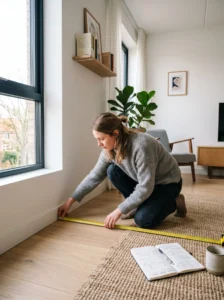
Start by measuring the length and width of your living room using a tape measure. Then measure doorways, hallways, staircases, and elevators if you live in an apartment. Many large sofas technically fit the room but can’t make it through the entrance. It happens more often than furniture stores like to admit.
A good rule is to leave at least 18–24 inches of walking space around the sofa. This keeps the room functional instead of crowded. In smaller rooms, even a few extra inches can completely change how comfortable the space feels.
Use painter’s tape on the floor to outline the sofa dimensions before buying. This simple trick gives a realistic sense of scale. It’s surprisingly effective because our brains often underestimate furniture size online.
This approach works especially well in apartments, compact homes, and open-concept living spaces where movement matters. Proper measuring also helps avoid awkward furniture arrangements later.
Realistically, a sofa should make daily life easier — not force everyone to squeeze sideways just to reach the coffee table.
2. Match Sofa Size to Your Room Scale
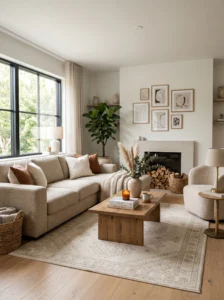
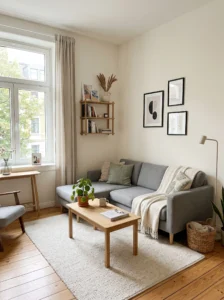
A sofa shouldn’t dominate the room, but it also shouldn’t disappear into it. Scale matters more than exact dimensions because balance is what makes a living room feel visually comfortable.
Large rooms can handle oversized sectionals, deeper seating, and wide armrests because there’s enough visual breathing room. Smaller spaces usually work better with slimmer sofas that sit slightly elevated off the floor. Raised legs create openness and make rooms feel less heavy.
One common mistake is buying a massive sofa because it looked cozy in a showroom. Furniture stores use huge open spaces with high ceilings, which changes perception completely. What feels “normal” there may look enormous at home.
In compact living rooms, consider sofas under 84 inches wide. Medium spaces typically work well with 84–96 inch sofas, while expansive family rooms can comfortably support larger sectionals.
Scale also applies to ceiling height. Low-profile sofas look better in modern apartments with lower ceilings, while taller backs suit traditional homes with larger vertical space.
A well-scaled sofa changes how a room feels emotionally too. Balanced spaces naturally feel calmer, easier to maintain, and more inviting for guests. Oversized furniture often creates subconscious visual stress because everything feels cramped.
The goal isn’t filling every inch. It’s creating a room that feels functional and relaxed.
3. Think About How Many People Actually Use the Sofa
People often buy sofas based on appearance rather than lifestyle. That’s why some homes end up with giant sectionals that seat eight people… even though only two people live there.
Think honestly about your daily routine. Do you entertain frequently? Do kids pile onto the couch after school? Does someone usually stretch out for naps? Your habits should influence sofa size more than trends.
For singles or couples in smaller apartments, a compact two-seater or apartment sofa may feel more practical than a bulky sectional. Families usually benefit from larger three-seaters or L-shaped sofas that create enough seating without needing extra chairs.
If guests regularly visit, consider how traffic flows around the seating area. Too many seats can make conversation awkward if the room feels crowded. Sometimes adding accent chairs instead of an enormous sofa creates better balance.
This idea works especially well in multipurpose living rooms where the sofa shares space with dining areas or workspaces. Flexibility matters more in modern homes than people realize.
Practical comfort matters too. A sofa should support real daily use — movie nights, reading sessions, casual conversations, or even afternoon naps. Furniture that looks impressive but feels inconvenient rarely stays enjoyable long term.
The best sofa size usually reflects real life, not showroom fantasy.
4. Understand the Difference Between Sofa Depth and Width
Most buyers focus only on sofa width, but depth matters just as much. A sofa can technically fit your room width-wise while still making the space feel crowded because it extends too far outward.
Standard sofa depth ranges from 35–40 inches. Shallower sofas work better in narrow living rooms or apartments because they preserve walking space. Deep sofas feel luxurious for lounging but require more room overall.
If your household likes sitting upright for conversation or formal entertaining, medium-depth seating usually feels better. Extra-deep sofas are ideal for movie nights and casual lounging but can feel awkward for shorter people whose feet don’t comfortably touch the floor.
This matters especially in open-concept homes where furniture placement affects movement between areas. Deep sectionals can unintentionally block pathways and make the room feel visually heavy.
A practical trick is to measure existing furniture you already find comfortable. Many people realize they prefer moderate-depth seating once they compare dimensions.
Depth also affects cleaning and maintenance. Extremely deep sofas tend to collect more clutter, pillows, and blankets over time. Smaller rooms especially benefit from more controlled proportions.
Comfort isn’t just softness — it’s how naturally furniture fits your daily habits and physical space.
5. Choose the Right Sofa Shape for Your Layout
Not every room works with every sofa shape. This is where many living rooms start feeling awkward without people fully understanding why.
Straight sofas are versatile and work well in most rectangular rooms. They leave flexibility for coffee tables, accent chairs, and side tables. Sectionals work best when you genuinely need corner seating or want to define zones in open layouts.
L-shaped sectionals help anchor larger family rooms, but in small spaces they can visually block the room. U-shaped sectionals are ideal for big families or entertainment-focused homes, though they require substantial space to avoid feeling overwhelming.
Apartment sofas and loveseats suit tighter layouts where flexibility matters more than maximizing seating. Curved sofas create a softer, more modern feel but usually need larger rooms to look intentional rather than cramped.
Placement matters too. Sectionals pushed awkwardly into corners often feel bulky. Leaving slight breathing room around furniture usually improves the layout visually.
Shape affects daily living more than aesthetics alone. The right configuration encourages natural conversation, easier movement, and better comfort.
A thoughtfully shaped sofa makes a room feel designed instead of merely furnished.
6. Leave Enough Walking Space Around the Sofa
A living room should feel easy to move through. If people constantly bump into furniture or squeeze between pieces, the sofa is probably too large for the room.
Interior designers often recommend at least 30 inches for major walkways and around 18 inches between the sofa and coffee table. These gaps create natural movement without making the room feel empty.
This becomes especially important in homes with kids, pets, or frequent visitors. Tight layouts may look cozy initially but often become frustrating during daily use.
In smaller apartments, floating the sofa slightly away from the wall can surprisingly improve flow. People assume pushing furniture against walls creates space, but it sometimes makes layouts feel stiff and crowded.
Avoid blocking windows, doorways, or natural pathways through the room. The best layouts allow movement without forcing awkward detours around furniture corners.
Practical spacing also improves cleaning. Vacuuming around oversized furniture packed tightly into corners becomes annoying fast. Realistically, convenience affects how much people continue enjoying a room over time.
Good layouts feel almost invisible because movement happens naturally.
7. Consider Ceiling Height Alongside Sofa Size
Ceiling height quietly influences how large or small a sofa appears. A bulky sofa with tall backs can overwhelm a room with low ceilings, even if the measurements technically fit.
Rooms with standard or lower ceilings usually benefit from low-profile sofas. These create visual openness and prevent the space from feeling compressed. Sofas with visible legs also help because more floor remains visible underneath.
High ceilings can support taller furniture, deeper seating, and larger sectionals without feeling crowded. Traditional rolled-arm sofas or oversized cushioned backs often look more balanced in these settings.
This matters especially in apartments and compact urban homes where ceiling height is limited. Low-profile furniture creates a cleaner, airier atmosphere even in smaller square footage.
Color plays a role too. Dark bulky sofas naturally feel heavier visually, while lighter fabrics create openness. In low-ceiling rooms, avoiding oversized dark furniture usually helps.
A sofa should complement the room’s architecture instead of competing against it. When proportions feel balanced vertically and horizontally, the entire room becomes more comfortable visually.
It’s one of those subtle details people notice emotionally even if they can’t explain why the room feels “right.”
8. Don’t Ignore Sofa Arm Width
Wide sofa arms consume more space than most buyers realize. Two sofas with identical seating capacity can differ dramatically in overall size simply because of arm thickness.
Slim arms work best in small living rooms because they maximize usable seating without increasing footprint too much. Modern apartment sofas often use this design intentionally.
Rolled or oversized arms feel cozy and traditional, but they require larger rooms to avoid looking bulky. They also reduce actual sitting space, which matters if multiple people regularly use the sofa.
If you live in a compact apartment or narrow townhouse, track-arm or armless designs can create a cleaner layout. These styles visually lighten the room and improve movement.
Wide arms can still work beautifully in spacious family rooms where comfort and lounging matter more than efficiency. They’re also practical for resting laptops, trays, or books.
Think about how you actually use the sofa daily. If armrests mainly hold decorative pillows nobody touches, sacrificing space may not feel worthwhile.
Small design details often make the biggest functional difference.
9. Use Sectionals Carefully in Small Spaces
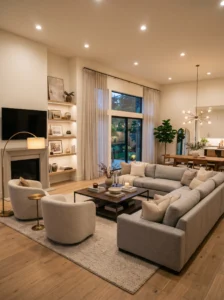
Sectionals are incredibly popular, but they’re not automatically the best solution for every living room. In small spaces, they can either maximize seating brilliantly or completely overwhelm the room.
The key is choosing the right scale. Compact sectionals with slim profiles work much better than oversized reclining models in apartments or condos. Reversible chaise sectionals are especially useful because they offer layout flexibility.
Sectionals work best in rooms where they naturally define a seating zone without interrupting traffic flow. Open-plan homes benefit most because the sectional helps organize space visually.
Avoid stuffing huge sectionals into tiny rooms simply because you want “more seating.” Too much furniture reduces comfort instead of improving it.
Lighter colors, raised legs, and minimal arm designs help sectionals feel less bulky. Modular sectionals also allow rearrangement if your needs change later.
One practical benefit is comfort during daily living. Families often appreciate having enough room to spread out without dragging extra chairs into the room constantly.
Still, balance matters. A sectional should support the room’s function, not dominate every inch of it.
10. Think About TV Distance and Viewing Comfort
Your sofa size affects entertainment comfort more than people expect. A sofa placed too close to the TV can make movie nights uncomfortable, while seating too far away reduces immersion.
A simple rule is that larger TVs generally require greater viewing distance. Deep sectionals can unintentionally push seating too close if the room is already compact.
This matters especially in living rooms where TV watching is a major activity. Families who spend evenings streaming movies usually prefer slightly deeper, softer seating for relaxation.
Placement matters too. Sofas directly against walls sometimes force awkward viewing angles depending on TV placement. Floating furniture arrangements occasionally improve both comfort and layout balance.
Avoid choosing a giant sofa that leaves no flexibility for adjusting screen distance later. Entertainment setups change over time more than people think.
Comfort isn’t only about screen visibility either. Reclining depth, cushion firmness, and seat height all affect long viewing sessions.
The best entertainment spaces feel relaxed without feeling cramped.
11. Pick Sofa Colors That Match Room Size
Color changes how large a sofa feels visually. Dark bulky sofas naturally appear heavier, while lighter tones feel more open and airy.
Small living rooms often benefit from neutral shades like beige, soft gray, cream, or muted taupe because they visually expand the room. Dark charcoal or navy sofas can still work, but balancing them with lighter walls and open space helps.
Large rooms handle darker colors more easily because there’s enough visual breathing room. Rich tones can actually make oversized spaces feel warmer and more inviting.
Texture matters too. Heavy velvet fabrics create a more dramatic presence, while linen blends usually feel lighter and more casual.
If you want a bold sofa color in a small room, consider cleaner silhouettes with slimmer frames. This keeps the room from feeling visually overloaded.
Practicality also matters. Homes with pets or children often benefit from mid-tone fabrics that hide everyday wear better than extremely light colors.
Color isn’t just decoration — it influences how spacious and comfortable the room feels daily.
12. Balance the Sofa With Other Furniture
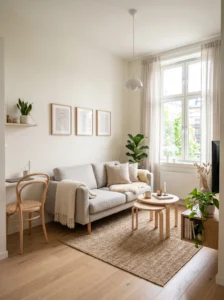
A sofa should work with the room’s other furniture instead of competing against it. Oversized sofas paired with bulky coffee tables and massive recliners can quickly make a room feel crowded.
Think of the sofa as the anchor piece. Other furniture should support it proportionally. In small rooms, lighter accent chairs and compact side tables create better balance.
Spacing between pieces matters too. Coffee tables should sit close enough for convenience but not block legroom or pathways. Rug size also affects balance significantly.
This works especially well in layered living rooms where multiple furniture pieces share the space. Visual breathing room prevents cluttered layouts.
One common mistake is buying every furniture item oversized because larger pieces feel luxurious individually. Together, though, the room becomes exhausting visually.
Balanced furniture arrangements create calmer, more functional spaces that feel easier to live in long term.
13. Consider Modular Sofas for Flexible Living Rooms
Modern living spaces change constantly. People move apartments, rearrange layouts, work from home, and host guests differently than before. That’s why modular sofas have become increasingly practical.
Modular sofas allow sections to move independently, which helps adapt the layout over time. This flexibility works especially well in apartments or multi-use living rooms.
Smaller modules can fit through narrow doorways more easily too — something people appreciate during moving day. Rearranging sections also helps if you later upgrade to a larger home.
Modular designs work best for casual family rooms, entertainment spaces, and open-plan homes where flexibility matters more than formal symmetry.
Avoid overly complicated modular setups with too many pieces unless you truly need them. Simpler configurations are easier to maintain and style.
Realistically, adaptable furniture often lasts longer because it continues fitting changing lifestyles.
14. Test Seating Comfort Before Buying
A sofa can look perfect online and still feel terrible in real life. Comfort varies enormously depending on cushion density, seat depth, height, and back support.
Sit on sofas for at least several minutes if shopping in-store. Lean back naturally, stretch slightly, and test how easily you stand up afterward. Extremely soft sofas may feel luxurious briefly but become uncomfortable during longer use.
Shorter people usually prefer shallower seating depths, while taller individuals often appreciate deeper cushions. Families may benefit from medium-firm cushions that hold shape better over time.
This matters especially for everyday living rooms where the sofa gets constant use. Comfort influences how much people genuinely enjoy the space.
Fabric texture matters too. Some materials feel hot or stiff after prolonged sitting. Durable performance fabrics usually balance comfort with maintenance practicality.
A good sofa should support daily life comfortably for years — not just impress during the first week.
15. Think Long-Term Before Choosing Oversized Trends
Furniture trends change faster than most sofas wear out. Extremely oversized sectionals, ultra-deep lounge sofas, or trendy shapes may look appealing now but become limiting later.
Choose a sofa size that fits your lifestyle realistically over the next several years. If you move frequently, giant sectionals may become difficult to place in future homes.
Timeless proportions usually age better visually and practically. Medium-scale sofas with clean lines tend to adapt easily to changing decor styles.
This doesn’t mean avoiding personality. It simply means balancing trends with functionality and flexibility.
Practical decisions usually feel better long term than impulse purchases driven by showroom excitement.
Comparison Table
| Type | Best Use | Material | Style/Vibe | Difficulty Level |
|---|---|---|---|---|
| Apartment Sofa | Small living rooms | Linen blend | Minimal & modern | Easy |
| Three-Seater Sofa | Medium family spaces | Performance fabric | Balanced & versatile | Easy |
| L-Shaped Sectional | Open-plan homes | Microfiber | Cozy & social | Medium |
| Modular Sofa | Flexible layouts | Mixed upholstery | Contemporary | Medium |
| Deep Lounge Sofa | Entertainment rooms | Velvet or plush fabric | Relaxed luxury | Hard |
| Loveseat | Compact seating areas | Leather or fabric | Casual & compact | Easy |
Buying Guide: How to Choose the Right Sofa Size
Choosing the right sofa size becomes much easier when you focus on practicality instead of showroom appearance. Start with measurements first — always. Measure your room dimensions, doorway widths, and available walking space before looking at styles. A sofa should fit naturally into the room while leaving enough space for movement and other furniture.
Scale matters just as much as dimensions. Low-profile sofas often work better in smaller rooms because they create openness. Larger family rooms can handle deeper seating and wider sectionals without feeling crowded. Think about ceiling height too. Bulky furniture in low-ceiling rooms tends to feel visually heavy.
Material selection affects both comfort and maintenance. Families with children or pets usually benefit from durable performance fabrics because they resist stains and wear more effectively. Leather ages beautifully and cleans easily, though it can feel cold initially. Linen blends feel relaxed and breathable but may wrinkle faster.
Durability matters more than people realize because sofas experience constant daily use. Check frame quality, cushion density, and fabric strength instead of focusing only on appearance. A cheaper oversized sofa often wears out faster than a well-built medium-sized one.
Budget wisely by prioritizing long-term comfort over trendy features. Recliners, oversized chaise sections, and ultra-deep cushions may look impressive but can limit flexibility later. Sometimes a simpler sofa paired with quality accent seating creates a better overall room.
One of the biggest mistakes people make is buying based purely on aesthetics. Another common issue is ignoring walking space. Rooms should feel easy to navigate, not tightly packed.
The best sofa size is usually the one that supports your lifestyle comfortably without overwhelming the room.
Conclusion
Choosing the right sofa size is less about following trends and more about understanding how your living room actually functions. A well-sized sofa creates comfort, balance, and easier daily living. An oversized one, even if beautiful, can quickly make the room feel cramped and frustrating.
The smartest approach is to combine measurements, lifestyle needs, room scale, and comfort preferences before making a decision. Think about how people move through the room, how often the sofa gets used, and whether the layout supports conversation, relaxation, or entertainment naturally.
Small living rooms usually benefit from cleaner lines, slimmer arms, and moderate seating depth. Larger spaces can comfortably handle sectionals or deeper lounge seating. Material choices matter too, especially for homes with kids, pets, or heavy daily use.
Most importantly, avoid rushing the process. Sofas are long-term furniture pieces that influence how your home feels every single day. Taking extra time to measure properly, test comfort, and think realistically about your lifestyle usually prevents expensive regrets later.
A good sofa doesn’t just “fit” the room. It supports how you actually live in it.
FAQs
1. What size sofa is best for a small living room?
A compact sofa between 72–84 inches usually works well in small living rooms. Slim arms and raised legs help create a more open look. Avoid oversized sectionals unless the layout truly supports them.
2. How much space should be between a sofa and coffee table?
Around 18 inches is generally comfortable. This gives enough legroom while keeping the table close enough for practical daily use.
3. Are sectionals good for apartments?
They can be, but scale matters. Compact sectionals with slim frames work much better than oversized reclining versions in smaller apartments.
4. Which sofa material is easiest to maintain?
Performance fabrics and leather are usually easiest to clean. Performance fabrics resist stains well, while leather wipes clean quickly and ages nicely over time.
5. How do I know if a sofa is too big for my room?
If movement feels restricted, windows get blocked, or the room feels crowded visually, the sofa is likely too large. Measuring and taping the dimensions on the floor helps avoid this issue.
6. Is a deep sofa better for comfort?
It depends on your lifestyle. Deep sofas are excellent for lounging and movie nights, but some people prefer shallower seating for upright posture and easier movement.
7. Should the sofa go against the wall?
Not always. Floating the sofa slightly away from the wall can improve layout balance and create better traffic flow, especially in open-concept spaces.
8. What’s the biggest mistake people make when buying sofas?
The biggest mistake is choosing style before practicality. Many people ignore measurements, walking space, and real daily use — which often leads to regret later.