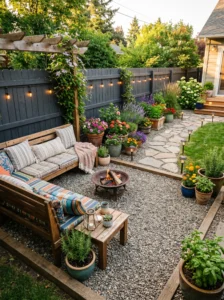
A small backyard can feel like a missed opportunity when it’s empty, cluttered, or simply not inviting. Many homeowners assume that creating a beautiful outdoor space requires expensive landscaping, custom furniture, or a major renovation budget. The truth is that a well-designed backyard is often more about smart planning than spending a lot of money.
One of the biggest mistakes people make is focusing on what their backyard lacks instead of working with the space they already have. A compact yard doesn’t need oversized features or costly upgrades. In fact, smaller spaces are often easier and more affordable to transform because every improvement has a noticeable impact.
Good backyard design comes down to creating purpose, comfort, and visual balance. Even a modest outdoor area can become a place to relax, entertain guests, enjoy family time, or simply unwind after a long day. The key is choosing budget-friendly ideas that maximize both function and appearance.
In this guide, you’ll discover practical ways to design a small backyard without overspending. From creating defined zones and adding affordable seating to using plants strategically and incorporating DIY features, these ideas will help you build a backyard that feels larger, more welcoming, and far more expensive than it actually is.
1. Start With a Simple Layout Plan
The most affordable design decision is often the one made before spending any money. A simple layout plan helps prevent costly mistakes and unnecessary purchases.
This works because a clear plan allows you to define how the space will be used. Instead of randomly adding furniture, plants, and decorations, you create a backyard with purpose. Even a sketch on paper can reveal better placement options.
This approach is especially useful for small rectangular or square backyards where every foot matters. Consider where people will walk, sit, and gather. Leave enough room for movement between zones.
Measure your yard before buying anything. A common mistake is purchasing furniture that overwhelms the space. Think about proportions and leave breathing room around major features.
In daily life, a planned backyard simply feels easier to use. Whether you’re enjoying a morning coffee or hosting friends, the space feels organized rather than crowded.
2. Create Defined Outdoor Zones
Small backyards feel larger when they serve multiple purposes without looking chaotic.
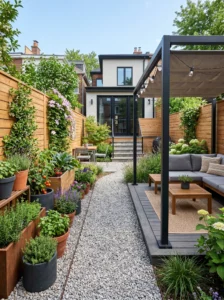
Creating zones works because it visually separates activities. A dining area, relaxation corner, and plant section can coexist even in a compact space. The eye interprets these areas as distinct destinations.
This technique works well in urban yards, narrow side gardens, and compact suburban spaces. You don’t need walls or expensive dividers.
Use outdoor rugs, planters, gravel, or different materials to define spaces. For example, a small seating area can sit on a gravel surface while surrounding greenery creates a natural boundary.
Avoid making too many zones. Two or three functional areas are usually enough in a small backyard.
The result is a space that feels thoughtfully designed rather than squeezed together, making everyday use more enjoyable.
3. Use Gravel Instead of Expensive Paving
Hardscaping can consume a large portion of a landscaping budget, but gravel offers an affordable alternative.
Gravel works because it provides texture, drainage, and visual structure at a fraction of the cost of stone or concrete patios.
It’s ideal for seating areas, pathways, fire pit zones, and garden borders. Small backyards particularly benefit because gravel can make spaces appear neat and intentional.
Choose colors that complement your home’s exterior. Light-colored gravel can brighten shaded areas, while darker tones create contrast.
Install landscape fabric underneath to reduce weed growth. One common mistake is skipping this step and dealing with constant maintenance later.
Many homeowners find gravel surprisingly elegant. Combined with simple furniture and plants, it creates a clean, modern look without the premium price tag.
4. Add Budget-Friendly Outdoor Seating
A backyard isn’t very useful if there’s nowhere comfortable to sit.
Affordable seating creates an inviting atmosphere while giving people a reason to spend time outdoors. Comfort is often what transforms a yard into a living space.
This idea works in virtually every backyard size. Even a small bench or pair of chairs can create a functional destination.
Look for second-hand furniture, DIY pallet seating, or simple folding chairs. Add weather-resistant cushions to increase comfort without increasing costs significantly.
Avoid oversized sectionals in small spaces. They can make the yard feel cramped and reduce flexibility.
Having a comfortable place to sit encourages more frequent use of the backyard, whether you’re reading, relaxing, or chatting with family.
5. Incorporate Container Gardens
Plants instantly improve a backyard, but building large garden beds can be expensive.
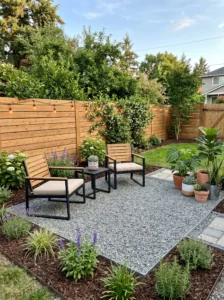
Container gardens work because they offer flexibility, affordability, and visual interest. They also allow you to rearrange your design whenever needed.
They’re especially useful in small backyards with limited soil space or challenging ground conditions.
Mix container sizes and heights for a layered look. Repurposed buckets, barrels, and planters can save money while adding character.
Avoid placing all containers in a straight line. Grouping them creates a more natural and professional appearance.
Container gardening adds color and life to outdoor spaces while making maintenance manageable for busy homeowners.
6. Paint Fences for an Instant Upgrade
Sometimes the biggest transformation comes from improving what’s already there.
Painting a fence works because it creates a clean backdrop that makes the entire backyard feel refreshed and intentional.
This is especially effective when old fencing looks weathered or mismatched. A fresh coat of paint can dramatically improve the overall appearance.
Neutral shades such as gray, charcoal, black, or soft beige often work best. Dark colors can make greenery stand out beautifully.
Avoid choosing trendy colors that may feel dated quickly.
A freshly painted fence creates the impression of a more expensive landscape project while requiring relatively little investment.
7. Use Vertical Gardening to Save Space
When floor space is limited, the best solution is often to build upward.
Vertical gardening works because it increases planting capacity without consuming valuable ground area.
This is perfect for tiny backyards, patios, and narrow outdoor spaces. Walls, fences, and trellises become opportunities rather than obstacles.
Use wall-mounted planters, climbing plants, hanging baskets, or simple wooden trellises. Herbs, flowers, and vines work particularly well.
Avoid overcrowding vertical displays. Plants need airflow and room to grow.
The added greenery creates a lush feeling that makes small backyards feel richer and more established.
8. Install Solar Lighting
Good lighting can dramatically improve a backyard after sunset.
Solar lights work because they require no electrical installation and have minimal operating costs.
They fit nearly every backyard style and are particularly useful along pathways, seating areas, and garden borders.
Choose warm-toned lighting for a cozy atmosphere. Too many bright lights can make the space feel harsh and artificial.
Position lights strategically rather than placing them everywhere. Highlight key features instead of illuminating every corner.
The result is a backyard that feels welcoming and functional long after daylight disappears.
9. Build a DIY Fire Pit
A fire pit often becomes the natural focal point of an outdoor space.
This feature works because it creates a gathering place and extends backyard use into cooler evenings.
Small backyards can benefit from compact fire pit designs made from affordable concrete blocks or pavers.
Always follow local regulations and maintain safe distances from structures and fencing.
Avoid building oversized fire pits. Smaller designs usually look more proportional and cost significantly less.
A simple fire pit can make the backyard feel like an outdoor living room without requiring a large investment.
10. Add Mulch for a Finished Look
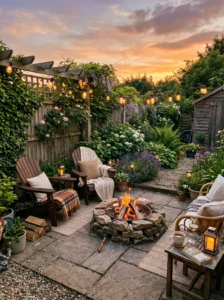
Mulch is one of the most cost-effective landscaping materials available.
It works because it improves appearance while helping retain soil moisture and suppress weeds.
Use mulch around trees, garden beds, pathways, and decorative planting areas.
Natural wood mulch tends to create a timeless look, while colored mulch can sometimes appear artificial if overused.
Refresh mulch annually to maintain a neat appearance.
Many people are surprised by how much cleaner and more polished a backyard looks after adding mulch.
11. Create a Simple Pathway
Pathways add structure and guide movement throughout a yard.
This works because defined walking routes create organization and visual flow.
Small backyards benefit greatly because pathways encourage exploration and make the space feel intentionally designed.
Use stepping stones, gravel, bricks, or reclaimed materials to keep costs low.
Avoid overly complicated pathway patterns that can make small spaces feel busy.
A simple pathway subtly improves both functionality and overall appearance.
12. Repurpose Materials for DIY Features
Creative reuse is often the secret behind budget-friendly backyard makeovers.
Repurposed materials work because they reduce costs while adding unique character.
Old pallets, bricks, wooden crates, and reclaimed lumber can become planters, seating, shelving, or decorative accents.
This approach works particularly well for homeowners who enjoy DIY projects.
Make sure reused materials are safe and weather-resistant before installation.
These one-of-a-kind elements often become conversation pieces while keeping spending under control.
13. Add a Small Water Feature
You don’t need a luxury budget to enjoy the calming effect of water.
Small water features work because sound adds another sensory layer to the outdoor experience.
Compact fountains are ideal for tiny backyards where space is limited.
Choose self-contained designs that require minimal plumbing and maintenance.
Avoid oversized features that dominate the yard.
The gentle sound of moving water can make even a modest backyard feel more relaxing and private.
14. Use Mirrors to Create the Illusion of Space
A well-placed outdoor mirror can visually expand a small backyard.
This technique works because mirrors reflect light, greenery, and surrounding features.
It’s particularly useful in enclosed yards with high fences or walls.
Mount mirrors securely and position them where they reflect attractive views.
Avoid placing mirrors where they create glare or reflect clutter.
The visual effect can make a backyard feel noticeably larger than its actual size.
15. Keep Decor Minimal and Intentional
Small spaces benefit from restraint more than excess.
Minimal decor works because it reduces visual clutter while allowing important features to stand out.
This approach suits nearly every backyard style, from modern to cottage-inspired.
Choose a few quality accessories rather than filling every corner with decorations.
Avoid mixing too many colors, materials, and design themes.
A cleaner design feels calmer, easier to maintain, and often more expensive than heavily decorated spaces.