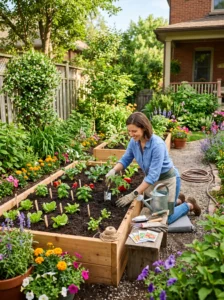
Starting a garden sounds simple until you’re standing in a store staring at dozens of seed packets, bags of soil, fertilizers, and gardening tools. Many beginners jump into gardening with excitement, only to feel overwhelmed after a few weeks when plants struggle, weeds appear, or nothing seems to grow as expected.
The truth is that gardening isn’t difficult, but it does require a little planning. One of the biggest mistakes new gardeners make is trying to do too much too quickly. They choose too many plants, create beds that are too large, or ignore important factors like sunlight and soil quality. The result is often frustration rather than enjoyment.
A successful garden isn’t built through luck. It’s created by making a series of smart decisions from the beginning. When you understand the basics, gardening becomes far more enjoyable and rewarding. You spend less time fixing problems and more time watching your plants thrive.
In this complete beginner’s guide, you’ll learn exactly how to start a garden from scratch. We’ll cover everything from choosing the right location and preparing soil to selecting beginner-friendly plants and maintaining your garden throughout the growing season. Whether you have a large backyard, a small patio, or a tiny corner of outdoor space, these practical steps will help you build a garden you can enjoy for years to come.
1. Start With a Clear Gardening Goal
One of the smartest things a beginner can do is decide why they want a garden before buying a single plant.
Having a clear goal helps guide every decision that follows. Some people want fresh vegetables, while others dream of colorful flowers or a relaxing outdoor space. Knowing your purpose prevents unnecessary purchases and keeps your project manageable.
This approach works in any size garden, from apartment balconies to large suburban yards. A vegetable garden requires different planning than a flower garden or a pollinator-friendly landscape.
Think about how much time you’re realistically willing to spend maintaining the garden. If you’re busy, choose low-maintenance plants instead of high-demand varieties that require constant attention.
Many experienced gardeners will tell you they wish they had started smaller. A focused garden is easier to maintain and usually produces better results. It’s far more satisfying to successfully grow a few healthy plants than to struggle with dozens.
Taking time to define your goal creates a strong foundation and makes every future gardening decision easier.
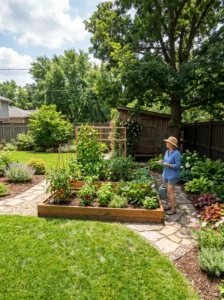
2. Choose the Right Location
Location can determine whether your garden thrives or struggles.
Most vegetables and flowering plants need at least six to eight hours of sunlight daily. Without enough light, plants become weak, produce fewer flowers, and often fail to reach their full potential.
Before creating garden beds, spend a few days observing your outdoor space. Notice where sunlight falls in the morning, afternoon, and evening. Areas that seem sunny at first glance may actually spend much of the day in shade.
This is especially important for small yards where available planting space may be limited. Even a few feet can make a significant difference in plant performance.
Avoid locations where water consistently pools after rain. Poor drainage can damage roots and encourage disease.
A convenient location also matters. Gardens placed near the house tend to receive more attention because they’re easier to access for watering, harvesting, and routine care.
When your garden is located where you can see it regularly, you’re more likely to notice problems early and enjoy the space daily.
3. Test and Understand Your Soil
Healthy soil is the foundation of every successful garden.
Many beginners focus on plants while overlooking the condition of the soil. However, even the best plants struggle when their roots cannot access nutrients, air, and water properly.
Start by examining your soil texture. Sandy soil drains quickly, while clay soil tends to hold moisture longer. Both can support healthy plants, but each may require different improvements.
This step is valuable for vegetable gardens, flower beds, and landscape borders alike.
Adding compost is one of the simplest ways to improve soil quality. Compost increases fertility, improves drainage, and supports beneficial microorganisms that help plants grow.
Consider conducting a basic soil test if possible. It can reveal nutrient levels and pH balance, helping you avoid unnecessary fertilizers.
Gardeners often notice dramatic improvements after focusing on soil health. Plants become stronger, watering becomes easier, and overall maintenance decreases.
Good soil may not be exciting, but it’s often the difference between a frustrating garden and a thriving one.
4. Start Small Instead of Going Big
A small garden often outperforms an oversized beginner project.
It’s easy to get inspired by beautiful garden photos and attempt a large installation right away. Unfortunately, maintaining too much space can quickly become overwhelming.
Starting small allows you to learn essential skills without feeling stressed. You can focus on watering, pruning, weeding, and monitoring plant health effectively.
This approach works particularly well for first-time vegetable gardeners. A few raised beds or containers can produce impressive harvests while remaining manageable.
Choose a garden size that fits your available time rather than your ambitions. Expansion can always happen later.
Smaller gardens also cost less to establish. You’ll spend less on soil, plants, mulch, and irrigation systems.
Many successful gardeners gradually expand over several seasons. This allows them to gain experience and understand what grows best in their specific environment.
A modest, well-maintained garden almost always looks better than a large neglected one.
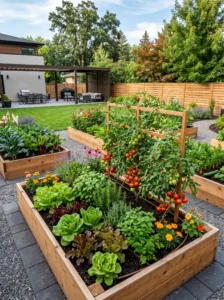
5. Consider Raised Garden Beds
Raised beds simplify many common gardening challenges.
By elevating the growing area, raised beds provide better drainage, improved soil control, and easier maintenance. They are especially useful in locations with poor native soil.
Raised beds work exceptionally well for vegetables, herbs, and many flowers. They create clear growing spaces and reduce soil compaction caused by foot traffic.
Wood, metal, and composite materials are common choices. Cedar is particularly popular because it naturally resists decay.
Keep beds narrow enough that you can comfortably reach the center from either side. This reduces the need to step into the planting area.
Many gardeners appreciate how organized raised beds make a landscape feel. Paths remain clear, weeds are easier to manage, and harvesting becomes more convenient.
For beginners, raised beds remove many variables and provide greater control over growing conditions.
6. Pick Easy Plants for Beginners
Choosing beginner-friendly plants increases your chances of success dramatically.
Some plants naturally tolerate mistakes better than others. Starting with reliable varieties builds confidence and helps you learn gardening basics without constant frustration.
For vegetables, tomatoes, lettuce, radishes, beans, and zucchini are often good choices. For flowers, marigolds, zinnias, sunflowers, and cosmos tend to perform well in many conditions.
These plants work in garden beds, raised beds, and even large containers.
Avoid selecting plants solely because they look attractive. Consider sunlight requirements, climate compatibility, and maintenance needs.
Local garden centers often stock varieties suited to regional growing conditions, making them excellent resources for beginners.
Successfully growing easy plants creates momentum. Seeing healthy growth encourages continued learning and experimentation.
A few thriving plants will teach you more than a dozen struggling ones.
7. Learn Your Local Growing Season
Timing plays a major role in gardening success.
Many beginner gardeners unknowingly plant too early or too late. Even healthy plants can fail when introduced at the wrong time.
Research your area’s average frost dates and growing season length. These dates help determine when seeds and transplants should be planted outdoors.
This information is particularly important for vegetables, annual flowers, and herbs.
Cool-season crops like lettuce and spinach prefer mild temperatures, while tomatoes and peppers thrive in warmer weather.
Creating a simple planting calendar can prevent costly mistakes and improve harvests.
Experienced gardeners often plan weeks or months ahead because they understand how timing influences growth.
Once you learn your local growing season, gardening becomes far more predictable and productive.
8. Use Quality Garden Tools
Good tools make gardening easier and more enjoyable.
You don’t need an entire shed full of equipment to start. A few high-quality basics are usually enough for beginners.
A hand trowel, pruning shears, watering can, garden gloves, and a digging shovel handle most common tasks.
These tools are useful in nearly every garden type, regardless of size.
Investing in durable tools often saves money over time because they last longer and perform better. Cheap tools frequently bend, break, or become uncomfortable during use.
Keep tools clean and dry after use to extend their lifespan.
Many gardeners discover that simple maintenance habits significantly improve their gardening experience.
Reliable tools reduce effort, improve efficiency, and make routine tasks far less frustrating.
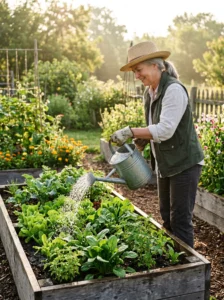
9. Water the Right Way
Watering seems simple, but many gardening problems begin here.
Both overwatering and underwatering can damage plants. The goal is consistent moisture rather than constant wetness.
Deep watering encourages roots to grow downward, creating stronger and more resilient plants. Frequent shallow watering often produces weaker root systems.
This strategy works for vegetables, flowers, shrubs, and container gardens.
Water early in the morning whenever possible. Plants absorb moisture efficiently, and foliage dries quickly, reducing disease risks.
Mulch can help retain soil moisture and reduce watering frequency.
Many beginners are surprised to learn that too much water can be just as harmful as too little.
Learning proper watering techniques often leads to healthier plants almost immediately.
10. Add Mulch to Protect Your Garden
Mulch is one of the most valuable yet overlooked gardening tools.
A layer of mulch helps regulate soil temperature, retain moisture, suppress weeds, and improve overall garden appearance.
Organic options such as shredded bark, straw, and compost gradually break down and enrich the soil over time.
Mulch is useful around vegetables, flowers, trees, and shrubs.
Apply a layer roughly two to three inches thick while keeping it slightly away from plant stems.
Without mulch, soil dries faster and weeds often become harder to manage.
Many gardeners notice a significant reduction in maintenance after mulching their beds properly.
It’s a simple step that delivers benefits throughout the growing season.
11. Don’t Ignore Weeds Early
Small weeds are much easier to remove than large ones.
Weeds compete with garden plants for sunlight, nutrients, water, and space. Left unchecked, they can quickly overwhelm young seedlings.
Regular inspections prevent weeds from becoming a major problem.
This habit is particularly important in vegetable gardens where competition directly affects yields.
Pull weeds when soil is slightly moist for easier removal. Removing roots completely helps prevent regrowth.
Mulch, proper spacing, and consistent maintenance all contribute to weed control.
Most experienced gardeners spend a few minutes each week addressing weeds instead of waiting for a major cleanup.
That small effort saves significant time later.
12. Feed Plants Wisely
Plants need nutrients, but more fertilizer isn’t always better.
Overfertilizing can cause excessive leaf growth, weak stems, and poor flowering or fruit production.
Start with compost and balanced fertilizers when necessary. Follow product instructions carefully rather than guessing application rates.
Different plants have different nutritional requirements, making research worthwhile.
Vegetables often benefit from regular feeding, while many native plants require very little additional fertilizer.
Observing plant growth provides valuable clues. Healthy color and steady growth usually indicate adequate nutrition.
Thoughtful feeding supports long-term plant health and prevents unnecessary expenses.
A balanced approach almost always outperforms excessive fertilization.
13. Keep Track of What You Plant
A simple garden journal can become an incredibly useful resource.
Recording planting dates, varieties, weather conditions, and results helps identify patterns over time.
This habit works for every type of garden, from edible landscapes to decorative flower beds.
Notes don’t need to be complicated. Even basic observations can reveal what performs best in your space.
Tracking successes and failures prevents repeating mistakes year after year.
Many experienced gardeners rely heavily on records because memory alone isn’t always reliable.
Over time, your journal becomes a personalized gardening guide tailored specifically to your conditions.
It’s one of the easiest ways to improve future results.
14. Expect Some Mistakes
Every gardener kills a plant eventually.
Beginners often assume experienced gardeners never make mistakes, but gardening is largely a process of observation and learning.
Weather changes, pests appear, and plants sometimes fail despite good care.
Understanding this reality helps reduce frustration and encourages experimentation.
Use setbacks as opportunities to learn rather than reasons to quit.
A failed crop can teach valuable lessons about soil, sunlight, timing, or watering practices.
Most skilled gardeners developed their expertise through years of trial and error.
Patience and persistence matter far more than perfection.
15. Build a Garden You Enjoy
A garden should improve your life, not become another stressful obligation.
While productivity and appearance matter, personal enjoyment should remain a priority.
Include plants, flowers, colors, or features that genuinely make you happy. A garden designed around your preferences is more likely to receive regular care.
This idea applies equally to vegetable gardens, ornamental landscapes, and container gardens.
Add a bench, bird feeder, pathway, or favorite flowering plant if it enhances the experience.
Many gardeners find that spending time outdoors becomes just as rewarding as harvesting vegetables or growing flowers.
The best garden isn’t necessarily the biggest or most impressive.
It’s the one that fits your lifestyle and encourages you to spend time outside.