Kitchen trends move fast. One year everyone wants dark espresso cabinets, the next year people are painting everything bright white, and suddenly olive green becomes the “must-have” color on Pinterest. The problem is that kitchen cabinets are not throw pillows. Repainting or replacing them is expensive, time-consuming, and honestly a little exhausting once you’ve already lived through one renovation.
A lot of homeowners end up choosing cabinet colors based on what looks trendy online instead of what actually works long-term. That usually leads to regret a few years later when the kitchen starts feeling tied to a specific era. We’ve all seen kitchens that scream “2012” or “farmhouse trend overload.” The goal isn’t to avoid personality altogether — it’s to create a kitchen that still feels fresh and stylish years from now.
The good news is that timeless cabinet colors are not boring. The best choices balance warmth, practicality, lighting, and the overall style of your home. They feel flexible enough to evolve as trends change, which means you can update your kitchen with smaller decor swaps instead of another expensive remodel.
In this guide, you’ll learn how to choose kitchen cabinet colors that stay relevant longer, what shades work best in different kitchen sizes and lighting conditions, and which common mistakes make kitchens look dated too quickly. You’ll also get practical advice on materials, finishes, maintenance, and color combinations that work in real homes — not just in perfectly staged photos.
1. Start With the Overall Style of Your Home
One of the biggest mistakes people make is choosing cabinet colors that clash with the rest of the house. A sleek charcoal kitchen might look amazing online, but if your home has warm traditional finishes and cozy textures, it can feel disconnected and awkward in real life.
Cabinet colors work best when they match the architectural personality of the home. Warm whites, muted greiges, and natural wood tones usually work well in traditional or transitional homes. Cooler grays and flat finishes often suit modern spaces better. The idea is consistency, not perfection.
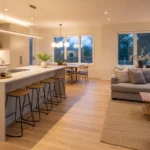
This matters even more in open-concept homes where the kitchen flows directly into living and dining spaces. If the cabinet color feels too different, the entire space can look visually fragmented. In smaller homes, this mismatch becomes even more noticeable.
A smart approach is to pull undertones from nearby flooring, wall paint, or wood furniture. If your floors have warm honey tones, cabinets with warm undertones will feel more cohesive than icy gray ones.
In everyday life, this creates a calmer and more natural-looking home. Instead of feeling like your kitchen belongs to a different house entirely, it becomes part of a balanced overall design that ages much better over time.
2. Choose Warm Neutrals Over Harsh Cool Tones
Cool gray kitchens dominated design trends for years, but many now feel cold and dated. Warm neutrals tend to age far more gracefully because they create a softer and more inviting atmosphere.
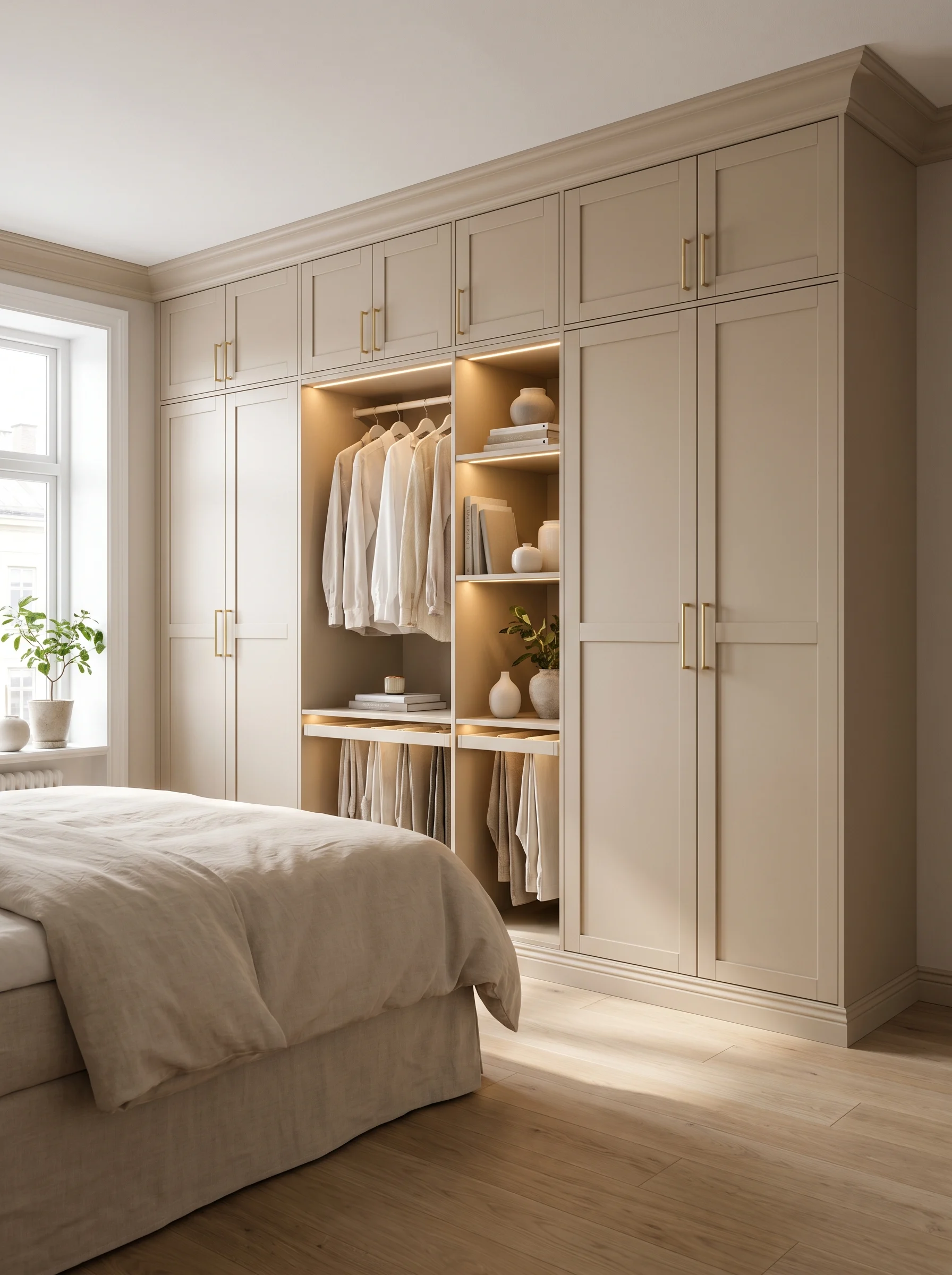
Colors like creamy white, soft taupe, mushroom, greige, and warm beige have lasting appeal. They adapt well to changing trends and pair easily with different backsplashes, countertops, and hardware finishes.
Warm neutrals work especially well in family kitchens or homes with limited natural light. Cooler cabinet colors can make darker kitchens feel sterile, while warmer shades help the space feel comfortable and lived-in.
When choosing paint samples, always test them during different times of day. A neutral that looks warm in a showroom might suddenly look gray or yellow under your kitchen lighting. This is where many people make expensive mistakes.
Matte or satin finishes usually help warm neutrals feel more sophisticated than high-gloss finishes. Pairing them with brushed brass or matte black hardware also keeps the kitchen feeling updated without relying on trendy colors.
The biggest benefit is flexibility. Warm neutral cabinets make it easier to refresh your kitchen later with smaller updates like bar stools, lighting, or wall decor instead of repainting the entire space.
3. Natural Wood Cabinets Age Better Than Most Trends
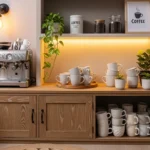
There’s a reason natural wood kitchens keep coming back. Real wood tones rarely feel completely out of style because they bring warmth, texture, and authenticity into a space.
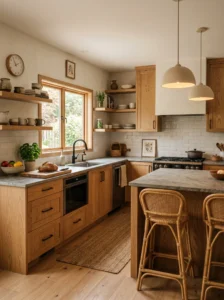
The key is choosing the right wood finish. Extremely orange oak stains or overly dark cherry finishes can date a kitchen quickly. Instead, lighter oak, walnut, white oak, and medium natural finishes tend to have better longevity.
Natural wood cabinets work beautifully in Scandinavian, Japandi, farmhouse, and modern kitchens. They also pair well with both light and dark countertops, making them incredibly versatile.
Flat-panel wood cabinets often feel more modern, while shaker-style wood cabinets lean transitional and timeless. Avoid overly decorative detailing if you want a look that lasts longer.
Maintenance matters too. Wood cabinets can show wear over time, but quality finishes help protect against moisture and grease. Choosing textured wood grains can also hide fingerprints and scratches better than painted cabinets.
In real life, wood cabinets create warmth that painted kitchens sometimes lack. Even minimalist kitchens feel softer and more welcoming with natural materials, which is one reason homeowners rarely regret choosing them.
4. White Cabinets Work Best When They’re Not Stark White
White kitchens remain popular because they feel clean, bright, and flexible. But the wrong shade of white can quickly make a kitchen feel clinical or outdated.
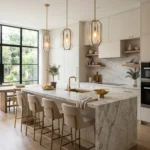
Bright blue-toned whites often look harsh under artificial lighting. Softer whites with warm undertones tend to feel more natural and timeless. Think creamy whites, soft ivory, or off-whites rather than pure paper white.
White cabinets work especially well in smaller kitchens because they reflect light and visually expand the space. They also help darker kitchens feel brighter without major renovations.
To avoid a flat or boring appearance, layer texture into the kitchen. Warm wood flooring, natural stone countertops, textured backsplashes, or mixed metal hardware help white kitchens feel balanced.
Another important detail is cabinet finish. High-gloss white cabinets can sometimes feel trendy or overly modern, while satin or matte finishes usually age better.
White cabinets are also practical from a resale perspective because buyers tend to view them as flexible and easy to personalize. While they may require more cleaning than darker cabinets, many homeowners still prefer them because the kitchen feels consistently fresh and open.
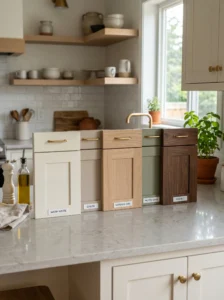
5. Avoid Ultra-Trendy Colors for Main Cabinets
Bold cabinet colors can look exciting initially, but trendy shades often lose appeal faster than expected. Bright navy, emerald green, or matte black may dominate social media for a few years, but they can date a kitchen surprisingly quickly.
That doesn’t mean you can never use color. It simply means large permanent surfaces should be approached more carefully. If you love trendy shades, use them strategically instead of covering the entire kitchen.
Kitchen islands are a safer place for bold colors because they can be repainted more easily later. Upper and lower cabinets in different colors can also help balance the look.
Muted versions of trendy colors tend to age better than highly saturated ones. Dusty sage, smoky blue, or muted charcoal usually last longer visually than brighter dramatic shades.
This approach works particularly well for homeowners who enjoy updating decor frequently. Neutral main cabinets give flexibility while still allowing personality through accents.
In daily life, balanced kitchens simply feel easier to live with long-term. Extremely trendy colors often create visual fatigue after a few years, especially in spaces you use constantly like the kitchen.
6. Think About Natural Lighting Before Choosing Color
Lighting changes everything. A cabinet color that looks perfect online may appear completely different in your kitchen depending on sunlight exposure and artificial lighting.
North-facing kitchens tend to feel cooler and darker, which means warm cabinet colors usually work better. South-facing kitchens get stronger natural light and can handle cooler tones more easily.
Small kitchens with minimal windows often benefit from lighter cabinet colors because they reflect light and prevent the room from feeling cramped. Larger kitchens can support darker tones without feeling closed in.
Testing large paint samples is essential. Small swatches rarely show how a color will actually behave across an entire kitchen. Paint samples directly onto poster boards and move them around throughout the day.
Also pay attention to lighting temperature. Warm LED bulbs can make cabinets look yellow, while cooler bulbs may pull gray undertones unexpectedly.
A kitchen that works with its lighting feels naturally balanced every day. You avoid the frustration of cabinets looking beautiful in daylight but strange at night, which is more common than people realize.
7. Shaker Cabinets Tend to Stay Stylish Longer
Cabinet style affects how the color feels over time. Some cabinet profiles are so trend-specific that even timeless paint colors start looking dated faster.
Shaker cabinets continue to remain popular because they’re simple without feeling plain. Their clean lines work in traditional, modern, farmhouse, and transitional kitchens alike.
Highly ornate cabinet detailing often dates kitchens more quickly because it reflects specific design periods. Ultra-flat slab cabinets can also feel overly trendy in some homes if not balanced carefully.
Shaker cabinets pair especially well with timeless colors like warm white, greige, muted sage, and natural wood tones. They also adapt easily when you change hardware or countertops later.
From a practical standpoint, shaker cabinets are easier to clean than heavily detailed designs. Dust and grease buildup are less noticeable, which matters in busy kitchens.
In real homes, this flexibility becomes valuable over time. Homeowners can refresh the kitchen’s style through small updates while keeping the original cabinets, which saves money and avoids unnecessary renovations.
8. Matte and Satin Finishes Usually Age Better
Cabinet finish matters just as much as cabinet color. High-gloss finishes often feel tied to certain design trends, while matte and satin finishes tend to look more timeless.
Matte finishes create a softer and more relaxed appearance. Satin finishes offer a subtle sheen without looking overly reflective. Both work well in modern and traditional kitchens alike.
Glossy cabinets can highlight fingerprints, smudges, and scratches more easily, especially on darker colors. This becomes frustrating in busy family kitchens where cabinets are constantly touched.
Matte finishes work particularly well with warm neutrals and earthy colors because they create depth instead of sharp reflections. Satin finishes are slightly easier to clean while still maintaining a softer look.
Another advantage is that matte cabinets photograph less harshly and feel calmer visually. Kitchens with softer finishes usually look more expensive and custom-designed over time.
Daily use matters here. A kitchen that hides wear naturally will continue feeling attractive longer without constant maintenance or touch-ups.
9. Greige Is One of the Safest Long-Term Choices
Greige — the mix between gray and beige — remains popular for a reason. It combines the sophistication of gray with the warmth of beige, making it much easier to live with long-term.
Unlike cool gray kitchens that can feel cold, greige adapts beautifully to different lighting conditions. It also works with warm woods, black hardware, marble countertops, and stainless steel appliances.
Greige cabinets are especially useful in transitional kitchens where homeowners want something modern but not overly trendy. They fit comfortably between classic and contemporary styles.
The trick is choosing the right undertone. Some greiges lean purple or green under certain lighting, so testing samples is extremely important.
Pairing greige cabinets with warm brass hardware or natural wood accents prevents the kitchen from feeling dull. Layering textures also helps create depth.
Many homeowners appreciate greige because it feels calm and practical. It adds character without demanding constant attention, which is exactly why it tends to age gracefully compared to more dramatic cabinet colors.
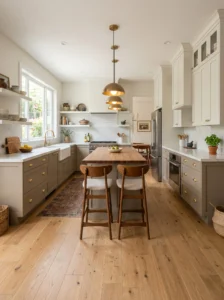
10. Two-Tone Kitchens Can Add Longevity When Done Carefully
Two-tone kitchens can actually help a kitchen age better when executed thoughtfully. The trick is balance and restraint.
A common approach is using darker lower cabinets with lighter upper cabinets. This grounds the space visually while keeping the kitchen bright and open.
This works especially well in medium or large kitchens where a single color might feel flat or overwhelming. Smaller kitchens can still use two-tone designs but should avoid very dark upper cabinets.
The safest combinations are usually neutral-based: white and wood, greige and white, or navy and warm gray. Extremely contrasting combinations can feel trendy too quickly.
Keeping one cabinet color neutral allows the second color to bring personality without overpowering the room. Islands are another smart place to introduce contrast.
From a practical perspective, darker lower cabinets also hide scuffs and dirt better, which makes daily maintenance easier for busy households.
11. Avoid Matching Cabinets Too Closely to Flooring
One surprisingly common mistake is choosing cabinet colors that almost match the flooring but not quite. This creates a flat, blended look that lacks contrast and visual depth.
Instead, aim for complementary tones rather than exact matches. If you have medium wood flooring, slightly lighter or darker cabinets usually look more intentional.
Contrast helps define the kitchen visually. White cabinets with medium wood floors, or warm greige cabinets with lighter oak flooring, often create a more balanced space.
This becomes especially important in open-concept homes where flooring extends into other rooms. Too much matching wood can make the space feel heavy or repetitive.
Undertones matter here as well. Warm flooring pairs better with warm cabinet tones, while cooler flooring works better with cooler cabinet undertones.
A little contrast makes kitchens feel layered and professionally designed instead of overly coordinated. It also gives more flexibility if flooring trends change later.
12. Earthy Colors Tend to Have Better Staying Power
Earth-inspired cabinet colors are becoming more popular because they feel grounded and natural rather than trend-driven.
Muted olive, clay, soft mushroom, dusty blue, and warm taupe tend to age better than highly saturated colors. These shades connect well with natural materials like wood, stone, and linen textures.
Earthy colors work beautifully in homes that prioritize comfort over ultra-modern minimalism. They also help kitchens feel less sterile and more welcoming.
The safest way to use earthy colors is through muted versions rather than bold dramatic tones. Pairing them with simple cabinet styles keeps the overall kitchen feeling balanced.
Natural lighting plays a huge role here. Earthy colors can look stunning in sunlight but muddy in dark kitchens if not tested properly beforehand.
In daily use, these colors often feel calming rather than overwhelming. Many homeowners find they grow to appreciate subtle earthy tones more over time because they don’t compete constantly for attention.
13. Hardware Can Completely Change the Cabinet Look
Sometimes the cabinet color itself isn’t the problem — it’s the hardware choice making the kitchen feel outdated.
Heavy ornate handles can instantly age otherwise timeless cabinets. Sleek modern hardware can also feel too cold in traditional kitchens. Balance matters.
Brushed brass, matte black, polished nickel, and aged bronze tend to have better longevity than highly trendy finishes. Simple shapes also age better than decorative styles.
Hardware placement matters too. Long bar pulls often suit modern kitchens, while knobs and cup pulls work better in classic spaces.
One advantage of neutral cabinets is that hardware becomes easy to swap later. This is one of the cheapest ways to refresh a kitchen without repainting cabinets entirely.
Many homeowners underestimate how much hardware affects daily use. Comfortable handles that feel sturdy and practical make kitchens more enjoyable to use every single day.
14. Timeless Kitchens Usually Prioritize Balance Over Drama
The kitchens that age best are rarely the most dramatic ones. They’re balanced, practical, and thoughtfully layered.
Instead of chasing trends aggressively, focus on a combination of timeless elements: warm lighting, quality materials, flexible cabinet colors, and simple finishes.
A kitchen doesn’t need to feel boring to remain current. Personality can come from lighting, decor, stools, rugs, or wall art instead of permanent surfaces like cabinetry.
This philosophy works especially well for homeowners planning to stay in their homes long-term. Neutral foundations allow style updates without major renovations.
A balanced kitchen also feels calmer in everyday life. It’s easier to cook, clean, and spend time in a space that doesn’t feel visually overwhelming or trend-focused.
The best kitchens usually evolve gradually instead of being redesigned every few years. That’s ultimately the smartest way to avoid a dated look.
Comparison Table
| Type | Best Use | Material | Style/Vibe | Difficulty Level |
|---|---|---|---|---|
| Warm White Cabinets | Small or dark kitchens | Painted MDF or wood | Bright, timeless, clean | Easy |
| Natural Oak Cabinets | Modern or Scandinavian kitchens | Solid oak or veneer | Warm, organic, relaxed | Medium |
| Greige Cabinets | Transitional homes | Painted wood | Soft, versatile, balanced | Easy |
| Two-Tone Cabinets | Larger kitchens | Mixed painted finishes | Modern but flexible | Medium |
| Matte Sage Cabinets | Earthy contemporary kitchens | Painted wood | Calm, natural, cozy | Medium |
| Walnut Cabinets | Luxury modern kitchens | Solid walnut | Rich, warm, upscale | Hard |
Buying Guide: How to Choose Kitchen Cabinet Colors
Choosing kitchen cabinet colors isn’t only about what looks good today. You need to think about how the kitchen will function, age, and fit into your everyday life over the next several years.
Start with sizing and scale. Smaller kitchens usually benefit from lighter cabinet colors because they reflect more light and help the room feel open. Dark cabinets can work in small kitchens too, but they need strong lighting and enough contrast to avoid feeling cramped. Larger kitchens have more flexibility and can handle richer tones without overwhelming the space.
Material choice matters more than many homeowners expect. Solid wood cabinets tend to age better visually and physically than lower-quality laminate options. MDF cabinets are often smoother for painted finishes, while real wood provides more texture and warmth. If durability matters most, focus on high-quality construction before obsessing over paint color.
Maintenance should also influence your decision. Glossy dark cabinets show fingerprints constantly, while matte medium-tone finishes usually hide daily wear much better. White cabinets brighten spaces beautifully but may require more frequent cleaning around handles and lower drawers.
Budget plays a major role too. Repainting cabinets later is expensive, so choosing flexible colors initially can save money long-term. Neutral cabinet colors also improve resale appeal because buyers can personalize the kitchen more easily.
One of the most common mistakes is choosing colors under showroom lighting only. Always test samples inside your actual kitchen throughout the day. Lighting changes everything. Another mistake is following trends too aggressively instead of considering the overall style of the home.
The best cabinet color is usually the one that feels comfortable, adaptable, and easy to live with every day — not simply the trendiest option online.
Conclusion
Choosing kitchen cabinet colors that won’t look dated comes down to balance, flexibility, and understanding how real homes function over time. Trends will always change, but kitchens that rely on warm neutrals, natural materials, thoughtful lighting, and simple cabinet styles tend to stay attractive much longer.
That doesn’t mean you need to avoid personality entirely. The smartest kitchens often combine timeless foundations with smaller decorative updates that are easier and cheaper to change later. Cabinet hardware, lighting, stools, paint colors, and accessories can all evolve without requiring a full renovation.
The most successful cabinet colors also work with the home itself. They complement flooring, lighting, architecture, and lifestyle instead of competing for attention. A kitchen should feel comfortable to use every day, not just impressive in photos.
If you’re unsure where to start, warm whites, natural wood tones, greige, and muted earthy shades are usually safer long-term choices than highly saturated trendy colors. Pair them with quality materials and practical finishes, and your kitchen is far more likely to feel fresh years from now.
A timeless kitchen isn’t about avoiding trends completely. It’s about making thoughtful decisions that still feel right long after the trend cycle moves on.
FAQs
1. What kitchen cabinet color has the best resale value?
Warm white, soft greige, and natural wood tones usually perform best for resale. These colors appeal to a wider range of buyers because they feel flexible and easy to personalize. Extremely bold colors can sometimes limit buyer interest.
2. Are white kitchen cabinets going out of style?
White cabinets are still popular, but warmer whites are replacing stark bright whites. Homeowners now prefer softer and more natural-looking kitchens instead of ultra-clinical spaces. Texture and warmth are becoming more important.
3. Do dark kitchen cabinets make a kitchen look smaller?
They can if the kitchen lacks natural light or contrast. However, dark cabinets work beautifully in larger kitchens or spaces with strong lighting. Pairing dark lower cabinets with lighter upper cabinets often helps balance the room.
4. What cabinet finish hides fingerprints best?
Matte and satin finishes usually hide fingerprints better than glossy finishes. Medium-tone colors also tend to conceal smudges and scratches more effectively than very dark or very light cabinets.
5. Should kitchen cabinets match the floor?
Not exactly. Cabinets should complement flooring instead of matching it perfectly. Slight contrast creates depth and helps the kitchen feel more professionally designed and visually balanced.
6. Are gray cabinets outdated now?
Cool-toned gray cabinets are becoming less popular, especially icy grays. Warmer greige tones still feel current because they balance warmth and neutrality better than cooler shades.
7. How many cabinet colors should a kitchen have?
Most kitchens look best with one or two cabinet colors. Too many colors can make the space feel busy and trend-heavy. Simple combinations usually age better visually.
8. What is the safest timeless cabinet style?
Shaker cabinets remain one of the safest long-term choices because they work across multiple design styles. Their clean and simple appearance adapts easily as trends change.