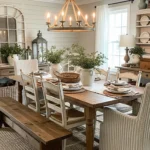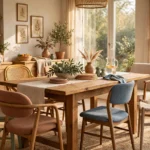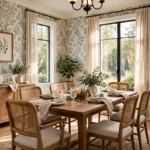
How to Style a Dining Table for Ordinary Tuesdays, Not Just Guests
Yes, you can have a dining table that looks put together on a random Tuesday night — and it does not take a special occasion, a big budget, or an hour of fussing. The trick is a simple setup you repeat: a clear surface, one centerpiece, everyday plates, and a five-minute reset at the end of the night. Once that routine is in place, the table pretty much styles itself.
Most tables look messy because they have become the landing spot for everything — mail, chargers, school papers, keys. The twelve steps below run in order, so follow them top to bottom the first time. After that, you will only need steps ten and twelve to keep it going.
Step 1: Clear the table completely first
Take everything off the table — the mail pile, the laptop, the random mug, the bag of cables. Wipe the surface with a damp cloth and a little dish soap, then dry it. You cannot style around clutter. Give everything a real home elsewhere — mail by the door, chargers in a drawer. If something has no home, that is the real problem, not the table.
Cost: $0. Time: 10–15 minutes. Difficulty: easy. Tip: Do this on a Sunday evening, so a clear table greets you on Monday morning. Watch out: Do not just shift the pile to a nearby chair. That moves the mess, it does not solve it.

This post contains affiliate links. As an Amazon Associate I earn from qualifying purchases — at no extra cost to you.
Shop this idea
Solino Home Linen Table Runner, 108 Inch, Light Natural
A 108-inch machine-washable linen runner in light natural — the washable base this step calls for.
As an Amazon Associate I earn from qualifying purchases. (paid link)
Step 2: Start with a washable runner or placemats
A runner or a set of placemats does two jobs at once: it protects the table from plates, mugs, and the odd spill, and it gives the whole setup a finished base. Pick something you can toss in the washing machine — cotton, linen-blend, or wipe-clean vinyl. A runner suits a long table; placemats work better on a round or small one. Keep the colour calm and plain — natural linen, soft grey, or warm white — so your plates and centerpiece do the talking.
Cost: $15–$40 for a runner, $20–$50 for a set of four to six placemats. Time: 5 minutes. Difficulty: easy. Tip: Buy two sets, so one stays on the table while the other is in the wash. Watch out: Skip heavy fringe or tassels if you eat at the table daily. They catch crumbs.

Step 3: Pick one everyday centerpiece (a vase or a bowl)
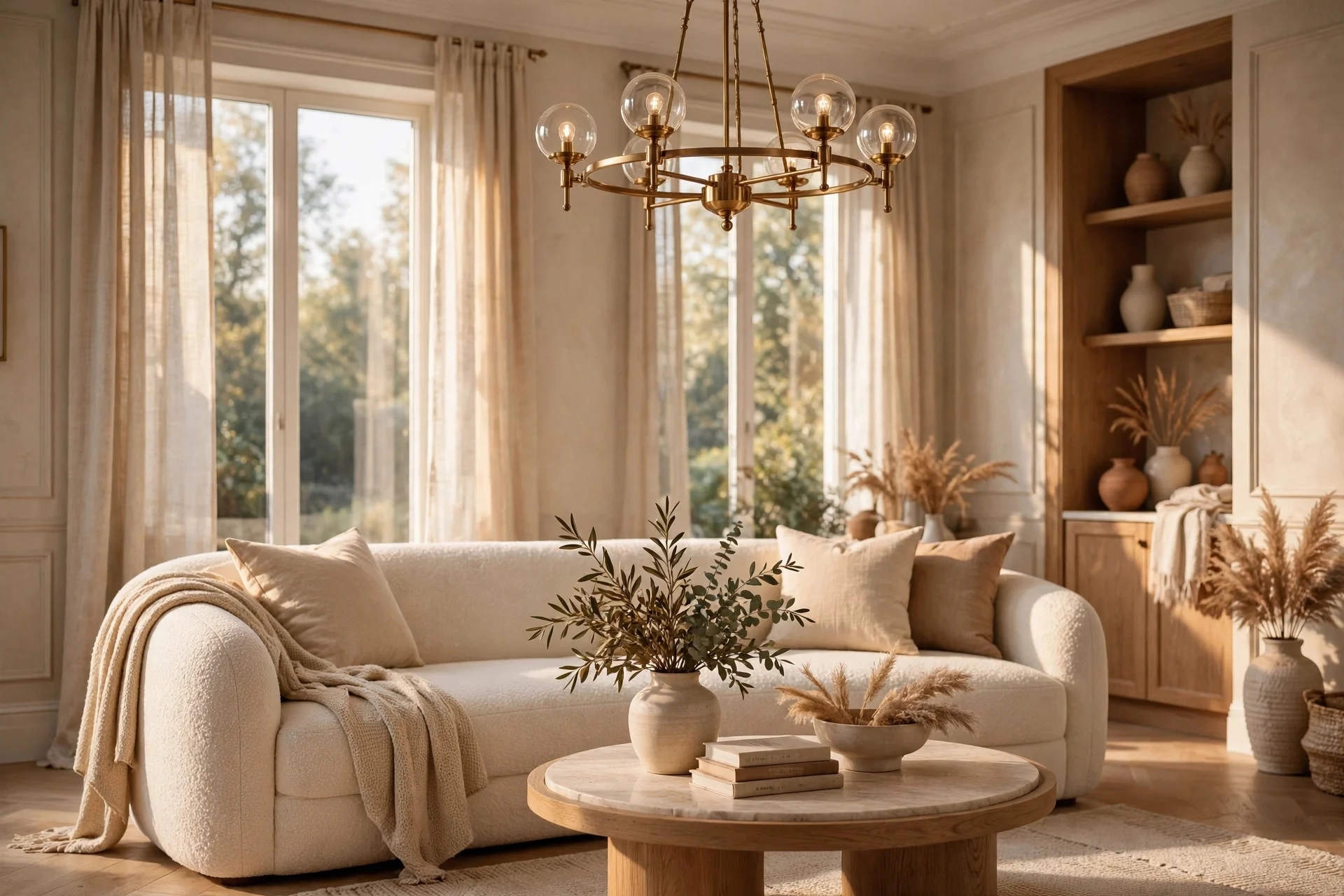
Every styled table has one thing in the middle that your eye lands on. For daily use, keep it to a single piece: a medium vase or a low, wide bowl. One piece, not three. A single vase with a few stems, or a bowl holding fruit, looks calm and intentional. Keep it low, too — anything taller than about 12 inches blocks the view across the table. Pick something that can stay put all week.
Cost: $10–$35 for a vase or bowl. Time: 5 minutes. Difficulty: easy. Tip: On a round table, a bowl works better than a tall vase — it follows the shape of the table and leaves room for plates. See these round table ideas for small dining rooms. Watch out: Leave at least 12 inches of clear table on each side for a plate and a glass.

Step 4: Add greenery that lasts (eucalyptus or good faux stems)
Fresh flowers are lovely, but buying a new bunch every week gets expensive and most of us forget. Eucalyptus is the better daily choice: a bunch costs a few dollars, dries gracefully instead of wilting into a sad mess, and smells good for weeks. Good faux stems work too — buy ones that look like real plants, not plastic. Put three to five stems in your vase, or lay a small bunch flat in the bowl. Keep the arrangement low and a little loose. A few stems are enough.
Cost: $8–$20 for fresh eucalyptus, $10–$25 for a bunch of quality faux stems. Time: 5 minutes. Difficulty: easy. Tip: Tuck one real eucalyptus sprig into a faux arrangement — it fools almost everyone and adds a real scent. Watch out: Cheap faux greenery with shiny plastic leaves will drag the whole table down. Check the leaves in daylight before you buy.

Step 5: Use the plates you actually own every day
Here is the part most styling advice skips: use your real plates. Not the good china saved for holidays, not the special set in the back of the cupboard. The plates you reach for every night are the ones that belong on the table. A table set with everyday dishes looks lived-in and inviting. If your everyday plates are chipped or mismatched in a way that bothers you, a simple set of plain white or cream stoneware is a solid one-time buy.
Cost: $0 if you use what you own; $30–$80 for a new set of everyday stoneware. Time: 2 minutes to set. Difficulty: easy. Tip: Stack the plates for the next meal on the table the night before, as in step twelve. Watch out: Do not leave plates on the table all day between meals. They collect dust and make the table look unfinished.

Shop this idea
Ruvanti Cloth Napkins, Set of 12, 18×18 Inch, Washable
A set of 12 washable cloth napkins — enough for the table plus spares in the wash.
As an Amazon Associate I earn from qualifying purchases. (paid link)
Step 6: Layer cloth napkins, folded simply
Cloth napkins are the cheapest way to make a weeknight table feel cared for. A paper napkin says “grab and go.” A cloth napkin, even folded in a plain rectangle and laid across the plate, says someone took thirty seconds to set this up. Cotton or linen napkins cost a few dollars each, wash with your regular laundry, and last for years. Keep the fold simple — a rectangle, a triangle, or a loose roll tied with a bit of twine is plenty. Pick a colour that works with your runner.
Cost: $12–$30 for a set of four to six cloth napkins. Time: 2 minutes to fold and place. Difficulty: easy. Tip: Keep the napkins in a basket or drawer right next to the dining area. If they live in a far cupboard, you will stop reaching for them. Watch out: Dark napkins show lint, light napkins show stains. Mid-tones in washable cotton hide both.

Shop this idea
Homemory Wax Flameless Taper Candles, 6 Pack, White 9.6 Inch, Remote and Timer
Flameless taper candles with remote and timer — weeknight candlelight without the wax or the worry.
As an Amazon Associate I earn from qualifying purchases. (paid link)
Step 7: Candlelight on weeknights (tapers or LED)
Candles are not just for dinner parties. Two taper candles in simple holders, or a couple of LED pillar candles, change the mood of a weeknight meal more than almost anything else you can buy for under twenty dollars. The light is warm, the table looks softer, and people tend to linger a little longer. Real tapers work well if you keep them away from the centerpiece greenery. LED candles are the safer pick with kids, pets, or a table that gets bumped a lot — many come with a timer.
Cost: $8–$20 for a pair of taper holders and candles, or $10–$25 for LED pillars. Time: 2 minutes. Difficulty: easy. Tip: Put the candles on a small plate or tray. It catches drips, keeps wax off the runner, and makes the arrangement easy to lift off. Watch out: Never leave real candles burning in an empty room, and keep them a few inches from dried greenery. It catches fast.

Step 8: A small tray to corral everyday clutter
Some clutter is going to land on the table no matter what you do. Keys, a phone, the salt and pepper, a small bottle of hot sauce. A tray gives all of it a boundary. Instead of things scattered across the whole surface, they sit in one neat spot that looks deliberate. Place the tray at one end of the table or off to the side, not in the middle where it fights the centerpiece. Keep it small — about the size of a sheet of paper or smaller. Empty it weekly and put back only what belongs.
Cost: $12–$30. Time: 5 minutes to set up. Difficulty: easy. Tip: In a small dining area, a tray doubles as a serving tray — carry it from the kitchen with drinks or condiments and the table is half set already. If your dining space is tight, these dining table ideas for a studio apartment show how to make every inch count. Watch out: If the tray starts holding mail, homework, and charging cables, it has become a pile with edges. Empty it.

Step 9: Rotate one small seasonal touch each month
A table that never changes starts to feel invisible. You stop seeing it, and then you stop caring about it. One small seasonal swap a month keeps it fresh without a full restyle. In autumn, a few pinecones in the bowl. In winter, a sprig of evergreen. In spring, a small bunch of daffodils from the garden or the market. In summer, a bowl of citrus or a few shells from a beach trip. Change one element — the bowl filler, the napkin colour, or the stems — and leave the rest alone. Use what is already around: garden cuttings, fruit, or things you own.
Cost: $0–$15 a month. Time: 10 minutes once a month. Difficulty: easy. Tip: Pick a date you will remember, like the first Sunday of the month, and make the swap part of a quick tidy-up. Watch out: Seasonal decor sections in shops are designed to make you buy a whole new set every month. Resist that. One small change is the rule.

Step 10: A five-minute evening reset routine
This is the step that makes the other eleven stick. Every evening after dinner, spend five minutes resetting the table: clear the plates, wipe the surface, put the centerpiece back in the middle, straighten the runner, and return the tray to its spot. That is it. Five minutes, and tomorrow morning you wake up to a table that looks ready instead of a table that needs dealing with. It works because it is small enough to actually do — five minutes, right after clearing the plates, while you are already standing at the table.
Cost: $0. Time: 5 minutes a night. Difficulty: easy. Tip: Do the reset before you sit down for the evening. Once you are on the sofa, the table will not get done. Watch out: Do not turn the reset into a deep clean. If you start scrubbing chairs or reorganising a cupboard, you will dread it and quit. Wipe, straighten, done.

Step 11: Mix in one personal object that means something
A table styled only with shop-bought pieces can look nice and still feel like nobody lives there. One personal object fixes that. A handmade bowl from a market trip, a small framed photo, a candle holder your grandmother used, a little wooden bird your kid made. It does not need to match anything. Place it near the centerpiece or on the tray, where it becomes part of the arrangement. One object is the rule — two or three start to look like a display shelf.
Cost: $0 — use something you already own. Time: 5 minutes. Difficulty: easy. Tip: Pick the object by feel, not by colour. If you have to think hard about whether it matches, it probably adds more character than a matching piece would. Watch out: Keep it small and sturdy. A tall or fragile keepsake will get knocked over during a normal meal. If your chairs are already a mix, that same spirit works across the room — see these mismatched dining chair ideas.

Step 12: Set the table the night before
This last step is the quiet one that makes mornings and evenings easier. After the evening reset, lay out the plates, napkins, and glasses for the next meal. It takes five to ten minutes, and it means the table is ready before the day even starts. Plates, napkins, and glasses are the same whatever the meal is, so you do not need a full plan. Check the candles have enough wax or charge, and you are done.
Cost: $0. Time: 5–10 minutes. Difficulty: easy. Tip: If setting a full table the night before feels like too much, start with just the plates and napkins. That alone makes the table look ready. Watch out: In a home with cats or small kids, cover the set plates with a clean tea towel overnight. Lift it off in two seconds at dinner time.

Frequently asked questions
How do I keep a dining table styled with kids at home?
Keep the setup simple and sturdy: a washable runner, a low centerpiece in a heavy bowl, and LED candles instead of real ones. Expect the table to get messy at meals — the five-minute reset in step ten brings it back.
What is the cheapest way to decorate a dining table every day?
Start with what you already own: a bowl of fruit, a vase with garden greenery, and cloth napkins. That costs nothing and covers the centerpiece, the greenery, and the place settings. Add a washable runner next, then candles. You can build the whole look for under $40 spread over a few weeks.
Should I use a tablecloth every day?
A runner or placemats are usually the better daily choice. They protect the spots that take the most wear, they are easier to wash, and they leave some of the wood showing. Save the full cloth for bigger gatherings.
How do I stop the dining table becoming a dumping ground?
Give everything a home somewhere else first — that is step one — and then keep the table set. A set table sends a clear signal that this is a place for eating, not storage. The evening reset and a small tray keep it that way.
A quick wrap-up
Styling a dining table for ordinary days comes down to a clear surface, one centerpiece, everyday dishes, and a short nightly reset. Start at step one and work through the list once, in order. After that, the daily work is five minutes in the evening and five minutes the night before. The table will look ready most days, and on the days it does not, you will know exactly how to bring it back.
Quick checklist: clear the table, lay the runner, place one centerpiece with greenery, set real plates and cloth napkins, add candles and a tray, swap one seasonal touch a month, and reset each evening.